

Oslo: Best Things to Do & Top Attractions
This capital city is known for its green spaces and waterfront. It features a mix of modern architecture and historical sites, with museums that reflect its maritime history and cultural heritage. The surrounding nature offers various outdoor activities.
- Population
- 1.5 millions
- Size
- 454 square km
- Airport
- Oslo Gardermoen – Int'l & 1 other
- Train Station
- Oslo Central Station.
- Subway
- Yes, there is a subway in Oslo called the Oslo Metro.
- Est. Visit Days
- 3 days
Overview
Oslo is the capital of Norway and known for its green spaces and waterfront. One of its pros is the high quality of life, with good healthcare and education systems. The city has a lively cultural scene, including museums and music festivals. However, the cost of living is quite high, which can be a downside for residents and visitors. Additionally, Oslo's weather can be cold and rainy for much of the year.
Traffic & Transport
The city offers an efficient public transportation system, including trams, buses, and a metro network that can easily take visitors to popular attractions. Biking is also a great way to explore, with numerous bike lanes and rental services available throughout the area. Walking is encouraged in the city center, where many sights are within close proximity. For those looking for convenience, using a travel pass can provide unlimited access to public transport. Reliable taxi companies include Oslo Taxi and Norgestaxi, both of which have a good reputation for service. Additionally, popular taxi-booking apps like Taxify and Uber operate in the area, making it easy for tourists to hail rides on-demand.
History
The area was originally settled by the Vikings in the 11th century. It became a significant trading post and was granted city status in 1624 by King Christian IV, who renamed it after himself. In the late 19th and early 20th centuries, it experienced industrial growth and increased immigration. The city played a role during World War II when it was occupied by Nazi Germany from 1940 to 1945. Post-war, it became a center for culture and politics in Norway, hosting various international organizations.
Itinerary Sample
Here is a sample 3-day itinerary for exploring Oslo, Norway.
– First day: Visit the Viking Ship Museum and Fram Museum, then explore the Norwegian Folk Museum. End the day at Aker Brygge for dinner by the waterfront.
– Second day: Discover the Munch Museum, then visit Oslo Opera House. Walk through the city center and enjoy shopping on Karl Johans gate.
– Third day: Explore Vigeland Park, then head to Akershus Fortress. Visit the National Gallery before concluding with a stroll in Frogner Park.
Near Excursion
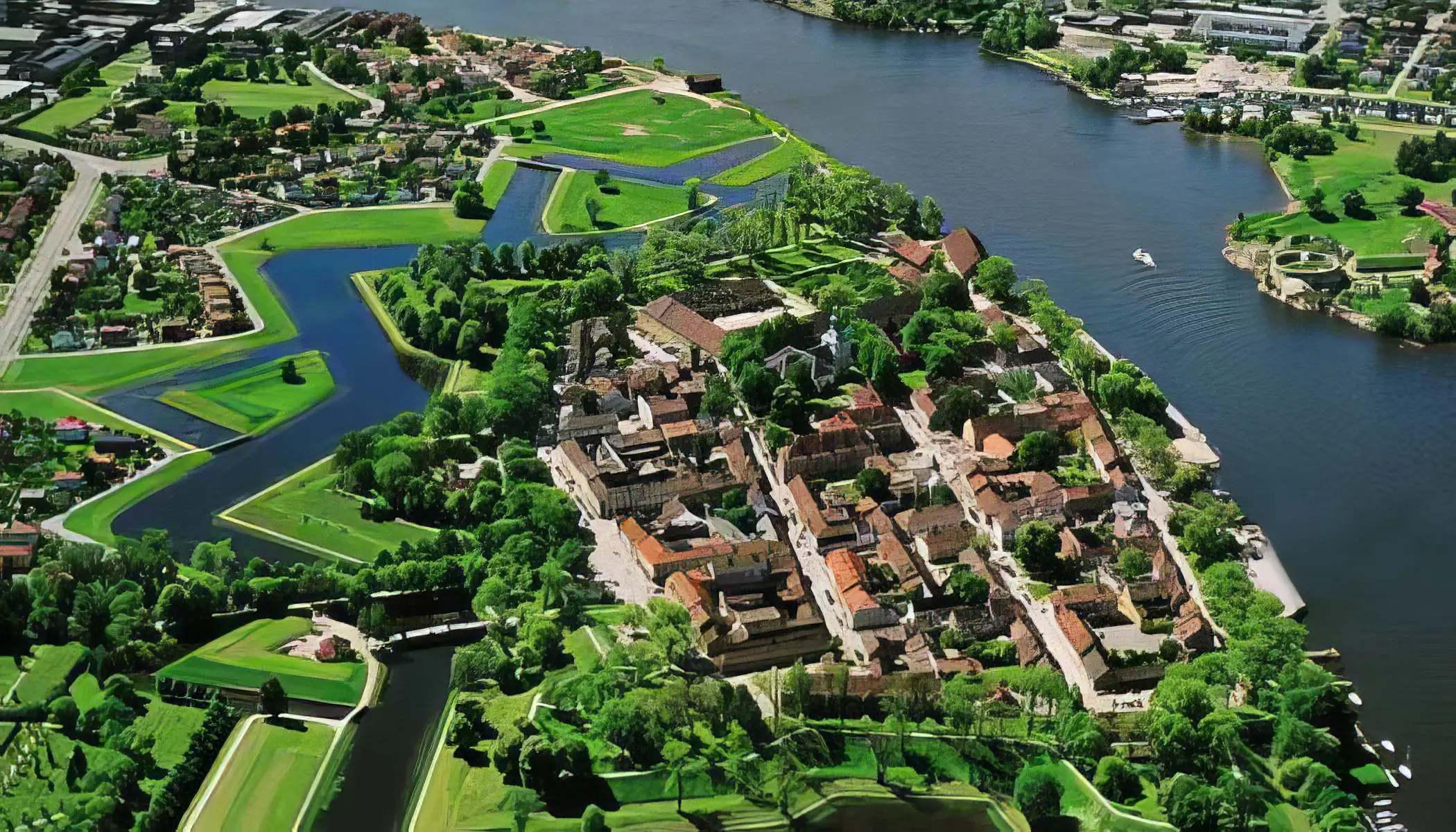
This city offers various day-trip options for exploring Norway's natural and cultural attractions. Here are some suggestions:
– Drøbak at 35 km: A charming seaside town with the Christmas House and views of the Oslofjord.
– Hadeland Glassverk at 70 km: Historic glassworks offering workshops, a museum, and shopping opportunities.
– Fredrikstad at 90 km: Known for its well-preserved Old Town with cobblestone streets and fortifications.
– Tønsberg at 100 km: Norway's oldest city featuring Viking history and coastal scenery.
– Kistefos Museum at 75 km: Offers contemporary art exhibitions in an industrial heritage setting by the river.
Attraction
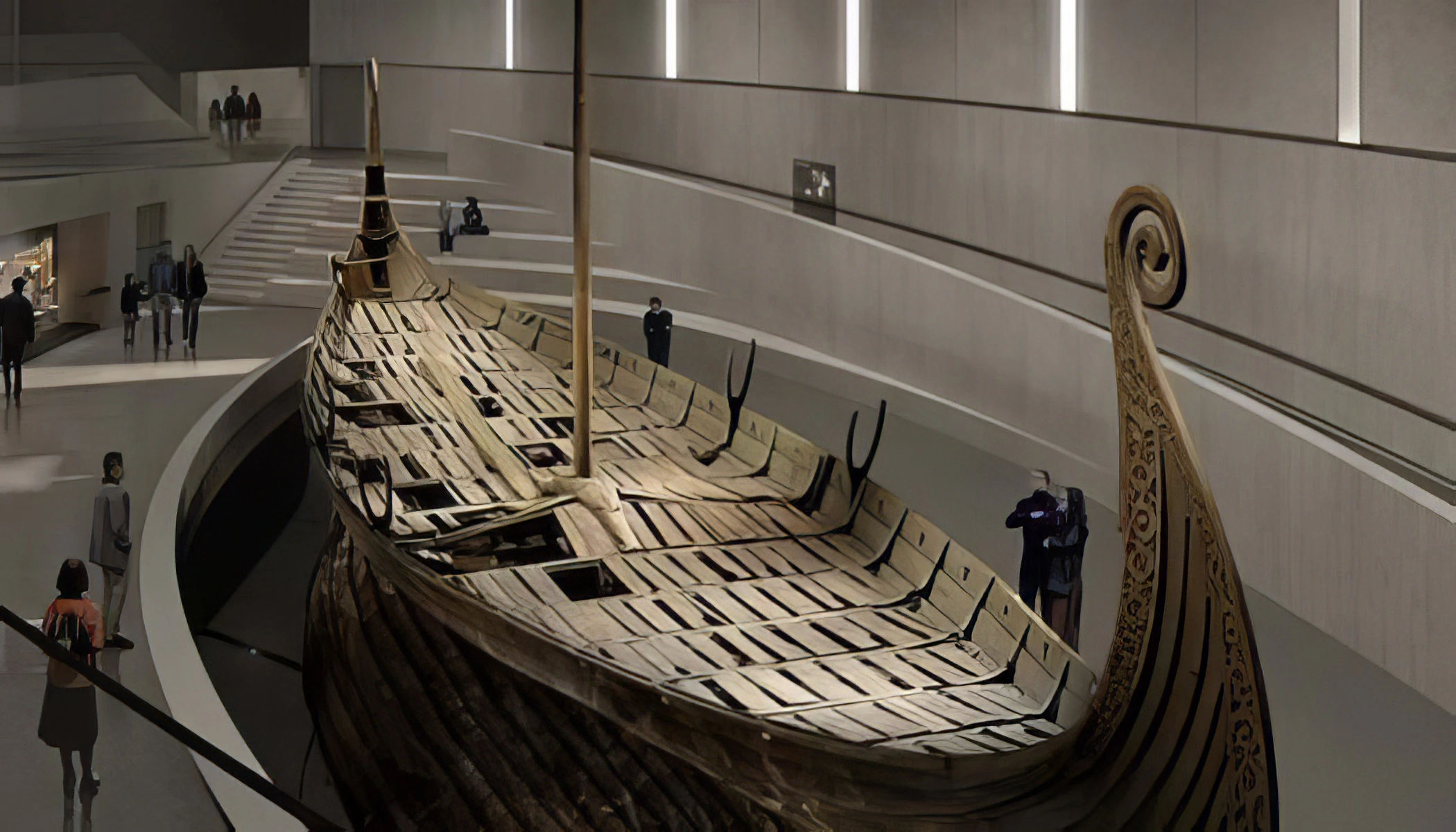
The city offers a blend of modern architecture, rich history, and lovely culture for tourists.
– Viking Ship Museum: Home to well-preserved Viking ships, showcasing ancient maritime craftsmanship and Norse history.
– The Royal Palace: Official residence of the monarch with beautiful gardens open to the public during summer.
– Munch Museum: Dedicated to Edvard Munch's art, including "The Scream," offering insight into his life and works.
– Akershus Fortress: A medieval castle providing panoramic views and insights into the nation's military history.
– Vigeland Park: Features over 200 sculptures by Gustav Vigeland in an expansive green space ideal for walking.
– National Gallery: Houses an extensive collection of Norwegian art from various periods, including famous national treasures.
Activity
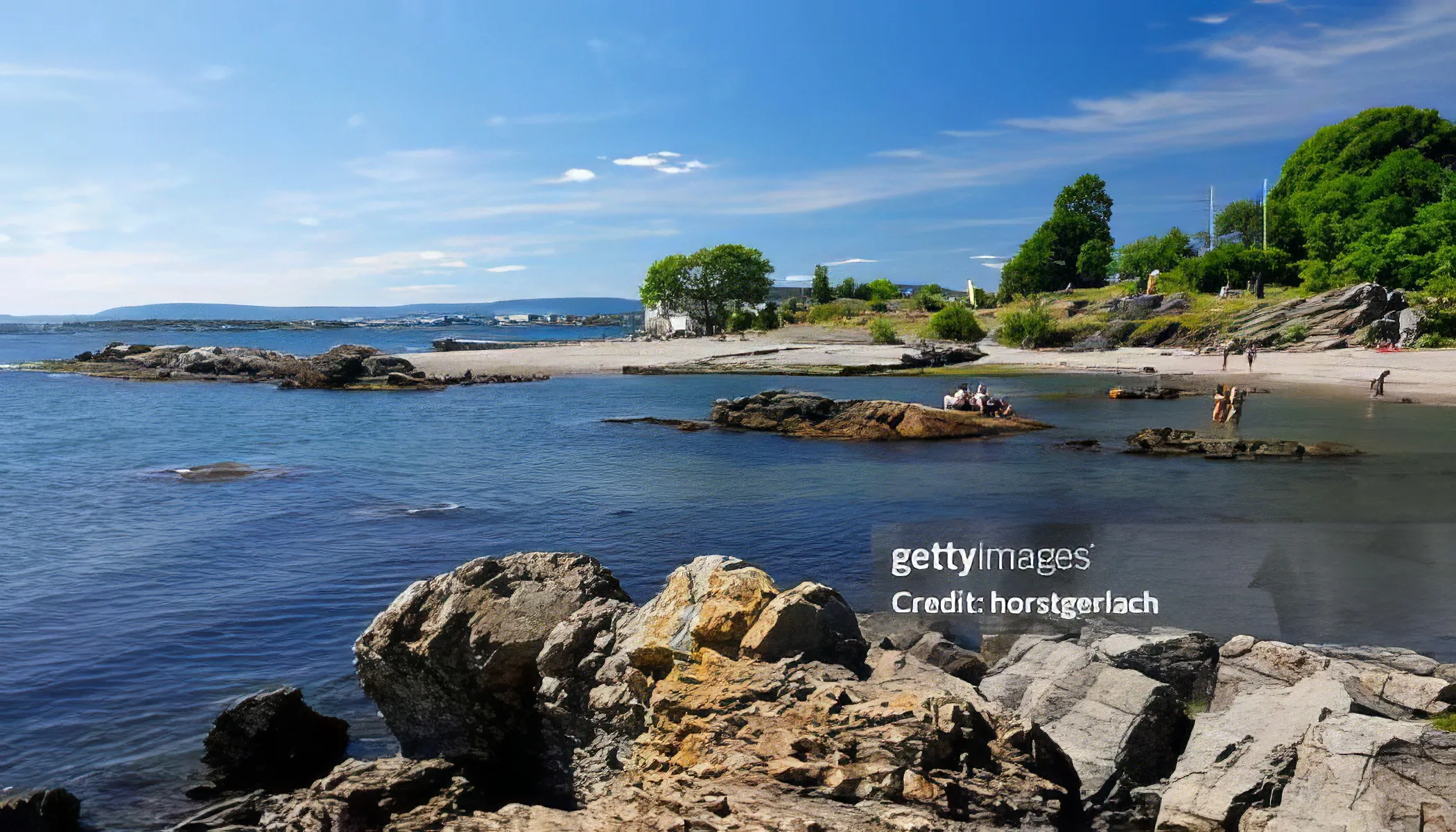
Oslo offers a mix of outdoor adventures, cultural experiences, and unique activities for travelers to explore the city.
– Oslo Fjord Kayaking: Paddle through scenic waters while enjoying views of islands and coastal landscapes in Oslo Fjord.
– Holmenkollen Ski Jump: Visit this iconic ski jump for impressive views and learn about skiing history at the visitor center.
– Ekebergparken Sculpture Park: Explore nature trails and contemporary art installations in this park overlooking the city and fjord.
– Bygdøy Peninsula Beaches: Relax at sandy beaches or enjoy picnics along the coastline during warmer months on this scenic peninsula.
– Northern Lights Chase: Experience a guided tour to see the northern lights outside the city on clear winter nights.
Cuisine
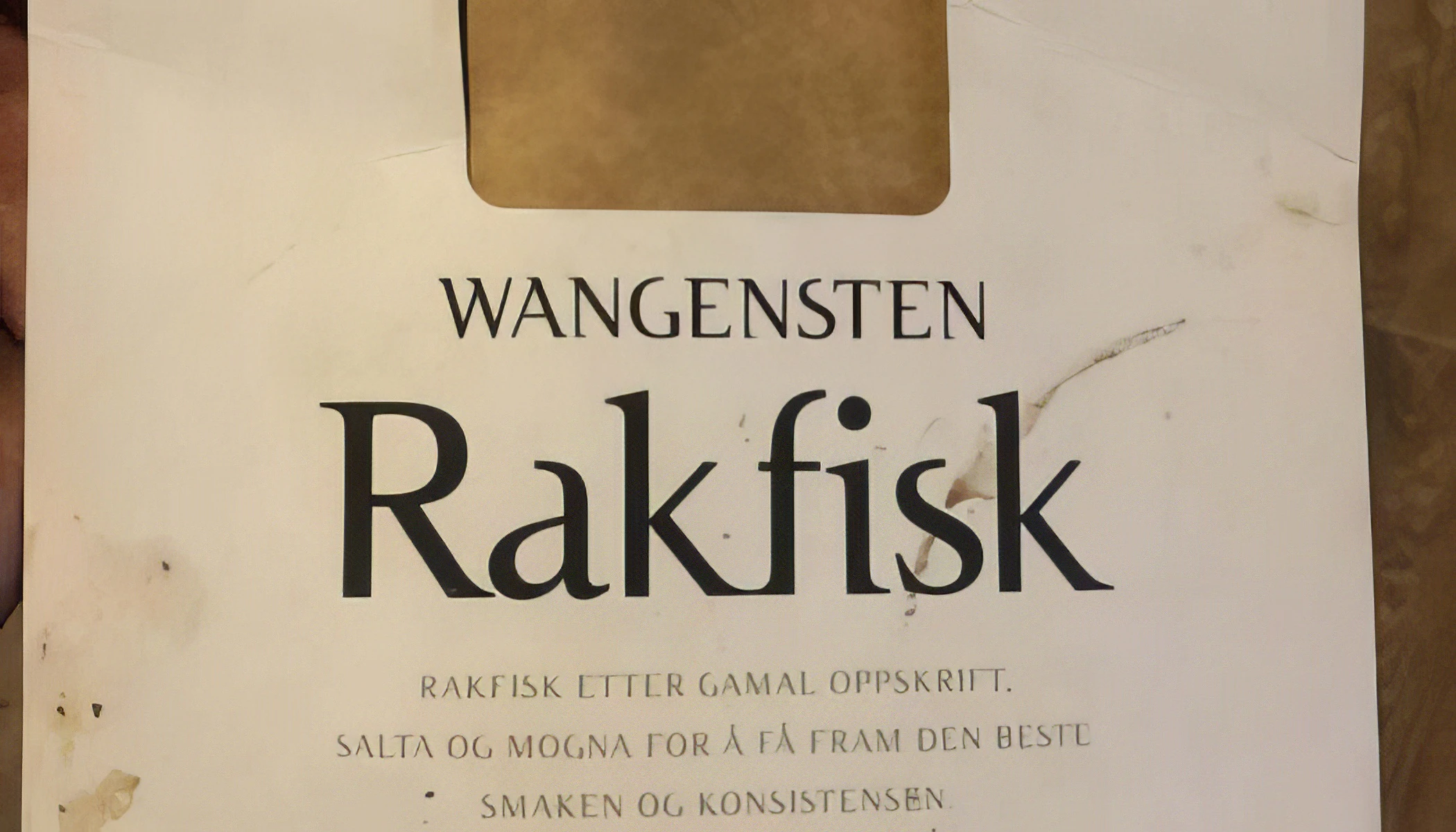
The city's food scene offers a blend of traditional Norwegian cuisine and modern culinary innovations, focusing on fresh, local ingredients. Some of the city's most famous dishes include:
– Rakfisk: Fermented fish, typically trout, served with flatbread and sour cream.
– Kjøttkaker: Meatballs made from beef or lamb, often served with potatoes and gravy.
– Smalahove: Traditional dish of sheep's head, usually eaten during festive occasions.
– Lutefisk: Dried fish rehydrated in lye solution, then cooked and served with mustard sauce.
– Brunost: Brown cheese with a sweet caramel-like flavor, often enjoyed on bread.
– Krumkake: Thin waffle-like cookie rolled into a cone shape, sometimes filled with whipped cream.
Shopping

For a unique shopping experience, visit the local markets for traditional Norwegian crafts. Wool products like sweaters and blankets are popular gifts. You can also find handcrafted jewelry made from silver and local materials. Look for Viking-themed souvenirs, which are widely available. Local food items, such as brown cheese or cloudberry jam, make good gifts too. Don't forget to check out design shops for modern Scandinavian home goods.
Arts & Culture
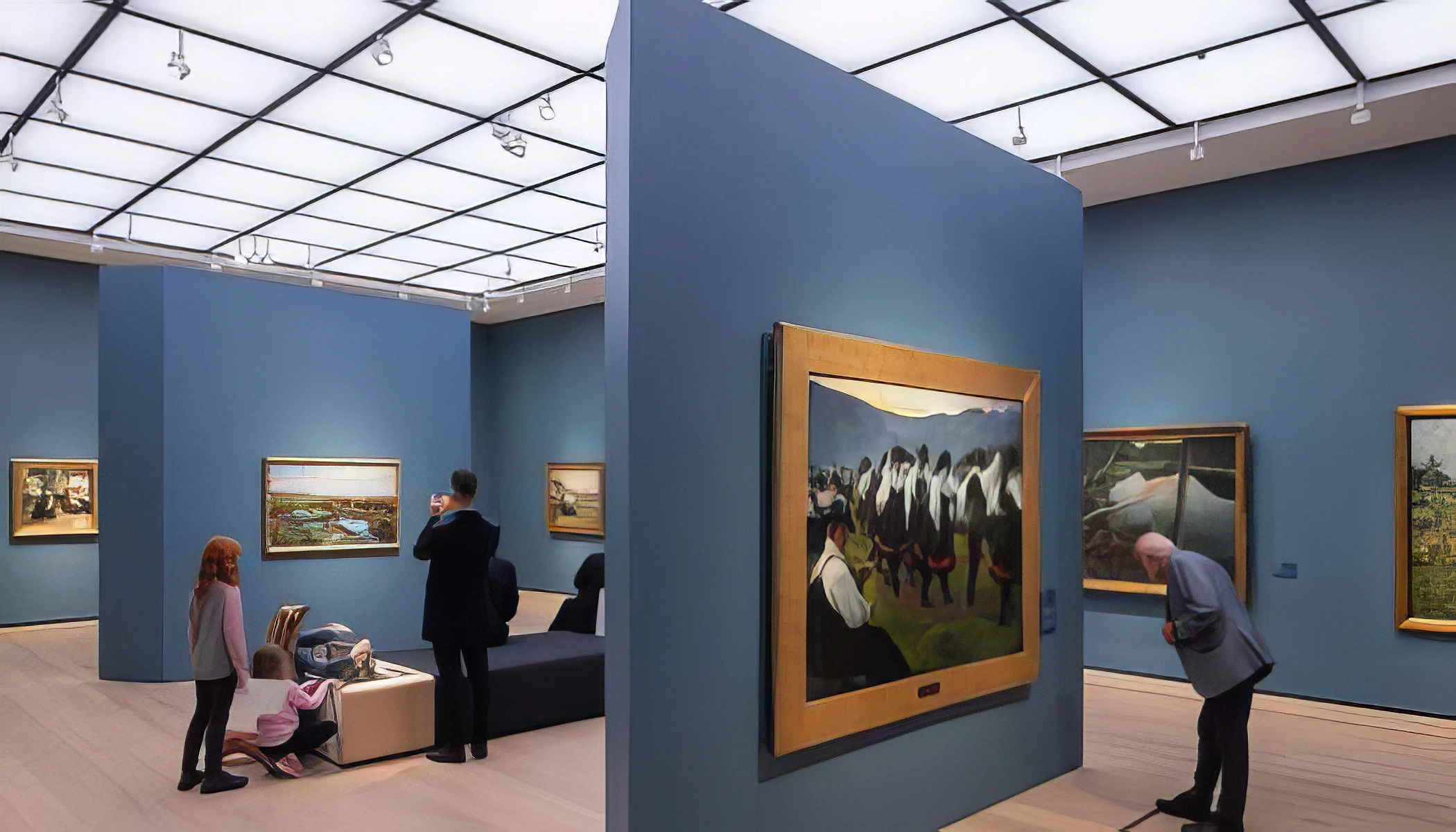
The National Gallery features a collection of Norwegian and European art, including works by Edvard Munch. The city hosts the Oslo Jazz Festival every August, attracting musicians and audiences from around the world. Additionally, the annual Oslo Winter Festival celebrates local culture through music and performances. The Munch Museum is dedicated to the life and work of Edvard Munch, showcasing many of his significant pieces.