

Sightseeing in Padang: Culture & Must‑See Spots
Located on the west coast of Sumatra, this city is known for its beautiful beaches, spicy cuisine, and as a gateway to the Mentawai Islands and Bukittinggi. It's also prone to earthquakes due to its location near tectonic plates.
- Population
- 1.10 million
- Size
- 694 square km
- Airport
- Minangkabau – Int'l.
- Train Station
- Stasiun Padang Barat
- Est. Visit Days
- 2 days
Overview
Padang, located on the west coast of Sumatra, Indonesia, is known for its rich Minangkabau culture and cuisine, particularly the spicy rendang dish. The city offers access to the beautiful West Sumatran landscape, including the Mentawai Islands and the Kerinci Seblat National Park, making it a hub for nature enthusiasts. However, Padang can experience heavy rainfall, especially during the monsoon season, which might affect travel plans. The city's infrastructure is developing but may not be as advanced as in some more urbanized areas. Despite this, Padang's warm hospitality and unique cultural heritage make it a worthwhile destination.
Traffic & Transport
The city experiences moderate traffic, with peak congestion during rush hours, particularly in the central areas. For tourists, the best means to explore the city are by using angkot (minivans), ojek (motorcycle taxis), or renting a car. Angkot is the most budget-friendly option and covers a wide network, providing access to various parts of the city. Ojek is convenient for shorter distances and navigating through traffic quickly. Renting a car offers more flexibility, ideal for those who prefer independent travel. For reliable taxi services, tourists can rely on Blue Bird Group and Express Group, which are known for their professionalism and use of meters. Additionally, the use of ride-hailing apps like Gojek and Grab provides a convenient option for booking both car rides and motorcycle taxis, with the added benefit of upfront pricing and ease of payment through the app.
History
Historically, the city was a Dutch colonial outpost in the 17th century, known for its strategic location in the spice trade. It later became part of the Dutch East Indies, contributing significantly to the region's economy through coffee and other exports. The city was heavily impacted during World War II, experiencing Japanese occupation from 1942 to 1945. This period influenced local culture and was a time of significant change. Post-independence, the city developed as a center for education and trade, enhancing its cultural diversity and historical significance.
Itinerary Sample
Explore Padang, Indonesia over two days with this focused itinerary:
– First day: Visit the Adityawarman Museum, stroll through Padang Beach, and enjoy local cuisine at a beachside restaurant.
– Second day: Explore Anai Valley Waterfall, shop at Pasar Raya Padang, and watch the sunset at Air Manis Beach.
Near Excursion
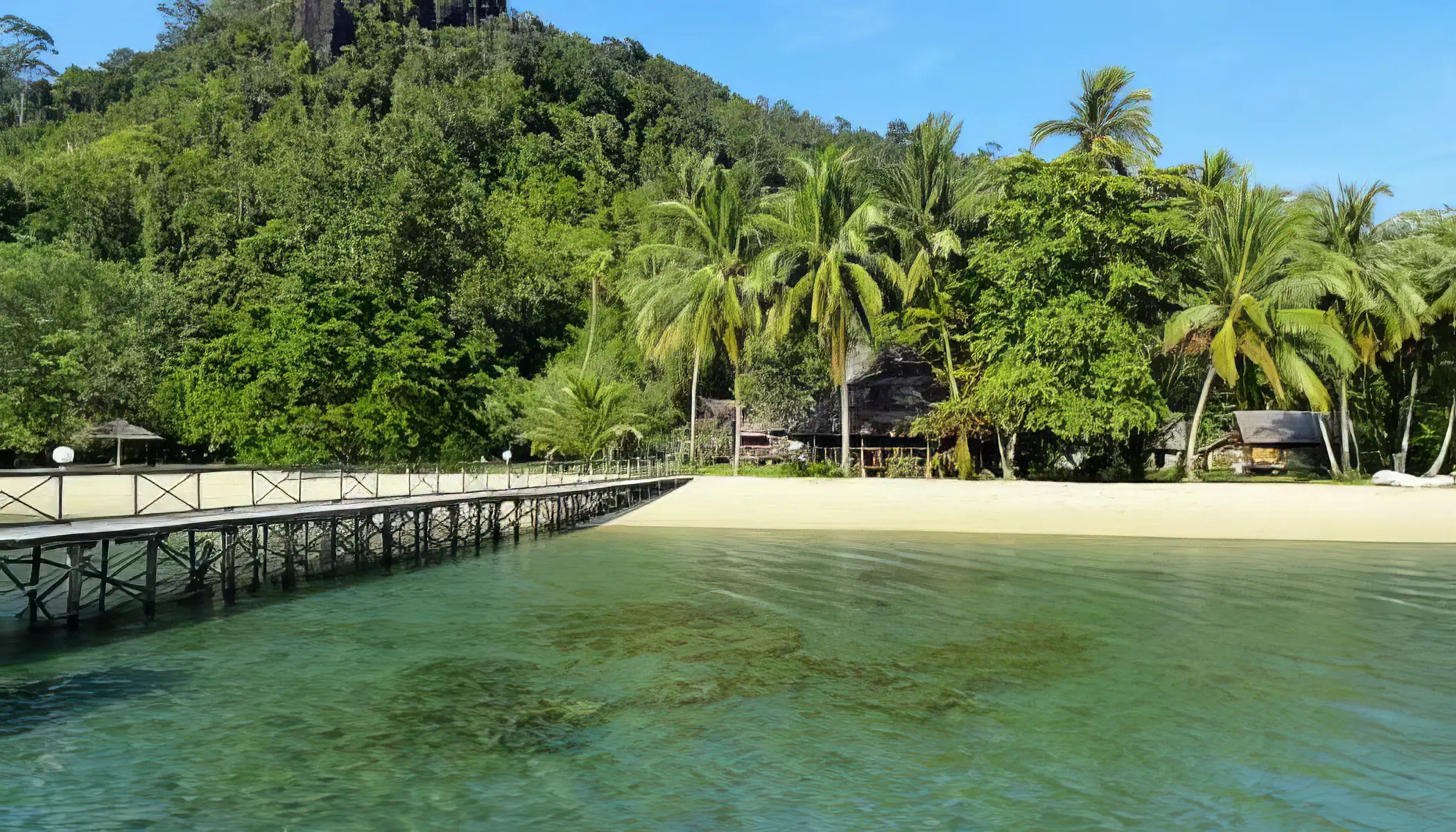
This city offers several interesting day trips within a short distance. Here are some options:
– Bungus Beach at 30 km: A peaceful beach ideal for swimming and relaxing.
– Pagaruyung Palace at 90 km: A historical palace showcasing Minangkabau architecture and culture.
– Harau Valley at 120 km: A picturesque valley with waterfalls and cliffs, perfect for nature lovers.
– Lake Maninjau at 100 km: A volcanic lake offering nice views and a peaceful atmosphere.
– Anai Valley Waterfall at 60 km: A beautiful waterfall located in a abundant tropical forest.
Attraction
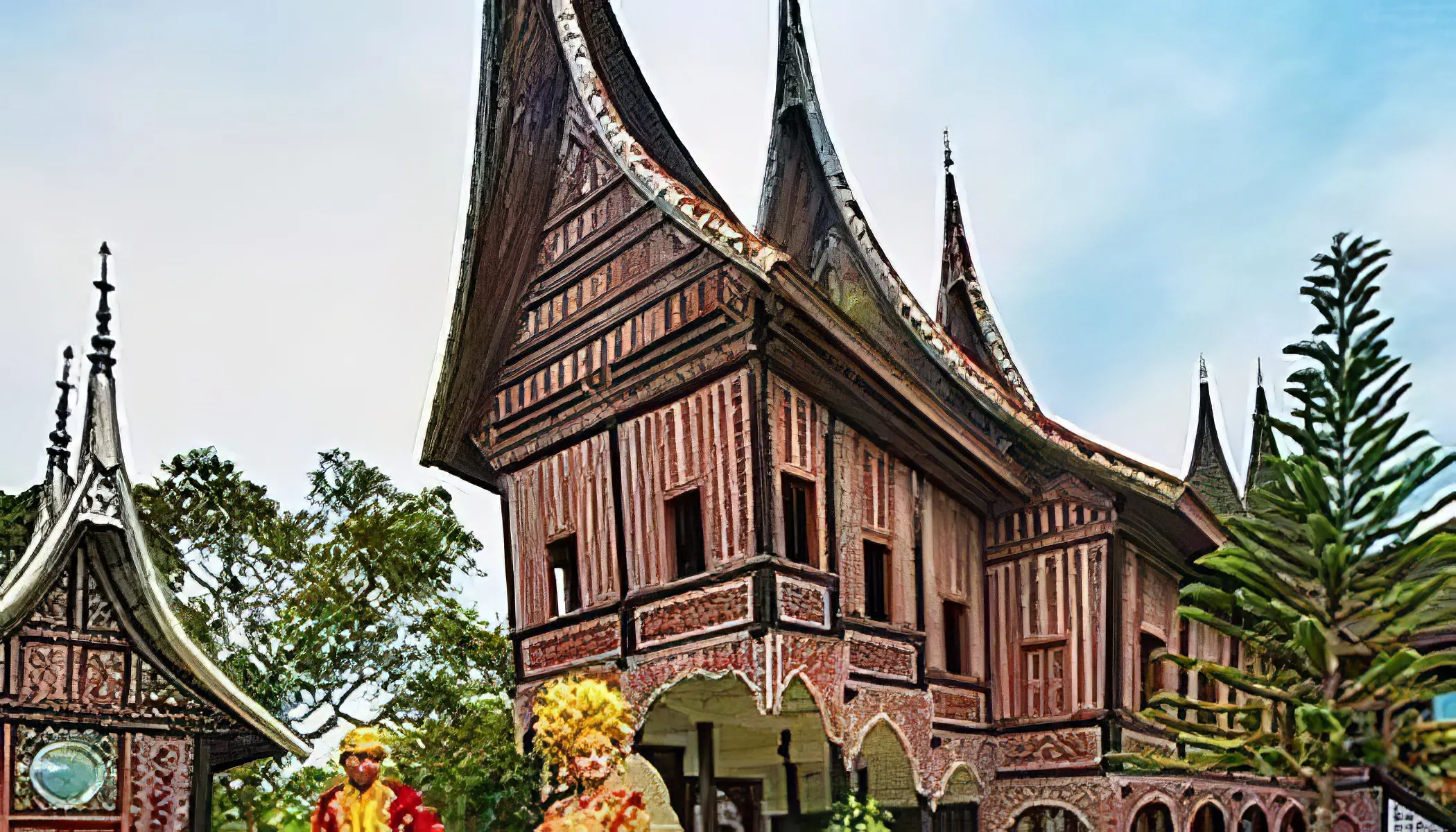
This city is known for its rich culture, beautiful landscapes, and delicious cuisine.
– Siti Nurbaya Bridge: Offers nice views of the city and is a great spot for sunset photography.
– Air Manis Beach: Famous for its scenic beauty and the legend of Malin Kundang.
– Adityawarman Museum: Showcases Minangkabau culture and traditional architecture.
– Bungus Beach: A nice beach ideal for swimming and relaxing.
– Lake Maninjau: A volcanic lake with magnificent views and peaceful surroundings.
– Pantai Padang: A popular beach for locals and tourists, perfect for evening strolls.
Activity

In Padang, travelers can experience unique Minangkabau culture, scenic landscapes, and spicy culinary delights.
– Bukittinggi Day Trip: Visit Sianok Canyon, Japanese Tunnel, and Ngarai Sianok Valley.
– Harau Valley Trekking: Explore beautiful rock formations and waterfalls.
– Minangkabau Village Tour: Learn about traditional architecture and local customs.
– Surfing in Mentawai Islands: Take a boat trip for world-class surfing.
– Padang Food Tour: Taste local specialties like rendang and sate padang.
Cuisine
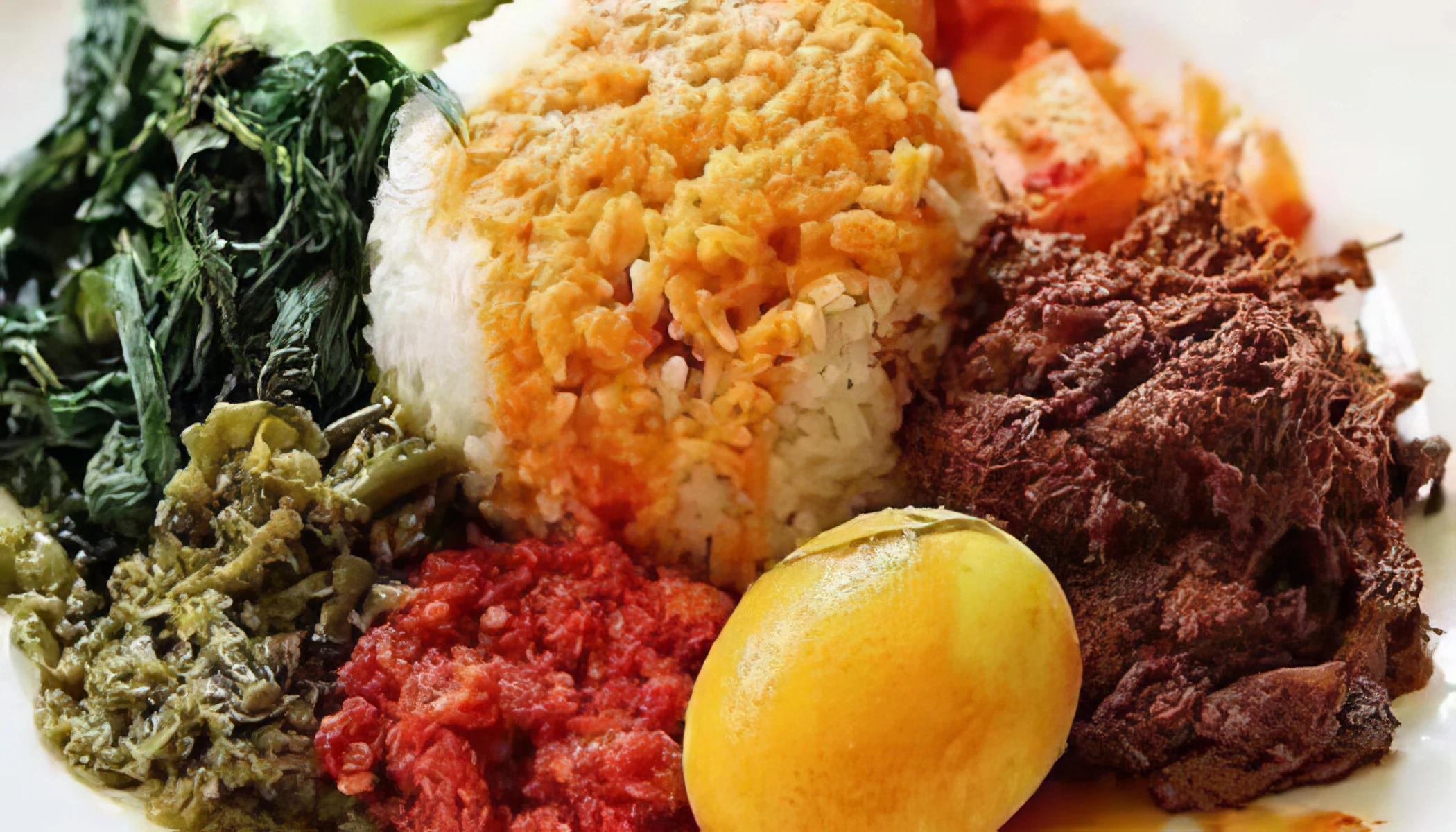
The city is famous for its rich and spicy cuisine, often served in a unique style called "nasi padang." Some of the city's most famous dishes include:
– Rendang: Slow-cooked beef in coconut milk and spices, known for its rich flavor.
– Sate Padang: Skewered meat served with a thick, spicy sauce made from rice flour and turmeric.
– Dendeng Balado: Thinly sliced beef fried until crispy, topped with a spicy chili sauce.
– Gulai: A type of curry made with meat or vegetables, cooked in a rich, spiced coconut milk.
– Ayam Pop: Fried chicken marinated in coconut water and spices, served with sambal.
– Es Cendol: A dessert made from rice flour jelly, coconut milk, and palm sugar syrup.
Shopping
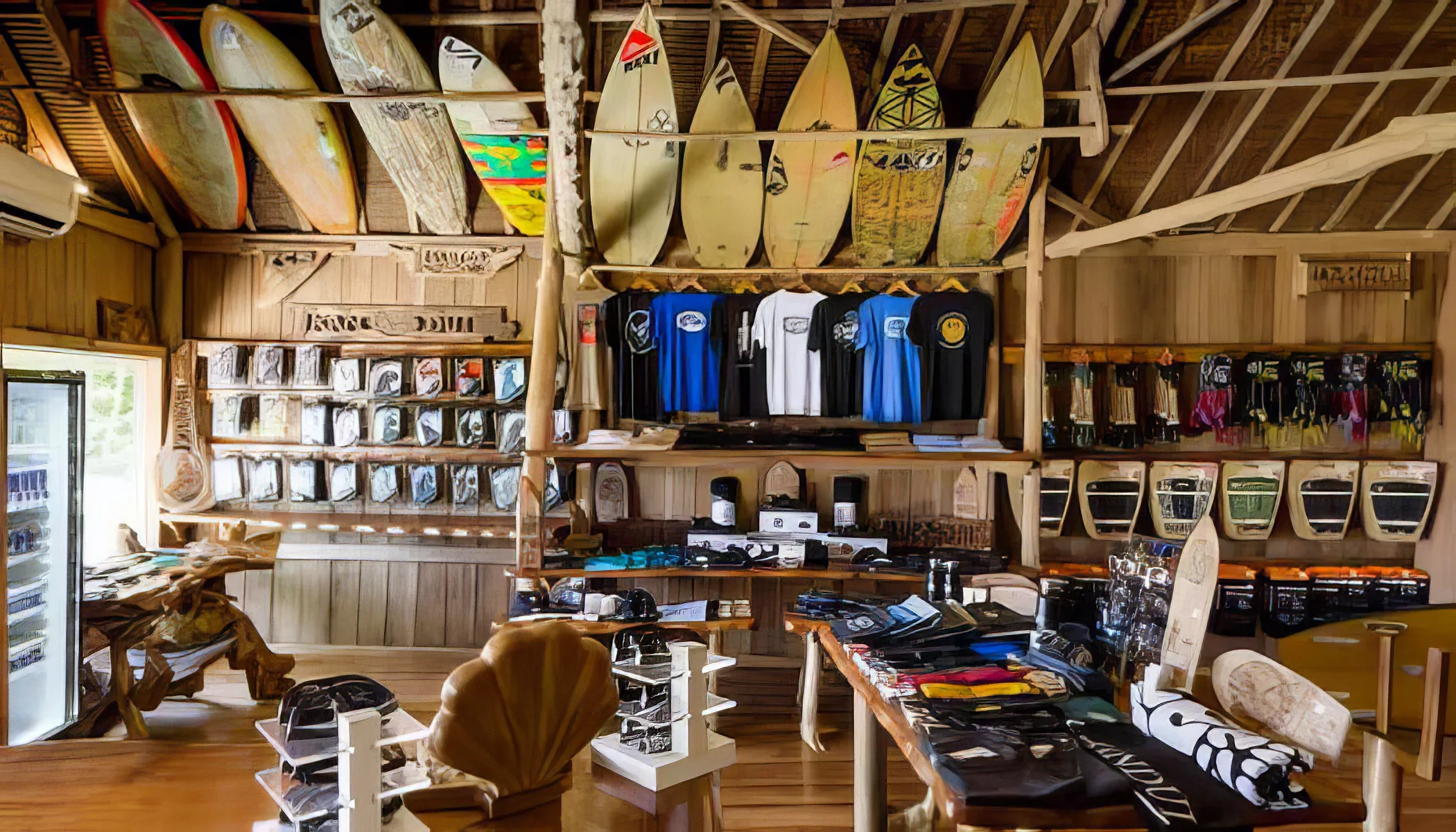
In the city, tourists can explore local markets like Pasar Raya, the largest traditional market, offering a variety of goods from fresh produce to handicrafts. A popular gift to purchase is the traditional Minangkabau songket, a handwoven fabric often used in clothing and home decorations. Another unique souvenir is the Minangkabau wood carvings, which reflect the rich cultural heritage of the region. For food enthusiasts, buying packaged local spices or rendang is a great choice, allowing them to recreate the flavors of the cuisine at home.
Arts & Culture
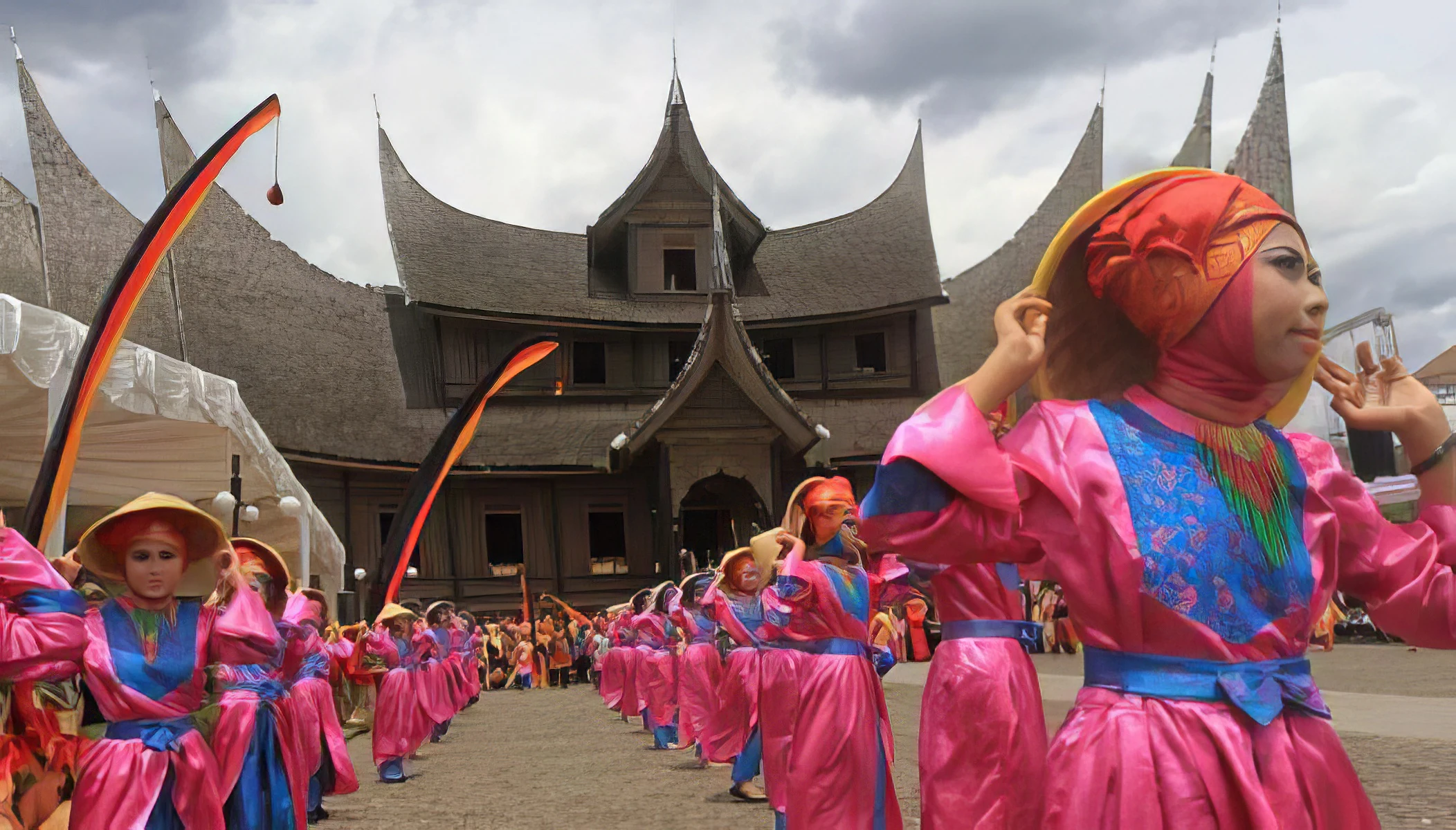
The city hosts the annual Festival Budaya Minangkabau, which showcases the rich cultural heritage of the Minangkabau people through traditional music, dance, and crafts. Another significant event is the Tabuik Festival, an important religious ceremony for the local Shia Muslim community, commemorating the martyrdom of Imam Hussein with processions and cultural performances. The city is also known for its traditional houses, known as Rumah Gadang, which feature distinctive Minangkabau roof architecture and are a focal point during cultural and arts festivals. Additionally, local art forms such as Talempong (a traditional musical instrument) performances are integral to the cultural landscape.