

Sightseeing in Pakse: Culture & Must‑See Spots
Situated at the confluence of the Mekong and Xe Don rivers, this city serves as the capital of Champasak Province and is a hub for commerce and tourism in southern region.
- Airport
- Pakse – Int'l.
- Est. Visit Days
- 2 days
Overview
Pakse, located in southern Laos, serves as a convenient base for exploring the Bolaven Plateau and the Mekong River. The city offers a more relaxed atmosphere compared to the capital, Vientiane, and is known for its French colonial architecture. However, Pakse can be quite quiet, with limited nightlife and fewer tourist attractions than other cities in the region. The infrastructure for tourism is developing but may not be as extensive as in more popular destinations. Despite this, Pakse's charm lies in its access to the natural beauty of the surrounding area.
Traffic & Transport
The city's traffic is generally light compared to larger urban centers, making it relatively easy to navigate. For tourists, the best means of exploring the city and its surrounding attractions is by renting a motorbike or bicycle, which offers flexibility and the ability to access narrower streets. Tuk-tuks are also available and are a convenient option for those who prefer not to drive themselves. Public buses are limited but can be used for longer journeys to nearby towns. For reliable taxi services, visitors can rely on companies like "Mekong Taxi" and "Sabaidee Taxi," which are known for their availability and good service. Additionally, the Grab app is widely used for booking both taxis and motorbike rides, providing a convenient and efficient way to travel around.
History
Originally part of the Lao kingdom of Champasak, the city was established in 1905 by the French during their colonial rule in Indochina. It served as an administrative center and was significant for trade, particularly in coffee and tea, due to its location on the Mekong River. The city's history is marked by its involvement in the conflicts of the region, including the Indochina and Vietnam Wars, which had an impact on its development and demographics. The area is culturally diverse, with influences from Lao, Thai, and Vietnamese traditions, reflected in its architecture, cuisine, and festivals. The city is also known for its Theravada Buddhist temples, which are integral to its cultural heritage.
Itinerary Sample
Here's a 2-day itinerary to explore Pakse, Laos, ensuring you experience its key attractions efficiently:
– First day: Visit Wat Phou, an ancient Khmer temple complex, then explore the Champasak Provincial Museum for local history.
– Second day: Take a trip to the Bolaven Plateau, known for its fascinating waterfalls and coffee plantations.
Near Excursion
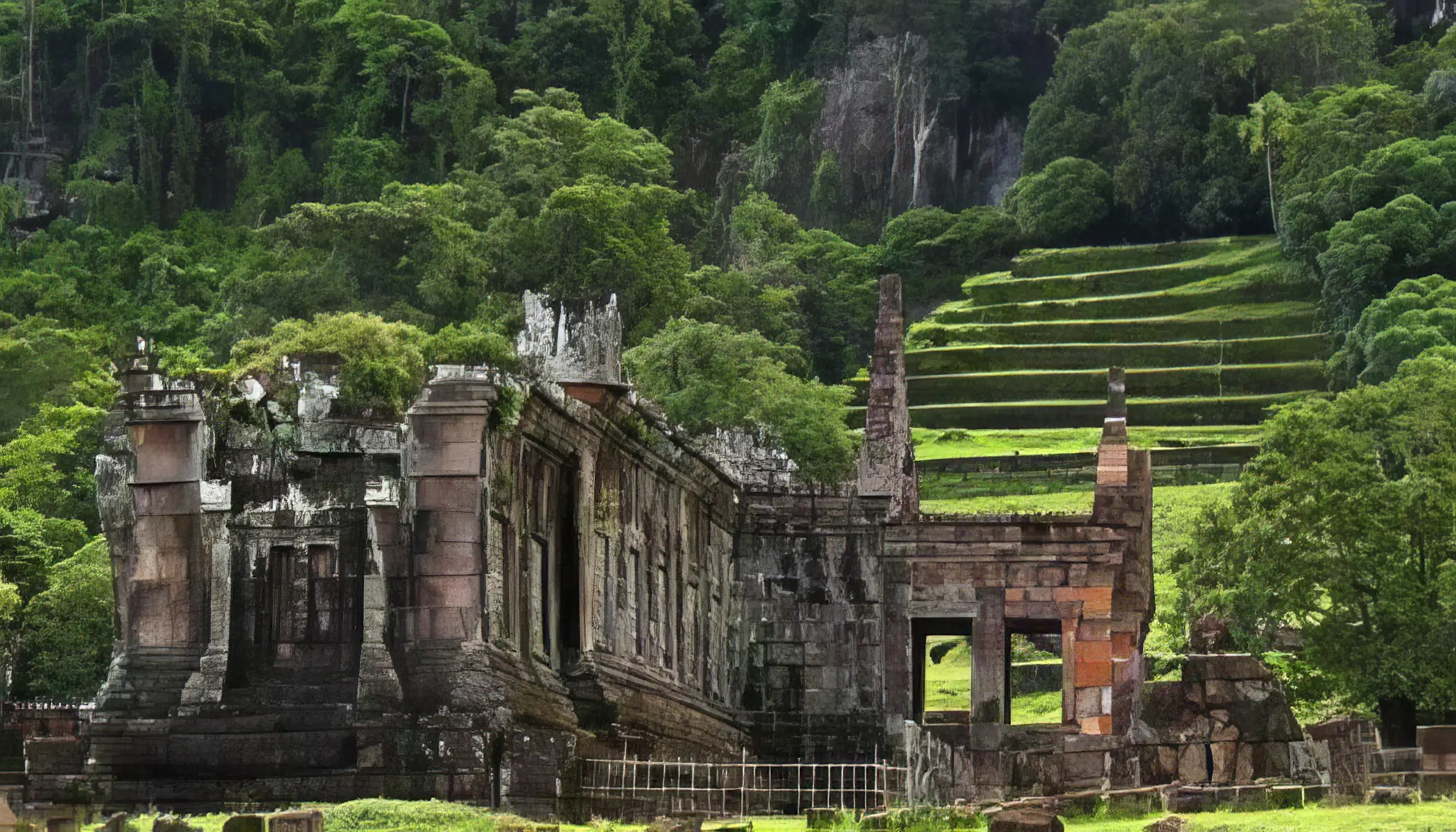
This city is a great starting point for several exciting day trips. Here are some suggestions:
– Wat Phou at 40 km: An ancient Khmer temple complex with nice views and historical significance.
– Bolaven Plateau at 50 km: Known for its cool climate, coffee plantations, and beautiful waterfalls.
– Si Phan Don (4000 Islands) at 130 km: A beautiful area with numerous islands, perfect for relaxation and boat tours.
– Tad Fane Waterfall at 38 km: A spectacular twin waterfall set in a dense jungle environment.
– Champasak at 35 km: A small town with colonial architecture and access to the Mekong River.
Attraction
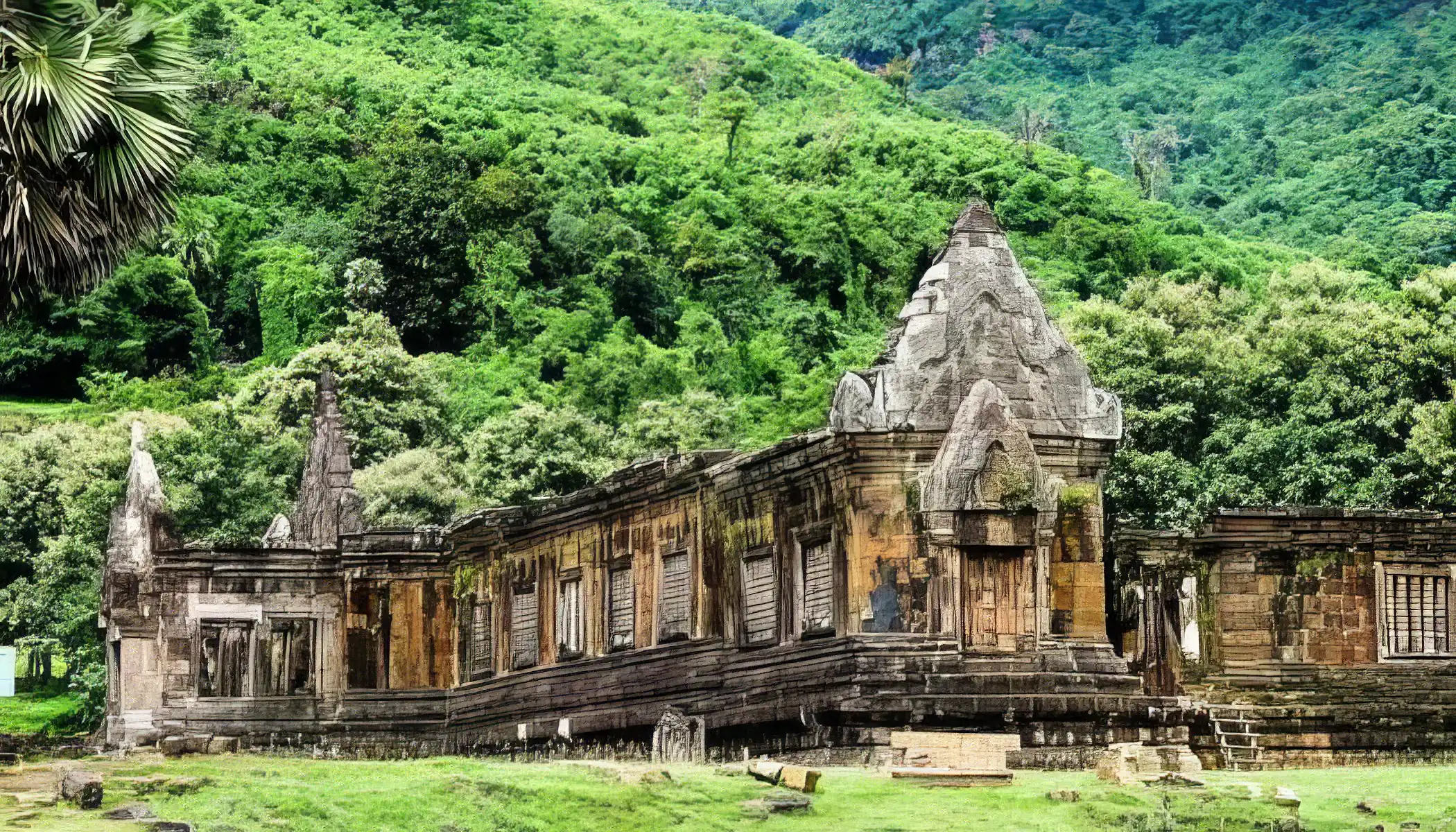
This city is known for its natural beauty, cultural sites, and nearby waterfalls.
– Wat Phou: An ancient Khmer temple complex with remarkable views and historical significance.
– Bolaven Plateau: A highland area famous for its coffee plantations and beautiful waterfalls.
– Tad Fane Waterfall: A dramatic twin waterfall set in dense jungle surroundings.
– Si Phan Don (4000 Islands): A riverine archipelago offering boat tours and a chance to see freshwater dolphins.
– Champasak Palace: A historic palace turned hotel with interesting architecture and history.
– Pha Suam Waterfall: A gorgeous waterfall with a nearby ethnic village showcasing traditional lifestyles.
Activity
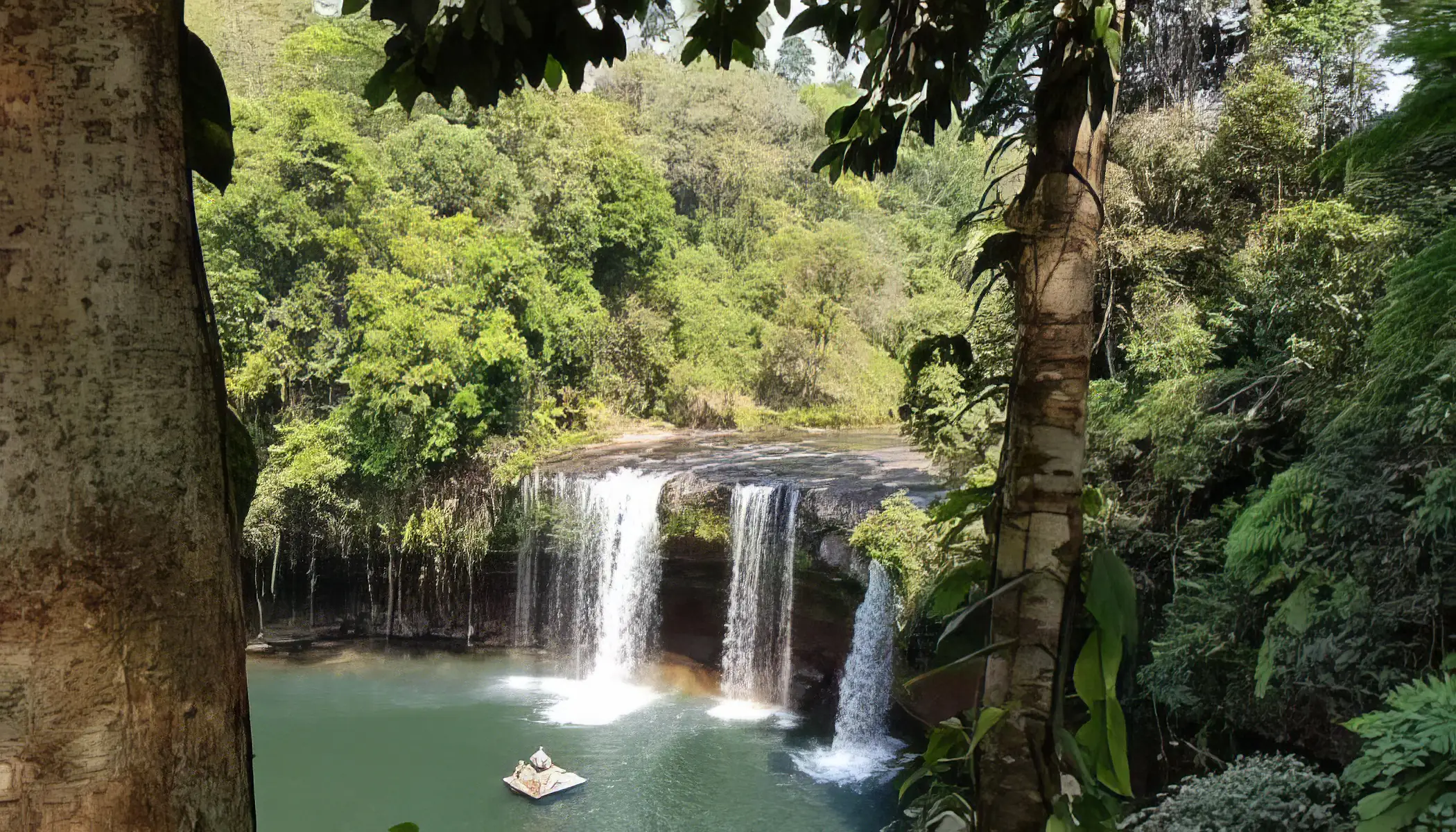
Pakse offers unique experiences blending nature, culture, and adventure in southern Laos.
– Bolaven Plateau: Explore waterfalls, coffee plantations, and ethnic villages on a scenic drive.
– Wat Phou: Visit ancient Khmer temple ruins, a UNESCO World Heritage site.
– Si Phan Don (4000 Islands): Relax, kayak, or spot Irrawaddy dolphins in the Mekong River.
– Tad Yuang Waterfall: Enjoy a refreshing swim at this lovely waterfall near Pakse.
– Don Daeng: Cycle or walk around this peaceful island, experiencing rural Lao life.
Cuisine
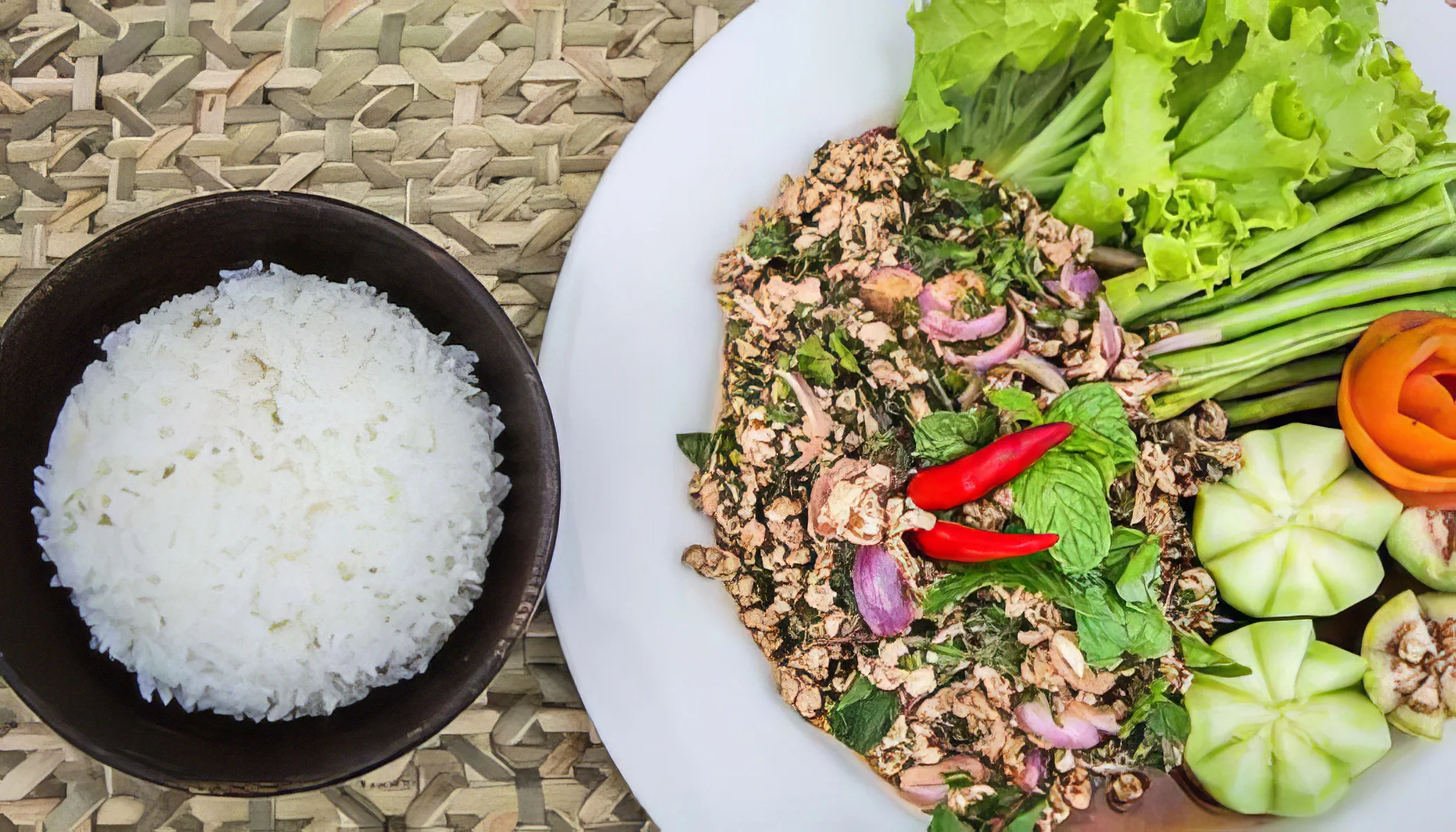
The city offers a blend of traditional Lao cuisine and influences from neighboring countries, with a focus on fresh ingredients and bold flavors. Some of the city's most famous dishes include:
– Laap: A minced meat salad mixed with herbs, lime juice, and fish sauce.
– Tam Mak Hoong: Spicy green papaya salad with tomatoes, lime, and chilies.
– Khao Jee: Lao-style baguette sandwich filled with meats, vegetables, and sauces.
– Or Lam: A hearty stew made with meat, eggplant, and herbs.
– Khao Piak Sen: A comforting noodle soup with thick rice noodles and chicken or pork.
– Nam Varn: A sweet dessert soup made with coconut milk, tapioca pearls, and fruits.
Shopping
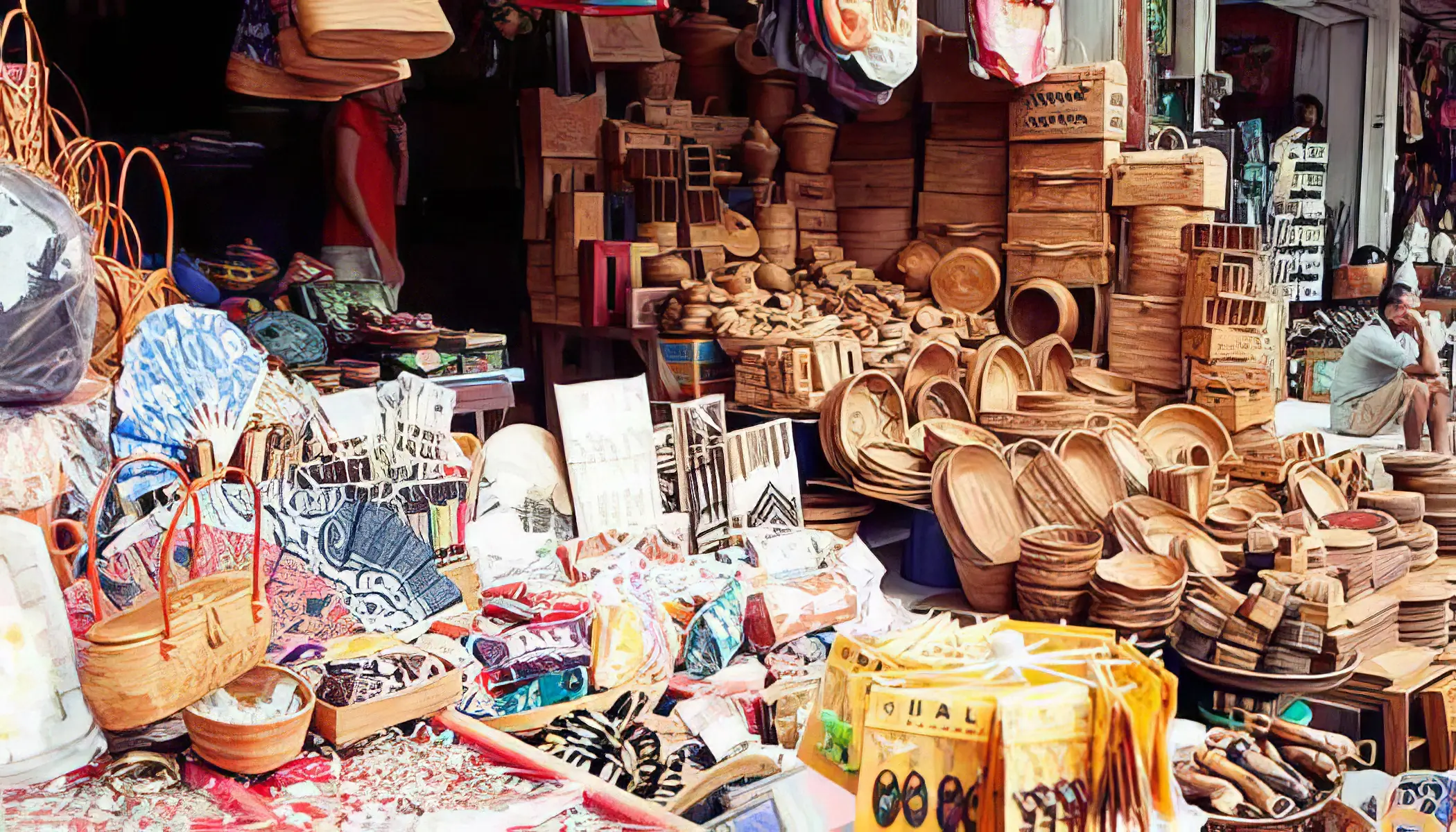
In the city, the Dao Heuang Market is a notable spot for shopping, offering a wide range of local products. Tourists can find traditional Lao textiles, which make for unique gifts, showcasing nice patterns and animated colors. Another popular gift item is Lao coffee, known for its rich flavor, sourced from the nearby Bolaven Plateau. Handicrafts made from wood and bamboo are also widely available and reflect the local craftsmanship. For a more personal touch, handmade jewelry and accessories can be found at various small shops. These items not only serve as great souvenirs but also support the local artisans.