

Sightseeing in Paraty: Culture & Must‑See Spots
This historic coastal town is known for its colonial architecture and well-preserved streets. It features a remarkable natural landscape of mountains and beaches, making it a popular destination for tourists and nature enthusiasts alike.
- Size
- 926 square km
- Est. Visit Days
- 4 days
Overview
Paraty is a historic coastal town in Brazil known for its colonial architecture and natural beauty. One pro is its charming streets and rich cultural heritage, attracting visitors interested in history. The area also offers beautiful beaches and opportunities for outdoor activities like hiking and boat tours. On the downside, Paraty can be crowded during peak tourist seasons, and accommodations may be pricey. Additionally, the town's narrow streets can be challenging to navigate, especially for those with mobility issues.
Traffic & Transport
The city has a charming and compact layout, making it ideal for exploration on foot. Visitors can also take advantage of bicycles and scooters for a fun way to navigate the scenic streets and nearby beaches. Limited vehicle access in the historical center ensures a pleasant walking experience, while public transport options like buses are available for reaching surrounding areas. For those looking to relax, boat tours provide another unique means to explore coastal attractions. Reliable taxi services are available throughout the area, with local companies providing friendly and efficient transport options. Additionally, ridesharing apps may offer convenience, allowing tourists to book rides easily from their smartphones.
History
The region was first inhabited by indigenous people before it was colonized by the Portuguese in the 16th century. It became an important port for gold and sugar trade in the 17th and 18th centuries, facilitating commerce between Brazil and Europe. During the Portuguese colonial period, it was a strategic naval base due to its location along the Atlantic coast. The city saw conflicts during Brazil's independence movement in the early 19th century. Today, the architecture reflects its colonial past, maintaining a blend of cultural influences.
Itinerary Sample
Explore Paraty with this four-day itinerary highlighting key attractions and activities.
– First day: Arrive in Paraty, settle in your accommodation, then take a guided walking tour of the historic center to see colonial architecture and visit local shops.
– Second day: Enjoy a boat tour of nearby islands and beaches, including Lagoa Azul and Praia da Cachaça, with opportunities for swimming and snorkeling.
– Third day: Visit the nearby Serra da Bocaina National Park for hiking, explore waterfalls, and enjoy nature. Alternatively, take a kayak tour in the bay.
– Fourth day: Discover local cachaça distilleries for tastings, visit the local art galleries, and spend time at the beach before departing.
Near Excursion
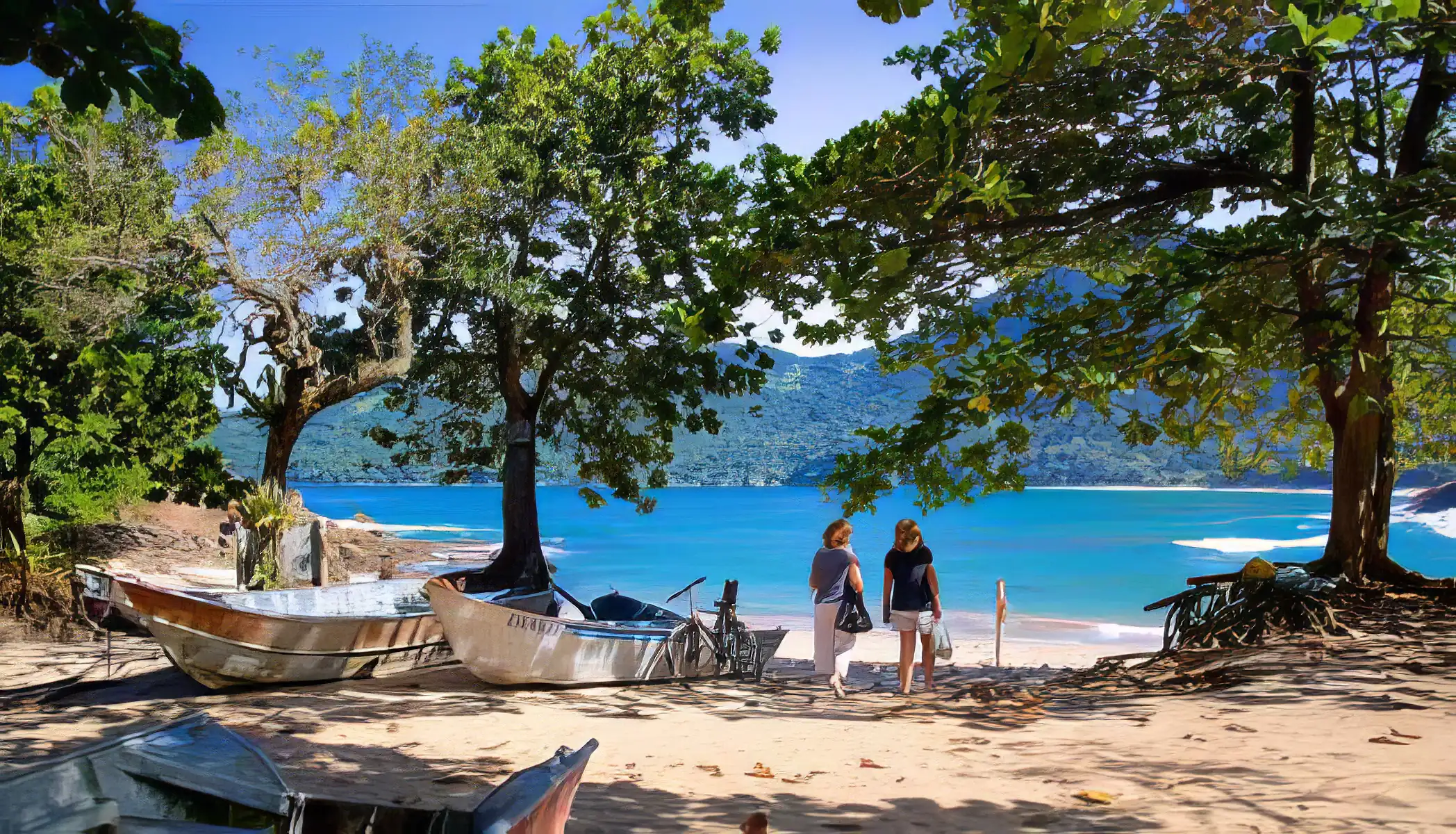
This charming town provides great opportunities for day trips. Here are some options:
– Trindade at 30 km: A small village known for its beautiful beaches and natural pools.
– Cachoeira do Tobogã at 27 km: A natural water slide formed by smooth rocks and a refreshing waterfall.
– Serra da Bocaina National Park at 50 km: Offers trails, waterfalls, and diverse wildlife in a protected area.
– Ubatuba at 70 km: A coastal city with over 100 beaches and the Tamar Project for sea turtle conservation.
– Ilha Grande at 120 km: Known for sumptuous rainforests and immaculate beaches, accessible by boat.
Attraction
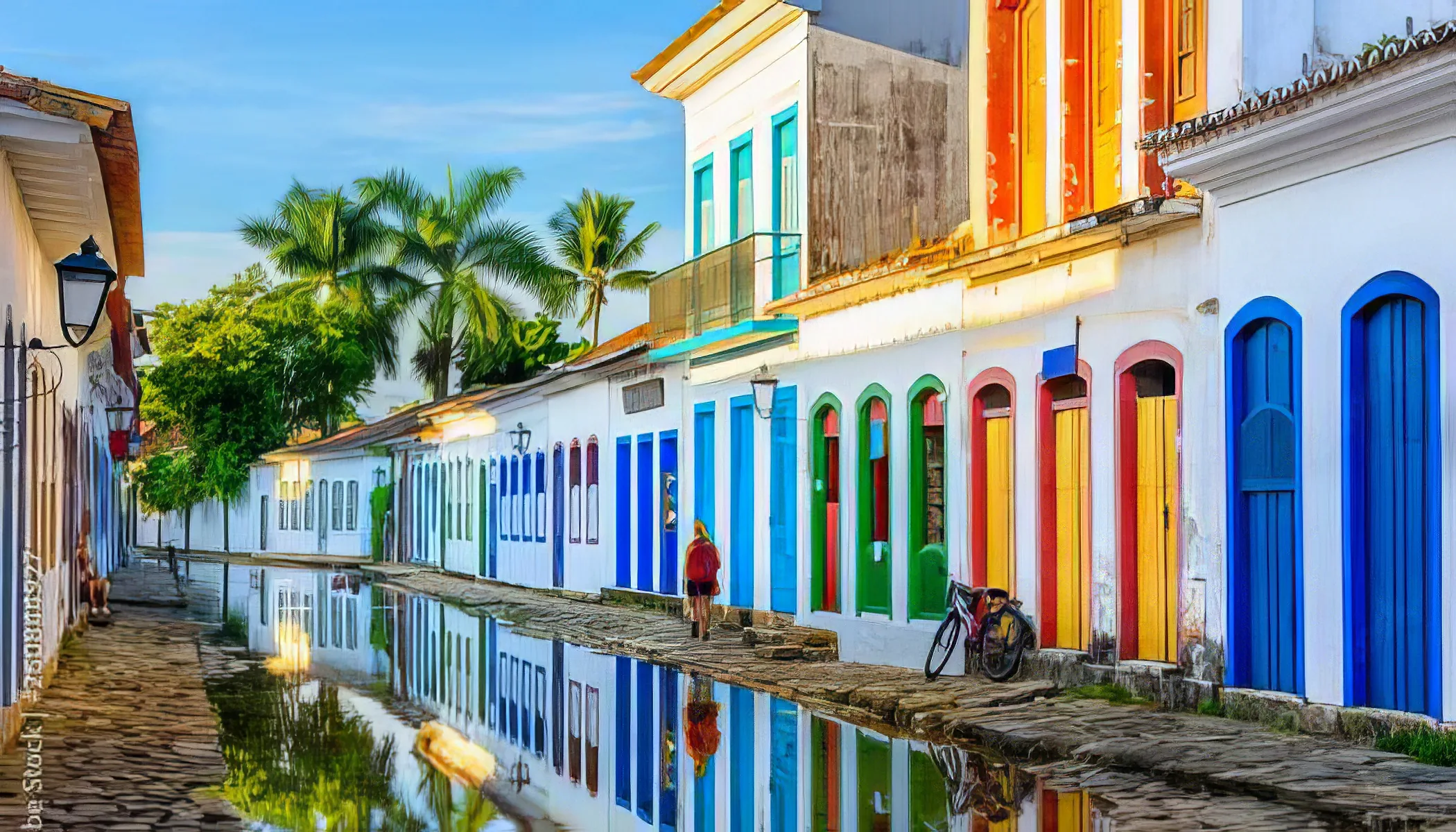
This city is known for its well-preserved colonial architecture and beautiful natural surroundings.
– Historic Center: Stroll through cobbled streets lined with colorful colonial buildings and discover local shops and cafes.
– Praia do Sono: Relax at this secluded beach, accessible by boat or a scenic hike through the rainforest.
– Cachoeira do Tobogã: Enjoy a natural rock slide and surrounding scenic views in this popular waterfall spot.
– Trindade: Experience a collection of beautiful beaches, each offering unique landscapes and activities.
– Saco do Mamanguá: Explore the only tropical fjord-like bay in the region, perfect for kayaking and hiking.
– Paraty Bay: Enjoy boat tours to nearby islands and observe rich marine life in crystal-clear waters.
Activity

In Paraty, travelers can explore beautiful landscapes, engage in water sports, and experience the local culture and history.
– Sailing tours: Navigate the nice coastline and visit nearby islands with beautiful beaches and clear waters.
– Cachaça distillery tours: Learn about the production of Brazil’s famous spirit and taste various local cachaça.
– Hiking in Serra da Bocaina: Explore trails in this national park, featuring rich biodiversity and scenic views.
– Kayaking in Bay: Paddle through calm waters and discover hidden beaches and local wildlife along the coast.
– Paraty's Historic Center: Walk through cobblestone streets to admire well-preserved colonial architecture and local artisan shops.
Cuisine
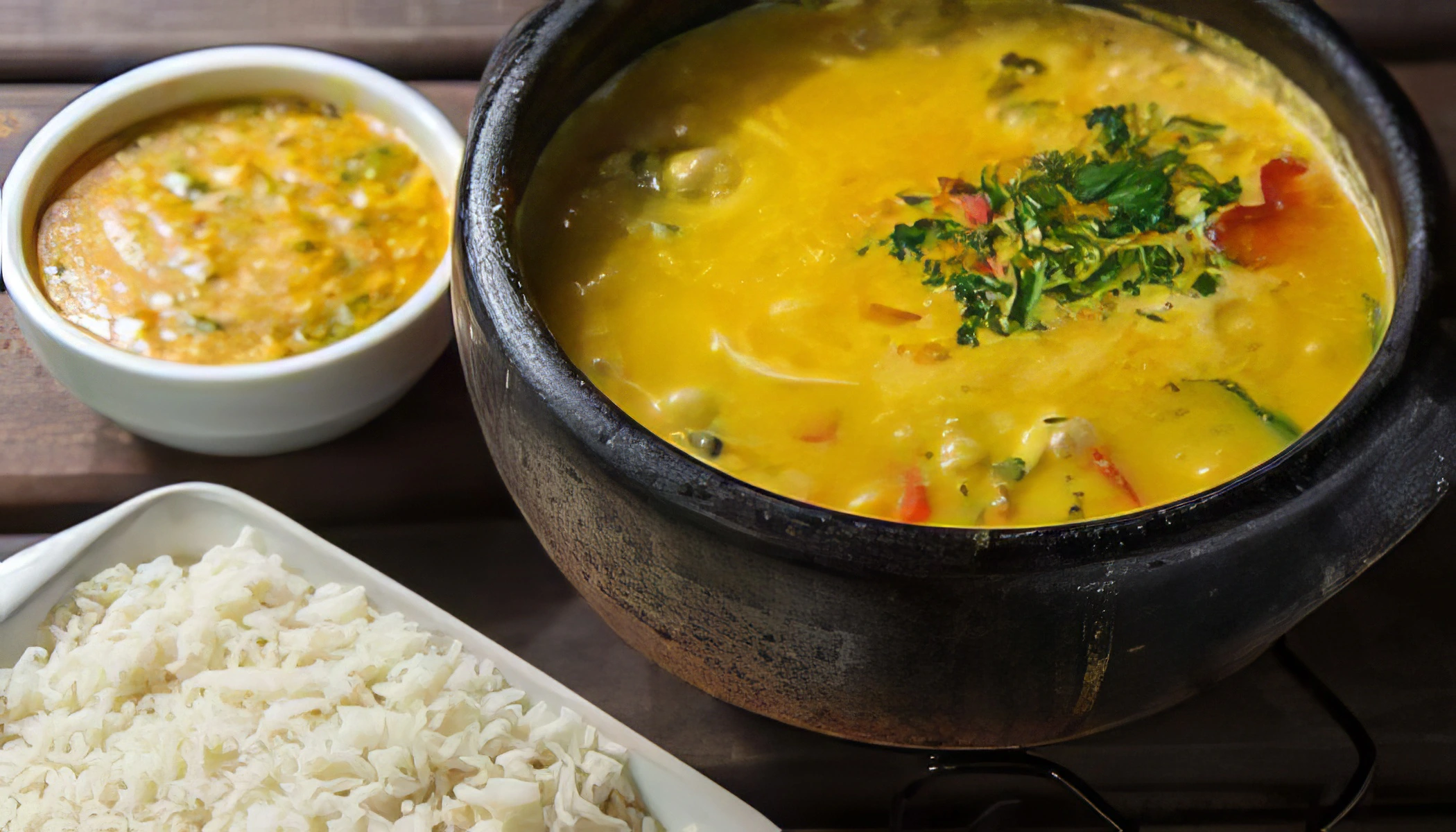
The coastal city's food scene is influenced by traditional Brazilian and seafood dishes, often highlighting fresh local ingredients. Some of the city's most famous dishes include:
– Moqueca: A fragrant seafood stew with coconut milk, tomatoes, onions, and bell peppers.
– Feijoada: Hearty black bean stew cooked with various cuts of pork.
– Pastel de Camarão: Deep-fried pastry filled with seasoned shrimp.
– Acaí Bowl: Smoothie bowl made from frozen acaí berries, topped with fruits and granola.
– Cachaça: Distilled spirit made from sugarcane juice, often used in caipirinhas.
– Brigadeiro: Chocolate fudge balls made with condensed milk and cocoa powder.
Arts & Culture

The city hosts the International Literary Festival, which attracts writers and readers from around the world, showcasing various literary works. There are also traditional festivals celebrating local music and arts, such as the popular Festival da Pinga, highlighting the region's cachaça production. The town features colonial architecture, which serves as a backdrop for various art exhibits and galleries. Additionally, local artisans produce crafts that are often sold in markets and shops throughout the area.