

Parma Travel Guide: Tourist Places & Activities
Located in the Emilia-Romagna region, this city is renowned for its prosciutto, Parmesan cheese, and rich cultural heritage, including Romanesque buildings, opera, and surrounding dense parks.
- Size
- 260 square km
- Airport
- Giuseppe Verdi – domestic
- Train Station
- Parma
- Est. Visit Days
- 2 days
Overview
Parma, a city in northern Italy, is renowned for its rich cultural heritage, particularly its musical and gastronomic scenes. The city is home to the famous Teatro Regio opera house and the impressive Parma Cathedral. Additionally, Parma is celebrated for its traditional Parma ham and Parmesan cheese. However, visitors might find the city relatively small compared to other Italian destinations, which could limit the range of activities. Additionally, Parma's public transportation system is not as extensive as in larger cities, which might pose some challenges for getting around.
Traffic & Transport
The city's compact size and well-planned urban layout make it highly conducive to exploring on foot, which is often the best way to navigate the central areas, especially the historic district. For longer distances or to reach sites outside the city center, buses are a convenient and efficient option, with a well-connected network that covers most tourist destinations. Bicycles are also a popular choice for getting around, and there are several rental services available, offering a fun and environmentally friendly way to see the city. However, it's important to note that traffic can be congested during peak tourist seasons, particularly in the city center, so planning your travel times accordingly can help avoid delays. For those preferring taxi services, there are several reliable taxi companies operating in the city, and visitors can easily hail a cab from designated taxi stands or book one through the local taxi-booking apps, which provide a convenient option for securing a ride directly from your smartphone.
History
Historically, this city was a Roman colony founded in 183 BC and was originally called Colonia Julia Augusta. It later became a significant medieval and Renaissance center, known for its art, architecture, and music. The city was ruled by the Farnese family from the 16th to the 18th century, during which it flourished culturally, attracting artists such as Correggio and Parmigianino. In the 19th century, it was annexed by the French Empire under Napoleon, becoming a key center for the arts and sciences. The city is renowned for its prosciutto and Parmesan cheese, which have been important to its economy and cultural identity for centuries.
Itinerary Sample
Explore Parma's rich history and culinary delights with this 2-day itinerary:
– First day: Visit the Parma Cathedral and Baptistery. Explore the Palazzo della Pilotta. Enjoy lunch at a local trattoria. Walk through Parco Ducale.
– Second day: Tour the Teatro Farnese. Visit the National Gallery. Sample Parmesan cheese and Parma ham at local shops. Stroll through the historic city center.
Near Excursion
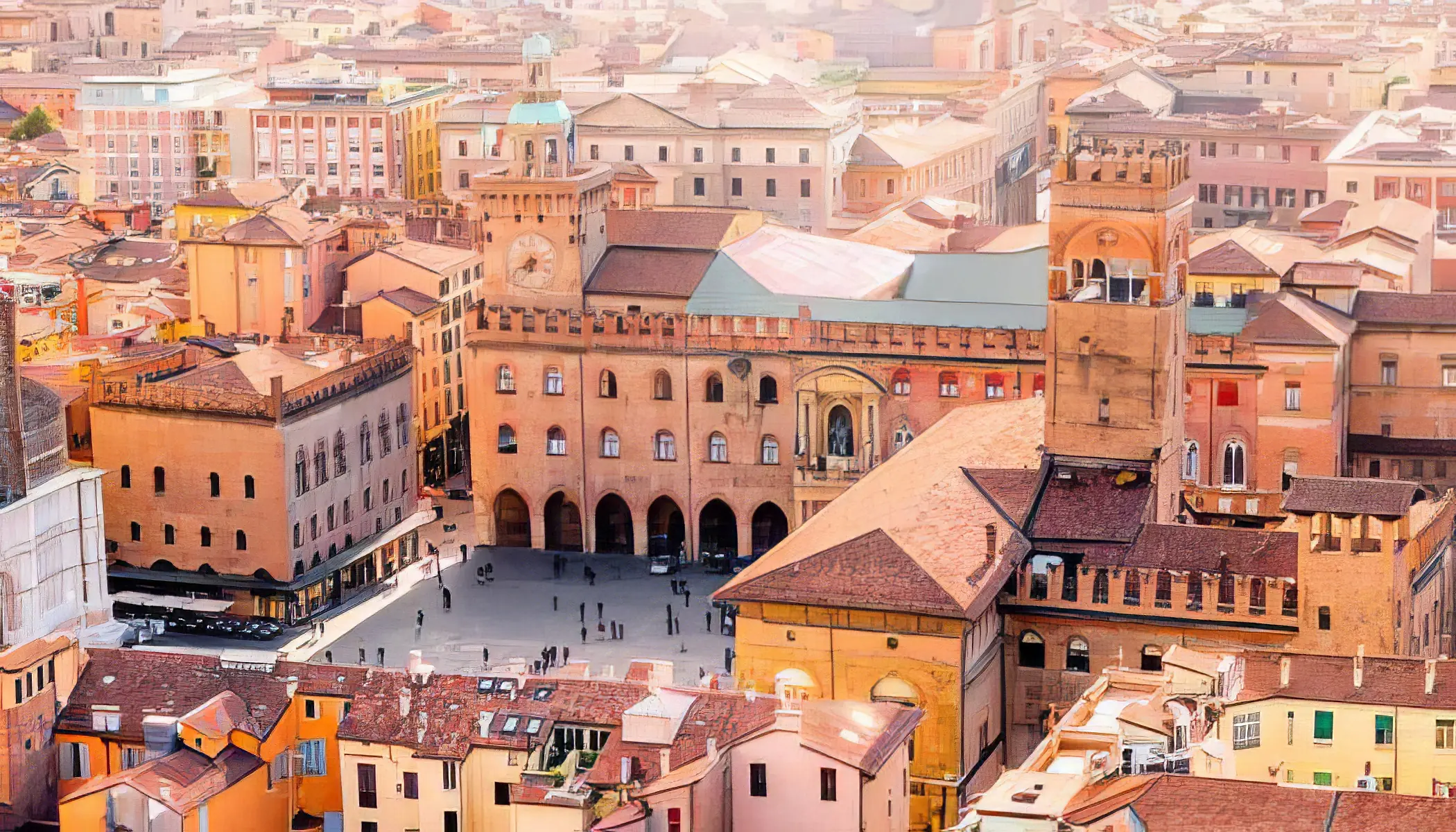
This city is a great starting point for several exciting day trips. Here are some suggestions:
– Bologna at 100 km: Known for its historic architecture and beautiful food scene.
– Modena at 60 km: Famous for balsamic vinegar and the Enzo Ferrari Museum.
– Mantua at 60 km: A UNESCO World Heritage site with Renaissance architecture.
– Cinque Terre at 150 km: A charming coastal area with colorful villages and hiking trails.
– Cremona at 50 km: Renowned for its violin-making tradition and the Stradivarius Museum.
Attraction
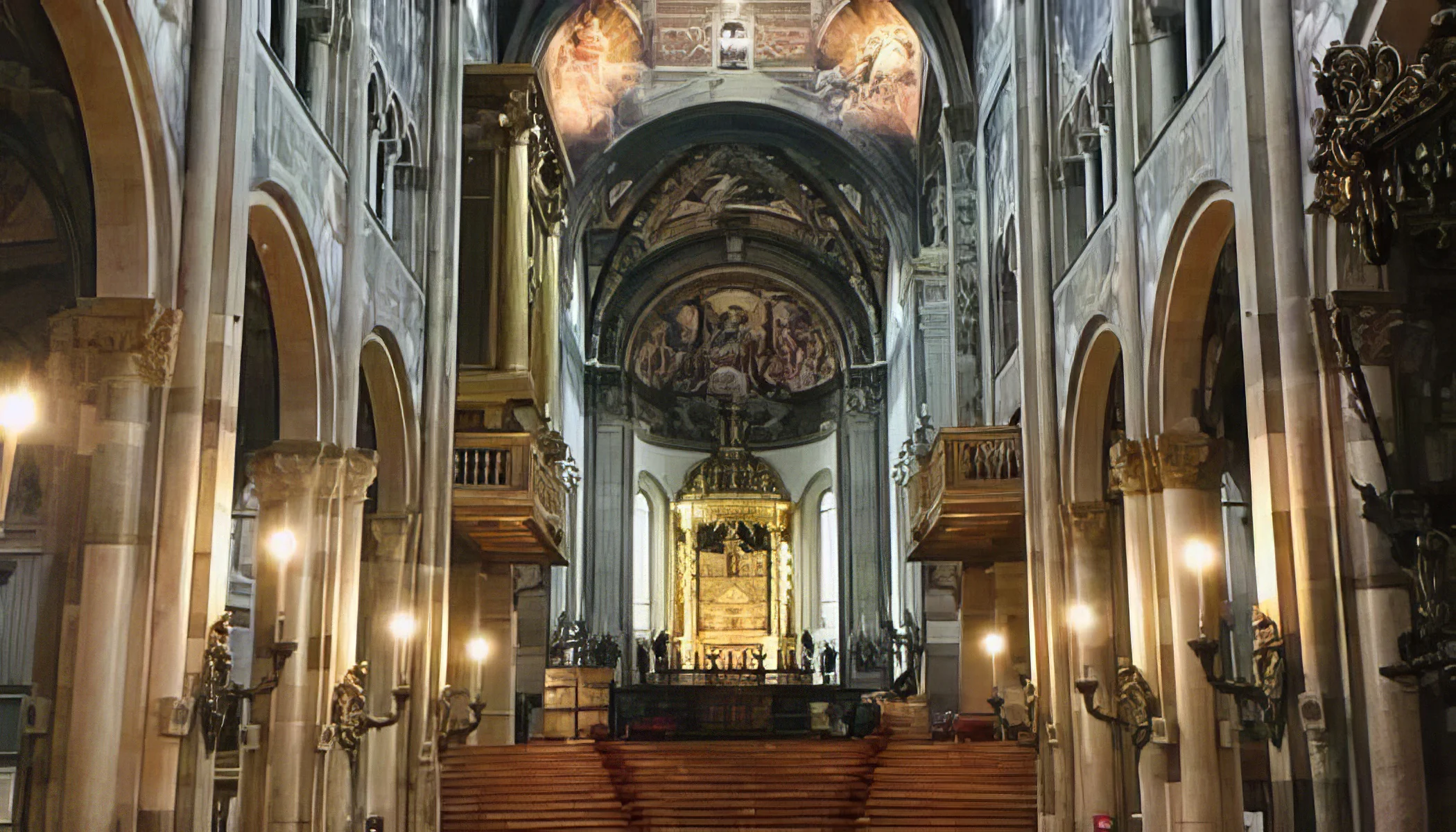
Known for its rich history, art, and cuisine, this city offers a variety of attractions for tourists.
– Parma Cathedral: A beautiful Romanesque cathedral with beautiful frescoes by Correggio.
– Baptistery of Parma: An octagonal pink marble building with impressive medieval sculptures.
– Teatro Regio: A historic opera house renowned for its acoustics and performances.
– Palazzo della Pilotta: A complex housing museums, a library, and a historic theater.
– Parco Ducale: A large public park perfect for a relaxing stroll.
– National Gallery: Features an extensive collection of Italian Renaissance and Baroque art.
Activity
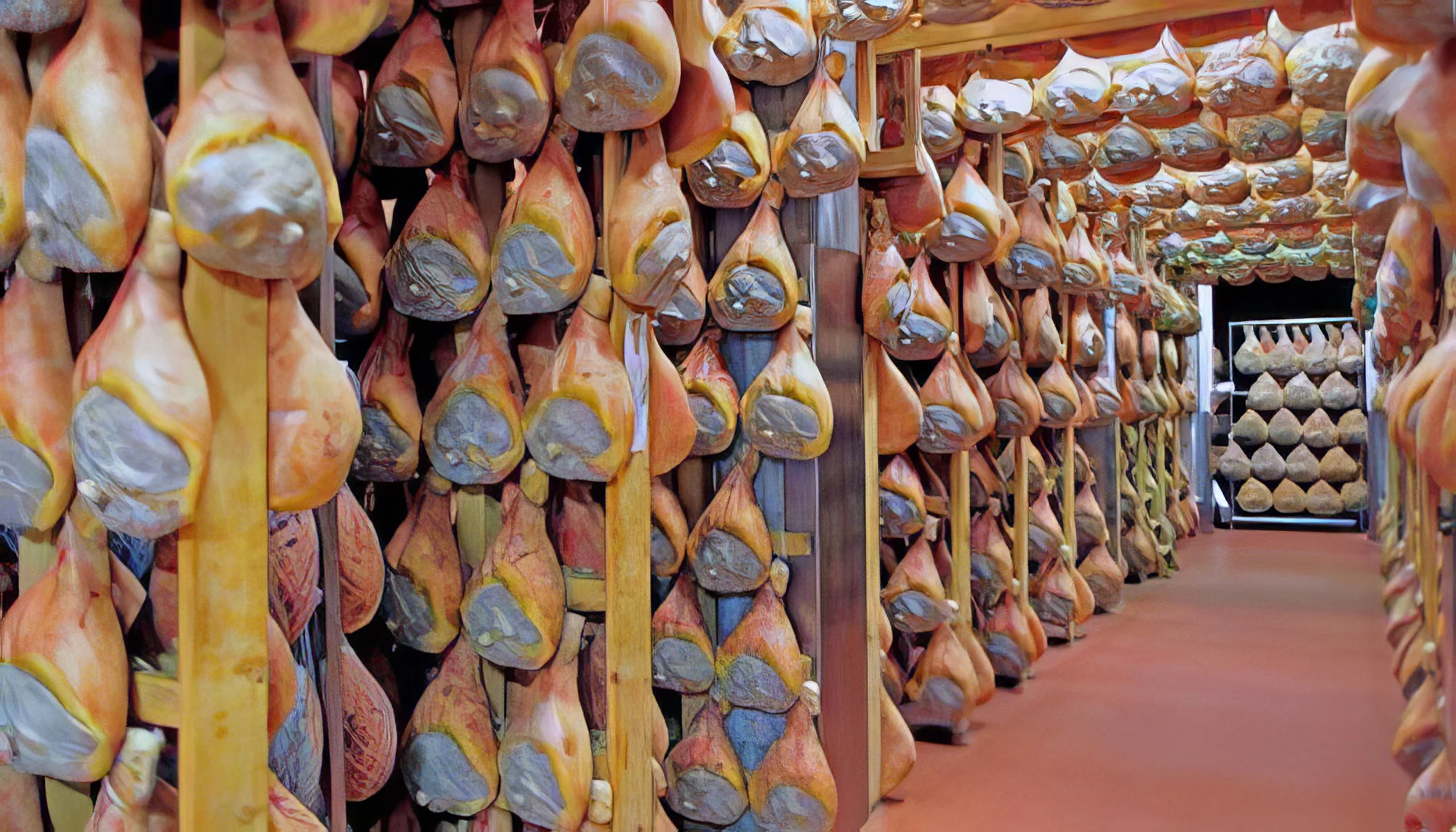
In Parma, travelers can enjoy unique food experiences, historical architecture, and scenic countryside tours.
– Parma Ham Tour: Visit local producers to learn about the traditional process of making Prosciutto di Parma.
– Parmigiano Reggiano Tour: Explore dairy farms to see how Parmesan cheese is made.
– Parma Cathedral Climb: Ascend the bell tower for panoramic views of the city.
– Parco Ducale Stroll: Relax in the expansive park with gardens, fountains, and historical buildings.
– Biking in Parma: Rent a bike to explore the city and surrounding countryside.
Cuisine
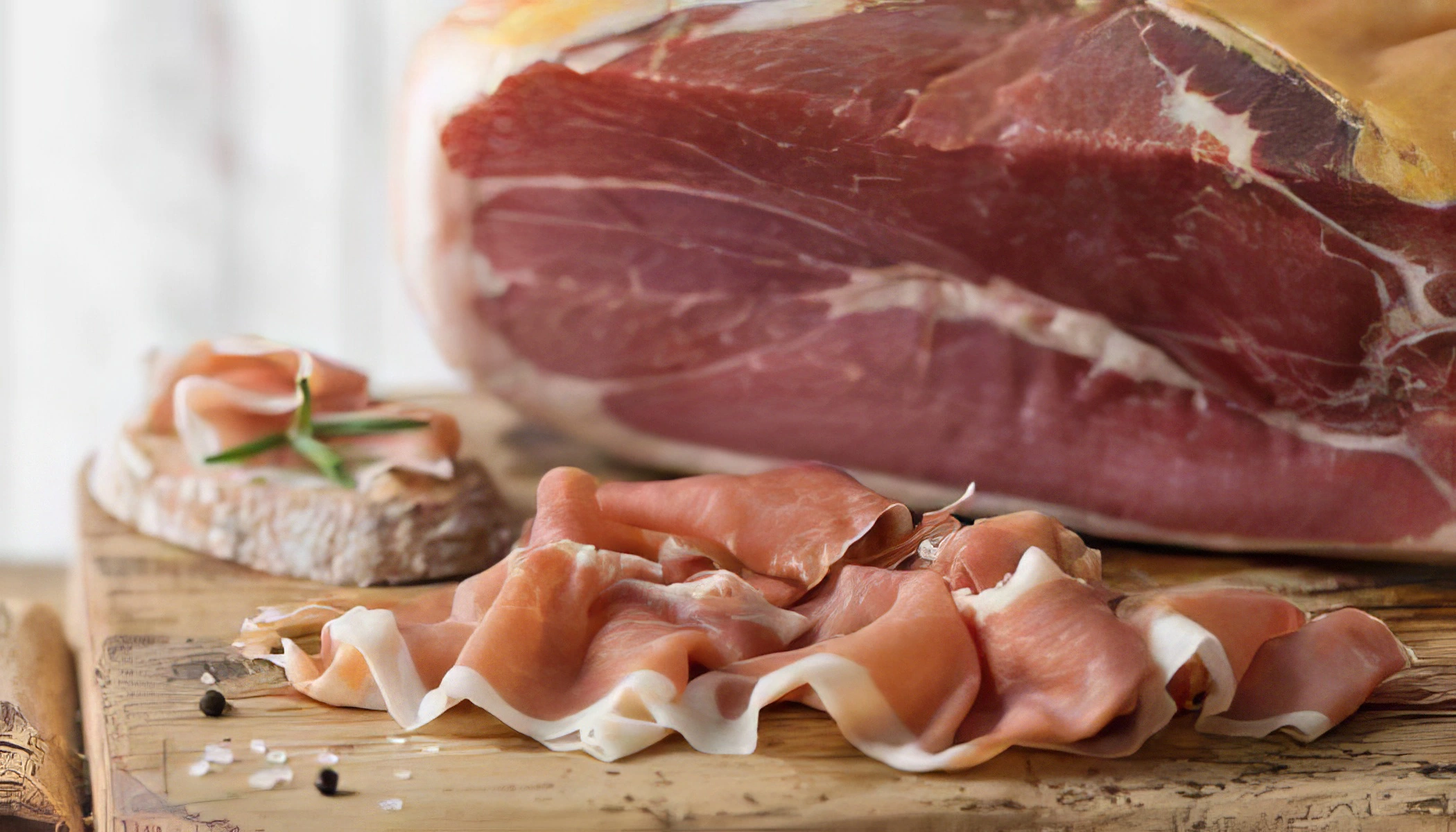
The city is celebrated for its rich culinary heritage, particularly its contributions to Italian cheese and cured meats. Some of the city's most famous dishes include:
– Prosciutto di Parma: Dry-cured ham known for its delicate flavor and smooth texture.
– Parmigiano Reggiano: Hard, granular cheese with a rich, nutty taste, aged for at least 12 months.
– Tortelli d'Erbetta: Pasta filled with ricotta and spinach, typically served with melted butter and sage.
– Anolini in Brodo: Small, stuffed pasta served in a rich meat broth, often enjoyed during festive occasions.
– Culatello di Zibello: A prized cured meat made from the hind leg of the pig, aged in humid cellars.
– Torta Fritta: Fried dough puffs, often served with cured meats and cheeses.
Shopping
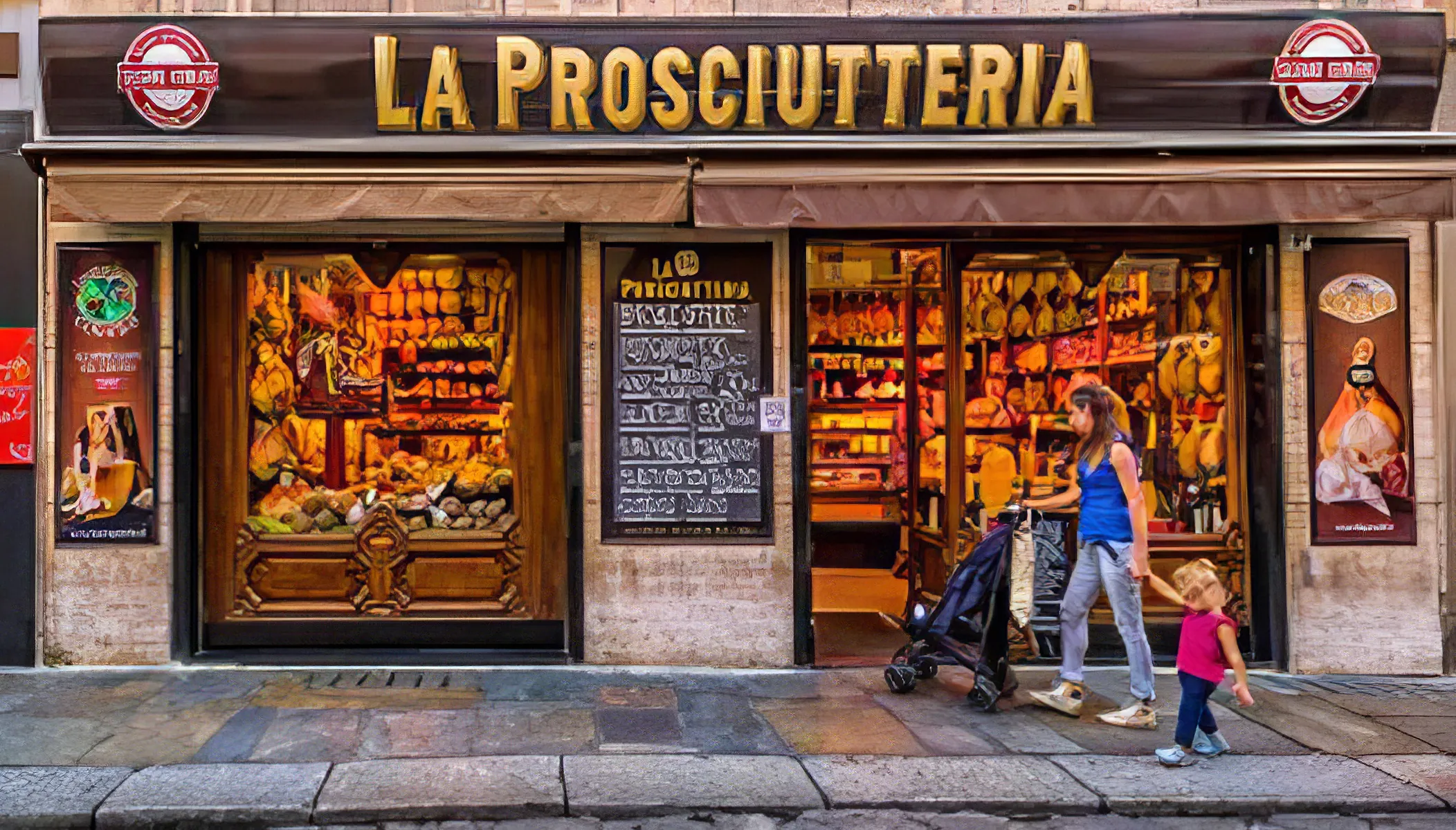
The city offers a delightful shopping experience, especially for food lovers. A popular gift to purchase is Parmigiano Reggiano cheese, known for its quality and taste. Another excellent choice is Prosciutto di Parma, a world-renowned dry-cured ham. For perfume enthusiasts, Acqua di Parma offers a range of luxury fragrances. Additionally, the city's boutiques provide a selection of handcrafted leather goods. These items not only serve as great souvenirs but also embody the artisanal spirit of the region.
Arts & Culture
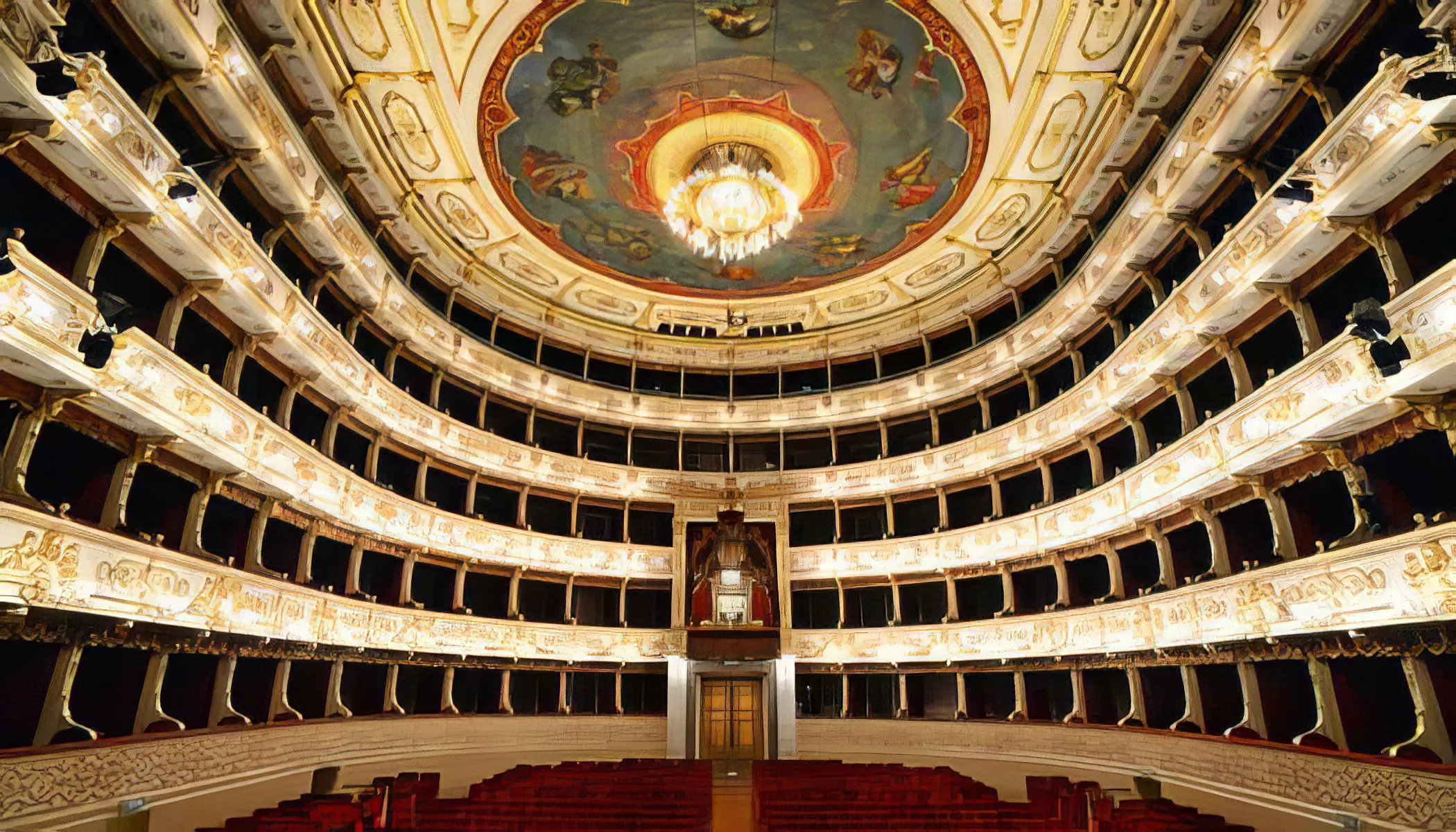
The city hosts the annual Verdi Festival, celebrating the famous composer with opera performances primarily at the Teatro Regio, a renowned opera house. The Galleria Nazionale, located in the Palazzo della Pilotta, offers a rich collection of Renaissance paintings and sculptures. Additionally, the city is known for its nice contemporary art scene, with various galleries and spaces dedicated to modern art. The city also celebrates its cultural heritage through numerous local festivals and historical reenactments throughout the year.