

Pécs: Best Things to Do & Top Attractions
This city, known for its cultural heritage, features Roman ruins, Ottoman architecture, and a animated arts scene. It is a university town with a rich history, diverse museums, and beautiful parks, making it an interesting destination for visitors.
- Size
- 163 square km
- Airport
- Pécs-Pogány – Int'l
- Train Station
- Pécs.
- Est. Visit Days
- 2 days
Overview
Pécs is a city in Hungary known for its rich history and cultural heritage. Pros include its diverse architectural styles, including Roman ruins and Ottoman influences, and a dynamic arts scene. The city is also home to several universities, which give it a youthful atmosphere. On the downside, Pécs can be less populated than larger Hungarian cities like Budapest, leading to fewer entertainment options. Additionally, the public transportation system may not be as extensive.
Traffic & Transport
Public transportation in the city includes an efficient bus system that can take you to key attractions, making it a convenient option for tourists. Biking is also popular, with rental services available, allowing for a more intimate exploration of the city's charming streets. Walking is another great way to discover the local architecture and parks, as many sites are within a short distance of each other. For those looking for flexibility, car rentals are available, although the city can be easily navigated using public methods. For taxi services, reliable companies include the local taxi service, typically recognizable by their yellow vehicles, and private hire options can be accessed through popular taxi-booking apps that operate in the area. These services provide ease of use for getting around, especially if you're traveling to locations that are less accessible by public transport.
History
The city has a history dating back to Roman times when it was known as Sopianae and served as an important trade center. It became part of the Ottoman Empire in the 16th century, which influenced its architecture and culture. After the Ottomans were defeated, it became part of the Habsburg Monarchy, leading to further development. The 20th century saw significant turmoil due to World War I and II, impacting its population and infrastructure. In present times, it reflects a blend of these varied historical influences in its cultural identity.
Itinerary Sample
Explore the city of Pécs with this concise 2-day itinerary.
– First day: Visit the Cathedral, enjoy the views from the TV Tower, and explore the Zsolnay Cultural Quarter. End the day at a local restaurant.
– Second day: Discover the Early Christian Necropolis, stroll through the Pécs Gallery, and relax at the Botanic Garden. Finish with shopping at local markets.
Near Excursion
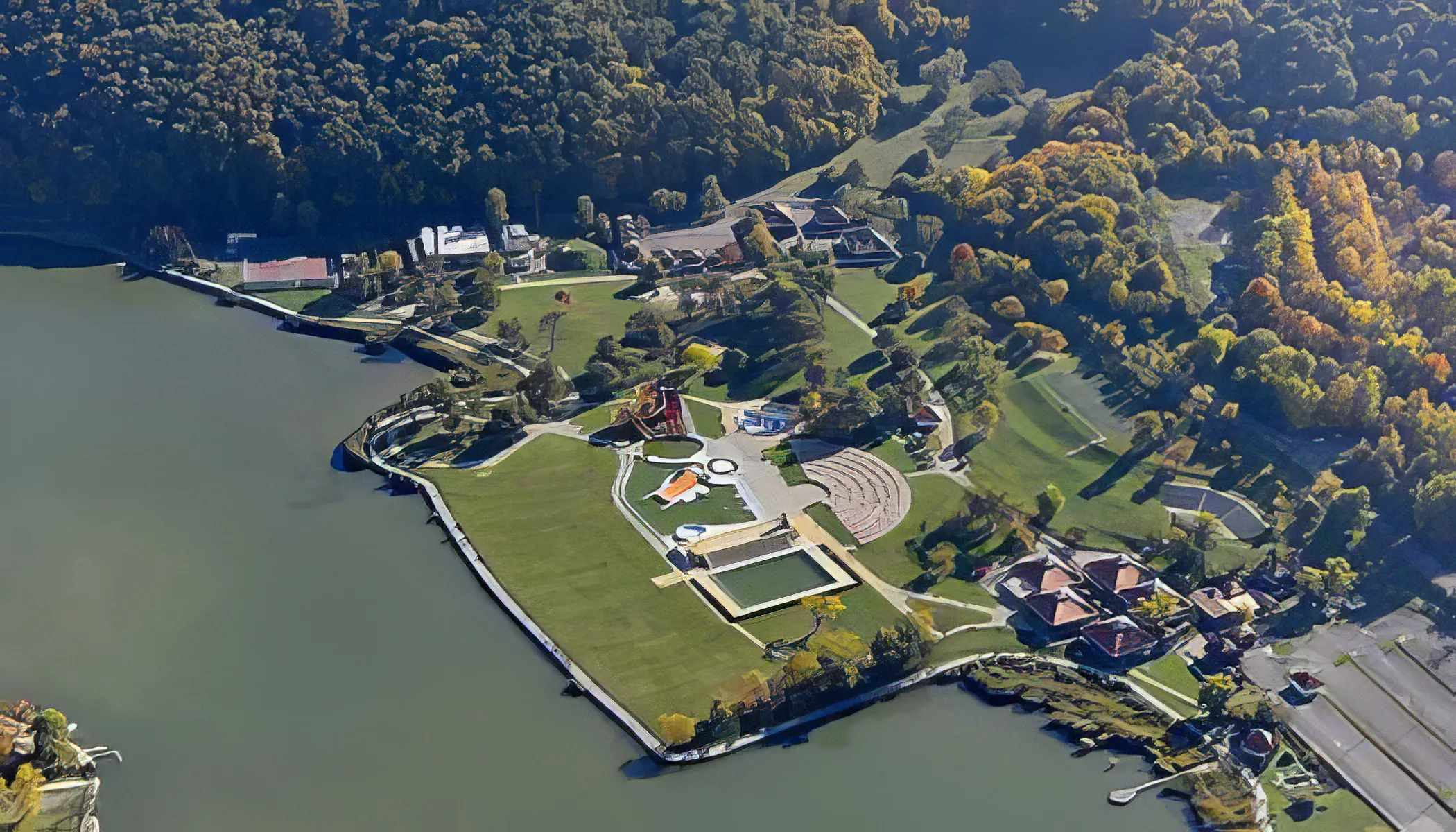
The region offers several interesting day trips within a comfortable distance. Here are some suggestions:
– Villány at 35 km: Famous for its wine region, perfect for tastings and vineyard tours.
– Mohács at 40 km: Known for the Busójárás, a traditional annual festival with unique masks and costumes.
– Lake Orfű at 16 km: A peaceful spot offering water sports and relaxing lakeside views.
– Kaposvár at 82 km: Features cultural landmarks like the Rippl-Rónai Museum and beautiful public parks.
– Siklós Castle at 35 km: A medieval fortress offering historical exhibitions and panoramic views of the countryside.
Attraction
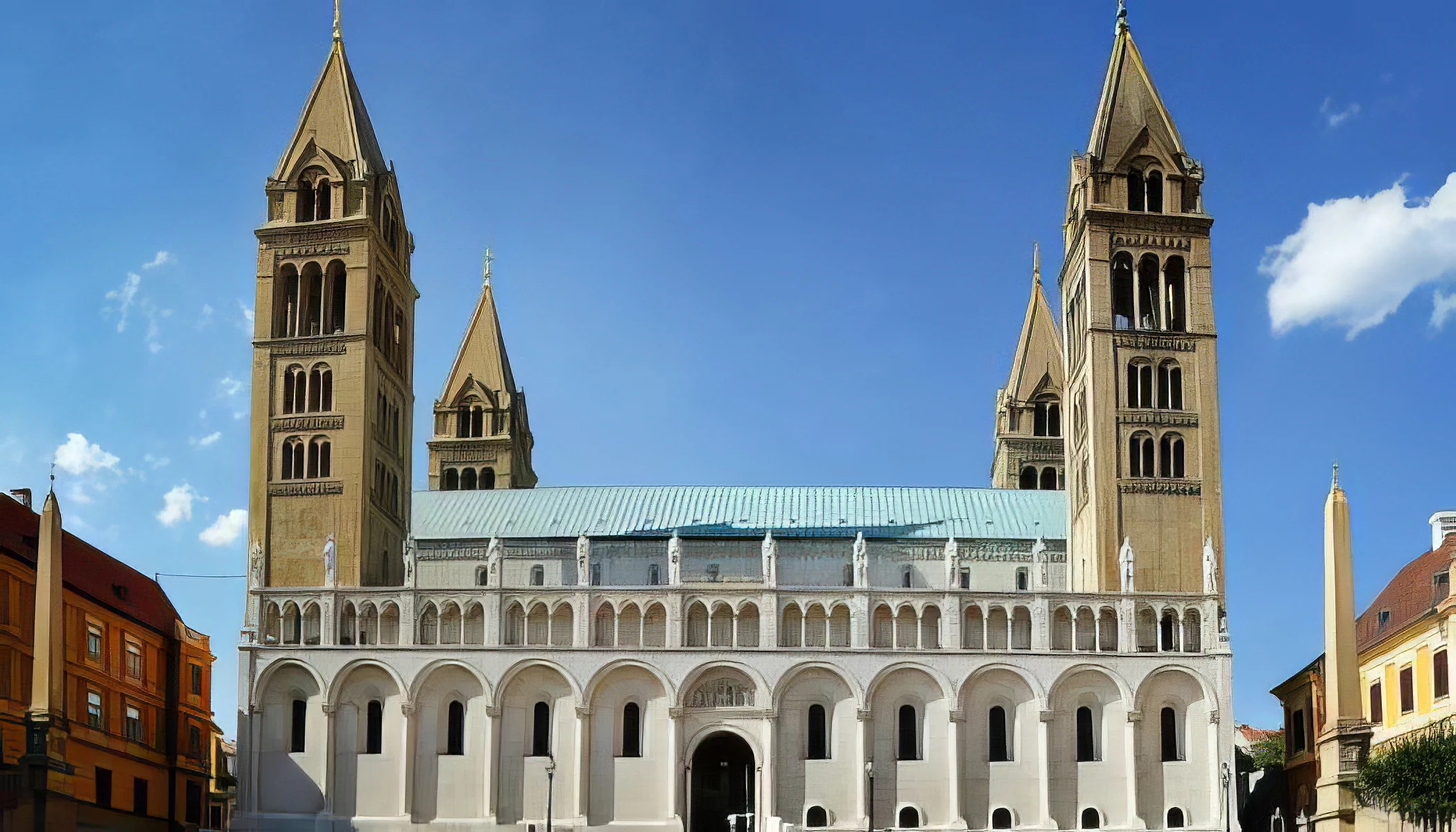
This city is known for its rich history and lively culture, reflected in its diverse architectural and cultural sites.
– Pécs Cathedral: A remarkable example of Romanesque architecture with elements from different periods and impressive artwork inside.
– Early Christian Mausoleum: Part of the UNESCO World Heritage site, showcasing impressive early Christian burial chambers and frescoes.
– Zsolnay Cultural Quarter: A unique site featuring the Zsolnay porcelain museum, galleries, and cultural spaces.
– Mosque of Pasha Qasim: A well-preserved mosque from the Ottoman era, now serving as a Catholic church with unique architectural features.
– Cella Septichora: The visitor center offers insight into Roman-era burial practices with its preserved tombs and archaeological remains.
– Kodály Centre: Known for exceptional acoustics, this concert hall hosts a variety of performances and cultural events.
Activity
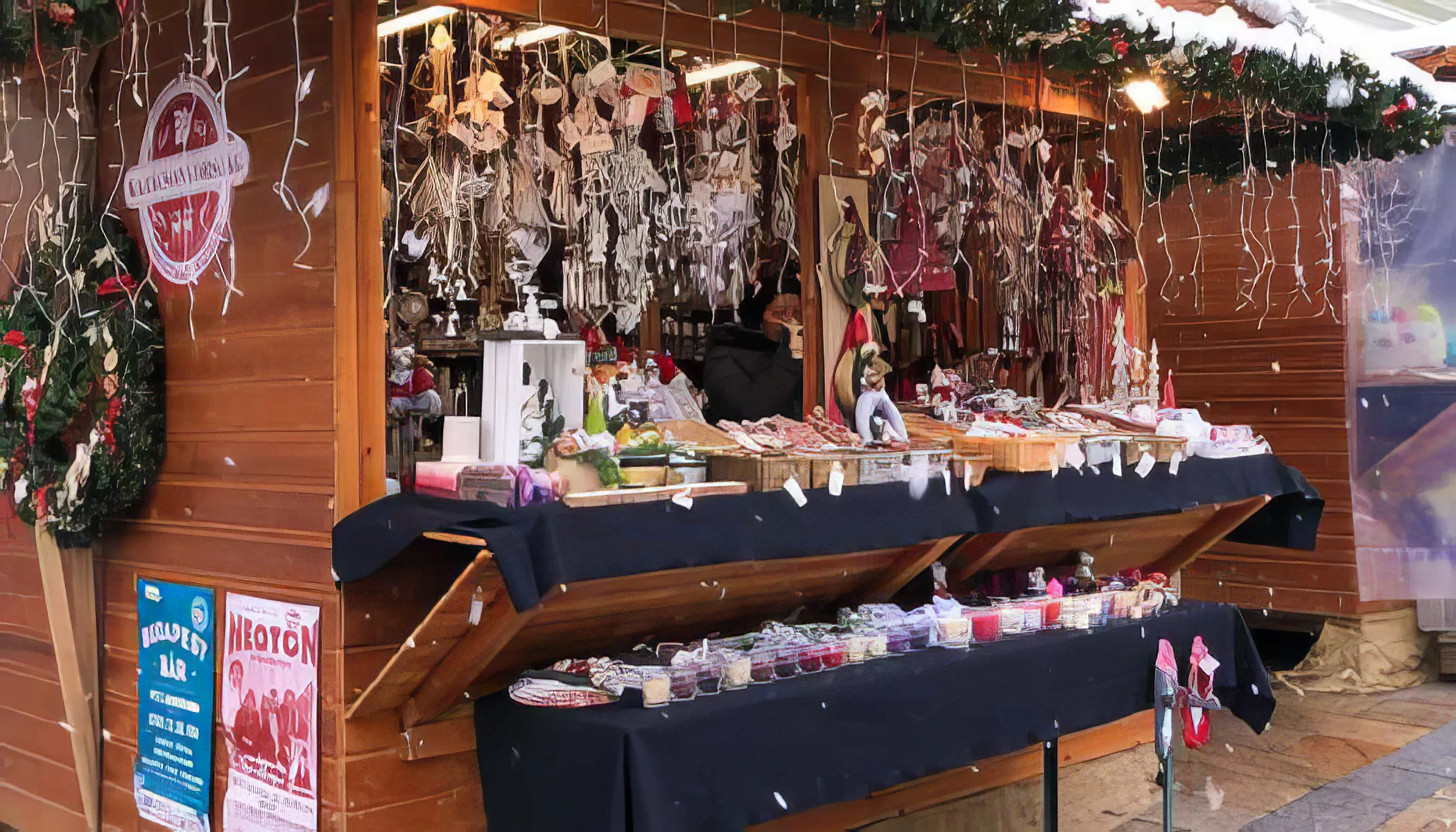
Travelers in Pécs can explore its history, architecture, parks, and partake in local cultural experiences and outdoor activities.
– Wine tasting: Visit local vineyards and taste unique Hungarian wines in the beautiful surrounding countryside.
– Hiking in Mecsek: Explore scenic trails and nature in the Mecsek Mountains, offering varied routes for all skill levels.
– Pécs Cathedral visit: Discover the lovely architecture and history of this iconic site, a prominent part of the city's skyline.
– Local market visit: Experience local culture by browsing goods at the Pécs open-air market, featuring fresh produce and crafts.
– Outdoor thermal baths: Relax in natural thermal baths, known for their healing properties, located in Pécs and nearby.
Shopping
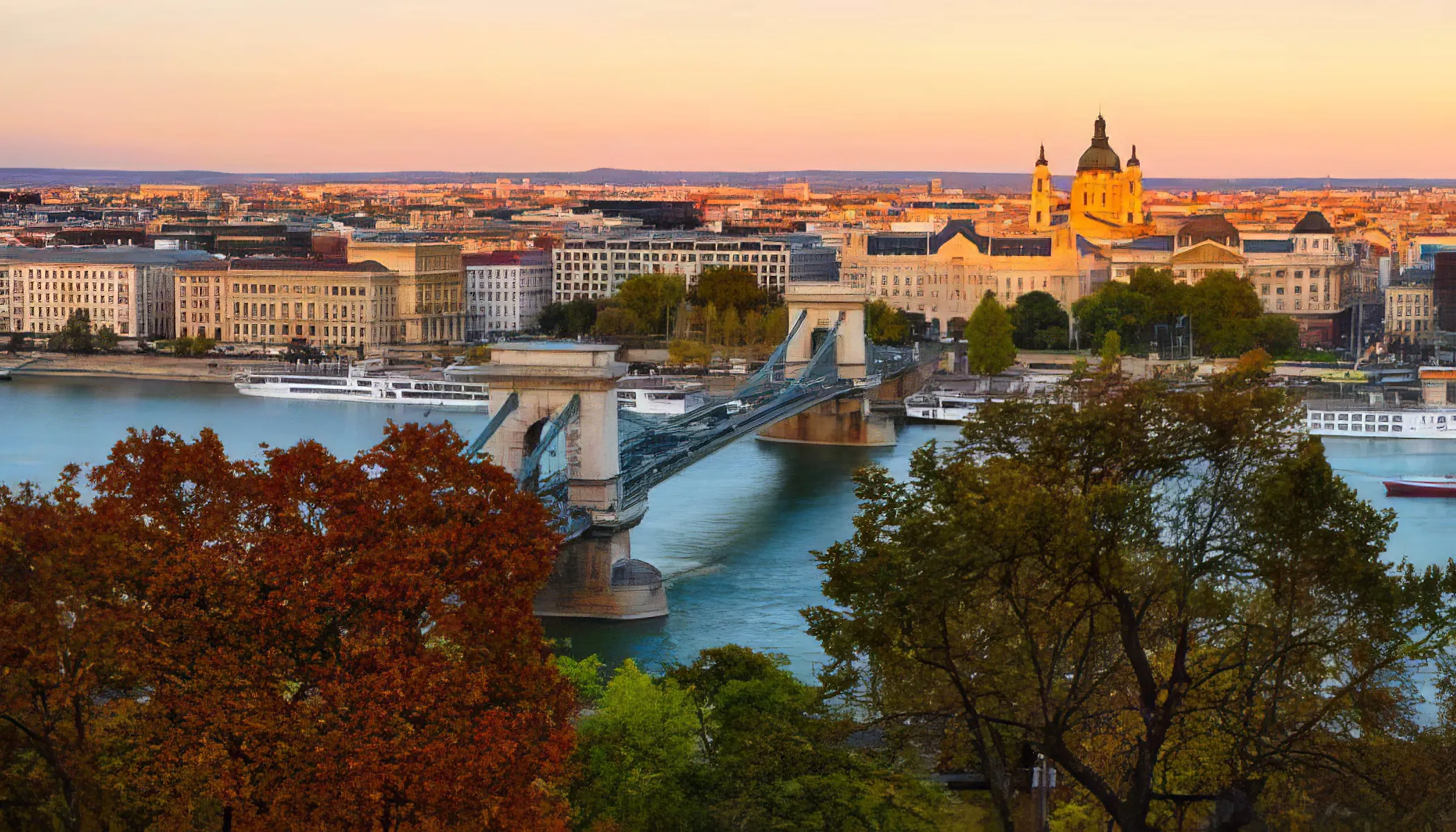
You can find traditional Hungarian pottery and hand-painted ceramics, which make good souvenirs. Locally made wines, especially those from nearby vineyards, are also popular gifts. Look for embroidered textiles that showcase local craftsmanship. Sweet treats, like traditional Rétes (strudel), can be a tasty option to bring home. Shops in the town center offer a variety of these items. Overall, there are unique options for visitors to consider.
Arts & Culture
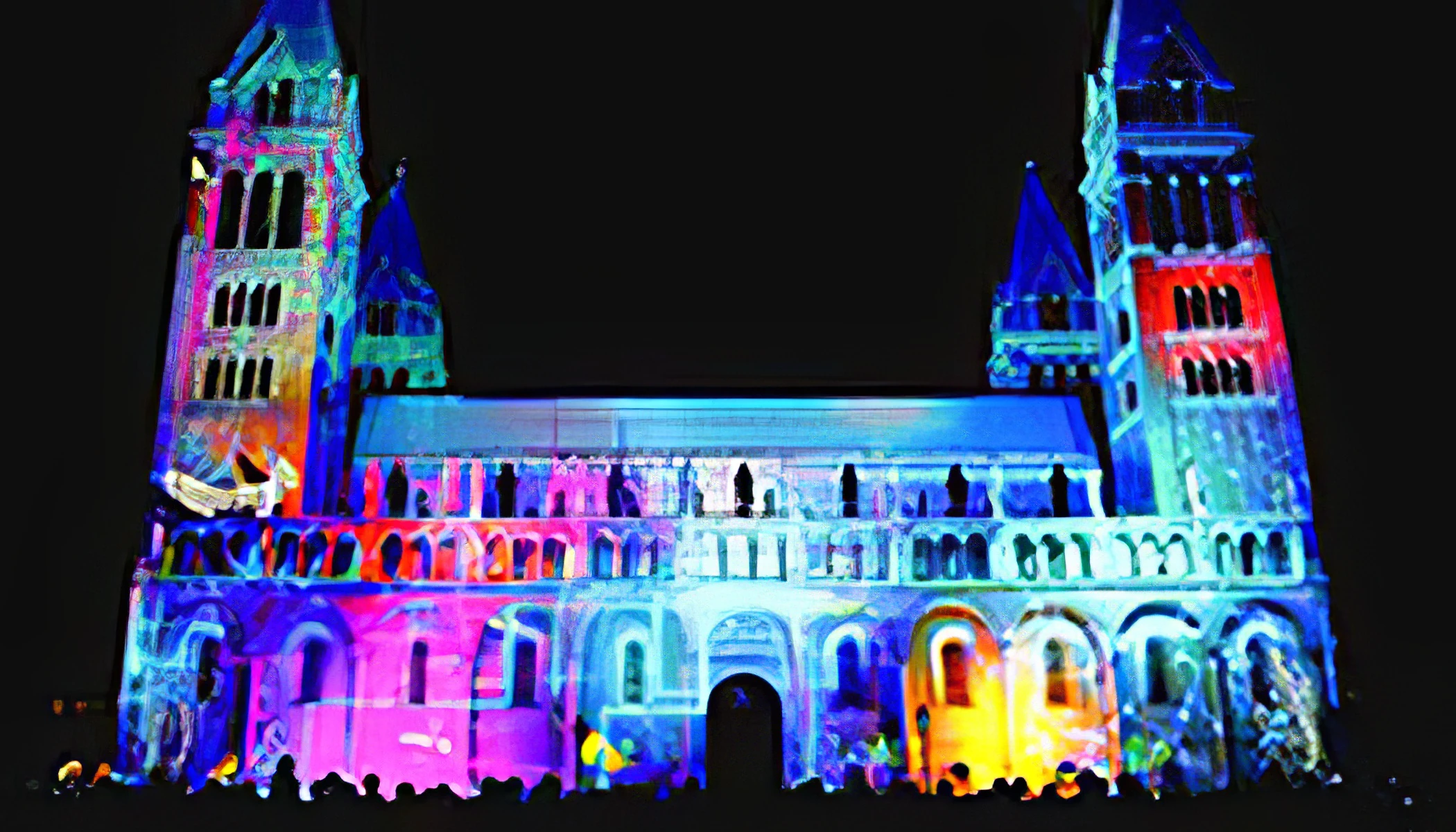
This city is known for its rich cultural scene, including the annual Pécs Festival, which features a variety of music, theater, and dance performances. The city is home to several museums, including the Zsolnay Cultural Quarter, which showcases contemporary art and local history. Additionally, it boasts a attractive arts community with galleries that frequently display works by local and international artists. There is also an emphasis on cultural heritage, highlighted by the UNESCO World Heritage sites in the area.