

Sightseeing in Arequipa: Culture & Must‑See Spots
This city is known for its colonial architecture and lovely volcanic backdrop. It sits at an altitude of about 2,335 meters and serves as a gateway to the nearby Colca Canyon, one of the world's deepest canyons.
- Population
- 1.0 million
- Airport
- Rodríguez Ballón – Int'l
- Est. Visit Days
- 3 days
Overview
Arequipa, known as the "White City," is located in southern Peru and is famous for its colonial architecture made from white volcanic rock. Pros include its rich cultural heritage, pleasant local cuisine, and proximity to attractions like the Colca Canyon. The city has a mild climate which many visitors enjoy. On the downside, Arequipa can experience high levels of pollution and traffic congestion. Additionally, while it offers various activities, some may find it less beautiful compared to larger cities like Lima.
Traffic & Transport
The city has a well-organized public transportation system, including buses and microbuses that cover various routes, making it convenient for tourists to explore its attractions. Walking is also a popular option in the historic center due to its compact size and pedestrian-friendly streets. Biking can be an enjoyable way to see the area, with some rental services available. However, traffic can sometimes be congested during peak hours, so planning trips accordingly is advisable. For reliable taxi services, travelers can use companies like Taxi Directo and Uber, which operate in the area and offer safe and convenient transport options. Additionally, local taxi-booking apps such as Easy Taxi are available for those who prefer booking rides via their smartphones.
History
This city was founded in 1540 by Spanish conquistadors, establishing a colonial settlement. It played a significant role during the colonial period as a center for trade and agriculture. In the early 19th century, it was involved in the struggle for independence from Spanish rule. The region experienced conflicts during the War of the Pacific (1879-1884), impacting its development. The city's architecture reflects its colonial past, with many buildings made from volcanic stone.
Itinerary Sample
Here is a sample 3-day itinerary for exploring Arequipa, Peru.
– First day: Arrive in Arequipa, visit the Plaza De Armas, explore the Cathedral and the Santa Catalina Monastery.
– Second day: Take a day trip to Colca Canyon, see the Andean condors and enjoy scenic views.
– Third day: Visit the Museo Santuarios Andinos, check out local markets, and try traditional dishes like rocoto relleno.
Near Excursion
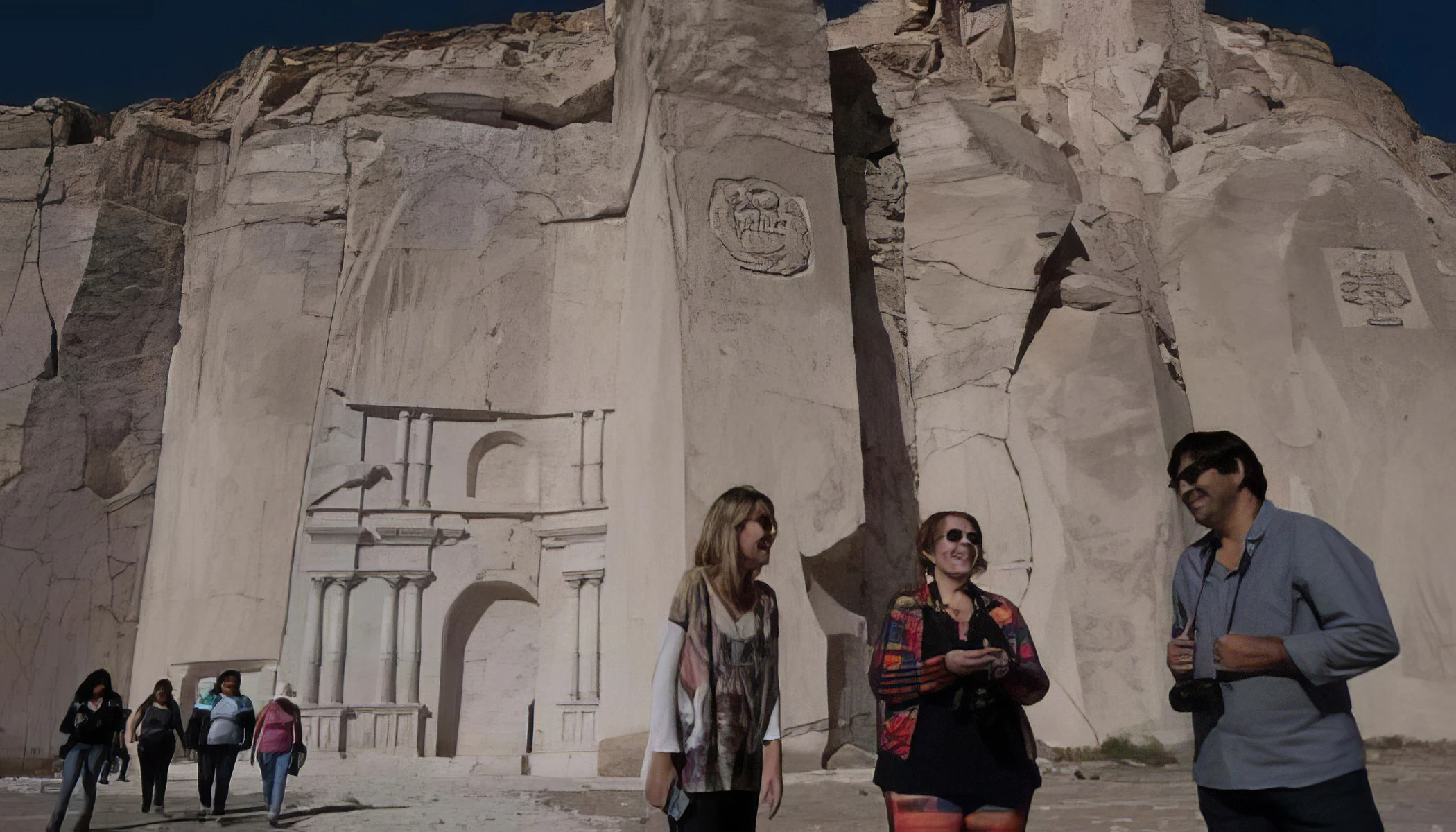
This city offers several interesting day-trip options within a short distance. Here are some suggestions:
– Colca Canyon at 150 km: One of the world's deepest canyons, famous for its gorgeous landscapes and condor sightings.
– Salinas y Aguada Blanca National Reserve at 50 km: Known for its diverse wildlife including flamingos and pleasant salt flats.
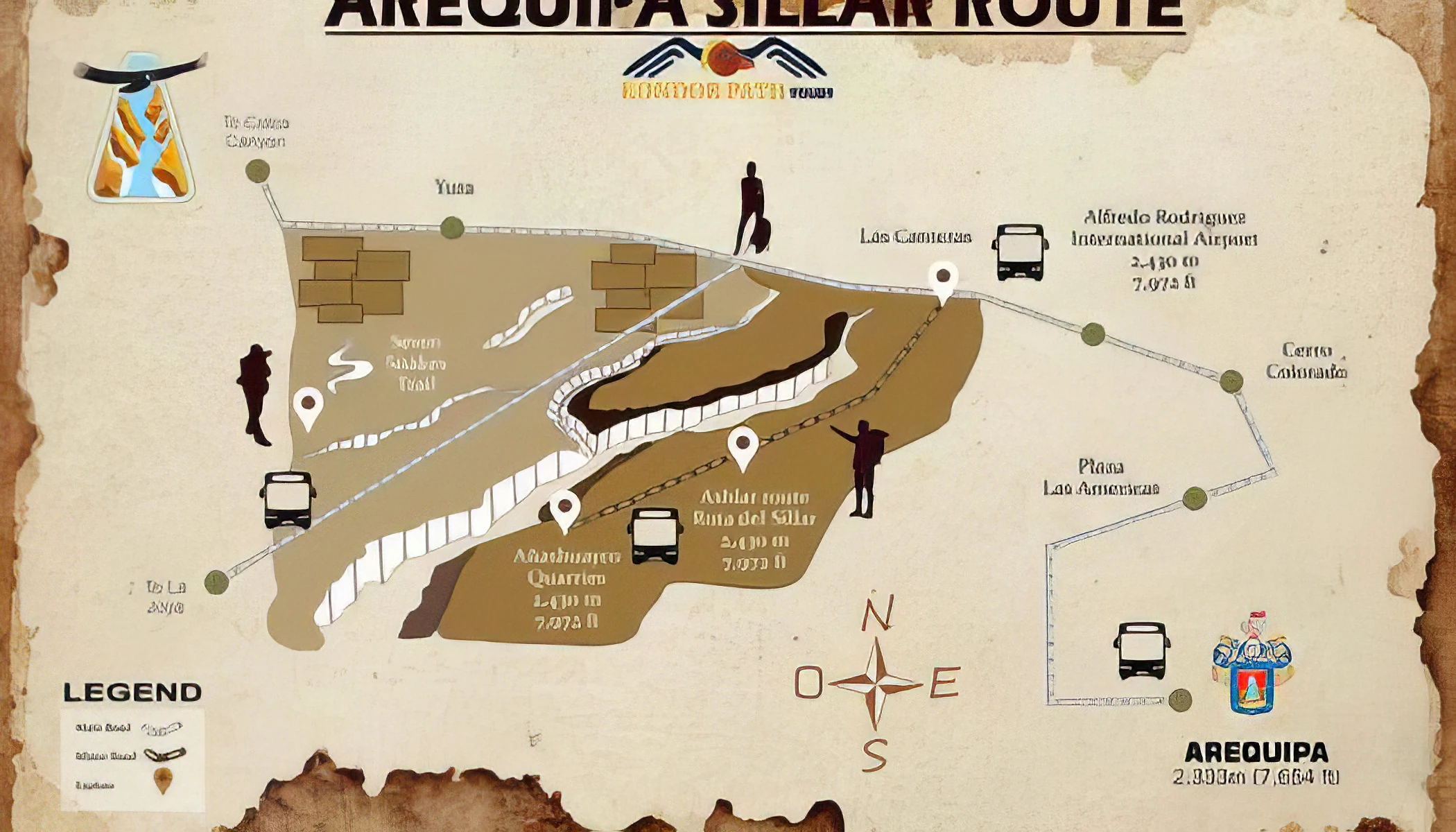
– Sillar Route at 30 km: A tour through quarries where the white volcanic stone used in local architecture is extracted.
– Sabandia Mill at 10 km: A restored colonial-era mill showcasing traditional agricultural techniques amidst scenic gardens.
– Yanahuara District at 4 km: Offers panoramic views of the city and volcanoes from its charming plaza with arches.
Attraction
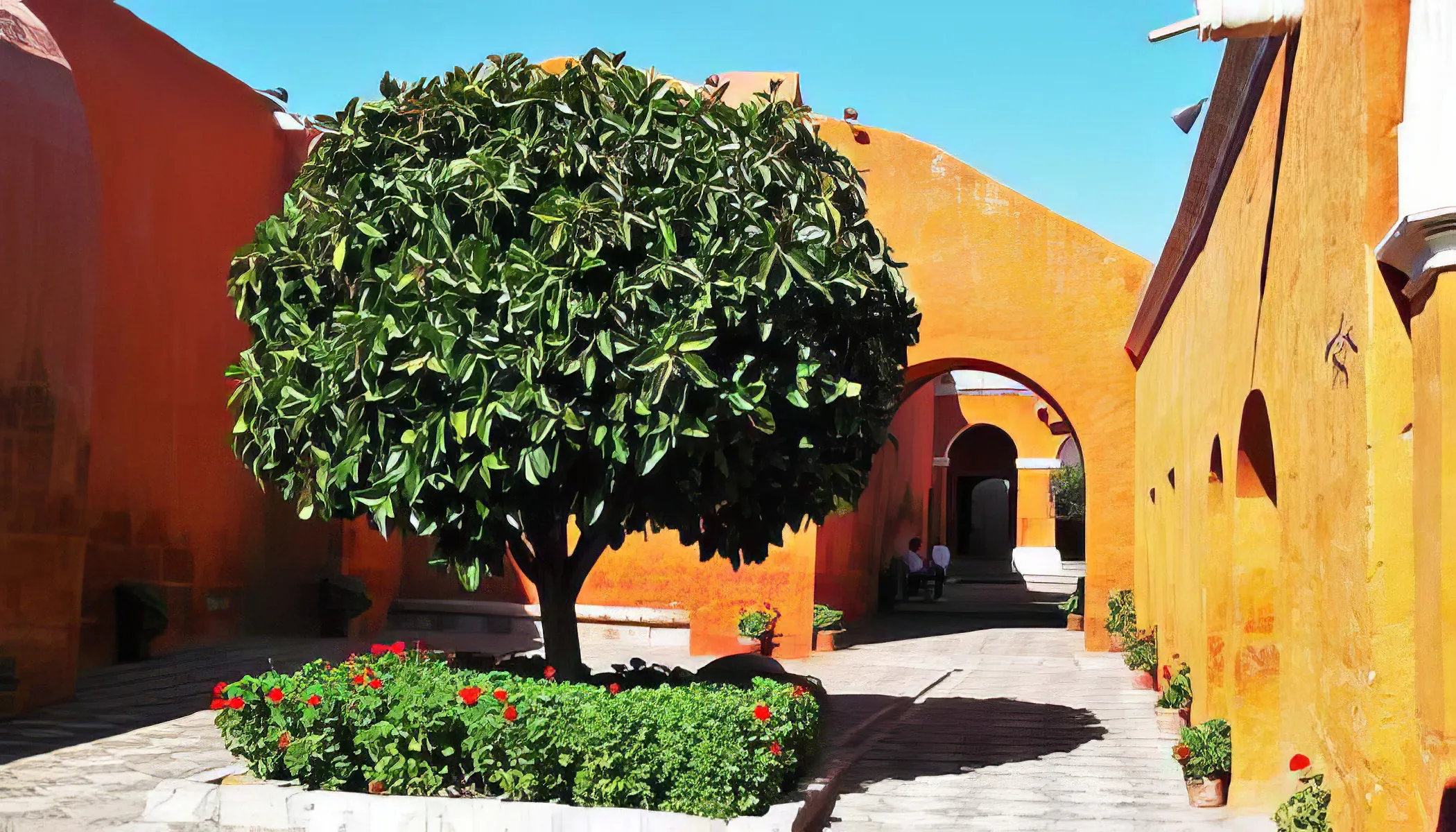
Known for its colonial architecture and beautiful landscapes, this city offers rich cultural and historical experiences.
– Santa Catalina Monastery: A sprawling convent complex with dynamic colors and narrow streets, offering a glimpse into monastic life since 1579.
– Plaza De Armas: The city's main square featuring historic buildings, cafes, and the impressive Basilica Cathedral of neo-Renaissance style.
– Colca Canyon: One of the world's deepest canyons, famous for beautiful views and opportunities to spot Andean condors.
– Yanahuara District: Offers scenic views of the city and volcanoes from its charming plaza adorned with sillar stone arches.
– Museo Santuarios Andinos: Home to the famous "Juanita," a well-preserved Inca mummy discovered on a nearby volcano.
– Misti Volcano: An iconic backdrop to the city, popular for hiking adventures with panoramic views from its summit.
Activity
In Arequipa, travelers can explore handsome landscapes, enjoy local cuisine, and experience unique cultural traditions.
– Colca Canyon Trek: Hike through one of the world's deepest canyons, observing wildlife and amazing scenery along the way.
– Volcanic Rock Climbing: Experience climbing on volcanic rock formations with various difficulty levels for adventure enthusiasts.
– Arequipeña Cooking Class: Learn to prepare traditional dishes using local ingredients in a hands-on cooking workshop.
– Sillar Route Tour: Discover the white volcanic stone quarries and see artisans at work creating beautiful sculptures.
– Local Market Visit: Explore animated markets to taste fresh produce and interact with local vendors for an authentic experience.
Cuisine
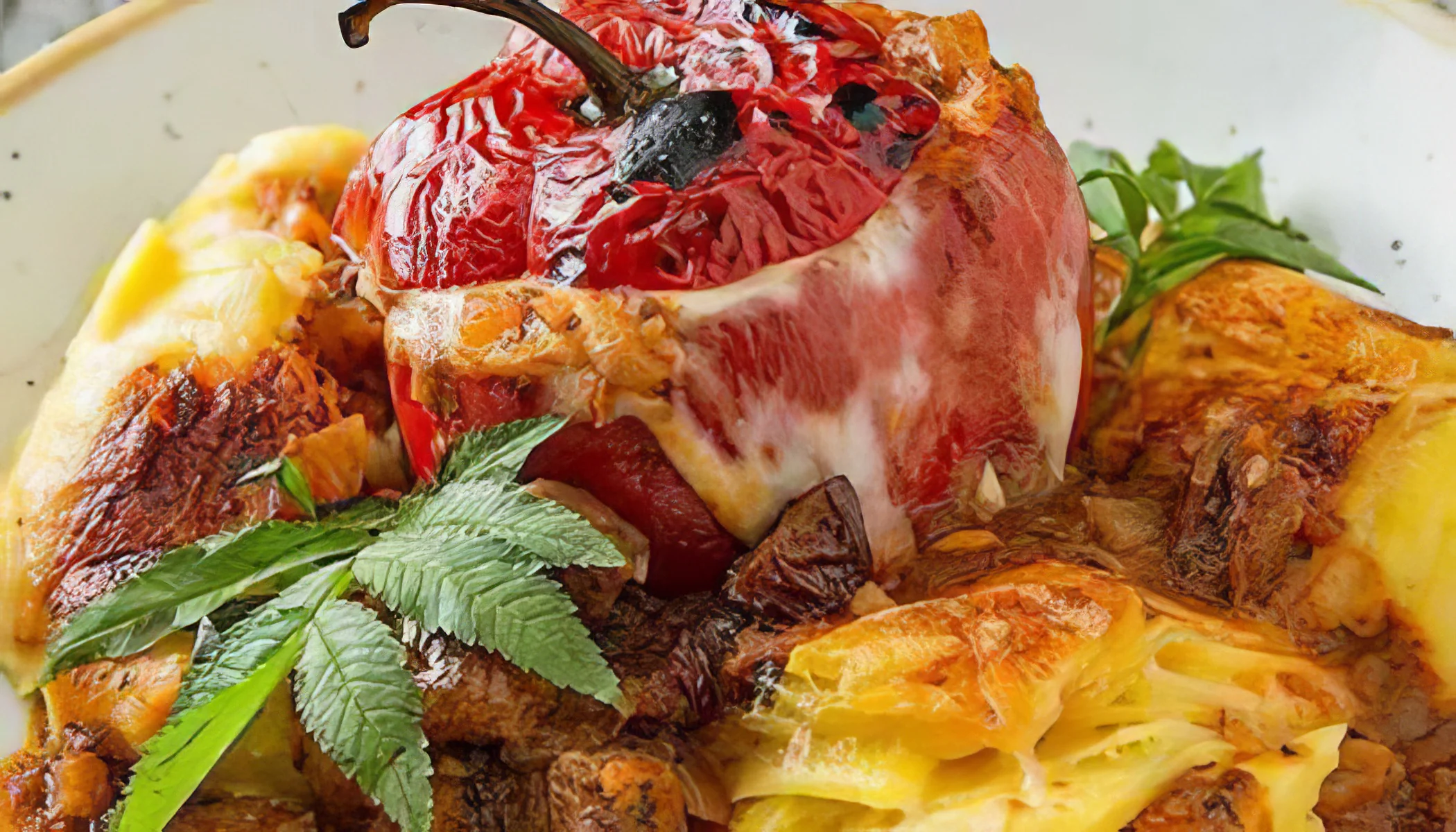
The city offers a rich culinary tradition, blending indigenous ingredients and Spanish influences, often enjoyed in traditional picanterías. Some of the city's most famous dishes include:
– Rocoto Relleno: Spicy red peppers stuffed with meat, cheese, and spices, baked until tender.
– Adobo: Pork marinated in chicha de jora and spices, slow-cooked for a rich stew.
– Chupe de Camarones: Hearty shrimp soup with potatoes, milk, and Peruvian corn.
– Ocopa: Potatoes topped with creamy sauce made from peanuts, chili peppers, and huacatay.
– Queso Helado: Sweet frozen dessert resembling ice cream but made with milk, cinnamon, and coconut.
Shopping
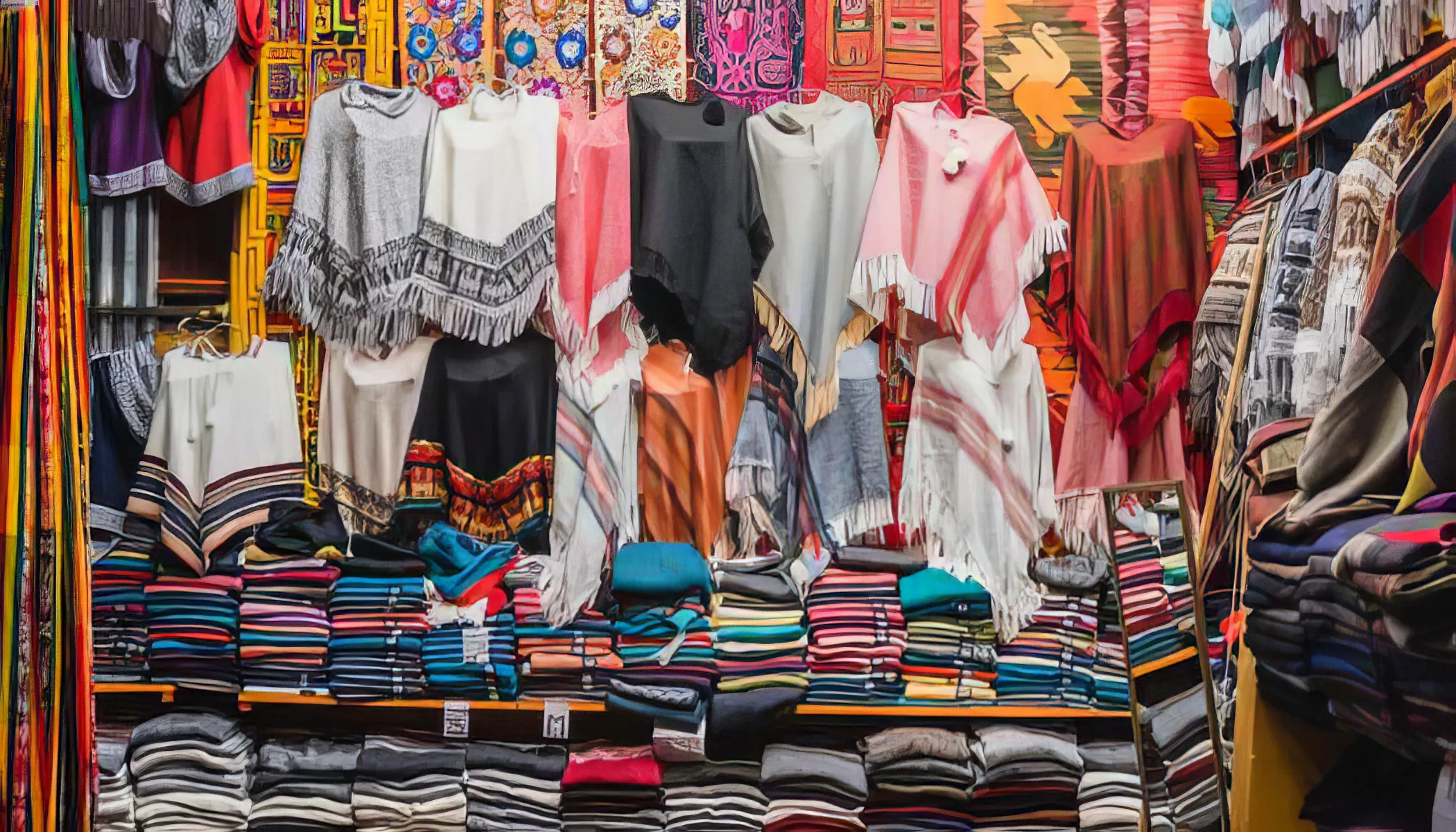
You can find high-quality alpaca wool products, such as sweaters and scarves, which make great gifts. Local markets offer handcrafted items like pottery and jewelry. Traditional Peruvian sweets are also popular souvenirs. Consider purchasing a bottle of pisco, a local spirit. Artisan chocolate is another tasty option to bring home. These items reflect the culture and craftsmanship of the region.
Arts & Culture
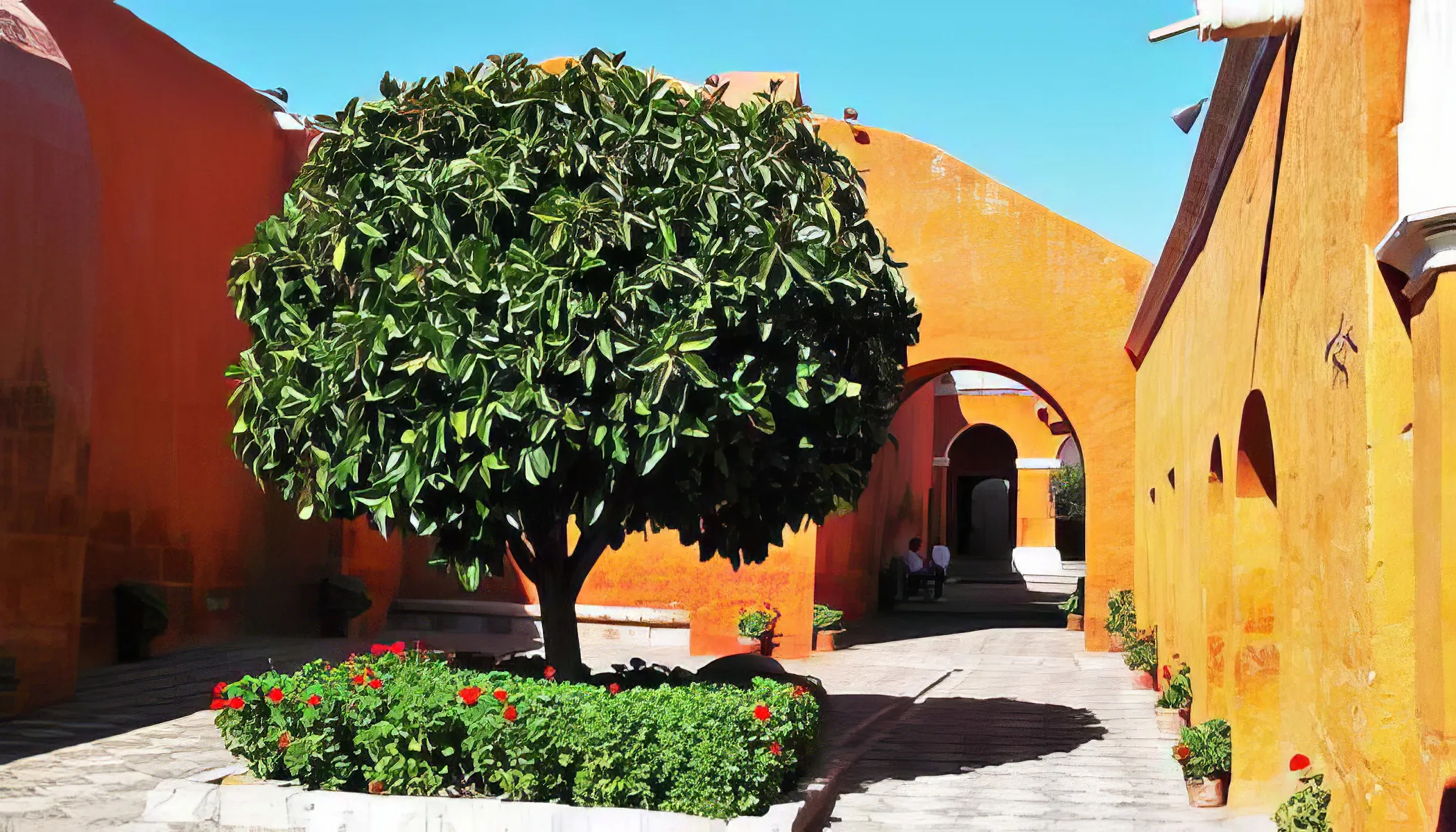
The city is known for its colonial architecture, particularly the Santa Catalina Monastery, which showcases a blend of Spanish and indigenous influences. The annual Festival de la Virgen de la Candelaria features traditional music and dance, honoring the patron saint with pretty performances. Local artisans produce high-quality textiles and pottery, reflecting indigenous techniques and designs. Additionally, the city hosts art exhibitions that promote contemporary Peruvian artists throughout the year.