

Petra: Best Things to Do & Top Attractions
This archaeological site features rock-cut architecture and water conduit systems. It was a thriving trade center in ancient times and is known for its sensational facades, particularly the Al Khazneh, attracting many visitors each year.
- Airport
- King Hussein at 130 km – Int'l.
- Est. Visit Days
- 2 days
Overview
Petra, an ancient city in Jordan, is renowned for its rock-cut architecture and water conduit system. One of its primary advantages is its historical significance and unique attractions like the Treasury and Monastery, which attract many tourists. However, access to some sites may require considerable walking and climbing, which can be challenging for some visitors. Additionally, the region can be very hot in summer, affecting the comfort of sightseeing. Overall, Petra remains a key archaeological site but may not be suitable for everyone.
Traffic & Transport
Visitors can navigate the area by foot, which is the most common and immersive way to explore the archaeological site. The main entrance leads to well-maintained pathways that connect key attractions, making walking a scenic experience. Alternatively, horse-drawn carriages are available for hire, providing a unique glimpse of the landscape, though they may be less reliable during peak times. For those seeking a more comprehensive experience, guided tours often include transport options like buses from nearby towns. For taxi services, several reliable companies operate in the region, including local options like the Jordan Taxi Company and other private services. Additionally, ride-hailing apps like Careem, which is prevalent in the Middle East, can be utilized to book transportation conveniently.
History
The region has a long history of trade, as it was part of ancient trade routes connecting Arabia, Egypt, and the Mediterranean. It fell under various empires, including the Nabateans, who flourished from the 4th century BCE to the 2nd century CE. Following the Roman conquest, it became an important center for commerce and culture. In the early Islamic period, it transitioned into a significant location for the expanding Islamic Empire. Over the centuries, it faced decline due to changing trade routes and natural disasters.
Itinerary Sample
This itinerary covers two days in Petra, Jordan, focusing on key sites and activities.
– First day: Visit the Siq, explore Al-Khazneh (the Treasury), and hike to the Monastery for sunset views.
– Second day: Discover the Royal Tombs, walk the Roman road, and visit the Petra Archaeological Museum.
Near Excursion
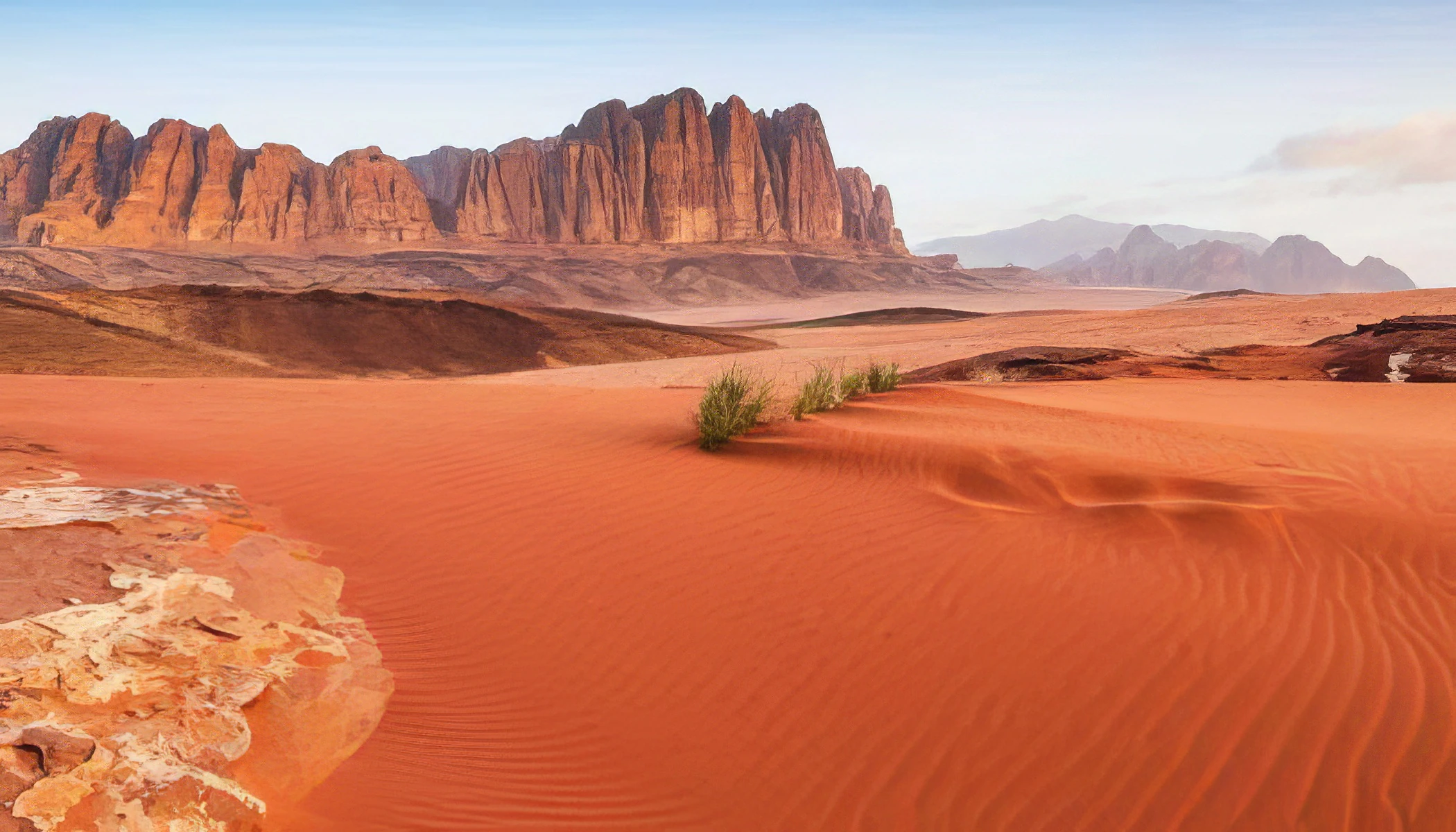
This city is a great starting point for several interesting day trips. Here are some suggestions:
– Little Petra at 10 km: Explore the archaeological site with ancient Nabataean houses, tombs, and cisterns.
– Dana Biosphere Reserve at 50 km: Discover diverse wildlife and nice landscapes in Jordan's largest nature reserve.
– Wadi Rum at 110 km: Experience the surreal desert landscape known for its red dunes and unique rock formations.
– Shobak Castle at 30 km: Visit a Crusader castle with a storied history set on a dramatic hilltop.
– Aqaba at 130 km: Relax on the beaches and enjoy snorkeling in the coral-rich waters of the Red Sea.
Attraction
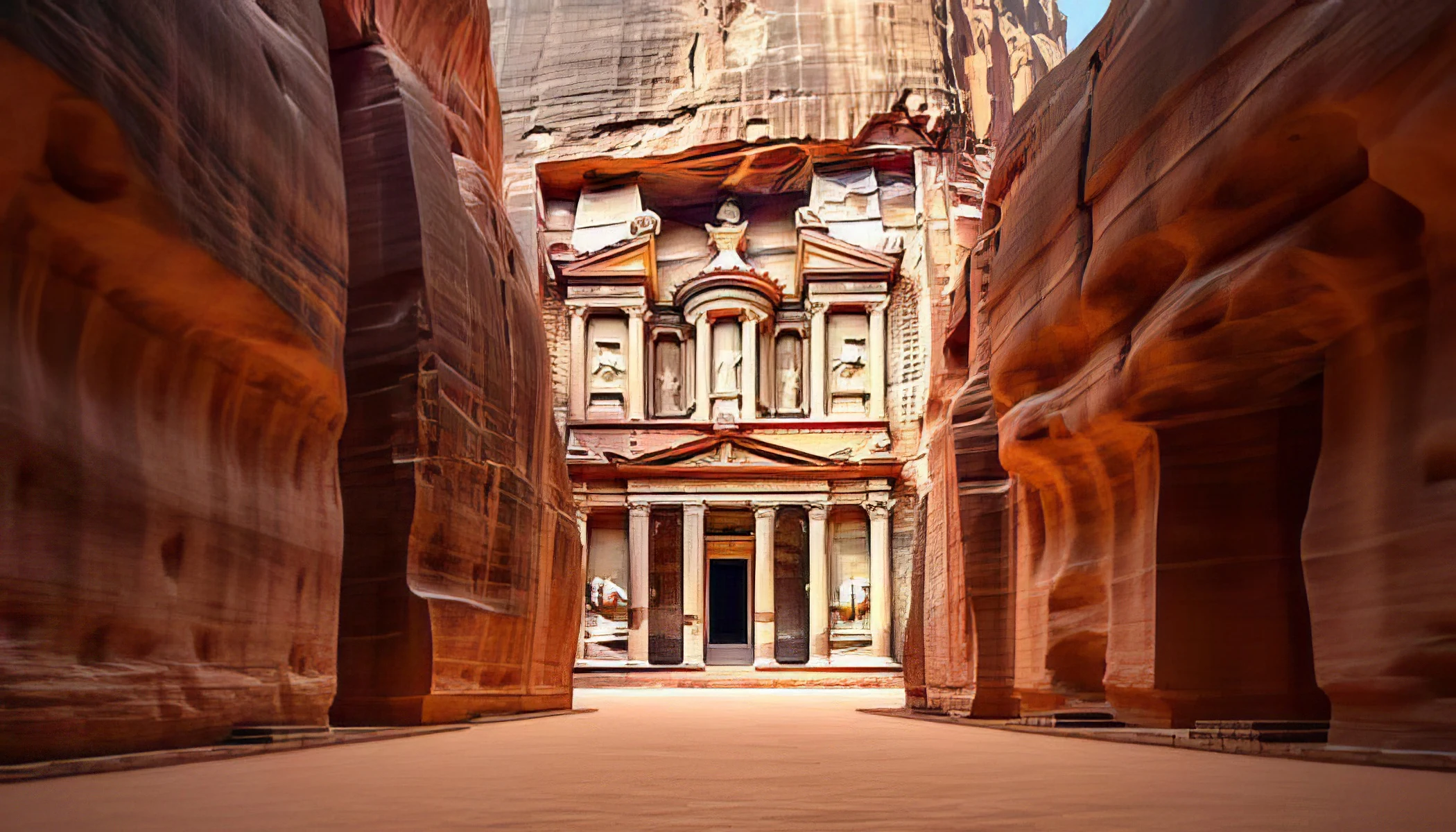
The city offers ancient archaeological marvels carved from rose-red rock.
– Al Khazneh (The Treasury): An iconic rock-cut temple with an intricately carved facade, famously featured in movies, and often the first site you visit.
– Monastery (Ad Deir): A massive structure similar to The Treasury but grander, requiring a climb of about 800 steps for remarkable views.
– Siq: A narrow, winding gorge that acts as the main entrance, featuring towering rock walls that lead to The Treasury.
– Street of Facades: A row of tombs and houses with impressive facades, reflecting the city's architectural diversity and historical significance.
– Royal Tombs: A series of grand burial sites with elaborate carvings, offering insights into the city's ancient royal history.
– The Great Temple: A large archaeological site that offers a glimpse into the religious and cultural life of the city's past inhabitants.
Activity
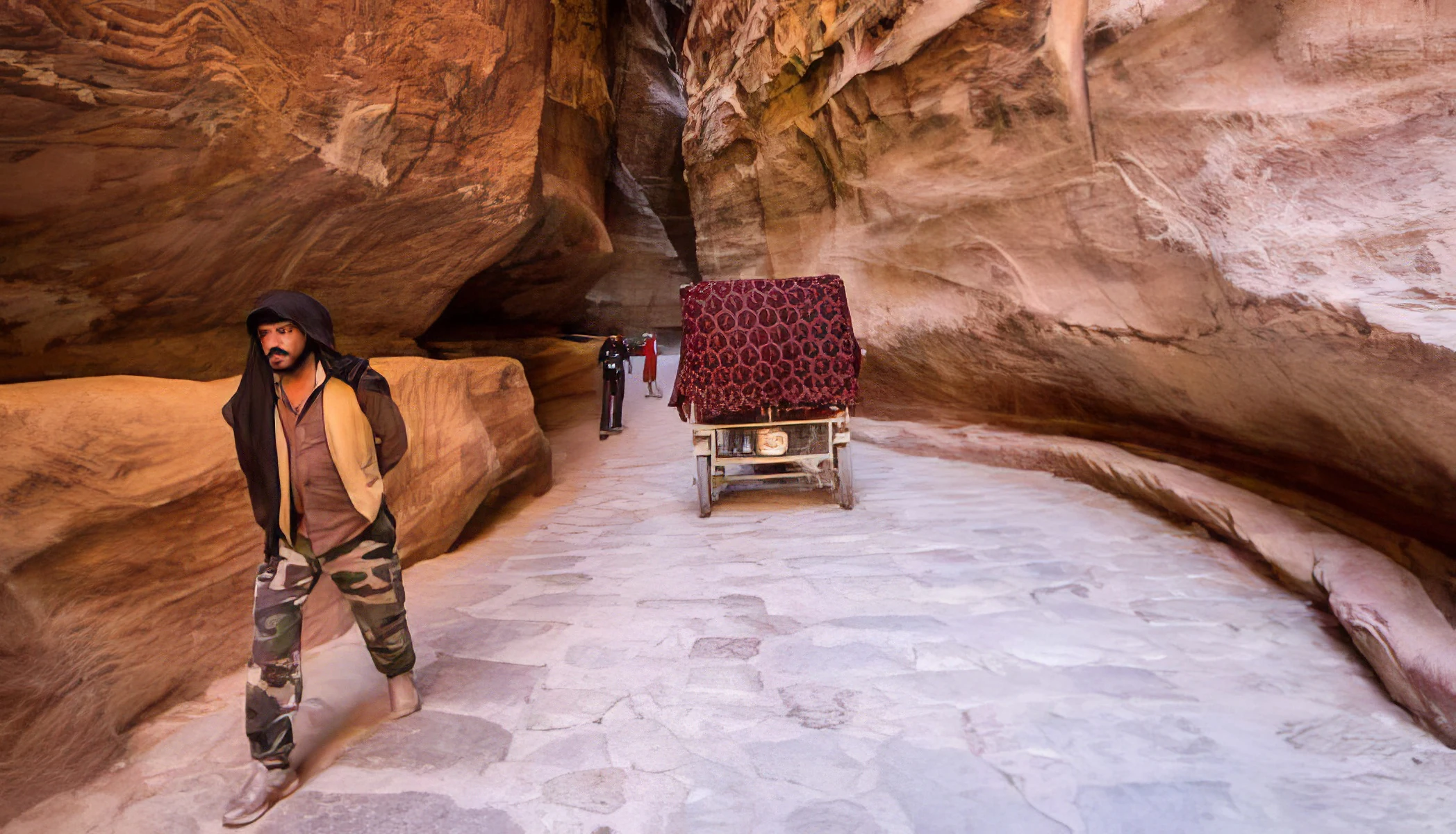
Travelers in Petra can explore ancient ruins, hike scenic trails, and experience local culture in a historic desert landscape.
– Camel Trekking: Ride camels through the desert and ancient paths, enjoying panoramic views of Petra's unique rock formations.
– Petra by Night: Experience the iconic Petra site illuminated by candles, creating a magical atmosphere for a memorable evening.
– Hiking the Monastery: Trek up to the Monastery (Ad Deir), which offers gorgeous views and is less crowded than the main sites.
– Siq Trail Walk: Walk through the Siq, a narrow gorge, to reach the Treasury while observing geological formations and relics.
– Bedouin Cultural Experience: Engage with local Bedouin people, learning about their traditional lifestyle and customs in the surrounding areas.