

Cebu: Best Things to Do & Top Attractions
This island province is known for its historical sites, beautiful beaches, and magnificient culture. It serves as a major transport hub in the region, connecting various destinations and offering diverse activities for tourists and locals alike.
- Population
- 0.97 millions
- Size
- 315 square km
- Airport
- Mactan-Cebu – Int'l & 0 others
- Est. Visit Days
- 4 days
Overview
Cebu City is a major urban center in the Philippines, known for its historical sites and charming culture. Pros include its accessibility to beautiful beaches, a mix of modern and traditional attractions, and a growing economy. On the downside, traffic congestion can be a significant issue, and pollution levels may be high in some areas. The city also faces challenges related to infrastructure development. Overall, Cebu offers a unique blend of urban life and natural beauty but comes with typical city-related drawbacks.
Traffic & Transport
Traffic in the city can be congested, especially during peak hours, so it's advisable to plan your travels accordingly. The best means of transport for exploring the area include jeepneys, which are a popular and affordable option, as well as tricycles for shorter distances. Ride-sharing services also offer convenience for tourists looking to navigate more efficiently. Public buses are available but may not be as tourist-friendly due to language barriers and routes. Reliable taxi companies include local firms that operate within the area and provide metered services. Additionally, ride-hailing apps like Grab are widely used and allow for easy booking and payment options.
History
The area was first settled by the Spanish in 1565, becoming the first capital of the Philippines. It served as a key trading port during the Spanish colonial period, facilitating commerce between Asia and Europe. The city witnessed significant events during World War II, including Japanese occupation and battles for liberation. After the war, it developed rapidly as a commercial center in the Visayas region. Today, it reflects a blend of indigenous, Spanish, and American influences in its culture and architecture.
Itinerary Sample
Explore Cebu City and nearby attractions over four days with this itinerary.
– First day: Arrive in Cebu, visit Magellan's Cross, Basilica Minore del Santo Niño, and explore Fort San Pedro. Enjoy local cuisine for dinner.
– Second day: Take a day trip to Kawasan Falls for swimming and canyoneering. Return to Cebu City in the evening.
– Third day: Visit Taoist Temple, then head to Mactan Island for snorkeling or beach time at a resort. Dinner at a seaside restaurant.
– Fourth day: Explore Taboan Public Market for local snacks and souvenirs, then visit the Cebu Heritage Monument before departure.
Near Excursion
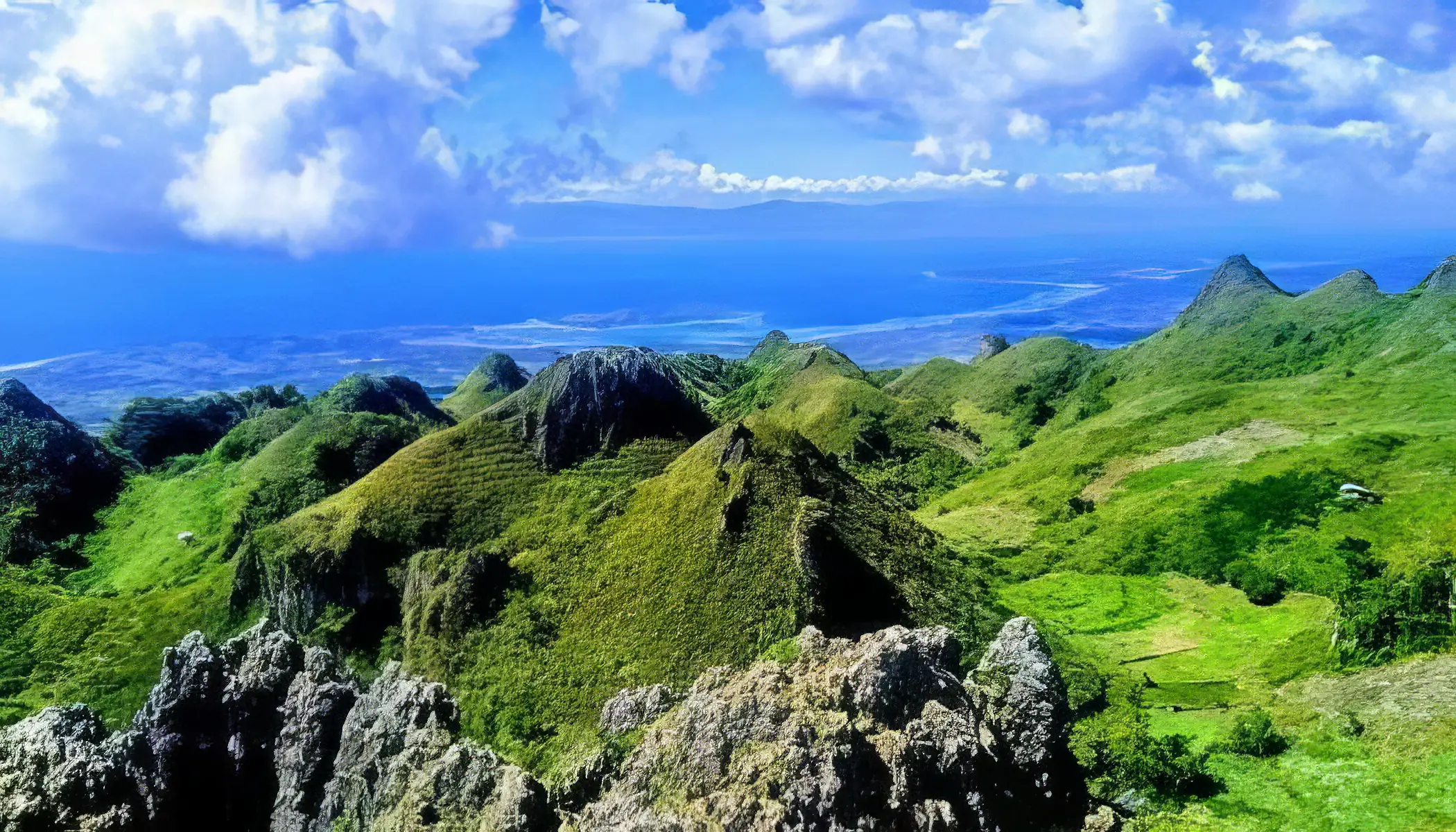
This city offers a variety of day-trip options for visitors seeking to explore nearby attractions. Here are some suggestions:
– Moalboal at 89 km: Offers nice marine life and the famous sardine run for snorkeling enthusiasts.
– Kawasan Falls at 105 km: Known for its multi-layered waterfalls and clear turquoise waters ideal for swimming.
– Osmeña Peak at 100 km: The highest point in the area, providing panoramic views of the surrounding landscape.
– Simala Shrine at 60 km: A grand church with impressive architecture, popular among pilgrims.
– Bohol Island at around 90 km by ferry: Famous for the Chocolate Hills and Tarsier Sanctuary.
Attraction
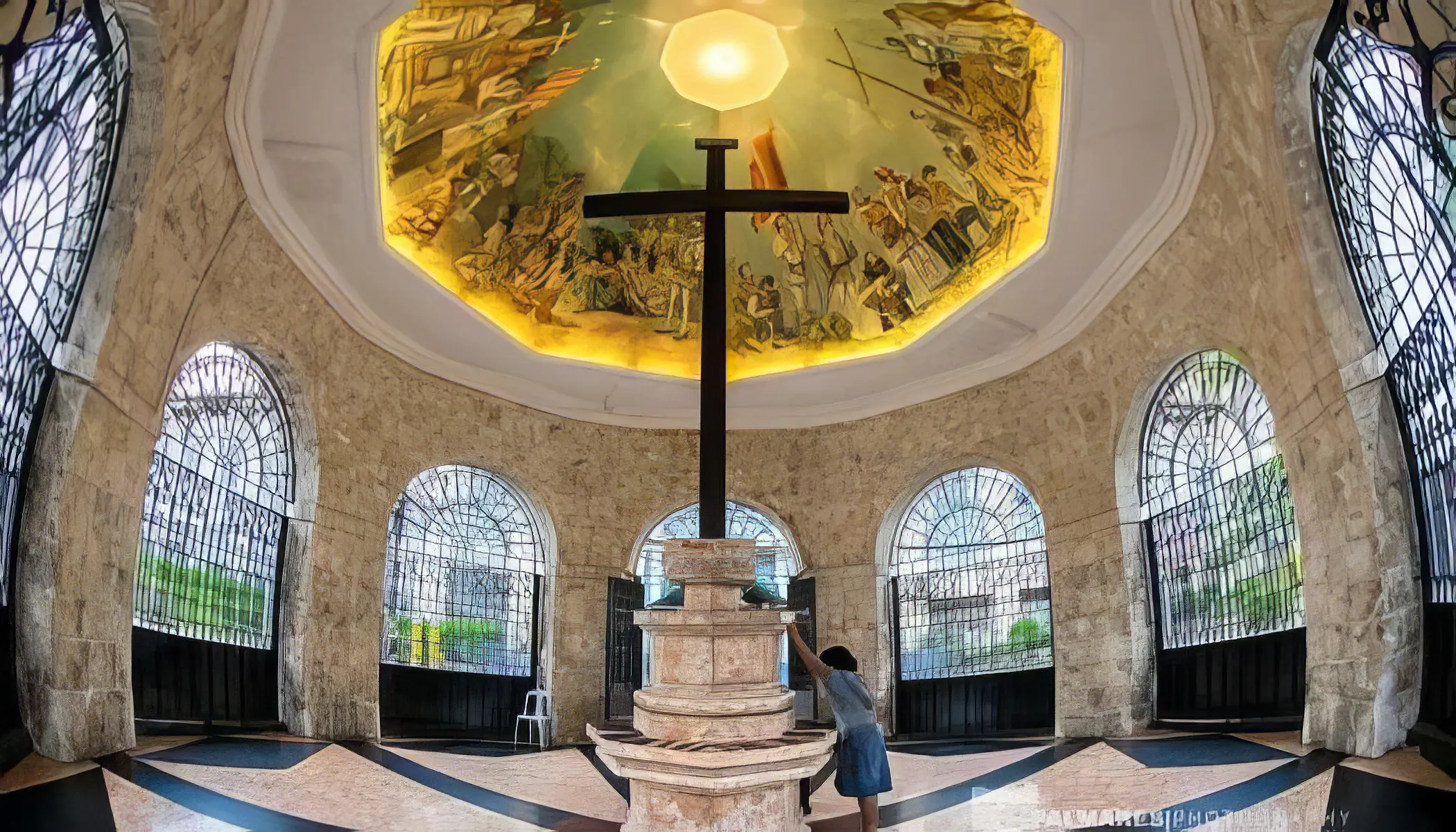
Known for its historical landmarks and beautiful beaches, this city offers a mix of cultural and natural attractions for tourists.
– Magellan's Cross: A significant historical site marking the arrival of Spanish explorers in 1521.
– Basilica Minore del Santo Niño: The oldest Roman Catholic church in the country, housing an important religious relic.
– Fort San Pedro: A military defense structure built by Spanish settlers, offering insights into colonial history.
– Taoist Temple: A peaceful temple offering panoramic views and insight into Chinese culture and traditions.
– Kawasan Falls: A popular spot known for its clear turquoise waters and pleasant surroundings.
– Oslob Whale Shark Watching: Offers a chance to see whale sharks up close in their natural habitat.
Activity
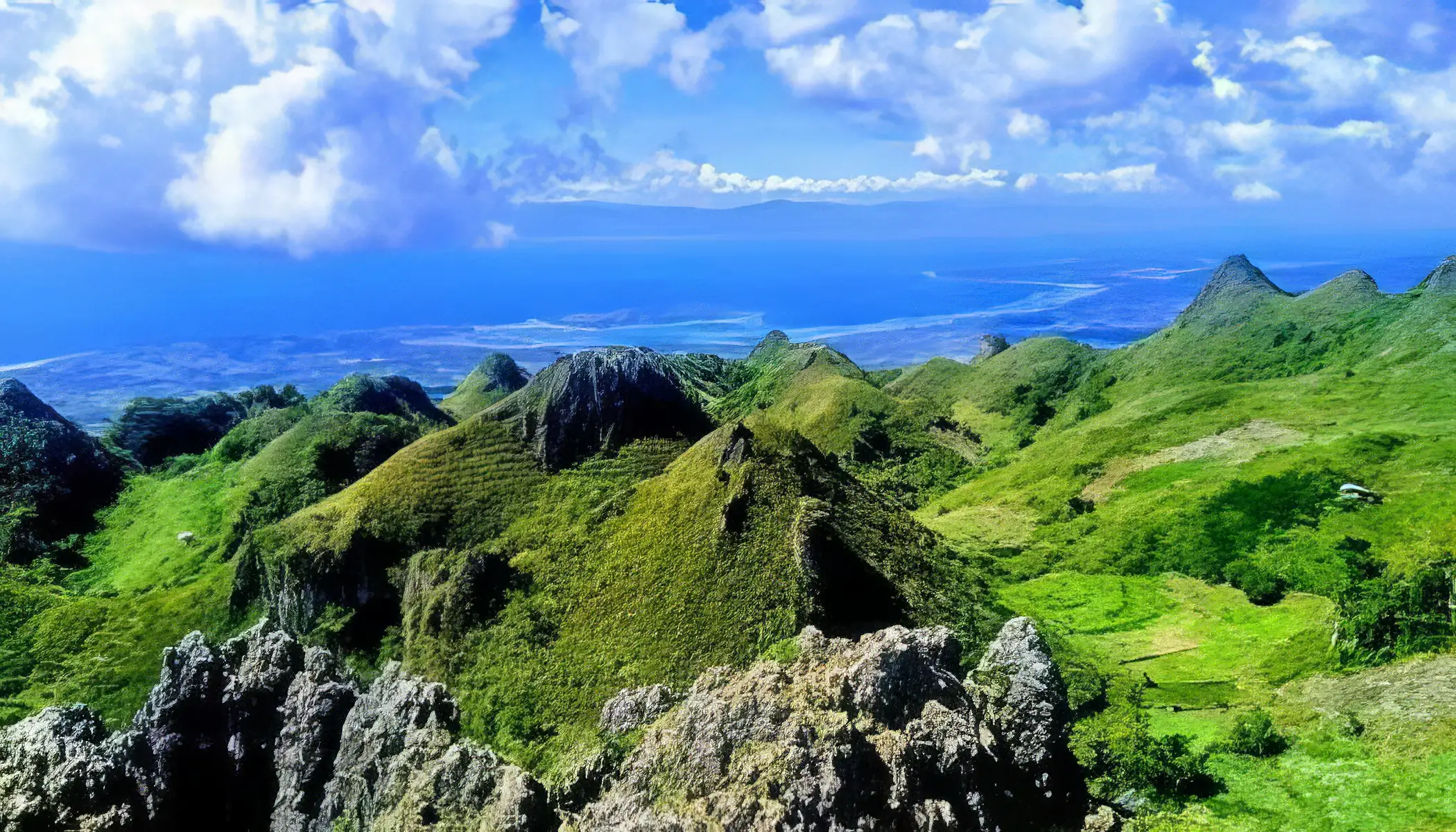
Cebu offers a mix of nature, culture, and adventure activities for travelers to explore and enjoy.
– Kawasan Falls: A popular spot for canyoneering and swimming in crystal-clear waters surrounded by rich greenery.
– Whale Shark Watching: Experience swimming with gentle whale sharks in Oslob, a unique marine encounter.
– Moalboal Sardine Run: Snorkel or dive among billions of sardines for an unforgettable underwater spectacle.
– Osmeña Peak: Hike to the highest point in Cebu for panoramic views of the surrounding landscapes.
– Bantayan Island: Relax on immaculate beaches, enjoy water activities, or explore local culture on this tranquil island.
Cuisine
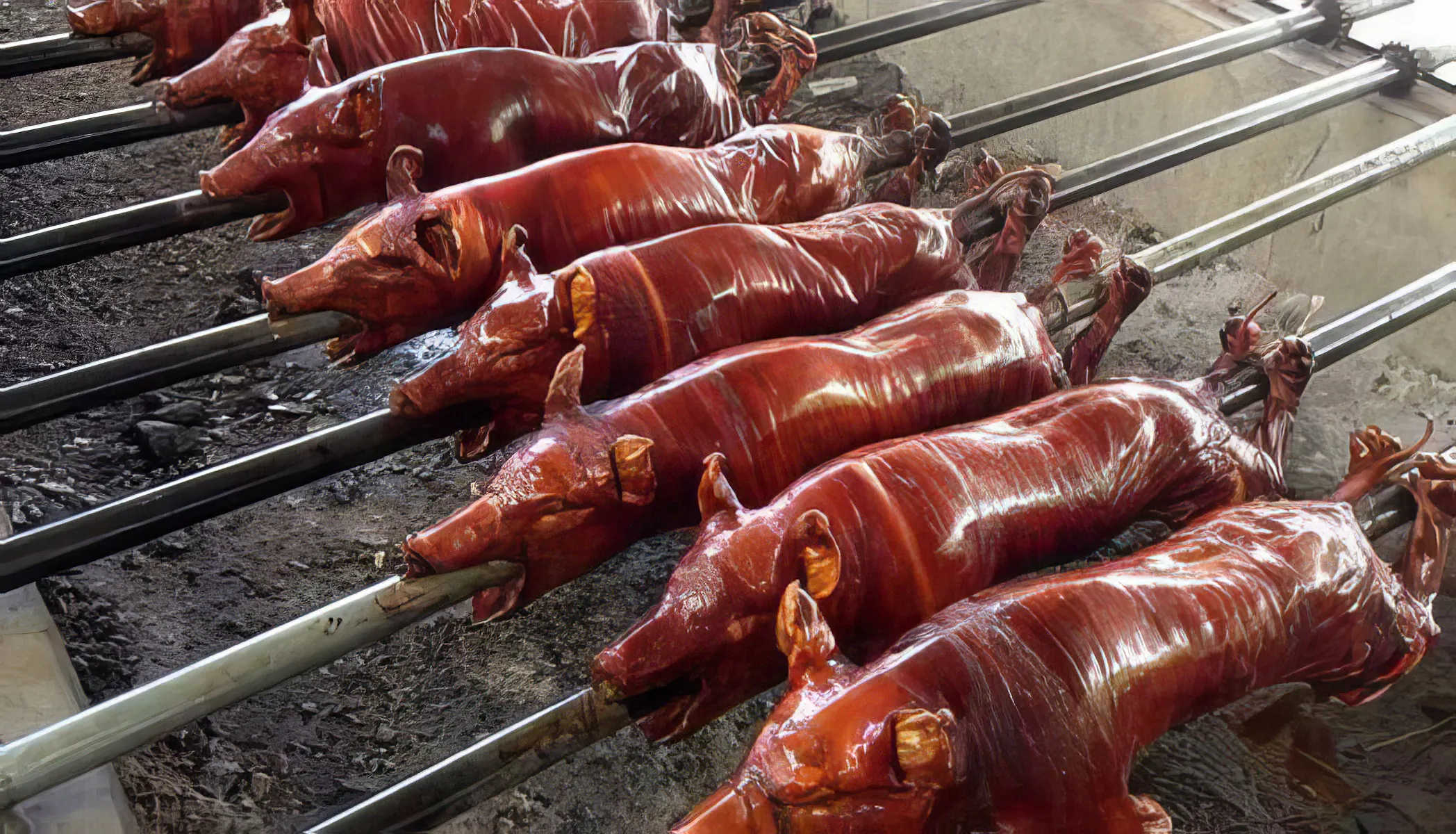
The city offers a nice food scene with a mix of traditional Filipino flavors and Spanish influences, particularly known for its roasted meats and seafood. Some of the city's most famous dishes include:
– Lechon: Whole roasted pig, known for its crispy skin and tender meat.
– Puso Rice: Steamed rice wrapped in woven coconut leaves, often served with grilled meats.
– Ngohiong: Deep-fried spring rolls filled with vegetables and seasoned with five-spice powder.
– Danggit: Sun-dried fish, typically served fried for breakfast alongside rice and vinegar dip.
– Otap: Oval-shaped puff pastry coated with sugar, known for its flaky texture.
Shopping
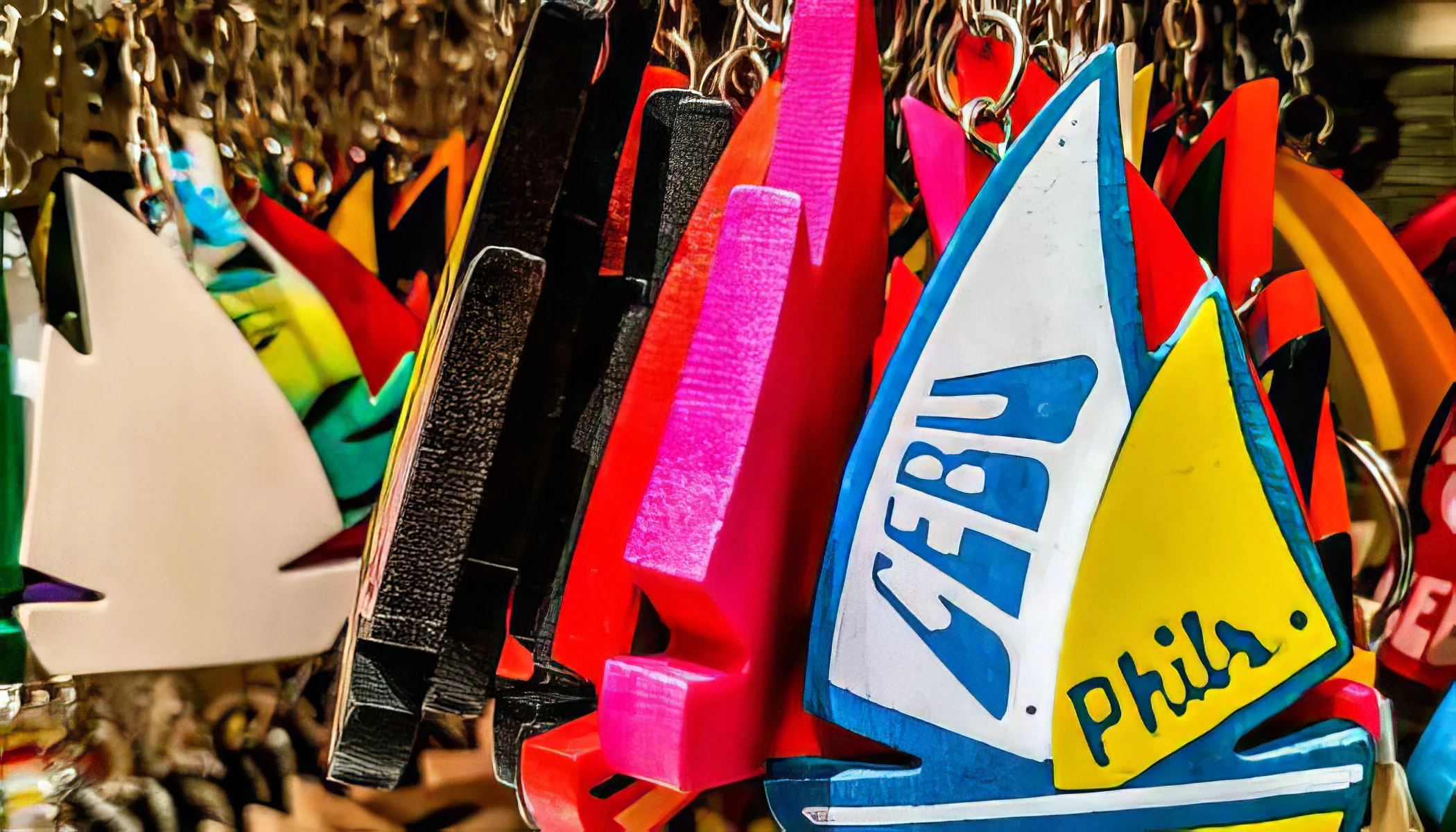
There are several shopping options available, including large malls and local markets. Popular gifts include handmade crafts, such as woven bags and accessories. You can also find local delicacies like dried mangoes and otap (a type of pastry). Souvenir items often feature traditional designs or local culture. Bargaining is common in markets, so be prepared to negotiate prices. Overall, there are many unique items to consider for gifts.
Arts & Culture
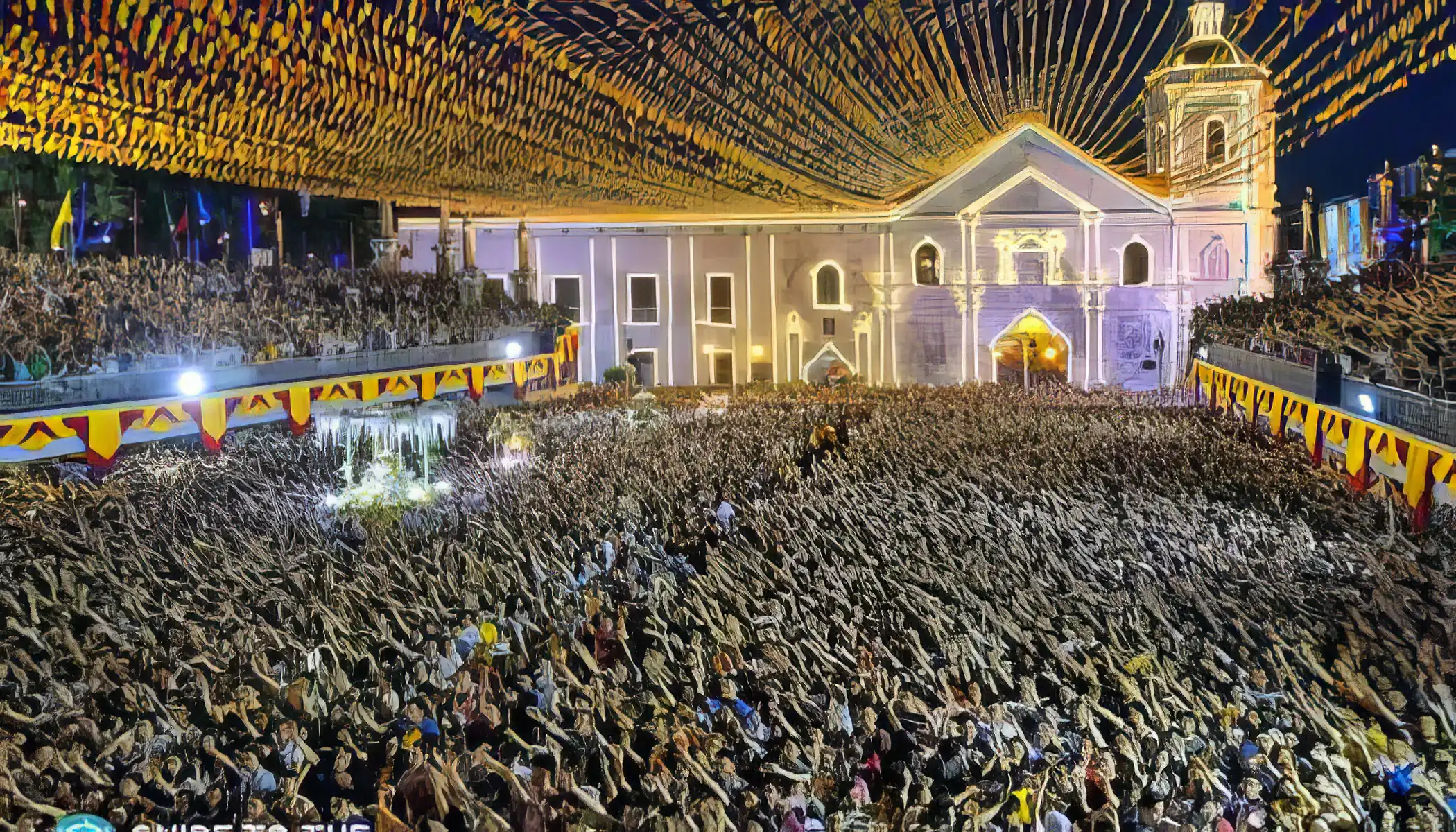
The Sinulog Festival is a major cultural event held every January, celebrating the Filipino people's conversion to Christianity through attractive street dancing and parades. The city also hosts various art exhibits and showcases local artists' work throughout the year. The Basilica Minore del Santo Niño features religious artworks that reflect the city's heritage. Additionally, there are ongoing performances of traditional music and dance at cultural centers.