

Zamboanga: Best Things to Do & Top Attractions
This city, located in the southwestern part of the country, is known for its rich cultural heritage and diverse communities. It features beautiful coastal areas and serves as a gateway to nearby islands and natural attractions.
- Population
- 0.9 millions
- Size
- 1 500 square km
- Airport
- Zamboanga International – Int'l
- Est. Visit Days
- 3 days
Overview
Zamboanga City, located in the Philippines, is known for its cultural diversity and historical significance. Pros include its rich heritage, nice local festivals, and beautiful natural attractions like beaches and parks. However, it faces challenges such as security concerns and infrastructure issues. The economy relies on trade and agriculture but can be inconsistent. Overall, Zamboanga offers unique experiences but requires caution for visitors.
Traffic & Transport
The traffic in the city can be moderate, especially during peak hours, but it is generally manageable for tourists. The best means of transport to explore the area includes jeepneys, which are a popular and affordable option, as well as tricycles for shorter distances. Renting a motorbike or bicycle is also a great way to navigate the city at your own pace. Walking is recommended in certain areas to fully experience local attractions and culture. For reliable taxi services, visitors can utilize local companies like Zamboanga Taxi and Btrans Taxi Services. While there may not be widely known taxi-booking apps specific to the area, taxis can typically be hailed on the street or booked via phone.
History
This city was founded in the 16th century and became an important Spanish outpost in the Philippines. It played a significant role during the Spanish-American War, serving as a strategic naval base. The city was later occupied by American forces, which led to changes in governance and infrastructure. Its location made it a hub for trade with nearby countries, influencing local culture and economy. The blend of indigenous, Spanish, and American influences is still evident in its festivals, cuisine, and architecture.
Itinerary Sample
Here is a sample 3-day itinerary for exploring Zamboanga City, Philippines.
– First day: Visit Fort Pilar and its museum, explore the Paseo del Mar waterfront, and enjoy local cuisine at a nearby restaurant.
– Second day: Take a day trip to the beautiful Pink Sand Beach on Santa Cruz Island and relax amidst nature.
– Third day: Tour the Yakan Weaving Village, visit the Metropolitan Cathedral, and shop for local crafts at the Zamboanga City Market.
Near Excursion
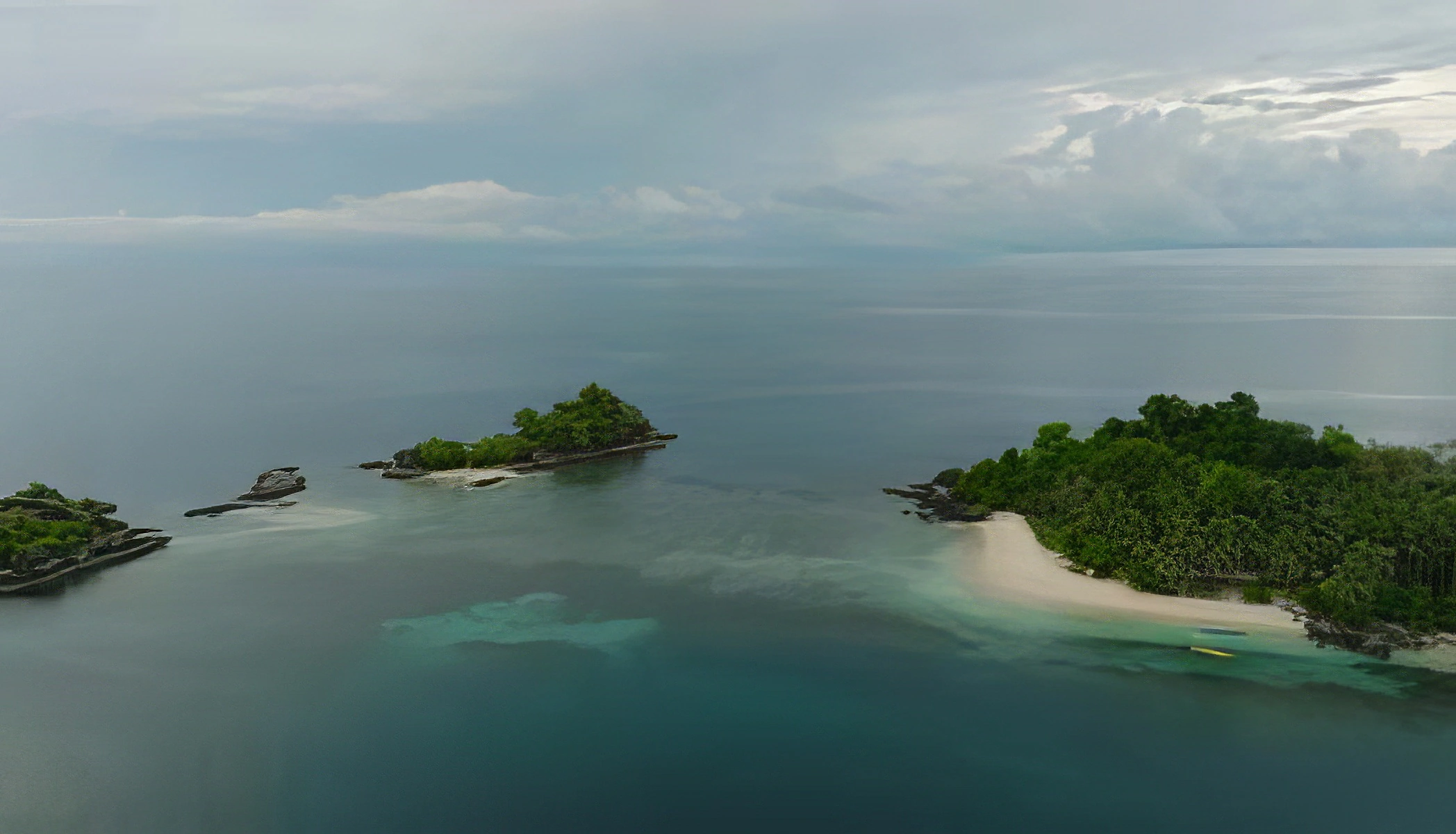
This city offers a range of day-trip options to explore the surrounding areas. Here are some suggestions:
– Sta. Cruz Island at 4 km: Known for its unique pink sand beach and clear waters, ideal for relaxation.
– Merloquet Falls at 78 km: A charming waterfall surrounded by luxurious greenery, perfect for nature lovers.
– Once Islas at 42 km: An archipelago with white sandy beaches and crystal-clear waters, great for island hopping.
– Great Santa Cruz Island at 9 km: Offers snorkeling opportunities and animated coral reefs near the shore.
– Pasonanca Natural Park at 7 km: Features hiking trails, picnic areas, and diverse flora and fauna.
Attraction
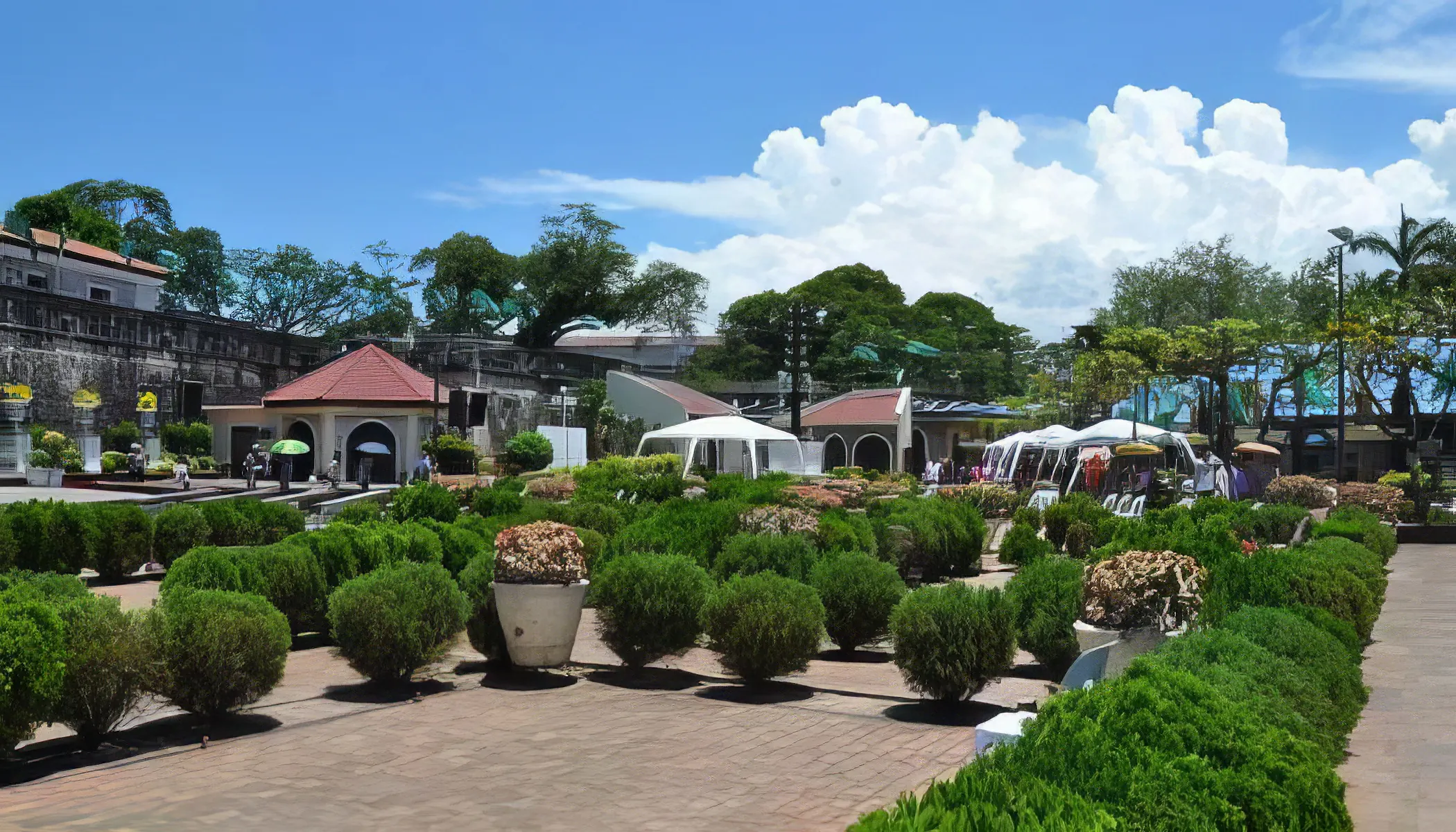
This city is known for its rich cultural heritage and beautiful natural attractions.
– Fort Pilar: A historical fortress built in 1635, now housing a museum showcasing the region's cultural artifacts.
– Great Santa Cruz Island: Famous for its pink sand beach, ideal for swimming and snorkeling activities.
– Pasonanca Park: Offers diverse flora, tree houses, and a swimming pool, perfect for relaxation and family picnics.
– Paseo del Mar: A popular spot with views of the sea, local food stalls, and evening entertainment.
– Yakan Weaving Village: Discover traditional weaving techniques and buy colorful textiles crafted by local artisans.
– Zamboanga City Hall: An architectural landmark from 1907 with a colonial design reflecting the city's historical significance.
Activity
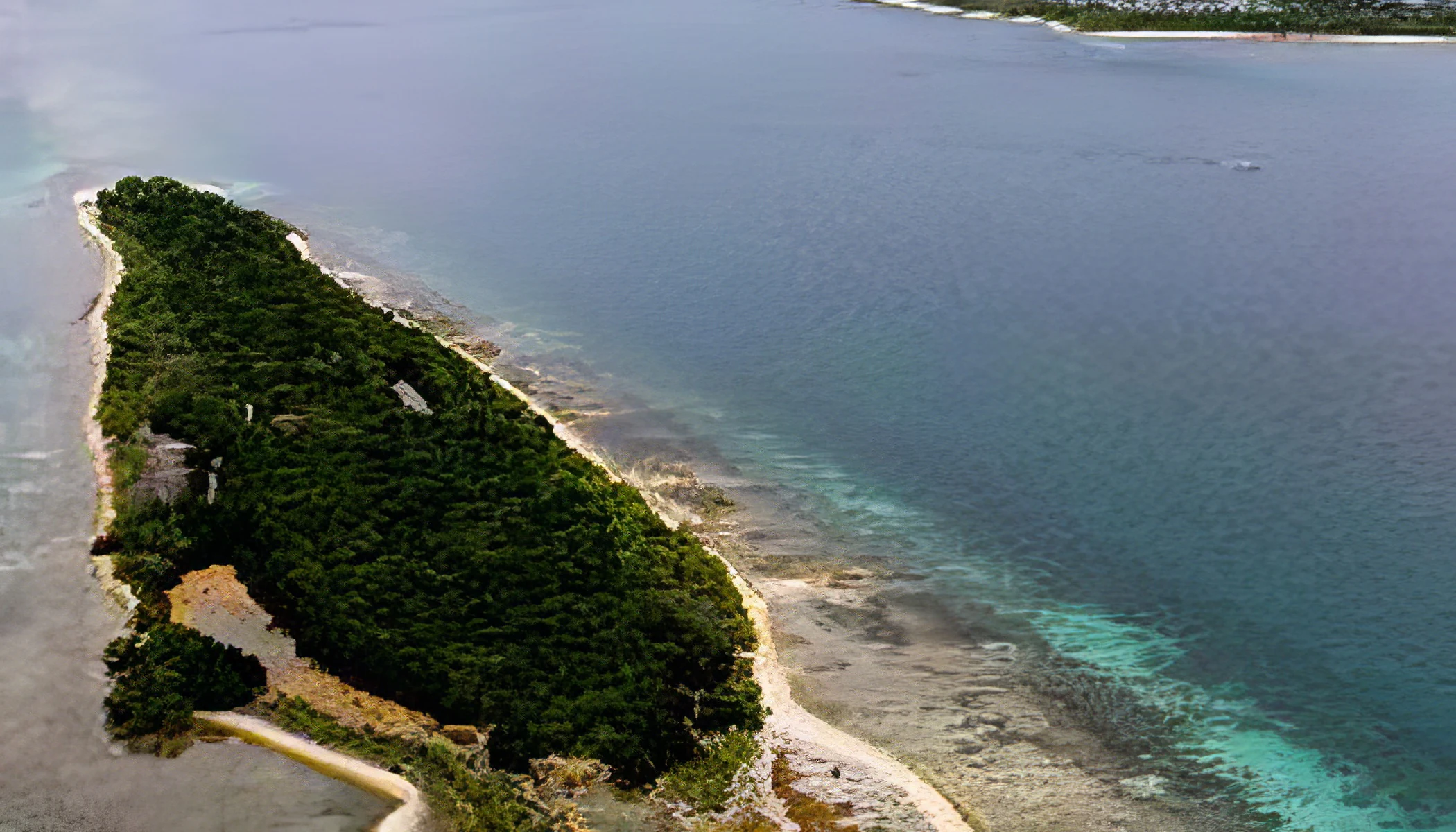
Travelers in Zamboanga can enjoy a mix of cultural, nature-based, and adventure activities in this dynamic city.
– Merloquet Falls: A beautiful waterfall ideal for swimming and picnicking amidst beautiful greenery.
– Pink Sand Beach: Unique beach with pink sand, perfect for relaxation and photography.
– Pasonanca Park: A smooth park featuring native trees, picnic areas, and a zipline for adventure seekers.
– Great Santa Cruz Island: Known for its white sand beaches and rich marine life, great for snorkeling.
– Bamboo Garden: A carefree spot showcasing various bamboo species and offering guided tours.
Cuisine
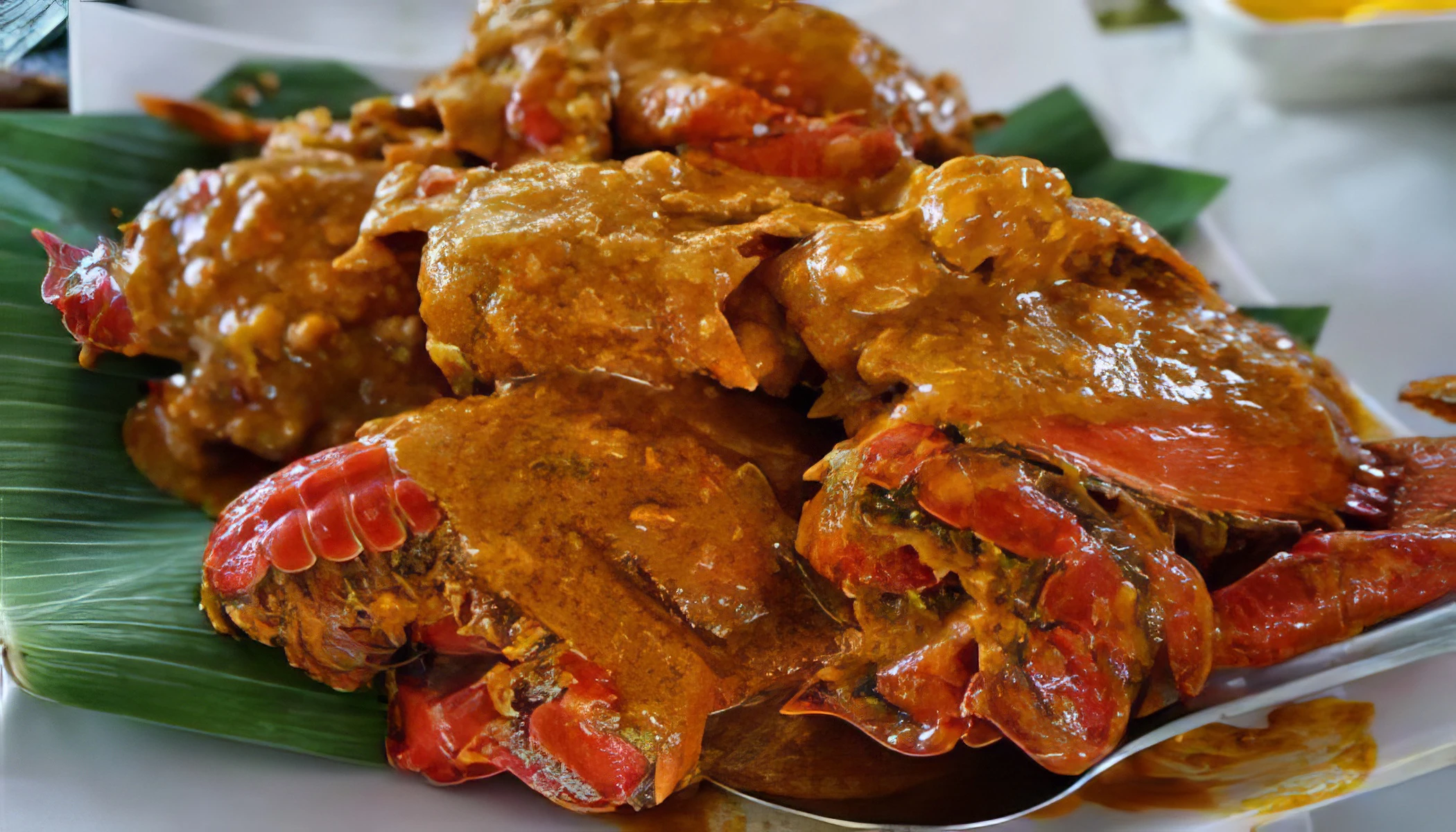
The city offers a diverse culinary landscape influenced by Spanish, Malay, and indigenous flavors, reflecting its rich cultural heritage. Some of the city's most famous dishes include:
– Curacha: A spiny crab dish cooked with coconut milk and spices.
– Satti: Grilled meat skewers served with spicy sauce and rice cakes.
– Knickerbocker: A refreshing dessert of mixed fruits, gelatin, topped with ice cream.
– Paella Chavacano: Local take on Spanish paella with seafood and native ingredients.
– Tamal de Zamboanga: Corn-based snack wrapped in banana leaves filled with chicken or pork.
Shopping
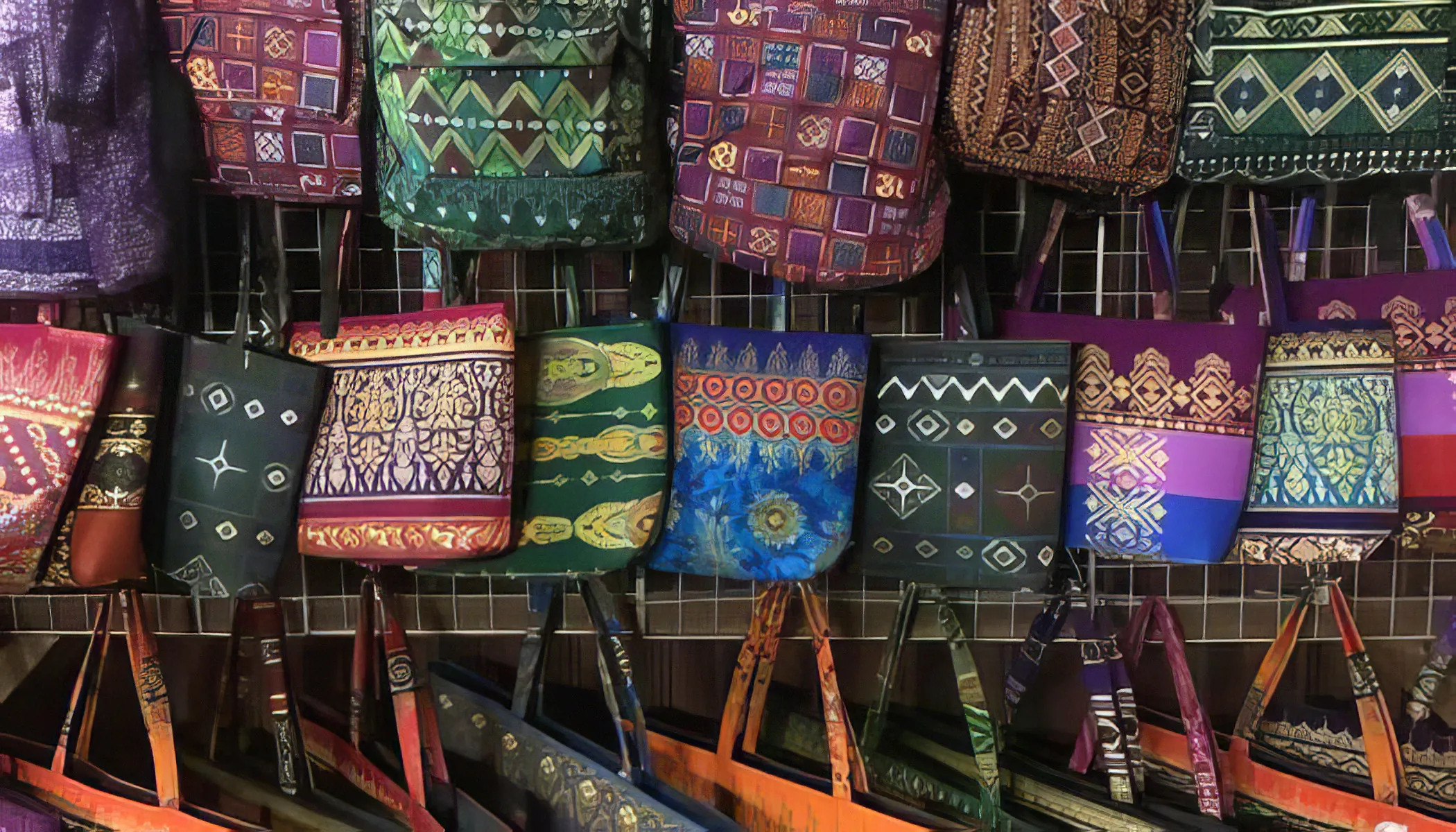
Local markets offer a variety of handmade products, including woven items and crafts. You can find colorful textiles and traditional clothing that make good souvenirs. Another option is to buy local delicacies, such as dried fish or snacks. For a unique gift, consider getting artisanal jewelry made by local artisans. These items reflect the culture and creativity of the area. Overall, shopping here provides a chance to take home something special.
Arts & Culture
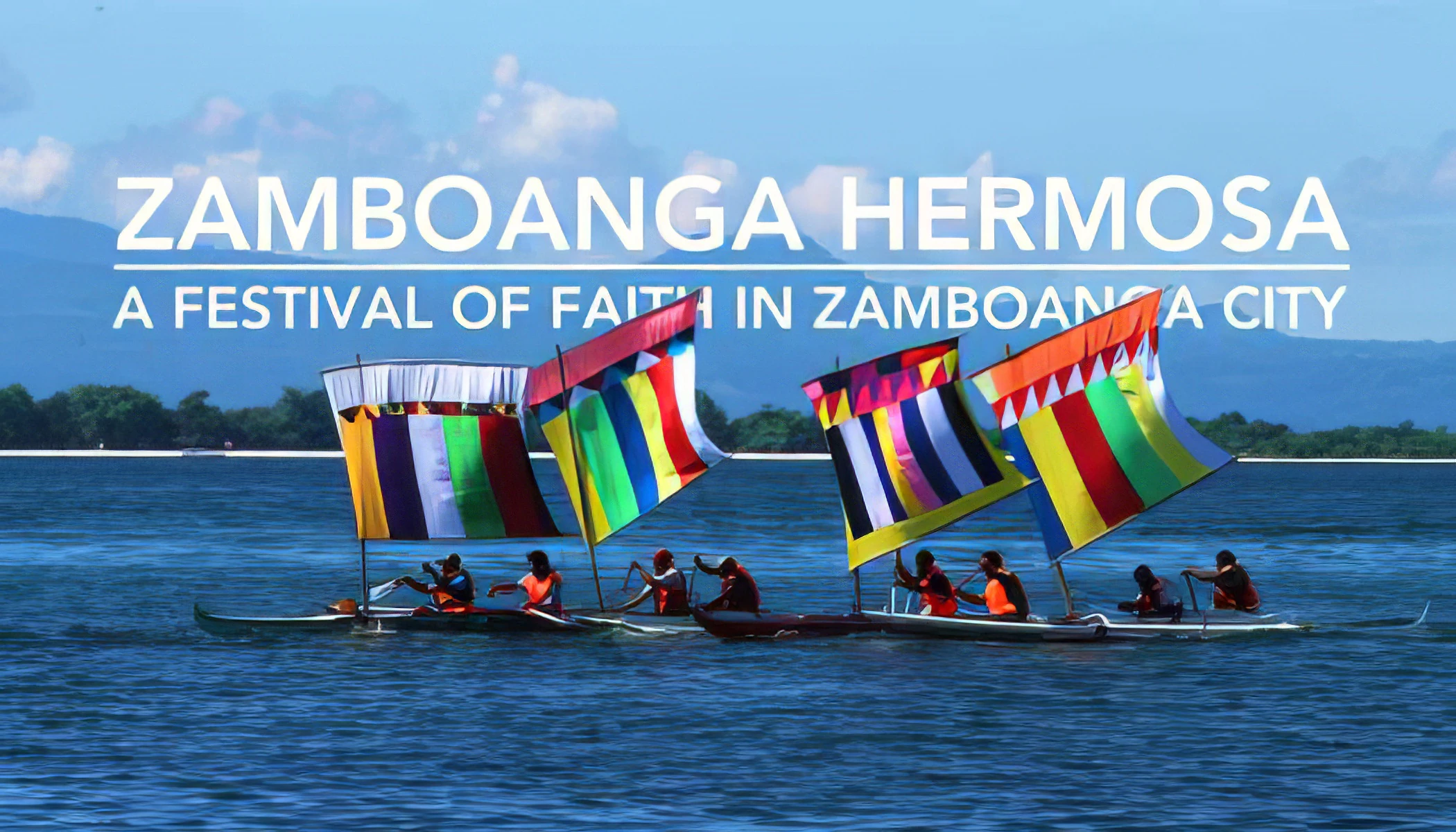
The city is known for the annual Hermosa Festival, which celebrates its patroness, Our Lady of the Pillar, with colorful street dancing and cultural presentations. The local arts scene features traditional crafts such as weaving and brass-making, reflecting indigenous heritage. Various art exhibits and performances often take place at local galleries and community centers. Additionally, there are regular events showcasing folk dances and music that highlight regional traditions.