

Sightseeing in Porto: Culture & Must‑See Spots
This coastal city is known for its historic architecture, riverfront views, and wine production. It features narrow streets, bridges, and a beautiful cultural scene, making it an attractive destination for visitors seeking history and local flavors.
- Population
- 0.24 millions
- Size
- 41 square km
- Airport
- Francisco Sá Carneiro – Int'l
- Train Station
- São Bento.
- Subway
- Yes.
- Est. Visit Days
- 2 days
Overview
Porto, located in northern Portugal, is known for its rich history and famous port wine. Pros include its beautiful architecture, energetic culture, and relatively affordable cost of living compared to other European cities. The city's public transportation system is efficient, making it easy to explore. However, the weather can be rainy, especially in winter. Additionally, some areas may feel crowded with tourists during peak seasons.
Traffic & Transport
The city features a compact layout, making it ideal for exploration on foot, but public transportation options are also readily available. The metro system is efficient and connects key areas, while trams offer a charming way to see the sights. Buses provide additional routes for reaching various neighborhoods, and bike rentals are popular for those who prefer cycling. Overall, walking and using public transport are the best ways to navigate the city. For taxi services, reputable companies include Taxi Porto and Telecabine do Porto, both known for their reliability. Additionally, ride-hailing apps like Uber operate in the area, providing convenient booking options for visitors.
History
The area has a history of Roman settlement, which established it as a trading post. During the Middle Ages, it became an important port for maritime trade and exploration. The city played a significant role in the Portuguese Age of Discovery in the 15th and 16th centuries. In the 19th century, it faced conflicts during the Liberal Wars, impacting its development. The establishment of port wine commerce further shaped its cultural identity and economy.
Itinerary Sample
Here is a suggested 2-day itinerary for exploring Porto, Portugal.
– First day: Visit Livraria Lello, stroll along Ribeira, cross Dom Luís I Bridge, explore the historic center, and enjoy a Port wine tasting in Vila Nova de Gaia.
– Second day: Discover Clerigos Tower, visit São Bento Railway Station, relax at Crystal Palace Gardens, and take a boat tour on the Douro River before departing.
Near Excursion
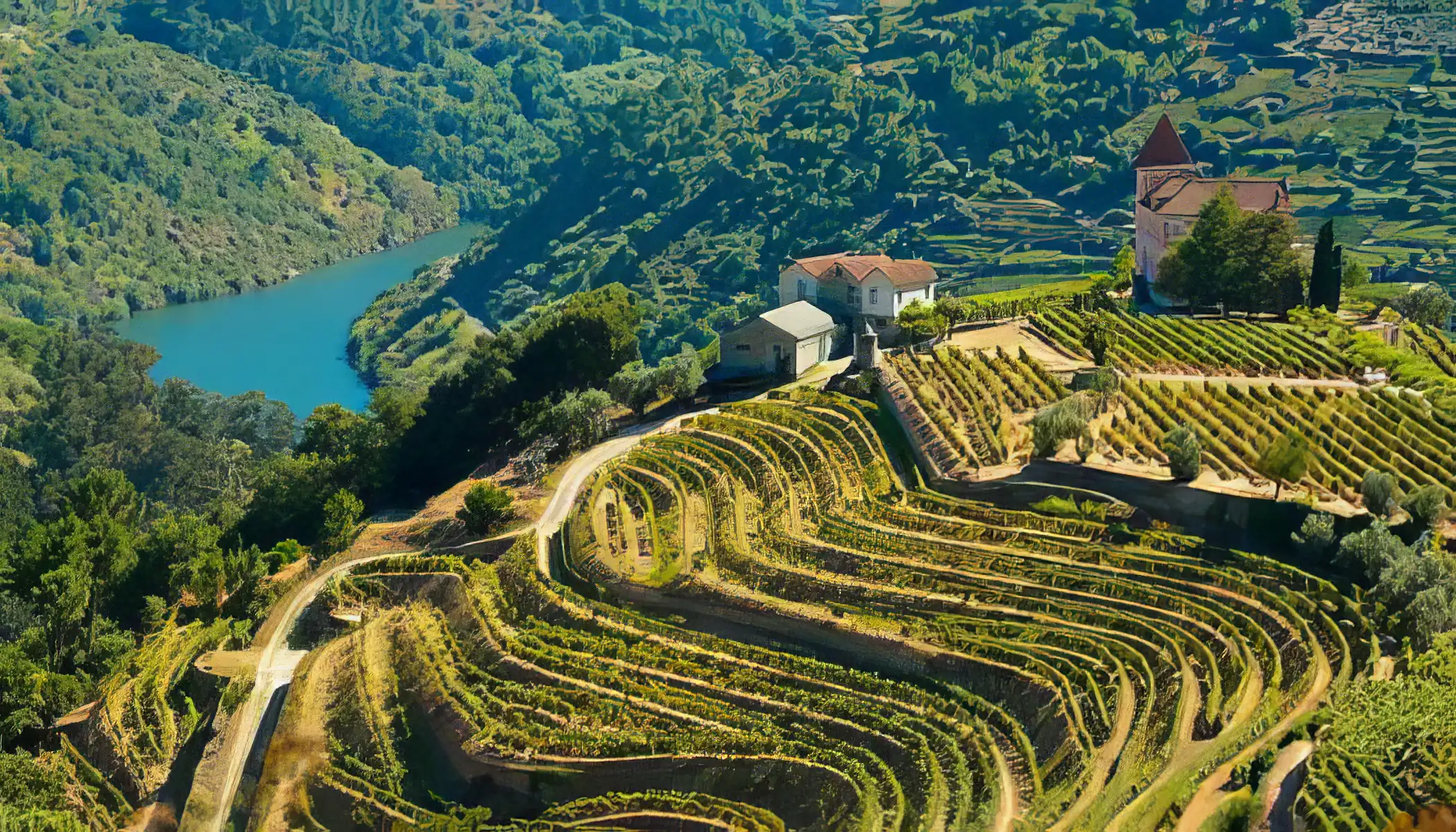
This city offers a variety of day-trip options within a short drive. Here are some recommendations:
– Guimarães at 55 km: Known as the birthplace of Portugal, featuring a well-preserved medieval town center.
– Braga at 53 km: Home to the impressive Bom Jesus do Monte sanctuary and rich religious heritage.
– Douro Valley at 100 km: Famous for its terraced vineyards and scenic river cruises.
– Aveiro at 75 km: Often called the "Venice of Portugal," known for its canals and colorful boats.
– Viana do Castelo at 75 km: Offers beautiful coastal views and the iconic Santa Luzia Basilica.
Attraction
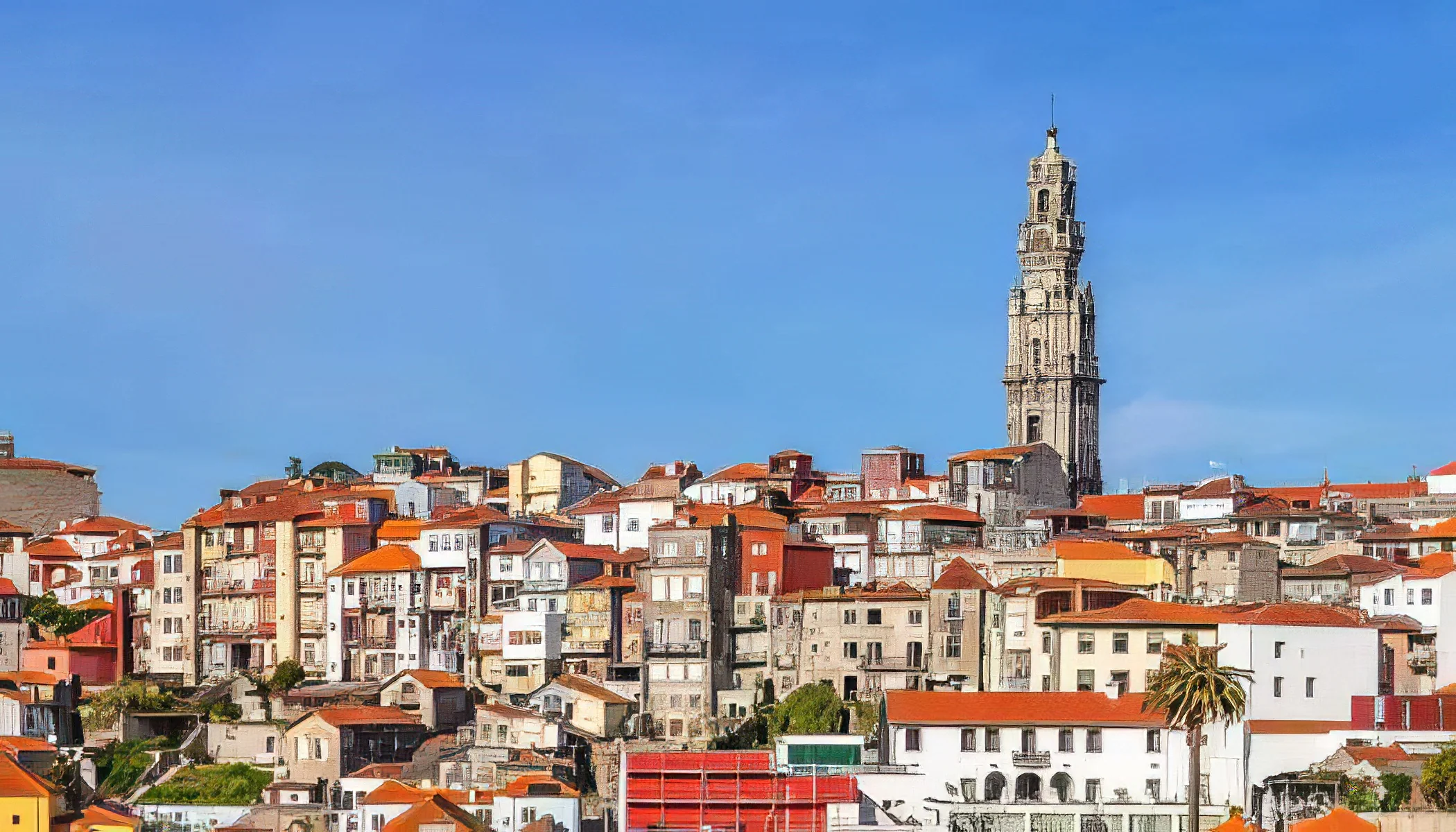
Known for its historic charm and vibrant culture, this city offers a mix of architectural landmarks and scenic views.
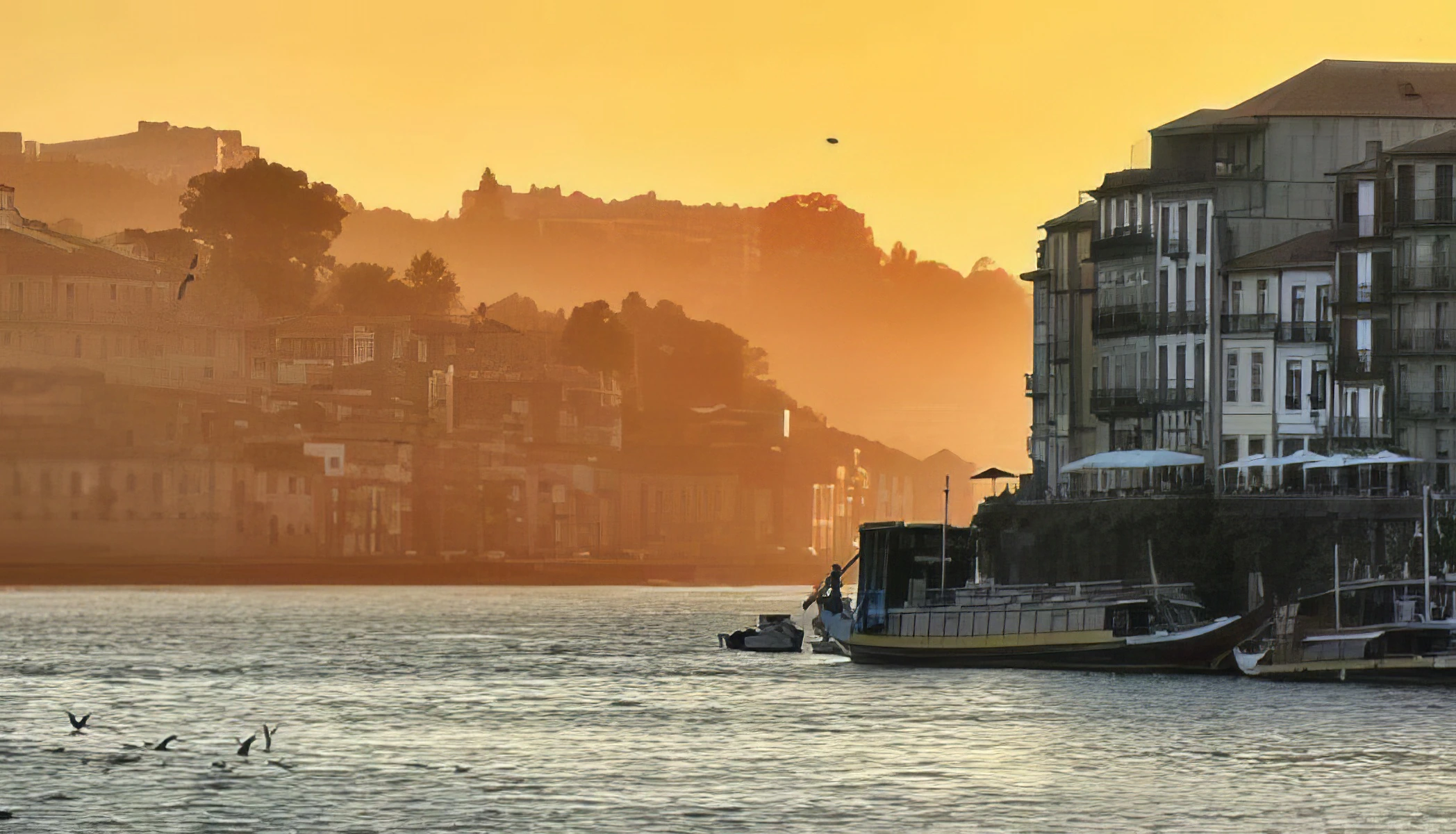
– Ribeira District: A UNESCO World Heritage site with colorful buildings, narrow streets, and lively atmosphere along the Douro River.
– Dom Luís I Bridge: Iconic double-deck metal arch bridge offering remarkable views of the river and connecting two parts of the city.
– Livraria Lello: Famous bookstore known for its ornate interior design that inspired parts of the Harry Potter series.
– Clérigos Tower: Baroque bell tower providing panoramic views after climbing its 225 steps to the top.
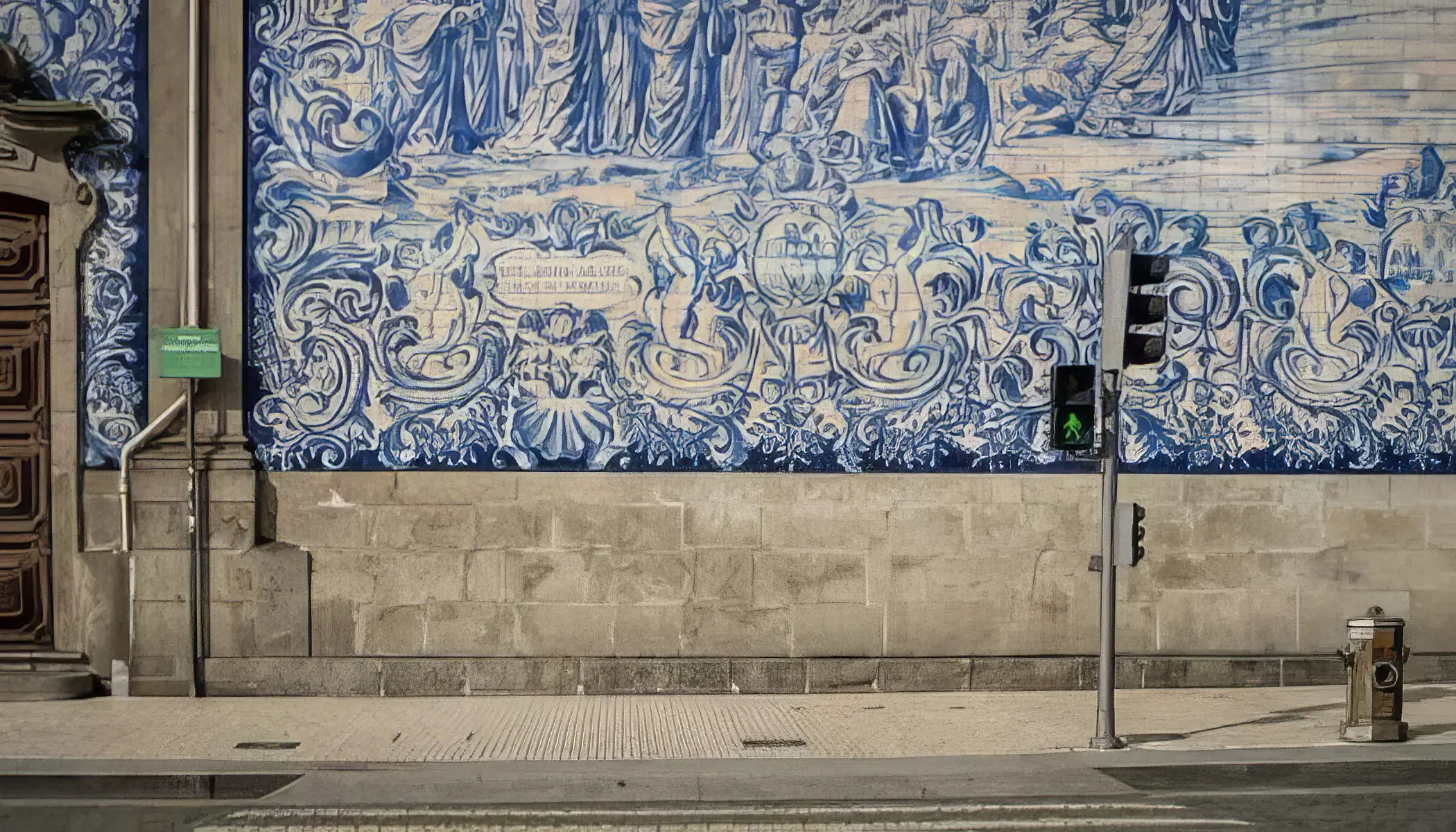
– São Bento Railway Station: Renowned for its beautiful azulejo tile panels depicting historical scenes in the main hall.
– Palácio da Bolsa: Historic stock exchange palace featuring impressive architecture and richly decorated rooms like the Arab Room.
Activity
Travelers in Porto can explore historic sites, enjoy river cruises, and taste local wines while experiencing the city's lively culture.
– Douro River Cruise: Enjoy scenic views of vineyards and hills along the famous Douro River on a relaxing boat ride.
– Livraria Lello Visit: Explore one of the world's most beautiful bookstores, known for its nice architecture and literary history.
– Fado Night: Experience traditional Portuguese music at a local venue, immersing yourself in Porto's cultural heritage.
– Porto Street Art Tour: Discover unique street art in various neighborhoods, showcasing local artists' creativity and urban culture.
– Wine Cellar Tours: Visit port wine cellars to learn about the production process and sample different varieties.
Cuisine
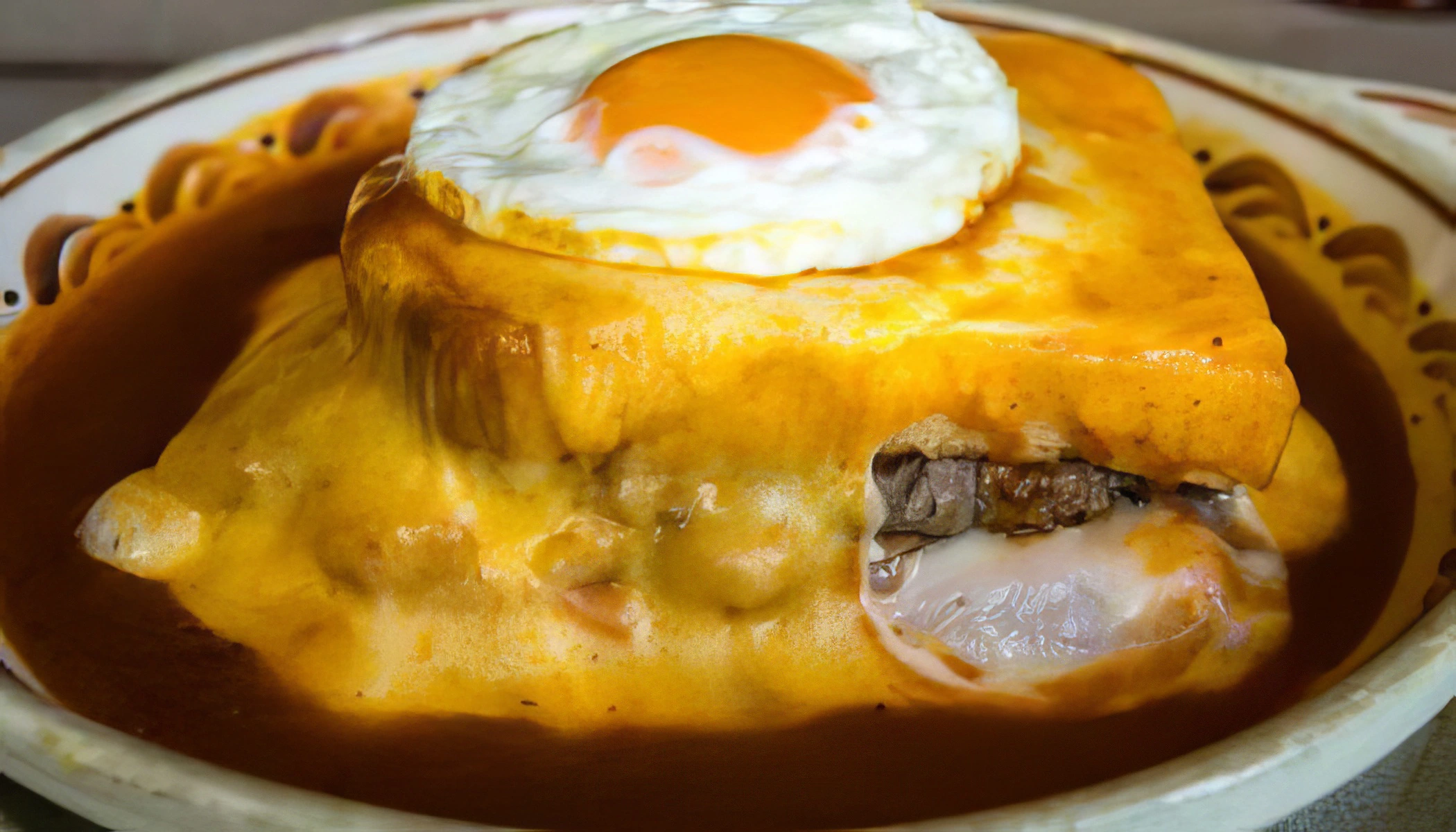
The city offers a rich culinary experience, blending traditional Portuguese flavors with regional specialties. Some of the city's most famous dishes and desserts include:
– Francesinha: A hearty sandwich with layers of meat and cheese, smothered in a spicy tomato beer sauce.
– Tripas à Moda do Porto: Traditional tripe stew with white beans, sausage, and spices.
– Bacalhau à Gomes de Sá: Salt cod casserole with potatoes, onions, olives, and boiled eggs.
– Caldo Verde: Popular soup made from potatoes, kale, and chorizo slices.
– Pastel de Nata: Creamy egg custard tart in a flaky pastry shell.
– Rabanadas: Sweet fried bread dessert similar to French toast, often served during holidays.
Shopping
One popular shopping experience is visiting local markets, where you can find handmade crafts and regional products. A good gift option is Port wine, a specialty of the region, available in many shops. You can also consider traditional azulejos, which are decorative ceramic tiles. Local bookstores offer unique literature about the area and its culture. Artisan food products like olive oil or cheese make for nice souvenirs as well. Overall, there are various options for shopping and gifts to choose from.
Arts & Culture
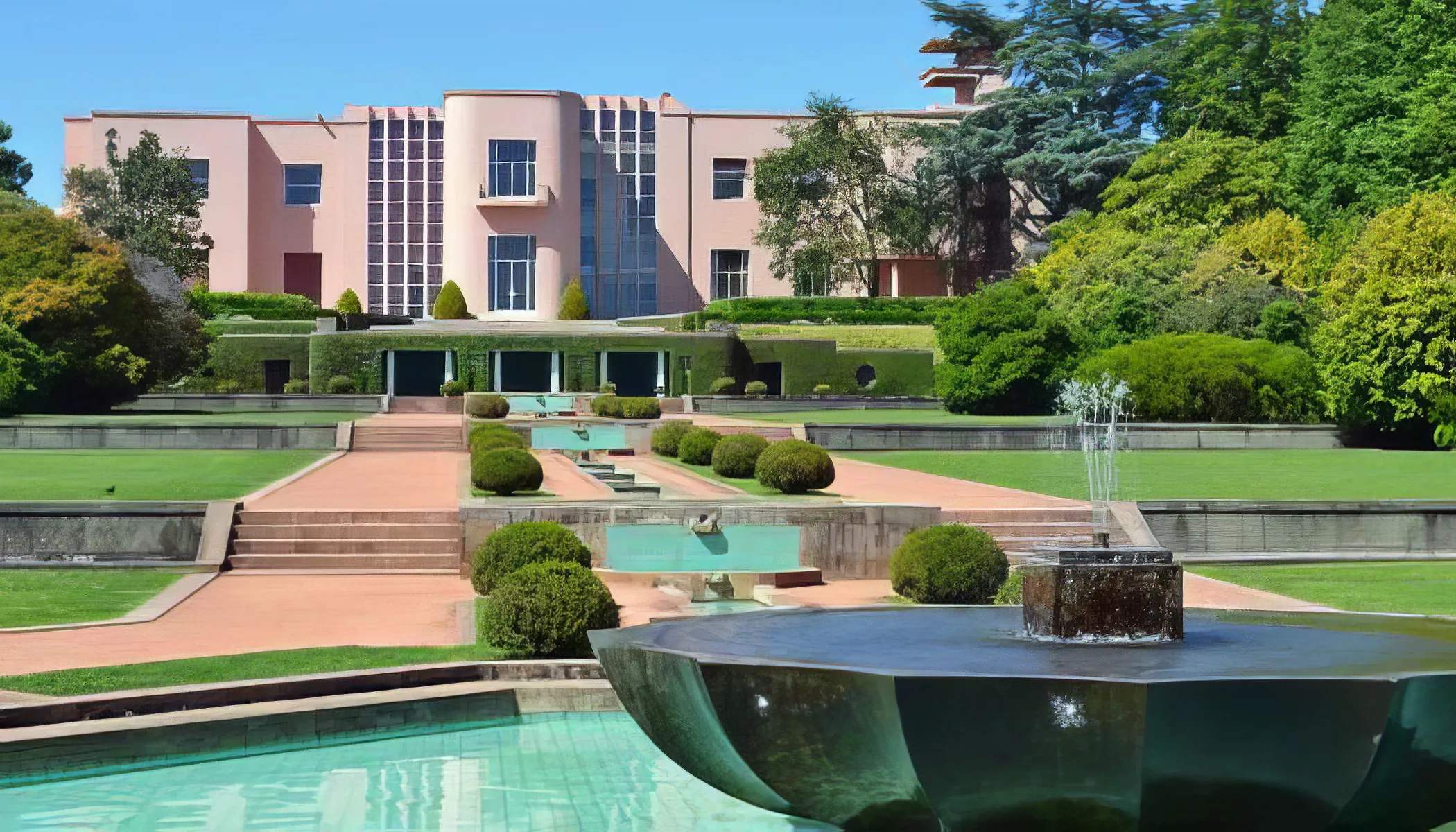
The city hosts the Serralves Contemporary Art Museum, which features a diverse collection of modern art and beautiful gardens. The annual Fantasporto Film Festival showcases international films and promotes cinema culture. Additionally, the São João Festival in June includes traditional music and street performances, reflecting local customs. Regular art exhibitions and cultural events take place throughout the year in various galleries and venues.