

Potsdam: Best Things to Do & Top Attractions
Located southwest of Berlin, this city is known for its lavish palaces like Sanssouci, extensive parks, and its role in hosting the 1945 conference that shaped post-war Europe. It's a hub of Prussian history and culture.
- Population
- 180,334
- Size
- 188 square km
- Airport
- Berlin Brandenburg at 36 km – Int'l.
- Train Station
- Potsdam Hauptbahnhof
- Est. Visit Days
- 2 days
Overview
Potsdam, Germany, known for its rich history and fascinating architecture, is a city that beautifully blends the old and the new. The city's numerous palaces and parks, including the famous Sanssouci Palace and Park, attract many visitors interested in royal heritage and landscape design. Potsdam also boasts a lovely cultural scene with various museums and theaters. However, its popularity can lead to crowds, especially during peak tourist seasons, which might detract from the experience. Additionally, the city's public transportation, while generally efficient, can be a bit limited in some areas.
Traffic & Transport
The city's compact size and well-planned infrastructure make it ideal for exploring via various modes of transport. For tourists, the most convenient and popular way to navigate is by bicycle, which allows for flexibility and access to the city's many sights. Public buses are also a reliable option, covering the major attractions and offering a cost-effective way to travel. Walking is another excellent choice, particularly in the historic center, where the pedestrian-friendly streets showcase the city's charm. For those preferring taxi services, several reliable companies operate in the area. Additionally, the use of taxi-booking apps like MyTaxi provides a convenient option for securing a cab directly from your smartphone, ensuring easy access to transportation at any time.
History
Historically, the city was a significant residence of the Prussian kings and German emperors, which is reflected in its many palaces and parks. It was the location of the Potsdam Conference in 1945, where the victorious Allies of World War II decided on the post-war order. The city was heavily bombed during the war but has been reconstructed, with its palaces now designated as a UNESCO World Heritage Site. It also became a major center of film production in Germany during the 20th century. The city's cultural life is enriched by the presence of several research institutions and the University of Applied Sciences.
Itinerary Sample
Explore Potsdam's rich history and remarkable architecture over two days with this simple itinerary:
– First day: Visit Sanssouci Palace and its gardens, then explore the Dutch Quarter and the Potsdam Museum.
– Second day: Tour Cecilienhof Palace, the Marble Palace, and finish at the Babelsberg Park.
Near Excursion
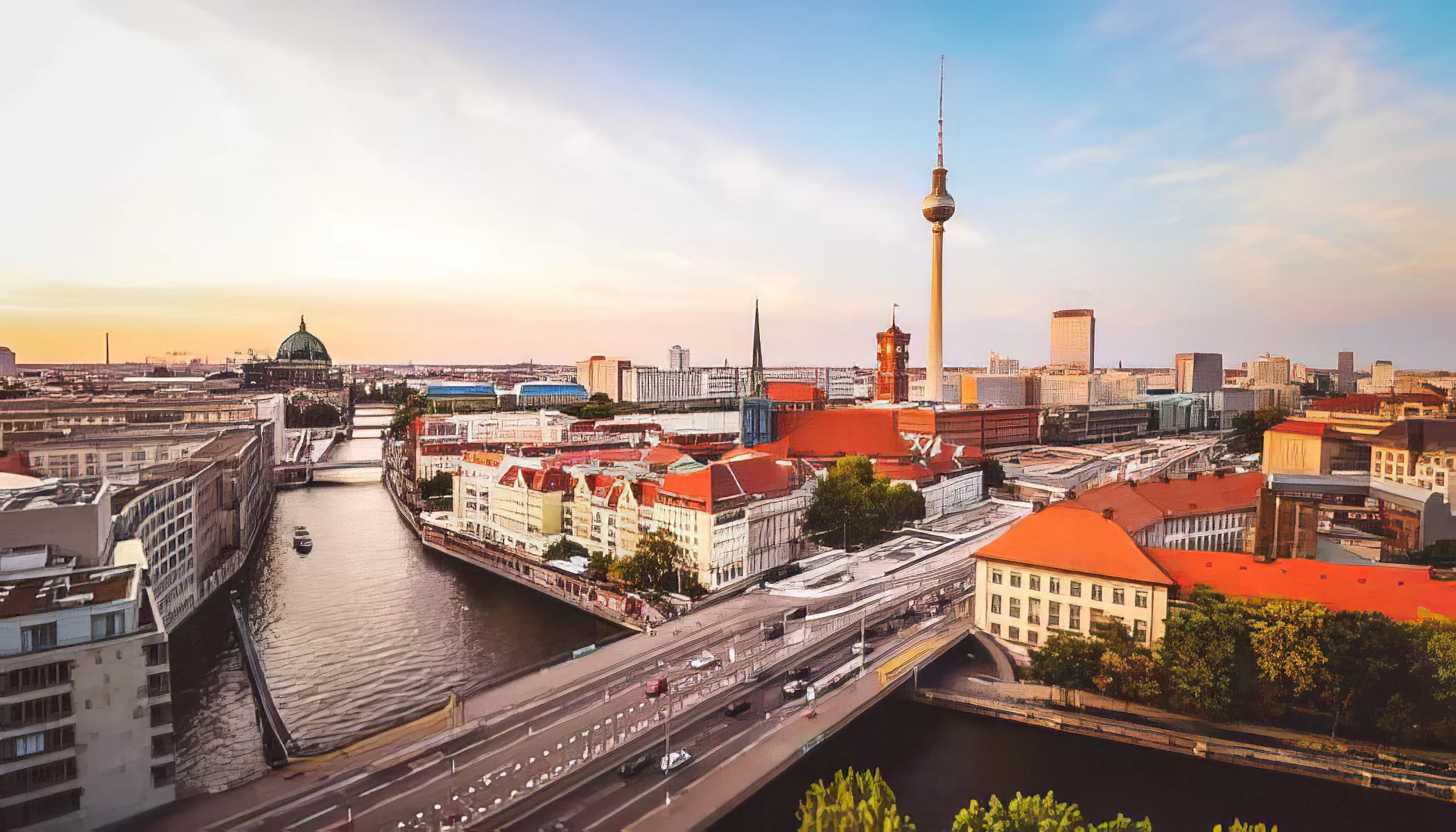
This city offers several interesting day trips within a short distance. Here are some suggestions:
– Berlin at 35 km: Explore historical landmarks, museums, and beautiful neighborhoods.
– Spreewald at 100 km: Enjoy boat tours through scenic canals and traditional villages.
– Wittenberg at 90 km: Visit the birthplace of the Reformation and Martin Luther's home.
– Sanssouci Palace at 5 km: Discover the former summer palace of Frederick the Great with beautiful gardens.
– Sachsenhausen Memorial at 50 km: Learn about the history of the former concentration camp.
Attraction
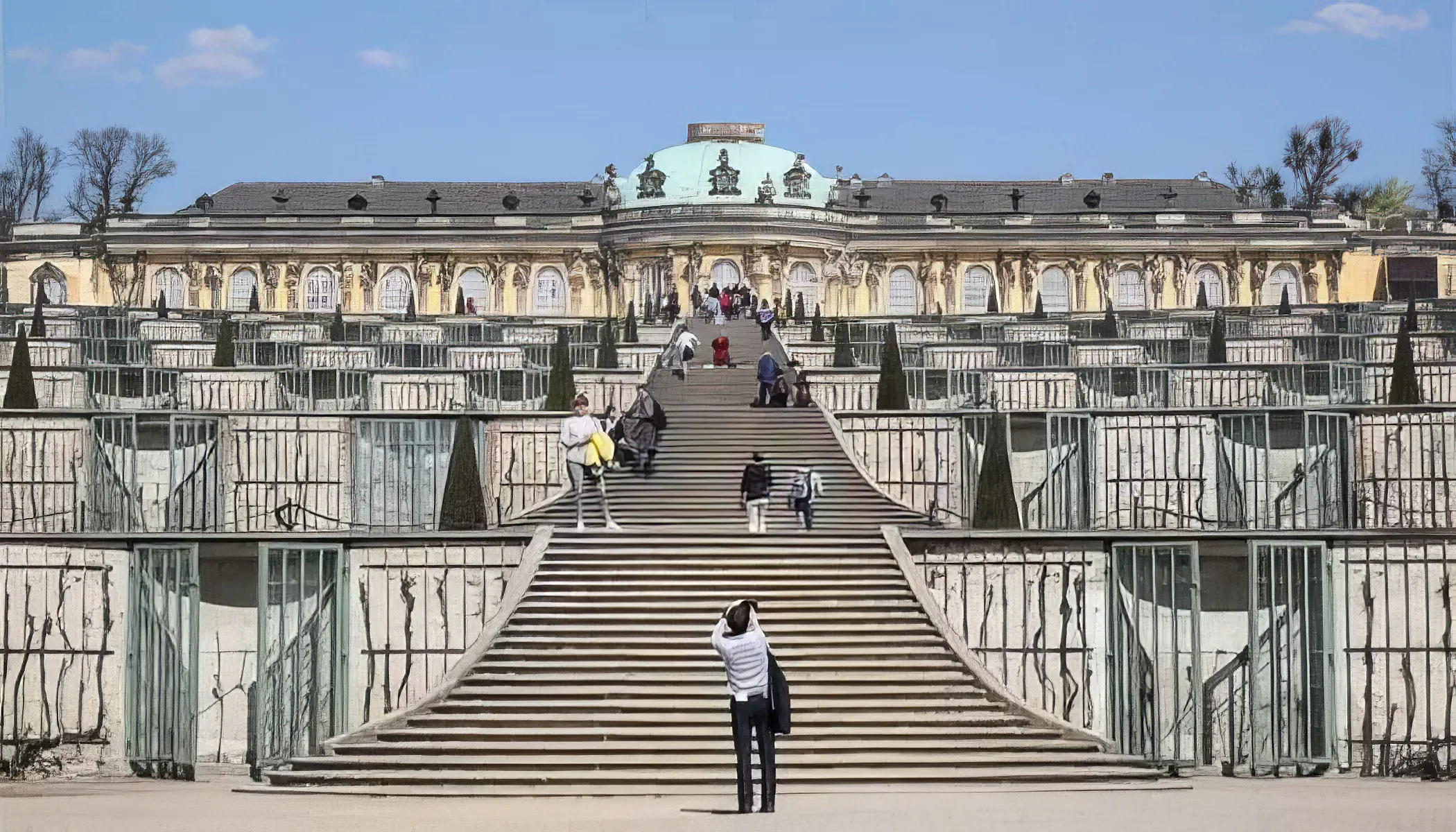
Known for its palaces and gardens, this city offers rich historical and cultural experiences.
– Sanssouci Palace: A former summer palace of Frederick the Great, featuring beautiful gardens and Rococo architecture.
– Cecilienhof Palace: The site of the Potsdam Conference in 1945, showcasing Tudor-style architecture and historical significance.
– New Palace: A grand Baroque palace with opulent interiors and extensive parkland, built by Frederick the Great.
– Babelsberg Park: A pleasant park with a neo-Gothic palace, offering scenic views and walking paths.
– Dutch Quarter: A unique neighborhood with red-brick buildings, reflecting 18th-century Dutch architectural style.
– Alexandrowka: A Russian colony with wooden houses, built for Russian singers in the early 19th century.
Activity
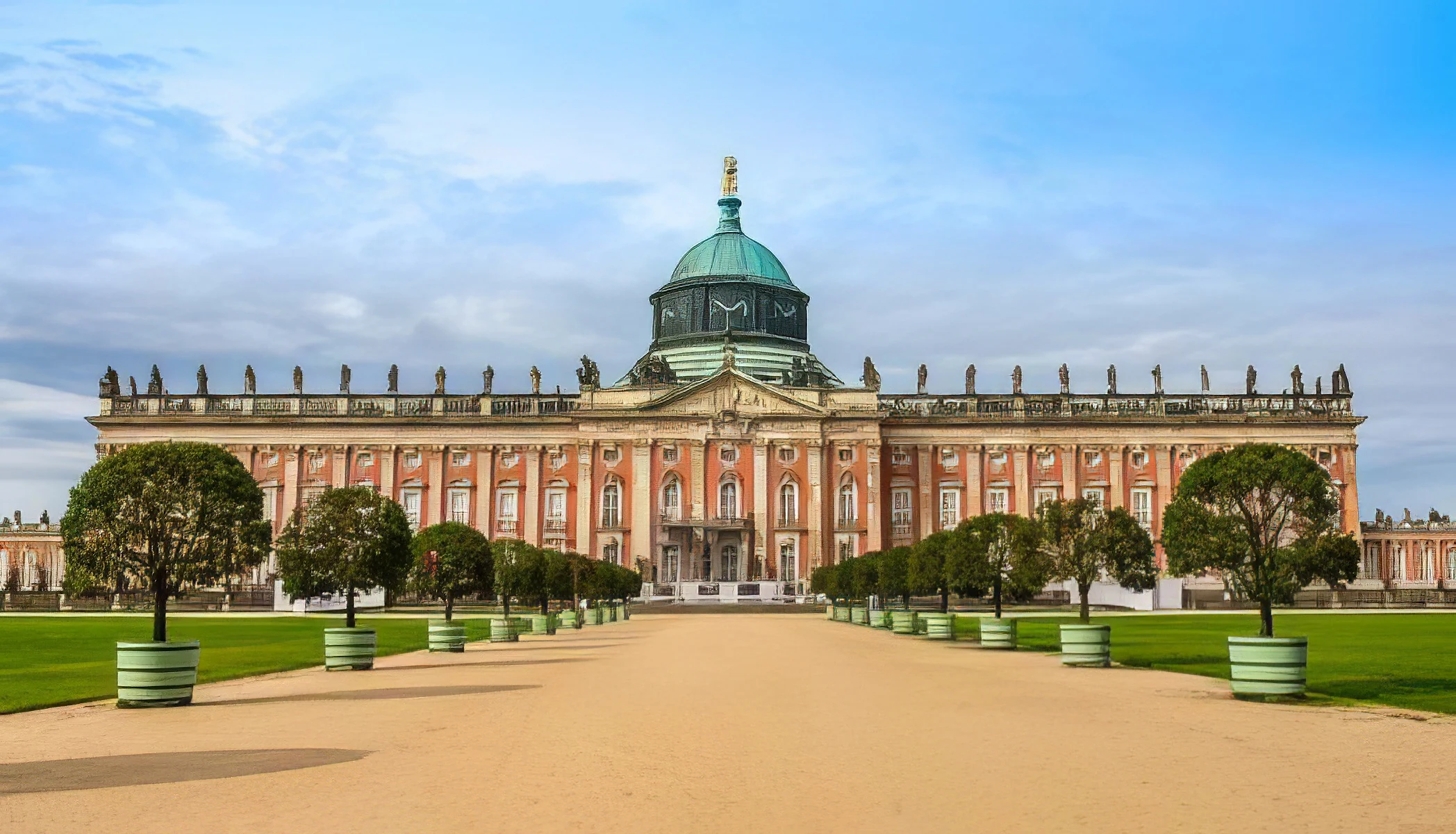
In Potsdam, travelers can explore historic palaces, beautiful gardens, and unique cultural sites.
– Sanssouci Park: Stroll through this UNESCO World Heritage Site with its stunning palace and gardens.
– Glienicke Bridge: Walk or bike across this historic bridge connecting Potsdam and Berlin.
– Babelsberg Park: Enjoy a mix of nature, architecture, and film history in this scenic park.
– Pfaueninsel (Peacock Island): Visit this island retreat with peacocks, a palace, and peaceful nature walks.
– Dutch Quarter: Explore this area with Dutch-style houses, shops, and cafes.
Shopping
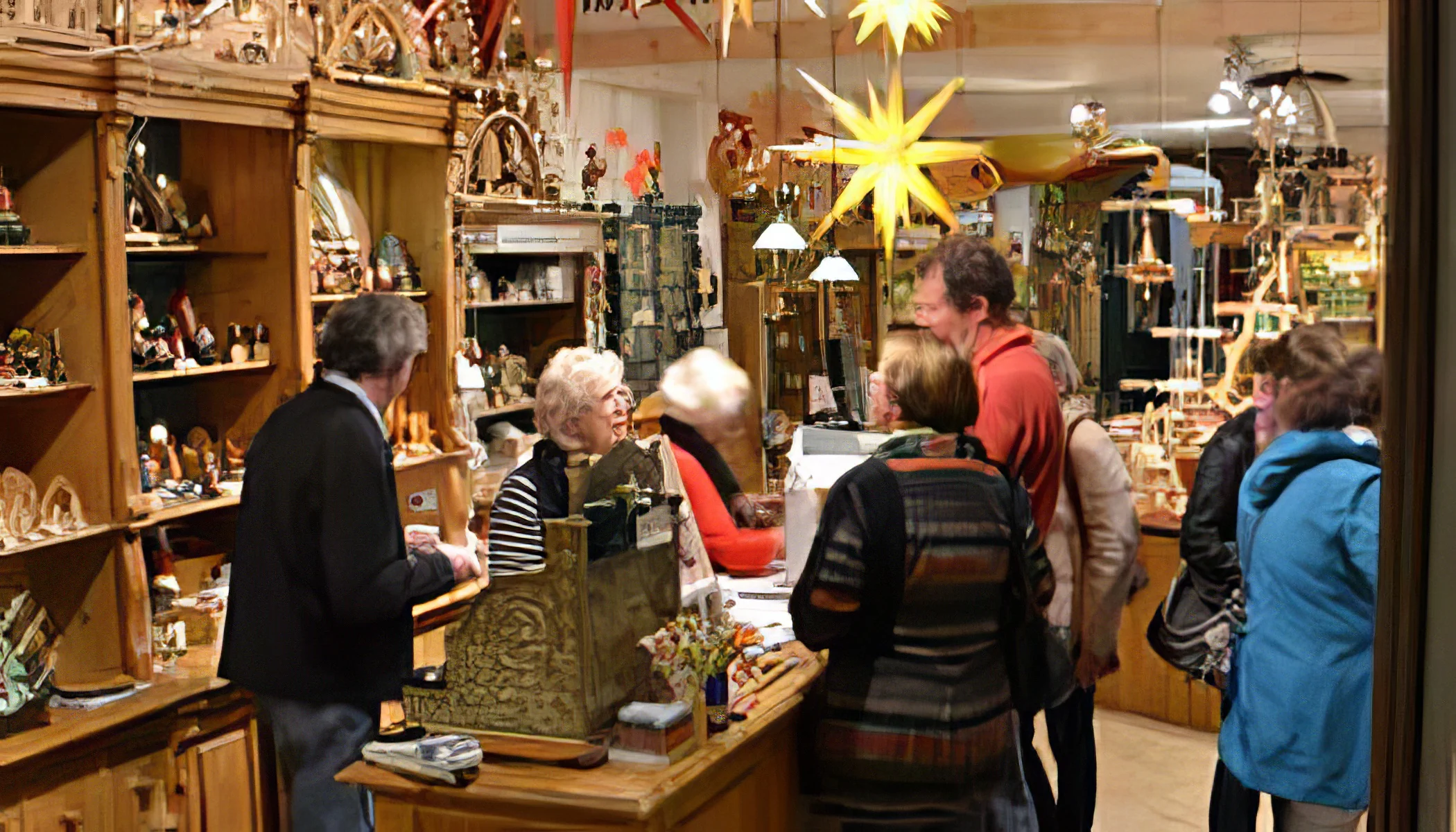
For a unique shopping experience, explore the Dutch Quarter where you can find a variety of small boutiques and artisan shops. A popular gift to purchase is traditional German handicrafts or locally produced items such as ceramics and jewelry. The Brandenburger Straße is another great spot, offering a mix of retail stores and local eateries. Consider buying a piece of amber jewelry, which is a distinctive and cherished item in this region. Additionally, the weekly markets are ideal for picking up fresh local produce and regional specialties, perfect for food enthusiasts.
Arts & Culture
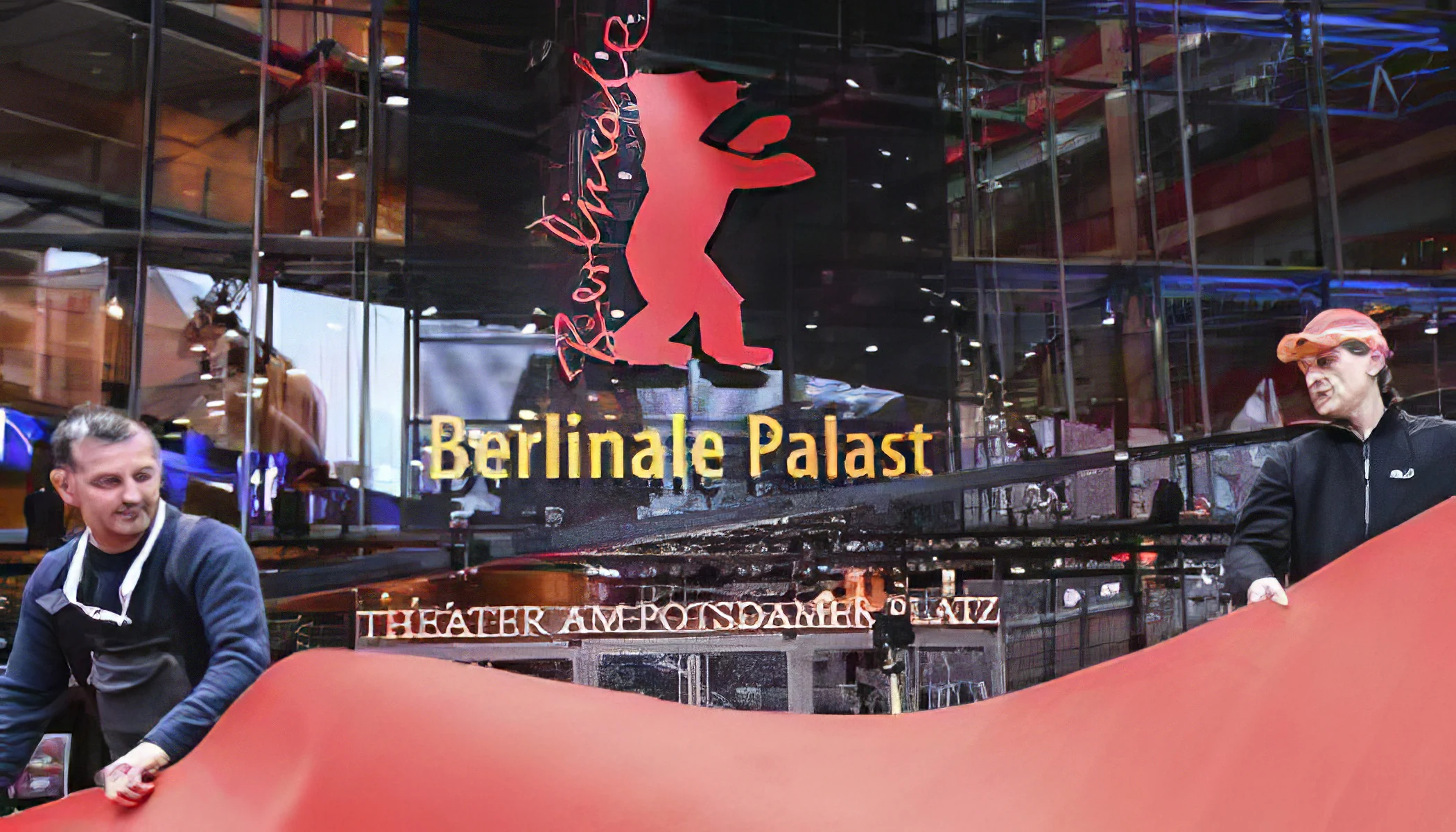
The city hosts the annual Potsdam Film Festival, which celebrates both international and national cinema. It is also home to the Sanssouci Palace, a major cultural landmark featuring exquisite gardens and architecture from the 18th century. The Hans Otto Theater is a significant venue for performing arts, offering a variety of plays, operas, and ballets. Additionally, the Museum Barberini showcases a wide range of art exhibitions, focusing on both historical and contemporary works.