

Pretoria: Best Things to Do & Top Attractions
This city is the administrative capital of the country, known for its historical sites, government buildings, and universities. It features a mix of cultural influences and has a subtropical highland climate, with warm summers and mild winters.
- Size
- 1 643 square km
- Airport
- Wonderboom – domestic & 1 other
- Train Station
- Pretoria Station.
- Est. Visit Days
- 2 days
Overview
Pretoria, one of South Africa's three capital cities, is known for its historical significance and government institutions. Pros include a relatively low cost of living compared to other major cities, green spaces like gardens and parks, and a rich cultural heritage with museums and monuments. However, cons include high crime rates in certain areas and limited nightlife options. The city can also experience traffic congestion during peak hours. Overall, Pretoria offers a mix of history and urban life but comes with challenges typical of many large cities.
Traffic & Transport
The city features a mix of traffic conditions, with peak hours typically seeing congestion in the central business district and major roads. For tourists, the best means of transport to explore the area includes renting a car for flexibility or using public buses that connect key attractions. Biking is also an option in certain areas, providing a unique way to experience the local environment. Walking can be enjoyable in more pedestrian-friendly zones, allowing visitors to soak in the sights at their own pace. Reliable taxi companies include those that operate through well-known booking apps, which offer convenient services for getting around. Popular options like Uber provide an easy way for tourists to book rides directly from their smartphones, ensuring safe and efficient transportation.
History
This city was founded in 1855 by Marthinus Pretorius and named after his father, a leader of the Voortrekkers. It became the capital of the South African Republic in 1860, highlighting its political significance. The city played a crucial role during the Anglo-Boer Wars in the late 19th century, which led to British control. Following the wars, it became part of the Union of South Africa in 1910. Its cultural landscape reflects both Afrikaner heritage and British influences, evident in various monuments and institutions.
Itinerary Sample
This itinerary provides a concise plan for exploring Pretoria over two days.
– First day: Visit the Union Buildings, explore the Voortrekker Monument, and stroll through the Pretoria Botanical Gardens. End with dinner at a local restaurant.
– Second day: Tour the National Zoological Gardens, visit the Freedom Park, and shop at Menlyn Park Shopping Centre before departure.
Near Excursion
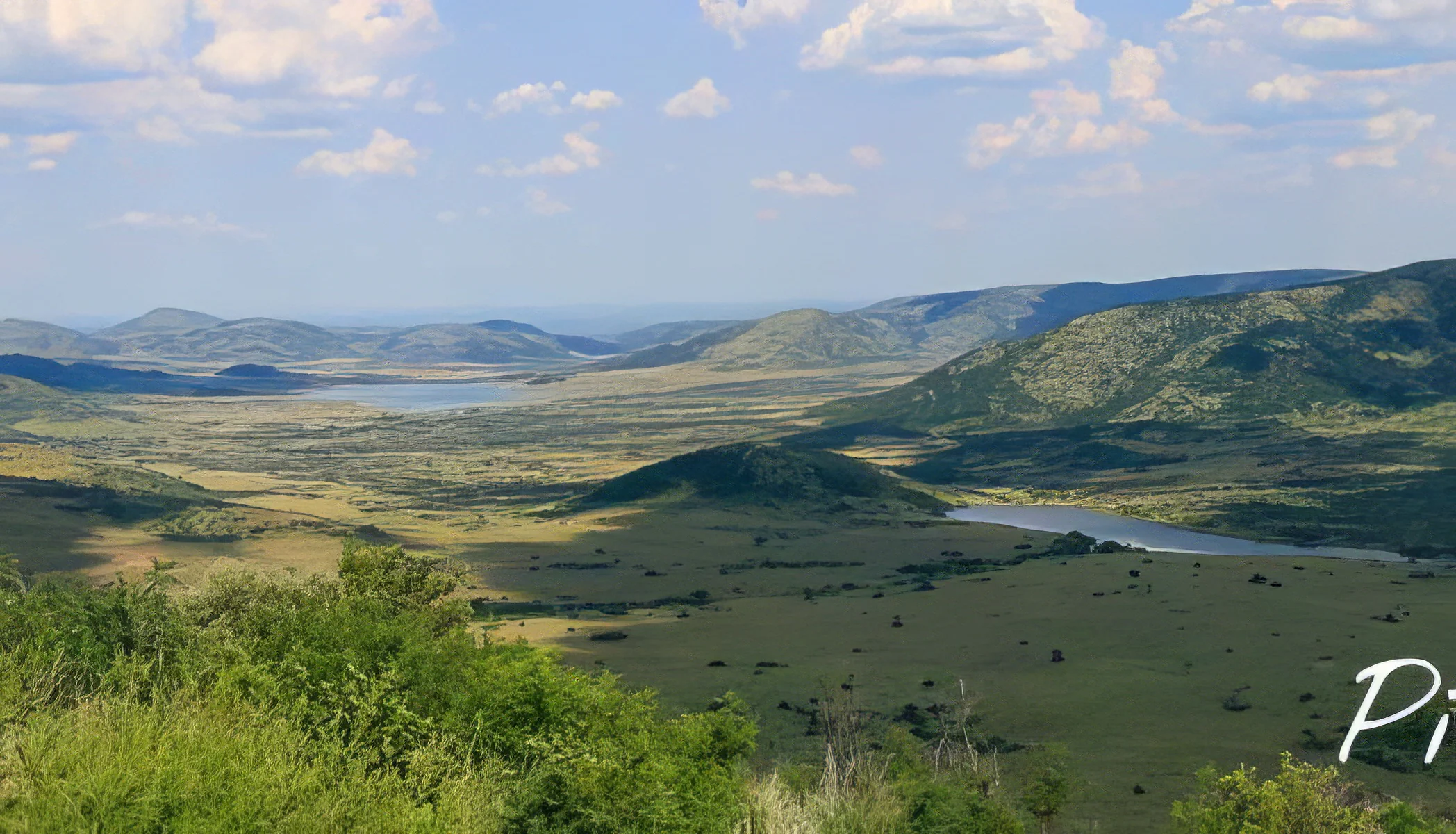
This city offers a variety of day-trip options within a short drive. Here are some suggestions:
– Cradle of Humankind at 50 km: A UNESCO World Heritage Site known for its fossil-rich caves and human evolution exhibits.
– Hartbeespoort Dam at 40 km: Popular for water sports, cable car rides, and beautiful markets.
– Pilanesberg National Park at 150 km: Offers a chance to see the Big Five in their natural habitat on safari tours.
– Cullinan Diamond Mine at 35 km: Famous for producing some of the world's largest diamonds, with guided tours available.
– Rietvlei Nature Reserve at 30 km: Features diverse wildlife and birdwatching opportunities in a relaxed setting.
Attraction
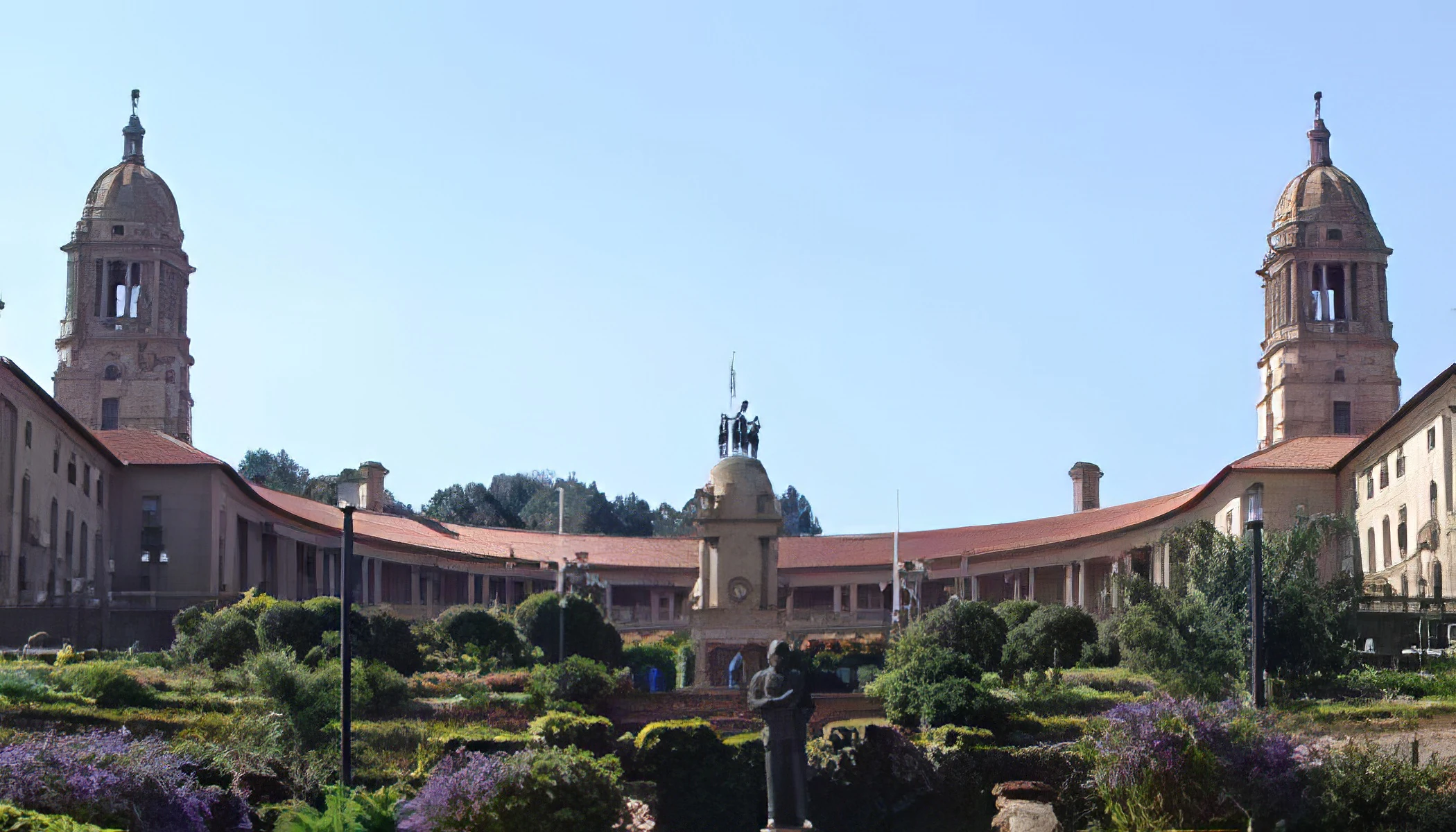
The city offers a mix of historical sites, cultural attractions, and natural beauty for tourists.
– Union Buildings: Iconic government complex with impressive architecture and beautiful gardens, offering panoramic views of the city.
– Voortrekker Monument: A massive granite structure commemorating the Great Trek, surrounded by a nature reserve.
– National Zoological Gardens: One of the largest zoos in the country, featuring diverse animal species and an aquarium.
– Freedom Park: Heritage site dedicated to South Africa’s history, with a museum and memorials in a smooth setting.
– Pretoria National Botanical Garden: Expansive garden showcasing indigenous flora, ideal for leisurely walks and picnics.
– Church Square: Historic square surrounded by notable buildings, reflecting the city's architectural heritage.
Activity
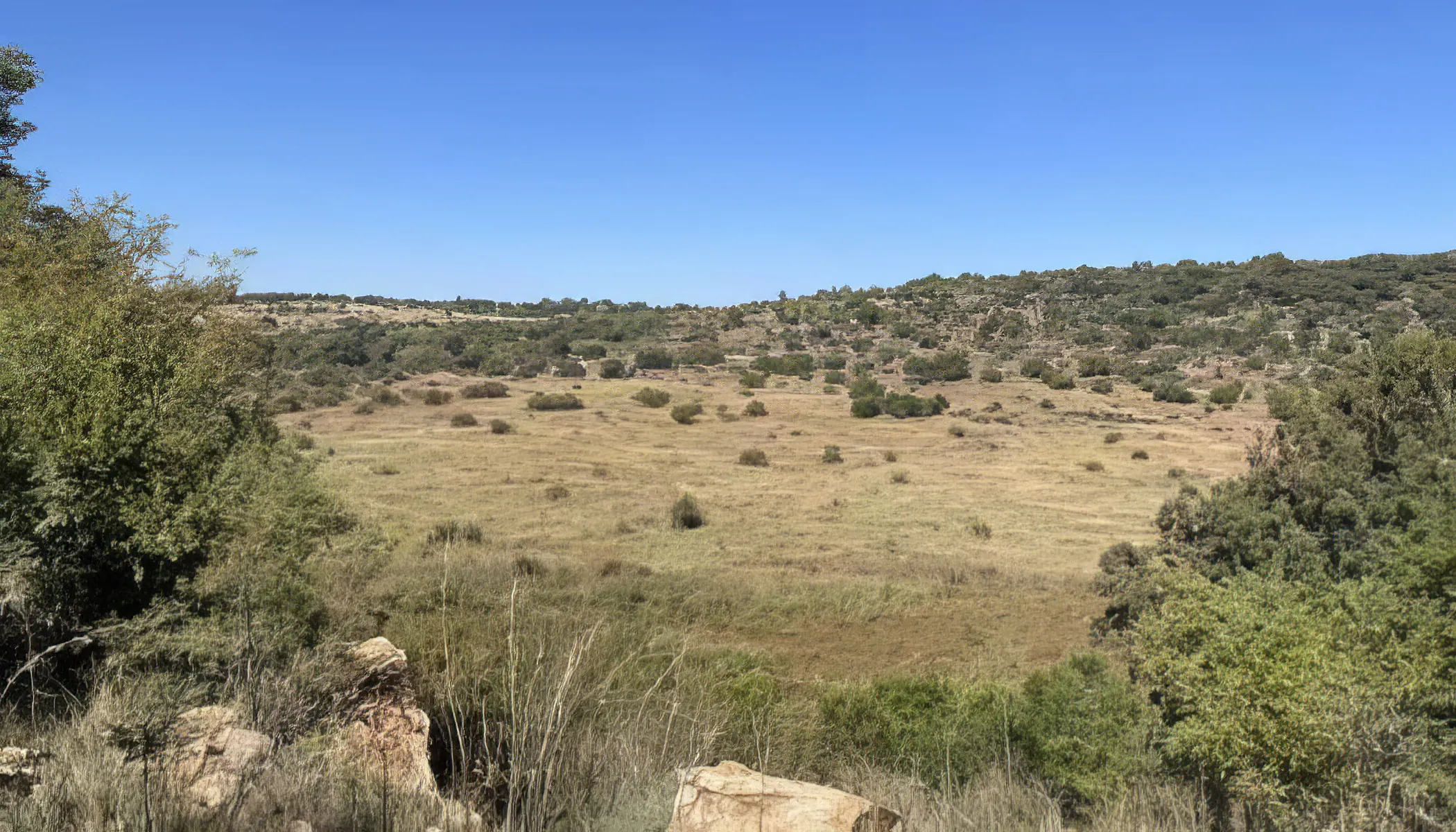
In Pretoria, travelers can explore historical sites, nature reserves, and local markets for unique cultural experiences.
– Visit the Voortrekker Monument: A large granite structure commemorating the Afrikaner pioneers who migrated during the Great Trek.
– Explore the Pretoria National Botanical Garden: A peaceful space showcasing diverse plant species native to South Africa.
– Enjoy a guided tour at Freedom Park: Focused on South Africa's history and struggle for freedom with beautiful gardens and memorials.
– Hike in Groenkloof Nature Reserve: Offers trails through scenic landscapes, where you may spot various wildlife species.
– Experience a traditional braai (barbecue): Engage in South African culture by enjoying local food prepared outdoors with friends or family.
Cuisine

The city's food scene offers a mix of traditional South African flavors and international influences, reflecting its diverse cultural heritage. Some of the city's most famous dishes include:
– Bobotie: A spiced minced meat dish baked with an egg-based topping.
– Biltong: Air-dried, cured meat snack seasoned with spices.
– Boerewors: Traditional sausage made from beef or pork, flavored with spices.
– Malva Pudding: Sweet dessert pudding with apricot jam and a creamy sauce.
– Bunny Chow: Hollowed-out bread filled with curry, originally from Durban but popular here too.
Shopping
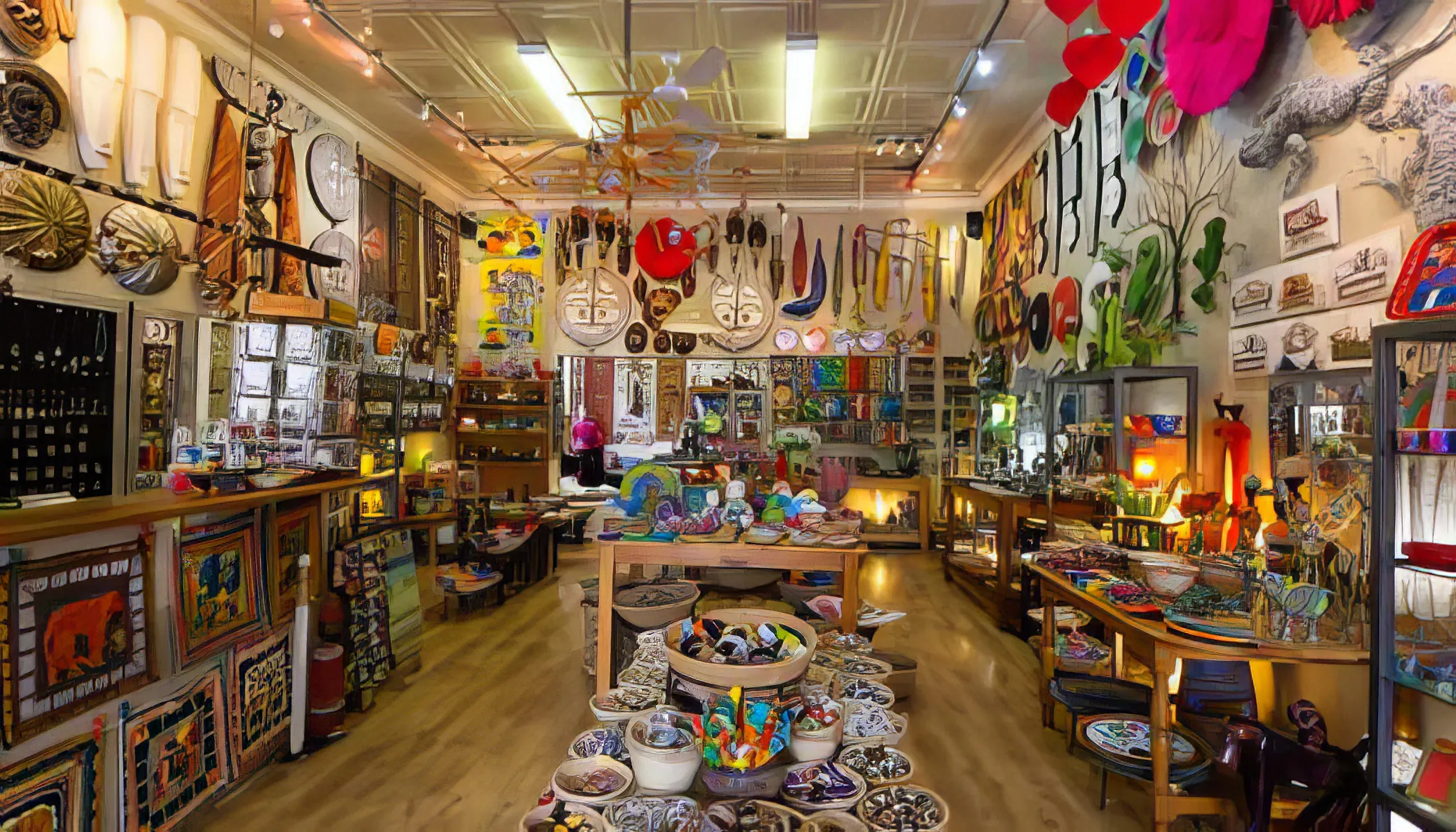
There are local markets where you can find handmade crafts and traditional South African items. Look for beaded jewelry, which makes a unique gift. You can also purchase locally produced wine or biltong as a tasty souvenir. Art galleries offer prints and paintings by local artists. Shopping centers have various shops with clothing and accessories. These options provide a range of gifts for different tastes.
Arts & Culture

The city hosts various cultural events, including the annual Pretoria Arts Festival, showcasing local artists and performers. The National Museum of Cultural History features exhibitions on South African heritage and history. Art enthusiasts can visit the Pretoria Art Museum, which displays a collection of 20th-century South African art. Additionally, there are regular performances at venues like the State Theatre, offering a range of theatrical productions and concerts.