

Quito Travel Guide: Tourist Places & Activities
This capital city, located in the Andes mountains, is known for its well-preserved colonial architecture and rich history. It sits at a high altitude, making its climate mild, and it serves as a cultural and political center.
- Population
- 2.8 millions
- Size
- 500 square km
- Airport
- Mariscal Sucre – Int'l
- Subway
- Yes.
- Est. Visit Days
- 4 days
Overview
Quito is the capital city of Ecuador, located in the Andes mountains. One advantage of Quito is its rich history, offering many colonial-era buildings and museums. The city has a mild climate, which many visitors find pleasant. However, it also faces challenges such as high altitude, which can affect some travelers, and air pollution. Public transportation is improving, but it may still be limited in some areas.
Traffic & Transport
The city features a mix of public transport options including the Metro system, which is an efficient way to navigate and connect with various neighborhoods. Buses are also prevalent, although regular routes may be crowded during peak hours, making it wise to schedule travel during off-peak times. Biking is gaining popularity, and many areas are bike-friendly, offering a unique way to explore. For convenience, walking in the historical center is recommended, as many attractions are close together. For reliable taxi services, it is best to use well-known companies such as Servi Taxi and Metro Taxi, which prioritize safety and punctuality. Additionally, apps like Cabify and Beat are popular options for booking rides, allowing for easy access and transparent pricing.
History
The area was once inhabited by the Indigenous Quitu-Cara people before the Spanish conquest in the 16th century. Spanish forces established control in 1534, leading to the city’s founding on the ruins of an Inca temple. During the colonial period, it became a significant site for commerce and administration in the region. The city played a role in the independence movement against Spanish rule, achieving independence in 1822. Cultural influences from Indigenous, Spanish, and African peoples shape the city’s traditions and architecture today.
Itinerary Sample
Here is a suggested 4-day itinerary for exploring Quito, Ecuador.
– First day: Arrive in Quito, explore the historic center, visit Plaza Grande and the Basilica Del Voto Nacional, and enjoy local cuisine at a nearby restaurant.
– Second day: Visit the Mitad Del Mundo monument, explore the Intiñan Museum, and return to Quito for a walking tour of La Ronda street.
– Third day: Take a day trip to Cotopaxi National Park for hiking and sightseeing, then return to Quito in the evening.
– Fourth day: Visit the Teleférico for panoramic views, explore the TelefériQo Park, and enjoy some last-minute shopping in Mercado Artesanal.
Near Excursion
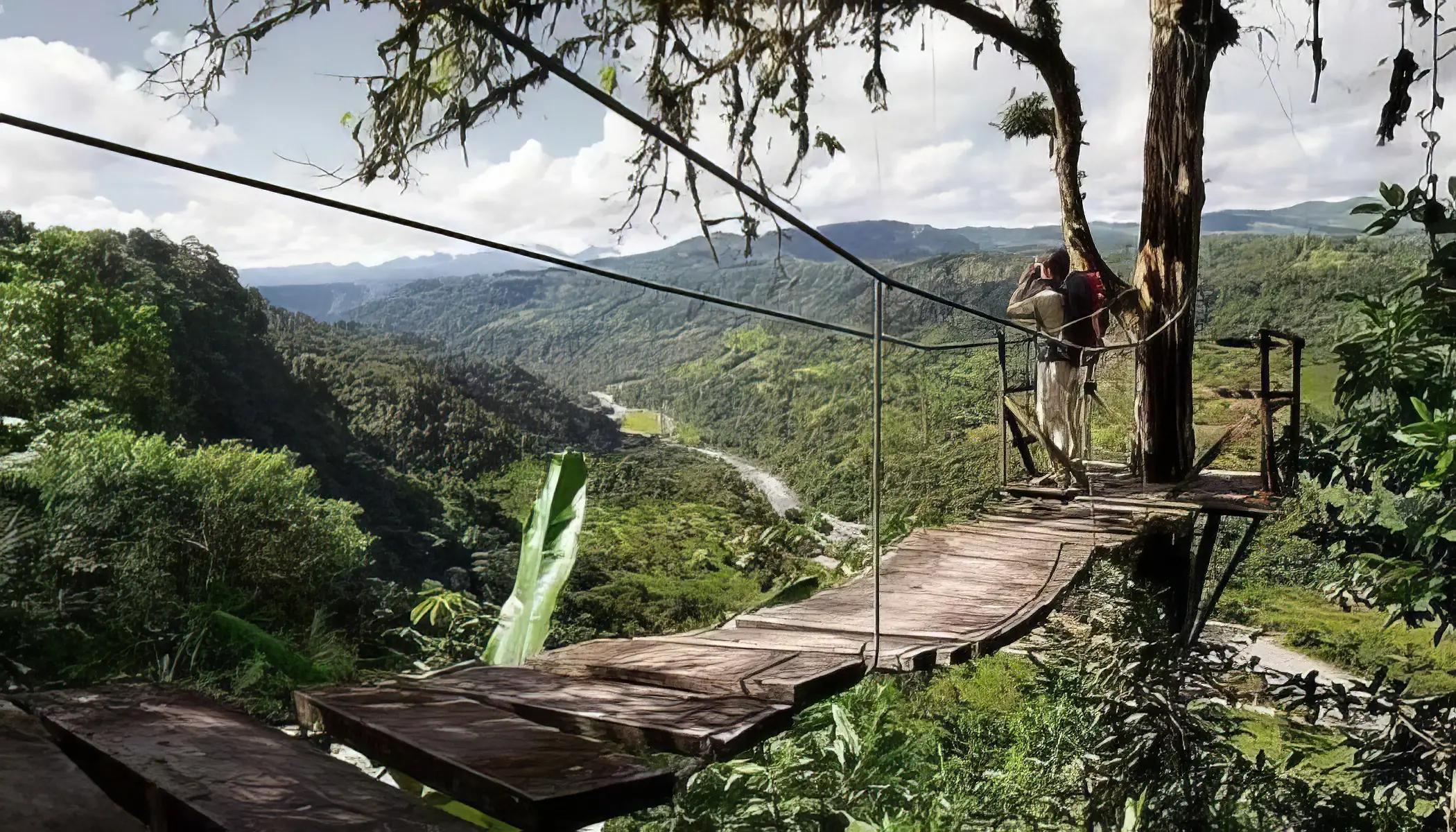
This city offers several nearby day-trip options to explore diverse landscapes and culture. Here are some suggestions:
– Cotopaxi National Park at 60 km: Home to one of the world’s highest active volcanoes, ideal for hiking and nature observation.
– Otavalo Market at 90 km: A pleasant indigenous market offering traditional crafts, textiles, and local culture.
– Mindo Cloud Forest at 80 km: Known for birdwatching, sumptuous vegetation, and outdoor activities such as zip-lining.
– Papallacta Hot Springs at 67 km: Relaxing thermal baths in a beautiful mountain setting, perfect for unwinding.
– Pululahua Geobotanical Reserve at 25 km: A volcanic crater offering unique landscapes and hiking opportunities.
Attraction
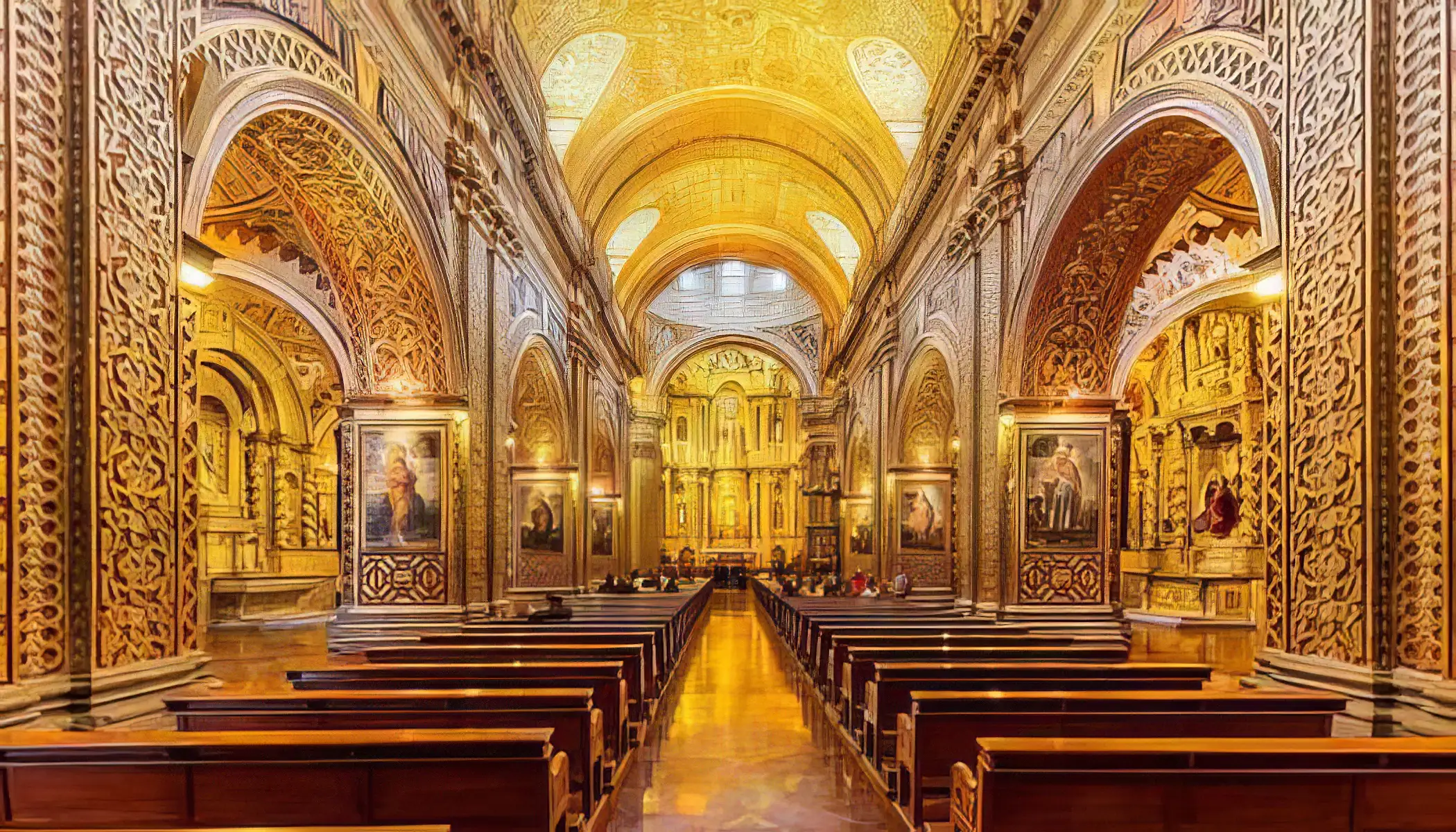
Known for its well-preserved historic center, this city offers a mix of cultural, architectural, and natural attractions.
– La Compañía Church: Famous for its intricate baroque architecture and lavish gold leaf interiors.
– Mitad Del Mundo: A monument marking the equatorial line with museums and exhibits on local culture.
– El Panecillo: A hill featuring a large statue of the Virgin Mary and views of the entire city.
– Plaza Grande: Central square surrounded by important historical buildings and a vibrant atmosphere.
– Teleférico: A cable car ride offering beautiful views and access to hiking trails on a nearby volcano.
– Museo Nacional: Discover the nation's history, art, and archaeology through varied exhibits.
Activity
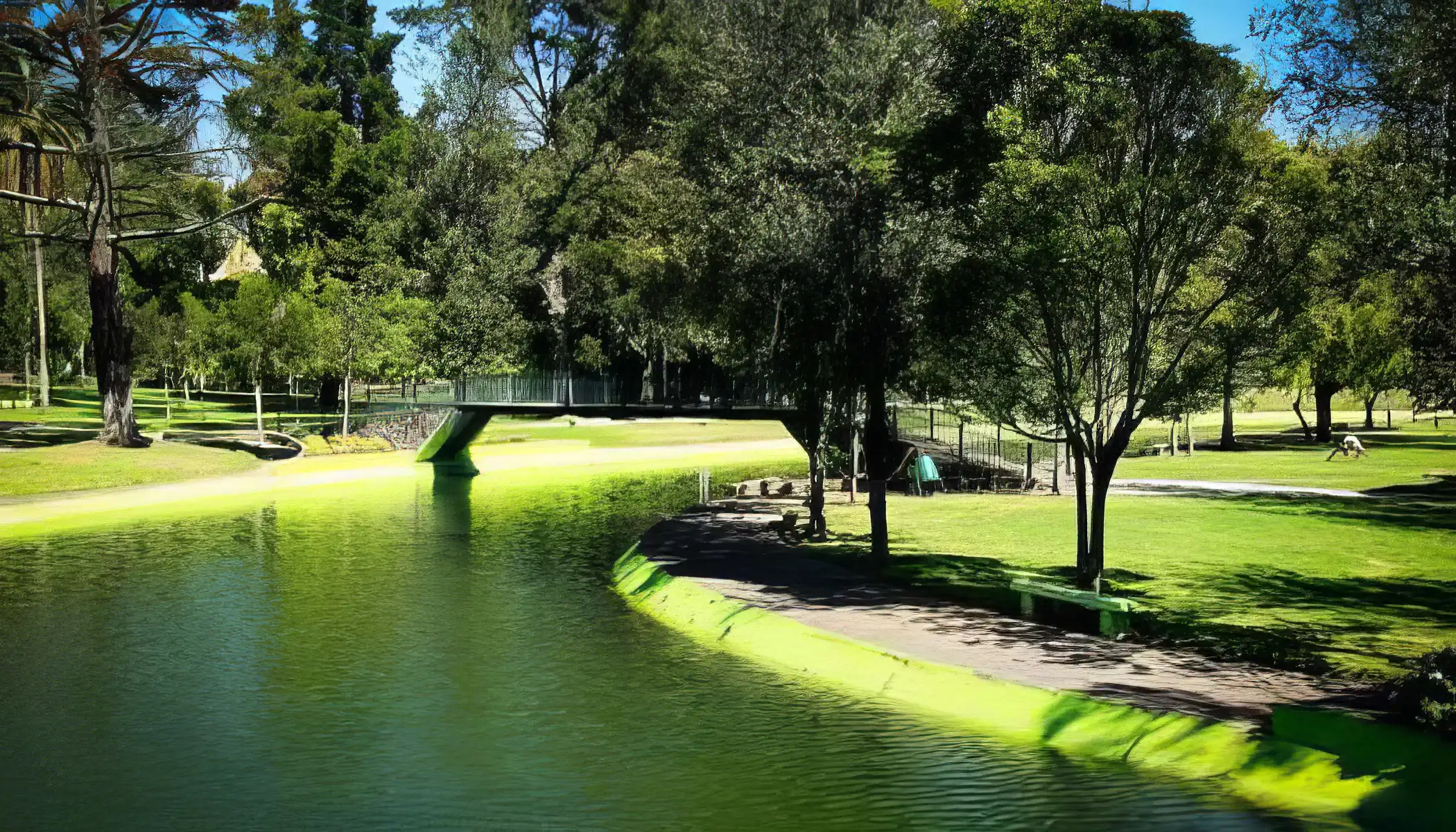
Travelers in Quito can explore nature, culture, and adventure in a unique and lovely city setting.
– Teleférico: A cable car ride offering panoramic views of Quito and access to hiking trails in the surrounding mountains.
– Mitad Del Mundo: Visit the equatorial line landmark and partake in activities demonstrating unique geographical phenomena.
– Rucu Pichincha: Hike to the summit of this volcano for nice views over Quito and the surrounding Andes.
– Parque La Carolina: A large park with recreational activities like paddle boating and cycling in a beautiful urban environment.
– Cotopaxi National Park: Take a day trip to see Ecuador's second-highest volcano and enjoy trekking and wildlife spotting.
Cuisine
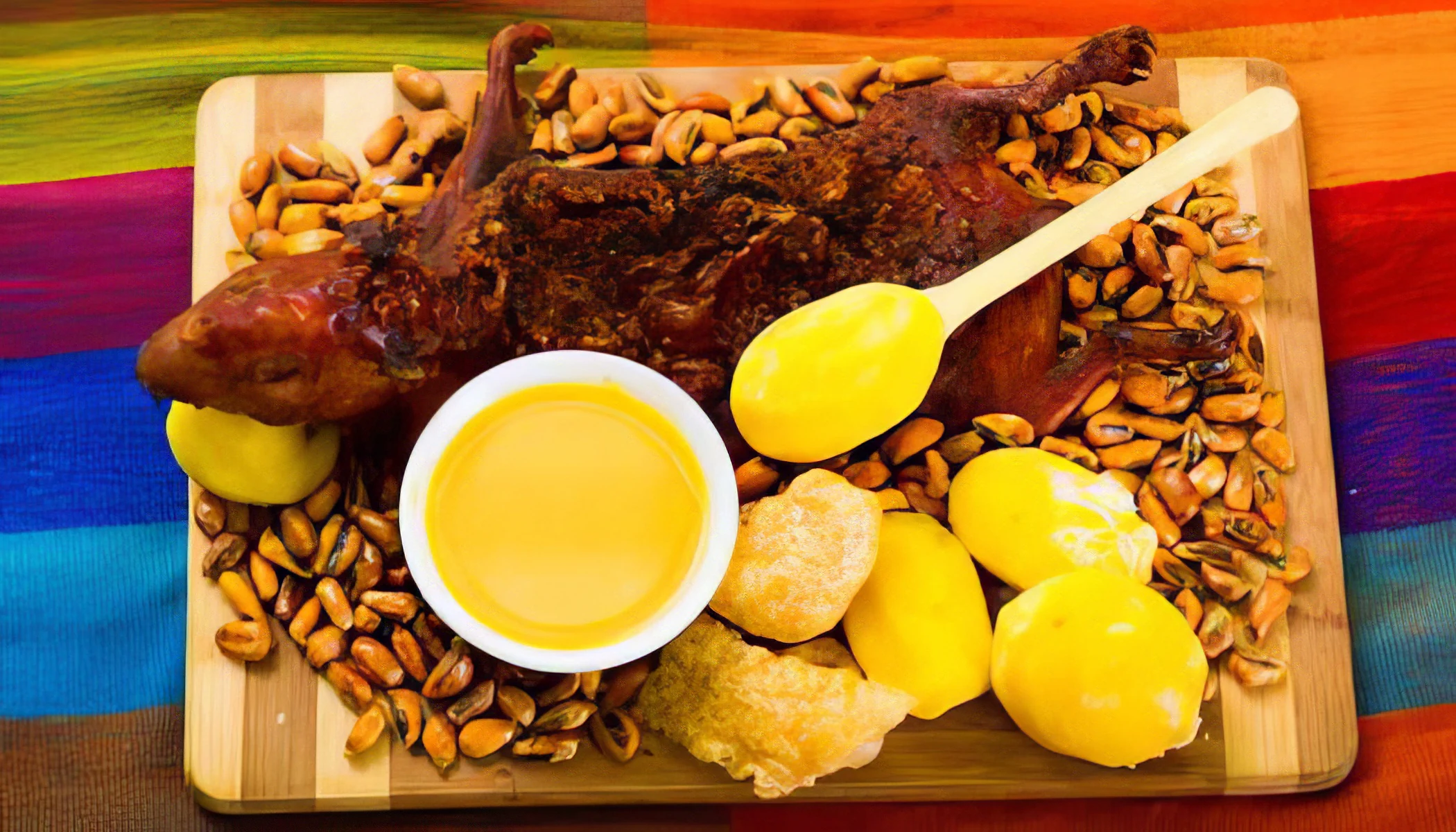
The city offers a mix of traditional Andean flavors and modern culinary twists, with markets and local eateries showcasing diverse dishes. Some of the city's most famous dishes include:
– Cuy: Roasted guinea pig, a traditional Andean delicacy, served with potatoes or corn.
– Locro de Papa: Creamy potato soup featuring cheese, avocado, and sometimes corn or meat.
– Seco de Chivo: A stew made with tender goat meat, often accompanied by rice and plantains.
– Fanesca: A seasonal soup made with grains, beans, and salt cod, traditionally consumed during Easter.
– Llapingachos: Fried potato pancakes stuffed with cheese, typically served with chorizo and peanut sauce.
– Helado de Paila: Hand-stirred ice cream made with local fruits, using a traditional method in a large copper pan.
Shopping
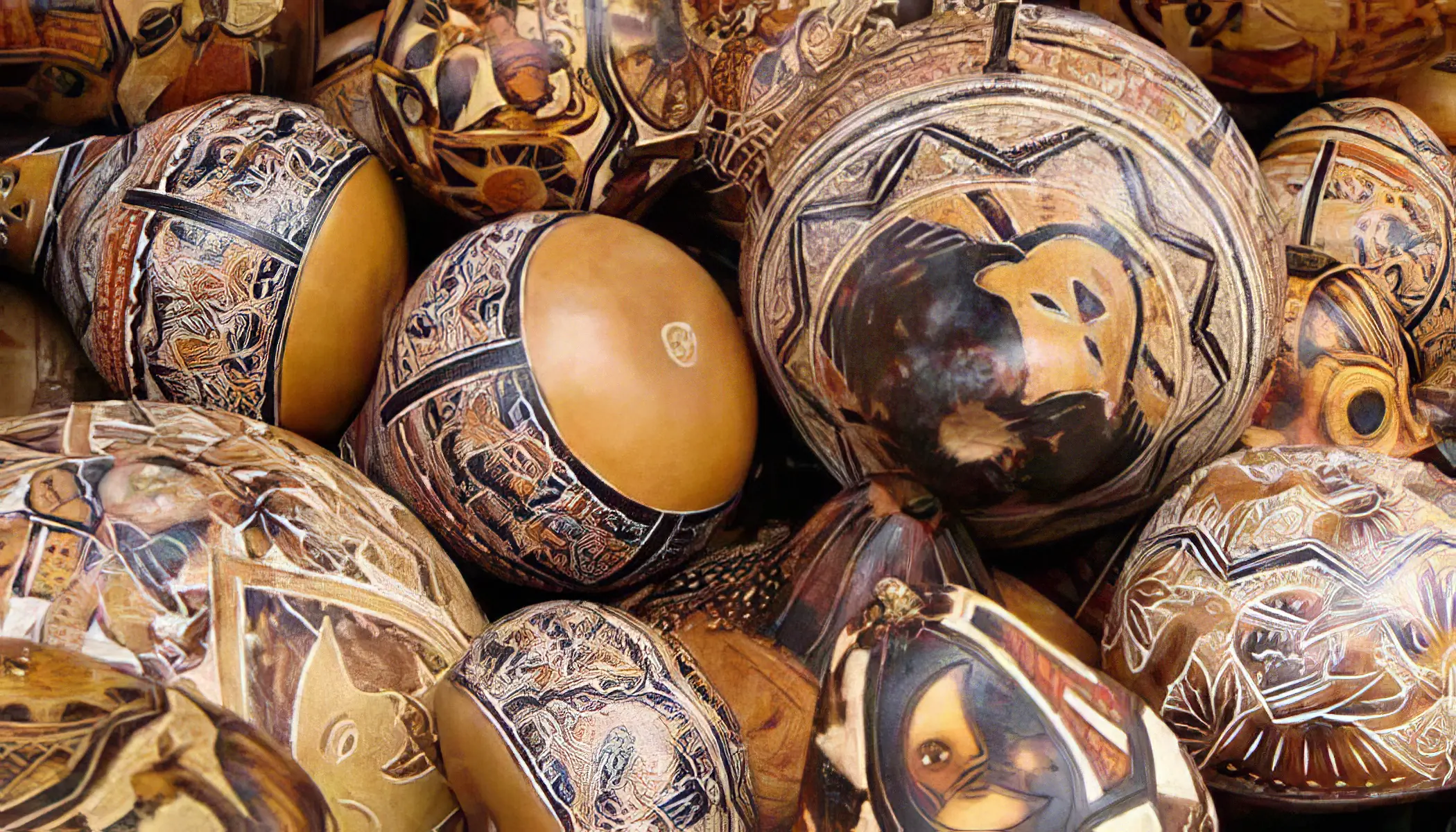
A great shopping experience includes the local markets, where you can find handmade crafts and textiles from indigenous communities. A popular gift to purchase is a piece of Ecuadorian alpaca wool clothing, known for its softness and warmth. You might also consider Panama hats, which are actually made in Ecuador and are lightweight and stylish. Jewelry made from local materials, like silver and tagua nut, is another good option. Crafts and artwork from local artists can make unique souvenirs. Overall, the local markets offer a variety of authentic gifts.
Arts & Culture
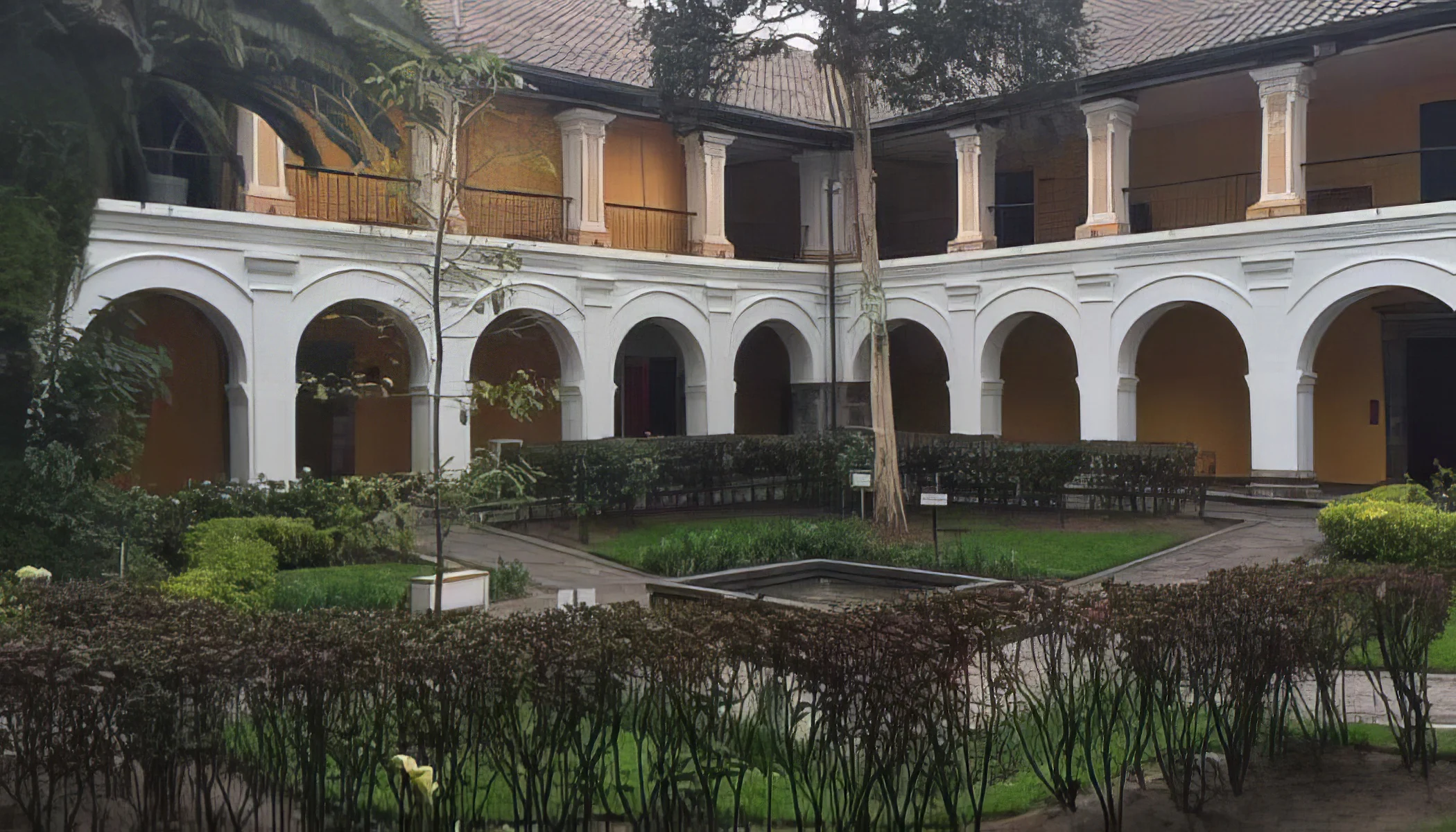
The city hosts a beautiful arts scene, with numerous galleries and museums showcasing local artists. Events like the Festival Internacional de Artes Escénicas take place annually, featuring theater, dance, and performance art from various countries. Additionally, the local indigenous culture is expressed through traditional crafts and festivals, such as Inti Raymi. The city's colonial architecture also provides a historical backdrop for cultural events and arts exhibitions.