

Ranthambore: Best Things to Do & Top Attractions
This national park is known for its wildlife, particularly tigers. It features a mix of dry deciduous forests and open grasslands. The area also has historical sites like a fort and ancient temples, attracting nature and history enthusiasts alike.
- Airport
- Sawai Mansingh at 160 km – Int'l & 1 other
- Train Station
- Sawai Madhopur at 10 km.
- Est. Visit Days
- 2 days
Overview
Ranthambore is a town in Rajasthan, India, known for its national park and wildlife. The main advantage of visiting is the opportunity to see tigers in their natural habitat. It also offers historical sites like the Ranthambore Fort. However, it can be quite crowded during peak tourist seasons, which may detract from the experience. Additionally, accommodations can vary in quality and price, so it's important to research options ahead of time.
Traffic & Transport
The city has a relatively relaxed traffic environment, making it easy for tourists to navigate. The best means of transport for exploring the area include bicycles, auto-rickshaws, and taxis, which allow visitors to enjoy the scenic landscapes at their own pace. Walking is also a viable option for those who prefer a more immersive experience. Public transportation options are limited, so private transport is often recommended. For reliable taxi services, local companies such as "Rajasthan Taxi Service" offer convenient options for travelers. Additionally, popular taxi-booking apps like Uber and Ola may be available in the region, providing an easy way to book rides on-demand.
History
The area has a history connected to various ruling dynasties, including the Chauhans in the 12th century. It was significant during conflicts like the battles against the Mughals, which shaped its political landscape. The region also played a role in trade routes, facilitating commerce between different kingdoms. Over time, it became known for its wildlife and natural beauty, attracting attention from conservation efforts. Cultural practices reflect a blend of local traditions influenced by these historical events.
Itinerary Sample
This itinerary outlines a two-day exploration of Ranthambore.
– First day: Arrive in Ranthambore, visit Ranthambore Fort, and explore local markets. Enjoy evening wildlife safari in the national park.
– Second day: Early morning safari for wildlife viewing, return for breakfast, visit the Ganesh Temple, and depart.
Near Excursion
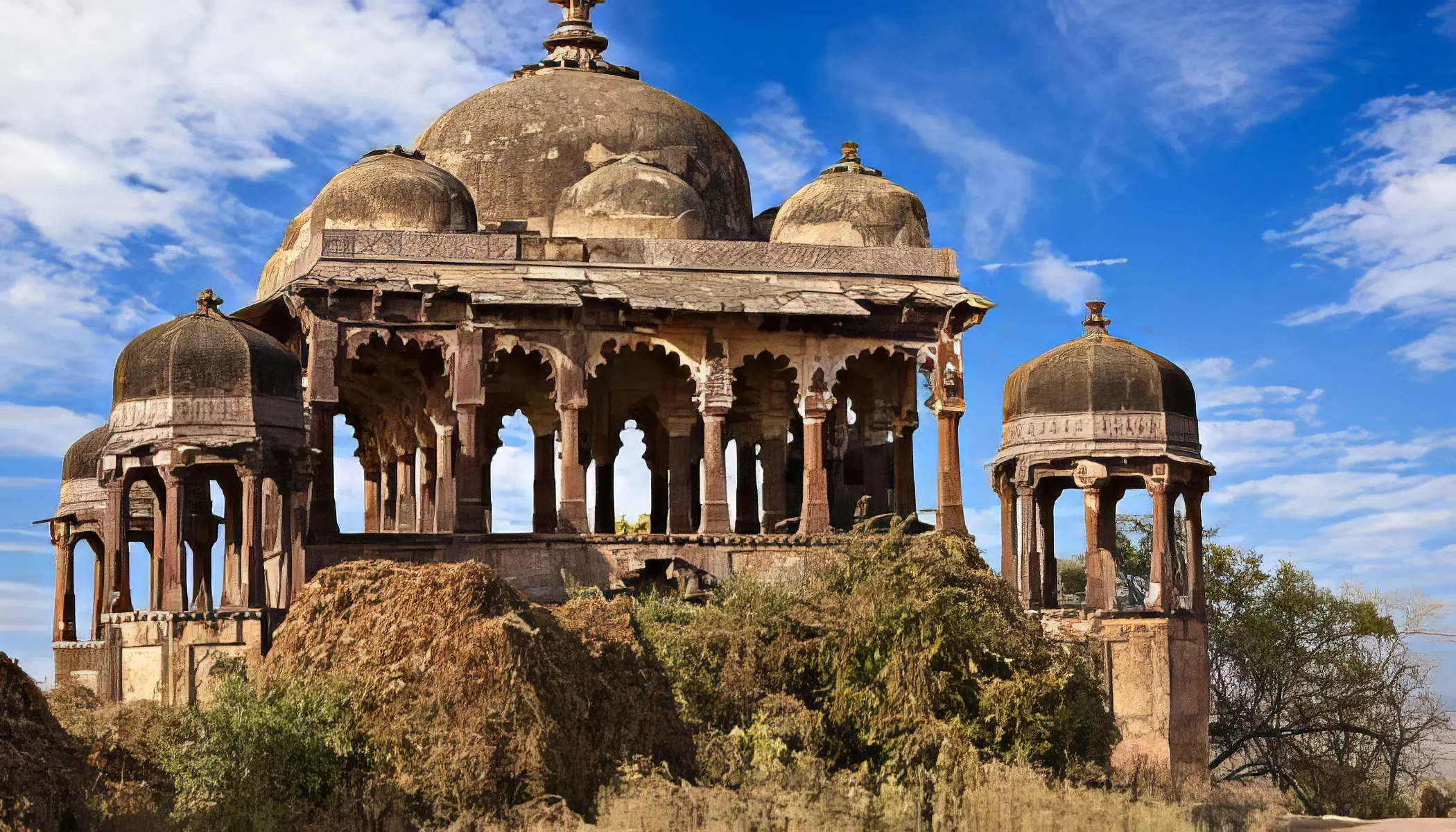
This area offers several interesting day-trip options for visitors. Here are a few to consider:
– Bundi at 130 km: Known for its palaces, forts, and intricate stepwells showcasing Rajput architecture.
– Khandar Fort at 40 km: A historic fort with nice views and ancient ruins to explore.
– Sawai Madhopur at 30 km: Offers cultural insights with local markets and temples worth visiting.
– Tonk at 100 km: Famous for its historical mosques, mansions, and a rich blend of cultures.
– Karauli at 110 km: Features the beautiful City Palace along with pretty local markets.
Attraction
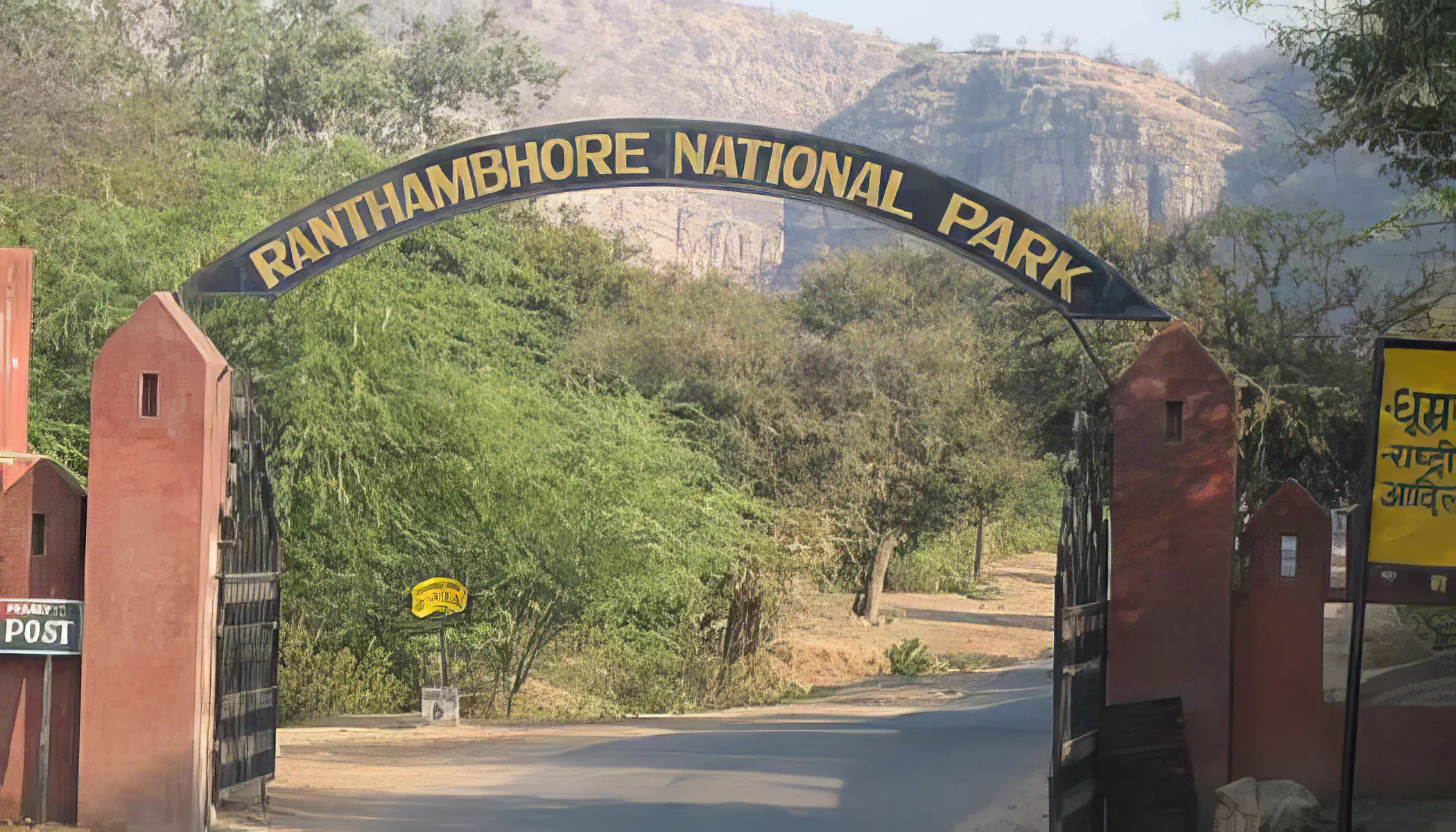
Ranthambore is known for its wildlife sanctuary, especially the Bengal tigers.
– Ranthambore National Park: A popular spot for wildlife safaris to see tigers, leopards, and various bird species.
– Ranthambore Fort: A UNESCO World Heritage Site offering historical architecture and panoramic views of the park.
– Padam Talao: The largest lake in the area, famous for its beautiful water lilies and crocodiles.
– Kachida Valley: Offers scenic landscapes and a chance to spot panthers and sloth bears.
– Raj Bagh Ruins: Ancient ruins providing a glimpse into past civilizations with a gorgeous backdrop.
– Jogi Mahal: A historic rest house near the national park known for its large banyan tree.
Activity
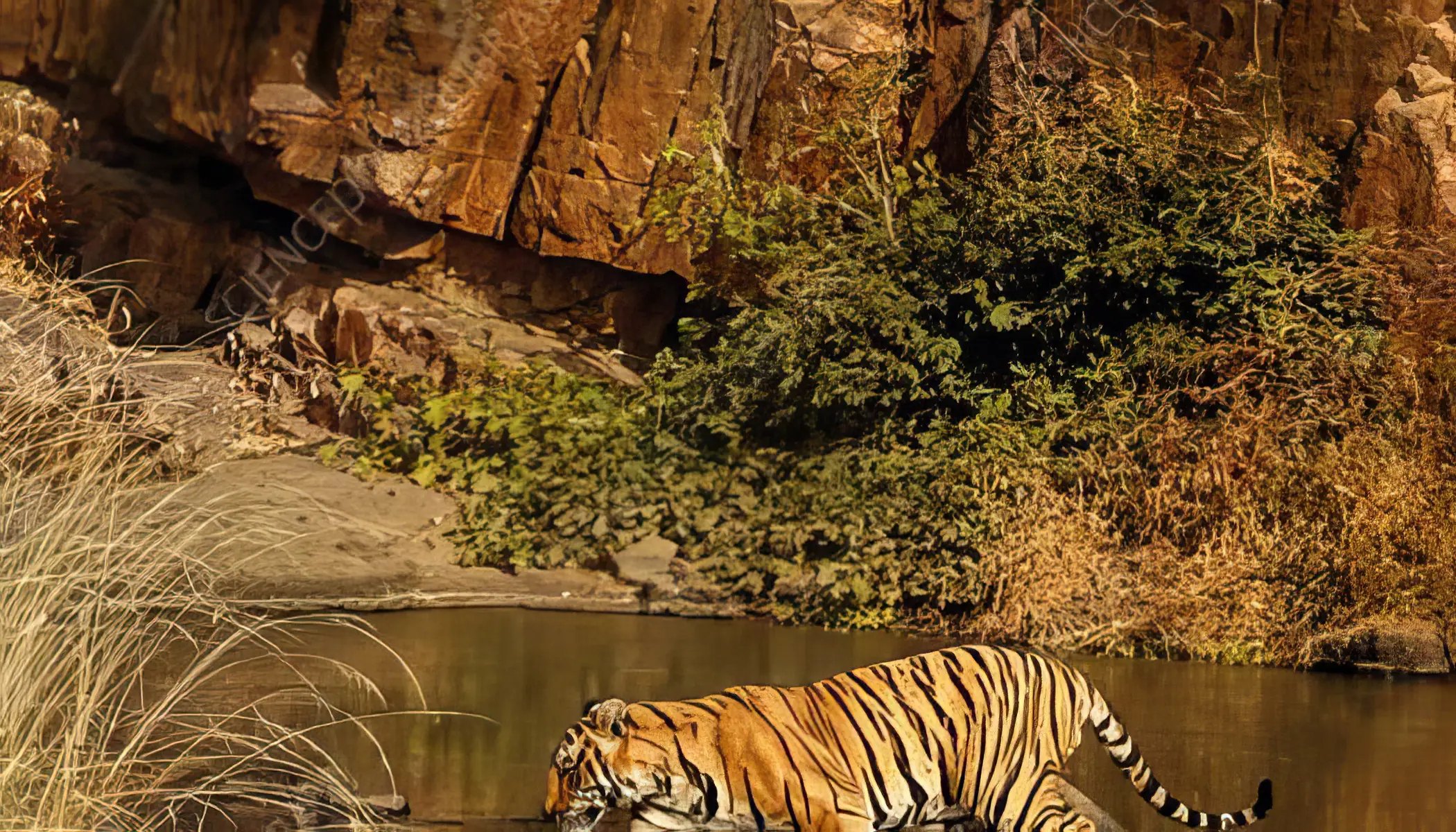
In Ranthambore, travelers can explore wildlife, enjoy safaris, and experience local culture amidst scenic landscapes.
– Wildlife Safari: Guided tours through Ranthambore National Park to spot tigers and other wildlife in their natural habitat.
– Bird Watching: Observe various bird species in the park, ideal for enthusiasts and nature lovers alike.
– Village Tours: Visit nearby villages to learn about local traditions, crafts, and daily life of the residents.
– Nature Walks: Guided walks through scenic trails that offer insights into flora and fauna of the region.
– Camping: Experience outdoor camping under the stars while enjoying the sounds of nature around you.