

Ravenna: Best Things to Do & Top Attractions
This city is renowned for its nice early Christian mosaics and significant Byzantine architecture, including eight UNESCO World Heritage Sites. It served as the capital of the Western Roman Empire in the 5th century.
- Population
- 159,000
- Size
- 654 square km
- Train Station
- Ravenna Stazione
- Est. Visit Days
- 2 days
Overview
Ravenna, a city in northern Italy, is renowned for its well-preserved late Roman and Byzantine architecture, designated as a UNESCO World Heritage Site. The city is a treasure trove of mosaics, with the Mausoleum of Galla Placidia and the Basilica of San Vitale being prime examples. Ravenna also offers a glimpse into its historical significance through sites like the 5th-century Basilica of Sant'Apollinare Nuovo. However, the city's appeal might be more oriented towards history and art enthusiasts, potentially leaving those seeking a beautiful modern cityscape somewhat wanting. Additionally, Ravenna's tourist attractions can be quite concentrated in a specific historical niche, which might limit variety for some visitors.
Traffic & Transport
The city's compact size and well-preserved historic center make it ideal for exploring on foot, especially for tourists interested in the numerous UNESCO World Heritage sites. For longer distances or to reach the outskirts, bicycles are a popular and efficient option, with several rental shops available. Public buses provide a comprehensive network, connecting major attractions and nearby towns, offering a convenient way to navigate the area. However, traffic can be congested during peak tourist seasons, particularly in the summer months, so it's advisable to plan travel times accordingly. For those preferring taxi services, there are several reliable taxi companies operating in the city. Additionally, the use of taxi-booking apps like Uber provides an easy and often quicker way to secure a ride, with the added benefit of transparent pricing and the ability to track your route.
History
Once the capital of the Western Roman Empire from 402 until 476, this city was chosen for its strategic location and protection provided by its marshes. It later became the capital of the Ostrogothic Kingdom after the fall of the Western Roman Empire. The city was a key location for the Byzantine Empire in Italy from 540 to 751, serving as the seat of the Exarchate of Italy. This period saw the construction of many of its most famous monuments, particularly its gorgeous mosaics. The city's history and culture reflect a blend of Roman, Ostrogothic, and Byzantine influences, especially evident in its art and architecture.
Itinerary Sample
Explore Ravenna's rich history and beautiful mosaics with this 2-day itinerary:
– First day: Visit Basilica of San Vitale, Mausoleum of Galla Placidia, and Dante's Tomb. Enjoy lunch at a local trattoria.
– Second day: See the Arian Baptistery, Basilica of Sant'Apollinare Nuovo, and the Archiepiscopal Museum.
Near Excursion
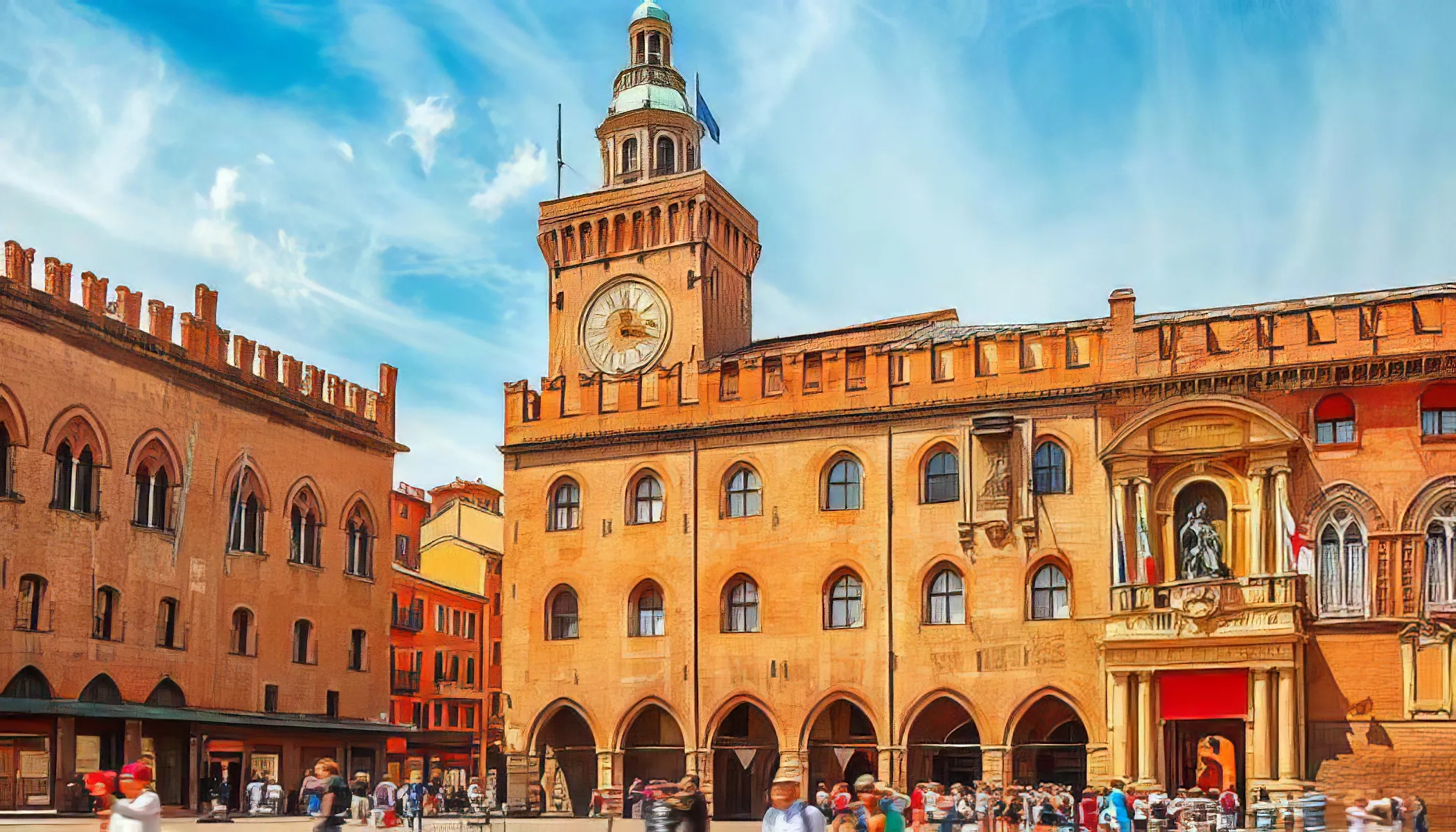
This city offers several interesting day trips within a short distance. Here are some suggestions:
– Bologna at 85 km: Known for its rich history, beautiful culture, and delicious cuisine.
– Ferrara at 80 km: A Renaissance city with well-preserved architecture and a historic center.
– San Marino at 100 km: One of the world's oldest republics, offering stunning views and historic sites.
– Rimini at 60 km: A coastal city famous for its beaches and Roman ruins.
– Comacchio at 50 km: A charming town known for its canals and eel fishing traditions.
Attraction
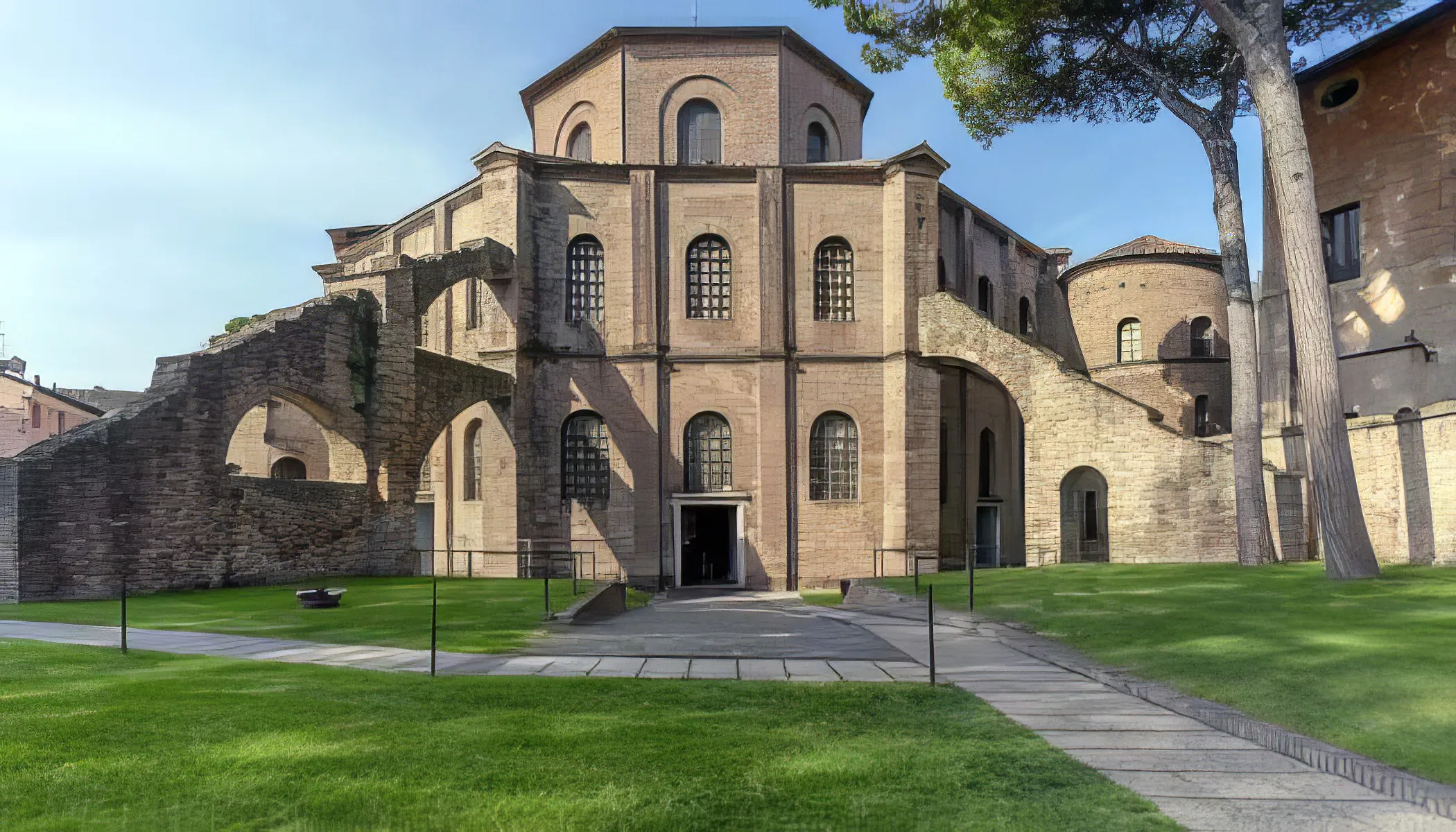
Known for its lovely early Christian mosaics, the city offers a rich historical and cultural experience.
– Basilica Di San Vitale: Famous for its intricate mosaics and octagonal structure, a prime example of Byzantine art.
– Mausoleum of Galla Placidia: Houses some of the oldest and best-preserved mosaics in the world.
– Basilica di Sant'Apollinare Nuovo: Features a long nave adorned with beautiful mosaics depicting biblical scenes.
– Dante's Tomb: The final resting place of the famous Italian poet Dante Alighieri.
– Arian Baptistery: Known for its dome mosaics depicting the baptism of Christ.
– Basilica di Sant'Apollinare in Classe: Located just outside the city, it showcases impressive mosaics and early Christian architecture.
Activity
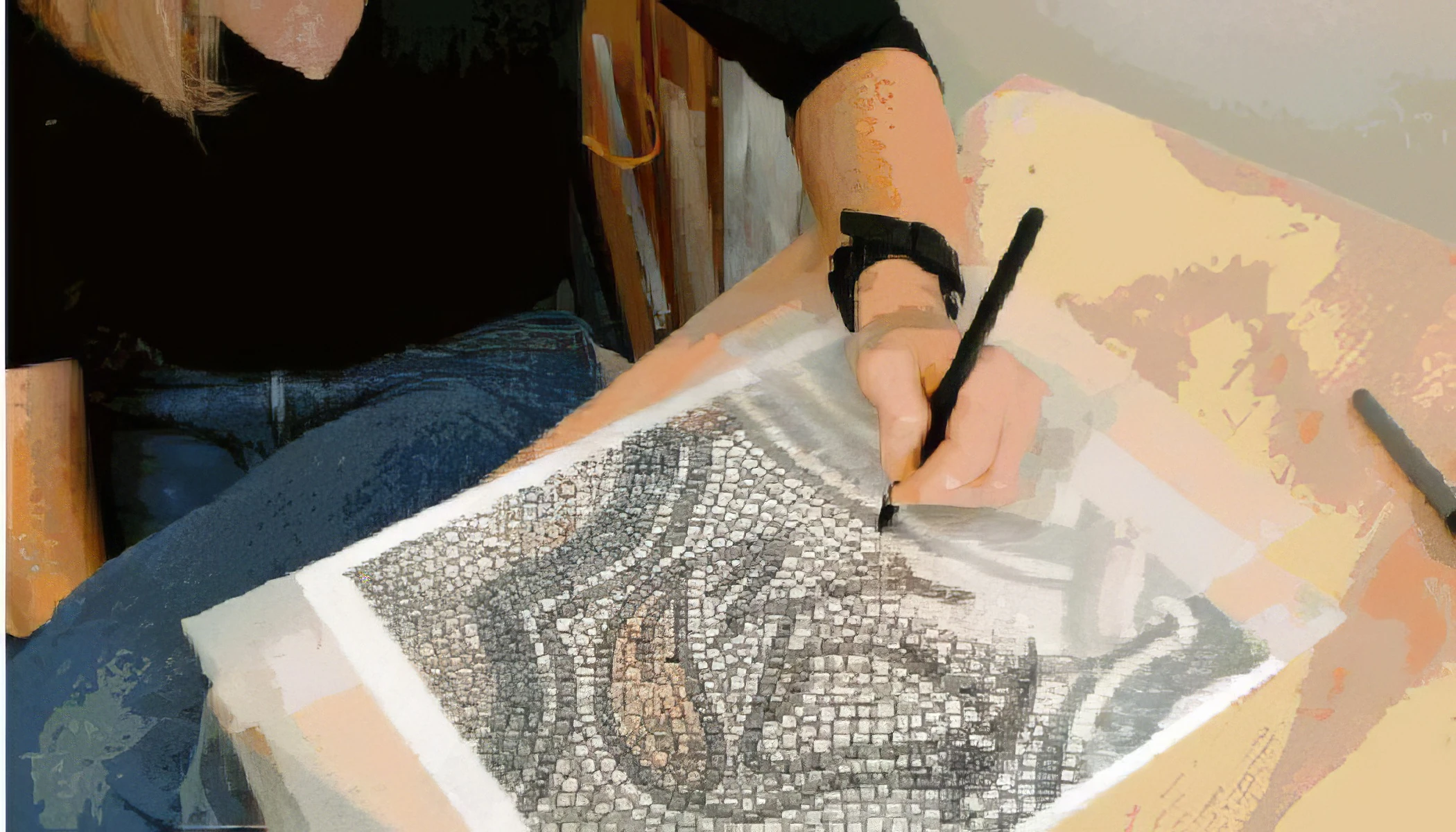
In Ravenna, travelers can explore ancient mosaics, unique architecture, and enjoy local cuisine.
– Mosaic Workshops: Learn to create your own mosaic art in a traditional workshop.
– Bike Tour of Ravenna's Villages: Cycle through charming nearby villages and countryside.
– Po Delta Boat Tour: Experience the natural beauty of the Po Delta on a guided boat tour.
– Thermal Baths in Brisighella: Relax in the thermal baths of nearby Brisighella, known for its healing waters.
Cuisine
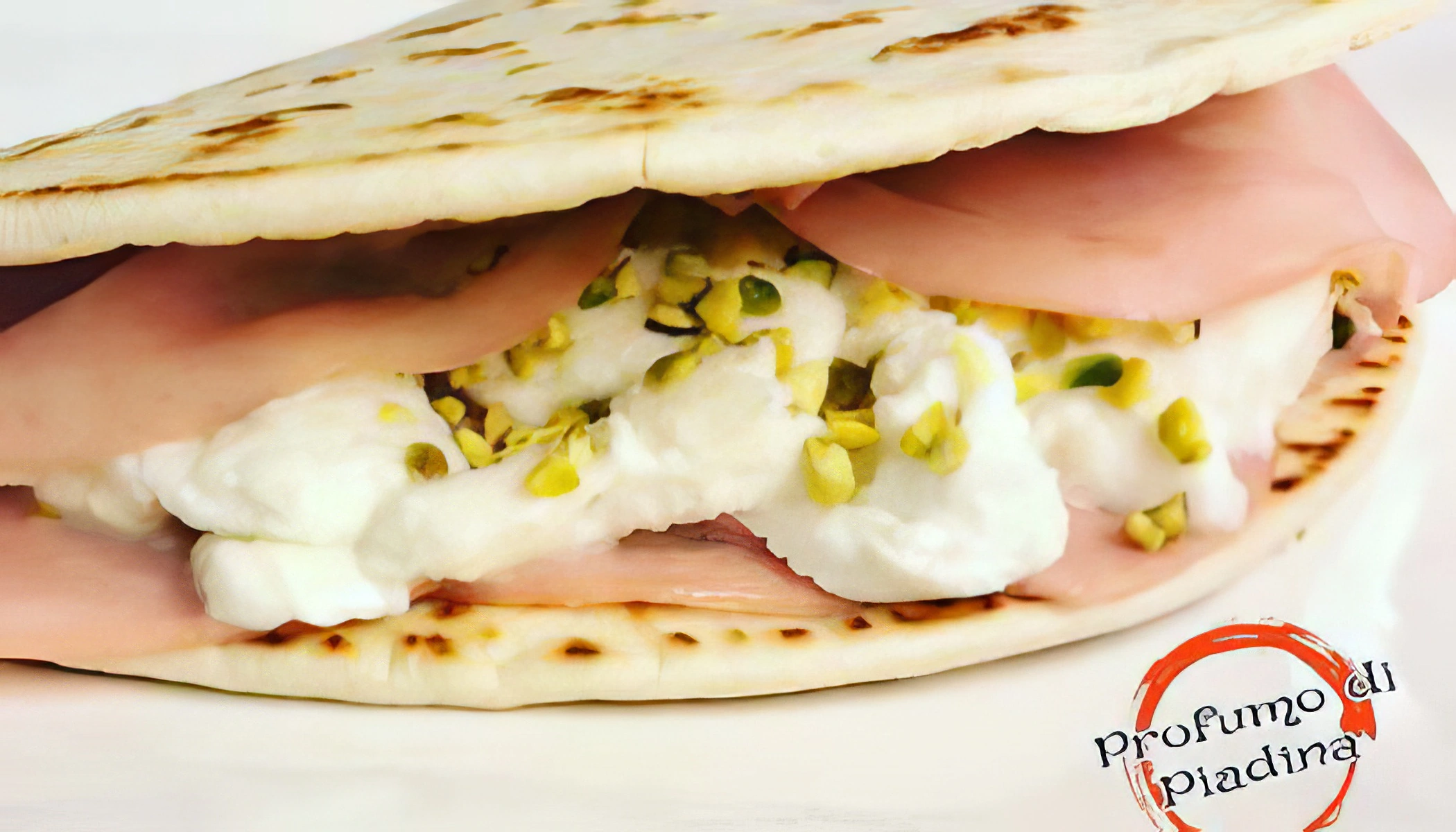
The city offers a rich culinary tradition with a focus on fresh, local ingredients and traditional Italian flavors. Some of the city's most famous dishes include:
– Piadina: A flatbread sandwich filled with cheese, meats, and vegetables.
– Cappelletti: Small pasta parcels filled with cheese or meat, typically served in broth.
– Passatelli: Pasta made from breadcrumbs, Parmesan, and eggs, often served in broth.
– Brodetto: A hearty fish stew made with various types of seafood and tomatoes.
– Ciambella: A ring-shaped cake, often flavored with lemon or anise.
– Zuppa Inglese: A layered dessert with sponge cake, custard, and liqueur.
Shopping
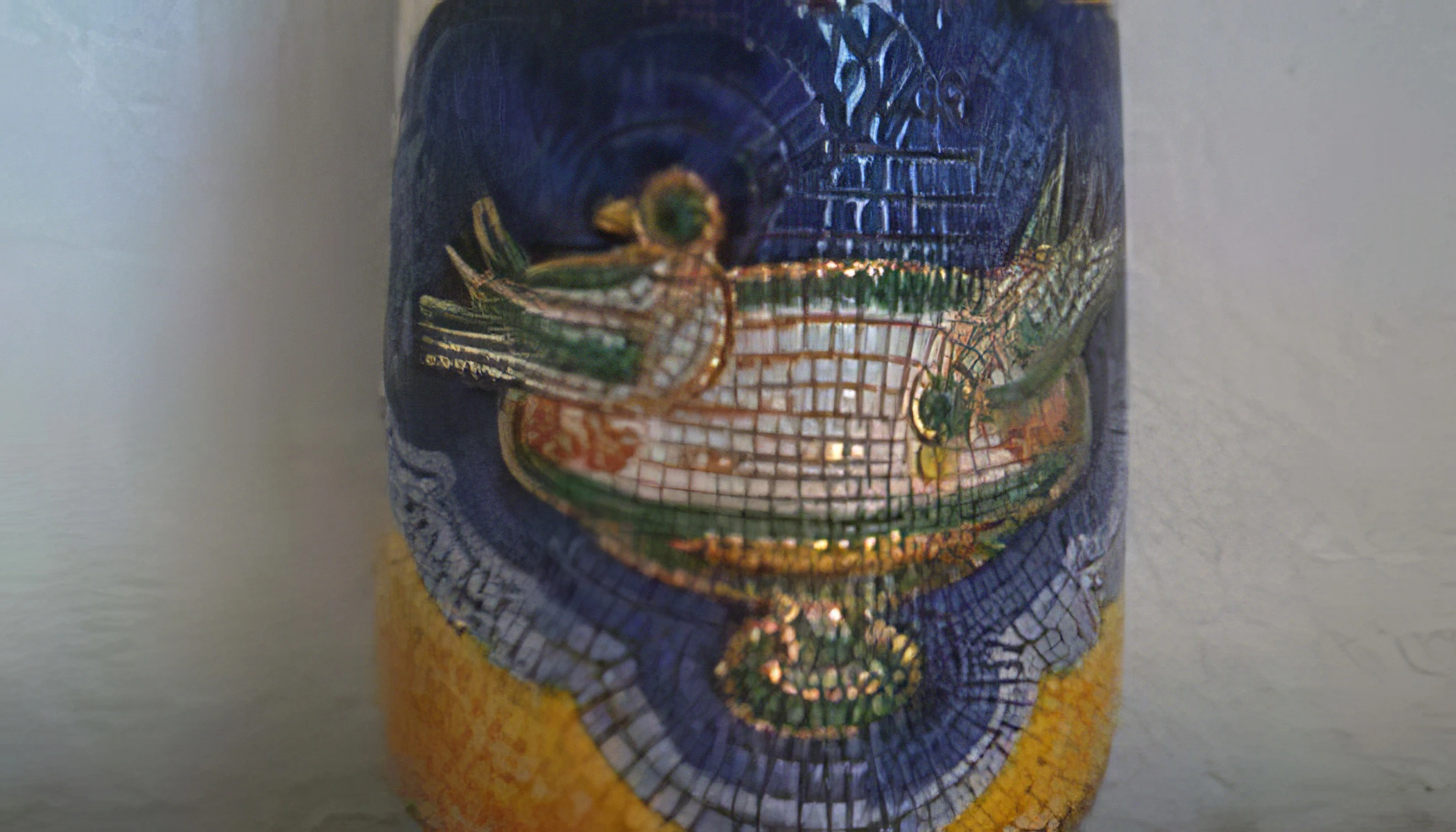
In the city, shopping for unique mosaics or mosaic-inspired items is a highlight, reflecting its rich Byzantine history. Local artisan shops offer handcrafted jewelry and ceramics, perfect for distinctive gifts. Another popular choice is to purchase bottles of local olive oil or wine, showcasing the region's culinary heritage. For fashion enthusiasts, there are boutiques featuring Italian leather goods, from handbags to shoes. Additionally, visiting the weekly markets can provide a chance to find a variety of local crafts and foods. These items not only serve as great souvenirs but also allow tourists to bring a piece of Italian culture home.
Arts & Culture
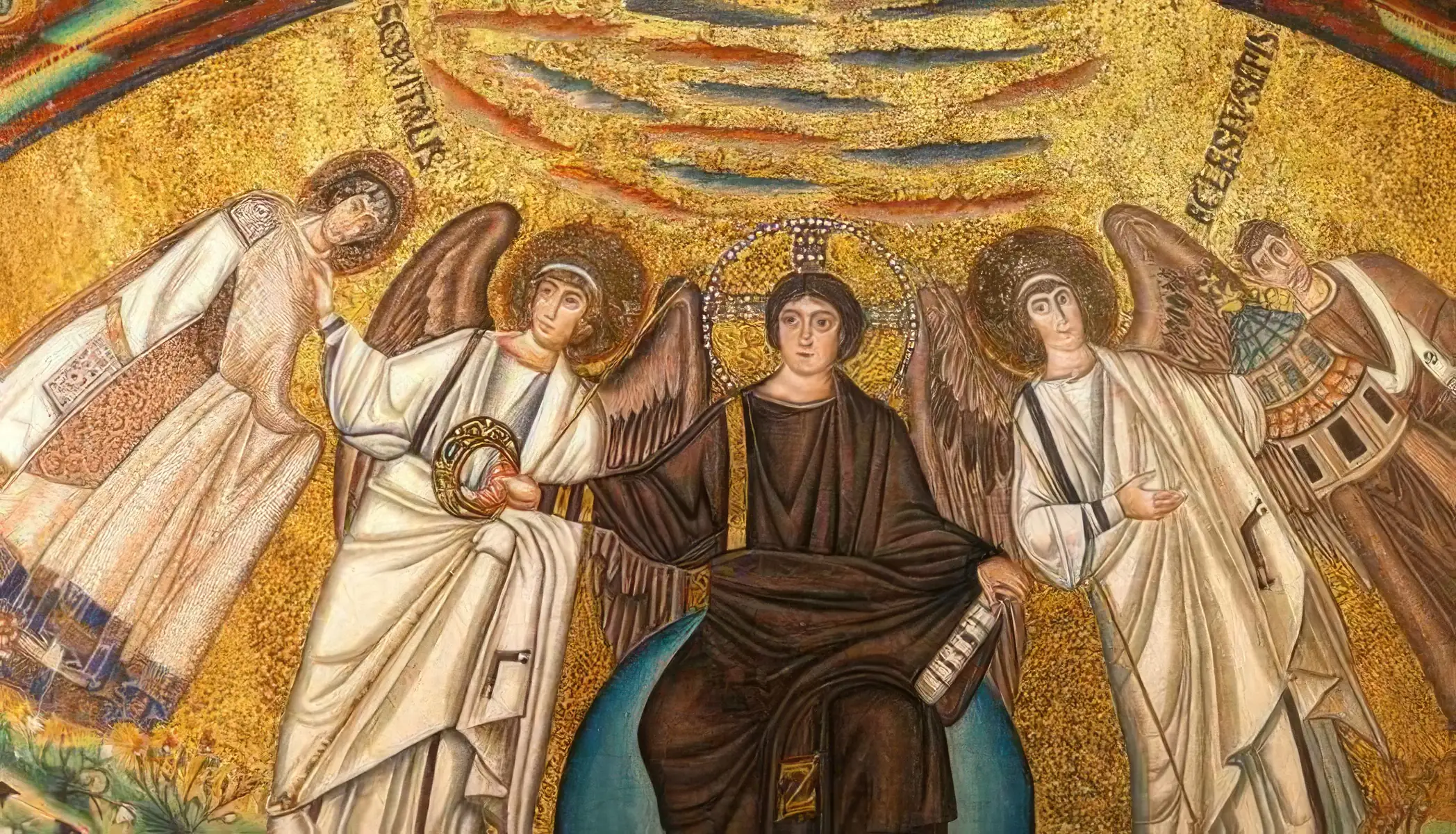
This city is renowned for its well-preserved late Roman and Byzantine architecture, boasting eight UNESCO World Heritage Sites, including its famous mosaics. It hosts the Ravenna Festival, an annual celebration of opera, classical music, and ballet, held in the summer. The Dante Alighieri Theatre offers a variety of performances, including drama and dance. Additionally, the city is a hub for contemporary art, with numerous galleries and the MAR – Museo d'Arte della città di Ravenna.