

Sightseeing in Reykjavik: Culture & Must‑See Spots
This capital city, known for its Nordic culture, is situated on a coastal peninsula. It features colorful buildings, a pleasant arts scene, and serves as a base for exploring nearby natural wonders, including geysers and geothermal hot springs.
- Population
- 0.13 millions
- Size
- 273 square km
- Airport
- Keflavik – Int'l & 1 other
- Est. Visit Days
- 3 days
Overview
Reykjavik is the capital city of Iceland and the largest urban area in the country. Pros include its charming cultural scene, unique architecture, and access to nature. It also has a relatively low crime rate and good public services. Cons are the high cost of living and limited options for public transportation. Weather can be unpredictable with long winters.
Traffic & Transport
The city offers a compact layout that makes it easily navigable on foot, especially in the downtown area where many attractions are in close proximity. Bicycles are also a popular option, with designated bike lanes and rental services available for those who prefer cycling. Public buses provide a reliable way to explore further afield, and they are well-maintained and punctual. For those looking for convenience, guided tours are often available and can save time while providing a comprehensive experience. For reliable taxi services, several companies operate in the area, including companies like BSR and Taxi 666 666. There are also apps such as Hreyfill and the app from the main taxi service that allow for easy booking and estimating fares.
History
Iceland was settled by Norse Vikings in the 9th century, leading to a unique blend of cultures. The establishment of the Althing in 930 AD marked one of the world's oldest parliaments. During the 14th century, the island came under Norwegian and later Danish rule, impacting its trade and governance. The city began to grow economically in the 18th century with the establishment of trade rights. Iceland gained independence from Denmark in 1944, shaping its modern cultural identity.
Itinerary Sample
This 3-day itinerary offers a structured way to explore Reykjavik, Iceland.
– First day: Visit Hallgrímskirkja Church, stroll Laugavegur shopping street, and explore Harpa Concert Hall. Finish by relaxing at the Sun Voyager sculpture.
– Second day: Take a day trip to the Golden Circle: Þingvellir National Park, Geysir, and Gullfoss waterfall.
– Third day: Explore the National Museum of Iceland, visit the Reykjavik Art Museum, and unwind at the Blue Lagoon.
Near Excursion
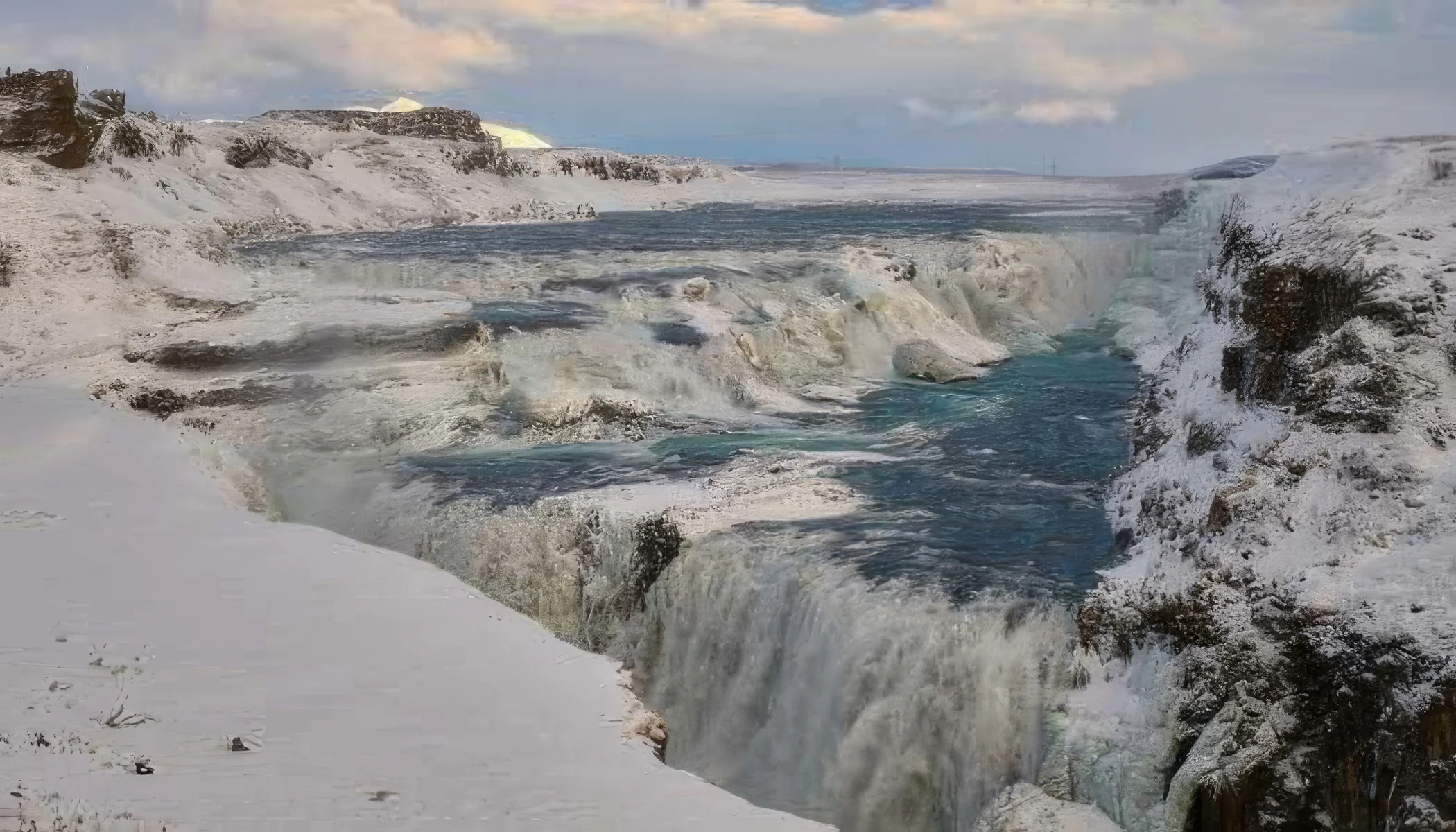
This city offers easy access to several memorable day trips. Here are some recommendations:
– Thingvellir National Park at 40 km: A UNESCO World Heritage site, where you can see the rift between tectonic plates.
– Geysir Geothermal Area at 100 km: Famous for its active geysers, including the regularly erupting Strokkur.
– Gullfoss Waterfall at 105 km: A powerful and iconic waterfall with remarkable views of tumbling waters.
– Kerid Crater at 70 km: A volcanic crater lake known for its distinct, pretty blue water and striking red rock.
– Reykjanes Peninsula at 50 km: Features volcanic landscapes, hot springs, and the famous Blue Lagoon spa.
Attraction
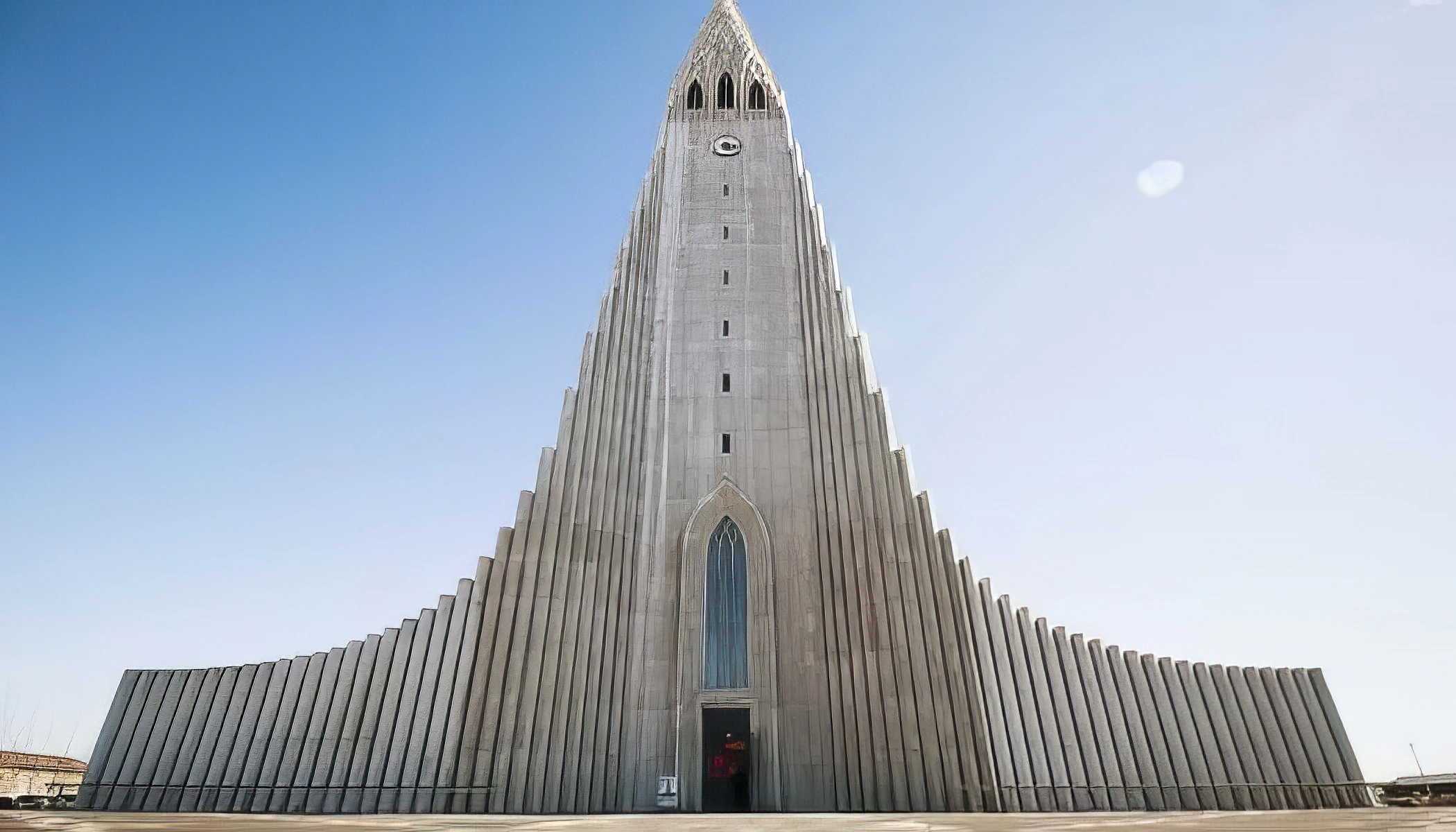
This city offers a mix of natural beauty and cultural sites.
– Hallgrímskirkja: An iconic church with nice architecture and a panoramic view of the city from its tower.
– Harpa Concert Hall: A cultural center known for its unique glass facade and hosting various music and arts events.
– Þjóðminjasafnið: The National Museum provides insights into the history and culture of the country.
– Perlan: A landmark building featuring a revolving glass dome and a man-made ice cave exhibition.
– Sun Voyager: A striking sculpture by the sea symbolizing exploration and the dream of discovering uncharted territories.
– Laugavegur: The main shopping street is known for trendy shops, cafes, and lively city life.
Activity
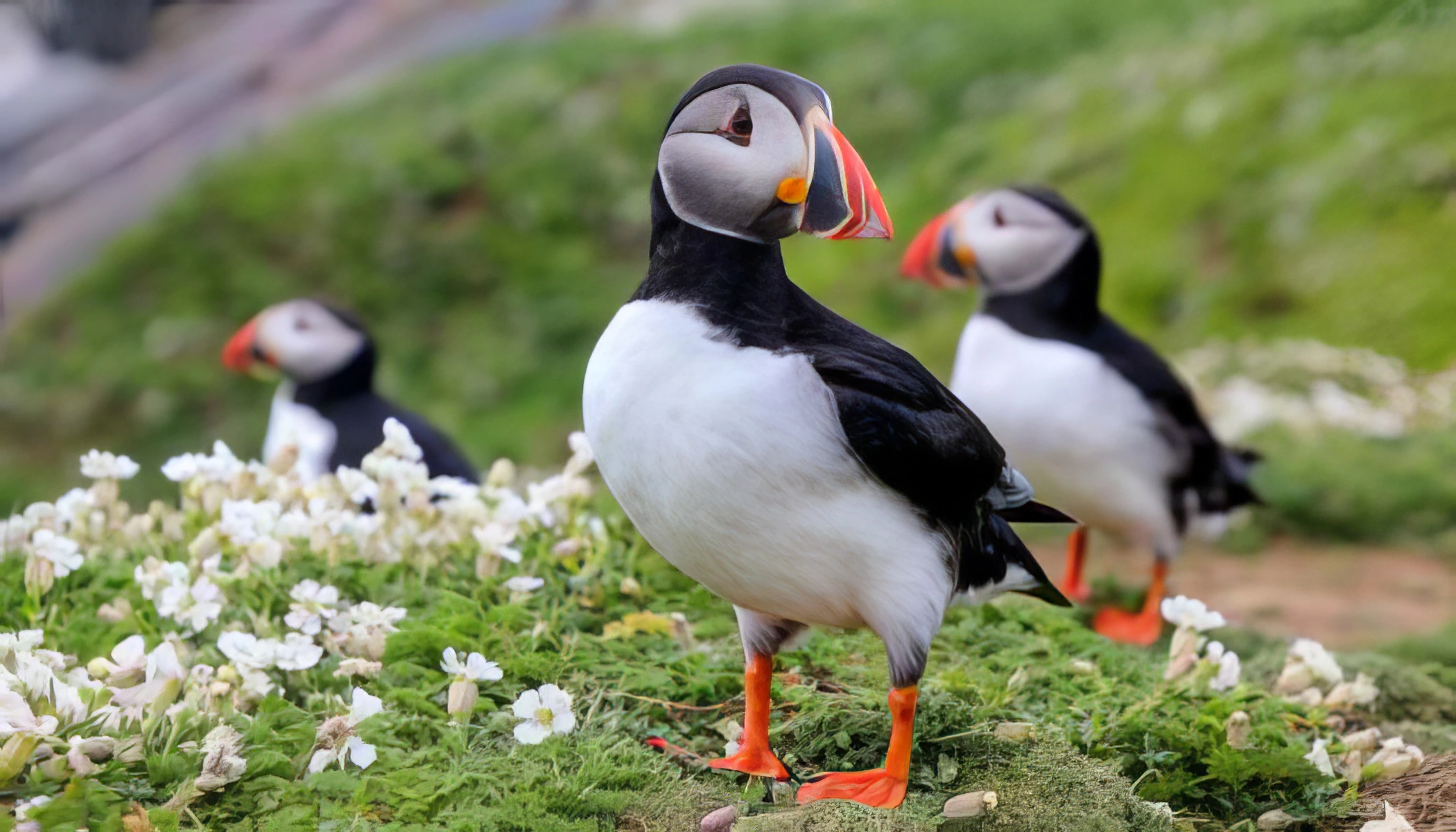
Travelers in Reykjavik can enjoy unique nature and cultural experiences, like geothermal baths, wildlife tours, and local food tastings.
– Whale Watching: Observe various whale species in their natural habitat just outside Reykjavik's coastline during summer months.
– Geothermal Swimming: Relax in one of Reykjavik's many outdoor thermal pools, famous for their warm, mineral-rich waters.
– Northern Lights Tours: Take guided tours to witness the aurora borealis in the winter skies around Reykjavik.
– Puffin Watching: Join boat tours to see puffins nesting on nearby islands during the summer season.
– Food Tours: Explore local cuisine on guided tours that include tastings of Icelandic seafood, lamb, and traditional dishes.
Cuisine
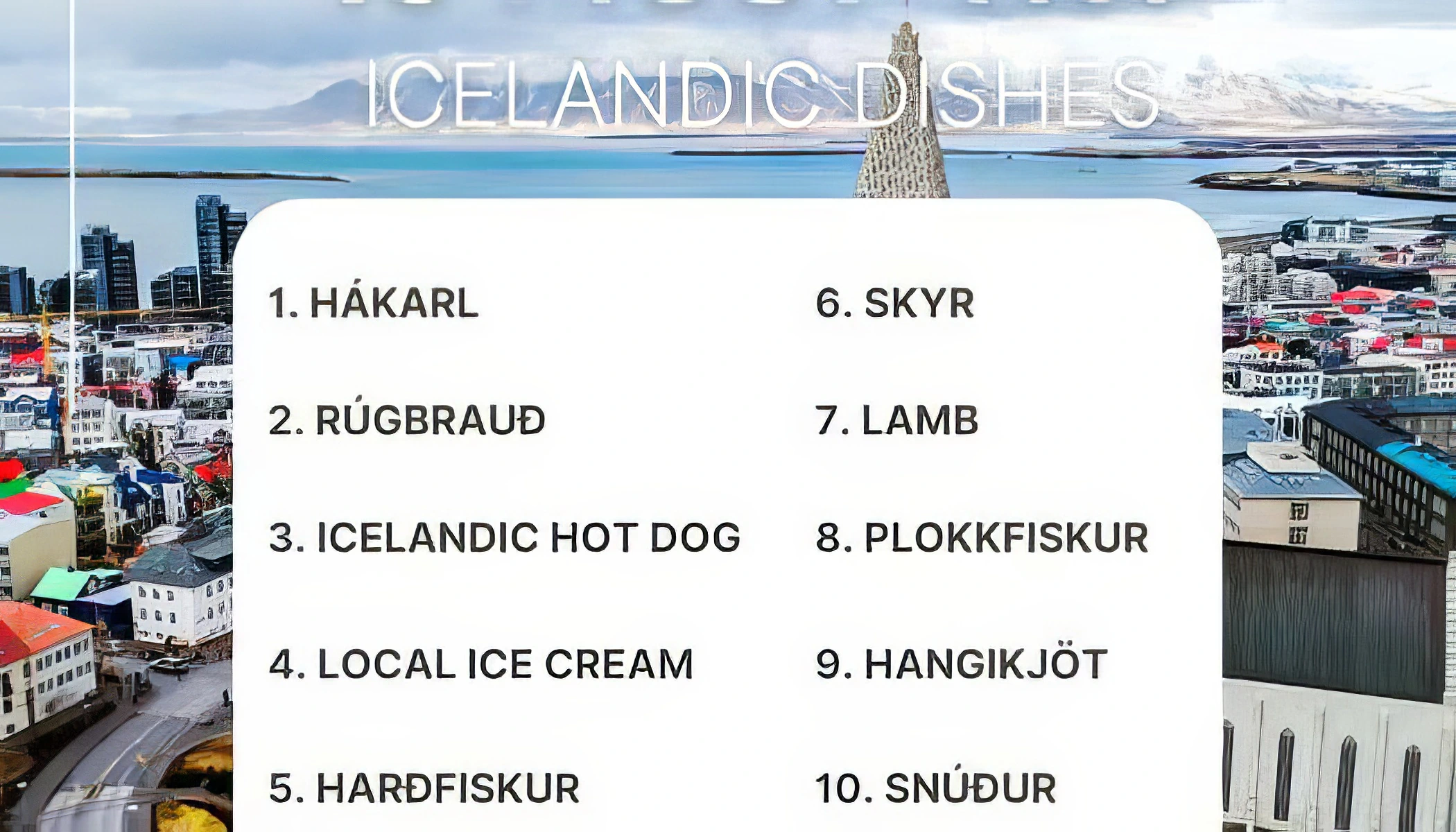
The city offers a mix of traditional Icelandic cuisine and modern influences, focusing on seafood and local ingredients. Some of the most famous dishes include:
– Plokkfiskur: A fish stew made from mashed fish, potatoes, and onions, often served with rye bread.
– Skyr: A thick, yogurt-like dairy product, traditionally served with berries or honey.
– Lamb Soup: Hearty soup made with lamb, root vegetables, and herbs, offering a taste of Icelandic tradition.
– Pylsur: Iconic hot dog, typically topped with onions, ketchup, mustard, and remoulade.
– Harðfiskur: Dried fish snack, enjoyed plain or with butter, reflecting Icelandic preservation methods.
Shopping
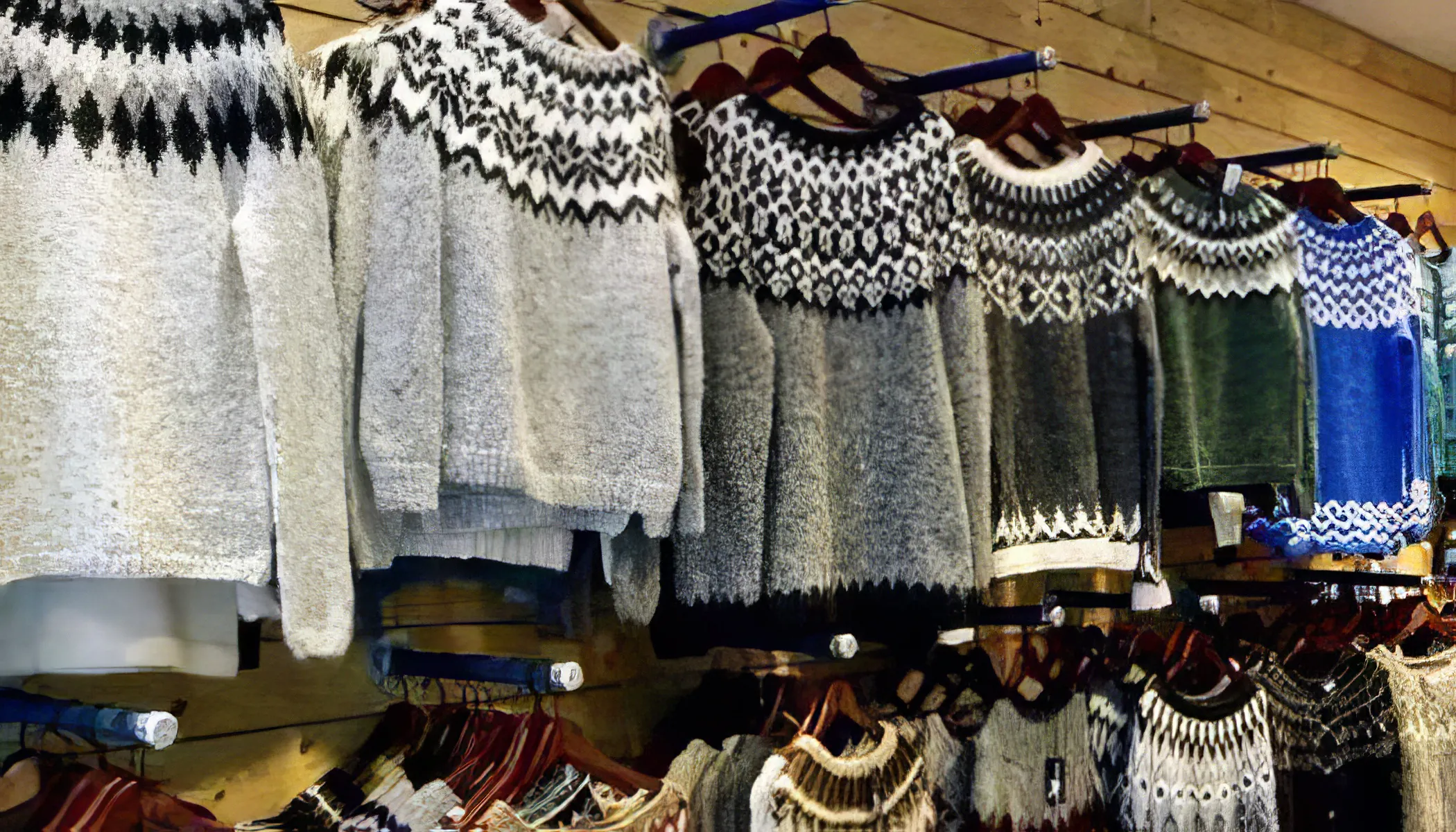
You can find unique wool products, such as sweaters and blankets, made from Icelandic sheep wool. There are also shops featuring local art and crafts, which make good souvenirs. Many visitors buy lava rock jewelry or Icelandic herbal cosmetics. Specialty food items, like smoked fish or Icelandic chocolates, are also popular. These gifts can easily be packed for travel. Local markets often have handmade goods that reflect the culture.
Arts & Culture
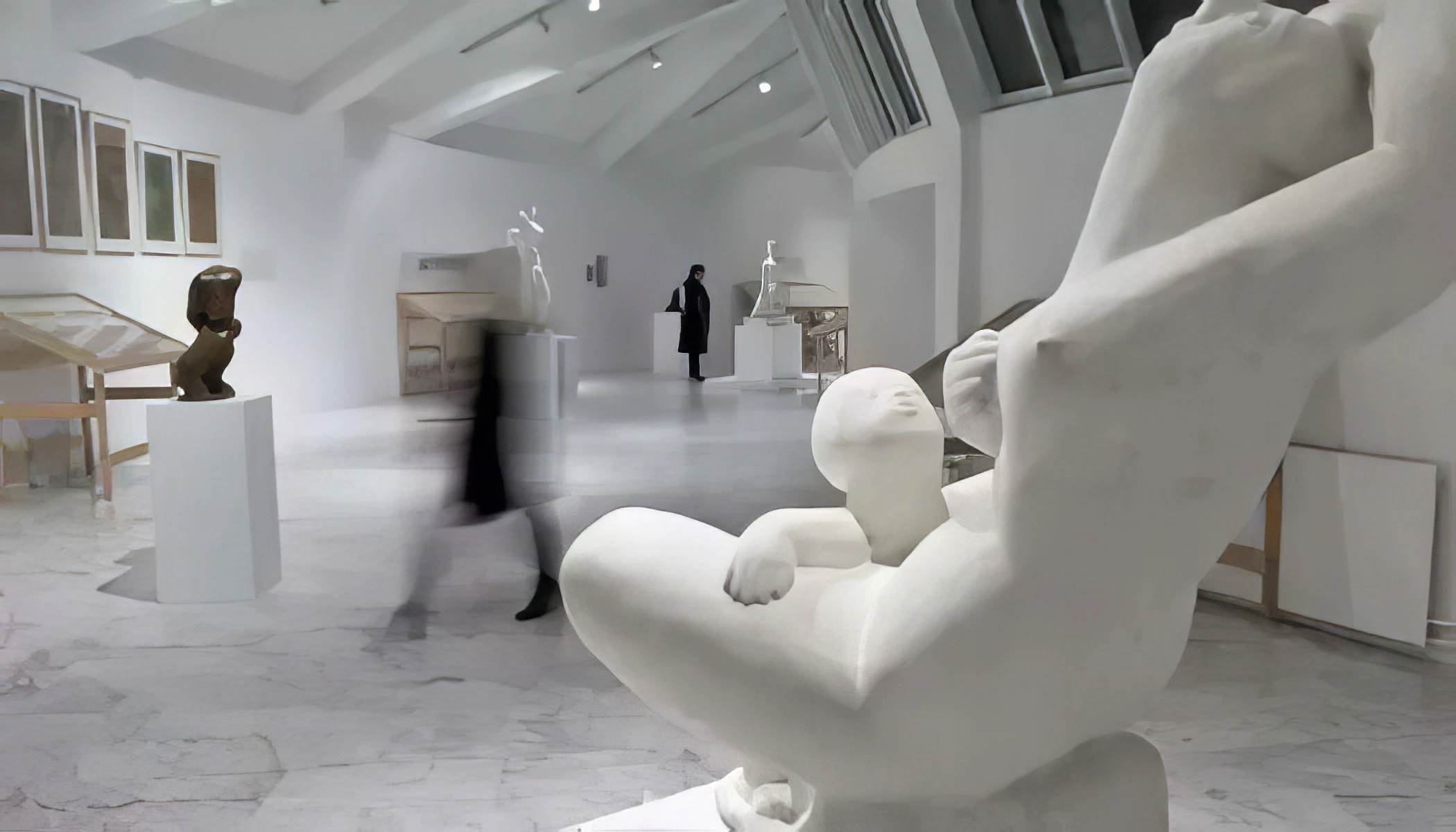
The city hosts various art galleries, including the Reykjavik Art Museum, which is the largest art museum in Iceland. The Reykjavik International Film Festival occurs annually, showcasing independent films from around the world. Music events, such as the Reykjavik Jazz Festival and Iceland Airwaves, attract both local and international artists. Additionally, the city’s annual Culture Night features a range of performances and exhibitions, celebrating local creativity.