

Saint Petersburg Travel Guide: Tourist Places & Activities
This city, founded in the early 18th century, is known for its canals, historic architecture, and cultural landmarks. It served as the imperial capital and is recognized for its significant role in Russian history and arts.
- Population
- 5.4 millions
- Size
- 1 439 square km
- Airport
- Pulkovo – Int'l & 1 other
- Train Station
- Moskovsky Station & 4 others
- Subway
- Yes.
- Est. Visit Days
- 4 days
Overview
Saint Petersburg, Russia's second-largest city, is known for its rich history and cultural heritage. Pros include its beautiful architecture, numerous museums like the Hermitage, and magnificient arts scene. The city also has a unique layout with canals and bridges. However, cons include harsh winters, high tourist traffic in peak season, and some areas can feel overcrowded. Overall, it offers a mix of beauty and challenges for visitors.
Traffic & Transport
The city offers a well-developed public transportation system, including an extensive metro network, buses, and trams that make exploring the area convenient and efficient. The metro is particularly recommended for its speed and coverage of major attractions, while buses and trams provide access to more localized destinations. Biking is also popular, with several rental services available for those who prefer a more leisurely pace. Walking is a great option in the central districts where many landmarks are within easy reach. For reliable taxi services, companies such as Yandex.Taxi and Gett are widely used, offering app-based booking for convenience. These apps allow users to easily request rides and track their drivers in real-time.
History
Founded in 1703 by Peter the Great, the city served as the capital of Russia for over two centuries. It became a major port and center for trade, connecting Europe and Asia. The city witnessed significant events during the Russian Revolution in 1917, leading to the rise of Soviet power. Throughout its history, it has experienced various cultural influences, particularly from Western Europe. The city's architecture and arts reflect its complex past and diverse heritage.
Itinerary Sample
This 4-day itinerary provides a structured way to explore Saint Petersburg.
– First day: Visit the Hermitage Museum, explore Palace Square, and take a walk along Nevsky Prospekt.
– Second day: Tour Peterhof Palace and gardens, then visit the Church of the Savior on Spilled Blood.
– Third day: Discover Peter and Paul Fortress, enjoy a boat tour on the Neva River, and relax at Summer Garden.
– Fourth day: Explore the State Russian Museum, visit St. Isaac's Cathedral, and end with a trip to Fabergé Museum.
Near Excursion
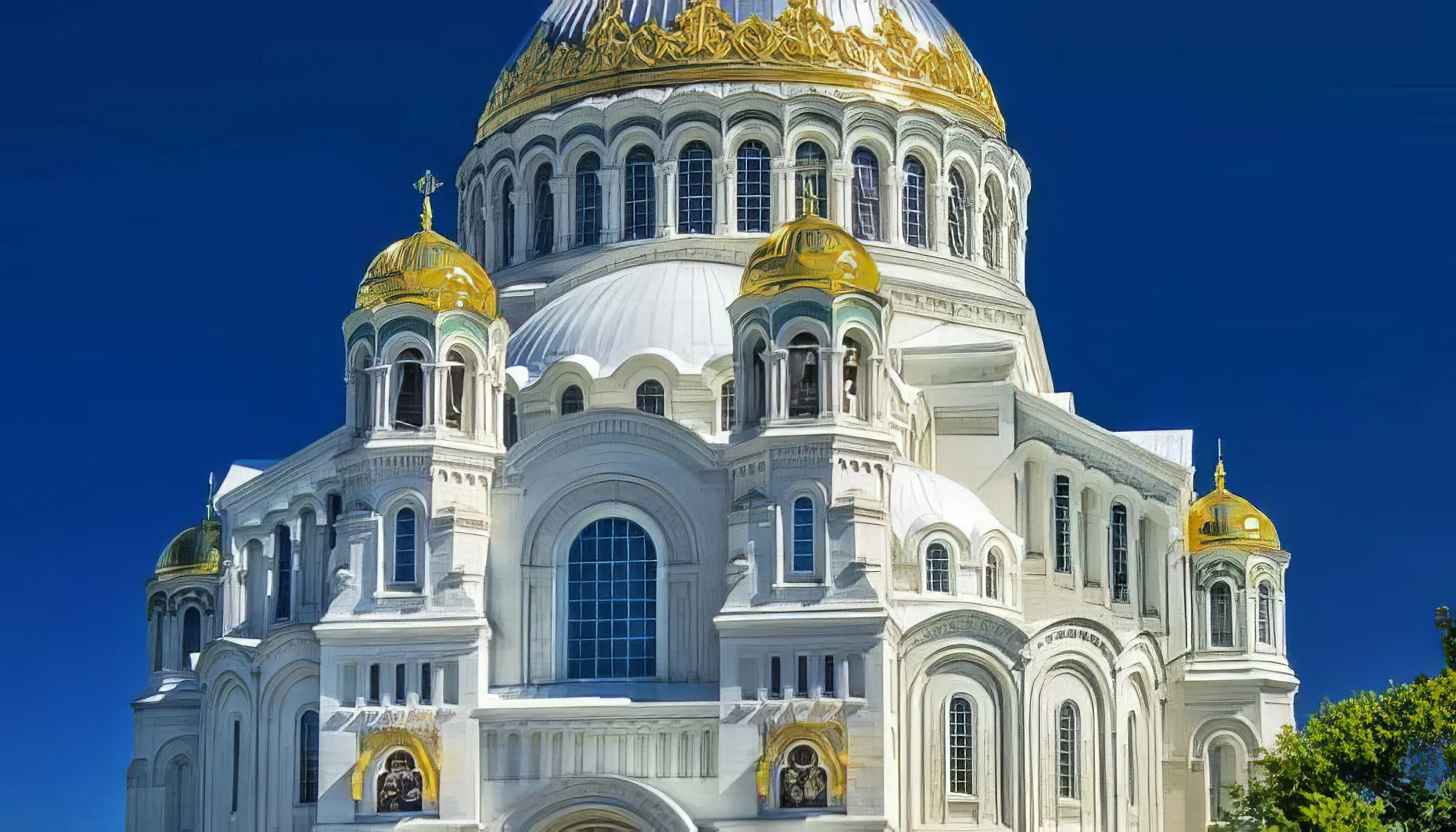
This city offers several fascinating day-trip options within a reasonable distance. Here are some suggestions:
– Peterhof at 40 km: Known for its grand palace, beautiful fountains, and extensive gardens.
– Pushkin (Tsarskoye Selo) at 30 km: Home to the famous Catherine Palace and its opulent Amber Room.
– Kronstadt at 50 km: A historic naval base with impressive forts and the Naval Cathedral.
– Vyborg at 130 km: Features medieval architecture and a well-preserved castle from the Swedish era.
– Gatchina at 45 km: Offers a large park and palace that once served as an imperial residence.
Attraction
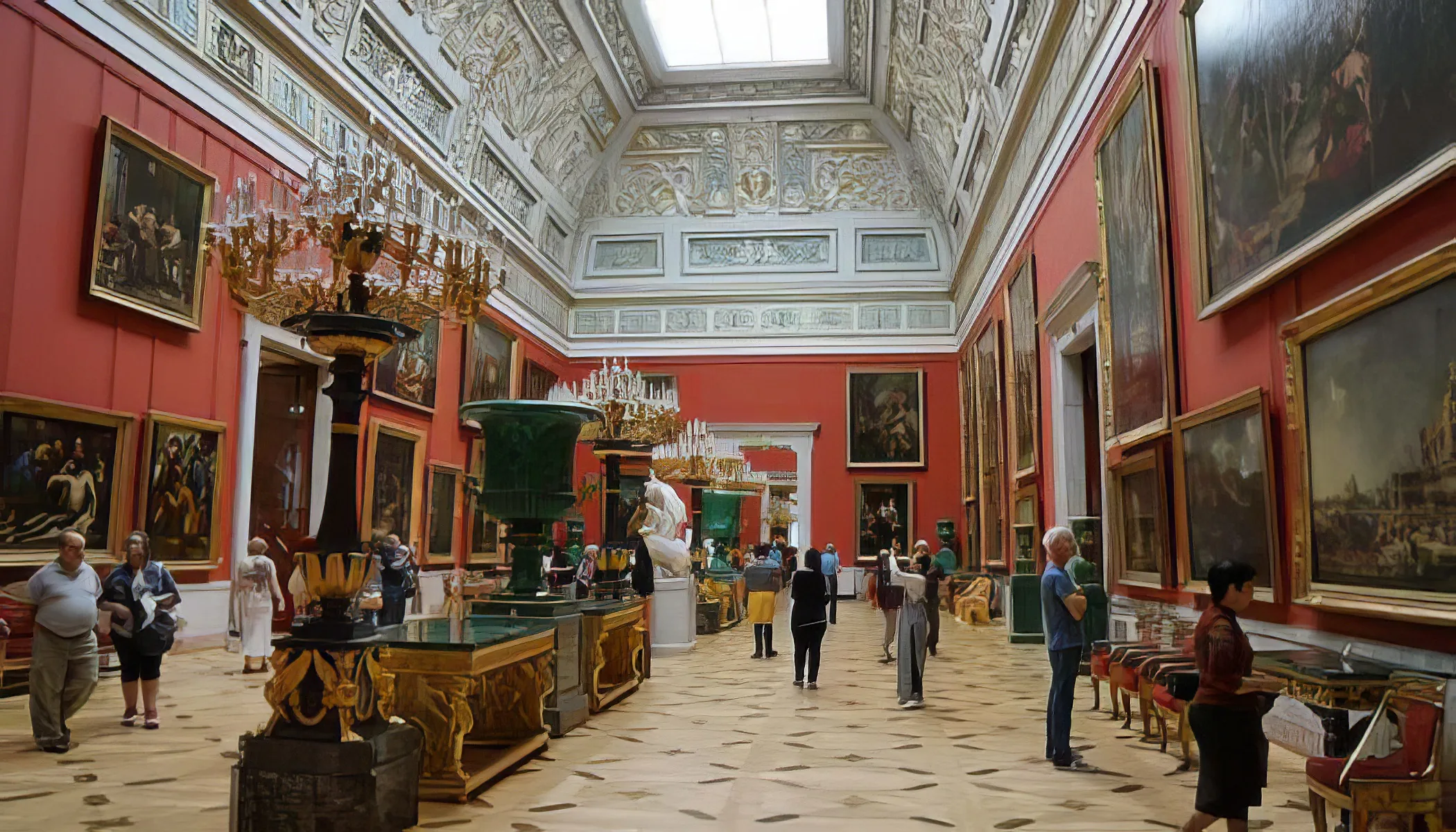
Known for its rich history and nice architecture, the city offers a variety of cultural attractions.
– Hermitage Museum: One of the largest museums in the world, featuring an extensive collection of art and historical artifacts.
– Peterhof Palace: A grand imperial palace known for its impressive fountains and beautifully landscaped gardens.
– Church of the Savior on Spilled Blood: Famous for its colorful onion domes and sophisticated mosaics inside.
– Mariinsky Theatre: Renowned venue for opera and ballet performances, showcasing world-class productions.
– St. Isaac's Cathedral: Offers panoramic views from its colonnade and features a richly decorated interior.
– Nevsky Prospect: The main street lively with shops, cafes, and historical landmarks.
Activity

In Saint Petersburg, travelers can explore canals, historic architecture, lively markets, and unique local traditions.
– Boat tour: Experience the city's waterways and view landmarks from a different perspective on a guided boat tour.
– White Nights Festival: Enjoy cultural events and performances during the famous summer phenomenon of extended daylight hours.
– Rooftop views: Visit rooftops for panoramic city views; some locations offer guided tours to access hidden spots.
– Local food tours: Taste traditional dishes at local eateries while learning about Russian culinary culture from knowledgeable guides.
– Canal kayaking: Paddle through the canals for an active exploration of the city’s scenic water routes and architecture.
Cuisine

The city offers a blend of traditional Russian cuisine and international influences, with various dining options from street food to high-end restaurants. Some of the city's most famous dishes include:
– Beef Stroganoff: Sautéed beef in a creamy sauce, often served with rice or noodles.
– Borscht: Beetroot soup with vegetables, sometimes meat, topped with sour cream.
– Pelmeni: Dumplings filled with minced meat, typically served with butter or sour cream.
– Blini: Thin pancakes made from wheat or buckwheat flour, often served with caviar or jam.
– Shchi: Cabbage soup that can be made with fresh or fermented cabbage and various meats.
Shopping
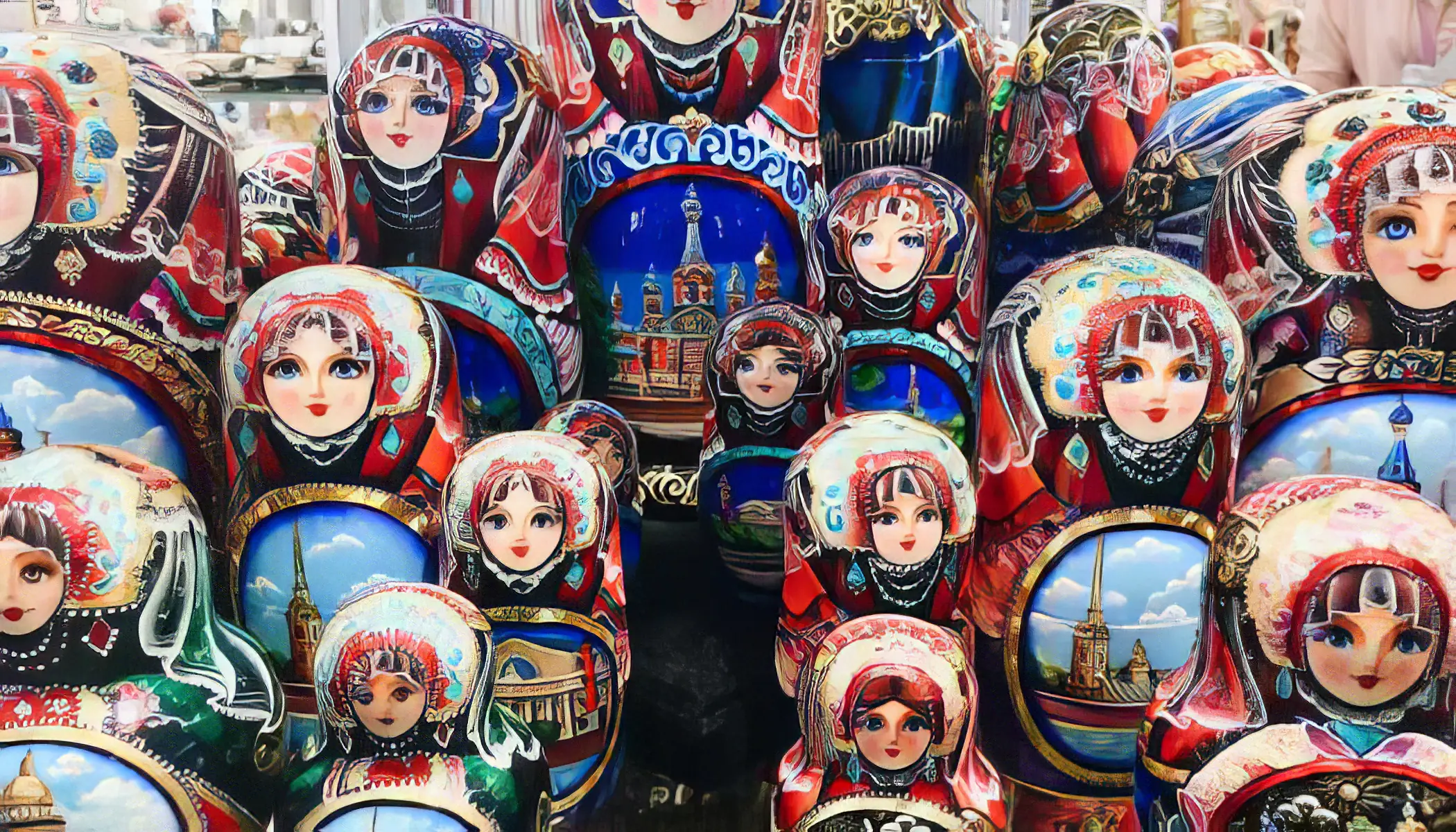
Try visiting the local markets for unique souvenirs. Matryoshka dolls, or nesting dolls, are popular gifts that represent Russian culture. You can also find traditional handicrafts like lacquer boxes and shawls. For something sweet, look for local chocolates or jams. Art prints from local artists make good keepsakes as well. Overall, there are various options to choose from for a memorable gift.
Arts & Culture
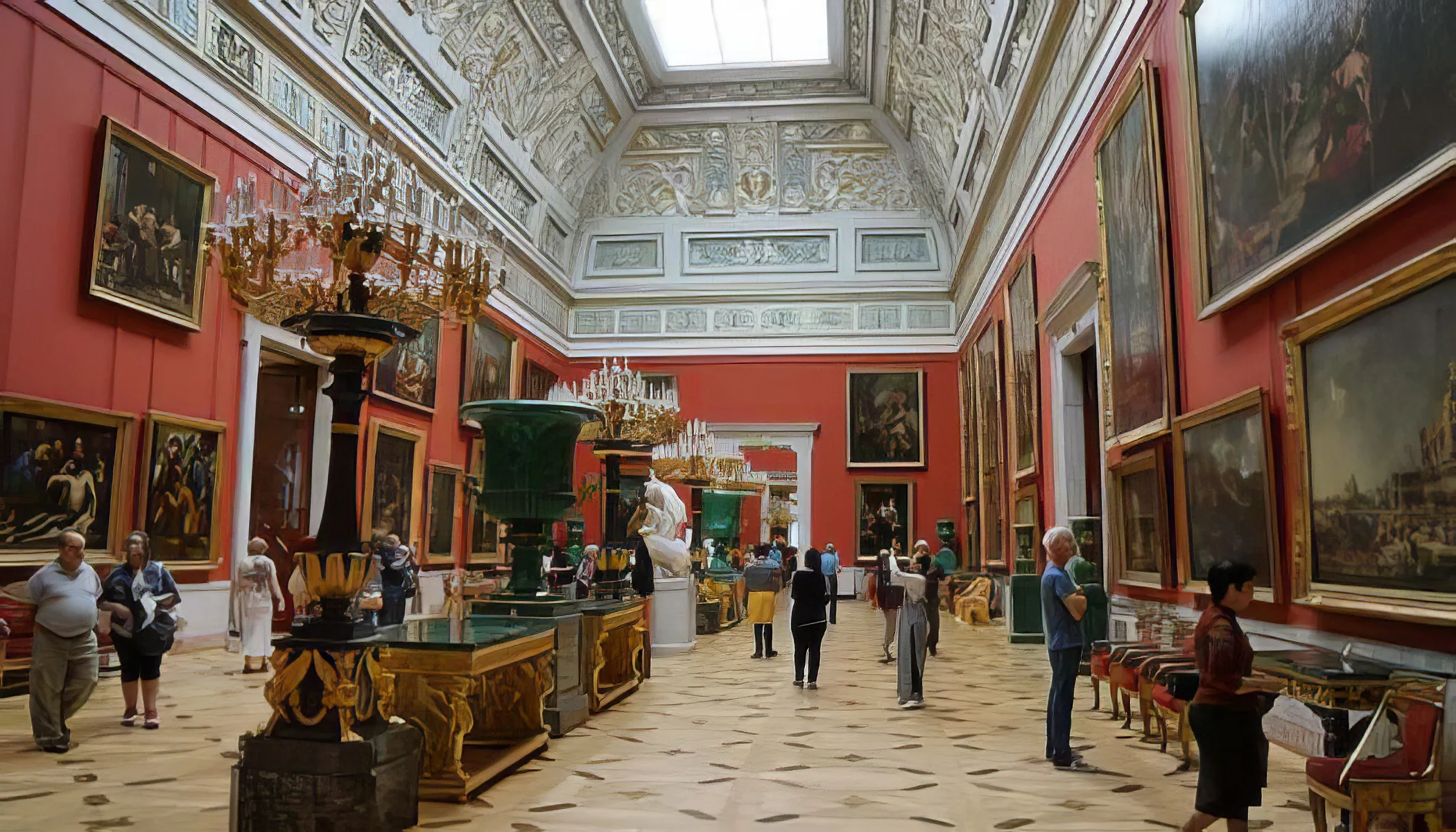
The city is home to the Hermitage Museum, one of the largest and oldest museums in the world, showcasing a vast collection of art and cultural artifacts. The Mariinsky Theatre hosts opera and ballet performances, featuring both local and international talent. The annual White Nights Festival celebrates arts with various performances, concerts, and exhibitions during the summer months. Additionally, numerous galleries display contemporary art throughout the year.