

Saint-Louis: Best Things to Do & Top Attractions
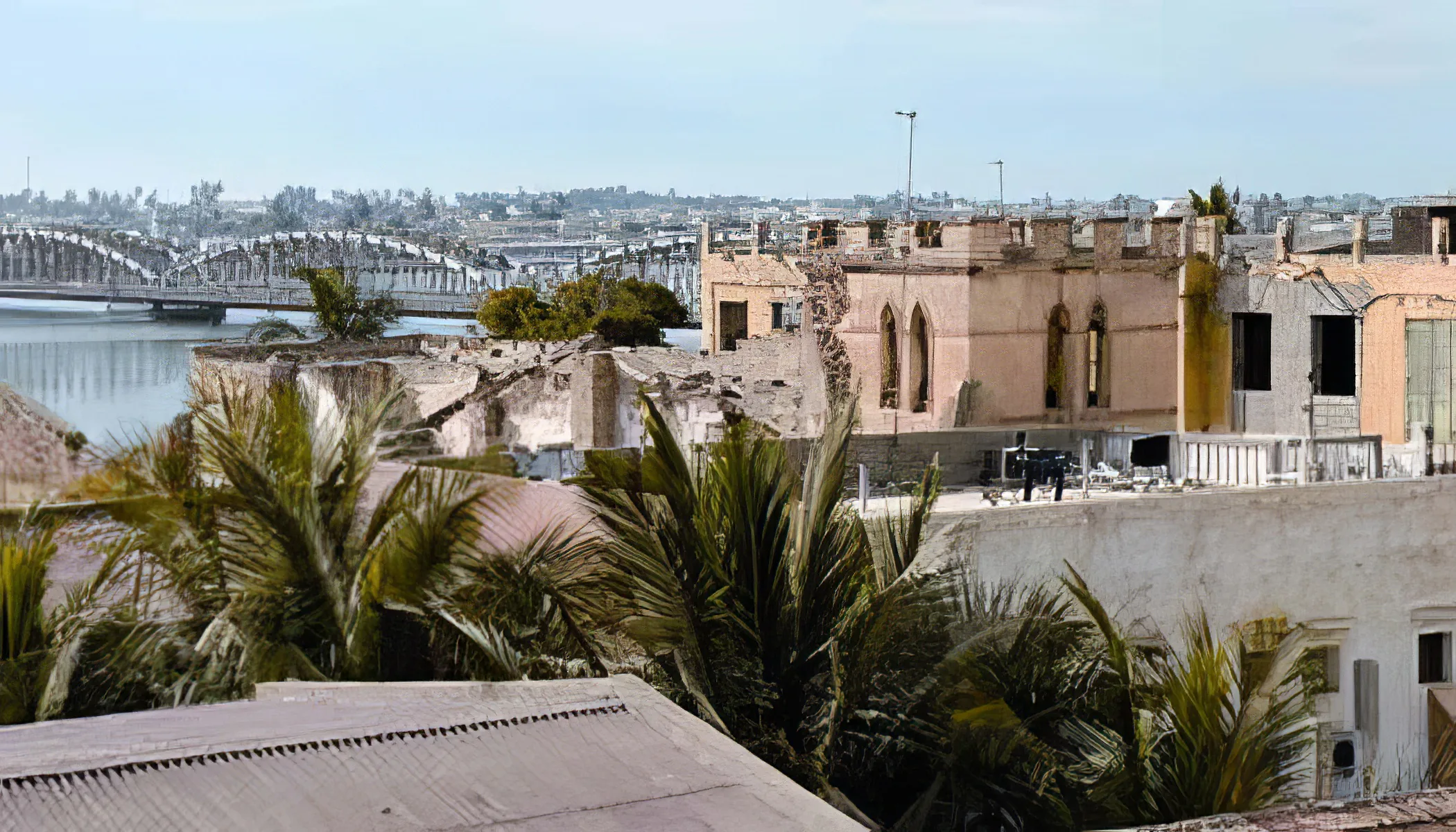
This city, located at the mouth of the Senegal River, is known for its colonial architecture and dynamic culture. It was once the capital of French West Africa and features a mix of historical sites and dynamic market life.
- Airport
- Saint-Louis at 18 km – Int'l.
- Est. Visit Days
- 2 days
Overview
Saint-Louis, located in Senegal, is known for its colonial architecture and historical significance. The city is a UNESCO World Heritage site, attracting visitors interested in culture and history. Pros include its remarkable arts scene and proximity to natural attractions like the Langue de Barbarie National Park. However, the city faces challenges such as limited infrastructure and occasional flooding during the rainy season. Overall, Saint-Louis offers a unique experience but may not suit all travelers' needs.
Traffic & Transport
The city features a network of narrow streets that can become congested, especially during peak hours. The best way to explore is by walking or using bicycles, as this allows tourists to navigate the charming colonial architecture and enjoy the nice local culture at a leisurely pace. For longer distances, motorcycles taxis, known locally as "Jakartas," are popular and provide a quick means of transport. Public minibuses also operate but may be less comfortable for tourists unfamiliar with the routes. Reliable taxi services include several local companies that prioritize safety and customer service; however, specific names may vary. While there may not be widely used taxi-booking apps in the area, many hotels can assist with arranging transportation for visitors.
History
The area was first settled by the French in the 17th century and became a key trading post for commerce, particularly in slaves and goods. It served as the capital of French West Africa until 1902, influencing its architecture and urban layout. The city played a significant role during colonial rule, attracting merchants and settlers from various backgrounds. Following independence in 1960, it experienced economic decline but retained cultural significance through music and art. Today, it reflects a blend of African and French cultures in its traditions and festivals.
Itinerary Sample
This itinerary provides a structured plan for exploring Saint-Louis, Senegal over two days.
– First day: Visit the historic island of Saint-Louis, explore the colonial architecture, and stroll along the Faidherbe Bridge. Experience local cuisine at a nearby restaurant.
– Second day: Take a trip to the Langue de Barbarie National Park for birdwatching, visit the fishing village of Guet N'dar, and enjoy local markets before departure.
Near Excursion
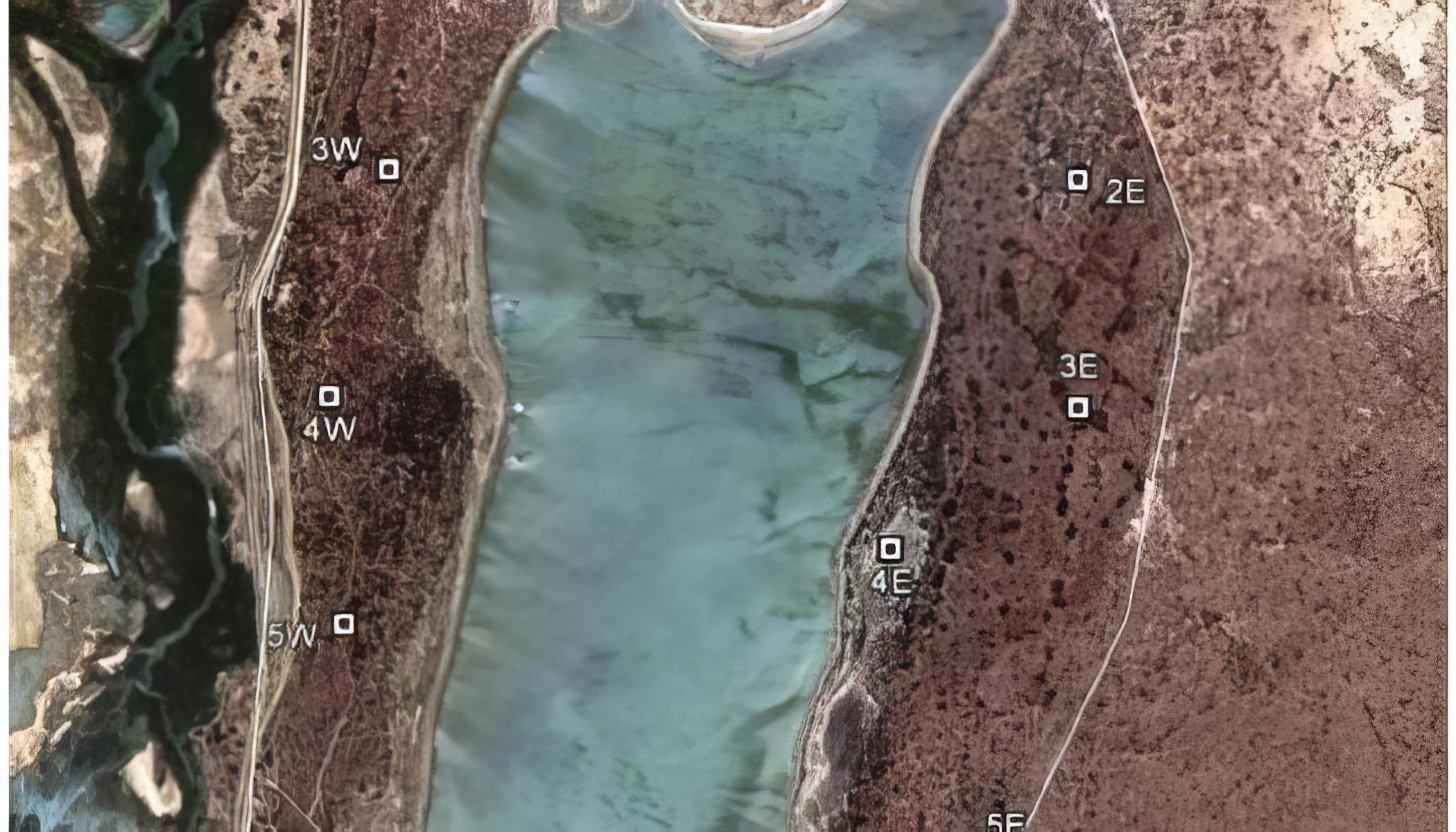
This city offers several interesting day-trip options within a reasonable distance. Here are some suggestions:
– Djoudj National Bird Sanctuary at 60 km: A UNESCO World Heritage site, it's a haven for birdwatchers with millions of migratory birds.
– Langue de Barbarie National Park at 25 km: Known for its beaches and diverse birdlife, ideal for nature enthusiasts.
– Guembeul Natural Reserve at 15 km: A small reserve focused on protecting endangered species like the African tortoise.
– Richard Toll at 100 km: A town known for its sugar industry and colonial architecture, offering insights into local culture.
– Podor at 130 km: Visit this historic trading post along the Senegal River with remnants of colonial history.
Attraction
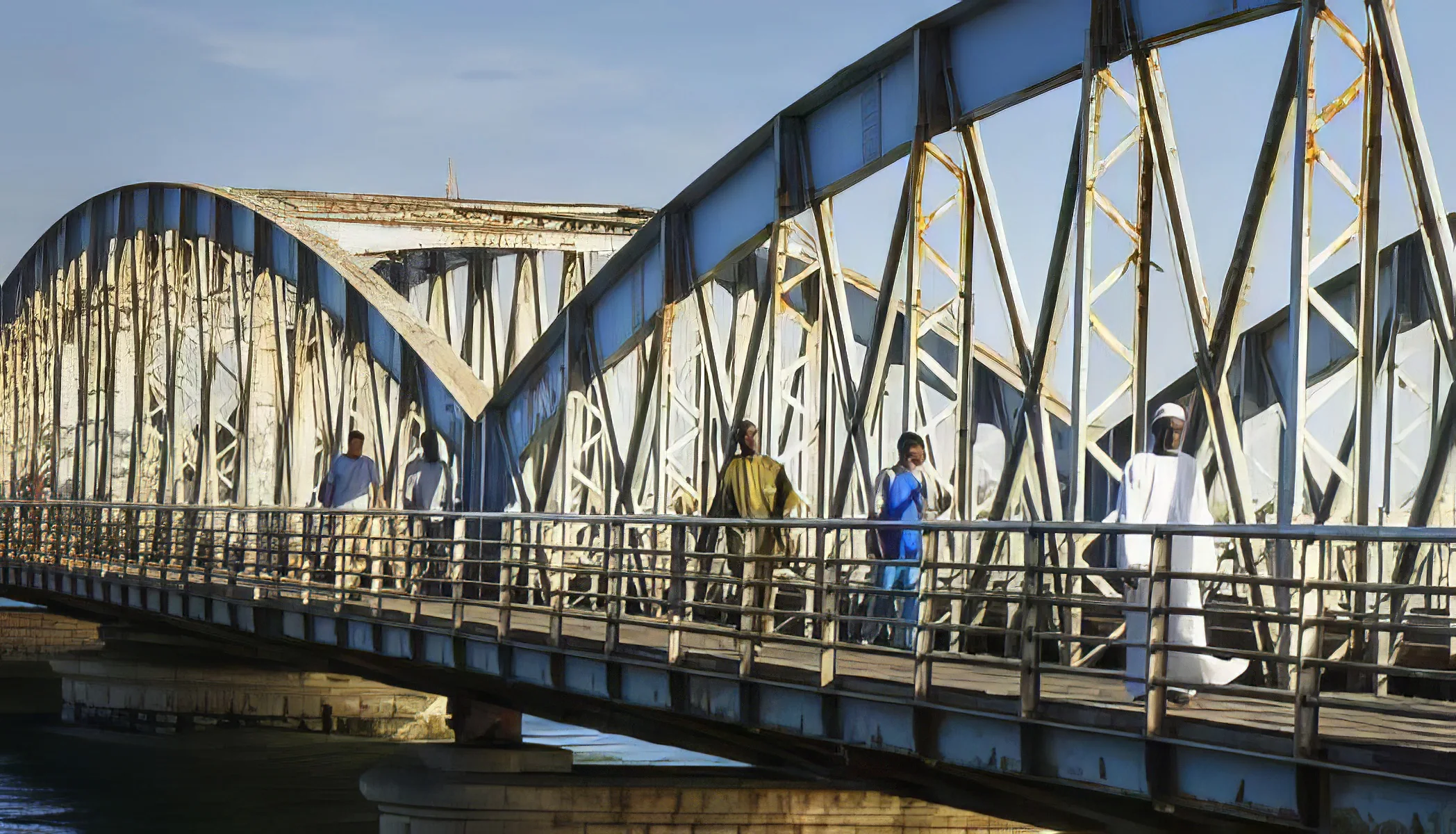
This city is known for its colonial architecture and charming cultural scene.
– Faidherbe Bridge: An iconic metal bridge built in the 19th century, connecting the city to the mainland.
– Island of Ndar: Explore historic buildings and narrow streets showcasing French colonial architecture.
– Djoudj National Bird Sanctuary: A UNESCO World Heritage site, home to thousands of migratory birds.
– Guet Ndar Fishing Village: Experience local fishing culture with colorful boats and lively markets.
– The Great Mosque: A significant religious site featuring impressive Islamic architecture.
– Musée de la Photographie de Saint-Louis: Discover a collection of photographs depicting local history and culture.
Activity
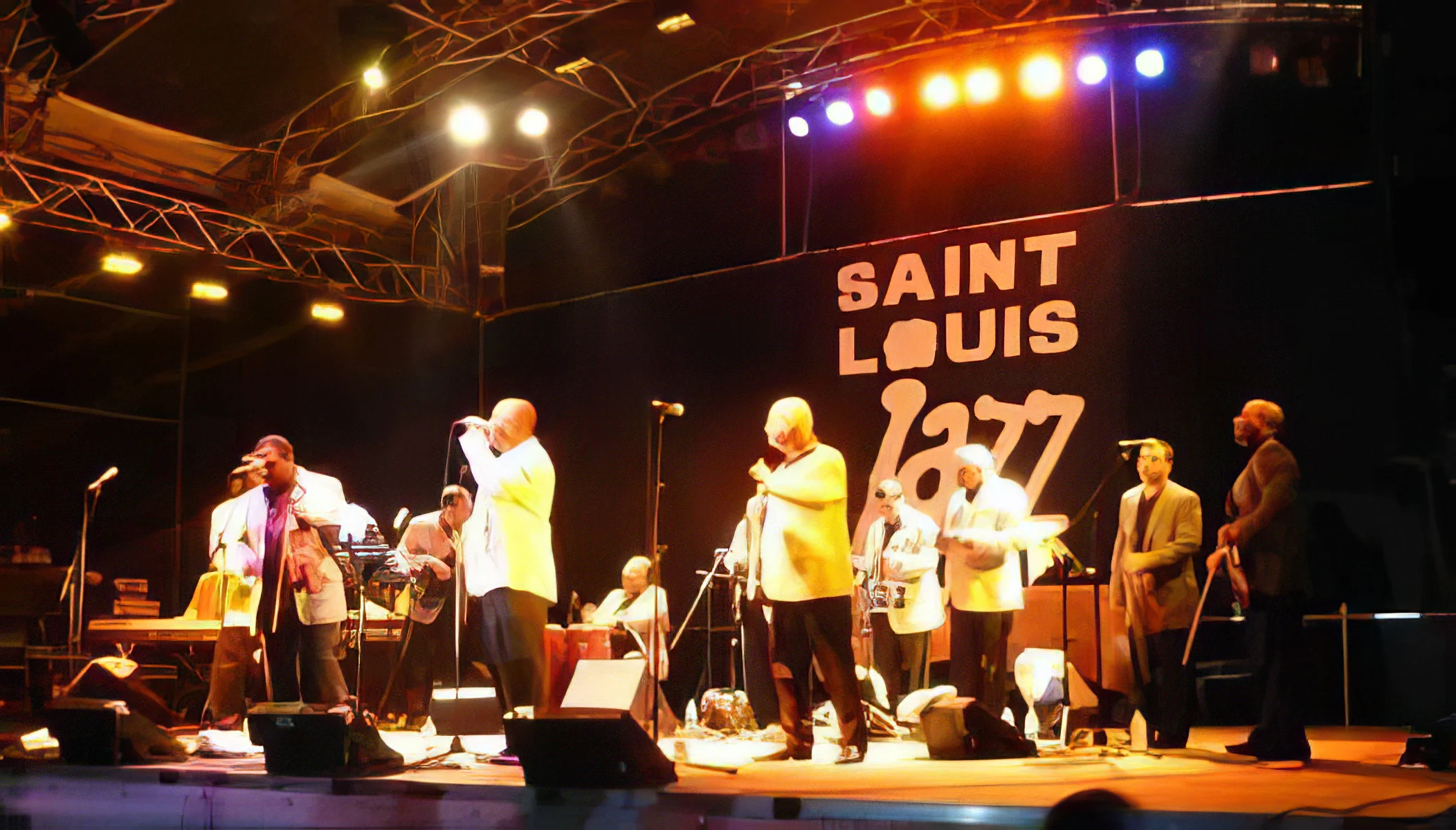
In Saint-Louis, travelers can explore unique cultural experiences, local markets, and natural beauty along the Senegal River and coastline.
– Sandboarding: Experience the thrill of sandboarding on the dunes near Saint-Louis for an adventurous day out.
– Birdwatching in Djoudj National Bird Sanctuary: Observe diverse bird species in their natural habitat at this UNESCO World Heritage site.
– Traditional fishing village visit: Discover local fishing techniques and interact with fishermen in nearby villages along the river.
– St. Louis Jazz Festival: Enjoy live music performances featuring local and international artists during this annual event celebrating jazz culture.
– Horse-drawn carriage ride: Take a leisurely ride through the historic streets of Saint-Louis to appreciate its colonial architecture.
Cuisine
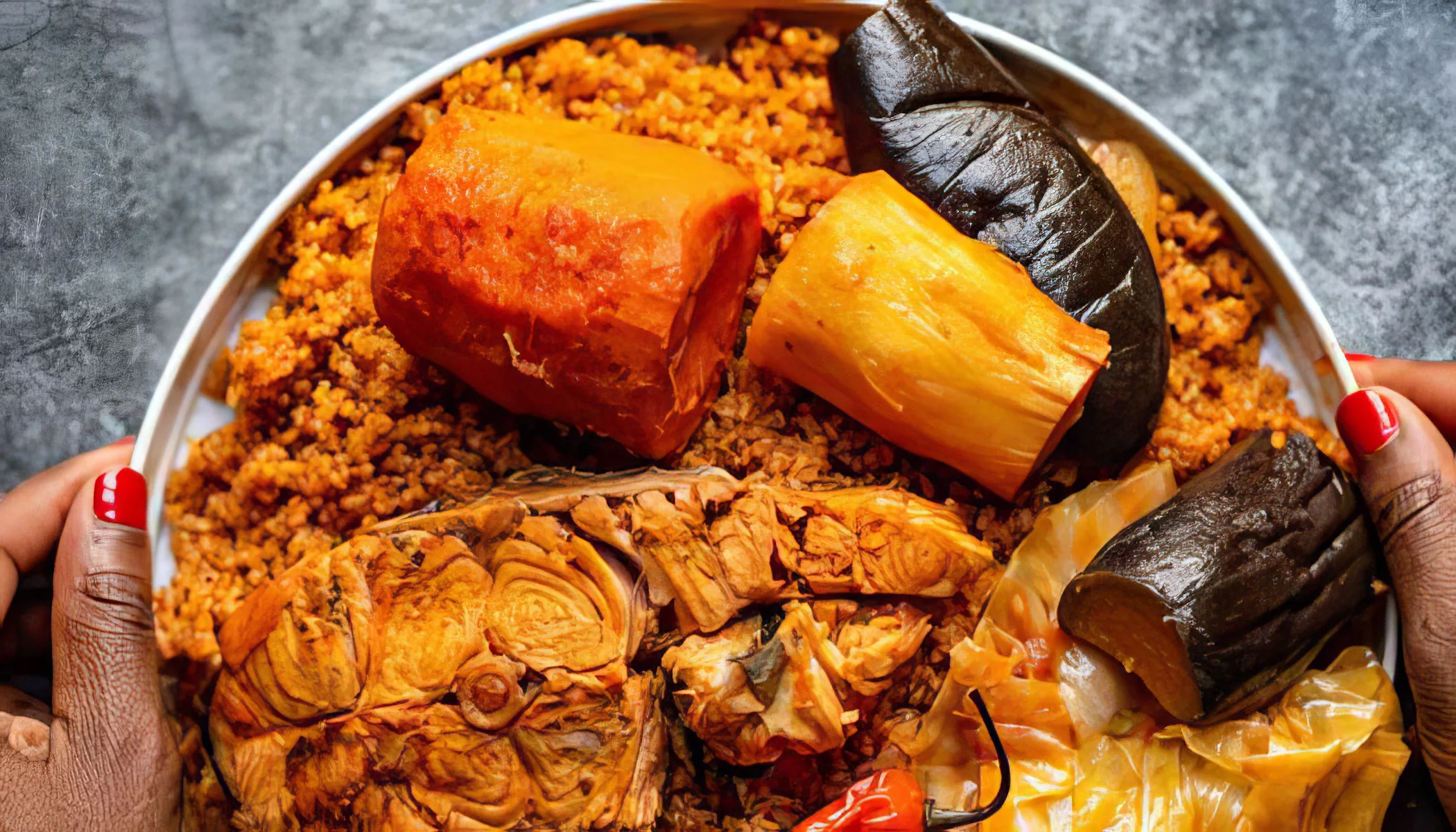
The city offers a rich culinary tapestry influenced by French, African, and Portuguese gastronomy. Some of the city's most famous dishes include:
– Thieboudienne: Senegal's national dish with rice, fish, and vegetables in tomato sauce.
– Yassa Poulet: Chicken marinated in lemon and onions, then grilled or simmered.
– Mafe: Peanut butter stew often made with meat and vegetables.
– Pastels: Deep-fried pastries filled with fish or meat, served as snacks.
– Bissap Juice: Popular sweet beverage made from hibiscus flowers.
– Thiakry: Sweet millet pudding mixed with yogurt or milk.
Shopping

There are local markets where you can find handmade crafts and textiles. Look for traditional items like woven baskets or colorful fabrics. Jewelry made from local materials is also popular. Consider purchasing a piece of art from a local artist as a unique gift. These items reflect the culture and craftsmanship of the area. They are often appreciated by those who enjoy authentic souvenirs.
Arts & Culture
The city is known for its dynamic music scene, particularly in genres like mbalax and hip-hop. The annual Saint-Louis Jazz Festival attracts international artists and showcases both local and global talent. Art galleries in the area often feature works from Senegalese artists, reflecting the region's rich cultural heritage. Additionally, traditional dance performances can be seen at various cultural events throughout the year.