

Sightseeing in Salamanca: Culture & Must‑See Spots
This city, known for its prestigious university and striking sandstone architecture, is nestled in the western part of the Iberian Peninsula. It boasts a rich history, evident in its Old City, a UNESCO World Heritage site.
- Size
- 39 square km
- Airport
- Salamanca – domestic
- Train Station
- Estación de Salamanca
- Est. Visit Days
- 2 days
Overview
Salamanca, located in western Spain, is renowned for its rich history and well-preserved architecture, notably its two cathedrals and the famous University of Salamanca, one of the oldest in Europe. The city's Plaza Mayor is a hub of activity and a beautiful example of Spanish Baroque style. Salamanca's old town is a UNESCO World Heritage site, attracting many visitors. However, the city can be quite crowded, especially during the academic year, which might detract from the experience for some. Additionally, the cost of living and tourism in Salamanca can be relatively high compared to other Spanish cities.
Traffic & Transport
The city's compact size and well-preserved historic center make it ideal for exploring on foot, which is often the best way to experience its charm. For longer distances, buses are available and provide a convenient and cost-effective option, with routes covering the main tourist areas. Bicycles are also a popular choice, offering visitors a flexible and eco-friendly way to navigate the city. However, it's important to note that the historic center is mostly pedestrianized, limiting vehicle access. For those preferring taxi services, several reliable taxi companies operate in the city, including Radio Taxi and Tele Taxi. Additionally, the use of taxi-booking apps like MyTaxi provides a convenient option for securing a cab, allowing for easy access to transportation at any time.
History
Founded by the Celtiberians and later conquered by the Carthaginians, this city was a significant Roman settlement, known for its trade in gold and agricultural products. It became a key location for the Visigoths before being captured by the Moors in the 8th century. The city was reconquered by the Christians in the 11th century and soon developed into a major center for learning, particularly in the fields of law and theology. It experienced a period of prosperity during the Spanish Golden Age, attracting scholars and artists from across Europe. The city's historic university, established in 1218, has been a focal point of its cultural development, influencing its architecture and traditions.
Itinerary Sample
Explore the highlights of Salamanca over two days with this focused itinerary:
– First day: Visit the Plaza Mayor, explore the University of Salamanca, and see the Old and New Cathedrals.
– Second day: Tour the Casa de las Conchas, stroll through the Huerto de Calixto y Melibea, and visit the Convento de San Esteban.
Near Excursion
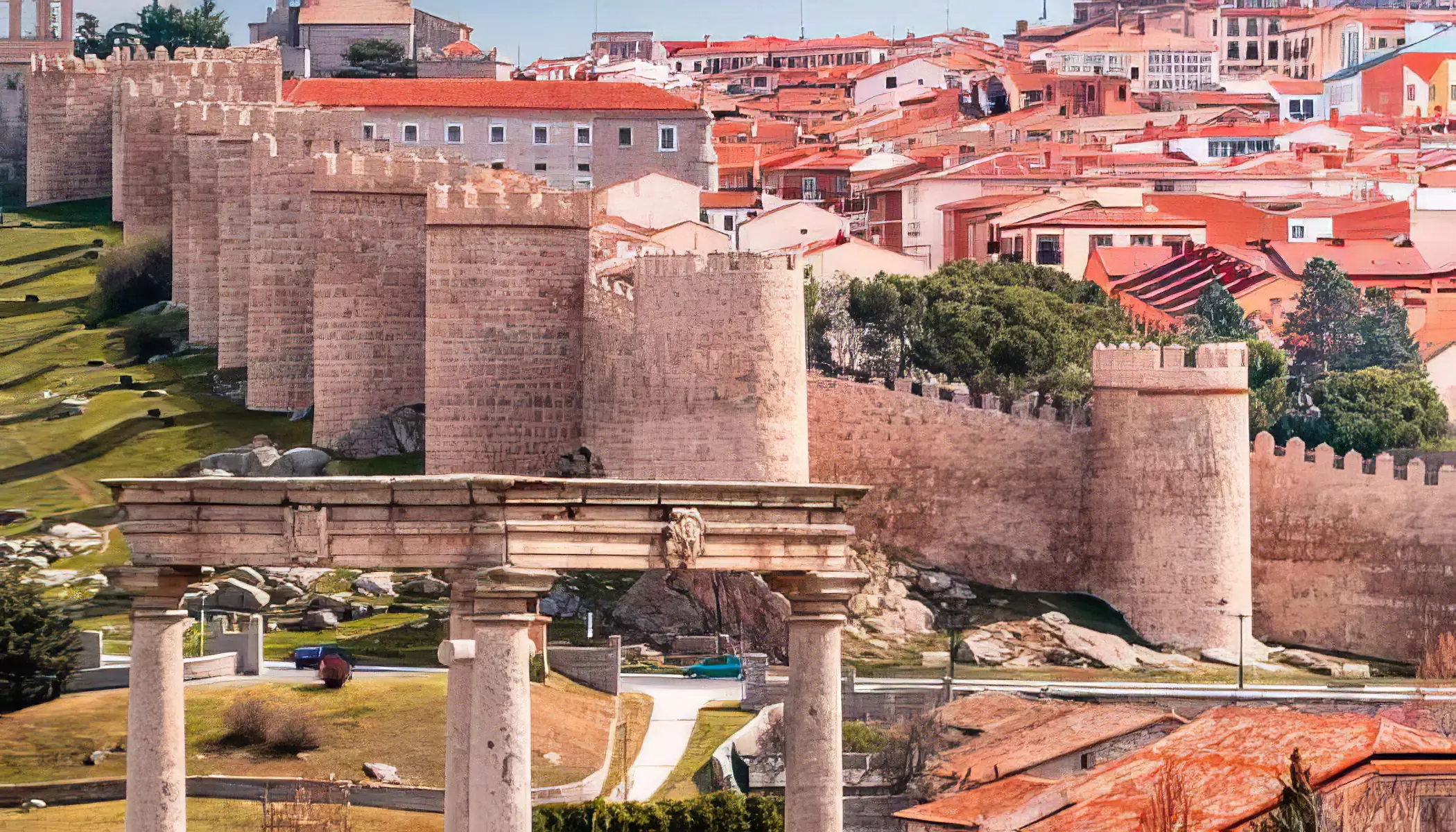
This city offers several interesting day trips within a short distance. Here are some suggestions:
– Ávila at 110 km: Famous for its well-preserved medieval walls and historic sites.
– Zamora at 65 km: Known for its Romanesque architecture and beautiful churches.
– Ciudad Rodrigo at 90 km: A historic walled city with a rich cultural heritage.
– La Alberca at 75 km: A pleasant village with traditional Spanish architecture and charming streets.
– Toro at 95 km: Renowned for its wine production and historic monuments.
Attraction
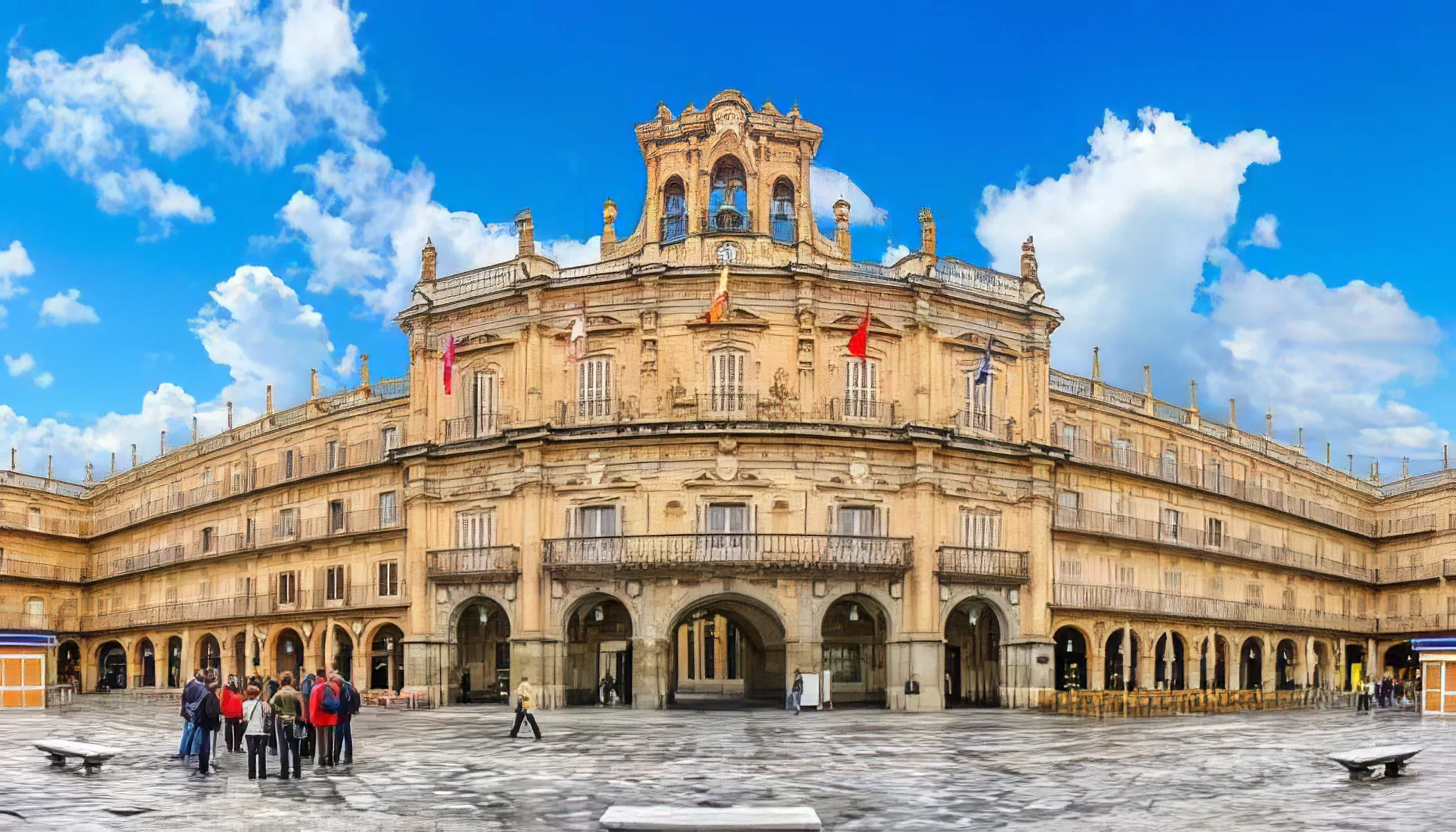
This city is known for its rich history, beautiful architecture, and lively university atmosphere.
– Plaza Mayor: A grand square known for its impressive Baroque architecture and lively atmosphere.
– University: One of the oldest universities in Europe, famous for its historic buildings and academic heritage.
– Casa de las Conchas: A unique building adorned with over 300 stone shells on its facade.
– New Cathedral: A stunning Gothic and Baroque cathedral with refined details and a famous astronaut carving.
– Old Cathedral: A Romanesque cathedral with beautiful frescoes and a quiet atmosphere.
– Roman Bridge: An ancient bridge offering charismatic views of the city and the Tormes River.
Activity
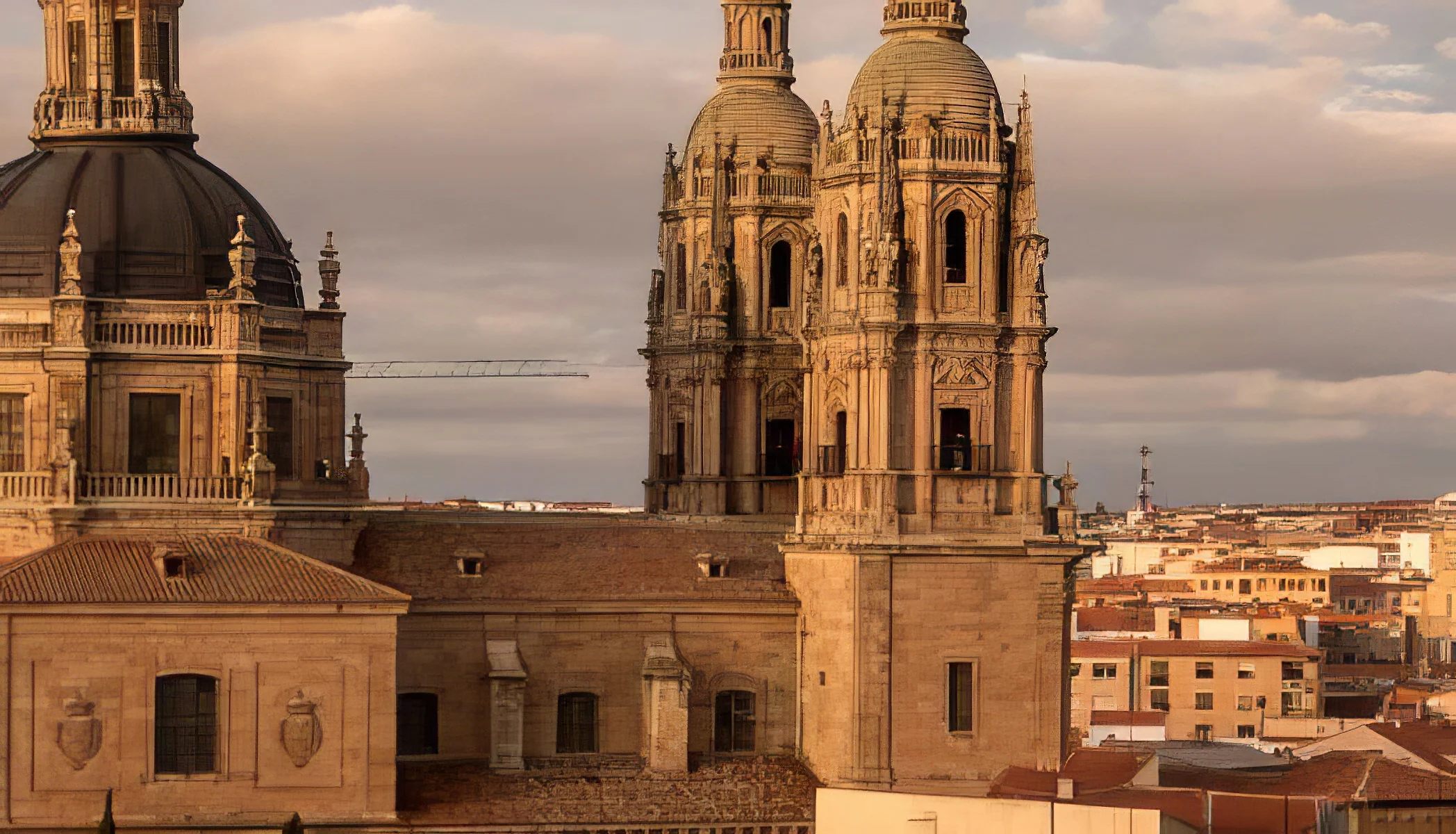
In Salamanca, travelers can enjoy unique architecture, historic sites, and traditional Spanish culture.
– Climb the Cathedral Towers: Experience panoramic views of the city from the top of the towers.
– Learn Spanish: Take language classes at the University of Salamanca, one of the oldest universities in Europe.
– Attend a Bullfight: Experience a traditional Spanish bullfight at the Plaza de Toros.
– Explore the Cave of Salamanca: Visit a legendary cave with historical and mythical significance.
– Participate in a Flamenco Workshop: Learn the art of Flamenco dance in a local class.
Cuisine

The city offers a rich culinary tradition with a focus on hearty, traditional Spanish dishes. Local markets and restaurants serve a variety of regional specialties.
– Hornazo: A savory pastry filled with pork, chorizo, and hard-boiled eggs.
– Jamón Ibérico: Cured Iberian ham, often served thinly sliced as a tapa.
– Chanfaina: A rice dish cooked with lamb, chorizo, and spices.
– Lentejas de la Armuña: Lentil stew made with local Armuña lentils, vegetables, and sometimes chorizo.
– Tarta de Almendra: Almond cake, often enjoyed as a dessert.
– Rosquillas de Ledesma: Traditional anise-flavored doughnuts, typically enjoyed during festivals.
Shopping
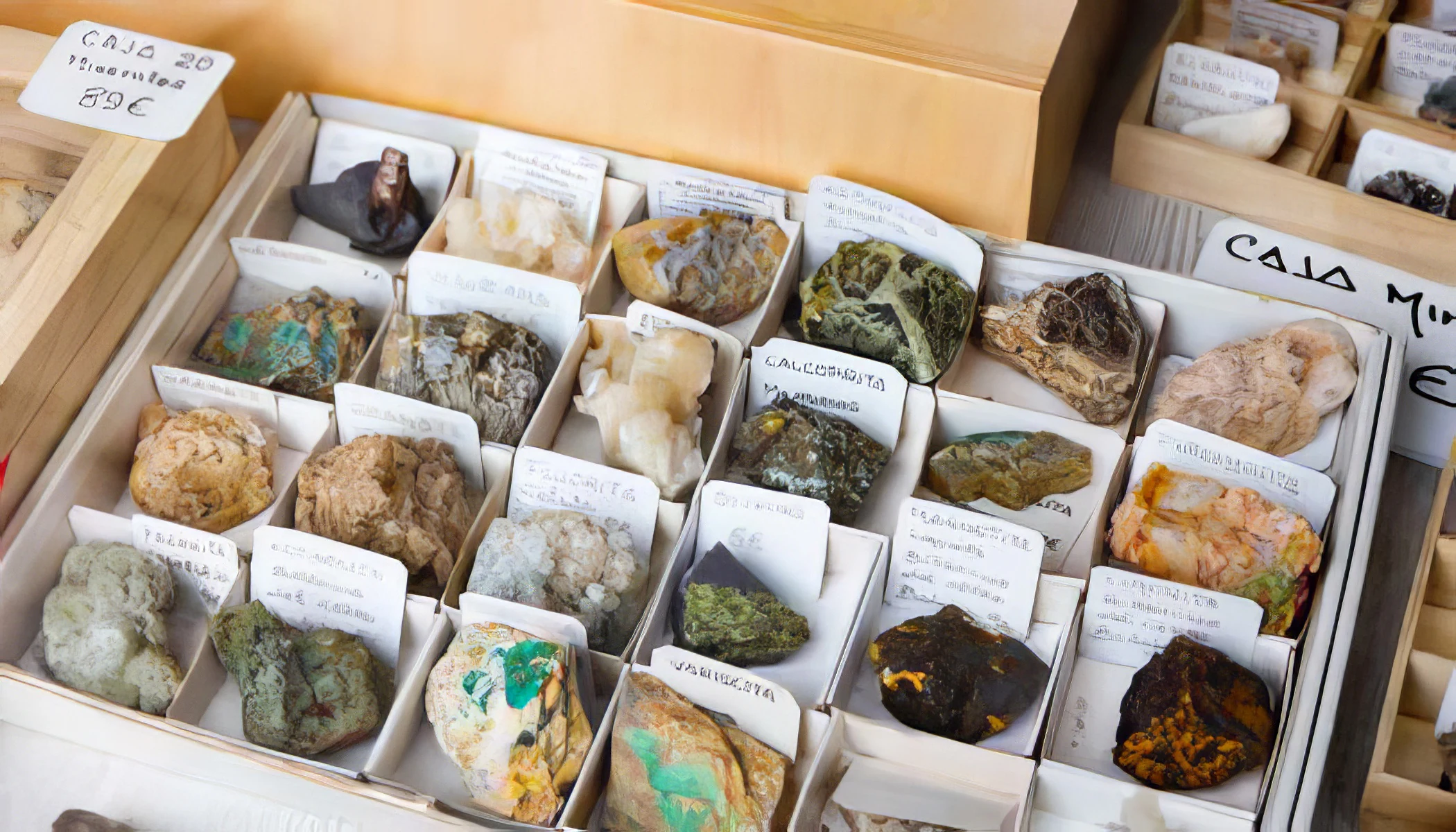
In the city, the best shopping experience can be found in the historic center, where traditional shops offer a variety of local crafts and souvenirs. A popular gift to purchase is the finely crafted filigree jewelry, which is a specialty of the area. Leather goods, such as wallets and belts, are also of high quality and make excellent gifts. For food enthusiasts, local charcuterie, particularly the famous Iberian ham, is a must-buy. The lively market on Plaza Mayor is ideal for experiencing local shopping culture and finding unique artisanal products. Ceramics and embroidered linens are also beautiful, traditional gifts that reflect the local craftsmanship.
Arts & Culture
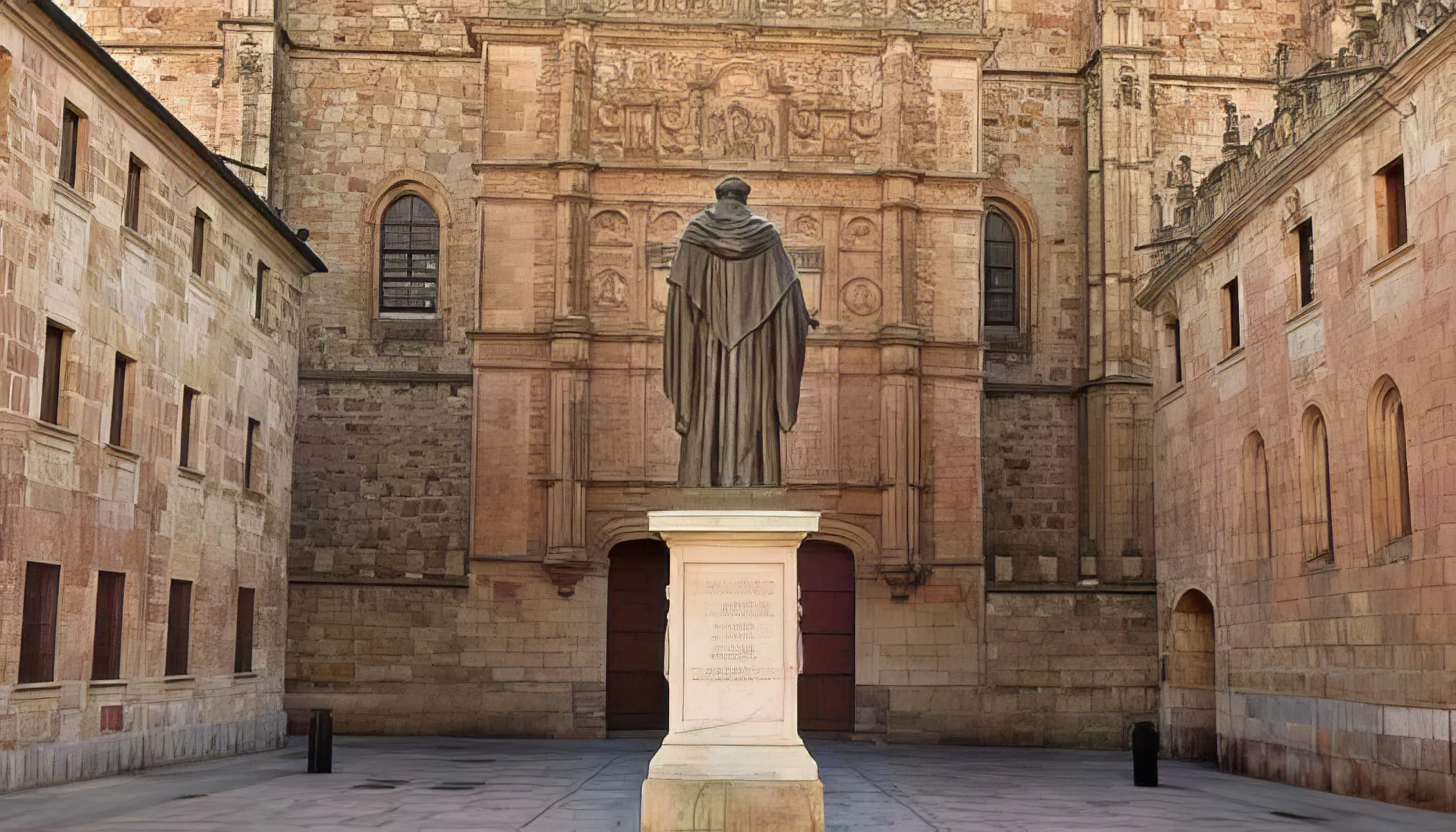
The city is renowned for its vibrant cultural scene, particularly its historic University, which is one of the oldest in Europe and a UNESCO World Heritage site, often hosting academic and cultural events. The Festival de Luz y Vanguardias is an annual event where artists use light as a medium to project spectacular visuals on the city's historic buildings. The city also boasts several museums, including the Art Nouveau and Art Deco Museum, which houses a collection of decorative arts. Additionally, the Old and New Cathedrals offer a blend of architectural styles and art ranging from the 12th to the 18th centuries.