

Sightseeing in Salzburg: Culture & Must‑See Spots
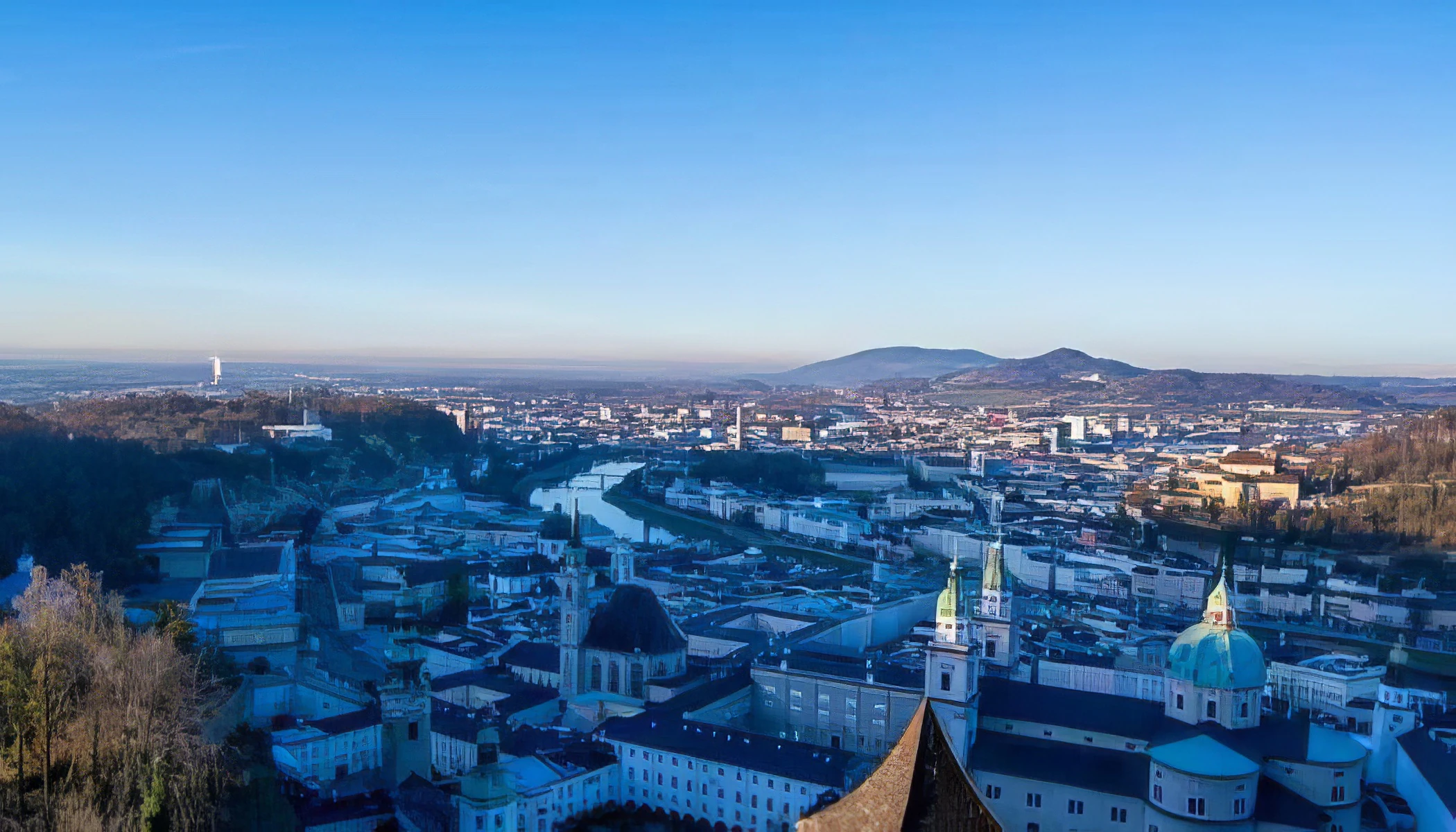
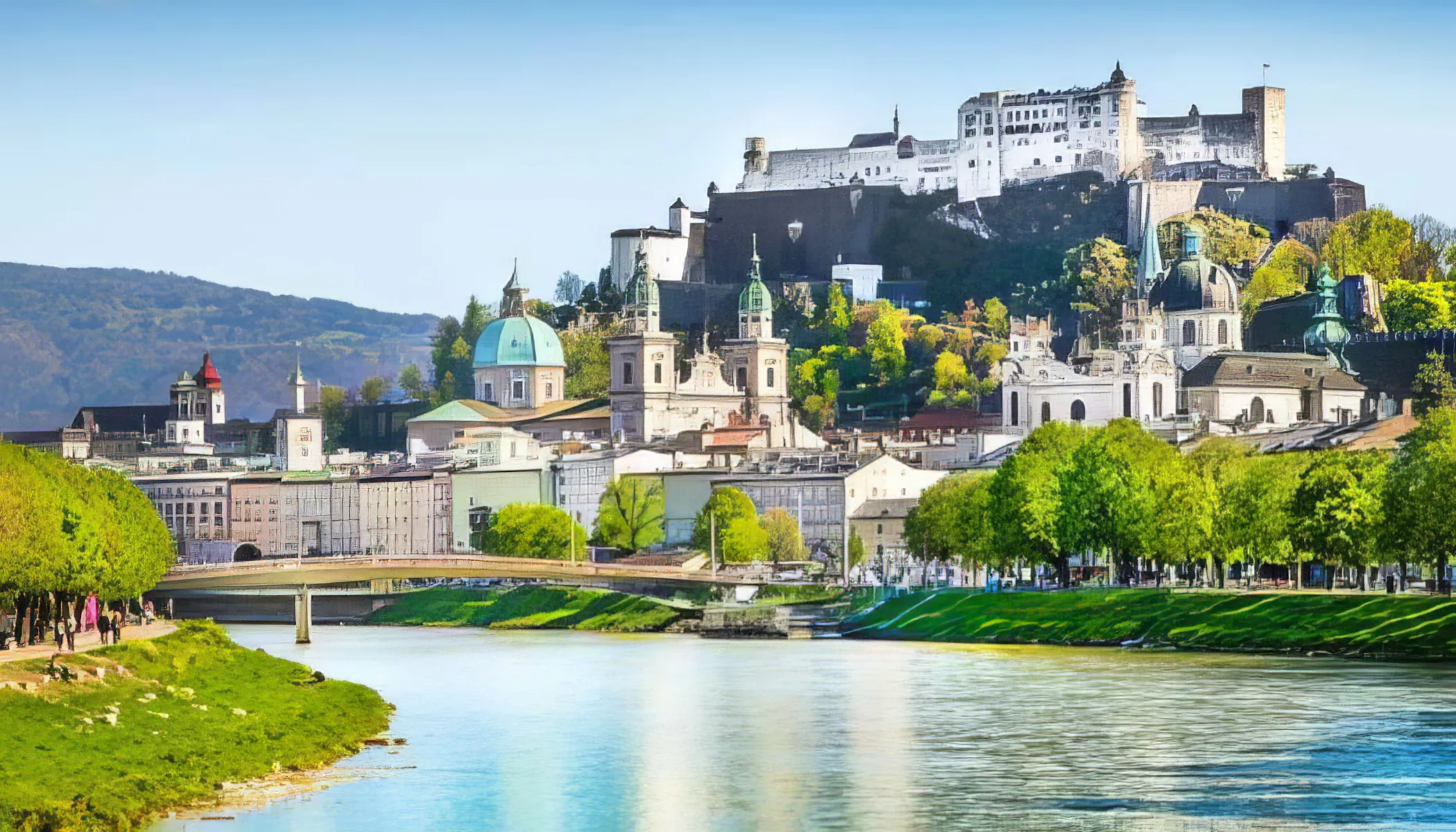
This city is known for its baroque architecture and as the birthplace of a famous composer. It features a historic old town, a fortress overlooking the area, and is surrounded by charming mountains and rivers.
- Population
- 0.16 millions
- Size
- 65 square km
- Airport
- Salzburg W. A. Mozart – Int'l
- Train Station
- Salzburg Hauptbahnhof.
- Est. Visit Days
- 2 days
Overview
Salzburg, Austria, is known for its baroque architecture and as the birthplace of Mozart. Pros include its nice old town, rich cultural heritage, and easy access to the Alps. The city offers various festivals and events throughout the year. However, it can be crowded with tourists, especially in summer, which may affect the experience. Additionally, living costs in Salzburg are relatively high compared to other Austrian cities.
Traffic & Transport
The city features an efficient public transportation system, making it easy for tourists to navigate. Trams and buses are frequent and provide access to major attractions, while walking is also a pleasant option given the city's compact size. Bicycles can be rented from various locations, offering a scenic way to explore the area. For those looking for convenience, using electric scooters available throughout the city can be a fun alternative. Reliable taxi companies operate in the area, including local firms that are well-reviewed for their service. Popular taxi-booking apps such as Uber may also be available, providing an easy way to arrange transportation on-demand.
History
The city was founded in Roman times as a salt trading post, benefiting from its location near salt mines. In the early Middle Ages, it became an important ecclesiastical center under the rule of the Prince-Archbishops. The city experienced significant growth during the Baroque period, marked by architectural developments and cultural advancements. It was part of various territorial changes through wars, including the Napoleonic Wars in the early 19th century. By the end of World War I, it became part of modern-day Austria after being part of different empires throughout history.
Itinerary Sample
Here is a suggested 2-day itinerary for exploring Salzburg, Austria.
– First day: Visit Mirabell Palace And Gardens, explore the Old Town (Altstadt), see Mozart's birthplace, and enjoy dinner at a local restaurant.
– Second day: Tour Hohensalzburg Fortress, visit St. Peter's Abbey, stroll through Getreidegasse, and relax in Hellbrunn Palace gardens.
Near Excursion
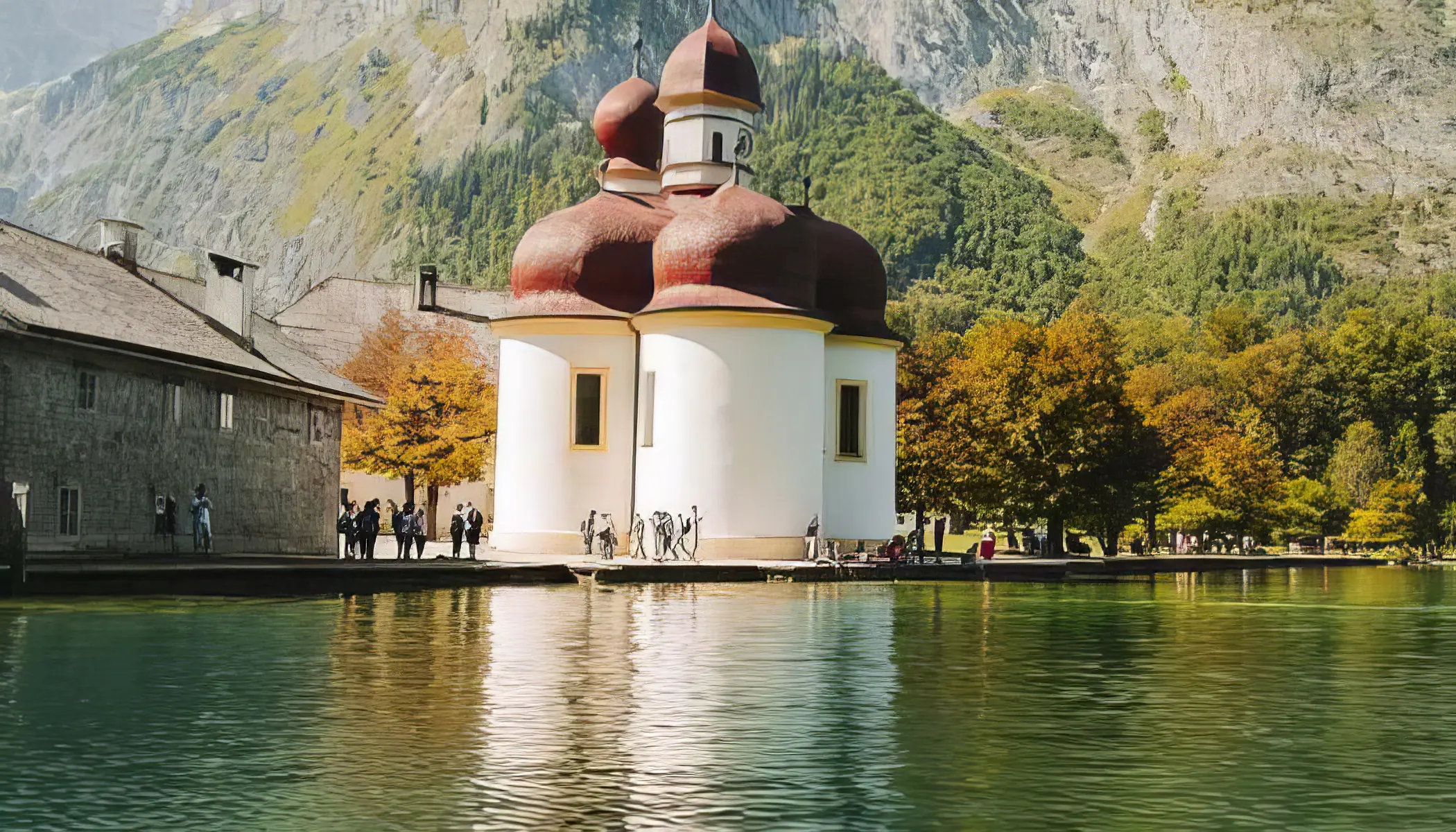
This city offers various day-trip options within a reasonable distance. Here are some recommendations:
– Hallstatt at 80 km: A lovely village by the lake, famous for its salt mines and gorgeous alpine views.
– Berchtesgaden at 30 km: Known for its national park and the Eagle’s Nest, offering dramatic mountain scenery.
– Königssee at 40 km: A beautiful emerald-green lake surrounded by steep mountains, ideal for boat trips.
– Wolfgangsee at 50 km: Offers scenic landscapes and opportunities for water sports and hiking in the Salzkammergut region.
– Werfen Ice Caves at 55 km: Home to the largest ice cave system in the world, featuring impressive ice formations.
Attraction
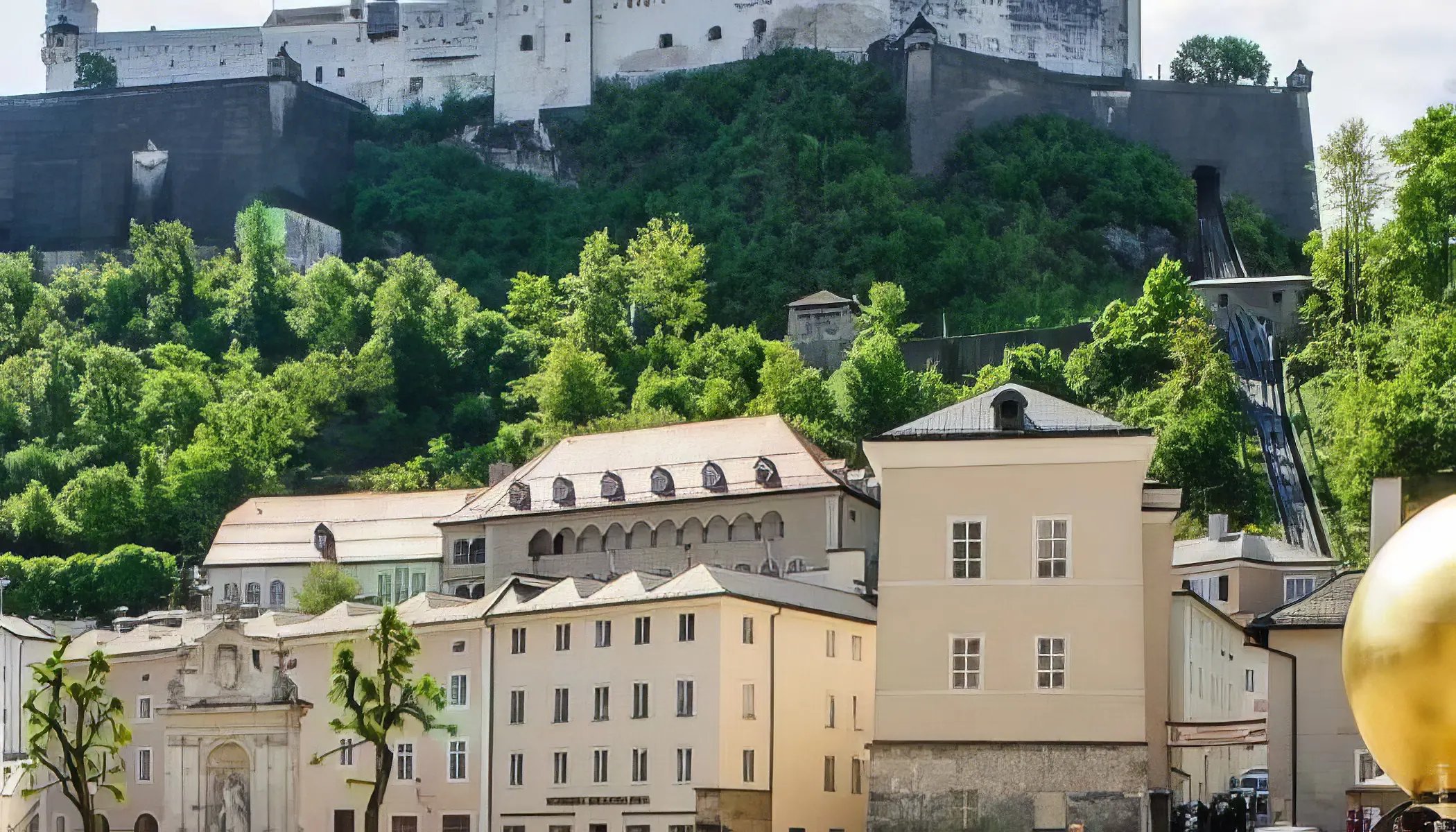
Known for its baroque architecture and musical heritage, this city offers a rich cultural experience.
– Hohensalzburg Fortress: A well-preserved medieval fortress offering panoramic views and insight into the city's history.
– Mirabell Palace And Gardens: Famous for its beautiful gardens and classical music concerts in an elegant setting.
– Mozart's Birthplace: A museum dedicated to the life and works of composer Wolfgang Amadeus Mozart.
– Salzburg Cathedral: An iconic 17th-century cathedral known for its gorgeous baroque architecture.
– Getreidegasse: A historic shopping street with charming shops, cafes, and traditional wrought iron signs.
– Hellbrunn Palace: Known for its trick fountains, this palace offers guided tours of its sprawling grounds.
Activity
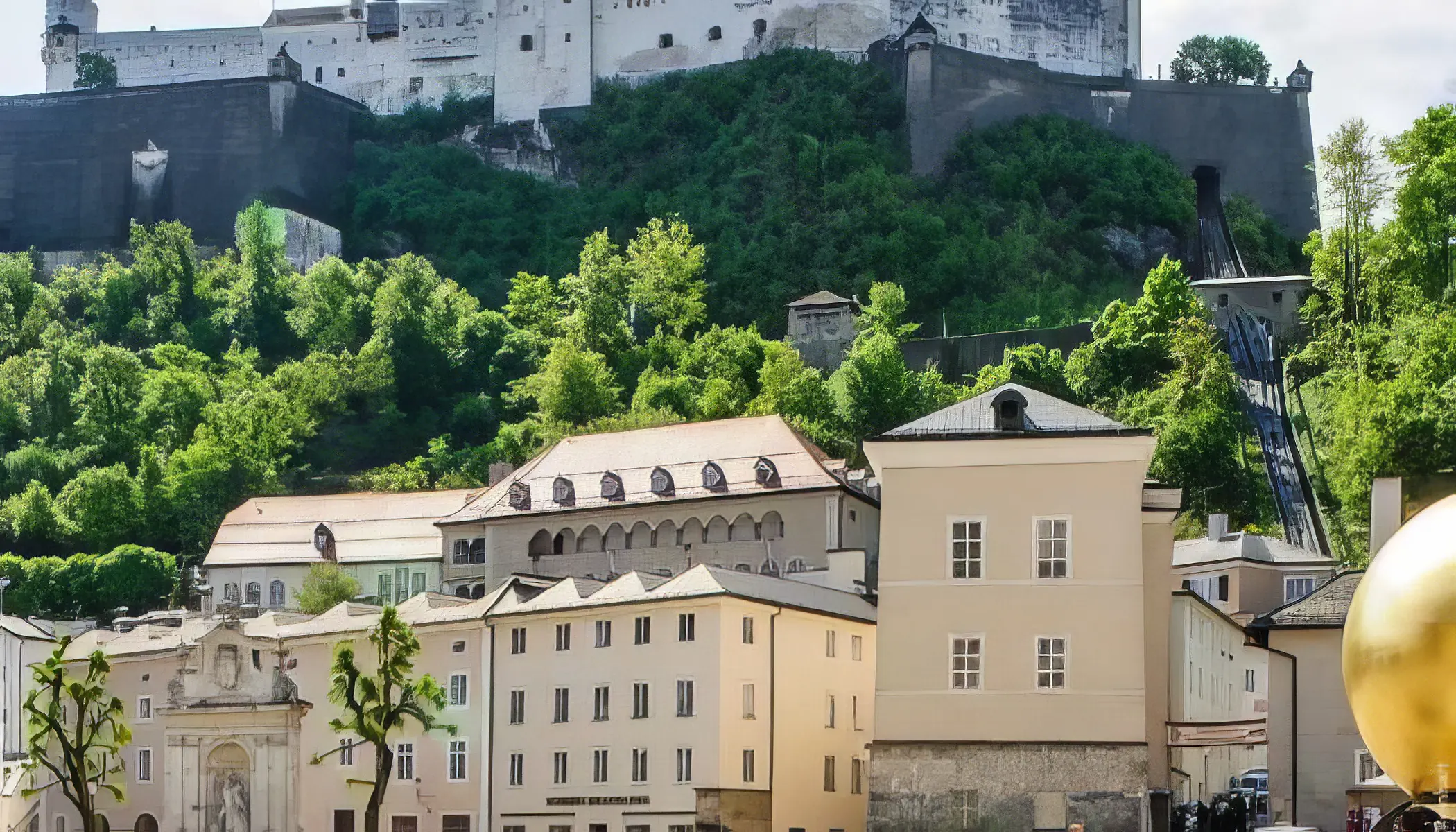
Salzburg offers a mix of outdoor activities, cultural experiences, and unique local events for travelers to enjoy.
– Hiking in the Untersberg: Explore scenic trails with lovely views of the Alps just outside the city.
– Sound of Music Tour: Visit filming locations from the famous movie while learning about its history and impact.
– Salzach River Cruise: Enjoy a leisurely boat ride along the river with charming views of Salzburg's architecture.
– Fortress Hohensalzburg: Take a funicular ride to this medieval fortress for panoramic views and historical insights.
– Salzburg Festival: Experience world-class music and theater performances during this annual summer arts festival.
Cuisine
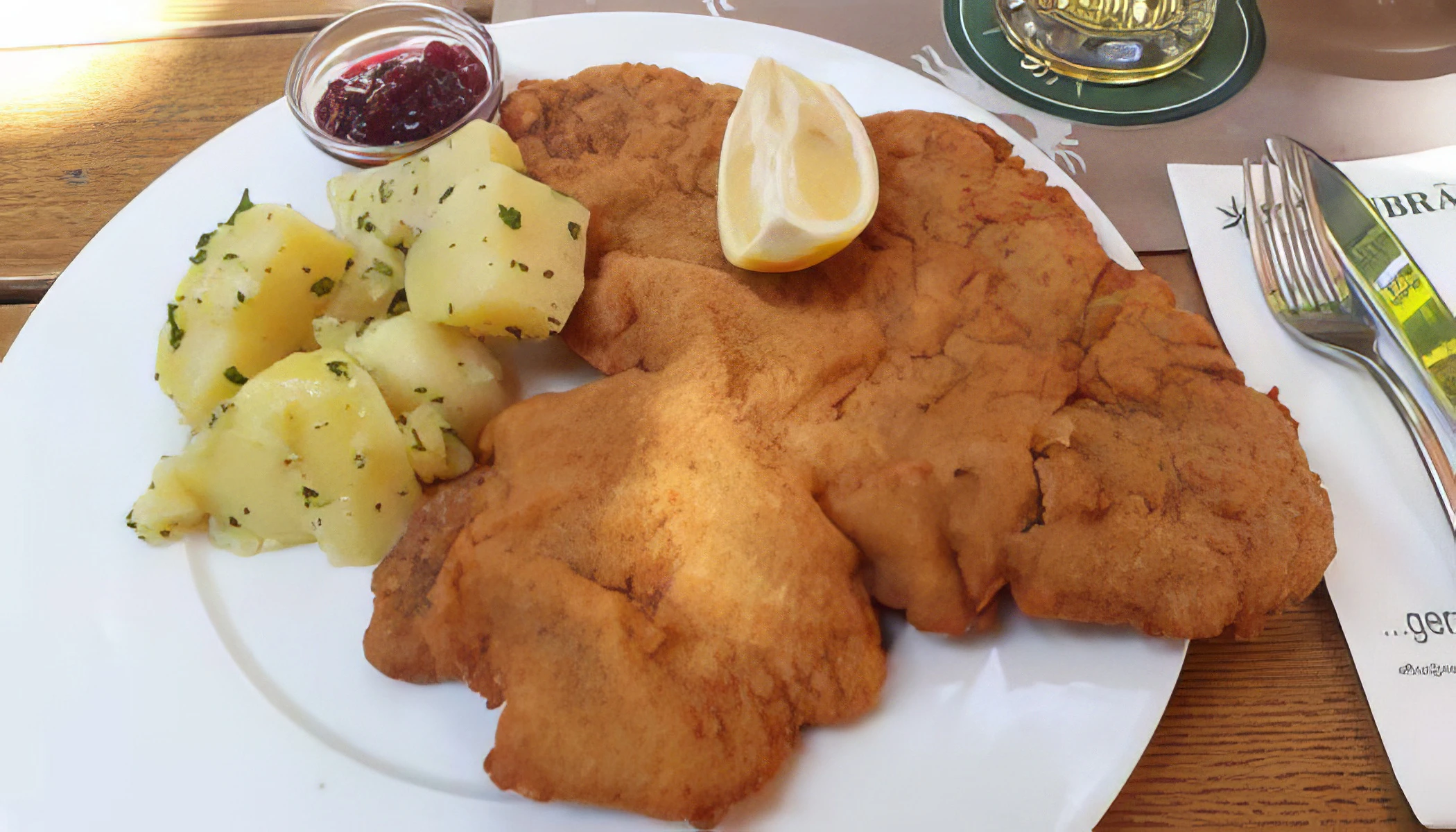
The city offers a blend of traditional Austrian cuisine with a touch of elegance, often found in cozy restaurants and cafes. Some of the city's most famous dishes and desserts include:
– Schnitzel: Breaded and fried meat cutlet, typically served with potatoes or salad.
– Kasnocken: Austrian-style macaroni and cheese made with small dumplings and local cheese.
– Tafelspitz: Boiled beef dish served with horseradish sauce and root vegetables.
– Salzburger Nockerl: Fluffy dessert soufflé dusted with powdered sugar, resembling the nearby mountains.
– Apfelstrudel: Classic pastry filled with spiced apples, raisins, and nuts.
– Mozartkugel: Chocolate confection made of pistachio marzipan, nougat, and dark chocolate coating.
Shopping
You can find quality Austrian crystal products, which make for elegant gifts. Traditional wooden toys are also popular and reflect local craftsmanship. Look for Mozart chocolate as a tasty souvenir. Local fashion boutiques offer unique clothing items made from traditional fabrics. Check out handmade jewelry for a personal touch. Markets often sell regional foods and crafts, providing a variety of gift options.
Arts & Culture
This city is known for its classical music heritage, particularly as the birthplace of composer Wolfgang Amadeus Mozart. The Salzburg Festival, held annually in July and August, features opera, drama, and concerts attracting artists and audiences from around the world. The city also hosts various art exhibitions throughout the year in venues like the Museum der Moderne. Additionally, historic venues such as the Mozarteum provide a platform for performances and music education.