

Sightseeing in Seville: Culture & Must‑See Spots
Located in southern Europe, this city is known for its rich Moorish heritage, animated flamenco dancing, and the historic Alcázar palace. It's also famous for its annual Feria de Abril and orange-scented streets.
- Population
- 690,000
- Size
- 140 square km
- Airport
- San Pablo – Int'l
- Train Station
- Santa Justa
- Subway
- Seville Metro
- Est. Visit Days
- 3 days
Overview
Seville, the capital of Andalusia, Spain, is renowned for its rich history, stunning architecture, and lively culture. The city's main attractions include the Alcázar of Seville, the Cathedral of Saint Mary of the See, and the Plaza de España. Seville is also famous for its traditional festivals, such as the Feria de Abril and Semana Santa, which offer a unique cultural experience. However, visitors might find the summer heat quite intense, which can be a drawback for those not accustomed to high temperatures. Additionally, the city can be quite crowded during peak tourist seasons, potentially affecting the enjoyment of its many sights.
Traffic & Transport
The city's compact size and well-preserved historic center make it ideal for exploring on foot, especially in the central areas where traffic can be congested. For longer distances, the most efficient and popular mode of transport is the extensive network of buses, which cover the city and its outskirts comprehensively. Additionally, Seville offers a tram service that connects key points, providing a scenic and efficient way to travel. Renting a bike is another excellent option, with numerous bike rental shops available, offering a convenient and environmentally friendly way to see the city. For those preferring taxi services, several reliable taxi companies operate in the city, including Radio Taxi and Tele Taxi. Additionally, the use of taxi-booking apps like Cabify and Uber provides a convenient and often quicker way to secure a ride, especially during peak tourist seasons when demand is high.
History
Founded as the Roman city of Hispalis in the 1st century BC, it became a prosperous port due to its location on the Guadalquivir River. The city was later ruled by the Moors from 712 to 1248, during which it was a key center for trade and learning in Al-Andalus. In 1248, it was reconquered by the Christian King Ferdinand III, leading to a period of significant growth and cultural exchange. The city was a major hub for exploration and trade with the Americas in the 16th century, following the discovery of the New World. This historical background has left a rich legacy in its architecture, art, and traditions.
Itinerary Sample
Here's a 3-day itinerary to explore Seville, Spain:
– First day: Visit the Real Alcázar, a stunning royal palace, and then explore Seville Cathedral and Giralda Tower. End your day in the historic Barrio Santa Cruz.
– Second day: Spend the morning at Plaza de España and Parque de María Luisa. In the afternoon, explore the Museo de Bellas Artes and the Metropol Parasol for panoramic city views.
– Third day: Discover the Triana neighborhood, known for its ceramics and flamenco. Visit the Castillo de San Jorge and the Mercado de Triana. Enjoy a flamenco show in the evening.
Near Excursion
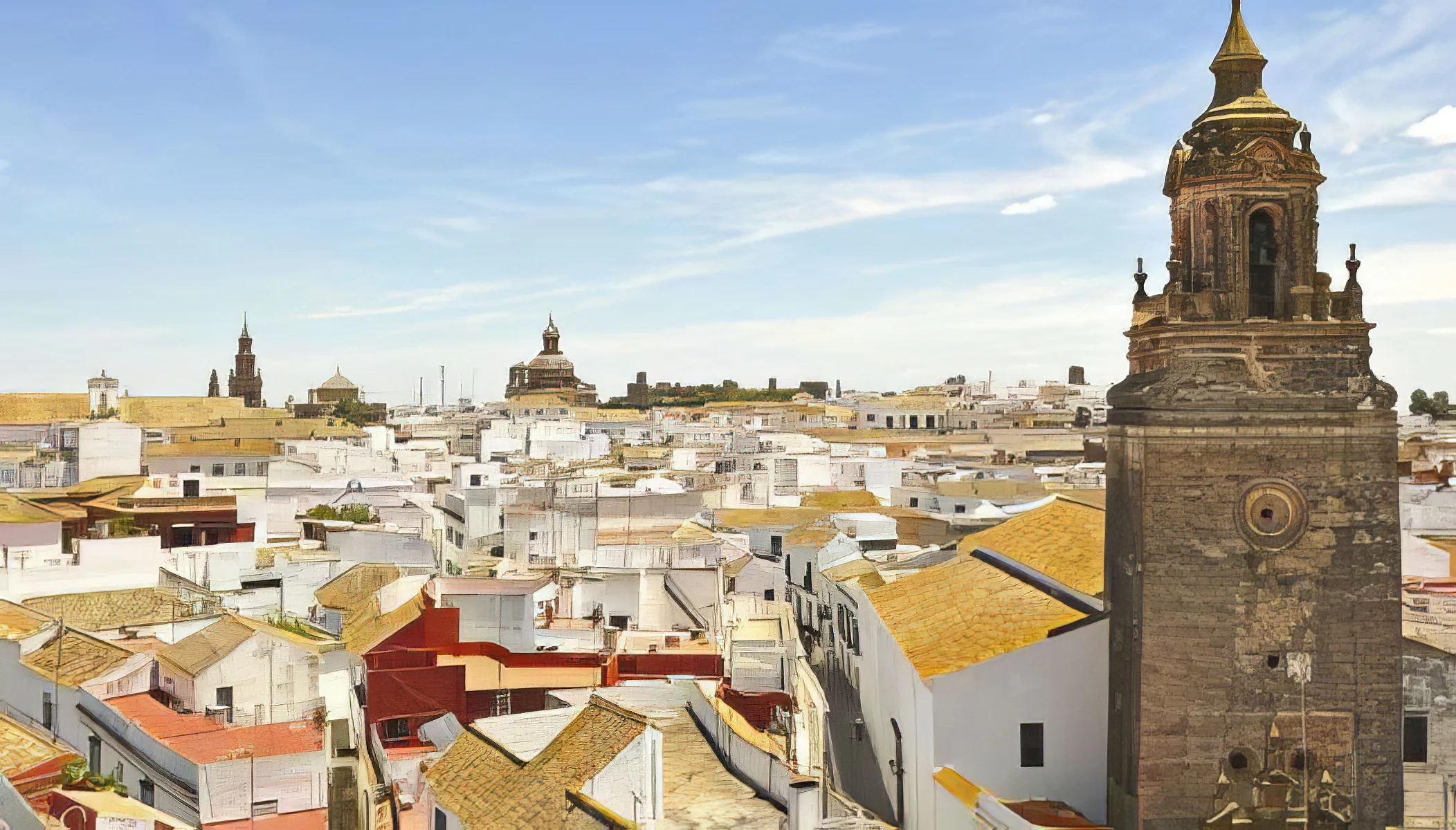
This city offers several interesting day trips within a short distance. Here are some suggestions:
– Carmona at 35 km: A charming town with Roman ruins and a nice old quarter.
– Doñana National Park at 50 km: A UNESCO World Heritage site known for its diverse wildlife and natural beauty.
– Jerez de la Frontera at 90 km: Famous for its sherry wine, flamenco, and the Royal Andalusian School of Equestrian Art.
– Ronda at 130 km: A historic town perched on a dramatic gorge, offering stunning views and ancient architecture.
– Córdoba at 140 km: Home to the famous Mezquita, a beautiful mosque-cathedral and a rich cultural heritage.
Attraction
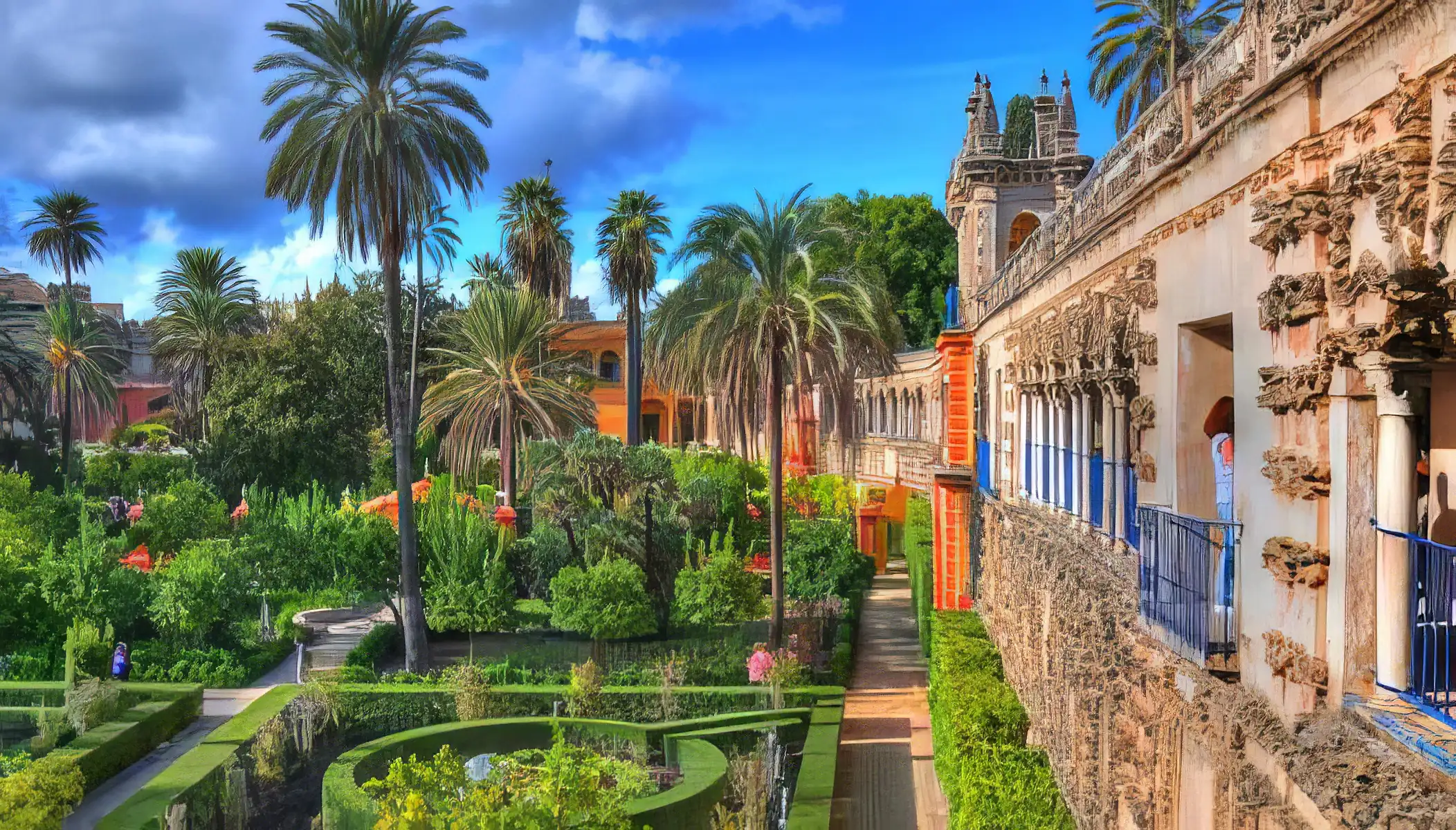
Known for its rich history, gorgeous architecture, and energetic culture, this city offers a variety of attractions for tourists.
– Alcázar: A royal palace with beautiful gardens and sophisticated Moorish design.
– Cathedral: The largest Gothic cathedral in the world, home to Christopher Columbus' tomb.
– Plaza de España: A grand square with a large, semi-circular building and a canal.
– Metropol Parasol: A modern wooden structure offering panoramic views of the city.
– Barrio Santa Cruz: A charming neighborhood with narrow streets and historic buildings.
– Flamenco Museum: Dedicated to the art of flamenco, featuring performances and exhibits.
Activity
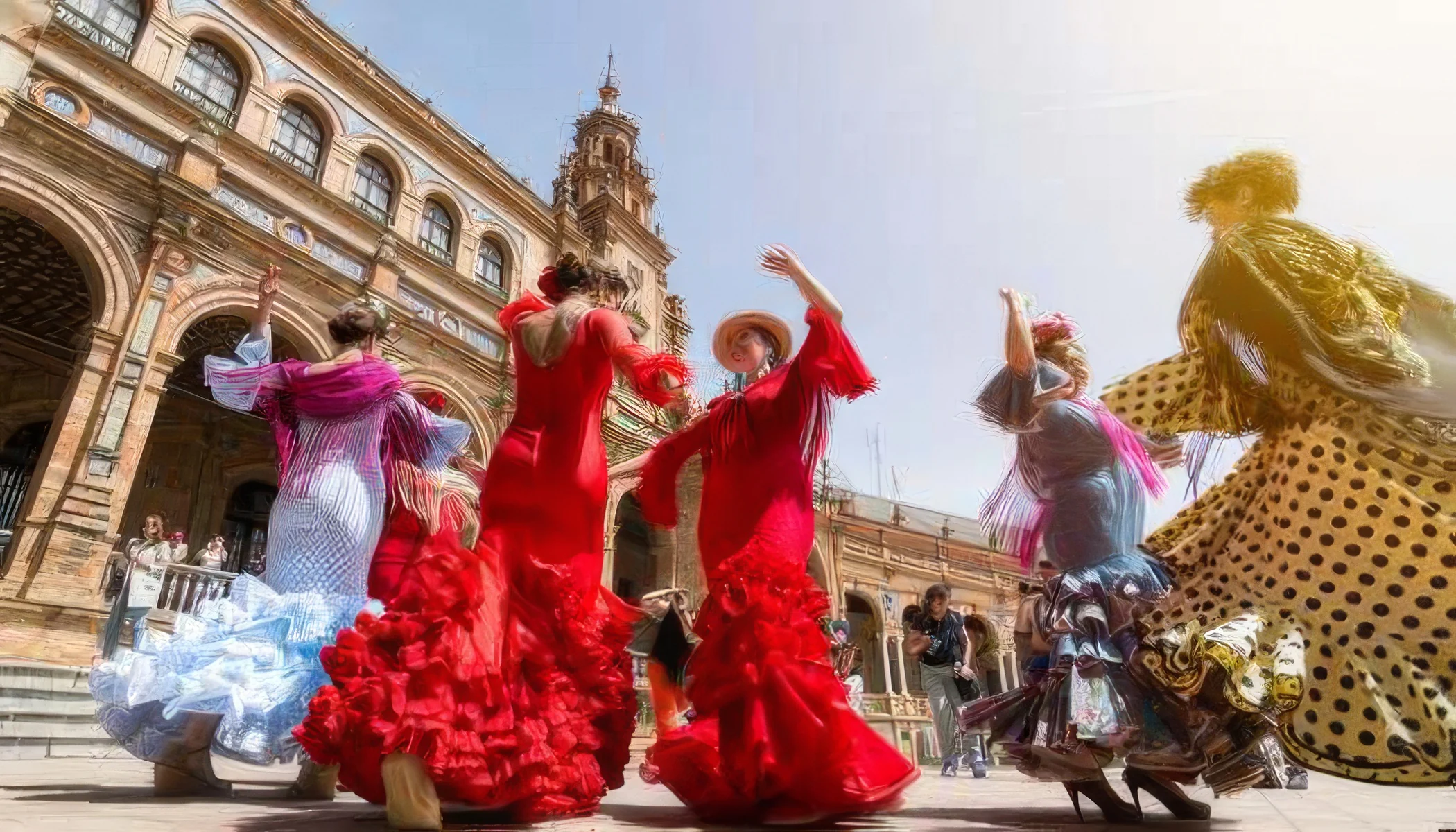
In Seville, travelers can enjoy flamenco shows, horse-drawn carriage rides, and unique Moorish architecture.
– Flamenco Show: Experience traditional Spanish dance and music in intimate venues.
– Horse-drawn Carriage Ride: Explore the city's historic center in a romantic and traditional way.
– Guadalquivir River Cruise: Enjoy scenic views of Seville from the river.
– Triana Neighborhood Tour: Discover the lovely and artistic district across the river.
– Metropol Parasol Visit: Walk on the world's largest wooden structure for panoramic city views.
Cuisine

The city offers a rich culinary experience with a focus on traditional Andalusian flavors and tapas culture. Some of the city's most famous dishes include:
– Gazpacho: Cold tomato-based soup with cucumber, peppers, and garlic, perfect for hot days.
– Salmorejo: Thick, creamy tomato soup garnished with hard-boiled eggs and ham.
– Espinacas con Garbanzos: Spinach and chickpeas stew seasoned with garlic and spices.
– Jamón Ibérico: Cured Iberian ham, often served thinly sliced as a tapa.
– Torrijas: Spanish-style French toast, soaked in milk and honey, then fried.
– Churros con Chocolate: Fried dough pastries served with thick, rich hot chocolate for dipping.
Shopping
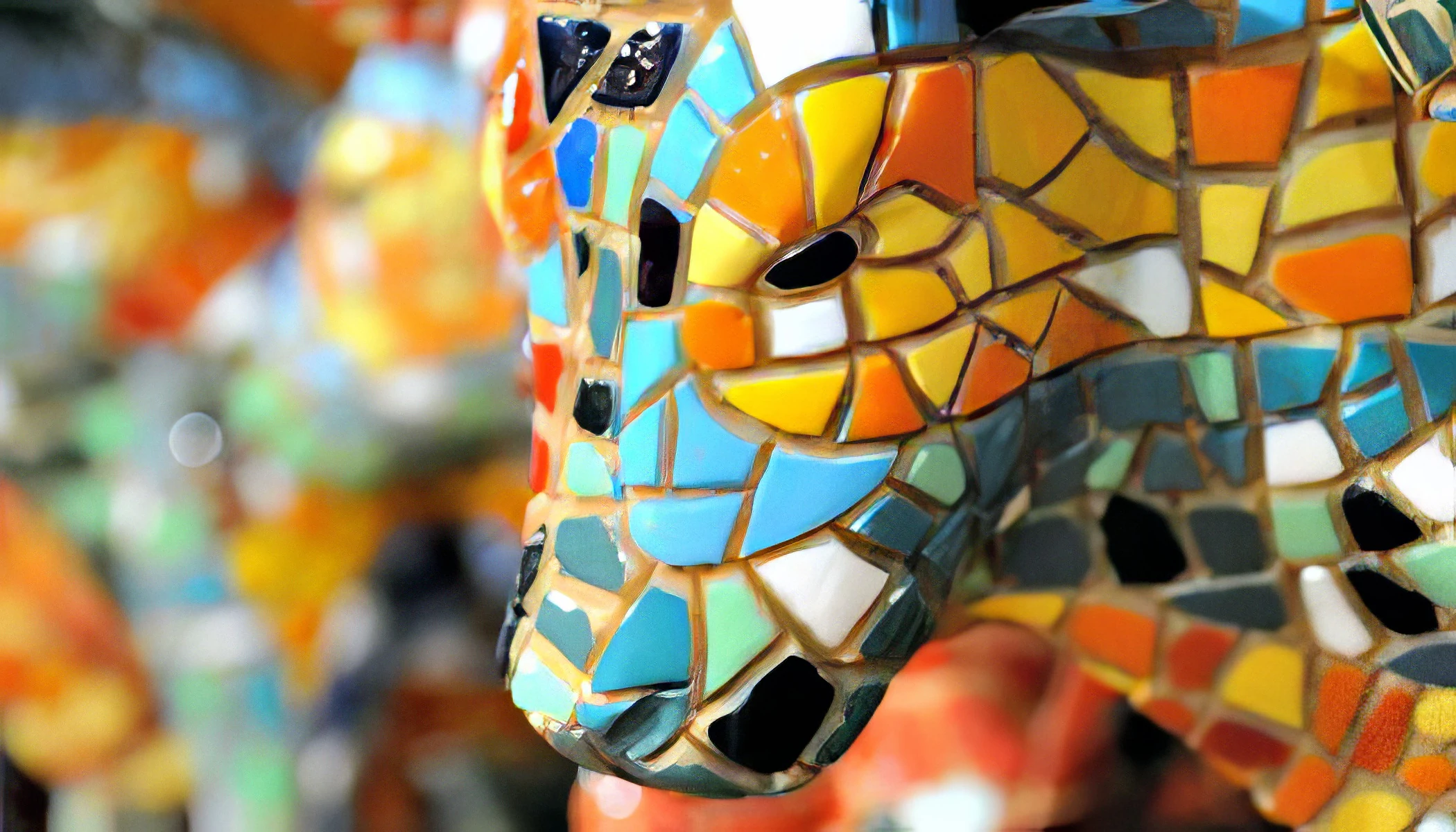
For a memorable shopping experience, visit the historic district where you can explore a variety of local boutiques and artisan shops. A popular gift to purchase is hand-painted ceramics, which reflect the city's Moorish history and craftsmanship. Another excellent choice is a bottle of local olive oil, renowned for its quality and flavor. Flamenco-related items, such as fans and traditional clothing, also make unique gifts. For those interested in gourmet treats, consider buying some local jamón ibérico or Andalusian cheeses. These items not only serve as great souvenirs but also offer a taste of the local culture.
Arts & Culture
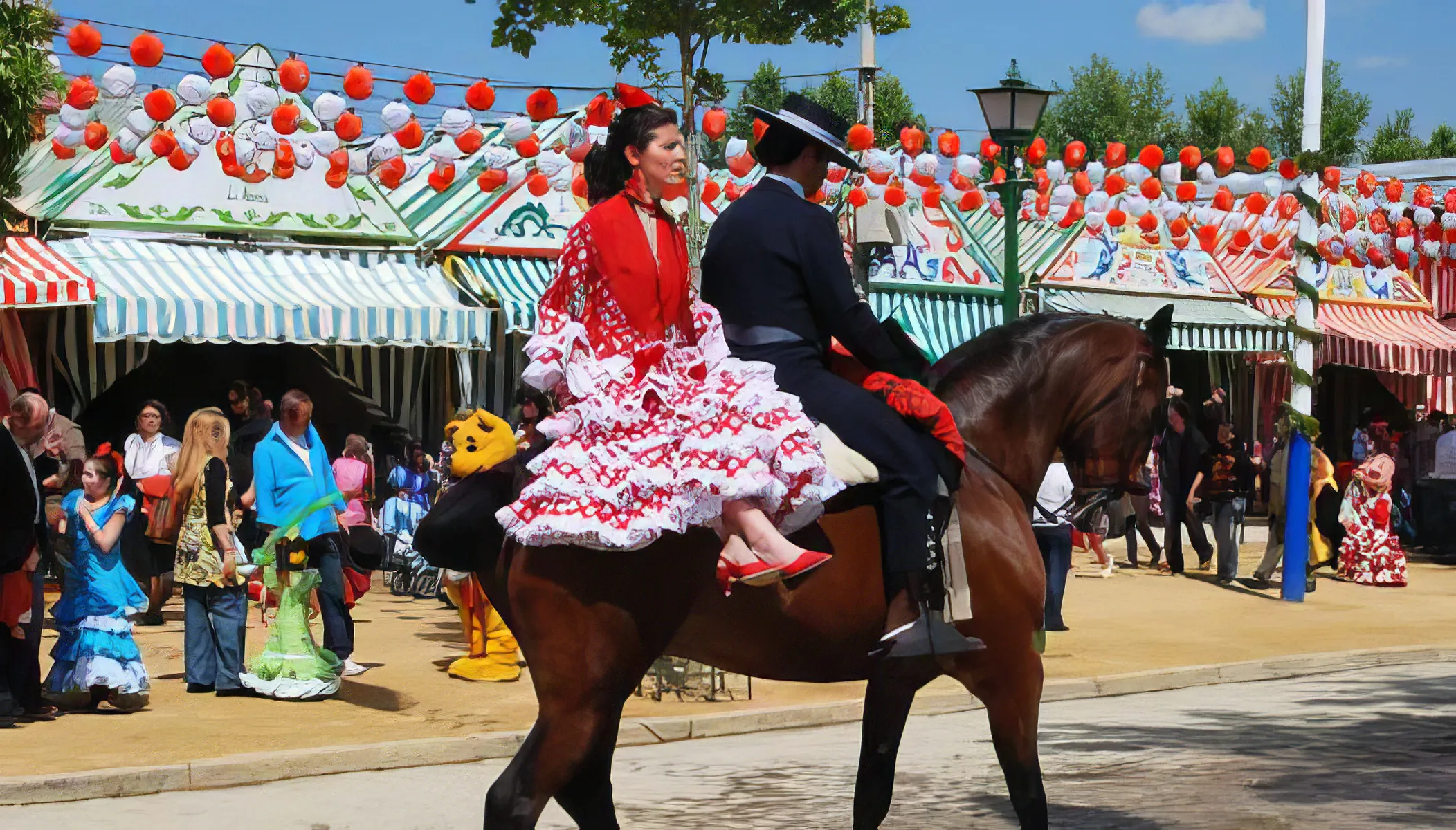
The city hosts the renowned Feria de Abril, a lively festival featuring traditional flamenco dancing, music, and colorful attire. It is also home to the famous Semana Santa, a holy week with solemn processions and complex religious floats. The Museo de Bellas Artes offers an extensive collection of Spanish art, particularly from the medieval period through the 20th century. Additionally, the historic Real Alcázar is a UNESCO World Heritage site, showcasing exquisite Mudejar architecture and dense gardens.