

Granada Travel Guide: Tourist Places & Activities
Located in the southern region of Andalusia, this city is famed for the Alhambra, a sprawling hilltop fortress encompassing royal palaces, quiet patios, and reflecting pools from the Nasrid dynasty, set against the backdrop of the Sierra Nevada mountains.
- Population
- 235,000
- Size
- 88 square km
- Airport
- Federico García Lorca Granada-Jaén – Int'l.
- Train Station
- Granada Station
- Est. Visit Days
- 2 days
Overview
Granada, located in southern Spain, is renowned for its rich cultural heritage, notably exemplified by The Alhambra, a fascinating Moorish palace. The city's historic quarter, the Albaicín, offers charming narrow streets and traditional houses. Granada is also a hub of academic activity, hosting the prestigious University of Granada. However, visitors might find the city quite crowded, especially around The Alhambra, which can detract from the experience. Additionally, Granada's public transportation system is somewhat limited, which could pose challenges for exploring beyond the city center.
Traffic & Transport
The city's compact size and historical layout make it ideal for exploring on foot, particularly in the central areas where traffic can be congested. For longer distances, the local bus network is a convenient and cost-effective option, with routes covering most major tourist attractions. Additionally, renting a bicycle is a popular choice, offering flexibility to navigate through both the city and surrounding areas at your own pace. To access more remote sites or for those preferring a quicker mode of transport, taxis are readily available and offer a comfortable way to travel. For reliable taxi services, Radio Taxi is a well-known company, known for its professional drivers and efficient service. Additionally, the MyTaxi app is widely used and provides a convenient option for booking taxis directly from your smartphone.
History
Founded by the Romans in the 3rd century BC, the city was originally known as Illiberis. It later became an important city in the Moorish period, serving as the last Muslim stronghold in the Iberian Peninsula before its conquest by the Catholic Monarchs in 1492. This event marked the end of over 700 years of Muslim rule and is celebrated annually with the famous "Feria de Granada." The city's rich history is reflected in its diverse architecture, including the renowned Alhambra palace, a UNESCO World Heritage site. Throughout its history, it has been a center for trade, particularly in silk, which flourished during the Nasrid dynasty.
Itinerary Sample
Here's a two-day itinerary to explore the highlights of Granada, Spain:
– First day: Visit The Alhambra, including the Nasrid Palaces and Generalife gardens. Stroll through the Albaicín neighborhood and watch the sunset from Mirador de San Nicolás.
– Second day: Explore the Granada Cathedral and Royal Chapel. Visit the Monastery of San Jerónimo and wander through the Sacromonte district.
Near Excursion
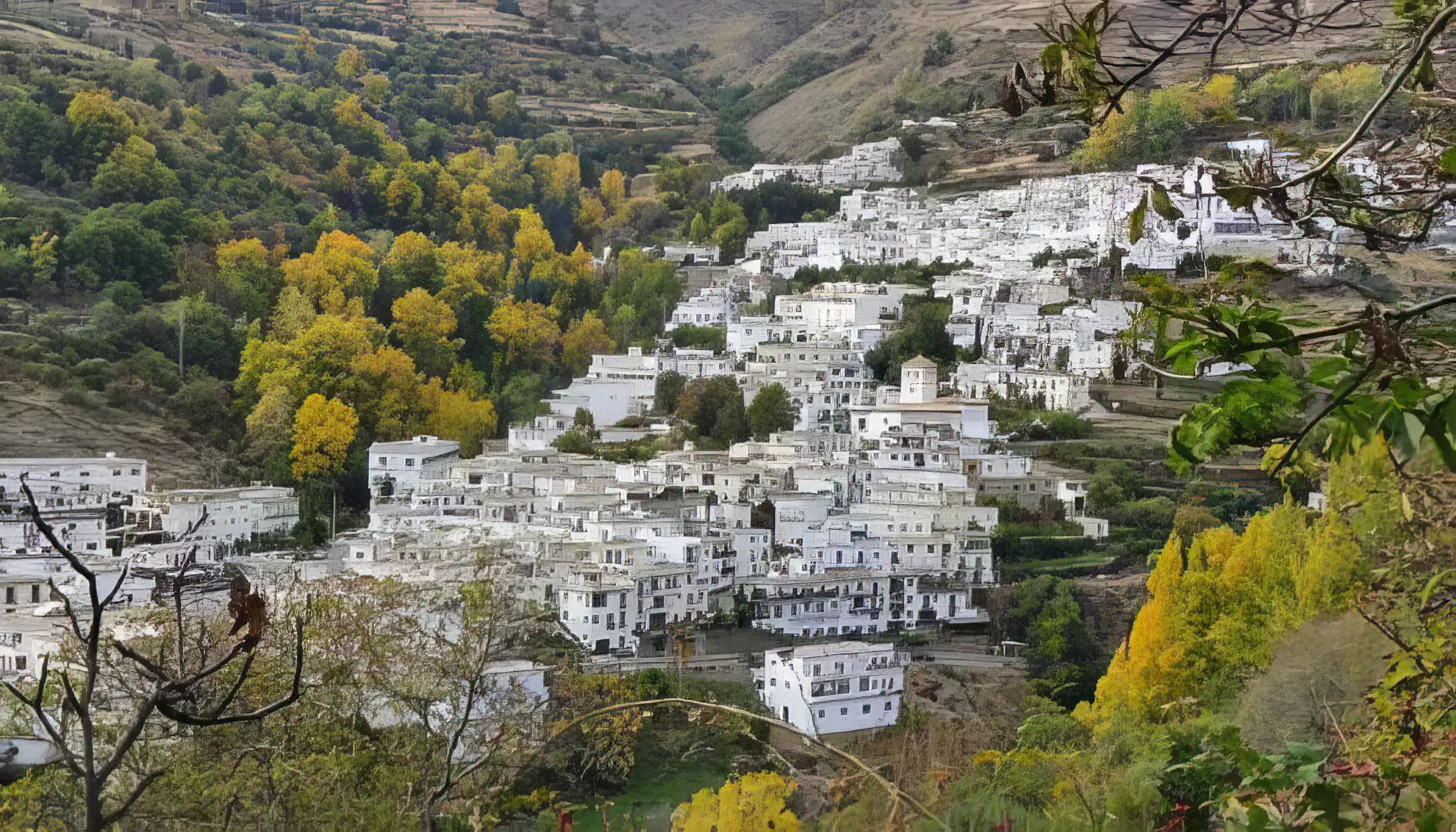
This city offers several interesting day trips within a short distance. Here are some suggestions:
– Alpujarras at 50 km: A gorgeous region with charming white-washed villages and scenic mountain views.
– Sierra Nevada at 35 km: A popular destination for skiing in winter and hiking in summer.
– Alhama de Granada at 58 km: Known for its thermal baths and beautiful gorge.
– Nerja at 100 km: A coastal town famous for its beautiful beaches and the impressive Nerja Caves.
– Montefrío at 50 km: A historic town with a gorgeous hilltop church and panoramic views.
Attraction
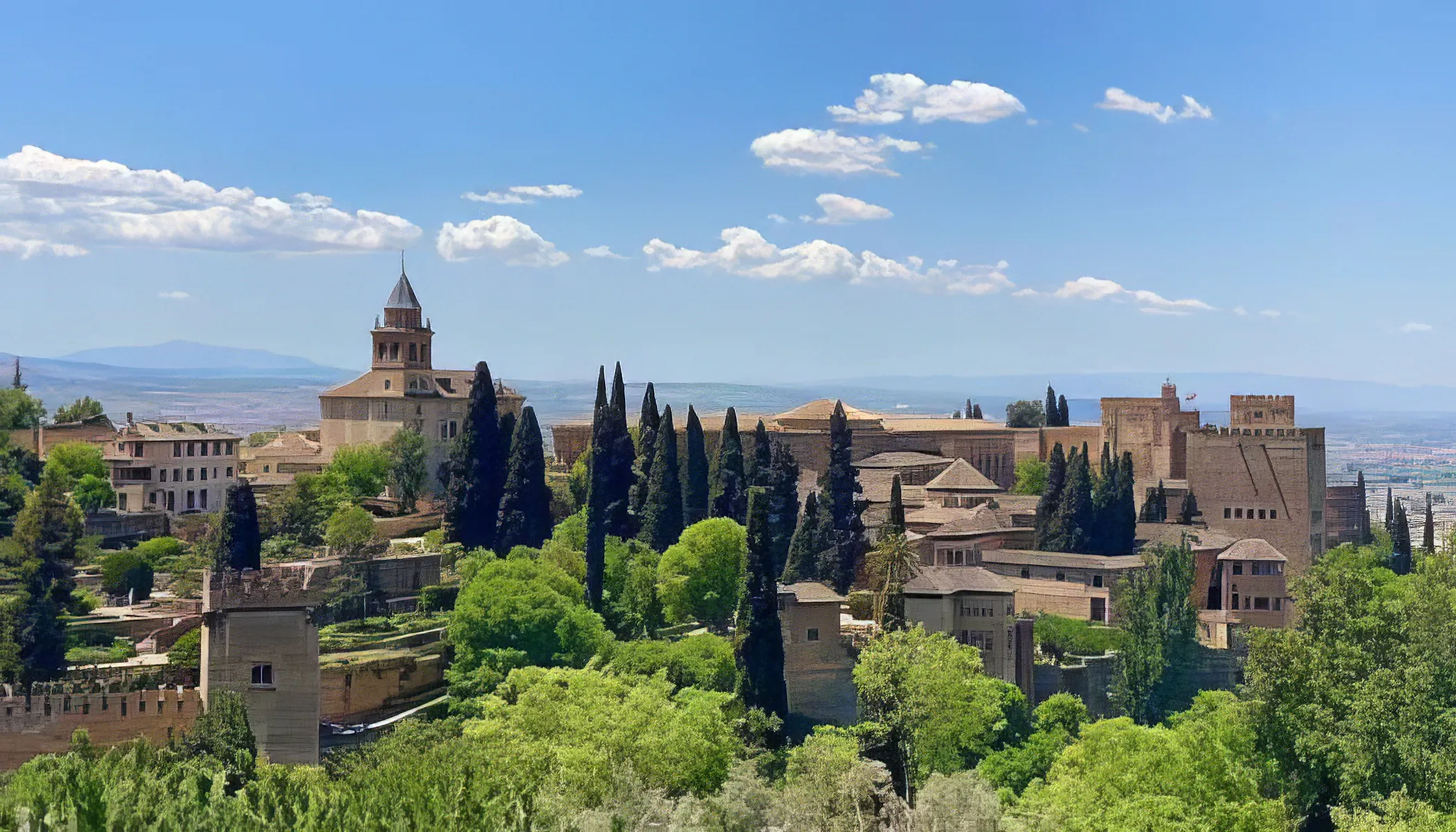
Known for its rich history and remarkable architecture, this city offers a variety of attractions for tourists.
– Alhambra: A magnificent palace and fortress complex showcasing Islamic architecture and beautiful gardens.
– Generalife: The summer palace of the Nasrid rulers, featuring luxuriant gardens and nice views.
– Albaicín: A historic neighborhood with narrow streets, whitewashed houses, and panoramic views.
– Granada Cathedral: A grand Renaissance cathedral with impressive interiors and a royal chapel.
– Sacromonte: Famous for its cave houses and attractive flamenco shows.
– Plaza Nueva: A lively square surrounded by historic buildings, cafes, and shops.
Activity
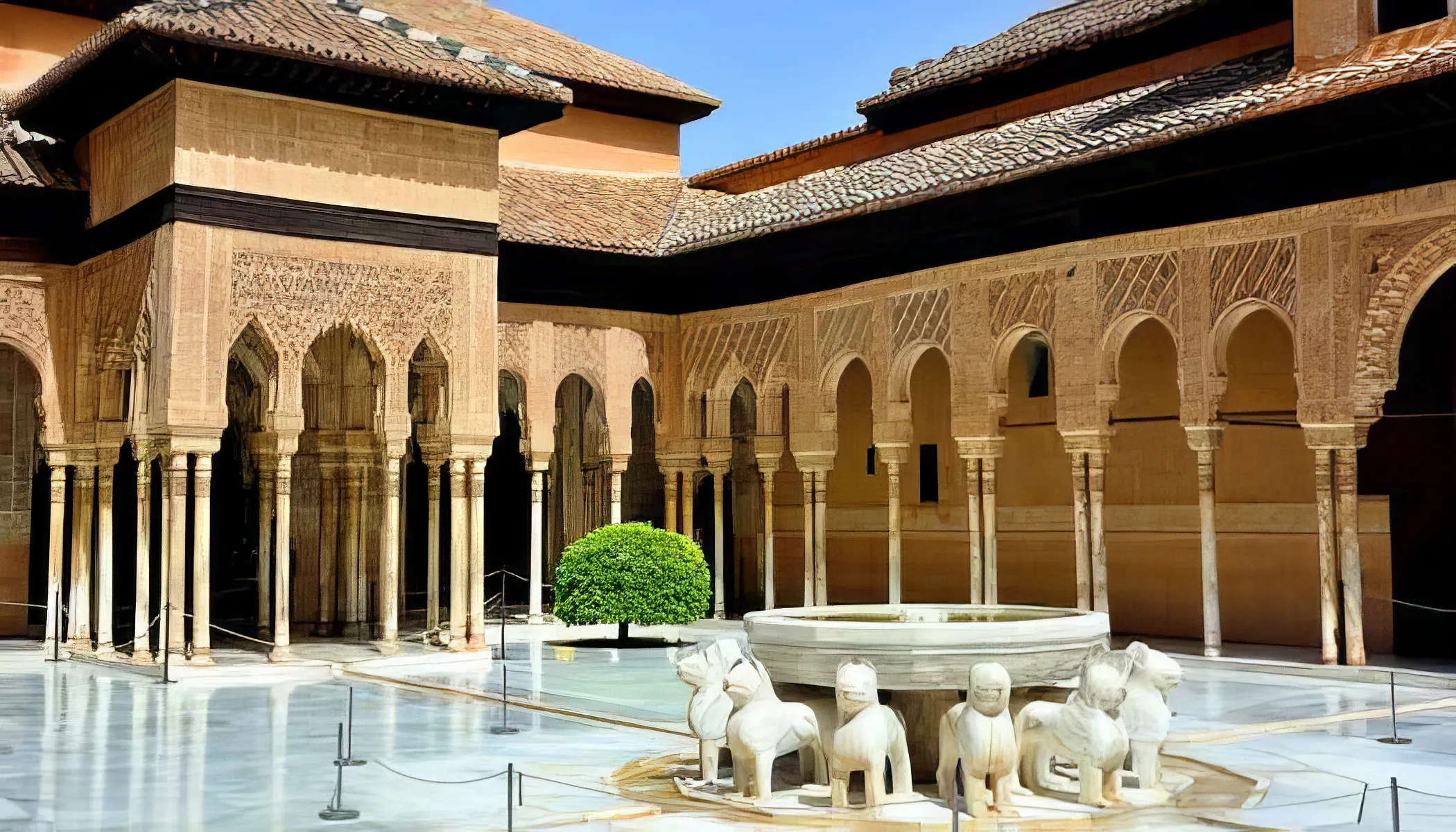
Granada offers a mix of historical, architectural, and natural experiences, with a focus on The Alhambra and Sierra Nevada.
– Alhambra Palace: Explore this beautiful Moorish palace complex with sophisticated architecture and beautiful gardens.
– Sierra Nevada: Ski or hike in the mountains just a short drive from the city.
– Flamenco Show: Experience traditional Spanish music and dance in a local tablao.
– Sacromonte Caves: Visit the unique cave dwellings and enjoy flamenco performances in this historic neighborhood.
– Hammam Al Ándalus: Relax in traditional Arab baths with hot, warm, and cold pools.
Cuisine

The city offers a rich culinary experience influenced by Moorish and Spanish traditions, with a variety of tapas and local specialties. Some of the city's most famous dishes include:
– Tortilla del Sacromonte: An omelette made with offal, potatoes, and peas.
– Piononos: Small, syrup-soaked sponge cakes topped with toasted cream.
– Habas con Jamón: Broad beans sautéed with cured ham.
– Remojón Granadino: A salad of oranges, cod, onions, and olives.
– Plato Alpujarreño: A hearty dish with sausage, blood pudding, potatoes, and peppers.
– Churros con Chocolate: Fried dough pastries served with thick hot chocolate for dipping.
Shopping
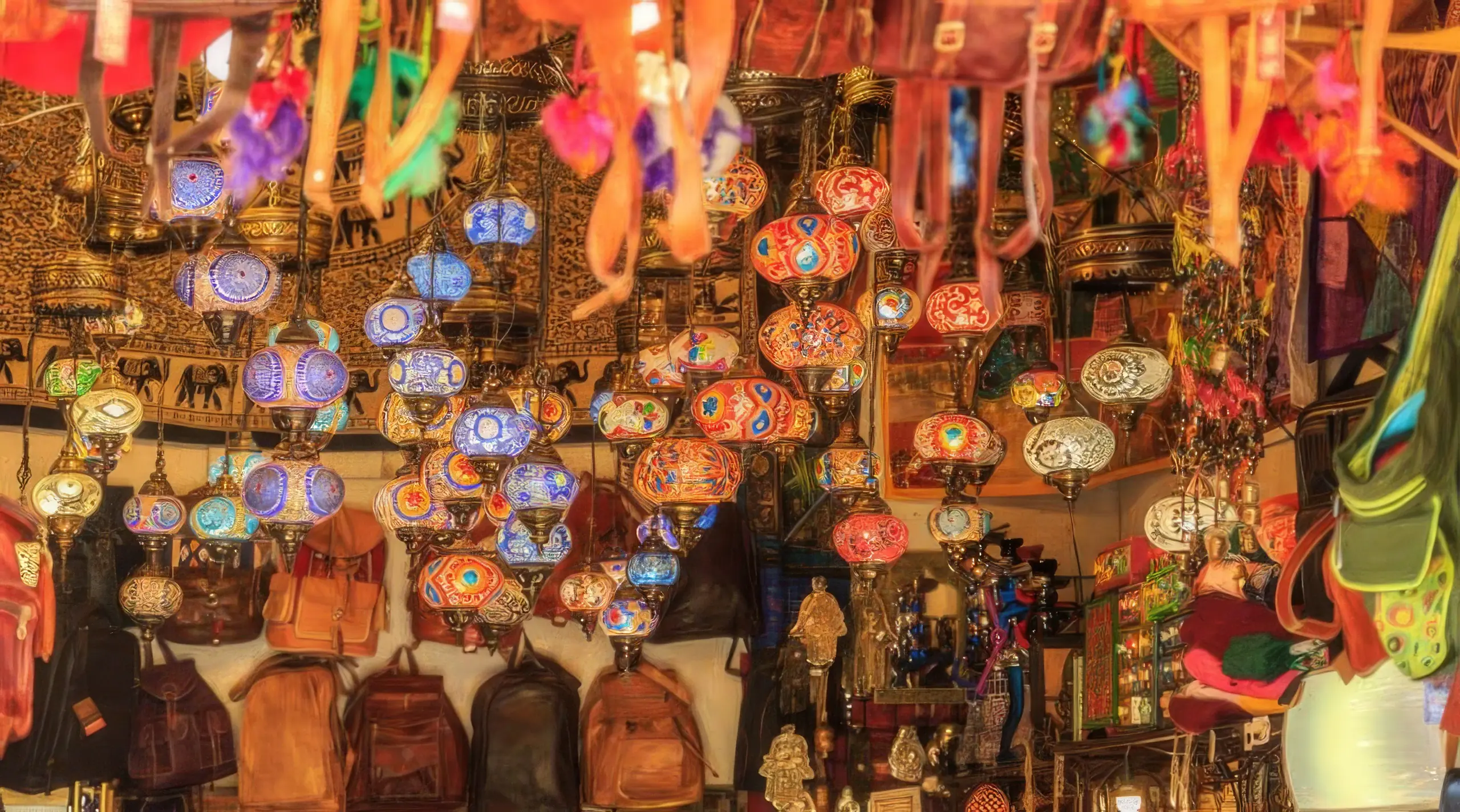
In the city, the Alcaicería, originally a Moorish silk market, is now a lovely bazaar where tourists can find unique gifts such as intricately patterned Andalusian ceramics and colorful lanterns. Another notable shopping spot is Calle Calderería Nueva, often referred to as Little Morocco, where you can purchase authentic spices, teas, and beautifully crafted leather goods. For a truly local gift, consider buying a taracea box, a traditional craft involving inlaid wood, which is both decorative and functional. The local markets also offer a variety of hand-painted fans and flamenco accessories, reflecting the region's rich cultural heritage.
Arts & Culture
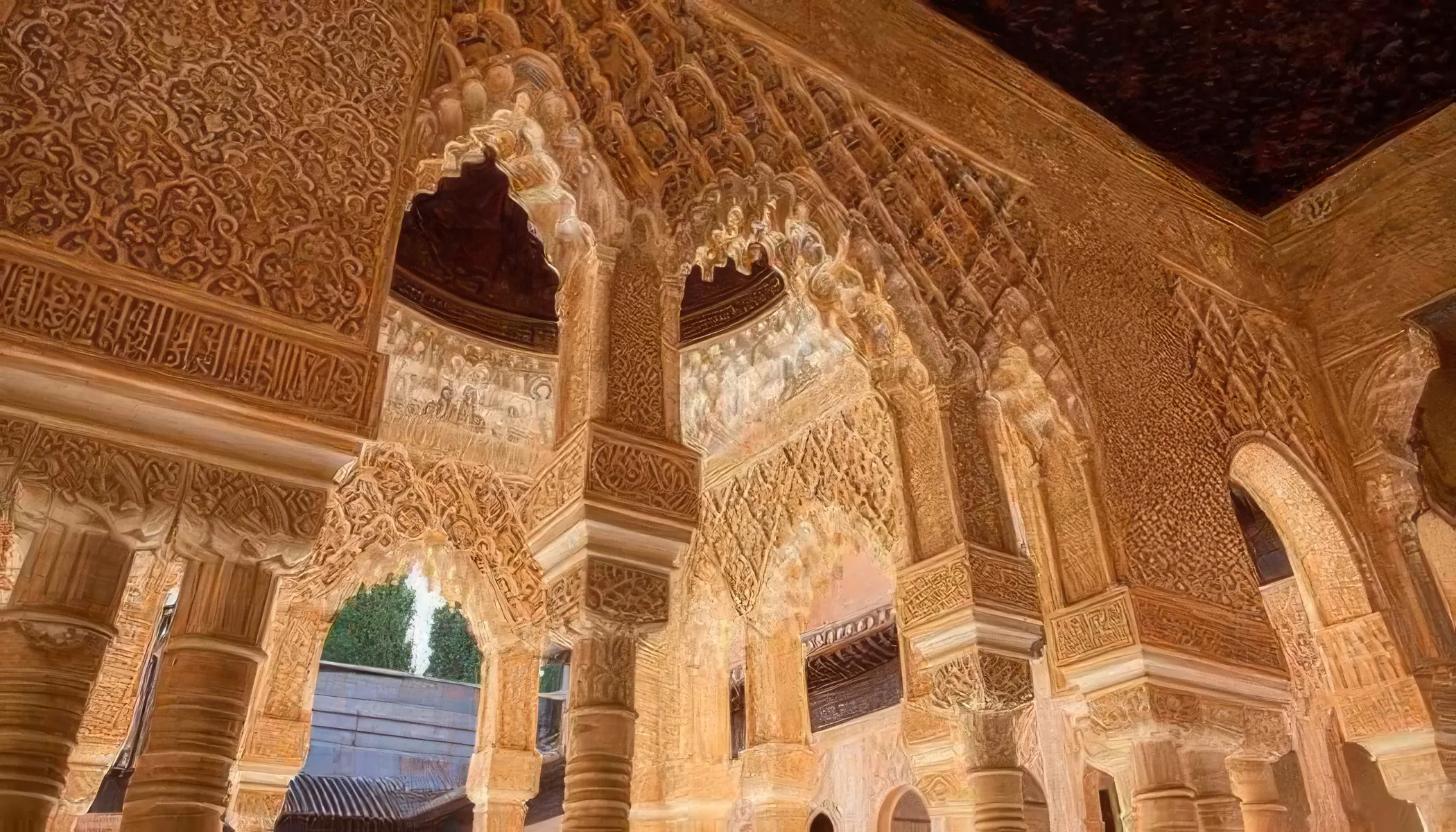
The city is renowned for its pleasant cultural scene, particularly The Alhambra Palace, which is not only an architectural marvel but also a venue for various music and dance festivals. The International Festival of Music and Dance is a significant event, attracting global artists and audiences. The city also has a strong flamenco heritage, with many live performances held in the Sacromonte neighborhood. Additionally, the Science Park (Parque de las Ciencias) frequently hosts temporary exhibitions on various themes, including art and technology.