

Sightseeing in Santiago de Compostela: Culture & Must‑See Spots
This city is renowned for its Romanesque, Gothic, and Baroque architecture, particularly its cathedral, which is the endpoint of the Camino de Santiago pilgrimage route. It is also the capital of the Galicia region.
- Population
- 95,000
- Size
- 220 square km
- Airport
- Santiago de Compostela – Int'l.
- Train Station
- Estación de Santiago de Compostela
- Est. Visit Days
- 2 days
Overview
Santiago de Compostela, located in northwest Spain, is renowned for being the culmination point of the Camino de Santiago pilgrimage route, which is a major draw for visitors. The city is steeped in history, with its old town designated a UNESCO World Heritage site, and it boasts impressive medieval architecture, notably the Santiago de Compostela Cathedral. However, Santiago's weather can be quite rainy, which might deter some travelers, and the city's popularity among tourists, particularly pilgrims, can lead to crowded conditions, especially during peak seasons. Despite this, Santiago offers a rich cultural experience, with a dynamic local scene and excellent gastronomy, including the famous pulpo a la gallega (Galician-style octopus).
Traffic & Transport
The city's compact size and well-preserved historic center make it ideal for exploring on foot, especially for tourists interested in the cultural and architectural richness. For longer distances or to reach sites outside the city, the local bus network is efficient and covers most areas of interest. Buses are also a good option for those looking to visit nearby towns or the coast. Renting a bicycle can be a pleasant way to navigate the city and its surroundings, offering flexibility and the opportunity to enjoy the scenic routes at your own pace. For those preferring taxi services, several reliable companies operate in the city. Radio Taxi is a prominent option, known for its availability and professional service. Additionally, the MyTaxi app is widely used and provides a convenient way to book taxis directly from your smartphone, ensuring ease of travel around the area.
History
Established in the 9th century, the city became a key Christian pilgrimage destination due to the purported discovery of the remains of Saint James. It was a significant site during the Reconquista, changing hands between Muslim and Christian forces. The city's university, founded in 1495, contributed to its intellectual and cultural development. In the 16th century, it became an important center for book publishing and printing. The city also experienced economic growth through trade, particularly in textiles and agricultural products.
Itinerary Sample
Here's a 2-day itinerary to explore Santiago de Compostela:
– First day: Visit the iconic Cathedral of Santiago, explore the Museum of Pilgrimage, and stroll through Alameda Park.
– Second day: Tour the Monastery of San Martín Pinario, walk the historic streets of Rúa do Franco, and enjoy local cuisine.
Near Excursion
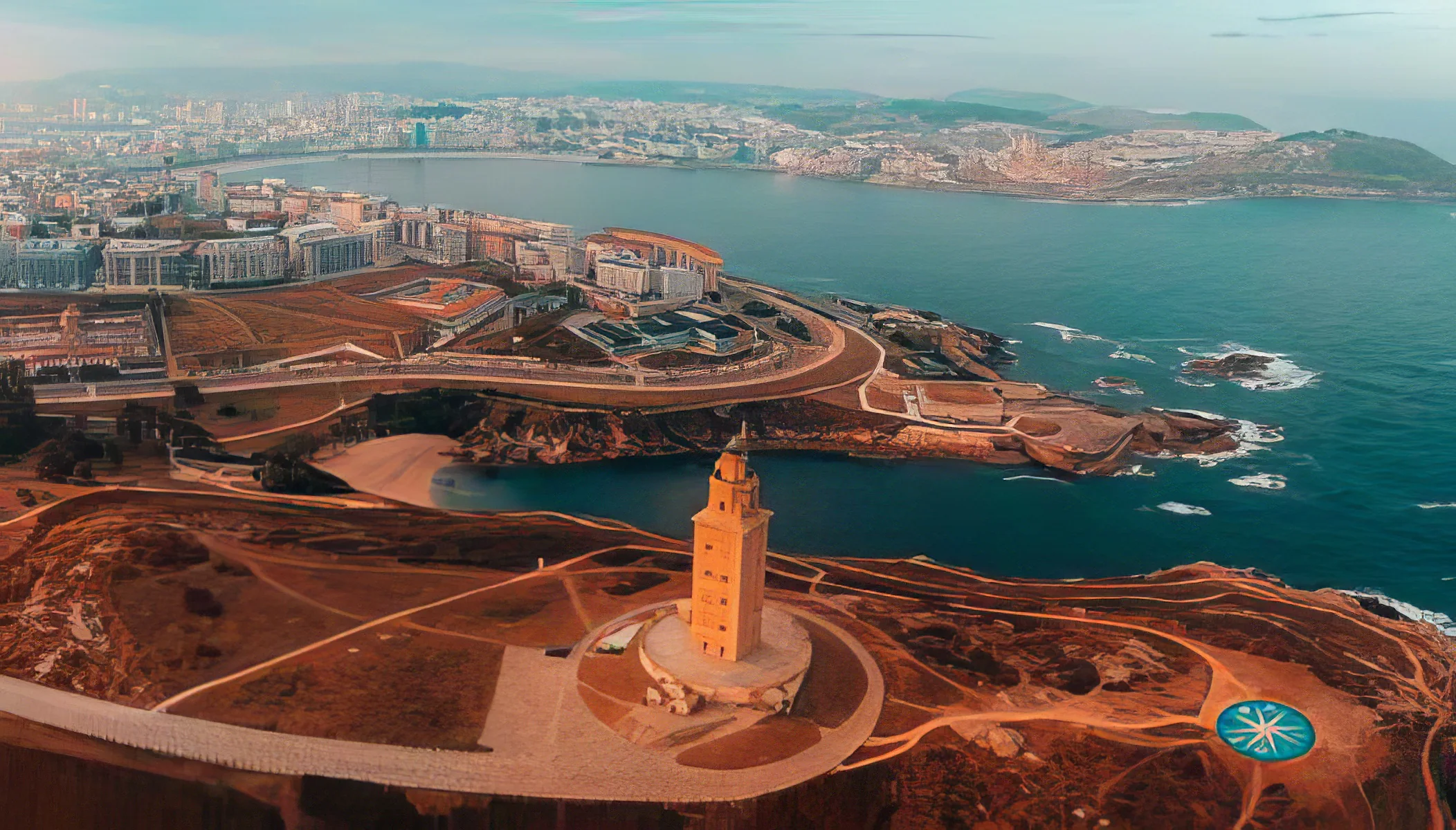
This city is a great starting point for several exciting day trips. Here are some suggestions:
– A Coruña at 75 km: A coastal city known for its Tower of Hercules and beautiful beaches.
– Rías Baixas at 100 km: A scenic coastal region famous for its seafood and Albariño wine.
– Lugo at 100 km: A city with well-preserved Roman walls and historic sites.
– Pontevedra at 60 km: A charming town with a well-preserved old quarter and riverside walks.
– Ourense at 110 km: Known for its thermal baths and historic architecture.
Attraction
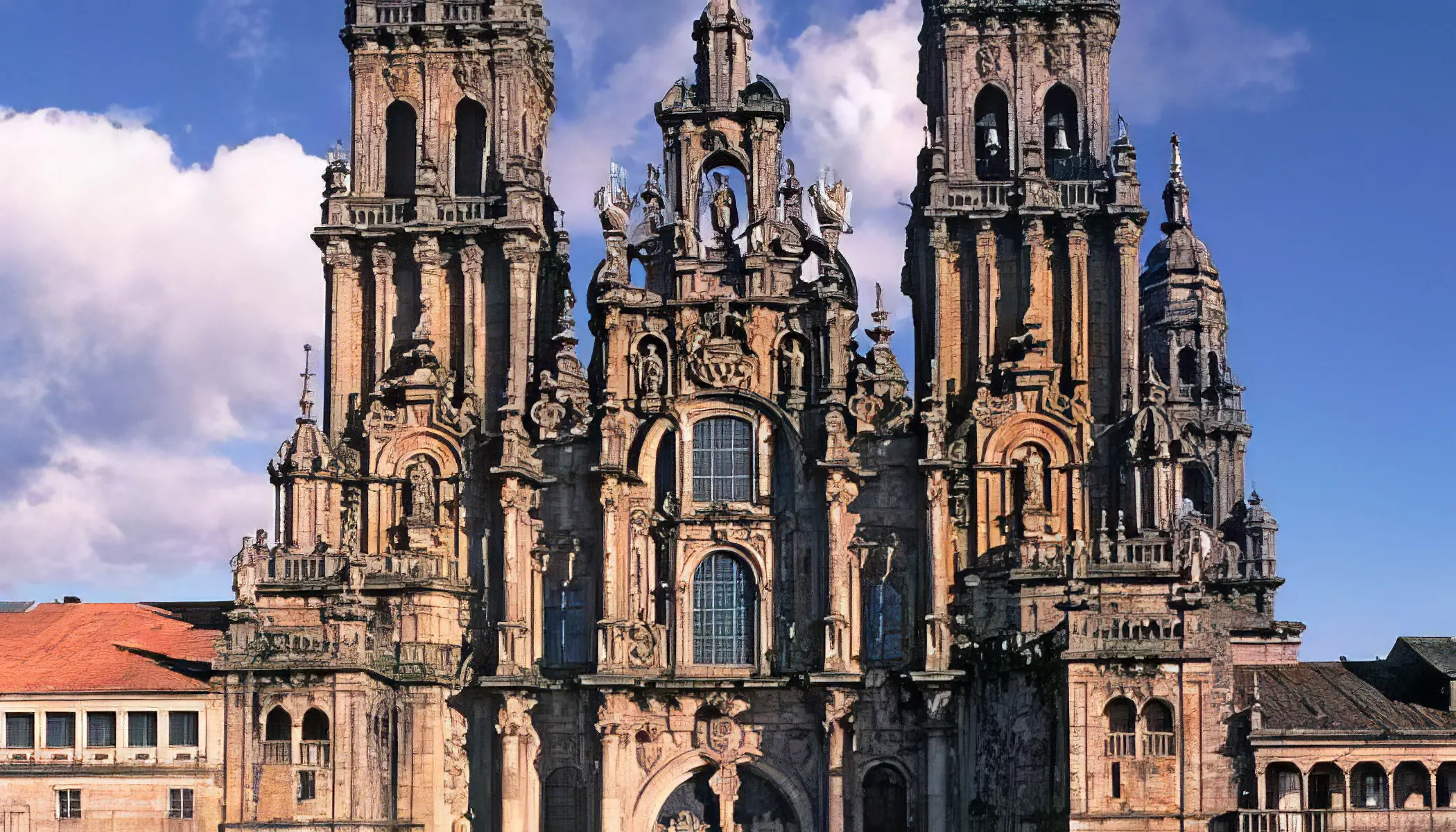
Known for its historic and religious significance, this city attracts many pilgrims and tourists.
– Cathedral: A fascinating example of Romanesque architecture and the endpoint of the Camino de Santiago pilgrimage.
– Praza do Obradoiro: The main square, surrounded by important historical buildings and a hub of activity.
– Monastery of San Martiño Pinario: A large and impressive monastery with a rich history and beautiful architecture.
– Mercado de Abastos: A dynamic market where you can experience local food and culture.
– Alameda Park: A peaceful park offering great views of the city and a place to relax.
– Museum of the Galician People: A museum dedicated to the culture and history of the Galician people.
Activity
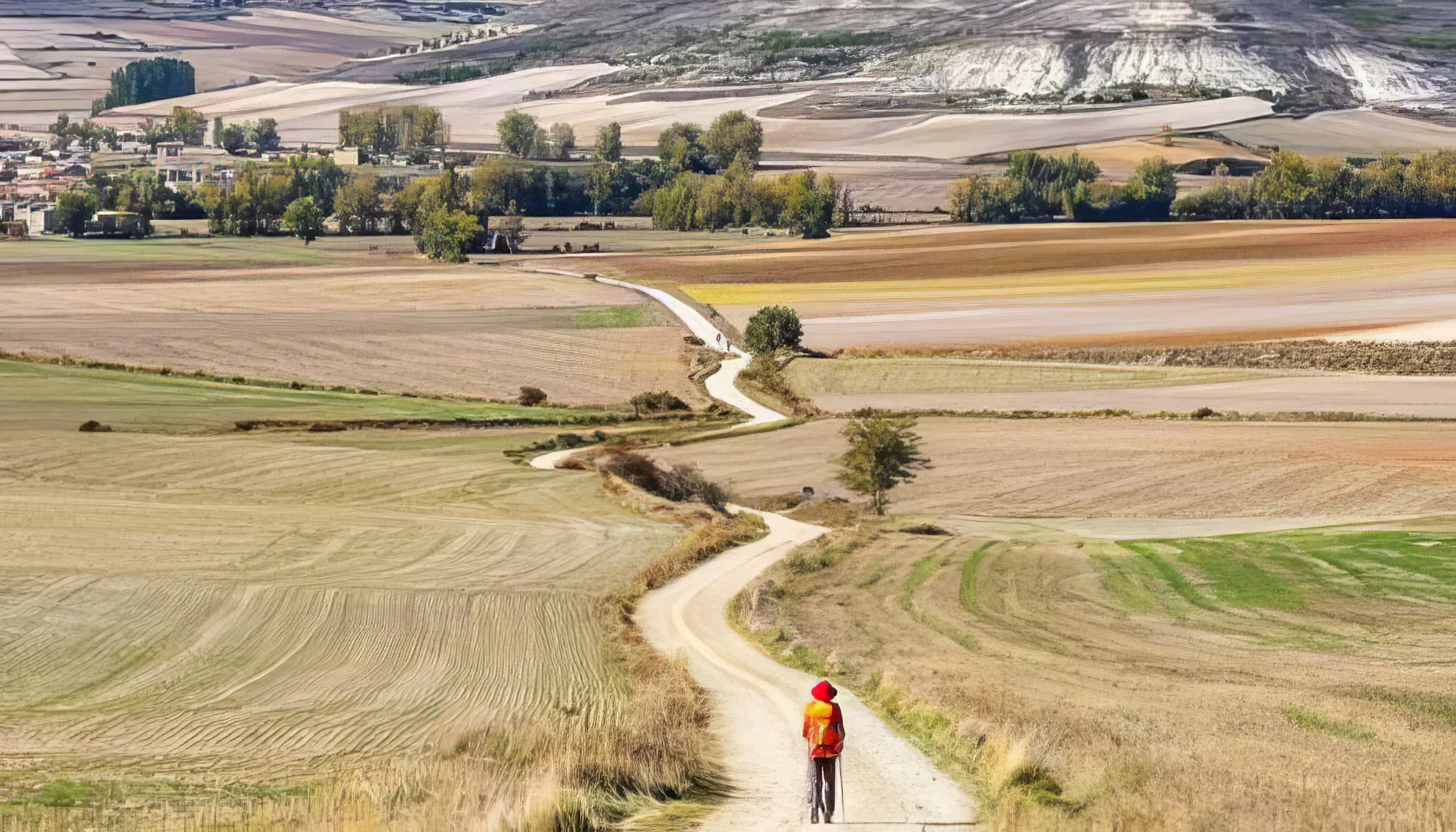
In Santiago de Compostela, travelers can experience the unique pilgrimage culture and historical architecture of the city.
– Walk the Camino de Santiago: Join pilgrims on this ancient trail leading to the Cathedral.
– Attend the Botafumeiro Ceremony: Witness the swinging of the giant incense burner in the Cathedral.
– Explore the Mercado de Abastos: Visit the lively food market for local products and gastronomy.
– Participate in a Galician cooking class: Learn to prepare traditional dishes with local chefs.
– Enjoy a Galician folk music performance: Experience the region's musical heritage in a live show.
Cuisine
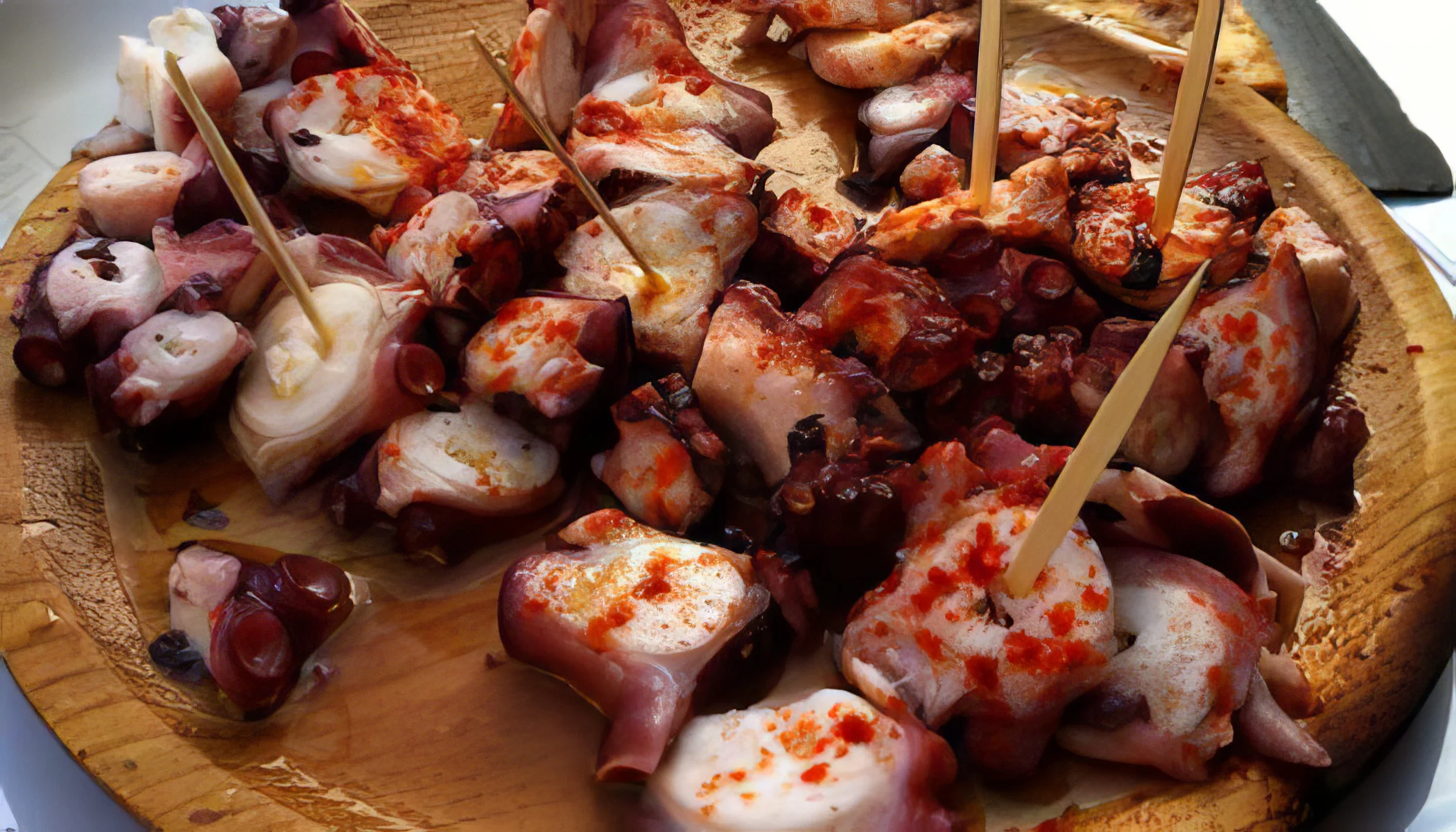
The city offers a rich culinary tradition with a focus on fresh seafood and Galician specialties. Local markets and restaurants serve a variety of traditional dishes.
– Pulpo a la Gallega: Octopus seasoned with paprika, olive oil, and sea salt, often served on wooden plates.
– Empanada Gallega: Savory pie filled with meat, fish, or vegetables, encased in a flaky pastry.
– Pimientos de Padrón: Small green peppers, fried and sprinkled with coarse salt; some are spicy.
– Tarta de Santiago: Almond cake dusted with powdered sugar, often marked with the Cross of Saint James.
– Caldo Gallego: Hearty soup made with greens, potatoes, chorizo, and sometimes beans.
– Percebes: Goose barnacles, a prized seafood delicacy, typically boiled and served simply.
Shopping
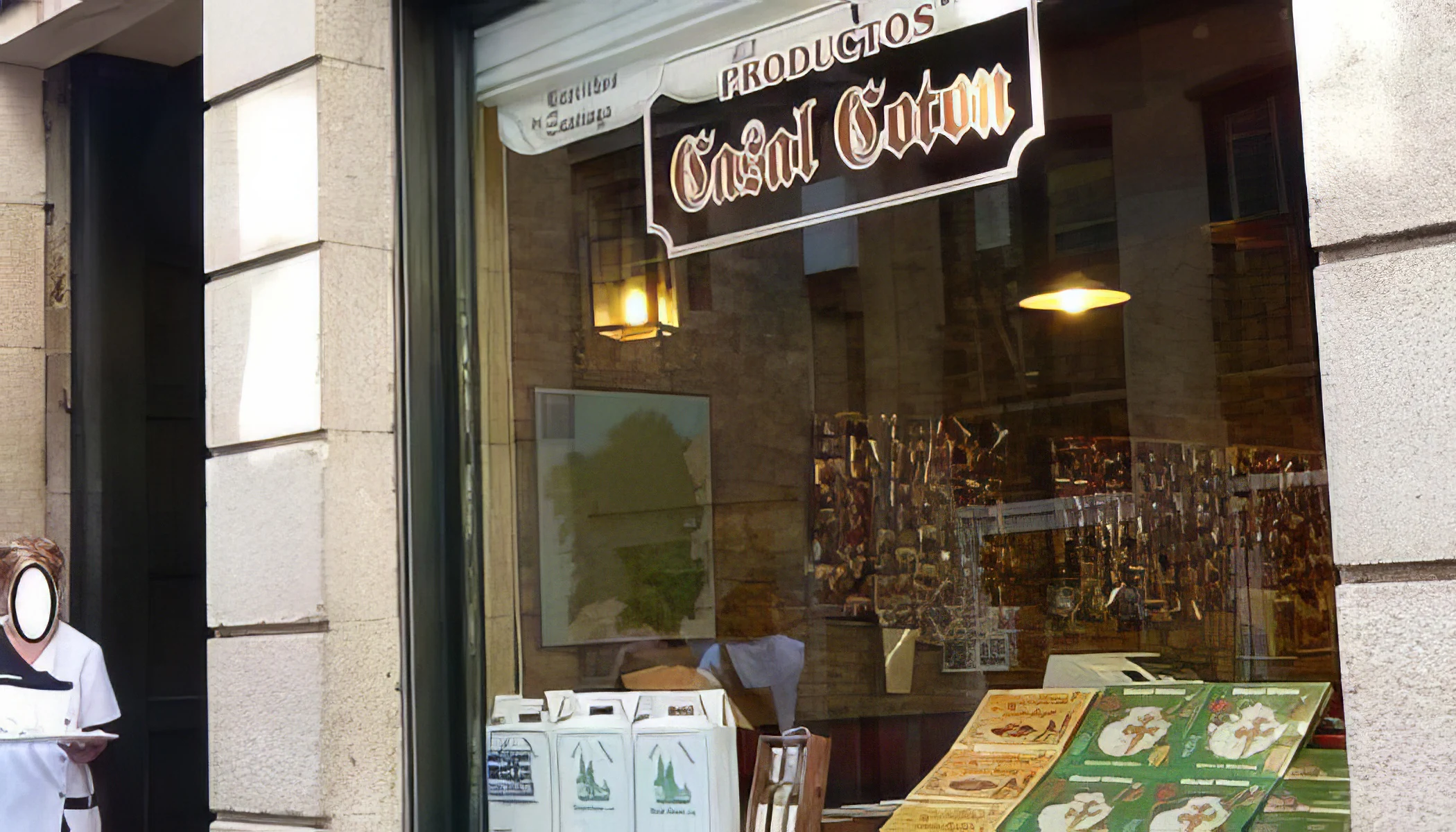
In the city, the Mercado de Abastos is a notable market where tourists can explore local food products. A popular gift to purchase here is Tetilla cheese, a traditional Galician cheese known for its unique shape and creamy texture. Additionally, the streets around the cathedral are filled with shops selling artisan crafts, including silver jewelry and ceramic ware. Handcrafted silver jewelry, often inspired by local religious and cultural symbols, makes a thoughtful and unique gift. Another distinctive souvenir is the 'Botafumeiro' incense burner, a miniature replica of the famous one used in the cathedral. These items not only serve as mementos but also support local artisans.
Arts & Culture
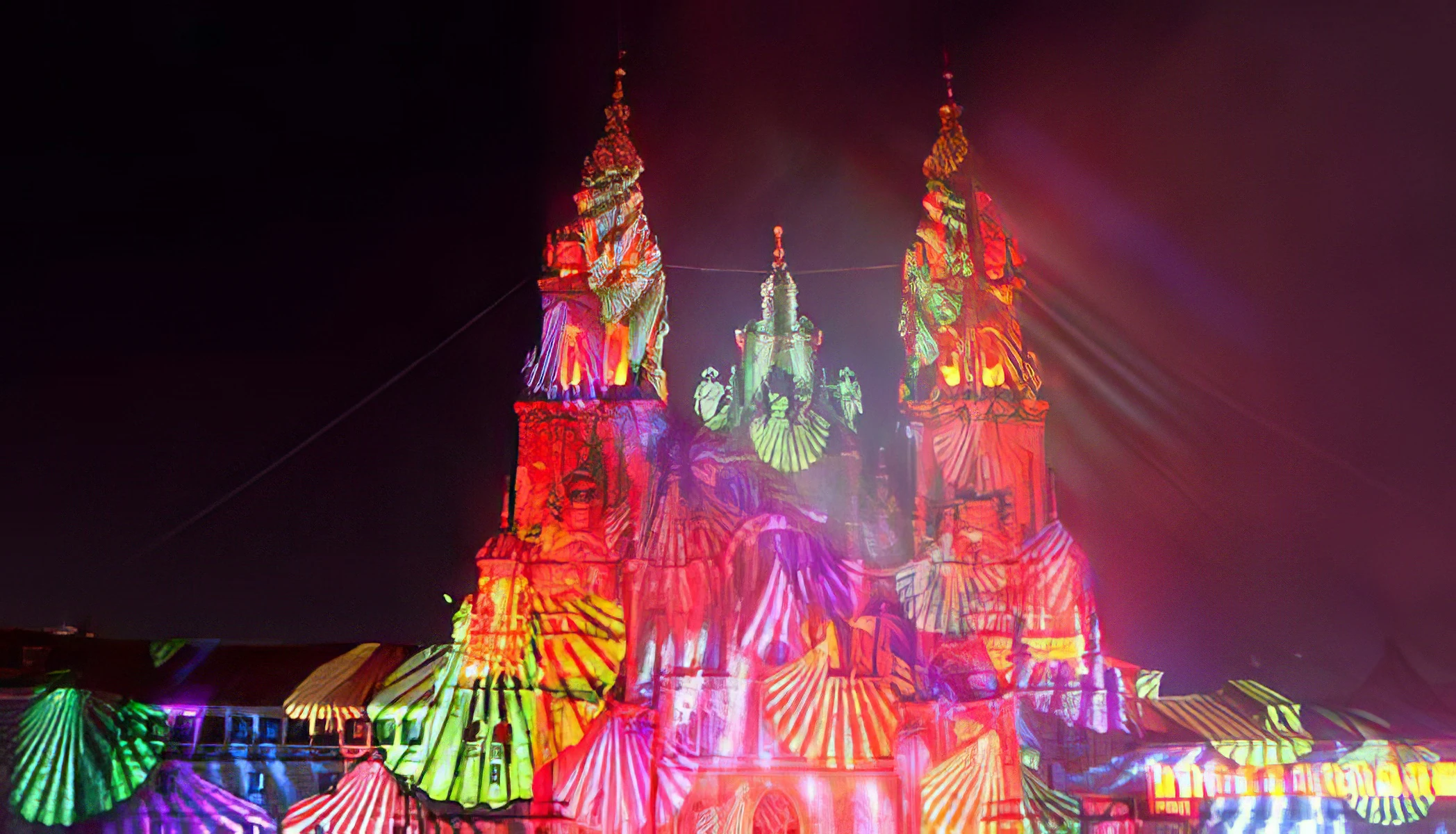
The city is renowned for its annual celebration of the Feast of Saint James (Festividad de Santiago Apóstol) on July 25, which includes religious ceremonies, traditional music, and dance. It hosts the Holy Year (Xacobeo) whenever July 25 falls on a Sunday, featuring special cultural and religious events that attract pilgrims and tourists from around the world. The Museum of Galician People and the Galician Centre of Contemporary Art are key cultural institutions, offering insights into regional history, culture, and modern artistic expressions. Additionally, the city's historic streets come alive with regular performances of traditional Galician music and dance.