

Segovia Travel Guide: Tourist Places & Activities
This city is renowned for its well-preserved Roman aqueduct, fairy-tale castle, and Gothic cathedral. It's a UNESCO World Heritage site, rich in history and architectural marvels, located northwest of Madrid.
- Population
- 52,000
- Size
- 163 square km
- Train Station
- Segovia-Guiomar
- Est. Visit Days
- 1 day
Overview
Segovia, a historic city in Spain, is renowned for its well-preserved Roman aqueduct, a UNESCO World Heritage site, and the fairy-tale-like Alcázar castle. The city's old town is a maze of medieval streets and impressive monuments, including the Gothic cathedral. However, Segovia can be quite crowded with tourists, especially during peak seasons, which might detract from the experience. Additionally, the city's weather can be extreme, with very hot summers and cold winters. Despite these issues, Segovia's rich history and architectural beauty make it a worthwhile destination.
Traffic & Transport
The city's compact size and pedestrian-friendly streets make walking an excellent option for exploring the central areas, where most of the historic sites are located. For longer distances or to reach the outskirts, buses are available and provide a cost-effective way to travel. Bicycles can also be a convenient mode of transportation, offering visitors the flexibility to move around at their own pace. However, it's important to note that the historic center is mainly reserved for pedestrians, so access by car is limited. For those preferring to use taxi services, several reliable taxi companies operate in the city. Additionally, the use of taxi-booking apps like Cabify provides a convenient option for securing a ride, allowing for easy navigation and payment through the app.
History
Founded by the Celtiberians, the city was later conquered by the Romans in 80 BC and became an important military base due to its strategic location and the presence of an aqueduct. In the Middle Ages, it was a key center for wool production and trade, which significantly boosted its economy. The city also played a role in the Spanish War of Succession in the early 18th century, experiencing a brief occupation by French troops. Its historical and cultural significance is exemplified by its well-preserved Roman aqueduct, Alcázar fortress, and Gothic cathedral, all of which are UNESCO World Heritage Sites. Throughout its history, the city has been a melting pot of Roman, Jewish, and Moorish influences, reflected in its architecture, festivals, and culinary traditions.
Itinerary Sample
Explore Segovia's rich history and stunning architecture in a day with this focused itinerary:
– Morning: Start at the iconic Roman Aqueduct. Visit the Segovia Cathedral and stroll through the city's old Jewish Quarter.
– Afternoon: Tour the Alcázar of Segovia, then enjoy local cuisine at Plaza Mayor.
– Evening: Walk along the city walls for sunset views, and finish the day with a relaxing dinner in the historic center.
Near Excursion
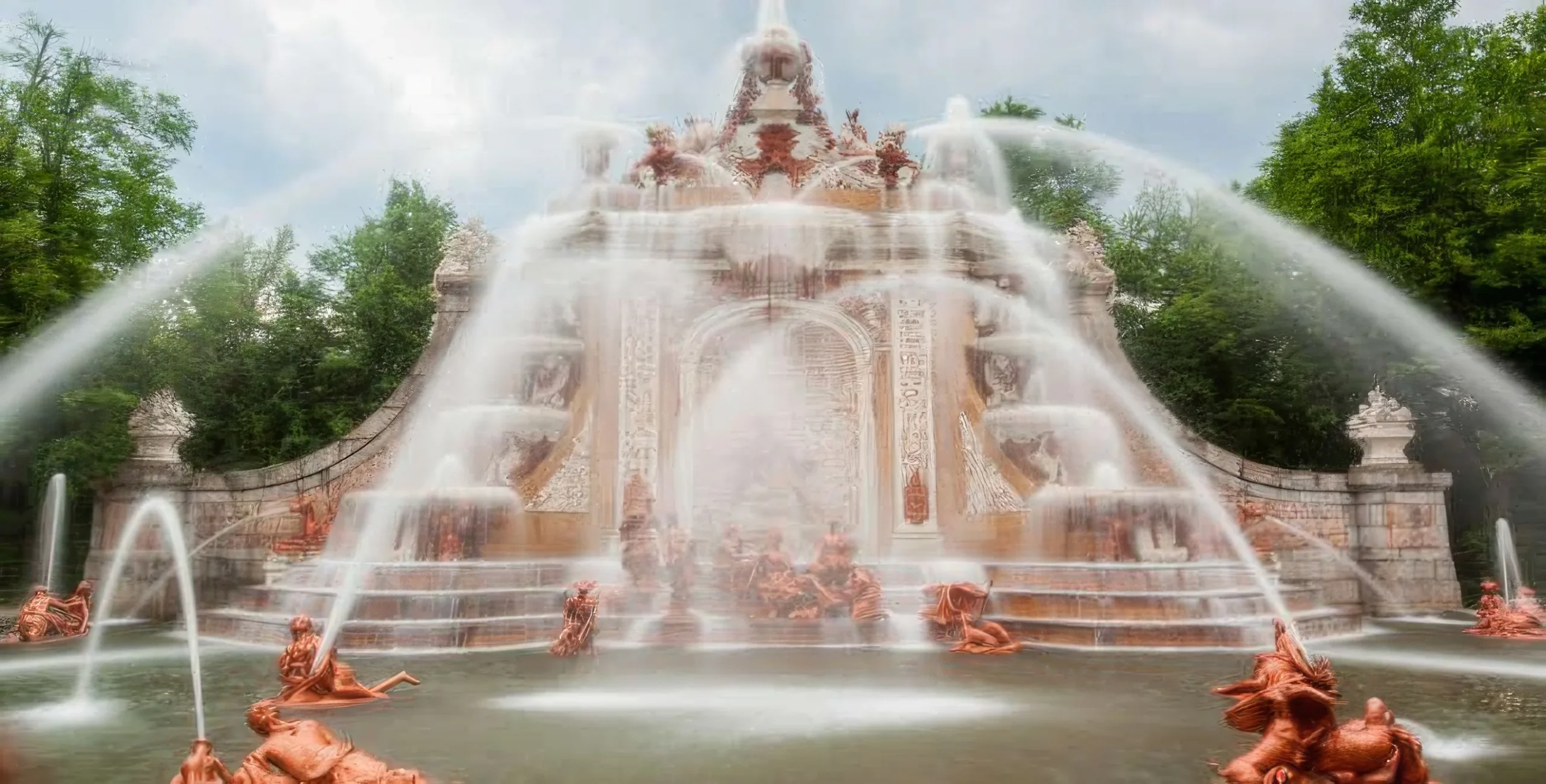
This city is a great starting point for several exciting day trips. Here are some suggestions:
– La Granja de San Ildefonso at 11 km: A royal palace with beautiful gardens and fountains.
– Pedraza at 37 km: A medieval walled town known for its well-preserved architecture and annual candle festival.
– Ávila at 67 km: Famous for its intact medieval walls and numerous churches.
– El Escorial at 60 km: A historical residence of the King of Spain, featuring a monastery and royal palace.
– Madrid at 90 km: Spain's capital city, offering museums, parks, and pleasant city life.
Attraction
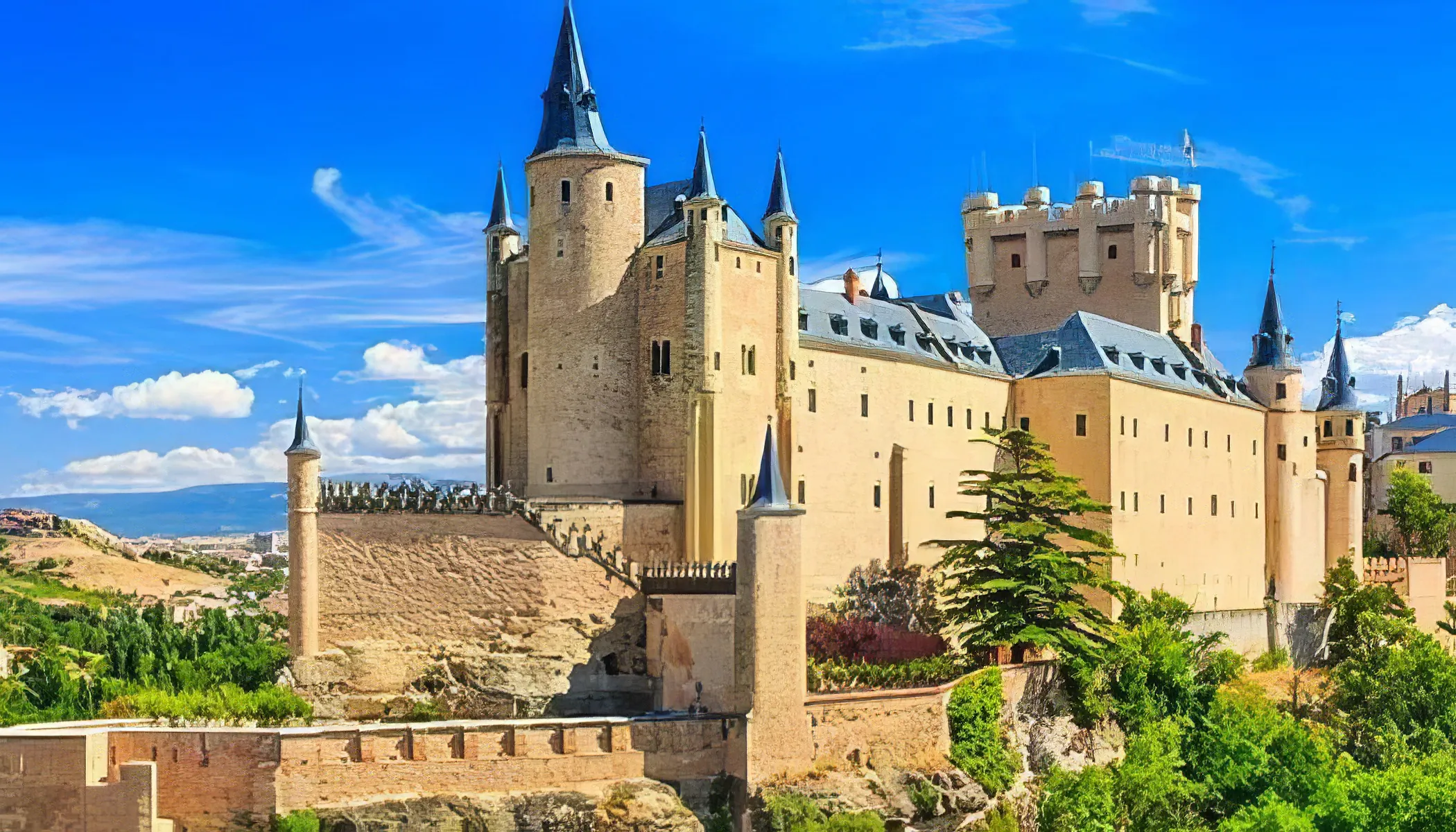
Known for its well-preserved Roman aqueduct and historic architecture, this city offers a rich cultural experience.
– Aqueduct: An impressive Roman structure with 167 arches, it is one of the best-preserved ancient monuments.
– Alcázar: A medieval castle that inspired Disney's Cinderella Castle, offering panoramic views and a museum.
– Cathedral: A late Gothic cathedral known as the "Lady of Cathedrals," featuring remarkable architecture and art.
– Plaza Mayor: The main square, surrounded by historic buildings, cafes, and the town hall.
– Monastery of San Antonio el Real: A 15th-century monastery with beautiful Mudejar-style architecture and peaceful gardens.
– Casa de los Picos: A unique building with a facade covered in pyramid-shaped granite blocks, now an art school.
Activity
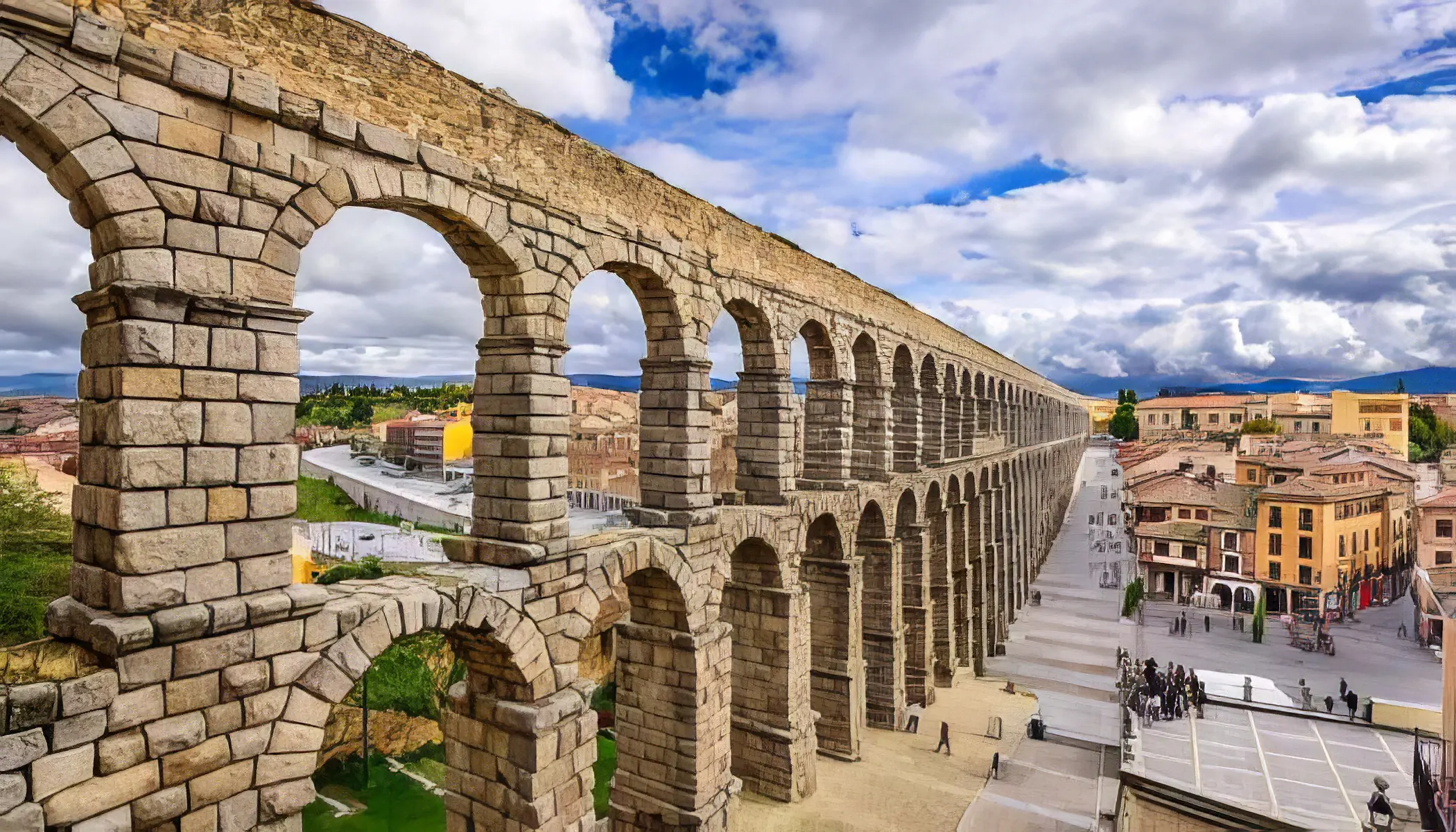
Segovia offers unique experiences like exploring a Roman aqueduct and tasting local cuisine.
– Aqueduct of Segovia: Marvel at the well-preserved Roman aqueduct, a UNESCO World Heritage site.
– Alcázar of Segovia: Visit the medieval castle that inspired Disney's Cinderella Castle.
– Segovia Cathedral: Admire the Gothic architecture of this impressive cathedral.
– Hot Air Balloon Ride: Enjoy a bird's-eye view of Segovia's historic sites and surrounding landscapes.
– Segovia Gastronomy Tour: Sample local specialties like cochinillo (suckling pig) and ponche segoviano (almond cake).
Cuisine

The city is known for its traditional Castilian cuisine, featuring hearty and flavorful dishes. Local specialties often highlight roasted meats and rich desserts.
– Cochinillo Asado: Suckling pig roasted to crispy perfection, a regional delicacy.
– Judiones de La Granja: Large white beans stewed with chorizo and pork, a hearty dish.
– Cordero Asado: Roast lamb, typically cooked in a wood-fired oven.
– Ponche Segoviano: A layered sponge cake with marzipan and custard, topped with caramelized sugar.
– Sopa Castellana: Garlic soup with bread, ham, and poached egg, a comforting starter.
– Chorizo de Cantimpalos: Locally produced chorizo sausage, known for its rich flavor.
Shopping
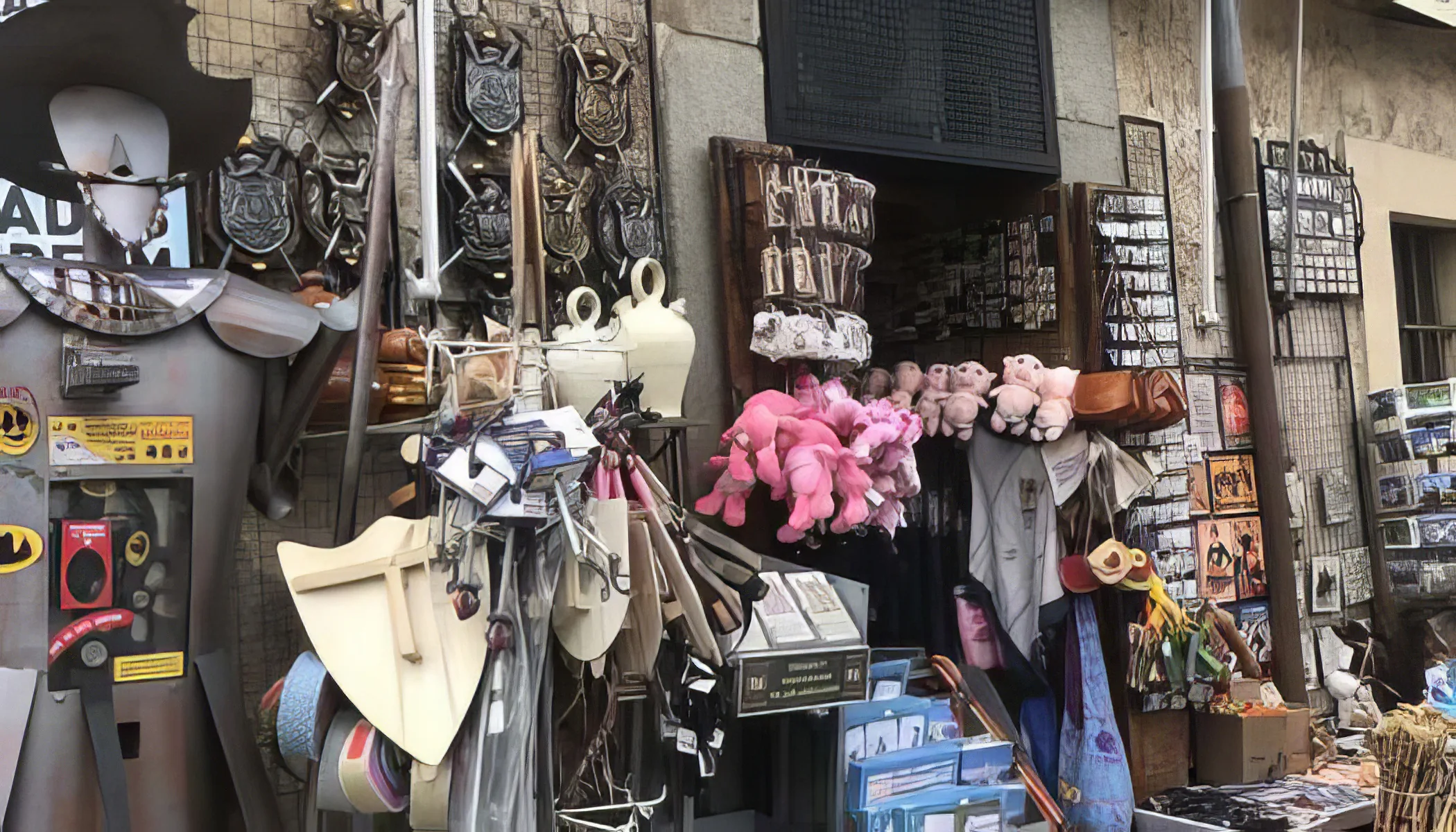
In the city, visitors can explore charming artisan shops offering unique ceramics and traditional pottery, ideal for gifts. The local food market is a great spot to purchase authentic Spanish delicacies like chorizo or jamón. Handcrafted jewelry and leather goods are also popular items among tourists. For a truly distinctive souvenir, consider buying a replica of the famous aqueduct in miniature form. These items reflect the rich cultural heritage and craftsmanship of the area.
Arts & Culture
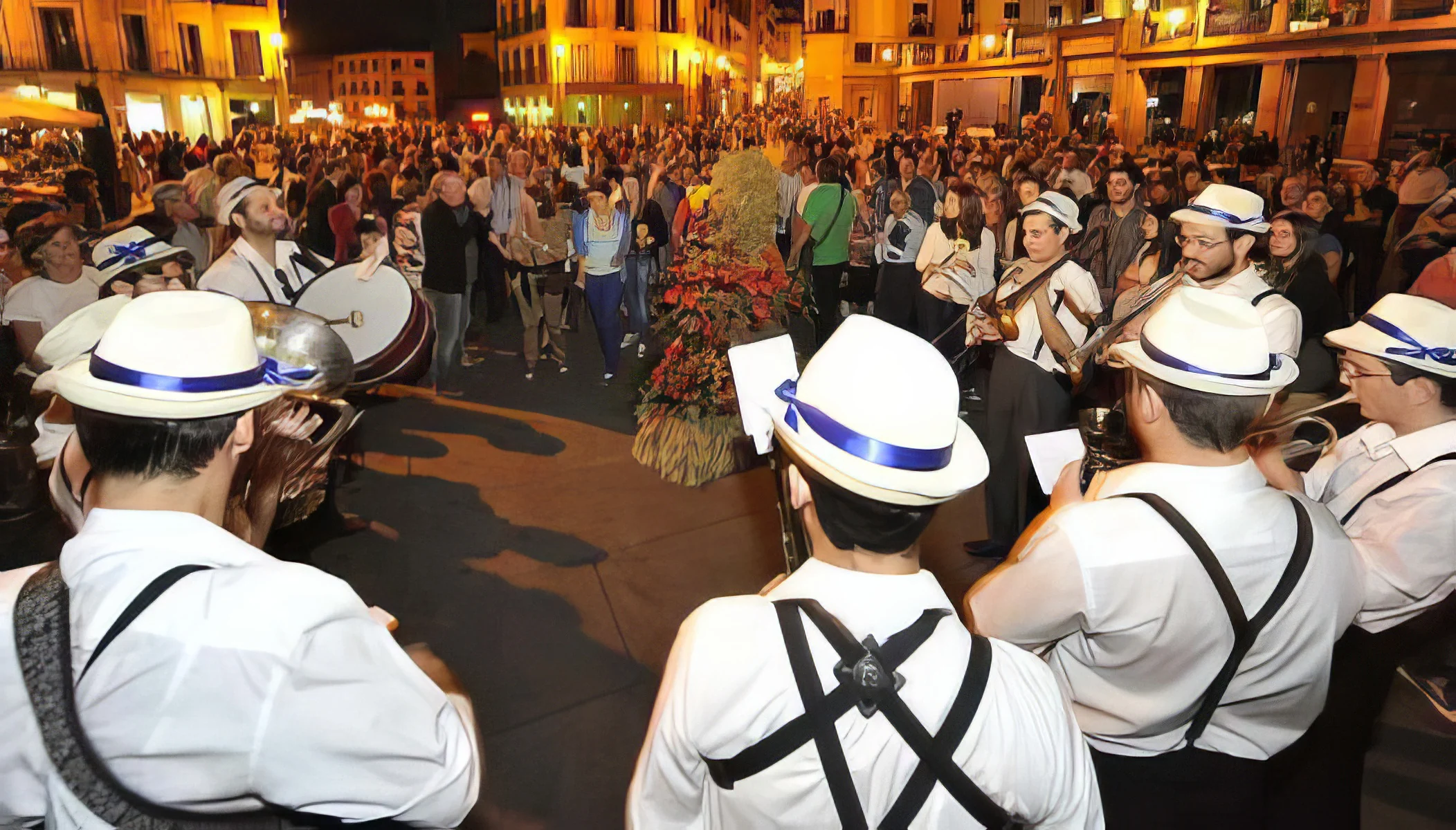
The city is renowned for its rich historical tapestry and lively cultural scene. Key highlights include the Festival de Segovia, an annual event featuring classical music, dance, and theater performances. The city also hosts Titirimundi, an international puppet festival that attracts performers and audiences from around the globe. Additionally, the old town, a UNESCO World Heritage site, offers numerous art exhibitions and cultural activities throughout the year.