

Tana Toraja Travel Guide: Tourist Places & Activities
A cultural region in South Sulawesi known for its elaborate funeral rituals, traditional houses called Tongkonan, and charismatic landscapes. It's a significant center for both tourism and the study of indigenous practices.
- Est. Visit Days
- 4 days
Overview
Tana Toraja, located in South Sulawesi, Indonesia, is renowned for its unique culture and fascinating funeral rites, which attract many visitors interested in anthropology and traditional customs. The region's traditional Tongkonan houses and intricate wood carvings are a major draw for those interested in indigenous architecture and craftsmanship. However, Tana Toraja's remote location can make access somewhat challenging, which might deter some travelers. Additionally, the area's tourism infrastructure is still developing, so amenities may be more basic compared to more popular destinations. Despite these issues, Tana Toraja offers a rich cultural experience and fascinating landscapes, with its abundant green hills and rice terraces adding to its appeal.
Traffic & Transport
The city's traffic is relatively light, making it convenient for tourists to explore using various modes of transport. Motorbikes and bicycles are popular choices for navigating the narrow and hilly roads, offering a more immersive experience of the local surroundings. For longer distances, shared minibusses, known as "bemo," are available and provide a cost-effective way to travel between different areas. Renting a car with a driver is another option for those who prefer more flexibility in their itinerary. For reliable taxi services, visitors can rely on companies like Toraja Taxi and Toraja Express. Additionally, the use of ride-hailing apps like Gojek and Grab offers a convenient and efficient way to book rides, with the added benefit of fixed prices and the option to pay electronically.
History
Historically, this region was once part of the Dutch East Indies, which significantly influenced its development and culture. It was a focal point for the Dutch colonial administration due to its unique indigenous customs and traditional architecture. The area also experienced some resistance during the Indonesian National Revolution in the 1940s. Culturally, it is renowned for its elaborate funeral ceremonies, which are central to the local belief system and have become a major tourist attraction. These ceremonies reflect the community's strong emphasis on ancestral worship and the afterlife. The region is also known for its skilled artisans, particularly in woodcarving and traditional weaving, which have been integral to its economy and cultural identity.
Itinerary Sample
Explore the unique culture and beautiful landscapes of Tana Toraja over four days with this itinerary:
– First day: Arrive in Tana Toraja, check into your hotel, and explore the local market in Rantepao for a taste of Torajan daily life.
– Second day: Visit Kete Kesu, a traditional village, to see ancient Tongkonan houses and hanging graves.
– Third day: Travel to Batutumonga for panoramic views of rice fields. Enjoy a light trek and a picnic lunch.
– Fourth day: Explore Londa, an ancient burial site with cave graves and tau tau effigies, before departing Tana Toraja.
Near Excursion
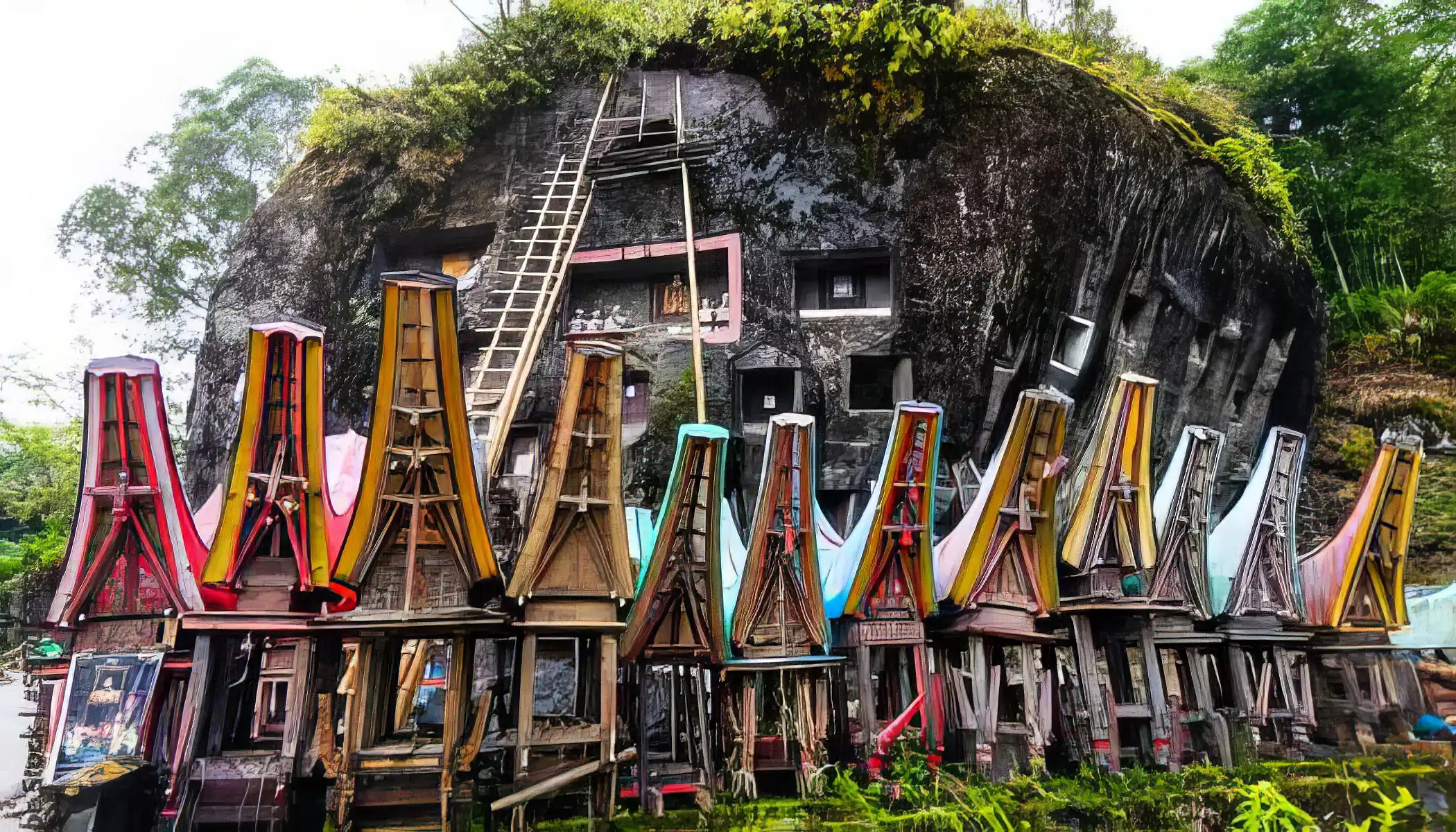
This area offers several interesting day trips for tourists. Here are some suggestions:
– Lemo at 10 km: Famous for its cliffside burial sites and hanging graves.
– Kete Kesu at 4 km: A traditional village known for its well-preserved Tongkonan houses and ancient burial sites.
– Bori Kalimbuang at 5 km: Features megalithic stone monuments and traditional Torajan architecture.
– Batutumonga at 24 km: Offers beautiful panoramic views of rice terraces and valleys.
– Pallawa at 12 km: A traditional village with unique Tongkonan houses and granaries.
Attraction
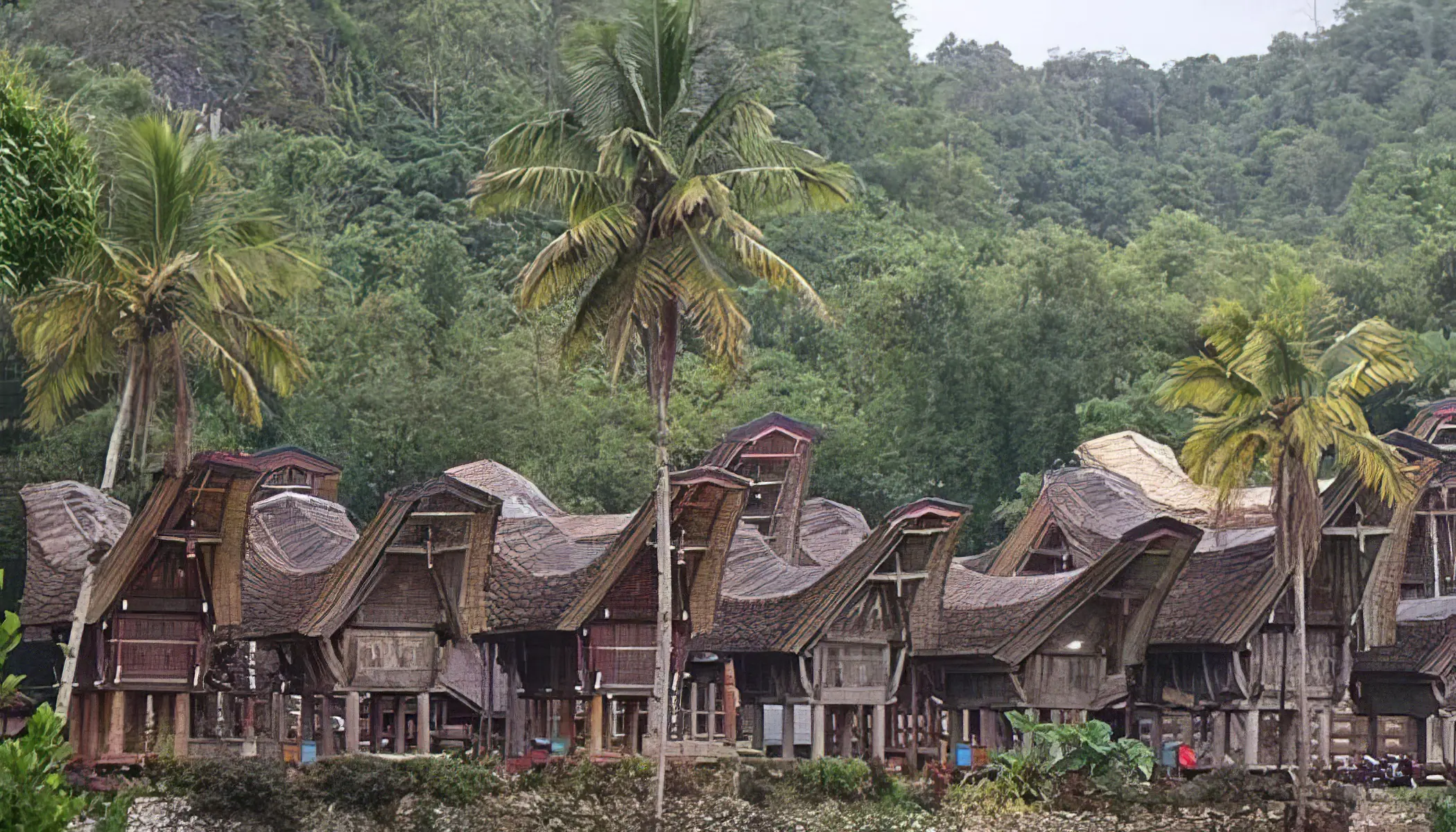
Known for its unique culture and traditional architecture, this city offers a fascinating glimpse into local customs and rituals.
– Londa Burial Caves: Ancient burial site with coffins placed in caves and cliffs, featuring carved wooden effigies.
– Kete Kesu Village: Traditional village showcasing Tongkonan houses, rice barns, and local handicrafts.
– Lemo: Cliffside burial site with hanging graves and Tau Tau wooden effigies.
– Bori Parinding: Megalithic stone site used for traditional ceremonies and rituals.
– Batutumonga: Scenic highland area offering panoramic views of rice terraces and mountains.
– Pallawa: Traditional village known for its well-preserved Tongkonan houses and granaries.
Activity
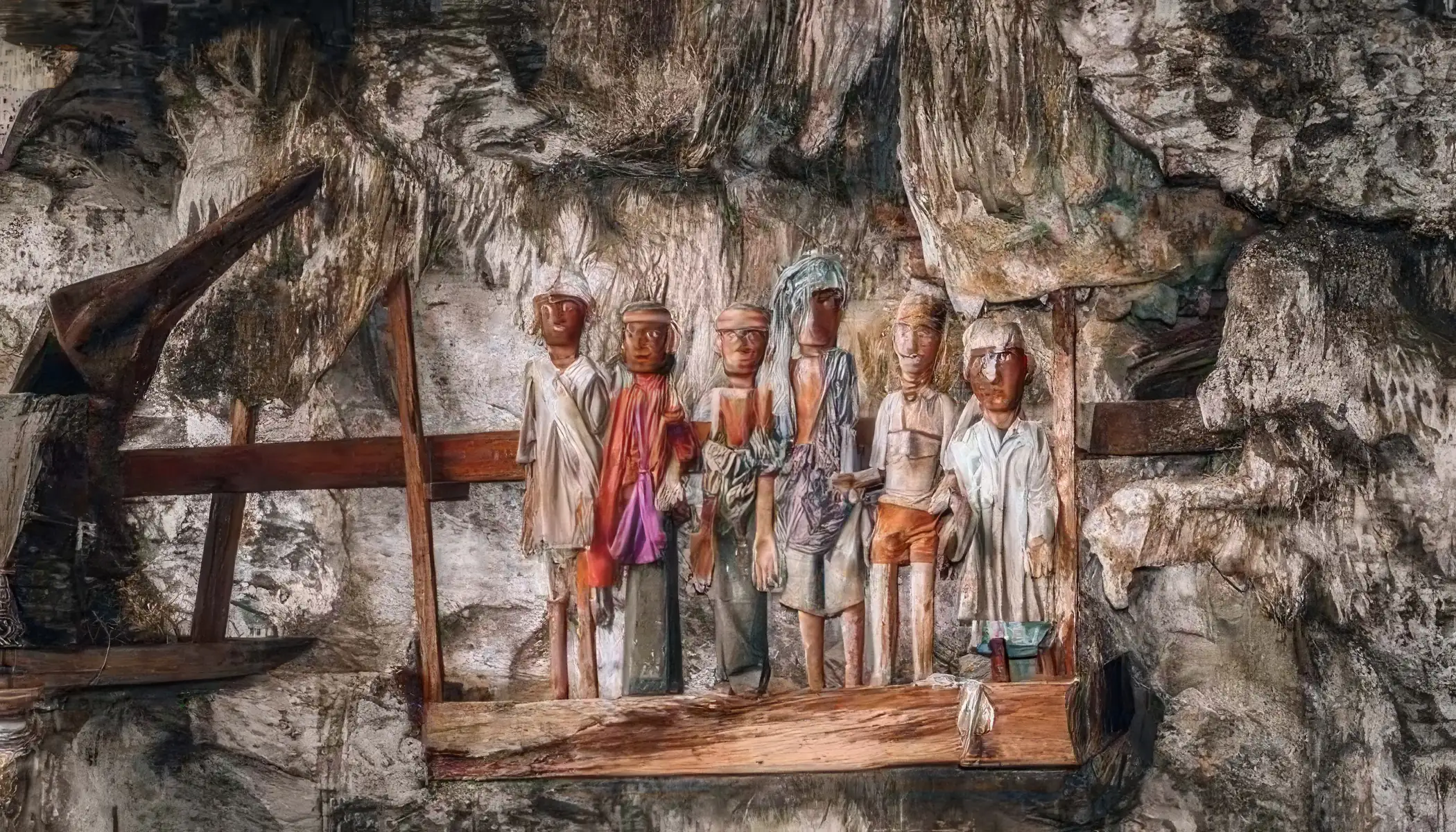
In Tana Toraja, travelers can experience unique cultural traditions, remarkable landscapes, and engaging local markets.
– Toraja funeral ceremony: Witness elaborate rituals honoring the deceased.
– Trekking in Batutumonga: Enjoy scenic views of rice terraces and traditional Torajan houses.
– Lemo stone graves: Visit cliffside burial sites with intricate carvings.
– Londa burial caves: Explore caves housing ancient coffins and bones.
– Kete Kesu village: Discover traditional Torajan architecture and handicrafts.
Shopping
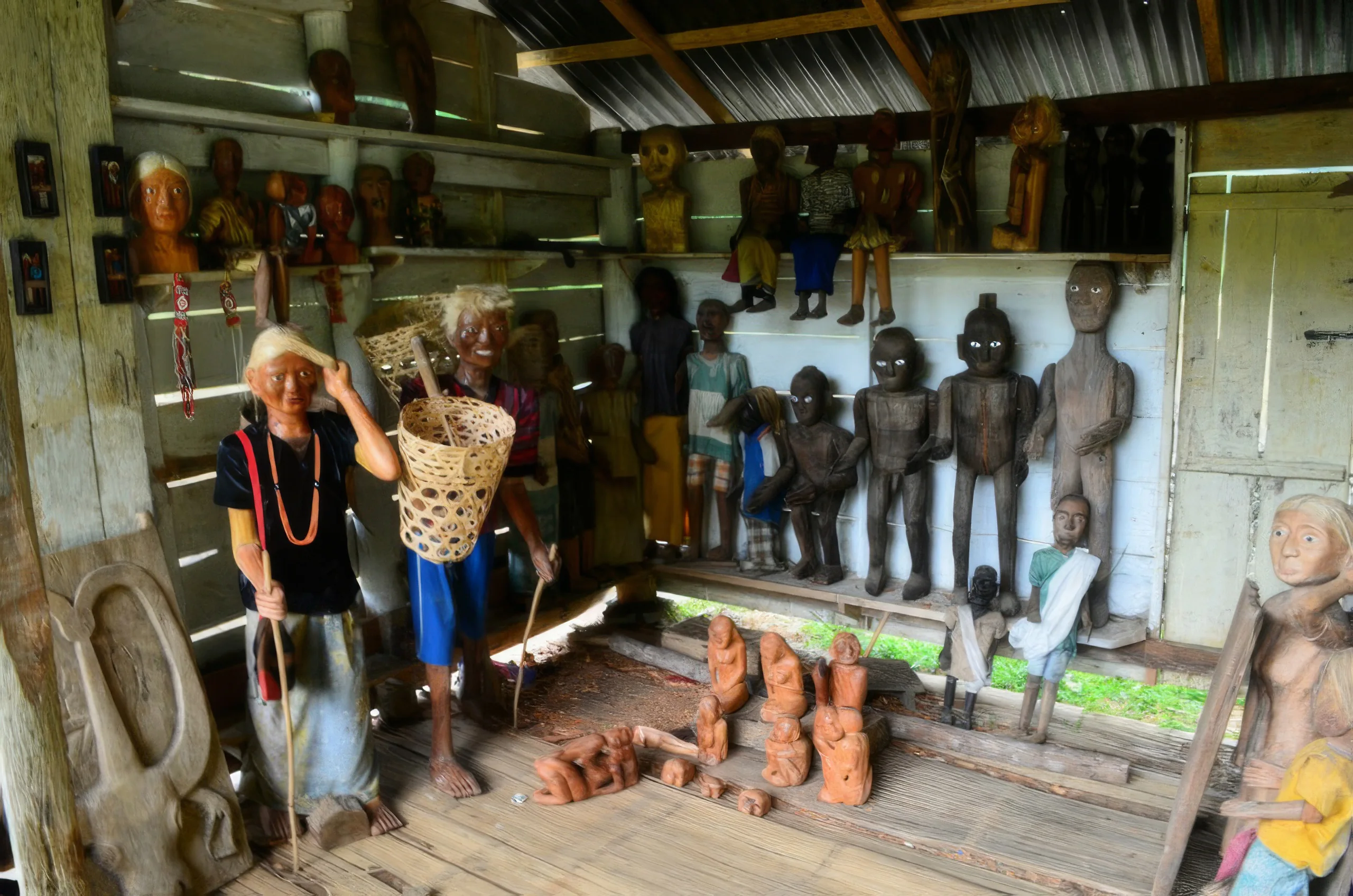
In the city, tourists can explore local markets known for their unique handicrafts. Traditional woven textiles, such as ikat fabrics, are popular gifts, showcasing refined designs and pleasant colors. Carved wooden panels and buffalo horn crafts also make distinctive souvenirs. Additionally, purchasing these items supports the local artisans and preserves cultural heritage. Coffee, grown locally, is another excellent gift, known for its rich flavor. These markets also offer an authentic glimpse into the daily life and traditions of the region.
Arts & Culture
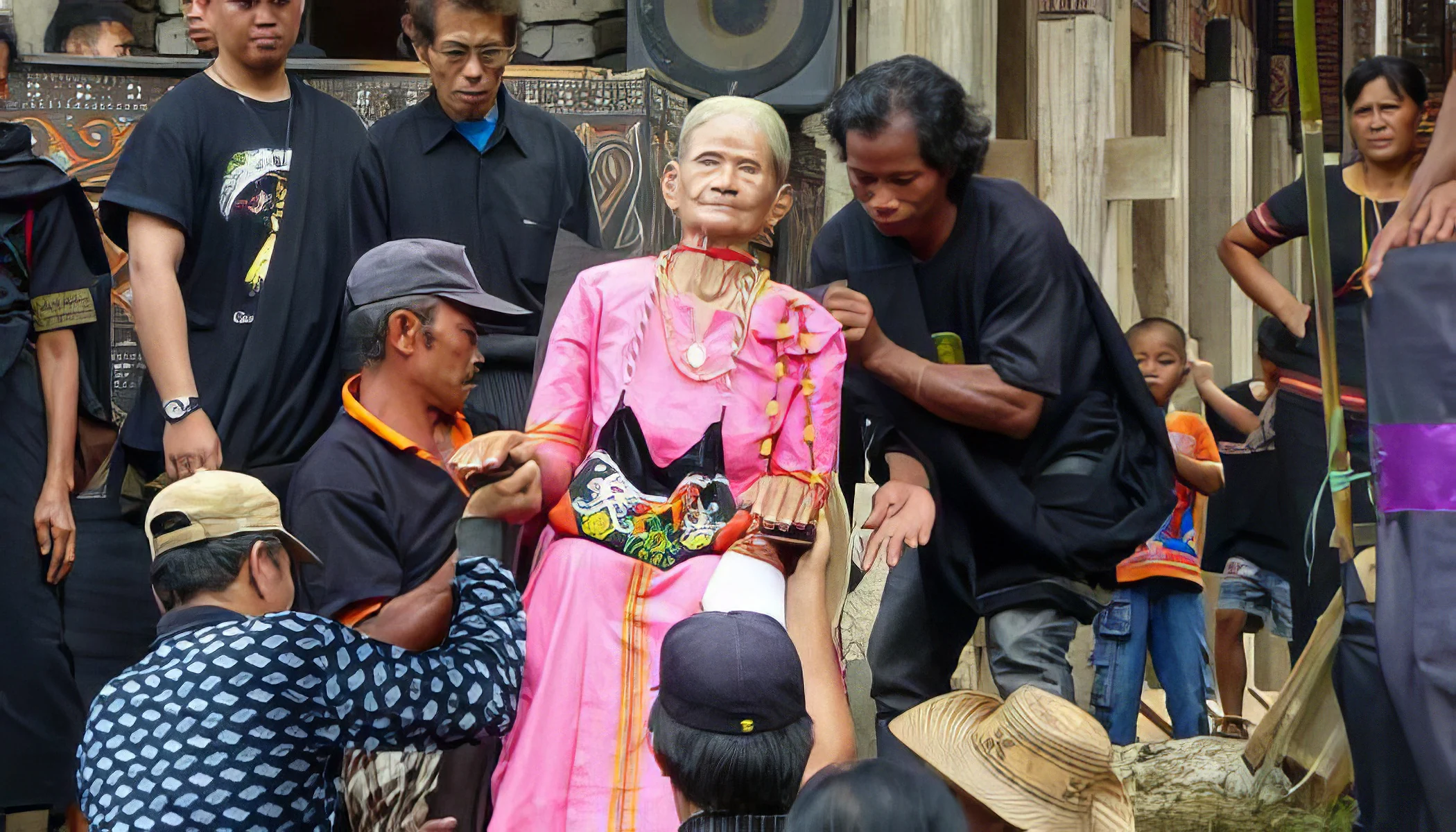
The region is renowned for its elaborate funeral rites, traditional houses known as Tongkonan, and wood carvings. These funerals are often grand events that can last several days, involving various rituals and animal sacrifices to accompany the deceased to the afterlife. The area also hosts the Ma'nene festival, where villagers clean and redress the mummified bodies of their ancestors. Additionally, the region's traditional dance and music, such as the Pa'gellu dance, play a significant role in ceremonies and festivals.