

Tarragona Travel Guide: Tourist Places & Activities
Located on the northeastern coast, this city is known for its rich Roman history, including well-preserved ruins like an amphitheater. It offers beautiful beaches along the Mediterranean and a charming old town.
- Population
- 135,000
- Train Station
- Estació de Tarragona
- Est. Visit Days
- 2 days
Overview
Tarragona, a city in northeastern Spain, is known for its well-preserved Roman ruins, including a 2nd-century amphitheater and a stone tower that was part of the city's ancient wall. The city also boasts beautiful beaches and a rich cultural scene, with events like the Tarragona International Dixieland Festival. However, Tarragona can be quite crowded during peak tourist seasons, which might detract from the experience. Additionally, public transportation within the city is somewhat limited, which could make getting around a bit challenging for visitors. Despite these issues, Tarragona's historical and cultural offerings make it a worthwhile destination.
Traffic & Transport
The city's compact size makes it ideal for exploring on foot, especially in the historic center where many of the main attractions are located. For longer distances, buses are a convenient and cost-effective option, with a well-connected network that reaches both the city outskirts and nearby towns. Renting a bicycle is another great way to navigate the city, offering flexibility and the opportunity to enjoy the coastal views at your own pace. However, driving is not recommended within the city center due to narrow streets and limited parking availability. For those preferring to use taxi services, several reliable companies operate in the city. Radio Taxi is a prominent option, known for its availability and professional service. Additionally, the MyTaxi app provides a convenient way to book taxis through a mobile application, offering both ease of use and transparent pricing.
History
Founded by the Romans in the 5th century BC, the city was originally named Tarraco and became the capital of the Roman province of Hispania Citerior. It was a key administrative and military center, evidenced by the well-preserved Roman ruins, including a large amphitheater and a seaside wall. Throughout its history, it was repeatedly attacked and occupied by various groups, including the Visigoths, Moors, and Franks. The city's strategic location on the Mediterranean facilitated trade, particularly in wine and wheat, contributing to its economic prosperity. In the 12th century, it was reconquered by Christian forces during the Spanish Reconquista, leading to a period of cultural and architectural renewal.
Itinerary Sample
Explore the highlights of Tarragona, a historic city on Spain's northeastern coast, over two days. Here's a suggested itinerary:
– First day: Visit the Tarragona Amphitheatre, wander through the old town, and explore the Tarragona Cathedral.
– Second day: Tour the Roman Circus, see the Mediterranean Balcony, and relax at Arrabassada Beach.
Near Excursion
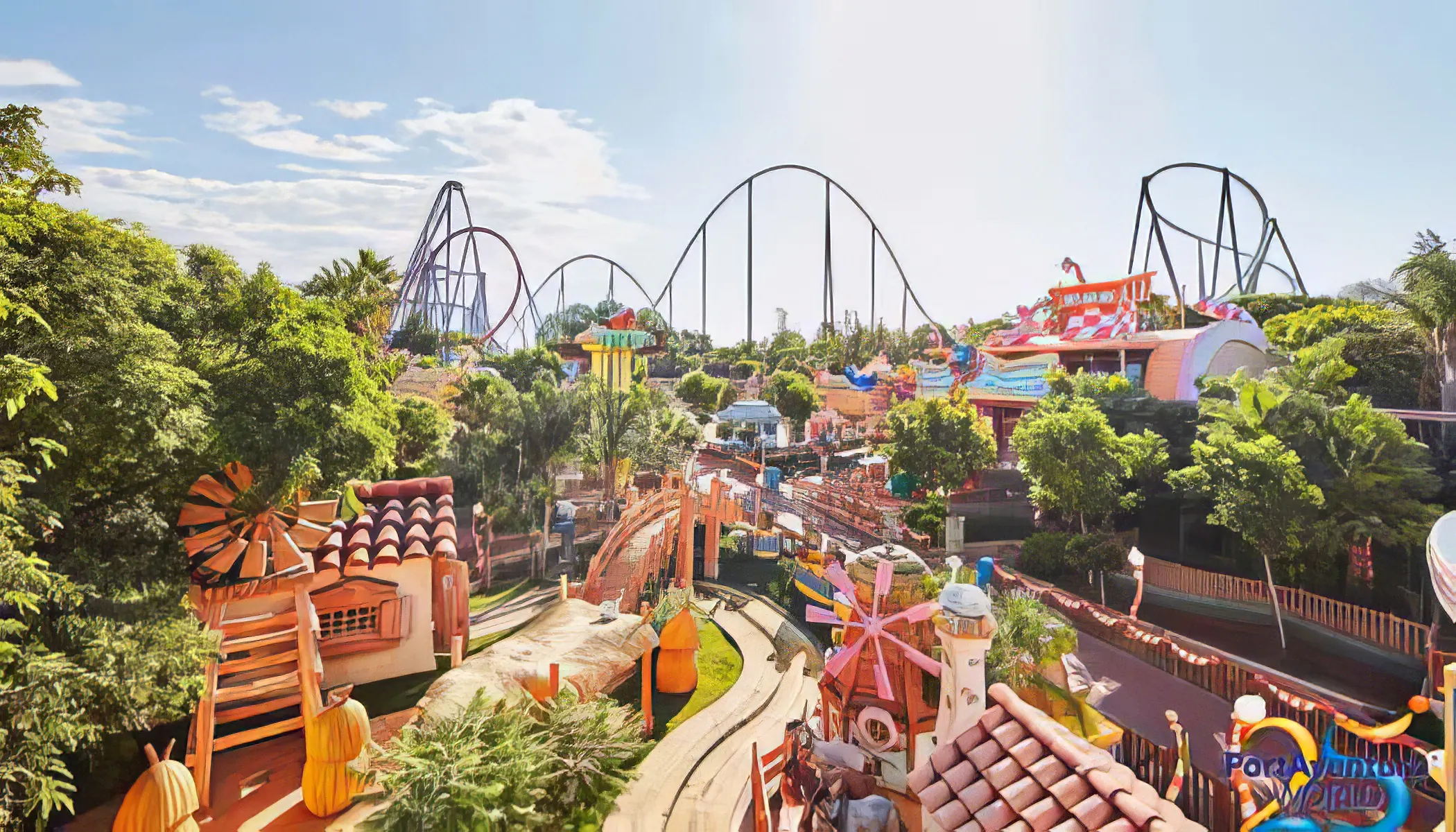
This city offers several interesting day trips within a short distance. Here are some suggestions:
– Portaventura World at 10 km: A large amusement park with thrilling rides and shows.
– Poblet Monastery at 50 km: A UNESCO World Heritage site and one of the largest Cistercian monasteries in Spain.
– Sitges at 65 km: A charming coastal town known for its beaches, nightlife, and film festival.
– Montserrat at 100 km: A mountain range with a famous monastery and remarkable views.
– Delta del Ebro at 90 km: A natural park with diverse wildlife, ideal for bird watching and boat tours.
Attraction
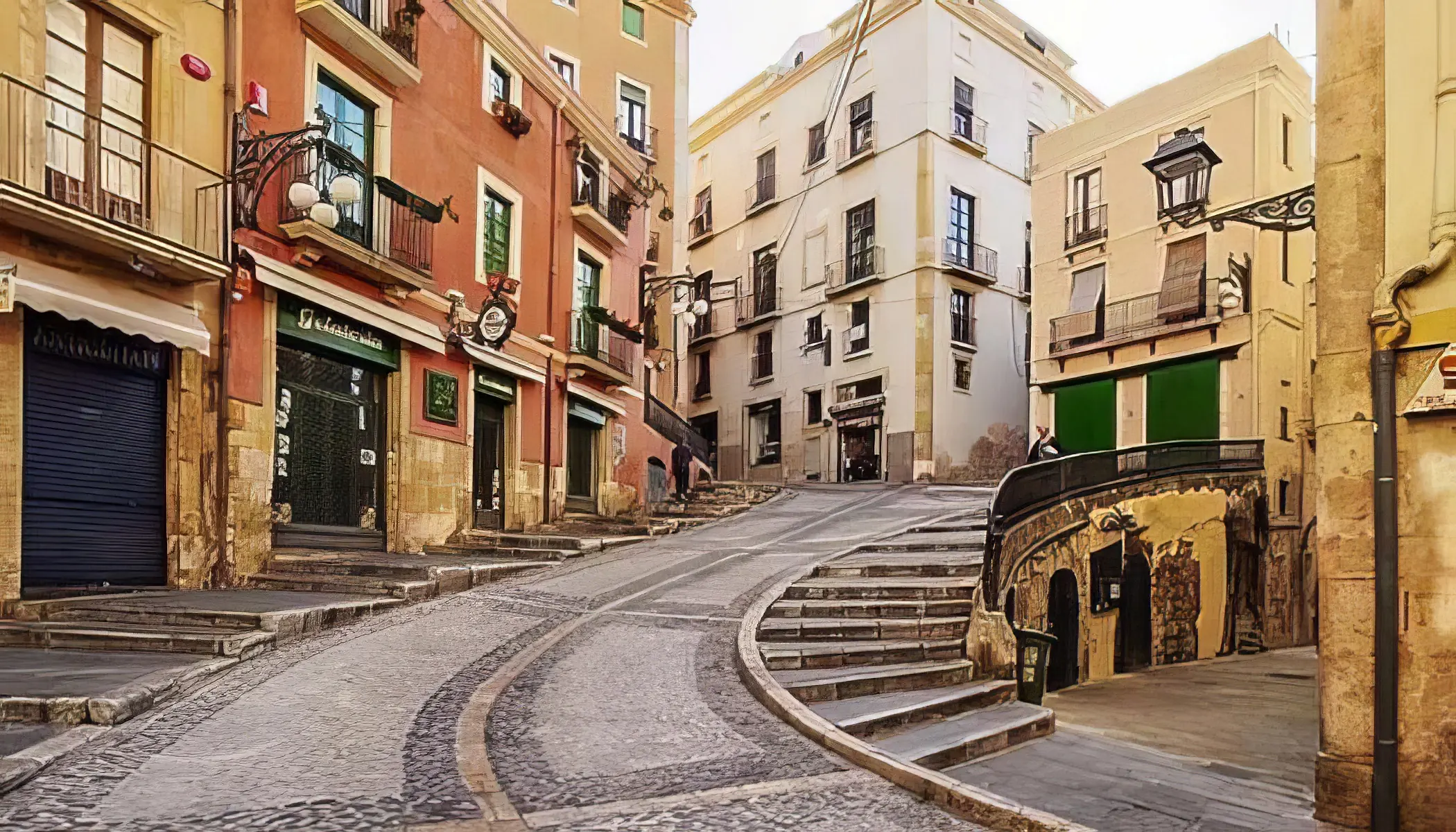
This city is known for its rich Roman history and well-preserved ancient ruins.
– Roman Amphitheatre: An ancient Roman arena with fascinating sea views, used for gladiatorial contests and public spectacles.
– Tarragona Cathedral: A beautiful Gothic and Romanesque cathedral with a peaceful cloister and impressive architecture.
– Roman Circus: A well-preserved site where chariot races were held, offering underground tunnels and panoramic views.
– Balcó del Mediterrani: A scenic viewpoint overlooking the Mediterranean Sea, perfect for a relaxing stroll.
– Pont del Diable: An ancient Roman aqueduct, also known as the Devil's Bridge, set in a pleasant natural park.
– National Archaeological Museum: A museum showcasing artifacts from the city's Roman past, including mosaics and sculptures.
Activity
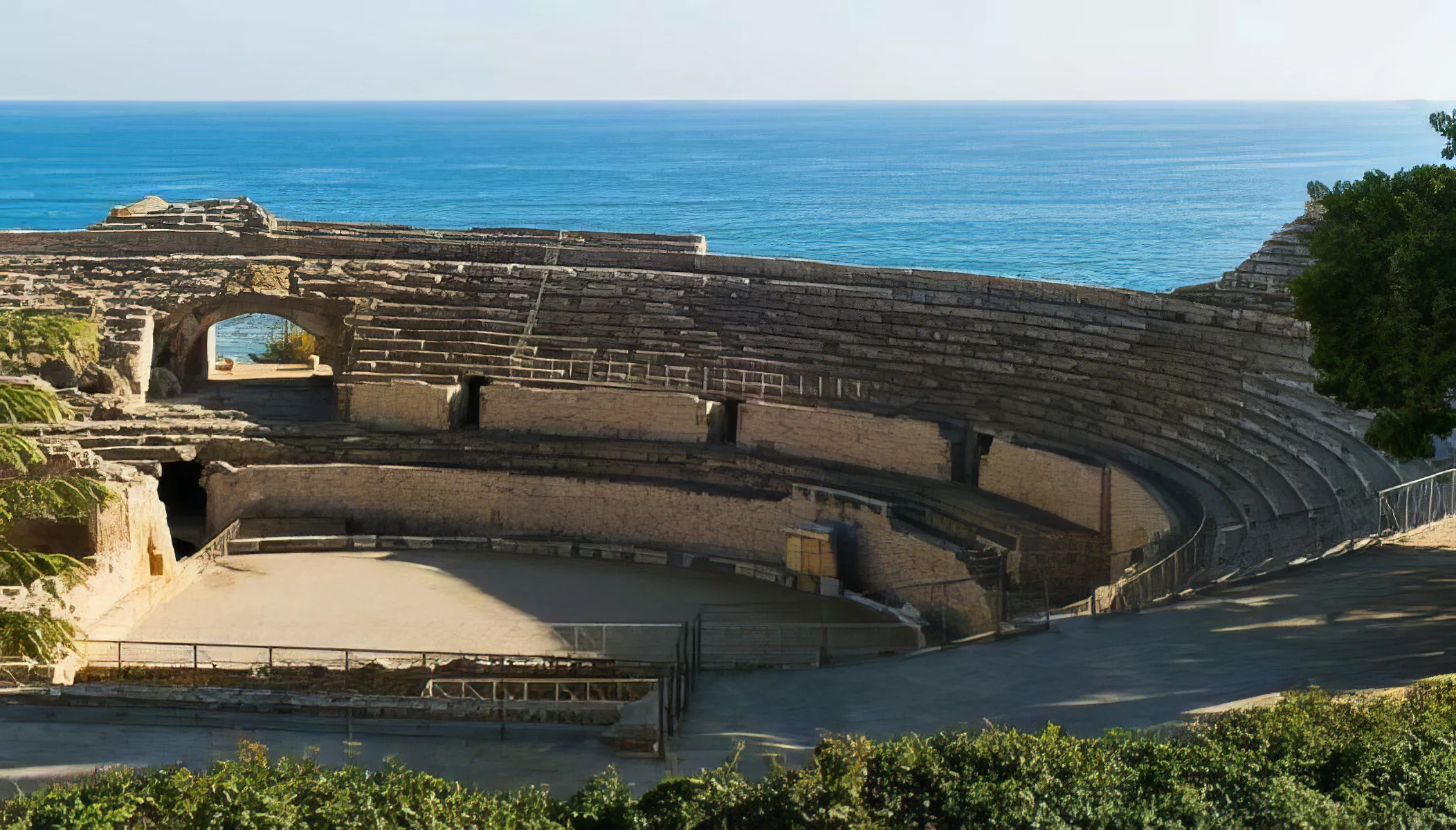
In Tarragona, travelers can explore Roman ruins, enjoy coastal views, and participate in local festivals.
– Roman Amphitheatre: Visit a well-preserved ancient amphitheater used for gladiator fights and chariot races.
– Tarragona Cathedral: Admire Gothic architecture and panoramic city views from this historic cathedral.
– Portaventura World: Experience thrilling rides and shows at one of Europe's largest theme parks.
– Tarragona Balcony Path: Walk along a scenic coastal path with views of the Mediterranean Sea and cliffs.
– Human Towers: Witness or participate in Castells, a Catalan tradition of building human towers.
Cuisine

The city offers a rich culinary heritage influenced by Mediterranean flavors, with a focus on fresh seafood and traditional Catalan dishes. Some of the city's most famous dishes include:
– Romesco Sauce: A nut and red pepper-based sauce often served with fish or vegetables.
– Xató: A salad made with endive, cod, anchovies, and olives, dressed with romesco sauce.
– Arròs Negre: Black rice dish cooked with squid ink, seafood, and garlic.
– Calçots: Grilled spring onions served with romesco sauce, typically enjoyed during winter.
– Crema Catalana: A creamy custard dessert topped with a caramelized sugar crust.
– Panellets: Small almond-based sweets, often enjoyed during All Saints' Day.
Shopping
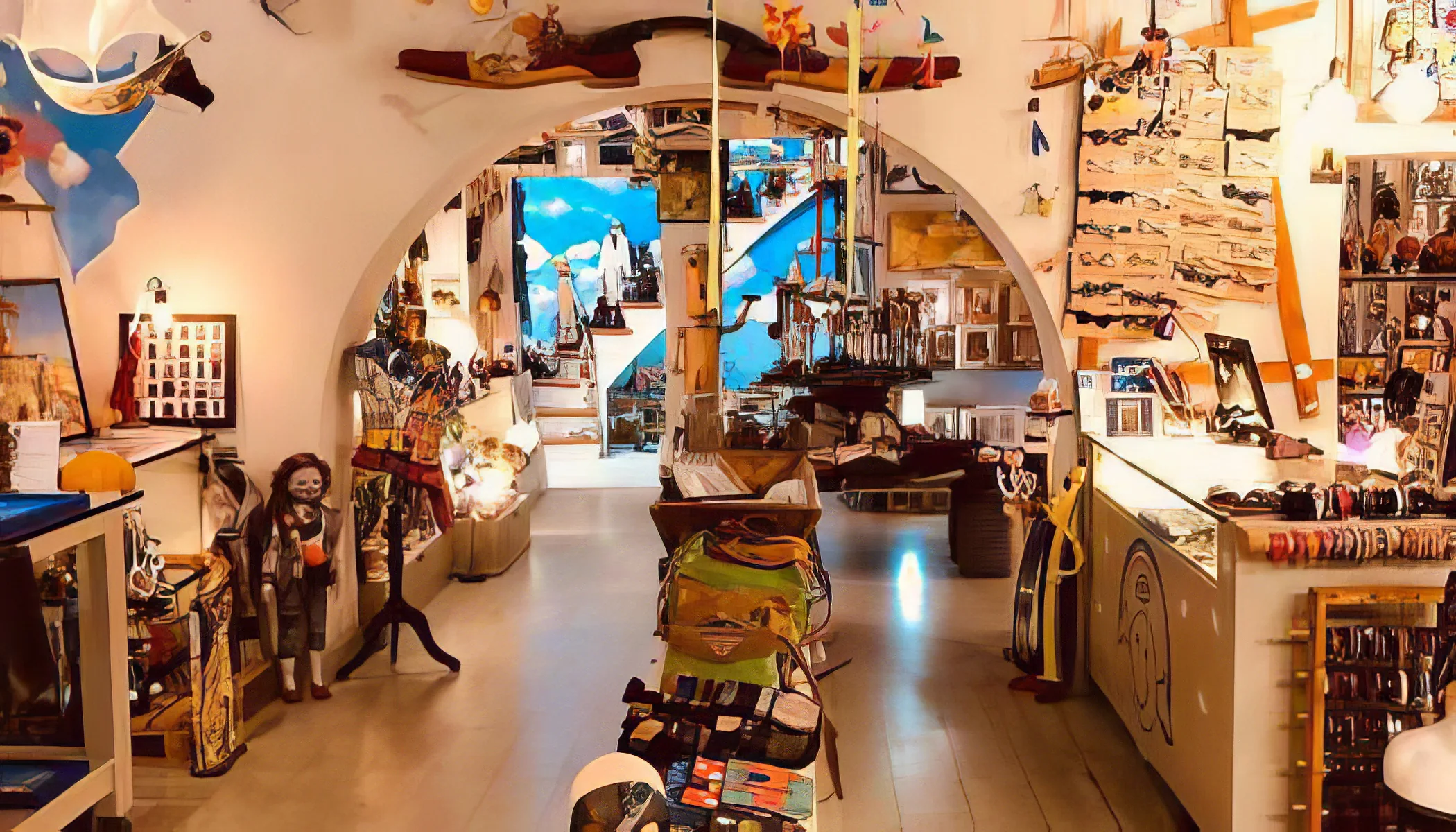
In the city, visitors can explore the charming boutiques in the historic Old Town, offering unique local crafts and souvenirs. A popular gift to purchase is ceramics, which reflect the region's artistic heritage. The local markets, such as the Mercat Central, are ideal for buying fresh produce and regional specialties like olive oil and Turrón, a traditional nougat. Another thoughtful gift is jewelry inspired by Roman designs, paying homage to the city's ancient past. For a more contemporary option, consider fashion items from local designers showcased in small independent shops. These gifts not only serve as a memento but also support local artisans and businesses.
Arts & Culture
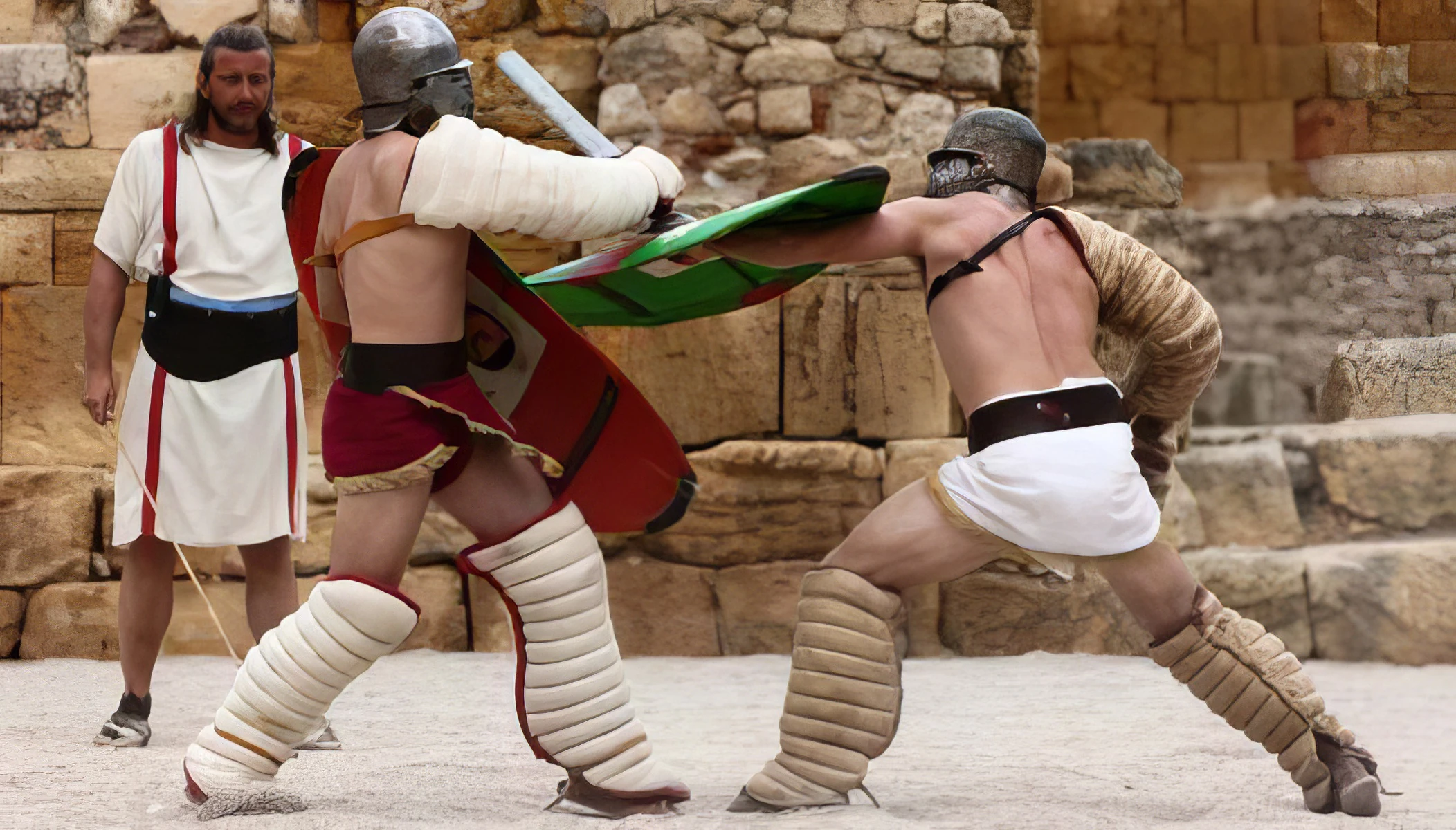
The city hosts an impressive array of cultural events, including the Tarraco Viva festival every May, which celebrates Roman history through reenactments and performances. The International Dixieland Festival is the only festival of its kind in Spain, dedicated to Dixieland music, attracting jazz lovers every April. The city is also known for its well-preserved Roman ruins, a UNESCO World Heritage Site, which serve as a backdrop for various cultural activities and historical tours. Additionally, the National Archaeological Museum offers extensive collections and exhibits that delve into the region's rich history.