

Chiang Mai: Best Things to Do & Top Attractions
Located in the mountainous northern region, this city is known for its historic temples, lively street markets, and as a gateway to various natural parks and ethnic hill tribes.
- Population
- 130,000
- Size
- 40 square km
- Airport
- Chiang Mai – Int'l.
- Train Station
- Chiang Mai Station
- Est. Visit Days
- 3 days
Overview
Chiang Mai, a city in northern Thailand, is known for its rich history, culture, and beautiful landscapes. It is a hub for traditional crafts and festivals, such as the Yi Peng lantern festival. The city also offers a range of outdoor activities, including trekking and visits to hill tribes. However, Chiang Mai can be quite crowded, especially during peak tourist seasons, which might detract from the experience. Additionally, air quality can be a concern, particularly in the dry season.
Traffic & Transport
The city experiences moderate traffic, with peak congestion during rush hours and on major festival days. For tourists, the most convenient and efficient way to explore the city is by using the red songthaews (shared trucks) and tuk-tuks, which are readily available and can navigate through narrow streets. Renting a motorbike is also a popular option for those comfortable with driving in traffic, offering flexibility to visit various attractions at one's own pace. Bicycles are another great choice for a more leisurely and eco-friendly way to see the city, with many rental shops scattered around the central areas. For reliable taxi services, the Mai Linh and Grab are the recommended companies, known for their availability, fair pricing, and ease of booking through their respective mobile apps.
History
Founded in 1296 as the capital of the Lanna Kingdom, the city was strategically located on the Ping River, which facilitated trade and the movement of goods. It became a prominent center for the production of handmade crafts and textiles, attracting diverse ethnic groups and fostering a rich cultural heritage. Throughout its history, it was repeatedly targeted and conquered by various regional powers, including the Burmese in the 16th century and later became part of the Kingdom of Siam in the late 18th century. This history of shifting political control is reflected in its architecture, which blends traditional Lanna styles with influences from successive ruling powers. The city's annual festivals, such as the Yi Peng lantern festival and Songkran, also showcase its deep-rooted cultural traditions.
Itinerary Sample
Here's a sample 3-day itinerary for exploring Chiang Mai, Thailand:
– First day: Visit the historic Wat Phra Singh, explore the old city walls, and enjoy the evening at the nice Night Bazaar.
– Second day: Take a day trip to Doi Suthep Temple, followed by a visit to the nearby Hmong Hill Tribe Village.
– Third day: Spend the morning at the Elephant Nature Park and the afternoon shopping at Warorot Market.
Near Excursion
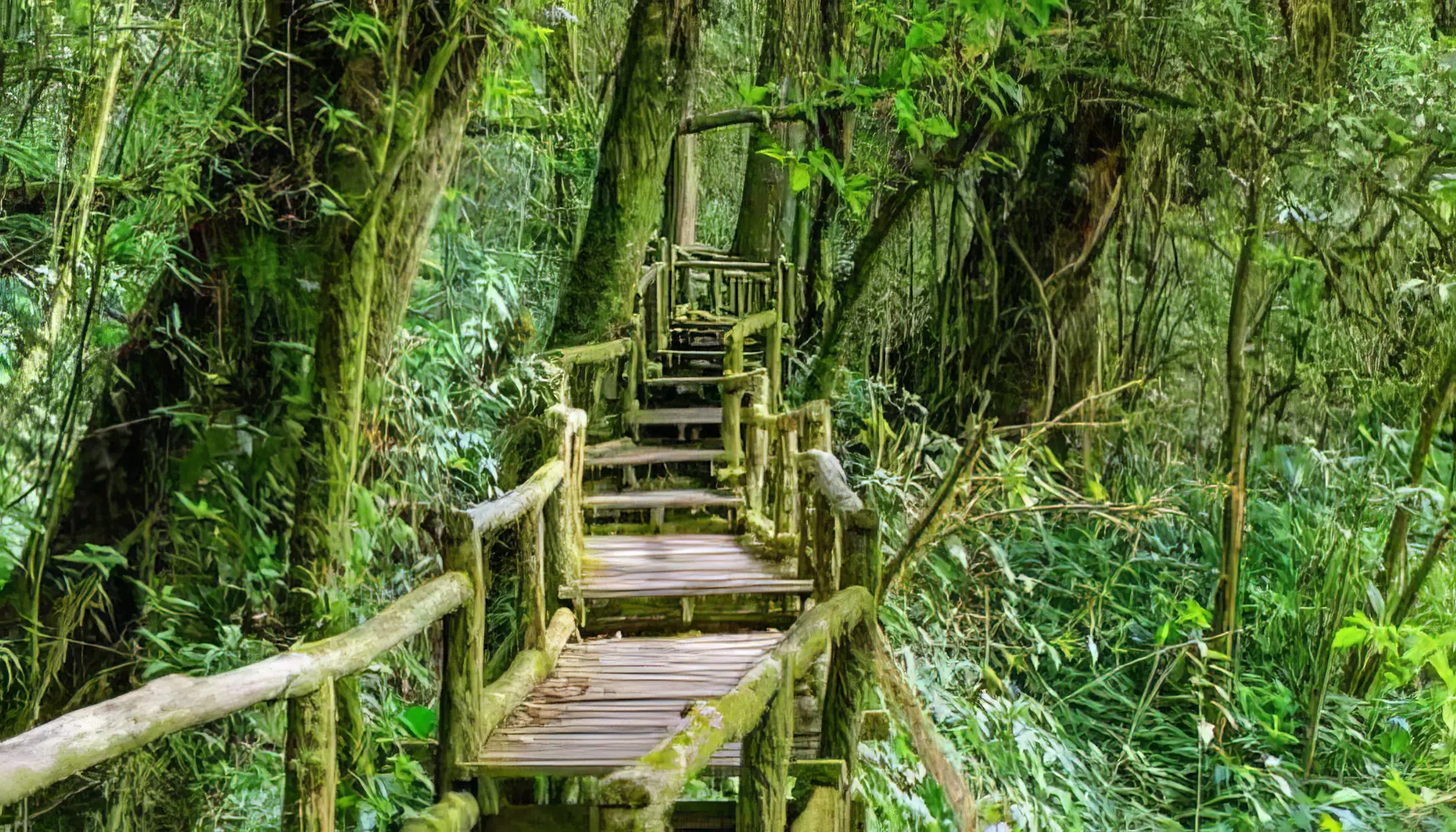
This city offers a variety of interesting day trips within a short distance. Here are some options:
– Doi Inthanon National Park at 90 km: Thailand's highest peak with waterfalls, trails, and viewpoints.
– Elephant Nature Park at 60 km: A sanctuary and rescue center for elephants, offering ethical interactions.
– Mae Sa Waterfall at 30 km: A multi-tiered waterfall ideal for picnics and short hikes.
– Pai at 130 km: A small town known for its scenic beauty, hot springs, and relaxed atmosphere.
– Wat Phra That Doi Suthep at 15 km: A sacred temple on a mountain with panoramic views of the area.
Attraction
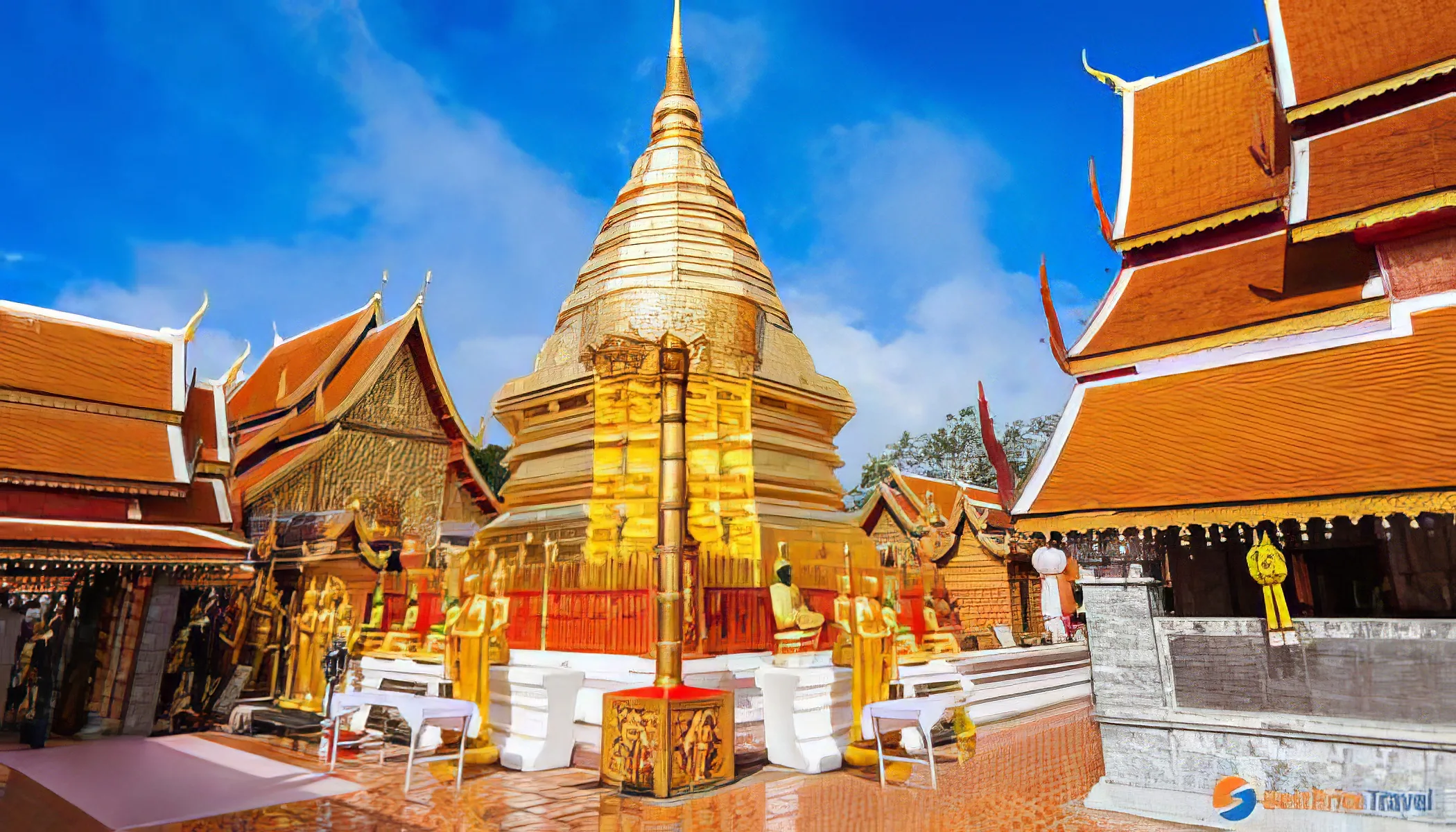
Known for its rich culture, historic temples, and lively markets, this city offers a variety of attractions for tourists.
– Wat Phra That Doi Suthep: A sacred temple on a mountain with sensational city views and sophisticated architecture.
– Old City Temples: Explore ancient temples like Wat Chedi Luang and Wat Phra Singh within the historic city walls.
– Night Bazaar: A charming market offering local crafts, street food, and souvenirs.
– Elephant Nature Park: A sanctuary where you can learn about and interact with rescued elephants.
– Sunday Walking Street: A lively market with local food, crafts, and performances, held every Sunday evening.
– Doi Inthanon National Park: Home to Thailand's highest peak, with waterfalls, trails, and diverse flora and fauna.
Activity
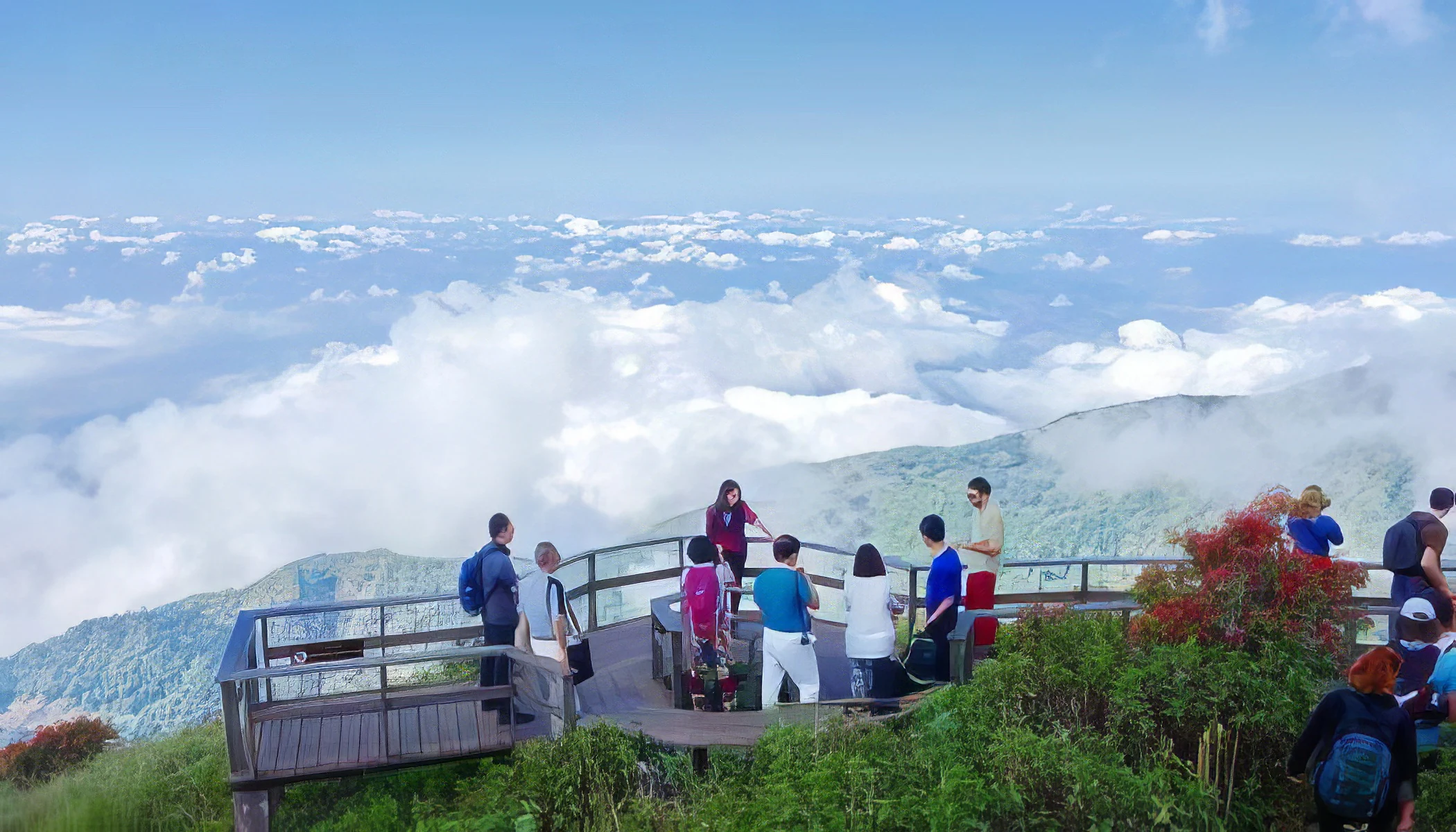
In Chiang Mai, travelers can experience unique cultural, nature, and adventure activities.
– Doi Inthanon National Park: Visit Thailand's highest peak, waterfalls, and diverse flora and fauna.
– Elephant Nature Park: Interact with rescued elephants in an ethical and educational environment.
– Monk Chat at Wat Suan Dok: Engage in discussions with Buddhist monks about their lives and beliefs.
– Zipline Adventure: Enjoy a thrilling canopy tour through the jungle near Chiang Mai.
– Khantoke Dinner: Experience traditional Northern Thai cuisine and cultural performances in a communal setting.
Cuisine
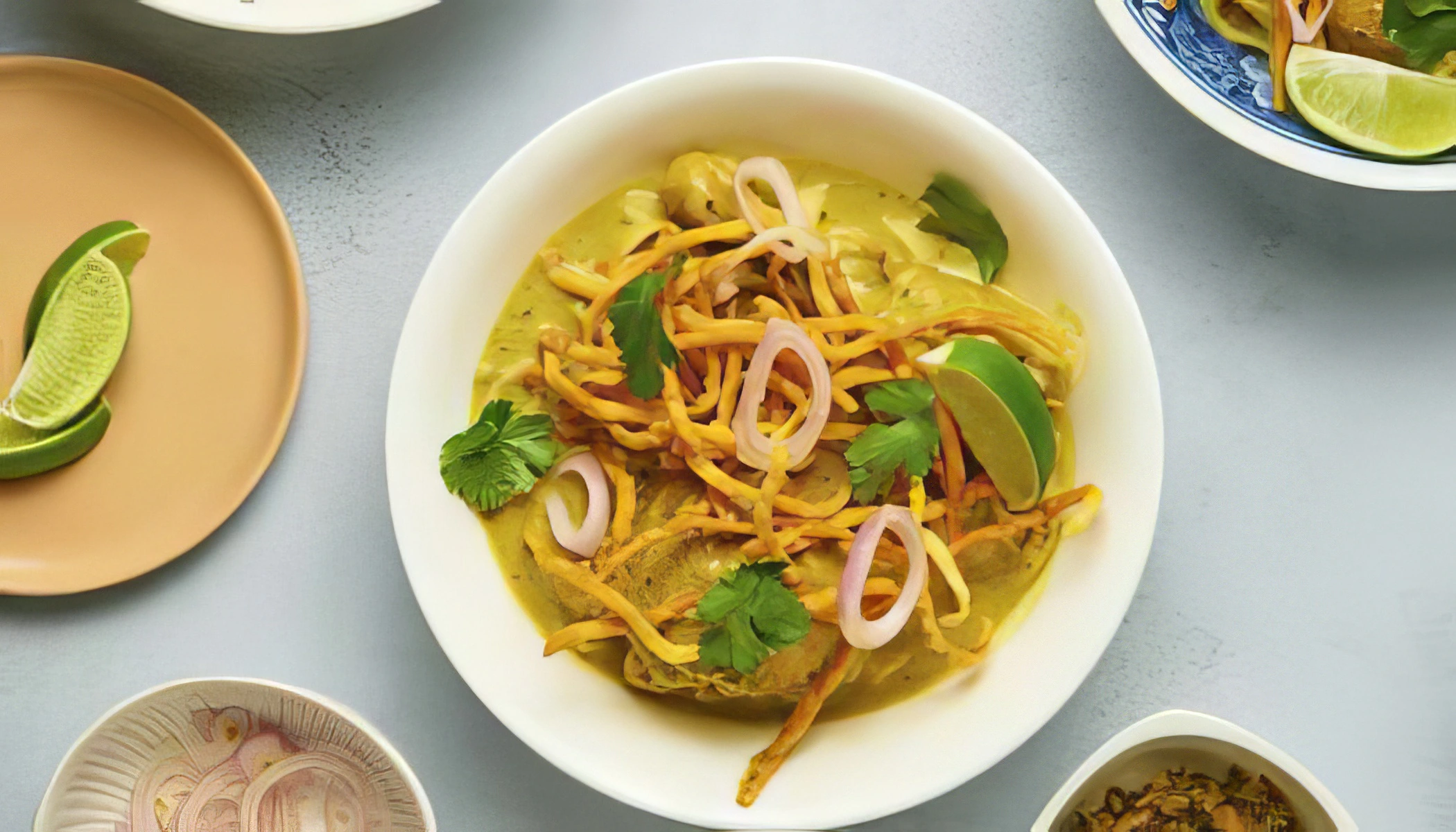
The city offers a rich culinary experience with a mix of traditional Thai and unique Northern Thai dishes. Street food markets and local eateries are popular spots to explore.
– Khao Soi: A coconut curry noodle soup with chicken or beef, topped with crispy noodles.
– Sai Ua: Northern Thai sausage made with pork, herbs, and spices, often grilled.
– Nam Prik Ong: A spicy tomato and pork chili dip served with fresh vegetables.
– Gaeng Hang Lay: A Burmese-influenced pork belly curry with ginger, garlic, and tamarind.
– Khanom Jeen Nam Ngiao: Rice noodles in a spicy and tangy tomato broth with pork or beef.
– Mango Sticky Rice: Sweet sticky rice served with ripe mango slices and coconut milk.
Shopping
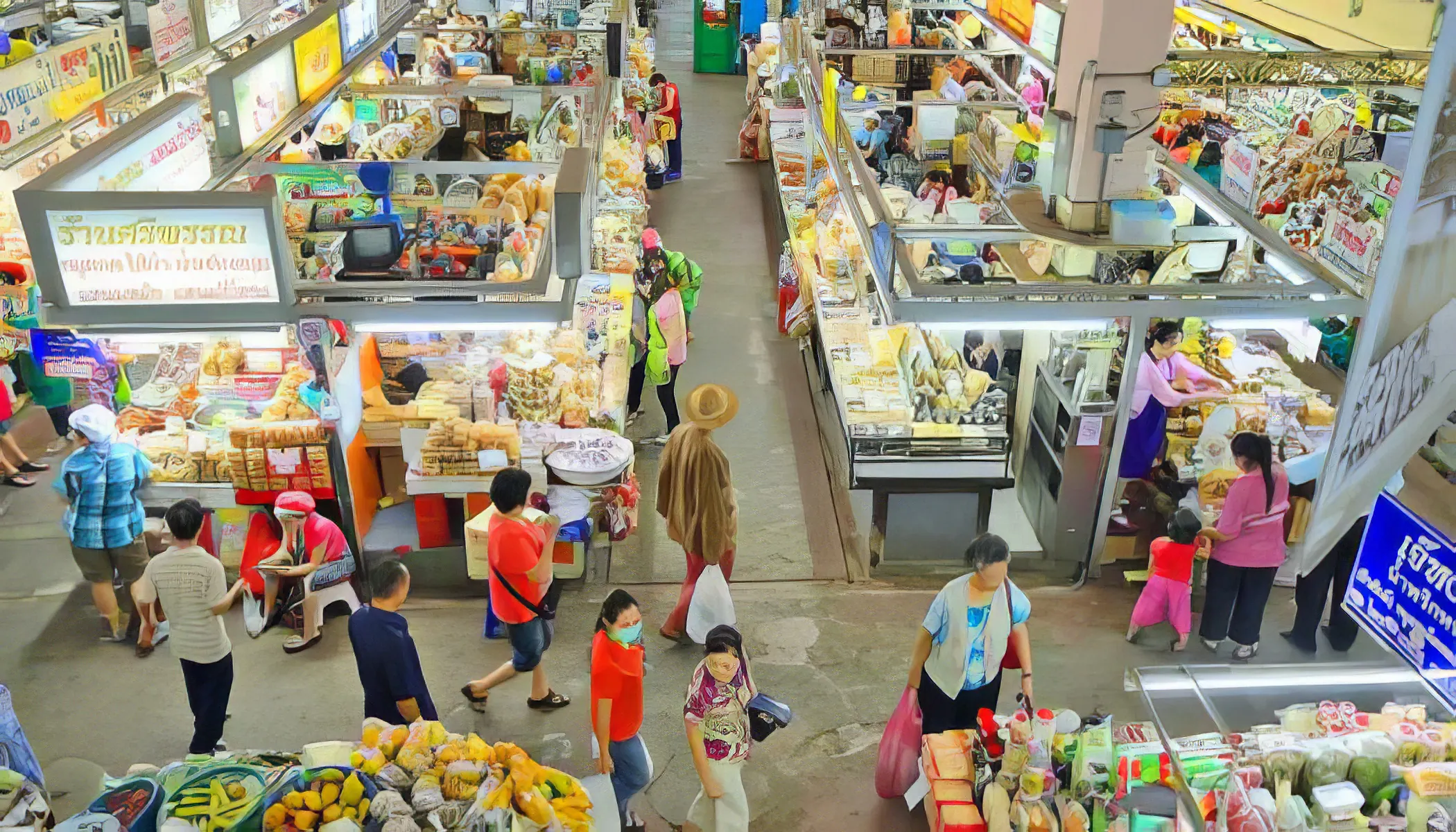
For a unique shopping experience, visit the Sunday Walking Street Market, where you can find a variety of handmade crafts, art, and clothing. A popular gift to purchase is a hand-painted umbrella from Bo Sang, a village known for its traditional umbrella-making. Additionally, consider buying locally made silver jewelry or Thai silk products, which are both high-quality and culturally significant. Another great option is purchasing local teas or coffee, which are grown in the surrounding mountains and have a distinct flavor.
Arts & Culture
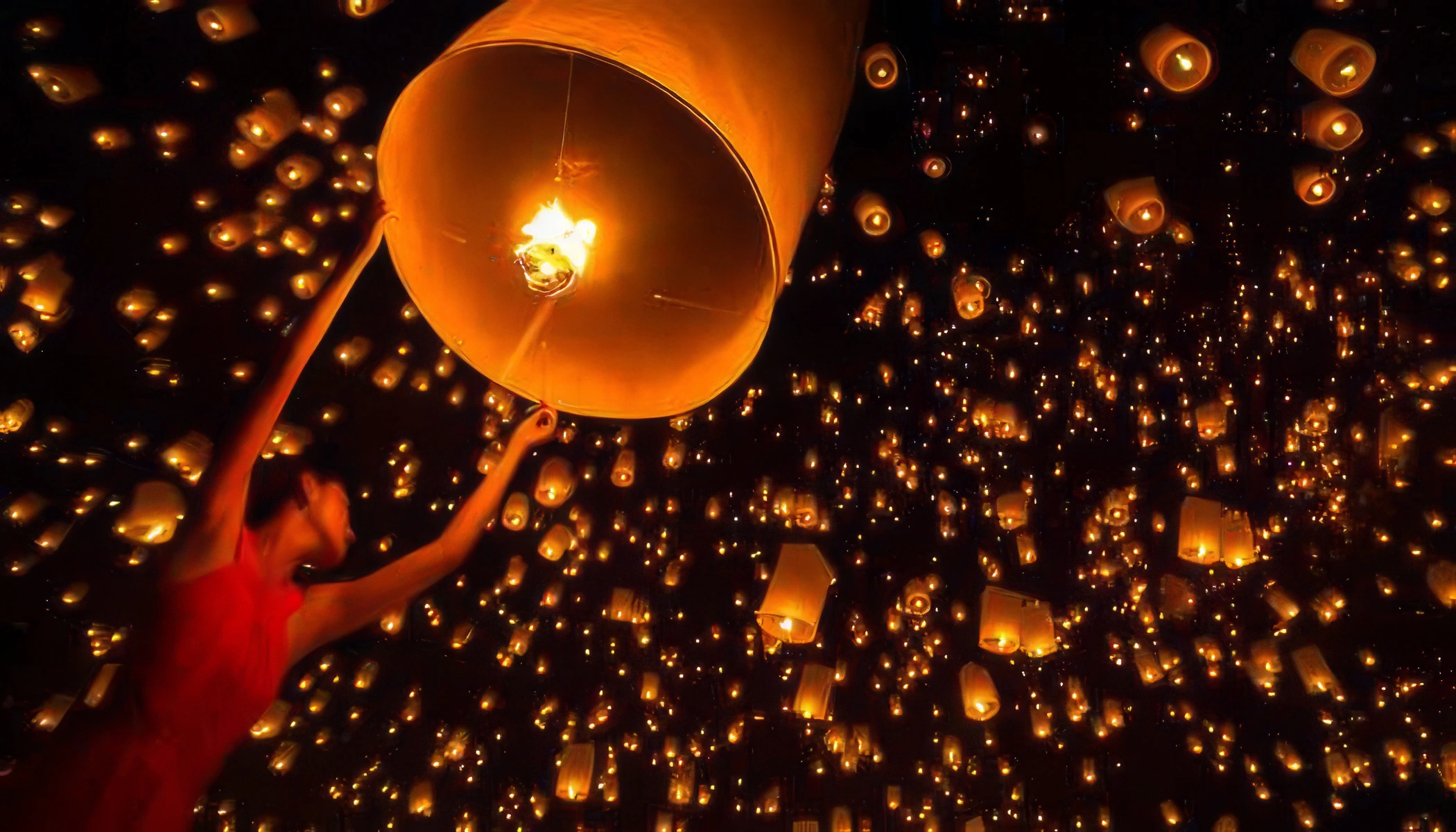
The city hosts the annual Yi Peng Festival, known for its appealing display of floating lanterns that light up the night sky. It is also home to the Songkran Festival, where traditional water throwing marks the Thai New Year. The city boasts numerous temples featuring Lanna-style architecture, such as Wat Phra Singh and Wat Chedi Luang. Art enthusiasts can explore local handicrafts in the charming Warorot Market and various art galleries showcasing contemporary Thai art.