

Sightseeing in Pai: Culture & Must‑See Spots
Nestled in the mountains of Mae Hong Son Province, this town is known for its quiet landscapes, hot springs, and pleasant arts scene. It's a popular destination for those seeking tranquility and outdoor adventures.
- Train Station
- Pai Station
- Est. Visit Days
- 3 days
Overview
Pai, a small town in northern Thailand, is known for its charming valley, hot springs, and proximity to the Myanmar border. The town offers a laid-back atmosphere, making it a popular destination for backpackers and nature enthusiasts. However, its popularity has led to some issues with overcrowding, especially during peak tourist seasons. Additionally, the town's infrastructure may not fully support the increasing number of visitors, leading to occasional strains on resources. Despite these challenges, Pai remains a charming destination with a unique blend of natural beauty and cultural experiences.
Traffic & Transport
The city's compact size and relatively low traffic make it ideal for exploring on foot, especially in the central areas where most of the tourist attractions are located. For longer distances, motorbikes and bicycles are popular and convenient options, with several rental shops available. Local songthaews, which are shared pickup trucks serving as buses, provide a cost-effective way to travel between different parts of the city and nearby attractions. However, they may not follow a strict schedule, so it's advisable to check with locals for the best timing. For those preferring taxi services, there are a few reliable taxi companies operating in the city. Additionally, the Grab app is widely used for booking both taxis and motorbike taxis, offering a convenient and transparent option for getting around.
History
Historically, this city was originally part of the Burmese Shan State, but it was ceded to Thailand in 1892 as a result of border negotiations. This region has been influenced by various ethnic groups, including the Shan, Karen, and Hmong, which is reflected in its diverse cultural landscape. During World War II, it was briefly occupied by the Japanese. The city's economy traditionally relied on agriculture, particularly in the cultivation of rice and tea. In recent decades, it has become a popular tourist destination known for its natural beauty and cultural attractions.
Itinerary Sample
Explore Pai, Thailand over three days with a mix of relaxation, adventure, and culture. Here’s a suggested itinerary:
– Day 1: Visit the Pai Canyon for scenic views, then relax at the Sai Ngam Hot Spring.
– Day 2: Explore the Tha Pai Hot Springs and the Pai Historical Bridge. Enjoy an evening at the Walking Street Market.
– Day 3: Take a day trip to Lod Cave, followed by a visit to the Mor Paeng Waterfall.
Near Excursion
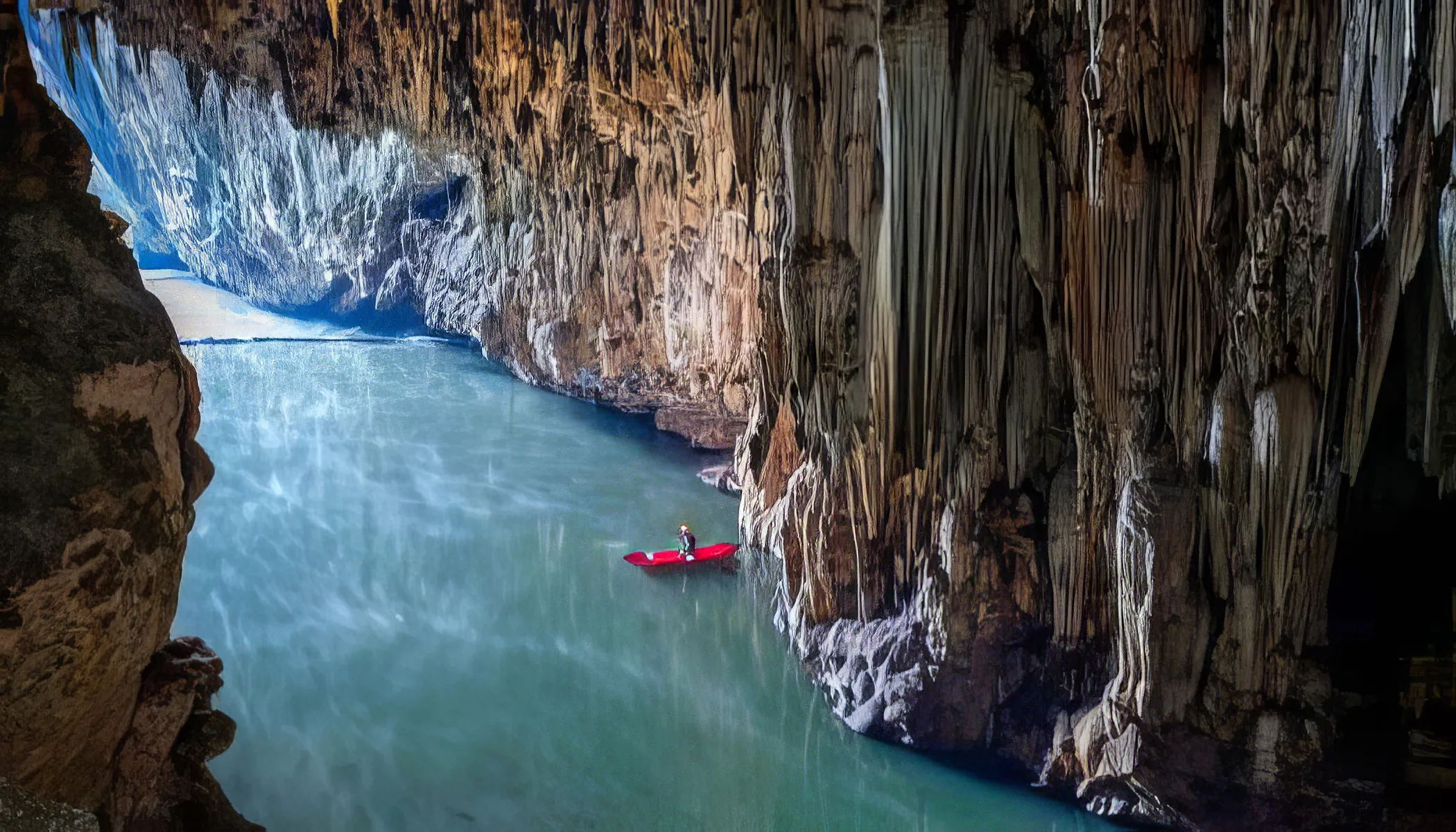
This town is an excellent base for exploring the surrounding region. Here are some day-trip suggestions:
– Lod Cave at 50 km: Explore a large cave system with impressive stalactites and stalagmites.
– Mae Hong Son at 110 km: Visit a charming town with beautiful temples and a scenic lake.
– Tham Pla Fish Cave at 70 km: A cave with a stream filled with sacred fish, surrounded by rich greenery.
– Huai Nam Dang National Park at 60 km: Offers lovely viewpoints, hot springs, and hiking trails.
– Pang Mapha at 80 km: Known for its charismatic landscapes and traditional hill tribe villages.
Attraction

This city is known for its natural beauty, relaxed atmosphere, and energetic arts scene.
– Pai Canyon: Offers handsome views and hiking trails with unique rock formations.
– Tha Pai Hot Springs: Natural hot springs perfect for a relaxing soak.
– Pai Walking Street: A magnificient night market with food, crafts, and local goods.
– Mo Paeng Waterfall: A scenic waterfall with pools for swimming and relaxing.
– Yun Lai Viewpoint: Provides panoramic views of the surrounding mountains and valleys.
– Wat Phra That Mae Yen: A temple with a large white Buddha statue and great views.
Activity
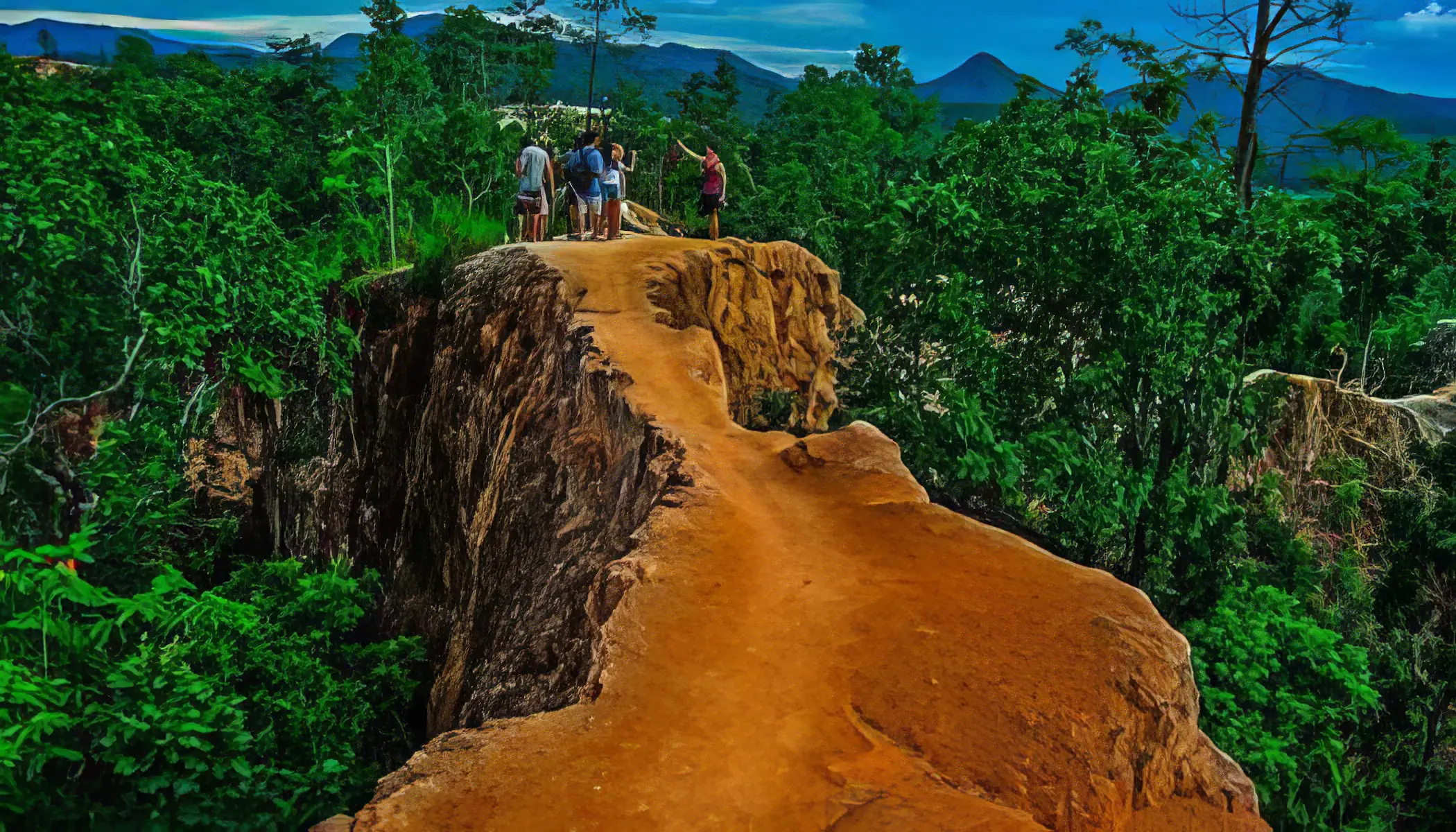
In Pai, travelers can enjoy unique hill tribe culture, hot springs, scenic landscapes, and relaxed atmosphere.
– Pai Canyon: Hike through narrow ridges with panoramic views.
– Hot Springs: Soak in natural mineral hot springs.
– Land Split: Visit a unique geological formation caused by an earthquake.
– Bamboo Bridge: Walk across a scenic bamboo bridge.
– Yun Lai Viewpoint: Enjoy a panoramic view of Pai Valley.
Shopping
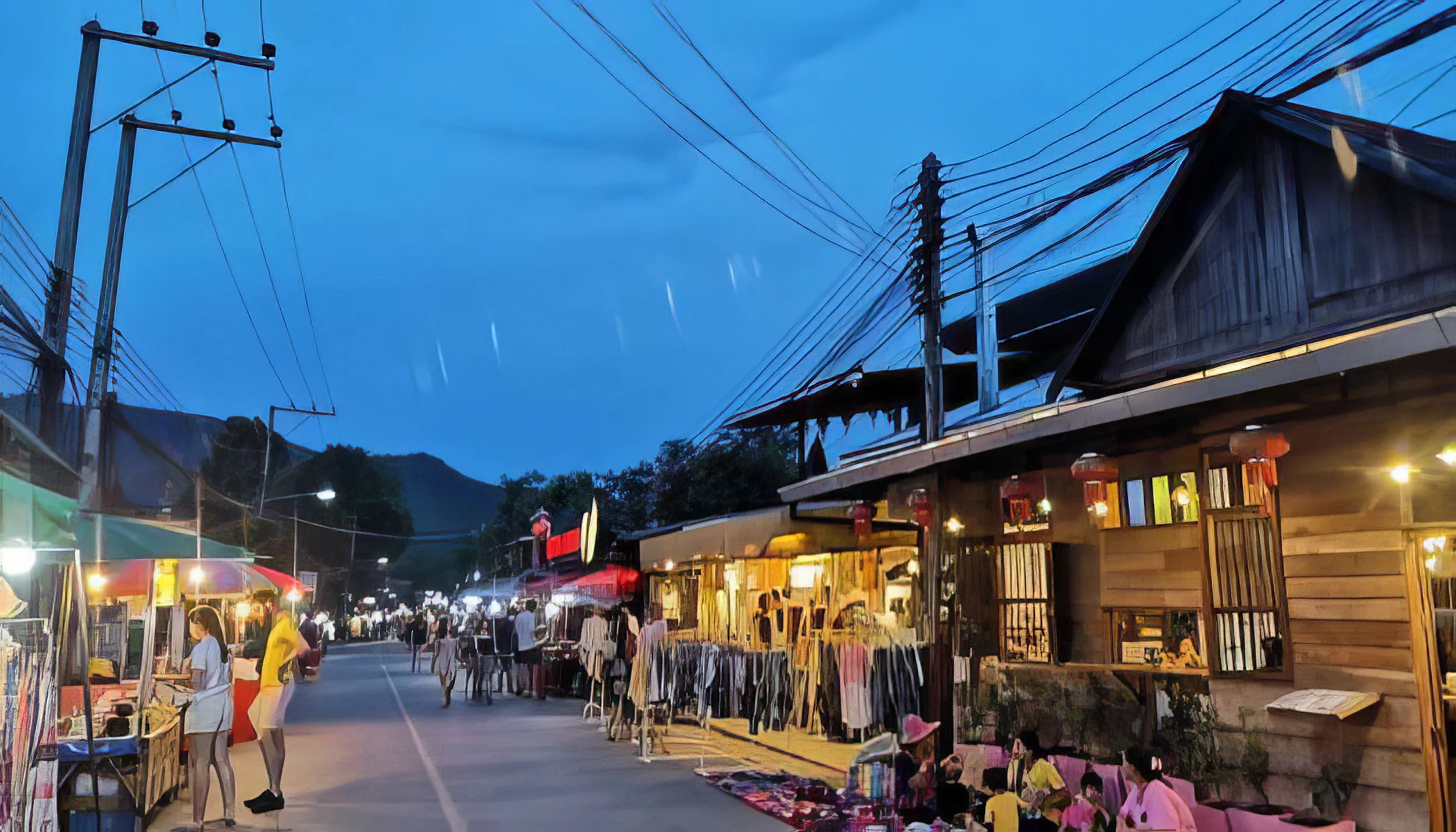
In this city, the Walking Street Market is a highlight for shopping, offering a variety of local handicrafts, art, and jewelry. Handmade souvenirs, such as woven bags and silver jewelry, are popular gifts that reflect the local culture and craftsmanship. Organic skincare products made from local ingredients are also a unique purchase. For a more personal gift, consider custom-made leather goods. The market atmosphere is vibrant, with plenty of food stalls to enjoy as you shop.
Arts & Culture
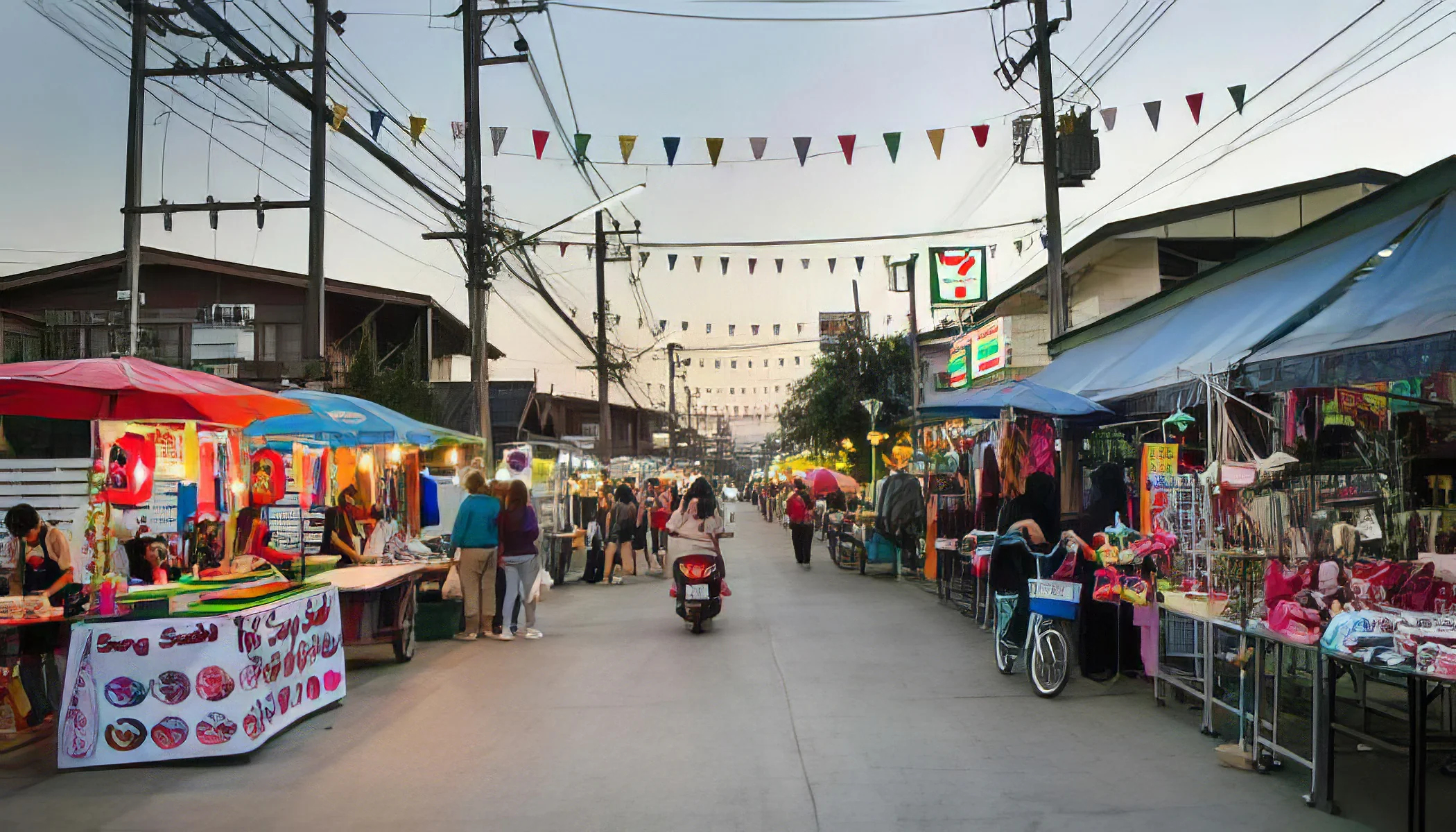
This city hosts a variety of cultural events, including art exhibitions and live music performances, particularly focusing on local and traditional Thai arts. The Walking Street Market is a notable event where local artisans and craftsmen display their work, ranging from handmade jewelry to traditional Thai art pieces. Additionally, there are occasional festivals that celebrate the unique hill tribe cultures surrounding the area, featuring traditional dances, music, and costumes. These events provide a deep insight into the rich cultural tapestry of Northern Thailand.