

Toledo Travel Guide: Tourist Places & Activities
Located in central Iberia, this historic city is renowned for its medieval architecture, including a well-preserved old town, a striking cathedral, and a fortress. It's also famous for its production of traditional swords and marzipan.
- Population
- 84,000
- Size
- 232 square km
- Airport
- Adolfo Suárez Madrid-Barajas at 88 km – Int'l.
- Train Station
- Toledo
- Est. Visit Days
- 2 days
Overview
Toledo, Spain, renowned for its rich history and cultural heritage, is a city that served as the capital of the Visigothic Kingdom and has a significant influence from the Moorish and Jewish communities. The city is a UNESCO World Heritage site, with its old town being a treasure trove of medieval architecture, including the imposing Alcázar fortress and the Gothic cathedral. However, Toledo can be quite crowded with tourists, which might detract from the experience, especially during peak seasons. The city's layout is characterized by narrow, winding streets that can be challenging to navigate for those unfamiliar with the area. Despite this, Toledo offers a unique blend of historical influences and is a hub for traditional Spanish craftsmanship, particularly in the production of swords and damascene metalwork.
Traffic & Transport
The city's compact size and historical layout make it ideal for exploring on foot, particularly in the central areas where traffic can be congested. For longer distances or to reach sites outside the city center, buses are a convenient and cost-effective option, with a well-connected network that serves both local and regional routes. Additionally, electric bicycles are available for rent, offering a fun and eco-friendly way to navigate the city and its surroundings. For those preferring taxi services, several reliable taxi companies operate in the area, including Radio Taxi and Taxi Union. Visitors can also use the MyTaxi app, which allows for easy booking and payment through a smartphone, providing a convenient option for securing a ride, especially during peak tourist seasons.
History
Originally a Roman municipium, the city was known for its production of Roman swords. It became a major Visigothic capital in the 6th century, hosting important councils that shaped early Christian doctrine. The city was conquered by the Moors in 711, but it was not until 1085 that it was recaptured by Alfonso VI of León and Castile, marking its significance in the Christian reconquest of the Iberian Peninsula. Throughout the Middle Ages, it was a melting pot of Christian, Jewish, and Muslim cultures, known for its production of swords and damascene work. The city's cultural and historical legacy is reflected in its architecture, including the imposing Alcázar and the Gothic cathedral.
Itinerary Sample
Explore the historic city of Toledo, Spain over two days with this focused itinerary.
– First day: Visit Toledo Cathedral, explore the Alcázar, and stroll through the Jewish Quarter to see the Synagogue of Santa María la Blanca.
– Second day: Tour the Monastery Of San Juan De Los Reyes, walk across the Puente de San Martín, and visit the El Greco Museum in the artist's former home.
Near Excursion
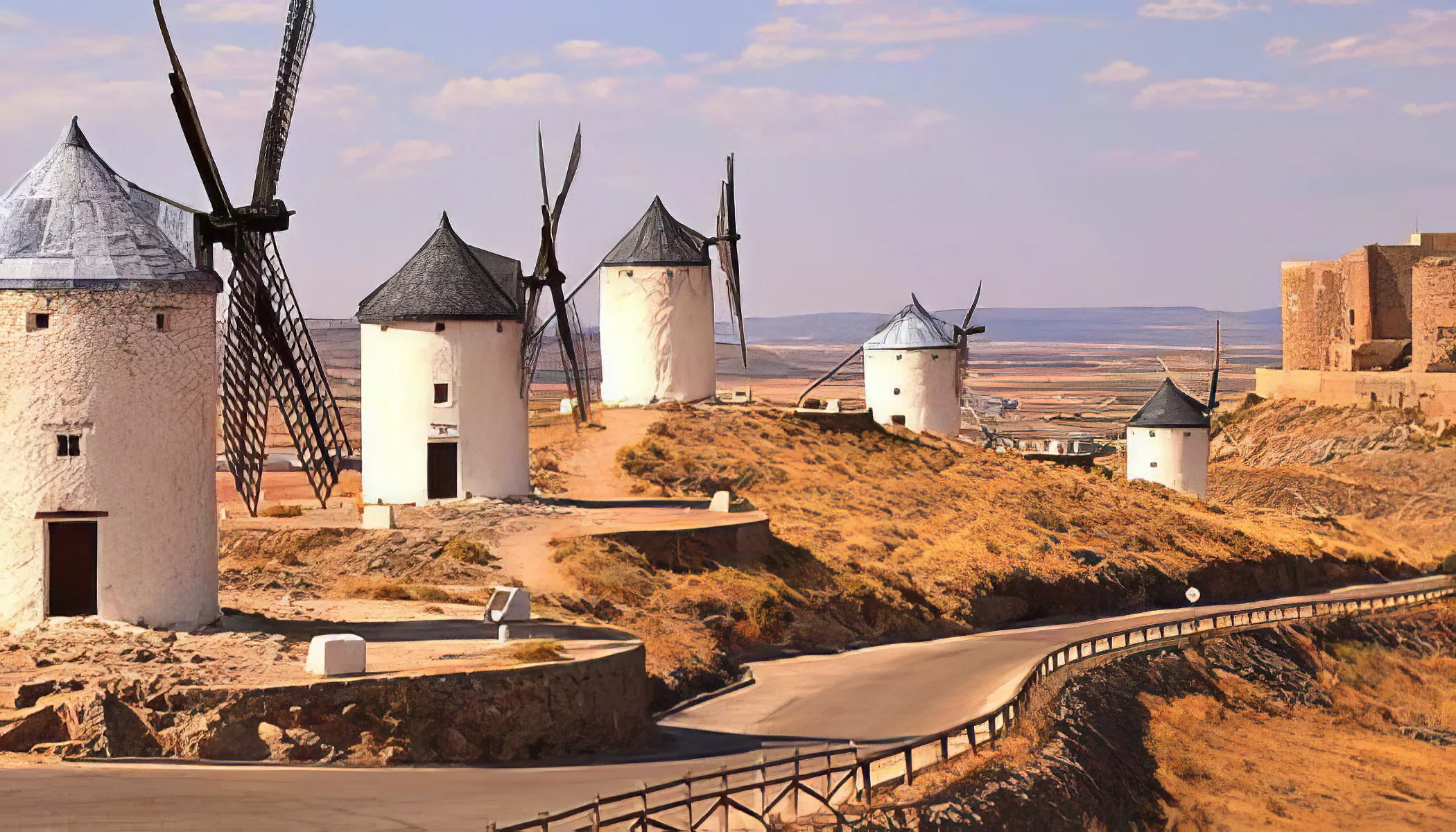
This city offers several interesting day trips within a short distance. Here are some suggestions:
– Consuegra at 65 km: Famous for its windmills and the Castle of La Muela.
– Aranjuez at 47 km: Known for its Royal Palace and beautiful gardens.
– Madrid at 72 km: Spain's capital, offering museums, parks, and historic sites.
– Chinchón at 85 km: A charming town with a nice main square and historic buildings.
– Cuenca at 140 km: Renowned for its hanging houses and the dramatic landscape of the Huécar River gorge.
Attraction
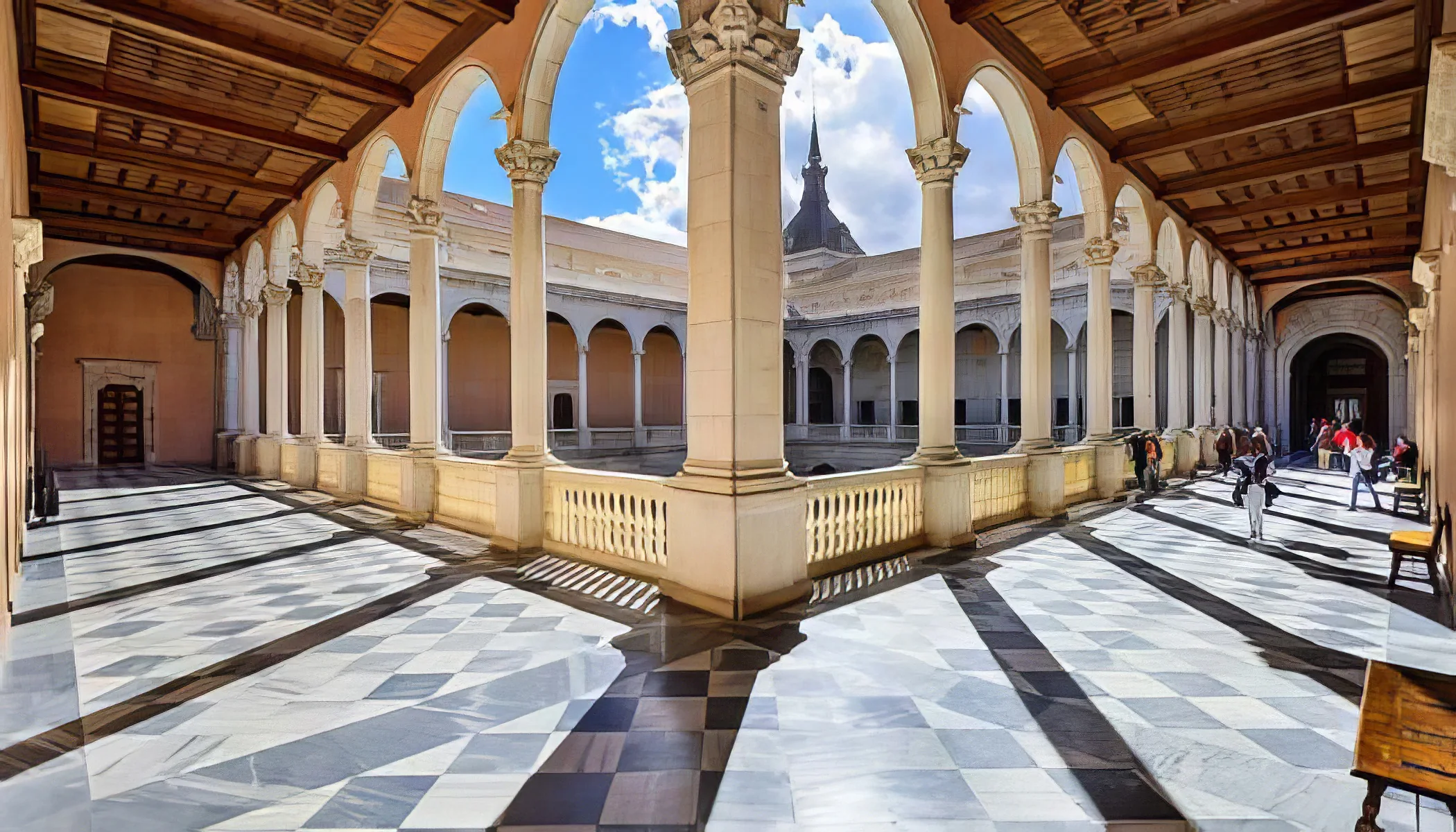
Known for its rich history and well-preserved medieval architecture, this city offers a unique glimpse into the past.
– Alcázar: A historic fortress that now houses a military museum with extensive collections.
– Toledo Cathedral: A gorgeous Gothic cathedral known for its impressive architecture and art.
– Monastery Of San Juan De Los Reyes: A beautiful monastery with refined designs and a peaceful cloister.
– El Greco Museum: Dedicated to the famous painter El Greco, showcasing his works and life.
– Synagogue of Santa María la Blanca: A former synagogue with unique Mudejar architecture.
– Puerta de Bisagra: An iconic city gate that offers a grand entrance to the old town.
Activity
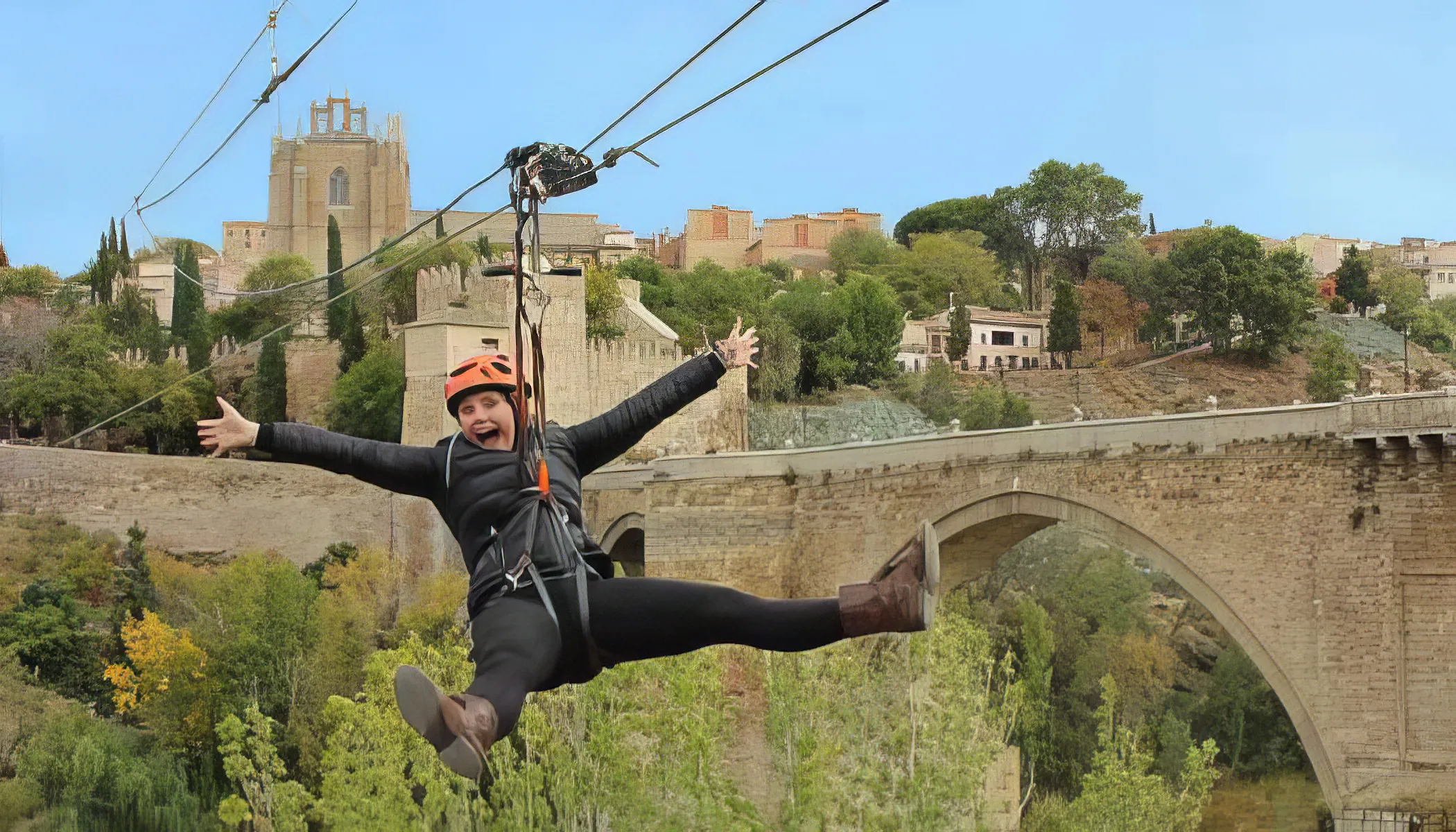
In Toledo, travelers can enjoy unique activities blending history, culture, and craftsmanship.
– Zipline over the Tagus River: Experience a thrilling ride with scenic views.
– Hot air balloon ride: See Toledo's medieval architecture from above.
– Damascene workshop visit: Learn about traditional metalworking techniques.
– Guided night tour: Explore the city's mysteries and legends after dark.
– Olive oil tasting tour: Sample local varieties and learn about production.
Cuisine
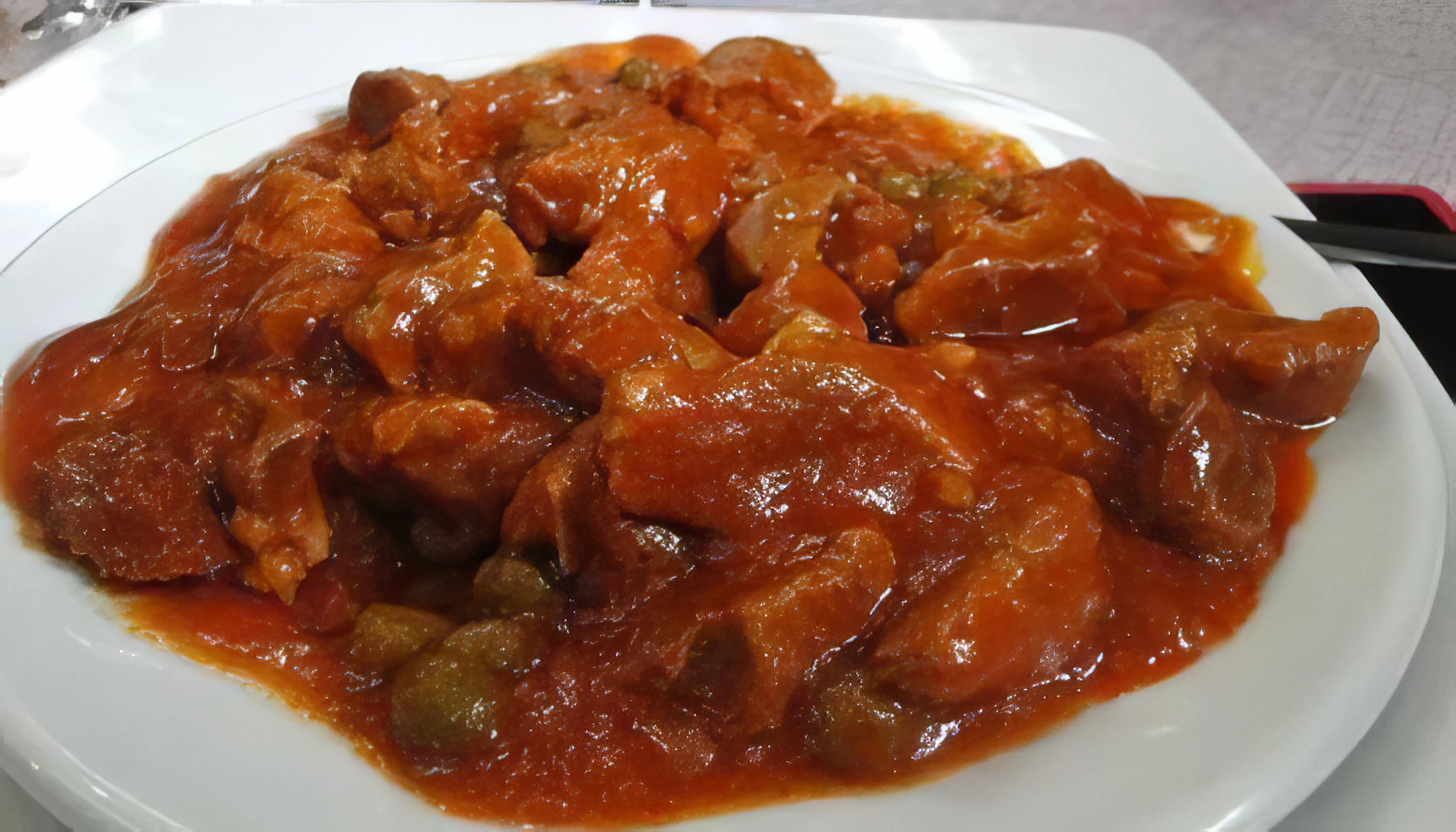
The city offers a rich culinary heritage influenced by Christian, Jewish, and Moorish traditions. Its cuisine features hearty stews, game meats, and traditional sweets.
– Carcamusas: A stew made with pork, tomatoes, peas, and spices.
– Perdiz a la Toledana: Partridge cooked with wine, garlic, and bay leaves.
– Mazapán: Sweet almond paste often shaped into various forms.
– Cuchifrito: Fried lamb or goat pieces, typically seasoned with garlic and herbs.
– Pisto Manchego: A vegetable stew similar to ratatouille, made with tomatoes, peppers, and zucchini.
– Marzipan: Traditional sweet made from almonds and sugar, often molded into decorative shapes.
Shopping
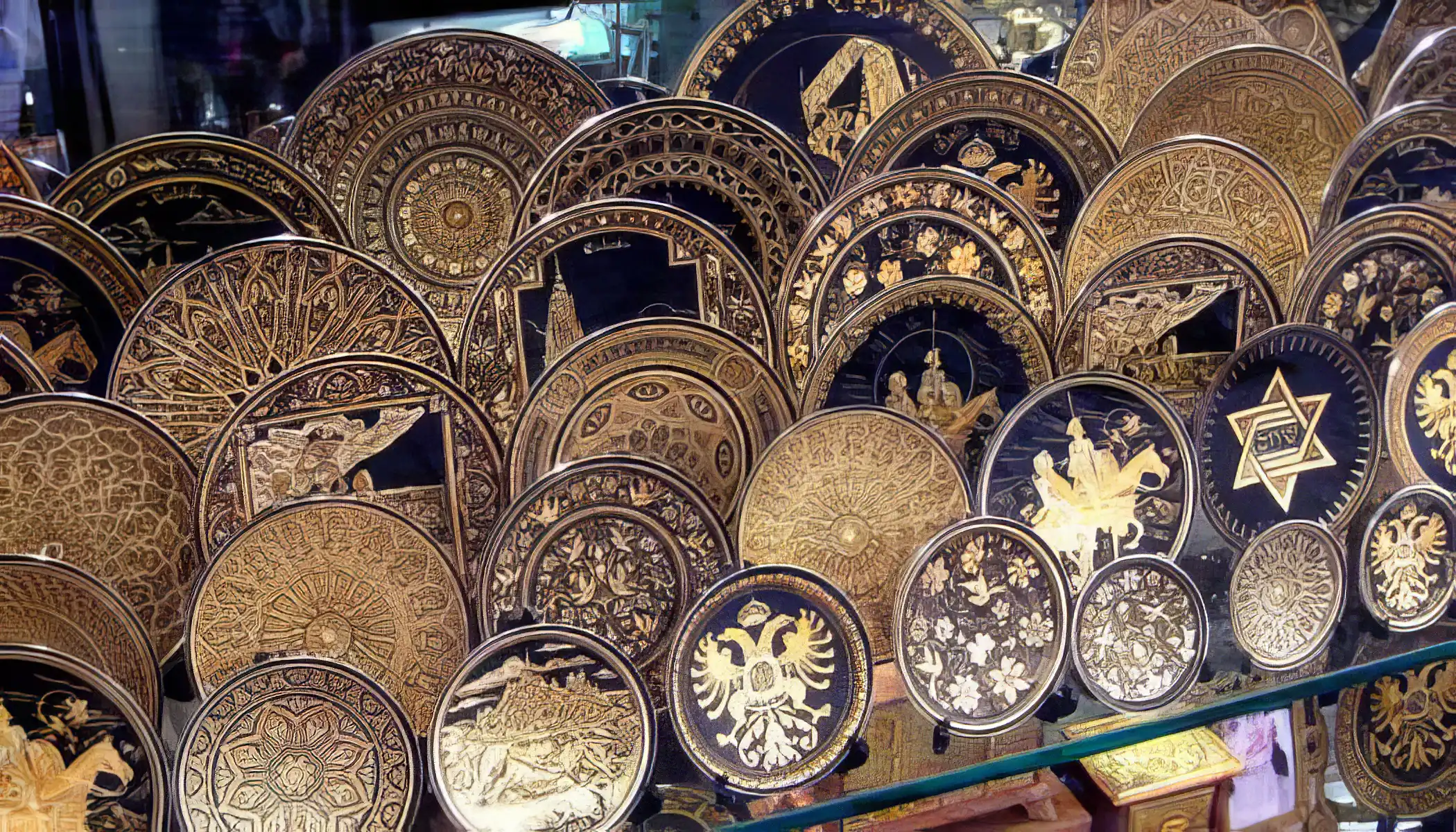
The city offers a unique shopping experience with its renowned Damascene ware, which involves sophisticated inlays of gold or silver on steel, perfect for unique gifts. Swords and knives are also popular items, reflecting the city's historical expertise in metalwork. For a more artistic souvenir, consider ceramic pieces that showcase traditional Spanish designs. Marzipan, a sweet treat originally crafted by local nuns, makes for a delightful edible gift. Leather goods, such as wallets and belts, are also of high quality and widely available. These items collectively represent the rich cultural heritage and skilled craftsmanship of the area.
Arts & Culture
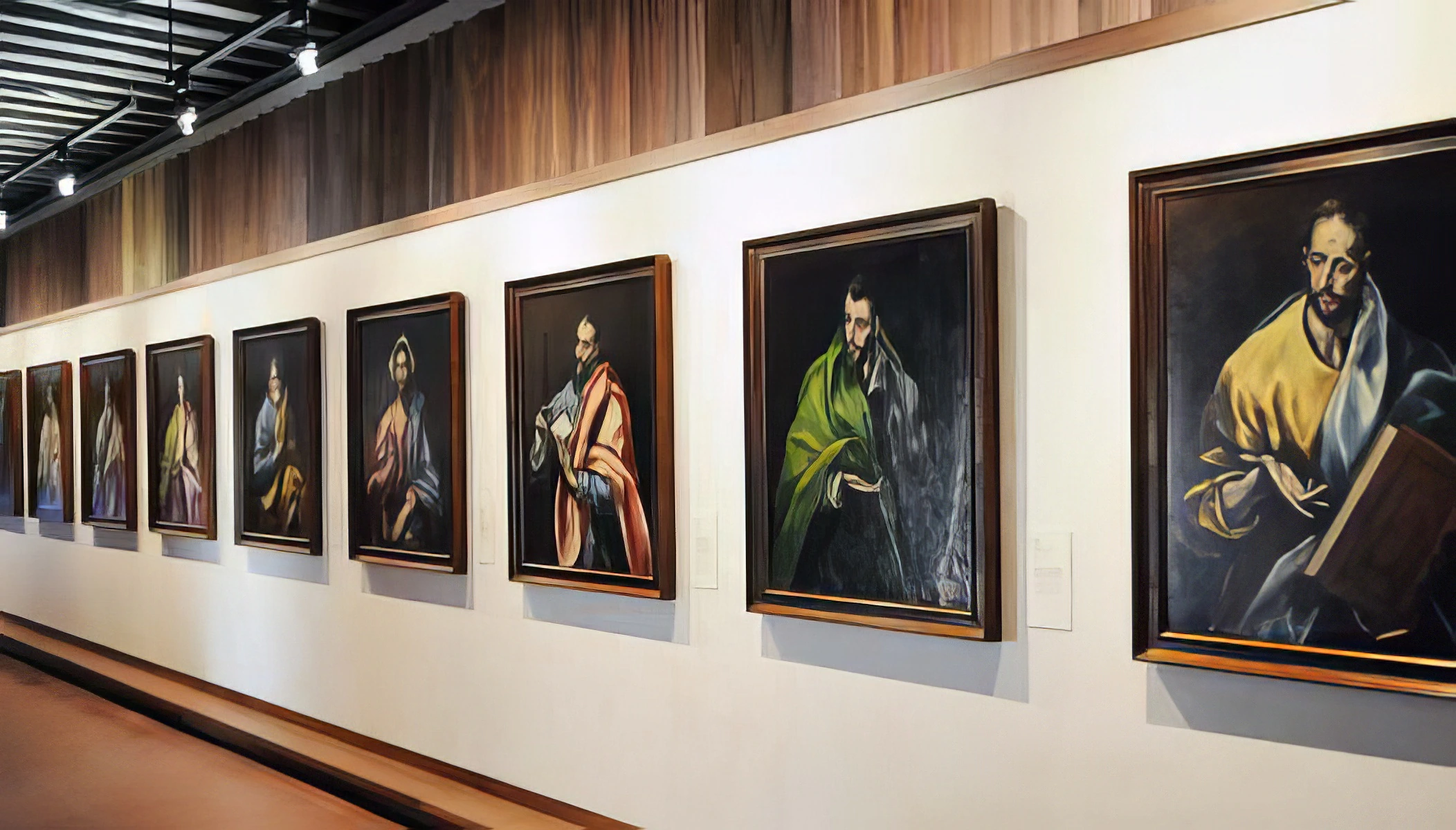
The city is renowned for its rich history in art, being the former home of the famous painter El Greco. It hosts the El Greco Museum, dedicated to his life and works, situated in a historic Jewish quarter building. The city also celebrates its cultural heritage with numerous festivals, including the Corpus Christi, a major event marked by elaborate processions. Additionally, the ancient architecture, including the Gothic Cathedral and the Alcázar, serves as a backdrop for various cultural exhibitions and classical music concerts throughout the year.