

Trujillo: Best Things to Do & Top Attractions
This city is located on the country's northern coast. It is known for its historical sites, including colonial architecture and nearby archaeological ruins. The region has a dry climate and is close to the Pacific Ocean.
- Population
- 0.9 millions
- Airport
- Capitán FAP Carlos Martínez de Pinillos – Int'l
- Est. Visit Days
- 2 days
Overview
Trujillo is a city in northern Peru known for its historical sites and cultural heritage. Pros include its rich history, with attractions like the Chan Chan archaeological site and access to beautiful beaches. The cost of living is generally lower compared to larger cities like Lima. On the downside, Trujillo can experience high levels of crime and traffic congestion. Additionally, the climate is often dry, which may not appeal to everyone.
Traffic & Transport
The city experiences moderate traffic, especially during peak hours, making walking a viable option for exploring its central areas. Biking is also popular, with several rental services available, allowing tourists to navigate through local attractions at their own pace. Public buses operate throughout the city but can be crowded and less reliable. For a more comfortable experience, consider using private transportation options such as taxis or rideshares. Reliable taxi companies include "Taxi Seguro" and "Uber," which provide safe and convenient transportation around the area. Additionally, some local apps may offer similar services, allowing for easy booking directly from your smartphone.
History
This city was founded in 1534 by Spanish conquistador Diego Almagro, making it one of the oldest cities in Peru. It played a significant role during the colonial period as a center for agriculture and trade. In the 19th century, it was involved in the fight for independence from Spanish rule, contributing to various battles. The region is known for its rich cultural heritage, including traditional dances and festivals that reflect indigenous and colonial influences. Additionally, archaeological sites nearby showcase pre-Columbian civilizations, highlighting the area's deep historical roots.
Itinerary Sample
Here is a suggested 2-day itinerary for exploring Trujillo, Peru.
– First day: Visit the Chan Chan archaeological site, explore the Huaca del Sol and Huaca de la Luna, then enjoy a walk in Trujillo's main square.
– Second day: Take a trip to the nearby beach town of Huanchaco, try local seafood, and visit the Temple of the Dragon.
Near Excursion
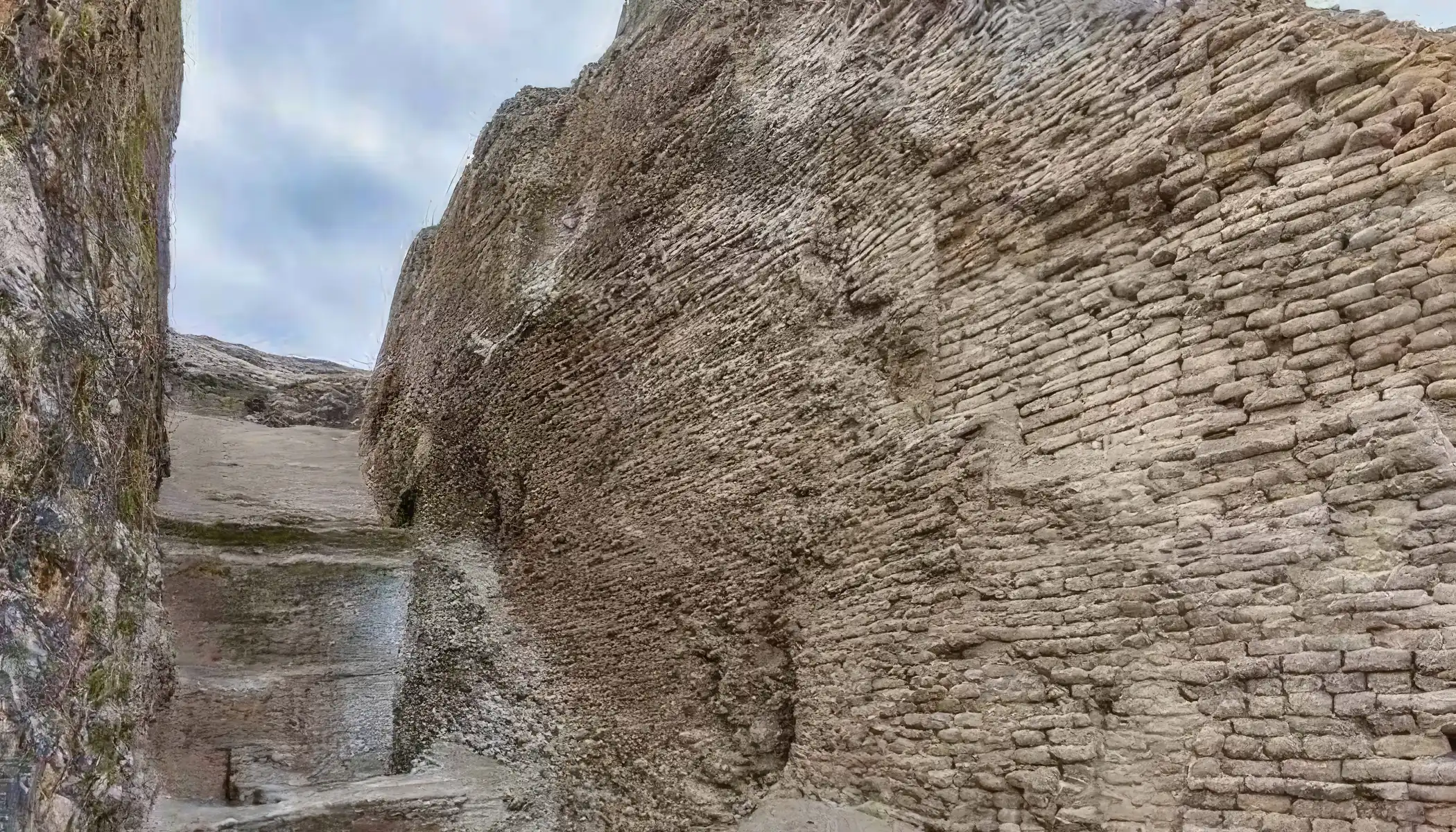
This city offers several interesting day-trip options nearby. Here are some suggestions:
– Chan Chan at 5 km: Explore the largest adobe city in the world, once the capital of the Chimu Kingdom.
– Huanchaco at 12 km: A coastal town known for its traditional reed boats and excellent surfing conditions.
– El Brujo Archaeological Complex at 60 km: Visit ancient Moche pyramids and see nice murals and artifacts.
– Pacasmayo at 106 km: A laid-back beach town popular for windsurfing and kitesurfing enthusiasts.
– Chicama at 70 km: Famous for having one of the longest left-hand waves in the world, ideal for surfers.
Attraction
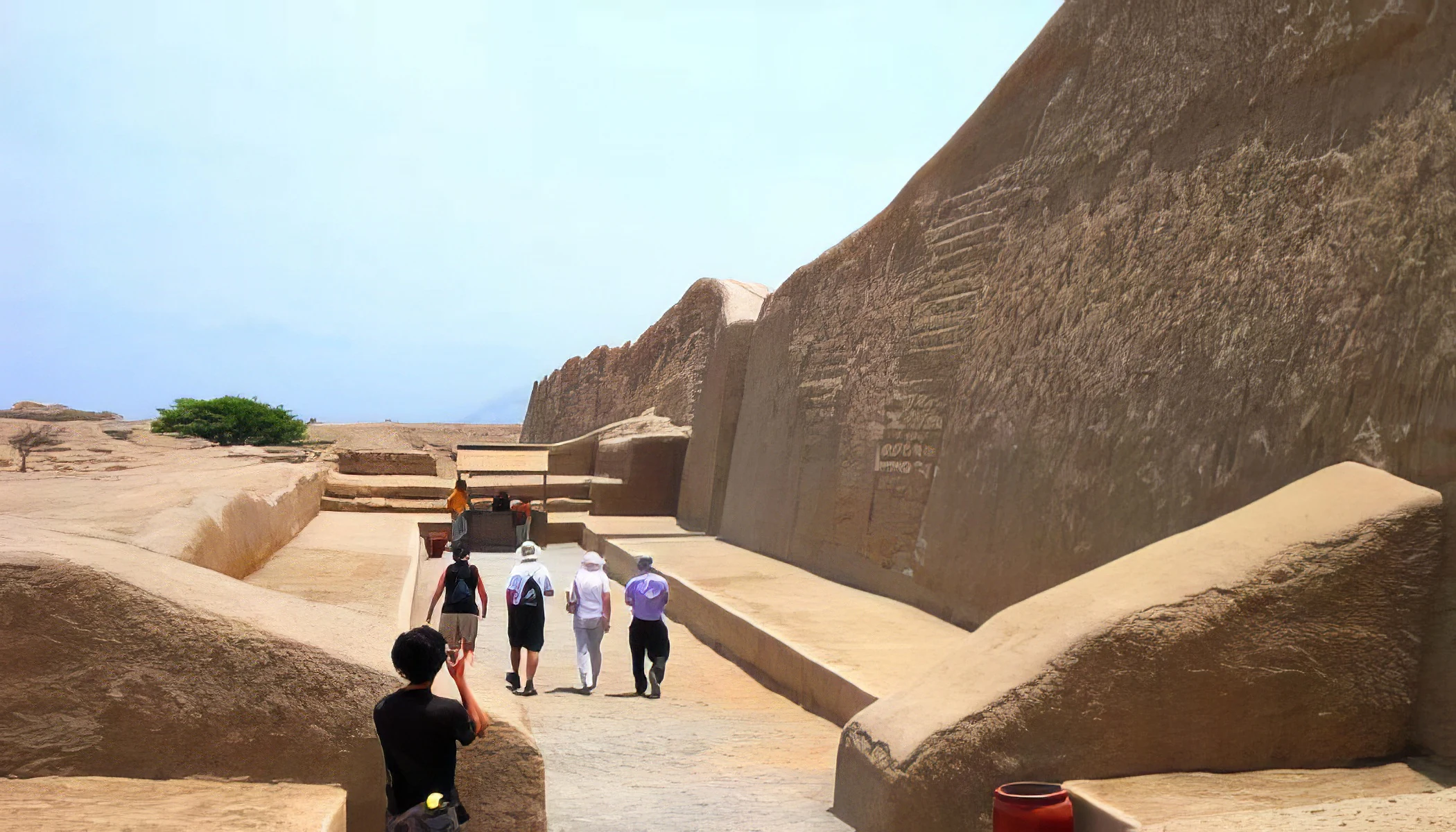
Known for its colonial architecture and archaeological sites, this city offers a mix of historical and cultural attractions.
– Chan Chan: Explore the largest adobe city in the world, showcasing ancient Chimu civilization.
– Huaca de la Luna: Discover impressive Moche pyramids with detailed murals that depict ancient rituals and deities.
– Plaza De Armas: Visit the main square surrounded by colonial buildings, including the Cathedral.
– El Brujo Archaeological Complex: See ancient ruins featuring refined reliefs and a well-preserved mummy known as Señora de Cao.
– Museo Huacas de Moche: Learn about Moche culture through artifacts and exhibits near Huaca del Sol y la Luna.
– Trujillo's Historic Center: Walk through streets lined with colorful colonial mansions and visit museums detailing local history.
Activity
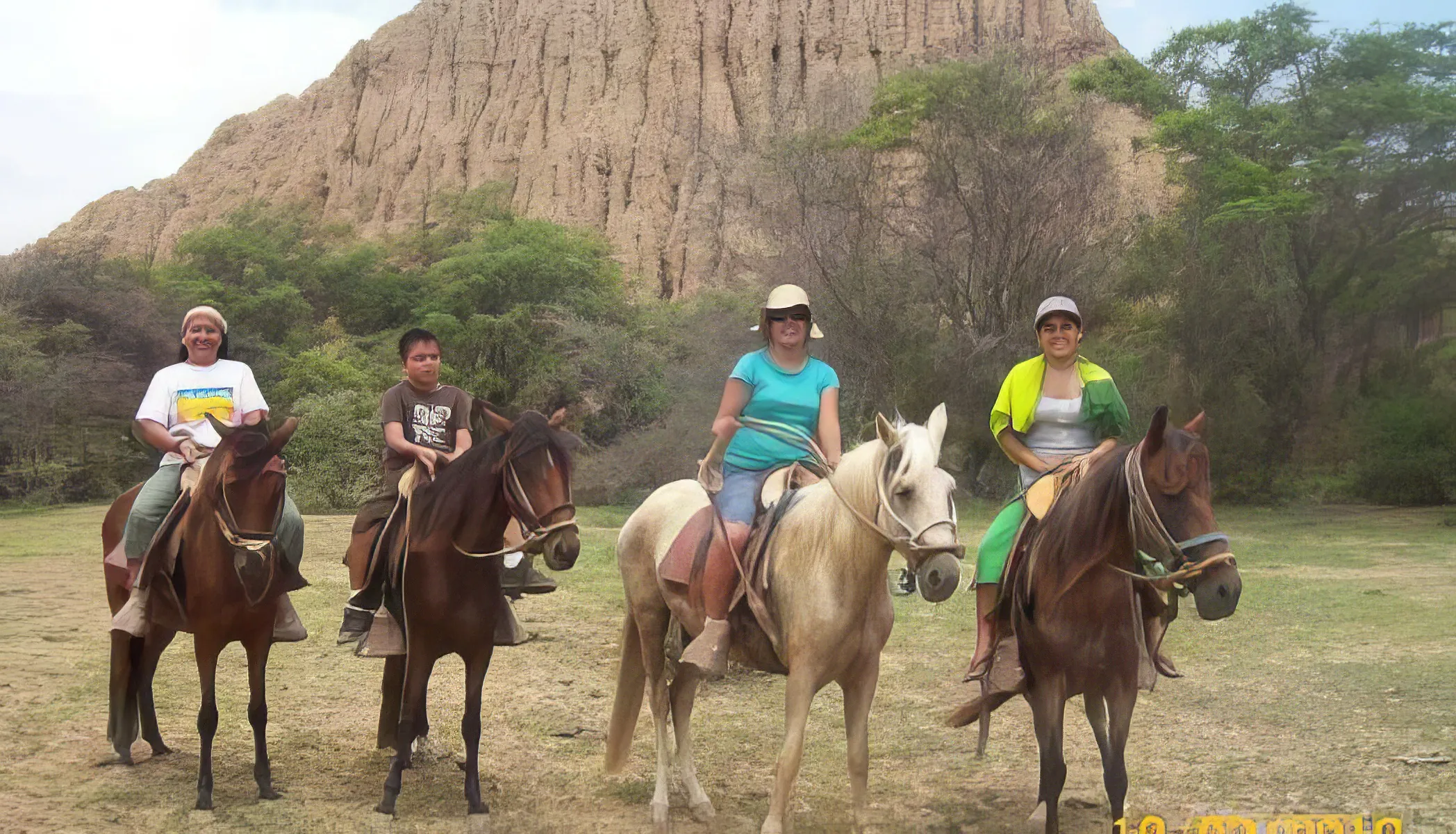
In Trujillo, travelers can explore ancient ruins, enjoy local cuisine, and participate in traditional festivals.
– Huacas del Sol y de la Luna: Visit these archaeological sites to learn about the Moche civilization's history and culture.
– Chan Chan: Explore the largest adobe city in the world, showcasing advanced pre-Columbian architecture.
– Surfing at Huanchaco Beach: Experience surfing on the northern coast with suitable waves for all skill levels.
– Horseback riding in the countryside: Enjoy scenic rides through rural landscapes and experience local traditions.
– Traditional Marinera dance classes: Learn this popular Peruvian dance that reflects coastal culture and heritage.
Cuisine
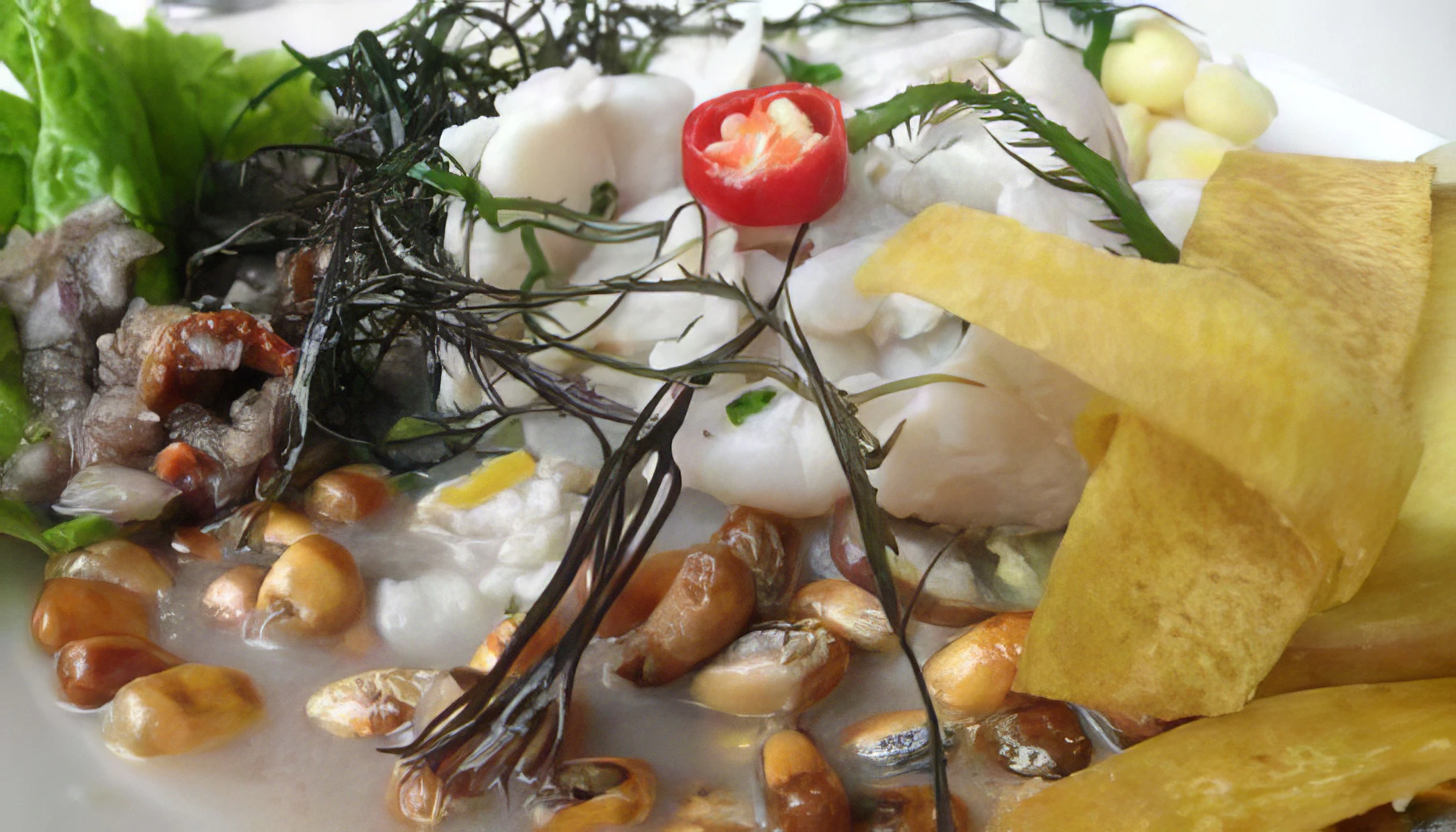
The city offers a mix of traditional Peruvian flavors and coastal influences, with seafood playing a central role in its cuisine. Some of the city's most famous dishes include:
– Ceviche: Fresh fish marinated in lime juice, mixed with onions, chili peppers, and cilantro.
– Cabrito con Frijoles: Goat stew served with seasoned beans and rice, often flavored with chicha de jora.
– Shambar: Hearty Monday soup made with wheat, pork, ham, and various beans.
– Seco de Cabrito: Braised goat cooked in cilantro sauce, typically accompanied by rice and beans.
– King Kong: Layered dessert featuring sweet biscuits filled with manjar blanco (caramel) and fruit jams.
Shopping
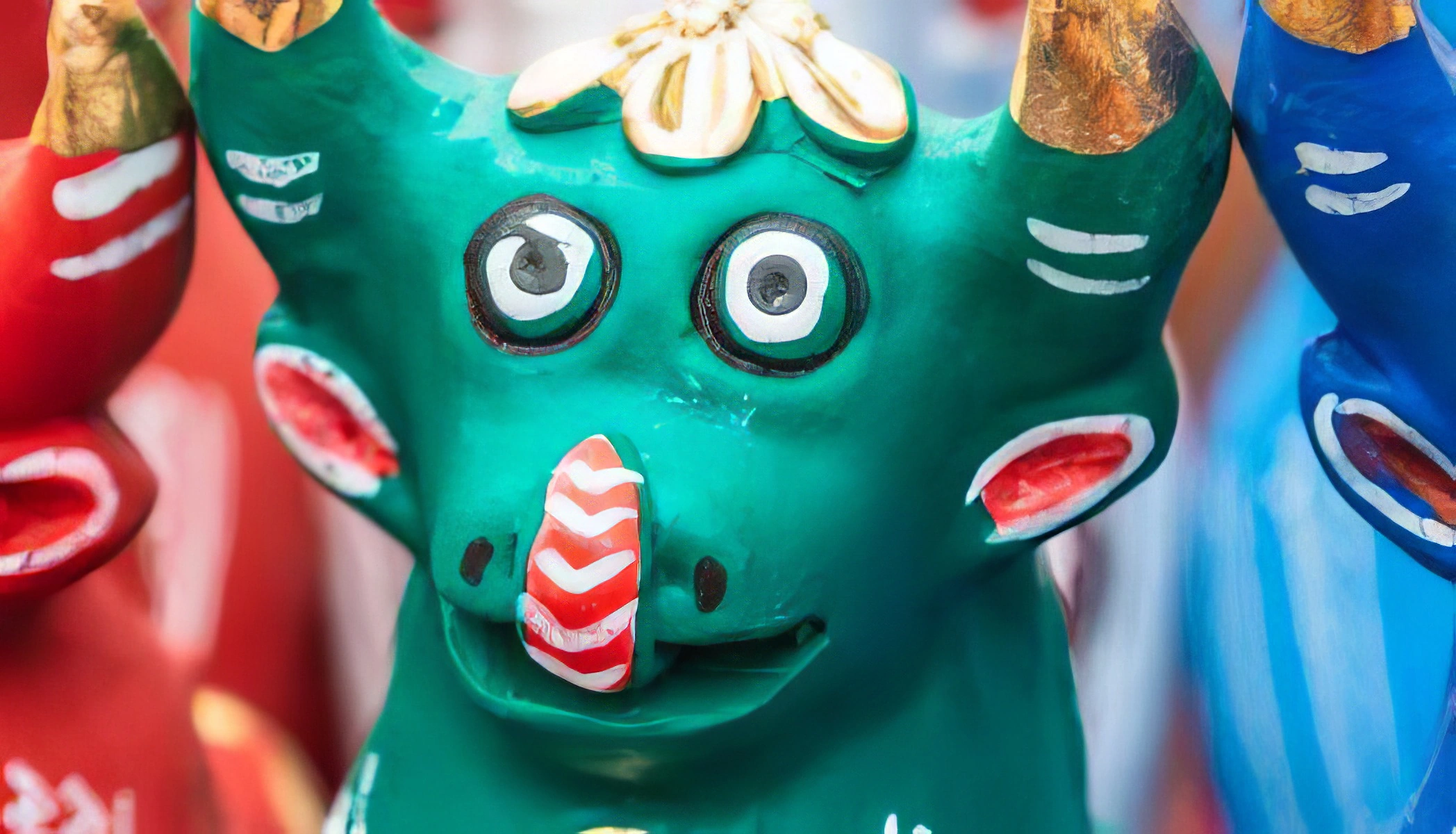
You can find handmade textiles, such as colorful blankets and bags, crafted by local artisans. Another option is silver jewelry, which features traditional designs. Additionally, you might consider purchasing pottery or ceramic pieces that reflect the region's culture. Local markets offer a variety of souvenirs, including food items like chocolate or coffee. These gifts provide a taste of local craftsmanship and culture. Overall, there are interesting shopping opportunities available.
Arts & Culture
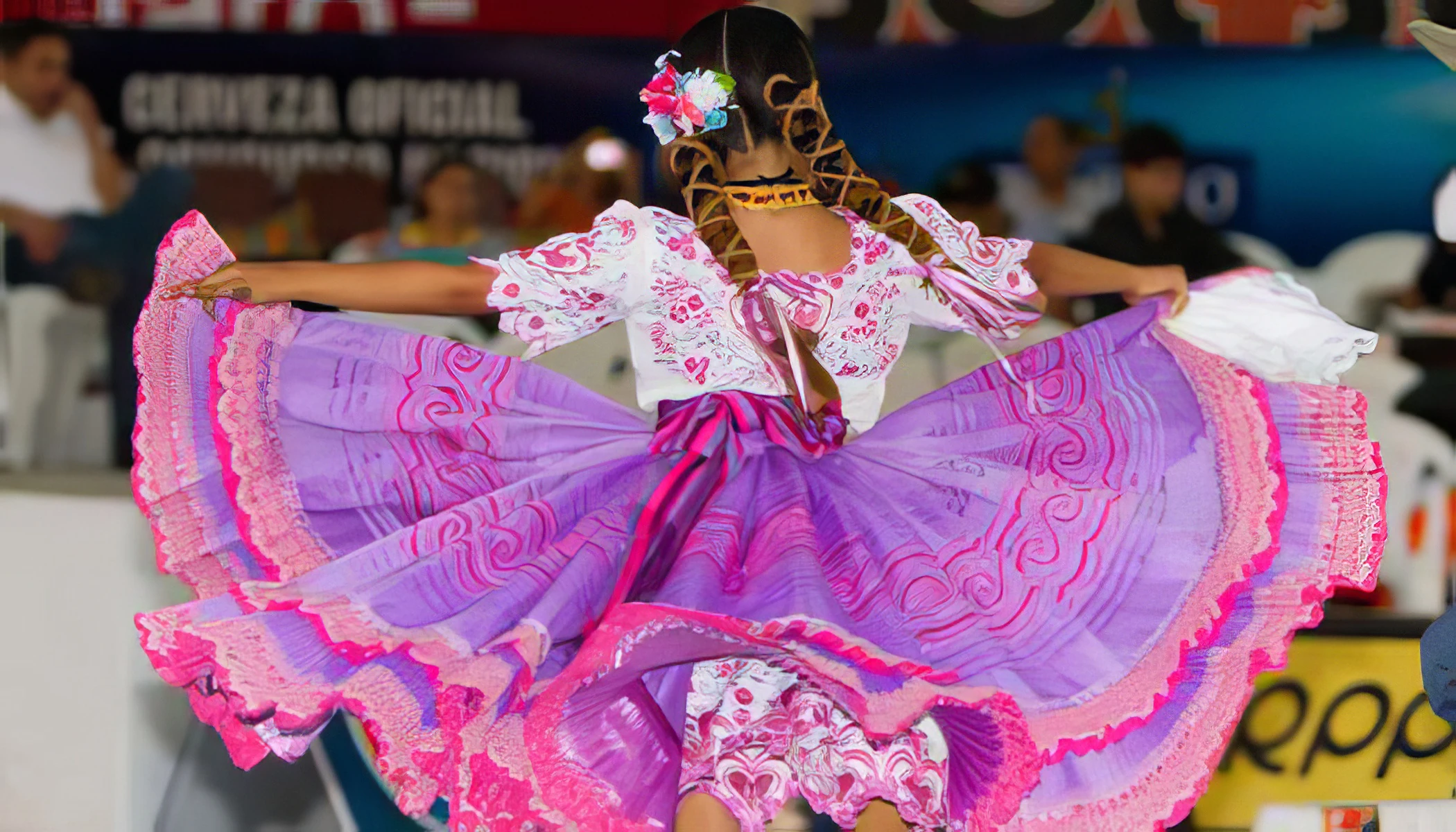
The city is known for its pretty festivals, such as the Marinera Festival, which celebrates the traditional dance and music of the region. It also hosts various cultural events throughout the year, showcasing local crafts and artistic expressions. The Huacas del Sol y de la Luna are significant archaeological sites that highlight the area's pre-Columbian history and art. Additionally, there are numerous galleries and theaters that support local artists and performances.