

Ulaanbaatar Travel Guide: Tourist Places & Activities
The capital city is located in north-central Asia. It serves as the political, cultural, and economic center of the country. The city experiences a continental climate with cold winters and warm summers, and it is known for its historical sites.
- Population
- 1.5 millions
- Size
- 1 455 square km
- Airport
- Chinggis Khaan – Int'l
- Train Station
- Ulaanbaatar.
- Est. Visit Days
- 3 days
Overview
Ulaanbaatar, the capital of Mongolia, serves as the country's political, cultural, and economic center. Pros include its rich history, access to traditional Mongolian culture, and proximity to natural attractions like Gorkhi-Terelj National Park. However, it faces challenges such as air pollution, traffic congestion, and limited infrastructure. The climate can be harsh with very cold winters. Overall, Ulaanbaatar offers a mix of urban experiences and outdoor activities but has some environmental and logistical issues to consider.
Traffic & Transport
The city has a mix of public transportation options, including buses and microbuses, which are the most cost-effective ways to navigate the urban landscape. Additionally, many visitors find that walking or cycling is a great way to explore the city at their own pace while taking in the local sights. Due to traffic congestion during peak hours, it's advisable to plan trips accordingly and consider off-peak travel times. For a more comfortable experience, renting a car with a driver can also be an excellent option. Reliable taxi companies include City Taxi and Max Taxi, both of which are well-regarded for their service. Additionally, popular taxi-booking apps such as Yandex.Taxi are available for convenient ride-hailing.
History
The area has been inhabited since the 13th century, originally serving as a trading post on the Silk Road. In the 17th century, it became an important center for Tibetan Buddhism under Mongolian rule. The city was moved several times before settling in its current location in 1778. During the 20th century, it played a significant role in Mongolia's struggle for independence from China and later became a focal point during Soviet influence. Cultural influences from both Buddhism and communism are evident in its architecture and traditions today.
Itinerary Sample
Here is a sample 3-day itinerary for exploring Ulaanbaatar, Mongolia.
– First day: Visit Sukhbaatar Square and the Government Palace. Explore the National Museum of Mongolia. End with a walk in Zaisan Memorial Park for city views.
– Second day: Take a trip to Gorkhi-Terelj National Park. Visit the Turtle Rock and Aryabal Monastery. Enjoy outdoor activities like hiking or horseback riding.
– Third day: Explore the Gandantegchinlen Monastery. Visit the Choijin Lama Temple Museum. Spend time at the State Department Store for local souvenirs before departure.
Near Excursion
This city serves as a gateway to several interesting day trips. Here are some options:
– Gorkhi-Terelj National Park at 55 km: Offers fascinating landscapes, rock formations, and opportunities for hiking and horseback riding.
– Chinggis Khaan Statue Complex at 54 km: Features a giant equestrian statue and a museum dedicated to Mongolia's history.
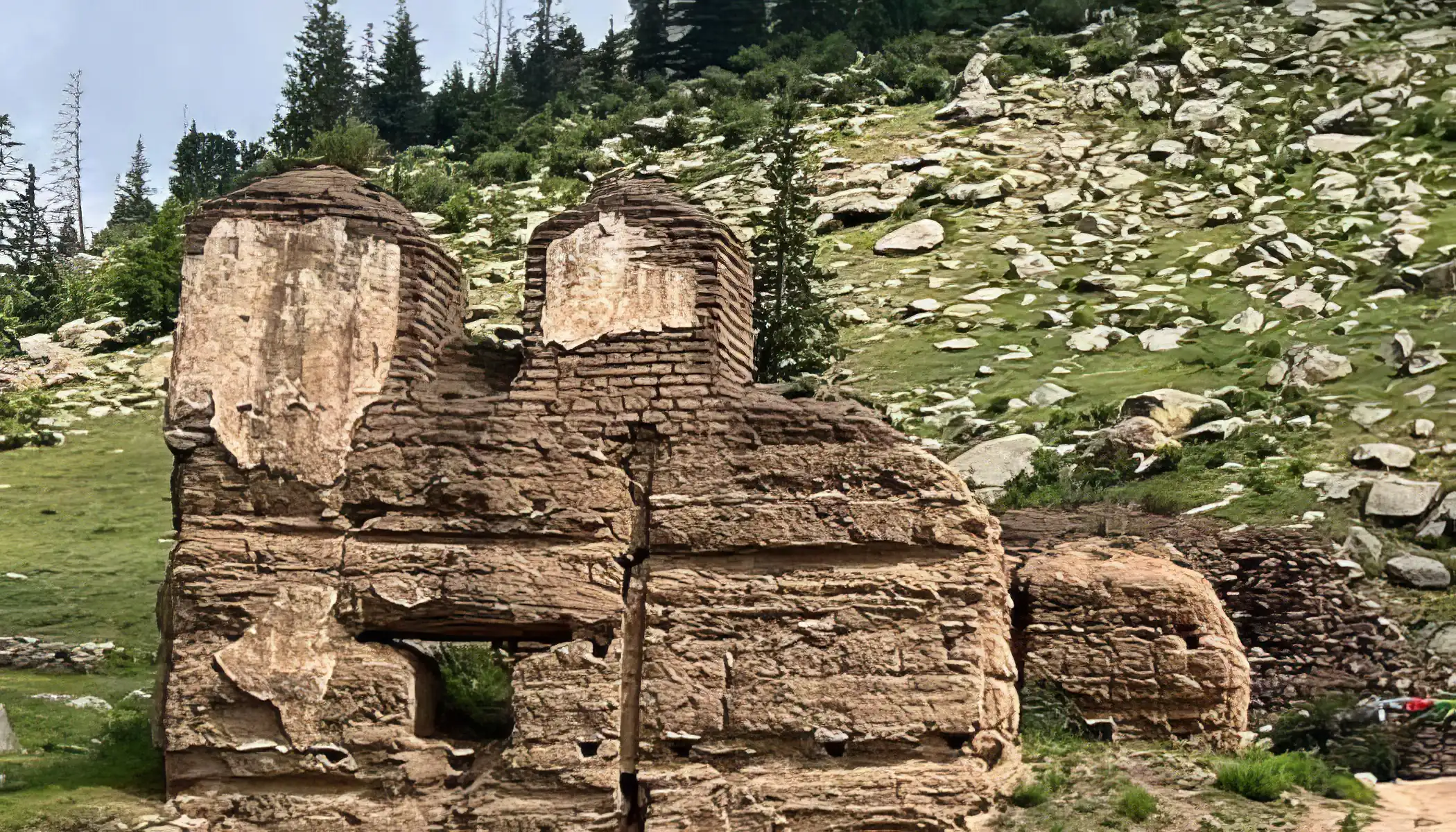
– Manzushir Monastery Ruins at 43 km: Located in Bogd Khan Mountain, offering scenic views and historical ruins to explore.
– Hustai National Park at 100 km: Known for its wild Przewalski horses, it's ideal for wildlife enthusiasts.
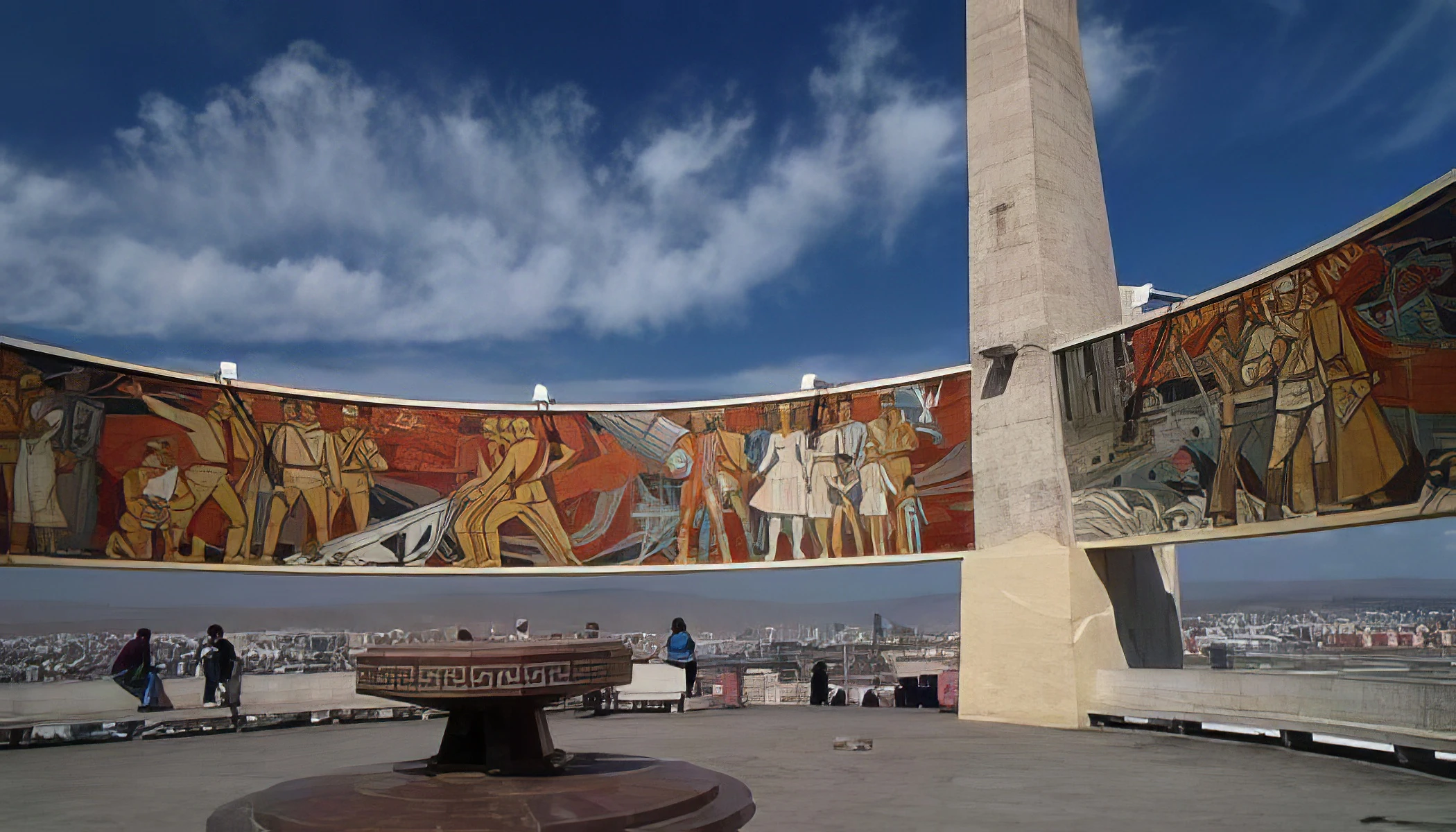
– Zaisan Memorial Hill at 30 km: Provides panoramic views of the surrounding area and commemorates Soviet soldiers from World War II.
Attraction
The city offers a mix of cultural heritage, historical sites, and modern attractions for tourists.
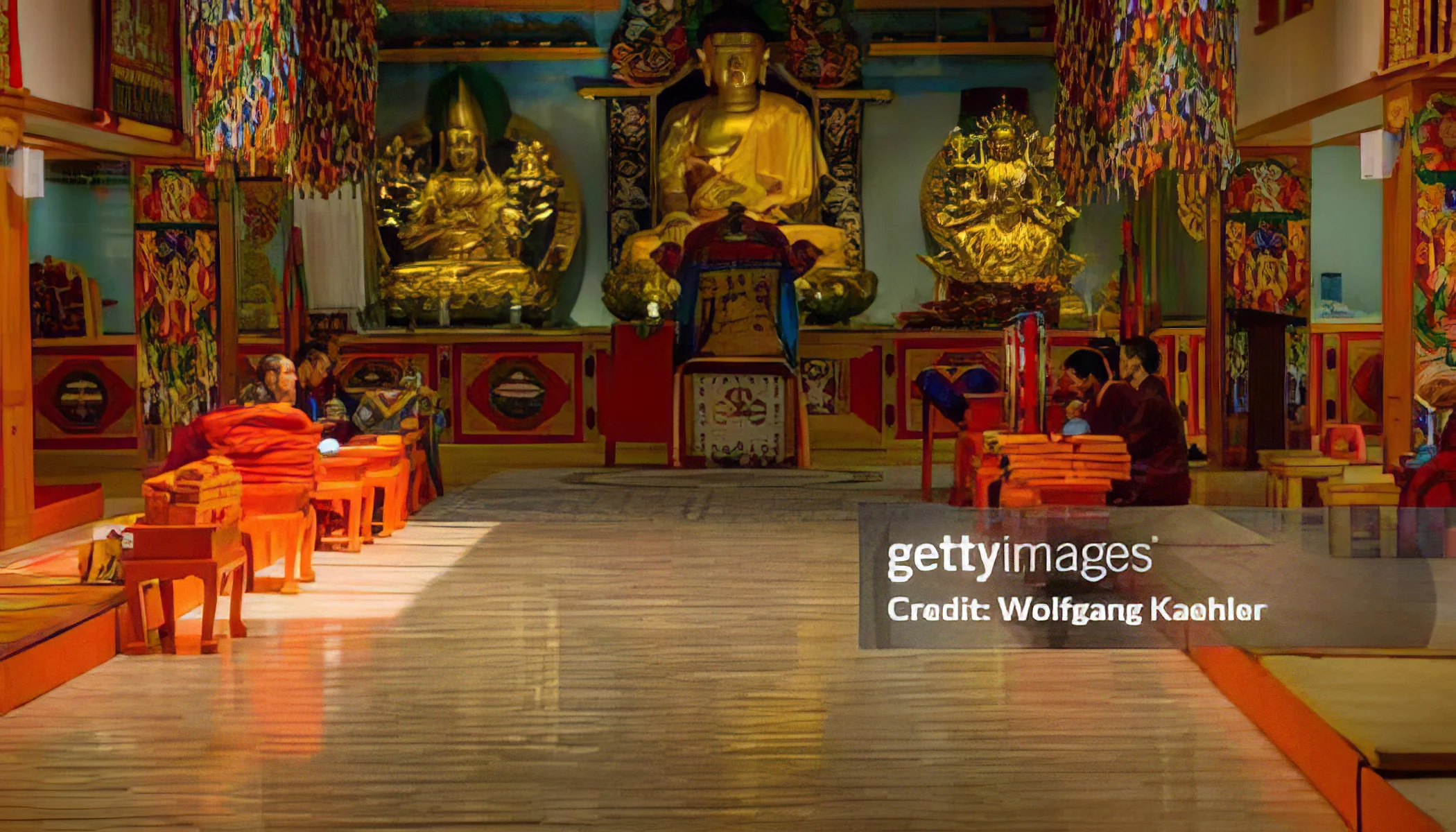
– Gandantegchinlen Monastery: A significant Buddhist site known for its impressive architecture and large statue of Avalokiteshvara.
– Sukhbaatar Square: The central square featuring important monuments and surrounded by government buildings and museums.
– National Museum of Mongolia: Exhibits artifacts from Mongolia's history, including prehistoric times to the present day.
– Zaisan Memorial: A hilltop monument honoring Soviet soldiers with panoramic views of the city.
– Bogd Khan Palace Museum: Former winter residence of the Bogd Khan, showcasing royal artifacts and traditional architecture.
– Choijin Lama Temple Museum: Preserved temple complex offering insight into religious art and history.
Activity
Travelers in Ulaanbaatar can explore the unique culture, nature, and adventure experiences the city and surroundings offer.
– Naadam Festival: Experience traditional Mongolian sports like wrestling, horse racing, and archery during this annual celebration in July.
– Gorkhi-Terelj National Park: Enjoy hiking, horseback riding, and beautiful landscapes just outside the city.
– Ger Camp Stay: Experience nomadic life by staying in a traditional ger (yurt) with local families.
– Zaisan Memorial: Climb to this hill for panoramic views of Ulaanbaatar and learn about Mongolia's history.
– Chinggis Khaan Statue Complex: Visit the world's largest equestrian statue and learn about Mongolia's famous leader.
Cuisine

The food scene highlights traditional Mongolian cuisine, emphasizing meat and dairy products due to the nomadic lifestyle. Some of the city's most famous dishes include:
– Buuz: Steamed dumplings filled with seasoned mutton or beef.
– Khuushuur: Deep-fried pastry filled with minced meat and onions.
– Tsuivan: Stir-fried noodles mixed with vegetables and meat.
– Boodog: Whole goat cooked from the inside out using hot stones.
– Airag: Fermented mare's milk, a traditional Mongolian beverage.
– Boortsog: Fried dough snacks often served with tea.
Shopping
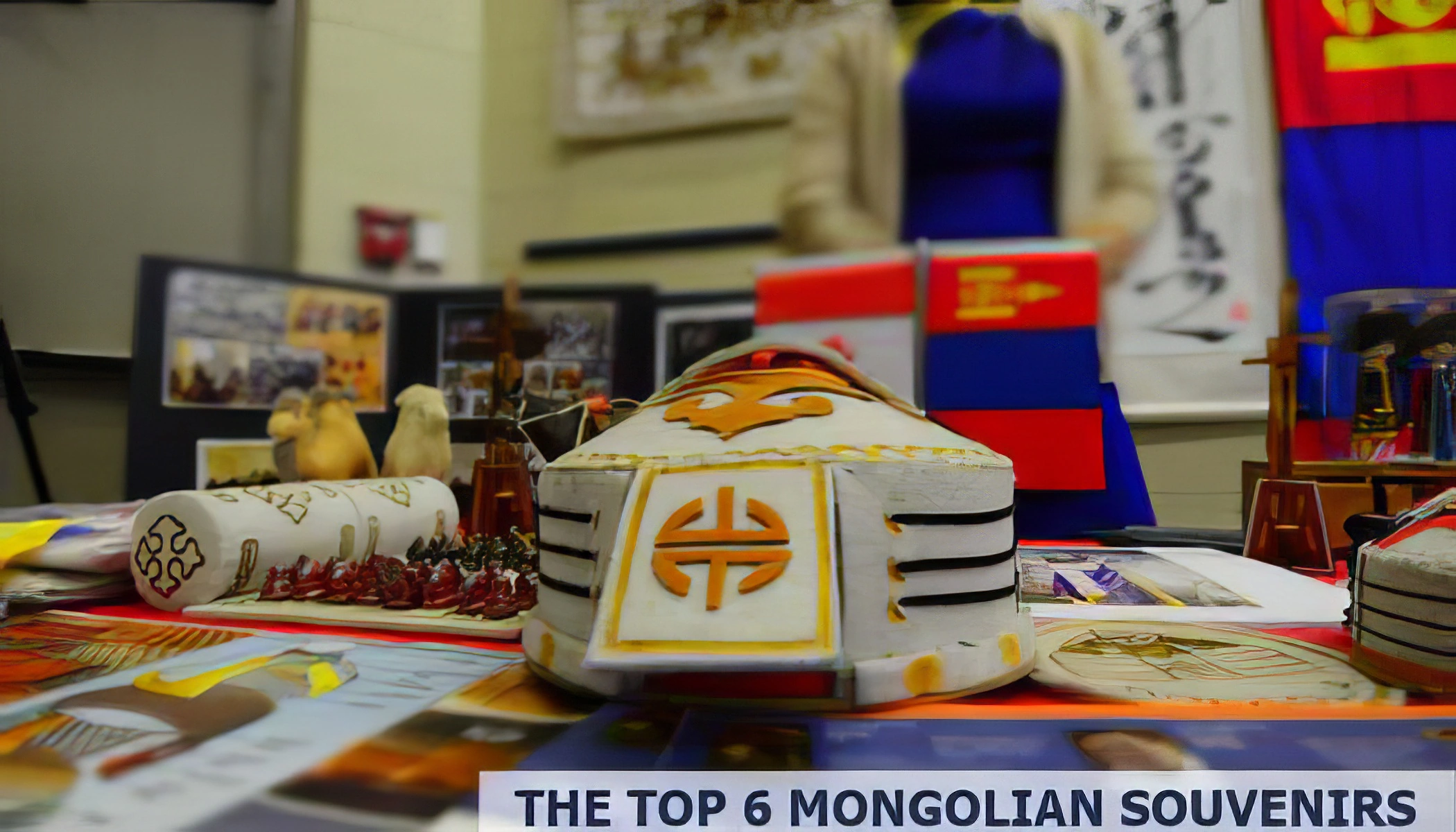
A popular shopping experience is visiting local markets where you can find traditional Mongolian handicrafts. Items like cashmere scarves, wool felt products, and handmade jewelry are good options for gifts. You might also consider purchasing a traditional Mongolian hat or a shagai (ankle bones) game as a unique souvenir. Local shops often sell artworks that depict the country's landscapes and culture. Be prepared to negotiate prices at markets for a better deal. Overall, these items reflect the local heritage and make meaningful gifts.
Arts & Culture
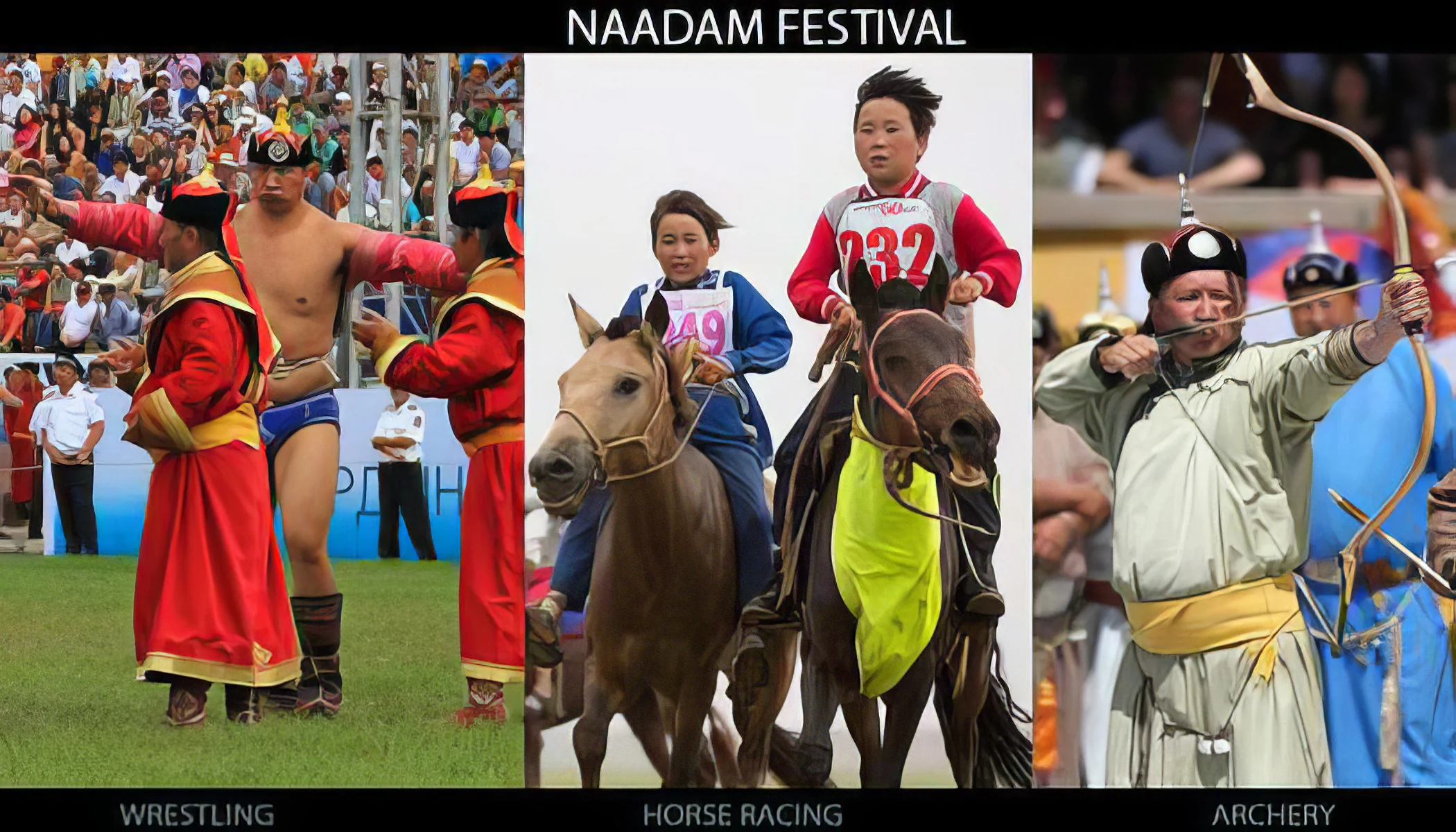
The city hosts the annual Naadam Festival, which features traditional sports like wrestling, horse racing, and archery, celebrating Mongolian culture. The National Museum of Mongolia showcases historical artifacts and exhibits related to Mongolian heritage. Various art galleries display contemporary Mongolian art, reflecting both traditional themes and modern influences. Additionally, the State Academic Theatre of Opera and Ballet offers performances that highlight local artistic talent.