

Bath: Best Things to Do & Top Attractions
This city is known for its Roman-built baths and Georgian architecture. It features a rich history, including significant cultural sites and natural hot springs, attracting visitors interested in heritage and relaxation. It's a UNESCO World Heritage site.
- Population
- 0.09 millions
- Size
- 90 square km
- Airport
- Bristol at 24 km – Int'l.
- Train Station
- Bath Spa.
- Est. Visit Days
- 2 days
Overview
Bath is a city in the United Kingdom known for its Roman baths and Georgian architecture. Pros include its rich history, beautiful buildings, and a range of cultural attractions. The city is also relatively compact, making it easy to explore on foot. However, cons include high living costs and tourist crowds, especially in peak seasons. Additionally, the weather can be unpredictable with frequent rain.
Traffic & Transport
The city is compact, making it ideal for exploring on foot. Bicycles are also a popular option, with several rental shops available throughout the area. Public transport includes buses that connect key attractions and surrounding areas, while some visitors may opt for guided tours to cover more ground. Parking can be limited, so using public transport or walking is often the most convenient choice. For taxi services, reputable companies include City Cabs and Bath Taxis, both of which offer reliable transportation options around the city. Additionally, popular taxi-booking apps like Uber operate in the area, providing an easy way to get around.
History
The area was settled by the Romans in the 1st century AD, who built baths and a temple. After the fall of Roman rule, it became part of various kingdoms until the Saxons established its significance. During the medieval period, it developed as a center for trade and commerce. The city gained prominence in the 18th century with the rise of Georgian architecture and tourism. In the 20th century, it continued to thrive as a cultural Hub, known for its festivals and historical sites.
Itinerary Sample
This 2-day itinerary will help you explore the key attractions of Bath, UK.
– First day: Visit The Roman Baths, explore Bath Abbey, stroll through the Georgian streets, and relax at the Thermae Bath Spa.
– Second day: Tour the Royal Crescent, visit The Circus, enjoy the Jane Austen Centre, and walk along Pulteney Bridge.
Near Excursion
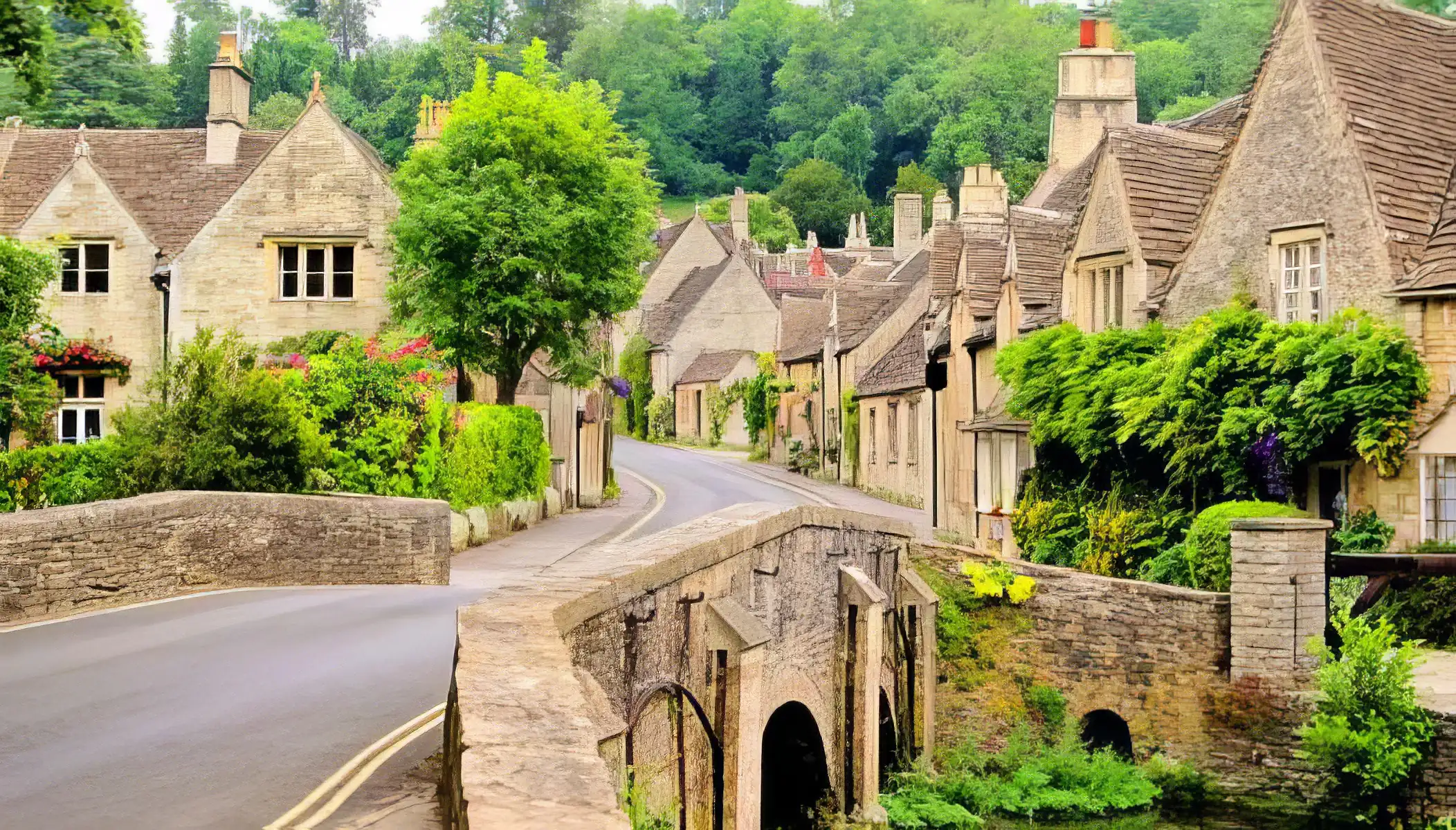
This city is a great starting point for various interesting day trips. Here are some suggestions:
– Stonehenge at 55 km: Visit the world-famous prehistoric monument with an informative visitor center nearby.
– Bristol at 20 km: Explore the nice city with its maritime history, street art, and museums.
– Cotswolds at 45 km: Discover charming villages, rolling hills, and charming countryside walks.
– Cheddar Gorge at 30 km: Experience dramatic beautiful cliffs and explore fascinating caves.
– Avebury at 50 km: Walk among Neolithic stone circles in this UNESCO World Heritage Site.
Attraction
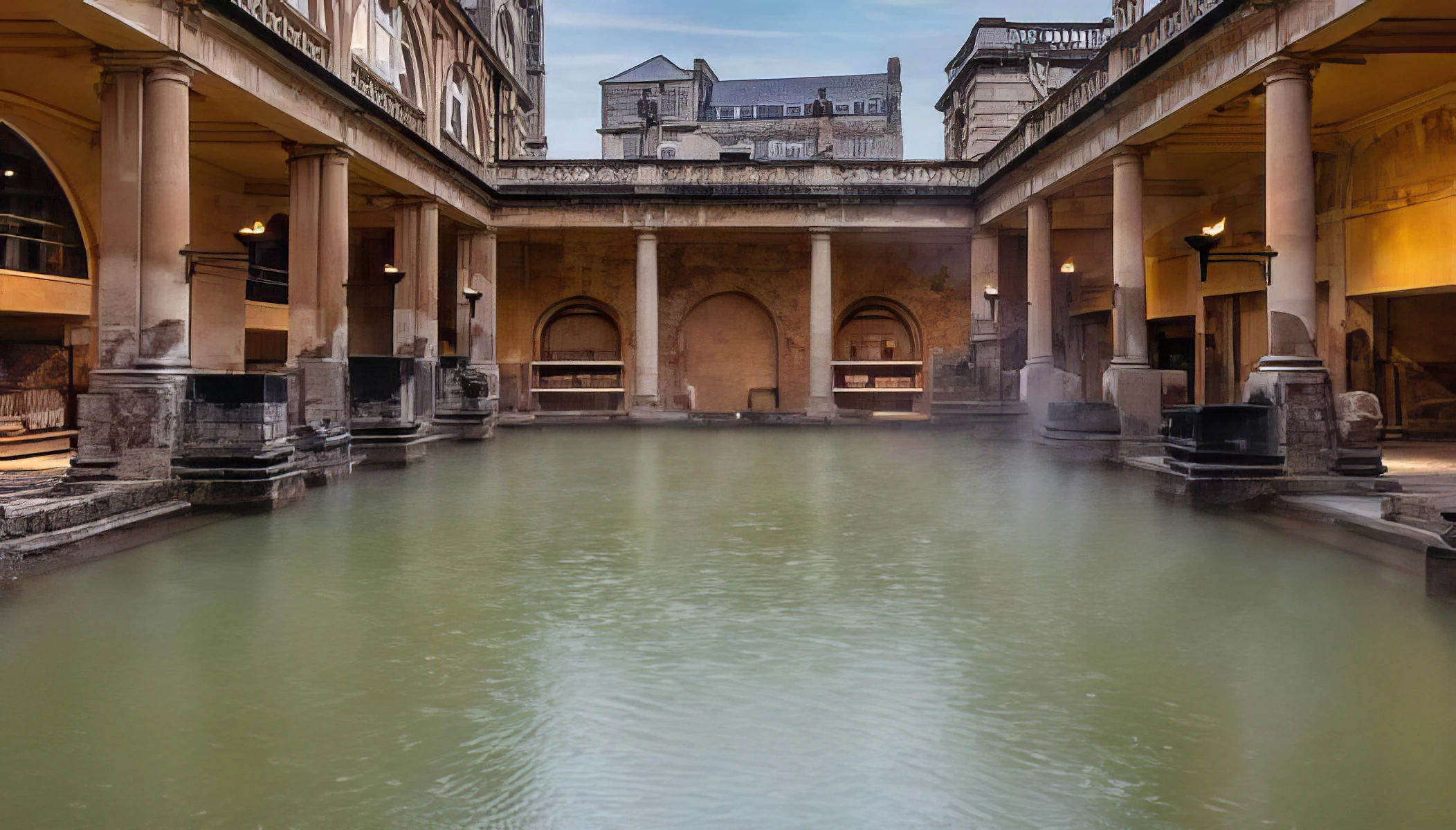
Known for its Roman baths and Georgian architecture, the city offers a rich historical experience.
– Roman Baths: Explore ancient bathing complex with preserved ruins and a museum showcasing artifacts from Roman times.
– Bath Abbey: Admire Gothic architecture and climb the tower for panoramic views of the city.
– Pulteney Bridge: Walk across this charming bridge lined with shops, offering scenic views of the River Avon.
– The Royal Crescent: Visit this iconic row of 30 terraced houses known for its Georgian architecture.
– Thermae Bath Spa: Relax in natural thermal waters at this modern spa with rooftop pool offering city views.
– The Jane Austen Centre: Learn about the famous author's life and her connection to the city through exhibits and displays.
Activity
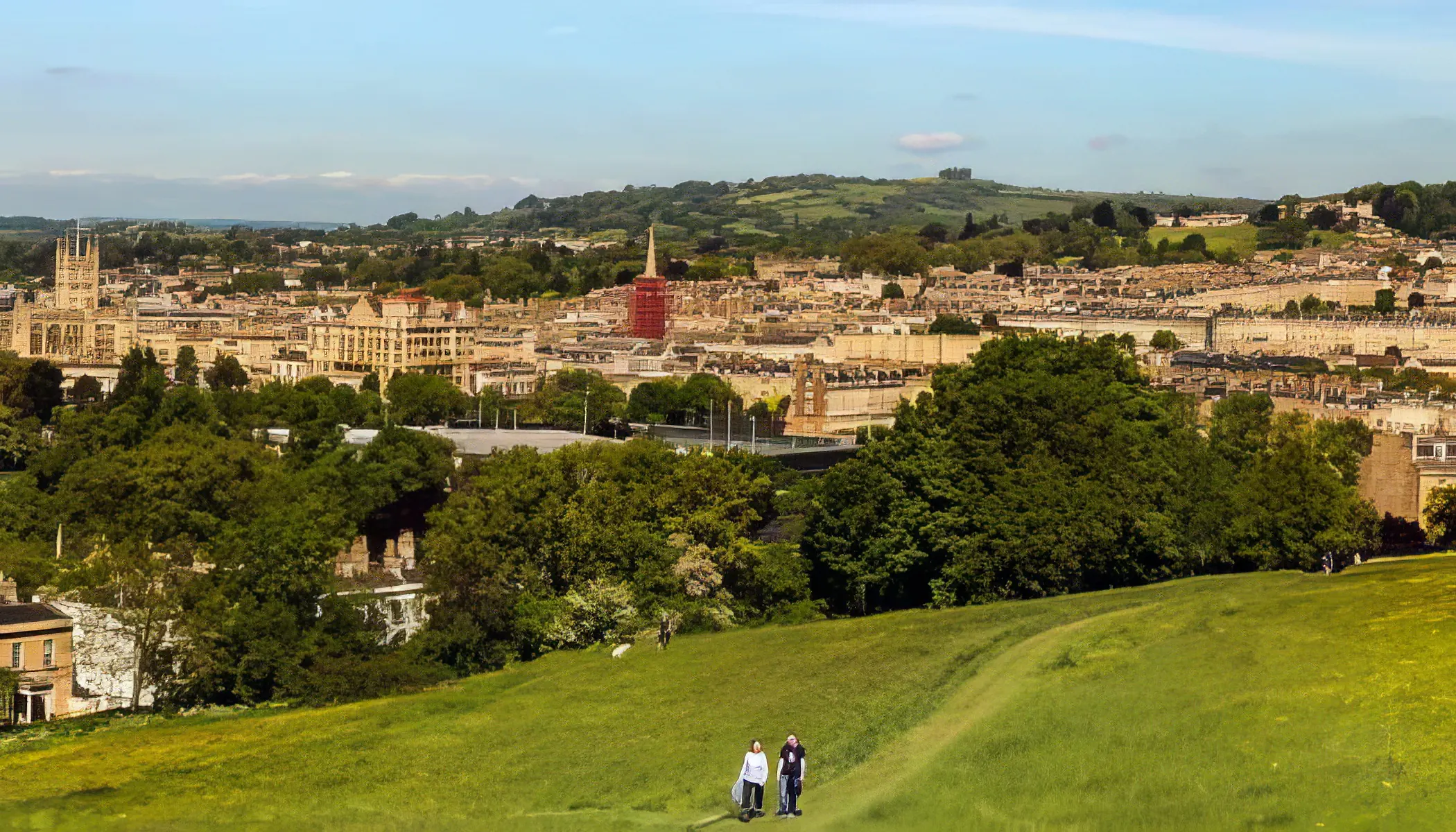
Travelers in Bath can explore Roman baths, historic architecture, and enjoy scenic walks along the River Avon. – item1: Enjoy a guided walking tour of Bath's Georgian architecture and learn about its history. – item2: Take a boat trip on the River Avon for a unique view of the city and its surroundings. – item3: Experience a spa day at Thermae Bath Spa with natural thermal waters and wellness treatments. – item4: Walk the Bath Skyline trail for panoramic views of the city and surrounding countryside. – item5: Participate in a pottery class to create your own piece inspired by Bath's rich artistic heritage.
Cuisine

The city offers a mix of traditional British cuisine and modern dining experiences, with numerous cafes and restaurants. Some of the city's most famous dishes include:
– Sally Lunn Bun: A large, light bun traditionally served with sweet or savory toppings.
– Bath Chaps: Cured pork cheeks often served cold as a snack or in sandwiches.
– Bath Soft Cheese: A creamy, soft cheese made locally from organic cow's milk.
– Bath Olivers: Crisp, dry biscuits that pair well with cheese, originating in the 18th century.
– Somerset Cider: Local cider known for its refreshing taste, made from apples grown in nearby orchards.
Shopping

You can find unique items at the local markets and independent shops. A popular gift is a piece of handmade pottery, reflecting local craftsmanship. Look for scented soaps or bath products made from natural ingredients. A good choice for food lovers is locally produced fudge or chocolates. Consider buying a book about the area's history as a memorable gift. Overall, there are various options for shopping that showcase local culture.
Arts & Culture

The city hosts the Bath International Music Festival, which features a variety of performances from classical to contemporary music. The annual Bath Fringe Festival showcases local and international talent in theatre, dance, and visual arts. Additionally, the Holburne Museum offers exhibitions of fine art and decorative arts throughout the year. Various galleries in the area display works from local artists and host regular events.