

Sightseeing in Victoria Falls: Culture & Must‑See Spots
This natural attraction is one of the largest waterfalls in the world, located on the Zambezi River. It features a height of over 100 meters and creates a mist that can be seen from miles away.
- Airport
- Victoria Falls – Int'l
- Train Station
- Victoria Falls Station.
- Est. Visit Days
- 2 days
Overview
Victoria Falls, located in Zimbabwe, is famous for its impressive waterfall on the Zambezi River. Pros include nice natural beauty, opportunities for adventure activities like white-water rafting and bungee jumping, and a UNESCO World Heritage Site designation. However, cons include limited infrastructure and amenities compared to larger cities, potential safety concerns in certain areas, and seasonal variations in water flow that can affect the viewing experience. Overall, it attracts tourists seeking nature and adventure but may not suit those looking for urban comforts.
Traffic & Transport
The city is well-connected and offers various means of transport for tourists. Walking is a popular option due to the compact nature of the area, allowing visitors to explore attractions easily. Additionally, local buses and minibuses provide affordable transportation options for those looking to venture further. For a more personalized experience, renting bicycles can also be an enjoyable way to navigate the surroundings. Reliable taxi services are available, with several local companies offering safe and professional rides around the city. While there may not be widely recognized taxi-booking apps specific to the area, many hotels and lodges can assist in arranging transportation or recommend trustworthy taxi services.
History
The area around the falls was originally inhabited by the Kololo people, who were later displaced by the Nguni tribes. In the late 19th century, European explorers and missionaries arrived, leading to increased interest in the region. The British South Africa Company claimed control in the 1890s, marking the start of colonial rule. The city developed as a center for commerce and tourism during this period. After Zimbabwe's independence in 1980, local culture began to flourish alongside its historical significance as a tourist destination.
Itinerary Sample
Here's a suggested two-day itinerary for exploring Victoria Falls, Zimbabwe:
– First day: Arrive and check into your hotel. Visit the Victoria Falls National Park to see the falls. Explore the local market in the afternoon and enjoy dinner at a nearby restaurant.
– Second day: Take a guided tour of the Zambezi River. Optional activities include bungee jumping or helicopter rides. In the evening, consider a sunset cruise on the river before returning to your hotel.
Near Excursion
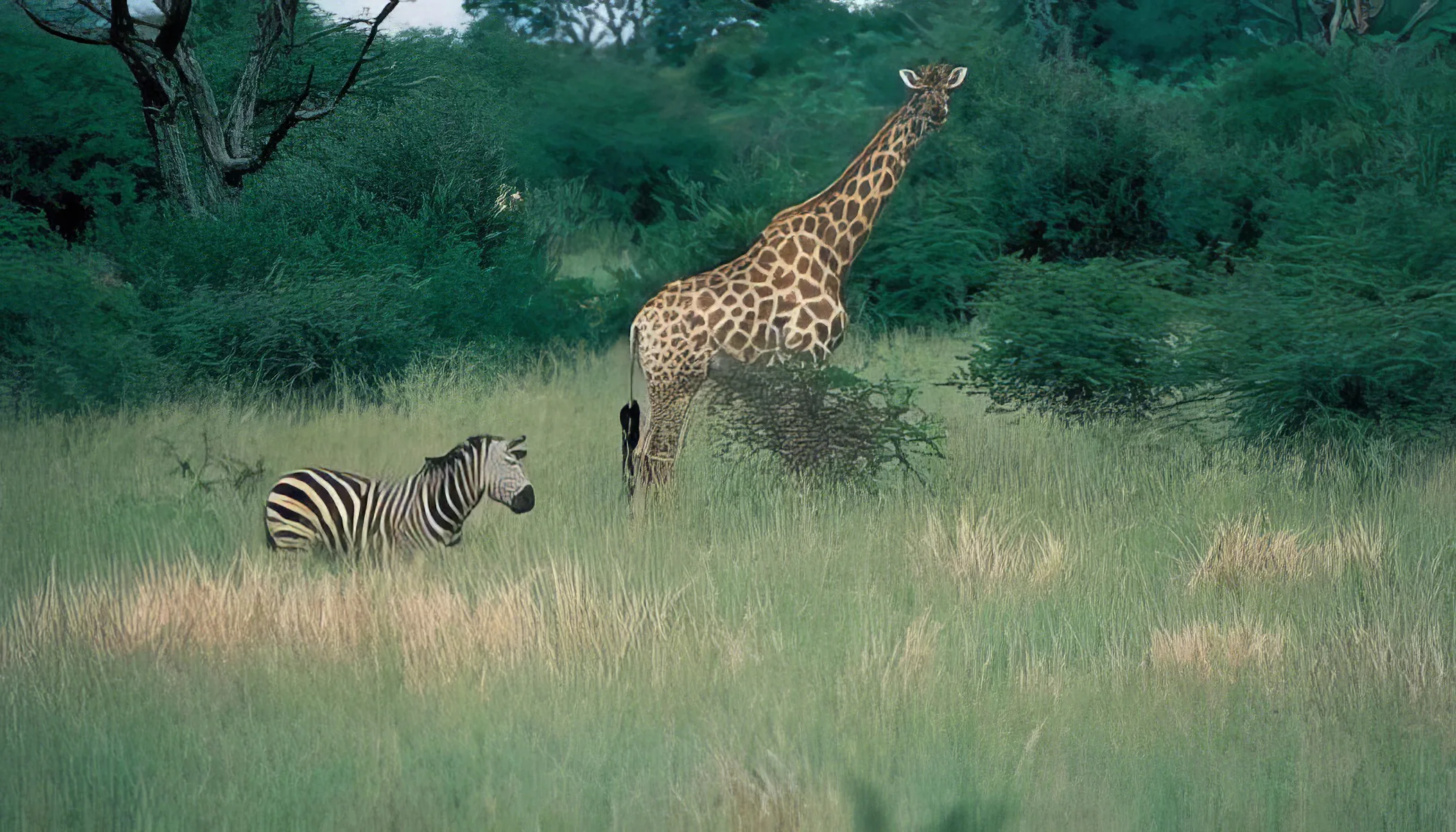
This city offers a variety of day-trip options for exploring the surrounding area. Here are some suggestions:
– Zambezi National Park at 30 km: Offers game viewing opportunities with elephants, lions, and a variety of bird species.
– Chobe National Park at 85 km: Known for its large herds of elephants and diverse wildlife, accessible by a short drive.
– Hwange National Park at 100 km: Zimbabwe's largest game reserve, home to a vast array of animals including the Big Five.
– Livingstone Island at 10 km: Located on the edge of the falls, it offers unique views and swimming in Devil’s Pool.
– Mosi-oa-Tunya National Park at 12 km: A UNESCO World Heritage site featuring wildlife and scenic views of the falls.
Attraction
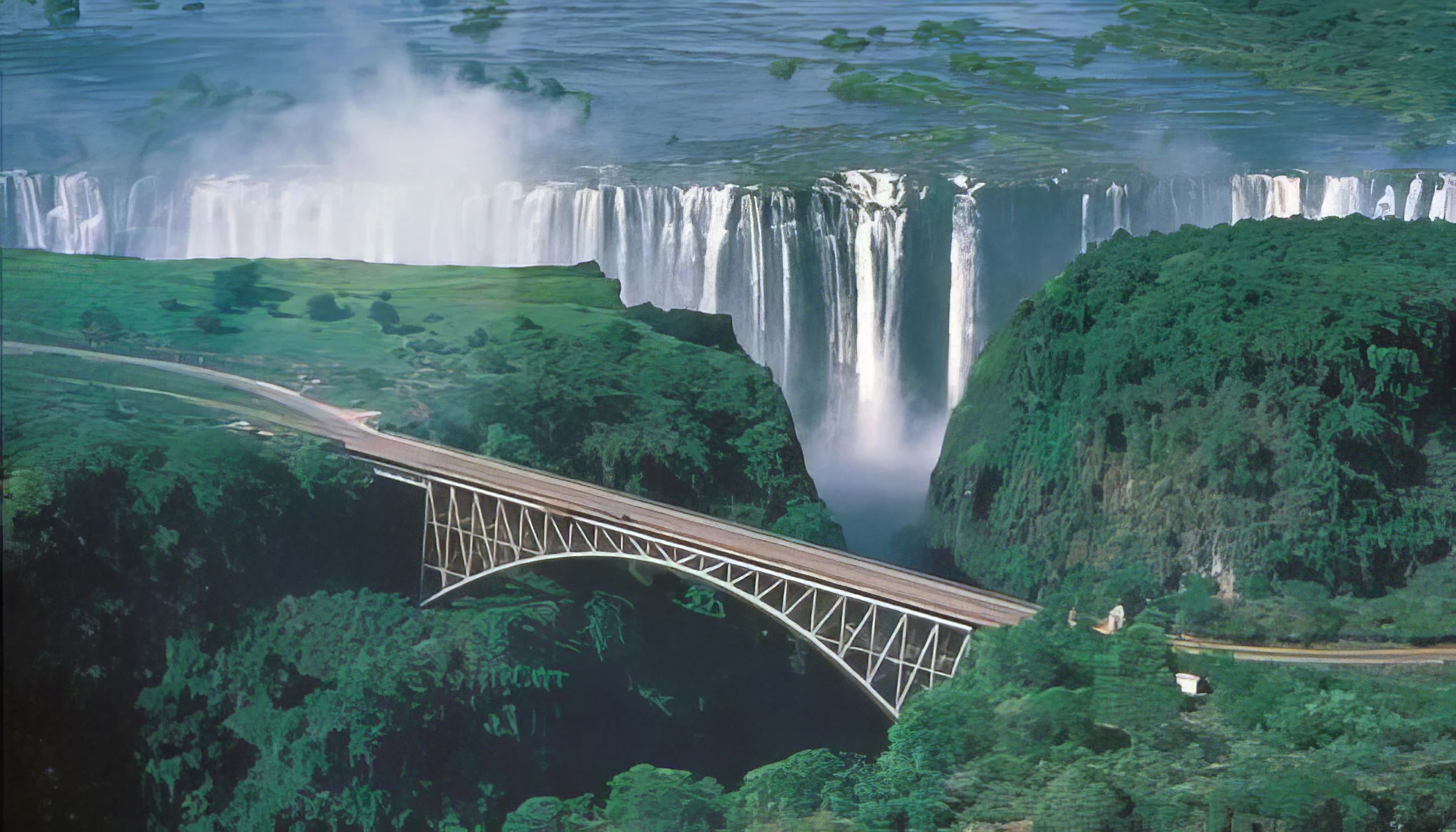
The city is renowned for its breathtaking natural wonder and diverse wildlife experiences.
– Victoria Falls: A spectacular waterfall, one of the largest in the world, offering lovely views and a variety of adventure activities.
– Zambezi River: Offers thrilling white-water rafting, sunset cruises, and opportunities to see wildlife along its banks.
– Devil's Pool: A natural rock pool on the edge of the falls where visitors can swim during low water levels.
– Mosi-oa-Tunya National Park: Home to diverse wildlife including elephants and offers guided walking safaris.
– Livingstone Island: Accessible by boat, it provides a unique vantage point of the falls' edge with guided tours available.
– Helicopter Flights: Experience an aerial view of the falls and surrounding landscapes providing a unique perspective.
Activity
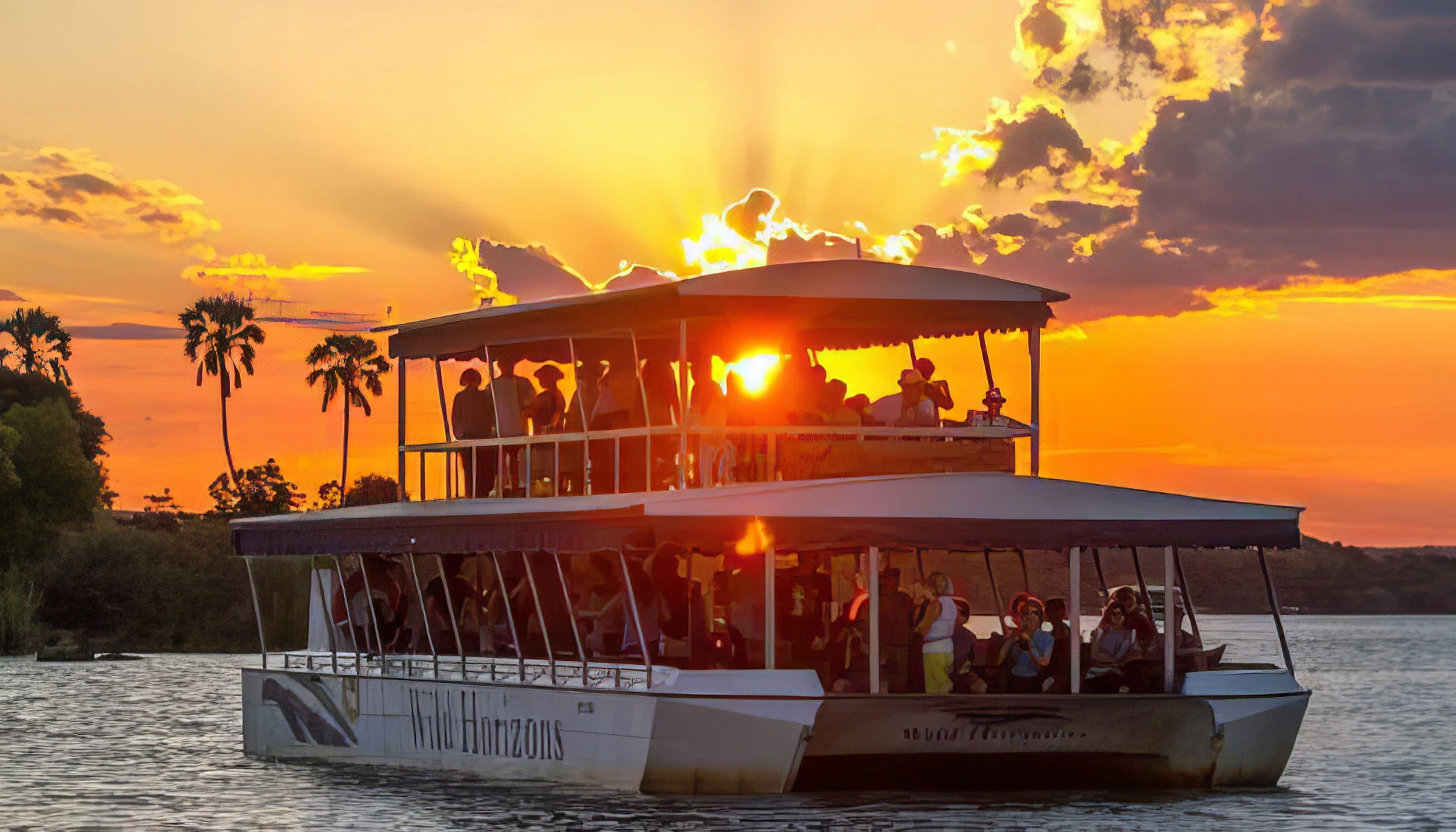
Travelers can enjoy remarkable views, adventure sports, and cultural experiences at Victoria Falls in Zimbabwe.
– White Water Rafting: Experience thrilling rapids on the Zambezi River, suitable for adventure seekers looking for excitement.
– Bungee Jumping: Leap from the Victoria Falls Bridge for an adrenaline rush and handsome views of the falls below.
– Helicopter Tours: Take a scenic flight over Victoria Falls for unique aerial views of this natural wonder.
– Sunset Cruise: Relax on a boat cruise along the Zambezi River while enjoying elegant sunset views and wildlife sightings.
– Walking Safari: Explore the surrounding wilderness on foot with a guide, observing wildlife and learning about local ecology.
Shopping
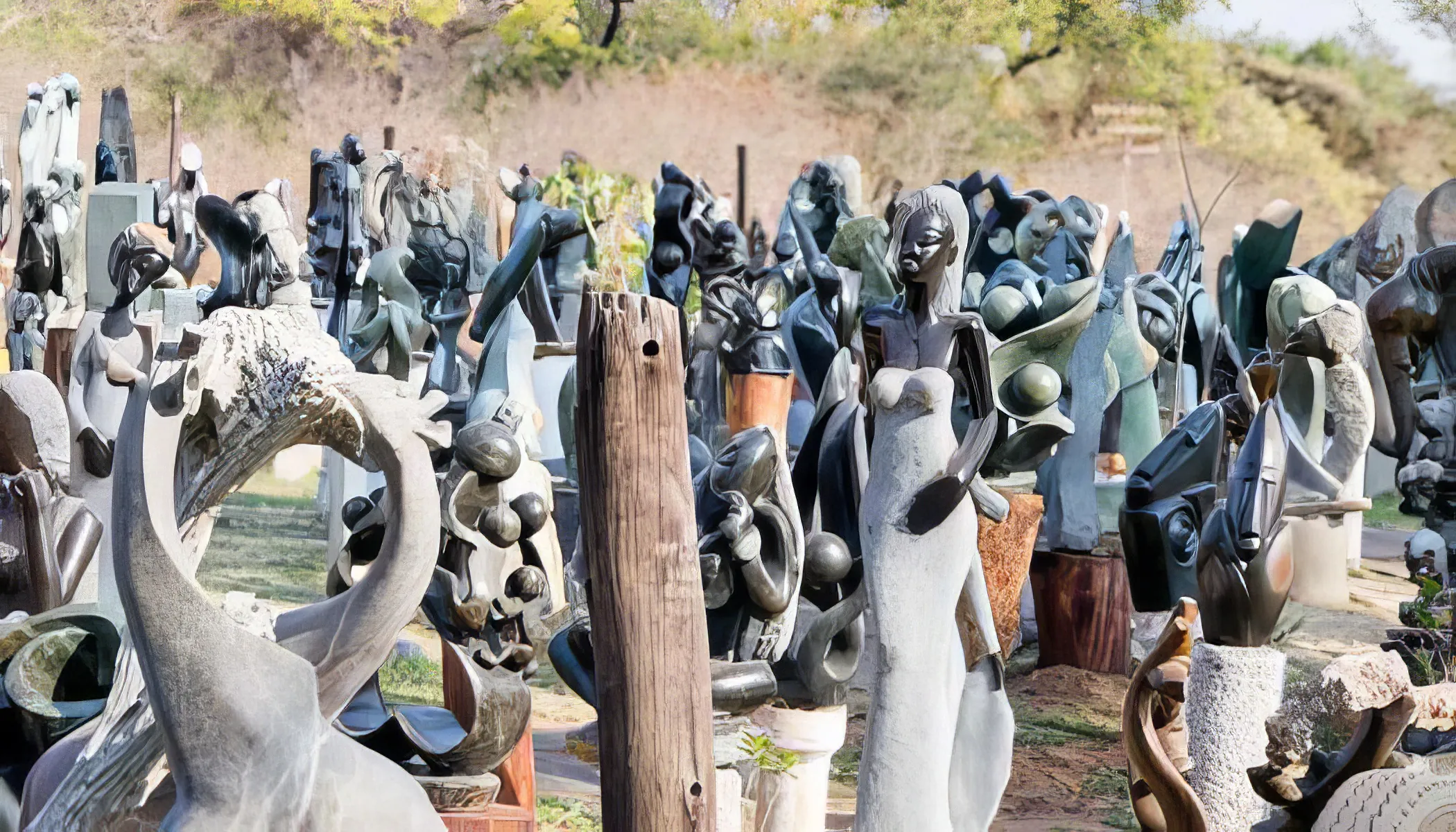
Shopping in the area offers local crafts and souvenirs. Look for handmade items like wooden carvings and woven baskets. Traditional jewelry made from local materials is also popular. A common gift is a bottle of local wine or craft beer. Markets often have lively textiles and clothing as well. These items reflect the local culture and make memorable gifts.
Arts & Culture

The city hosts the annual Victoria Falls Carnival, which features music, dance, and local art. There are various craft markets where visitors can find handmade goods from local artisans. Cultural performances often take place at hotels and venues, showcasing traditional Zimbabwean dances and music. The area also has galleries displaying works by local artists that reflect the region's heritage.