

Vientiane Travel Guide: Tourist Places & Activities
The capital city on the banks of the Mekong River, near the Thai border, known for its Buddhist temples, French colonial architecture, and the Patuxai war monument.
- Size
- 3 920 square km
- Airport
- Wattay – Int'l
- Est. Visit Days
- 2 days
Overview
Vientiane, the capital of Laos, is known for its comfortable Buddhist temples, including the famous Pha That Luang, a national symbol. The city offers a laid-back atmosphere and a glimpse into traditional Laotian culture. However, Vientiane can feel somewhat sleepy compared to other capital cities, with limited nightlife and entertainment options. The infrastructure might not be as developed as in some other Asian capitals, which could affect travel convenience. Despite this, Vientiane's charm lies in its unhurried pace and the warmth of its people.
Traffic & Transport
The city's traffic is relatively light compared to larger urban centers, making it navigable for tourists. The most popular and convenient means of exploring the city are bicycles and motorbikes, which can be easily rented from various shops and guesthouses. For longer distances, tuk-tuks are a common mode of transport and can be hailed from the street or through negotiation at major tourist areas. Public buses are available but may not be as practical for visitors due to limited routes and schedules. For reliable taxi services, tourists can rely on companies like Mai Linh and Phone Taxi, which are known for their professionalism and availability. Additionally, the use of the Grab app is highly recommended for booking both taxis and motorbike rides, offering a convenient and transparent option for getting around.
History
Originally known as Viang Chan, the city was established as a Khmer settlement in the 9th century. It became the capital of the Lao kingdom in the 16th century under King Setthathirath. The city was plundered by Siamese forces in the 1820s and later became a French protectorate in 1893. During World War II, it was occupied by the Japanese. The city is known for its significant cultural sites, including Buddhist temples and monuments that reflect its history and religious importance.
Itinerary Sample
Here's a 2-day itinerary to explore Vientiane, Laos:
– First day: Visit Pha That Luang, Patuxai Monument, and COPE Visitor Centre. Enjoy lunch at a local restaurant and stroll along the Mekong Riverfront at sunset.
– Second day: Explore Wat Si Saket, Haw Phra Kaew, and Buddha Park. Have dinner in the Vientiane Night Market.
Near Excursion
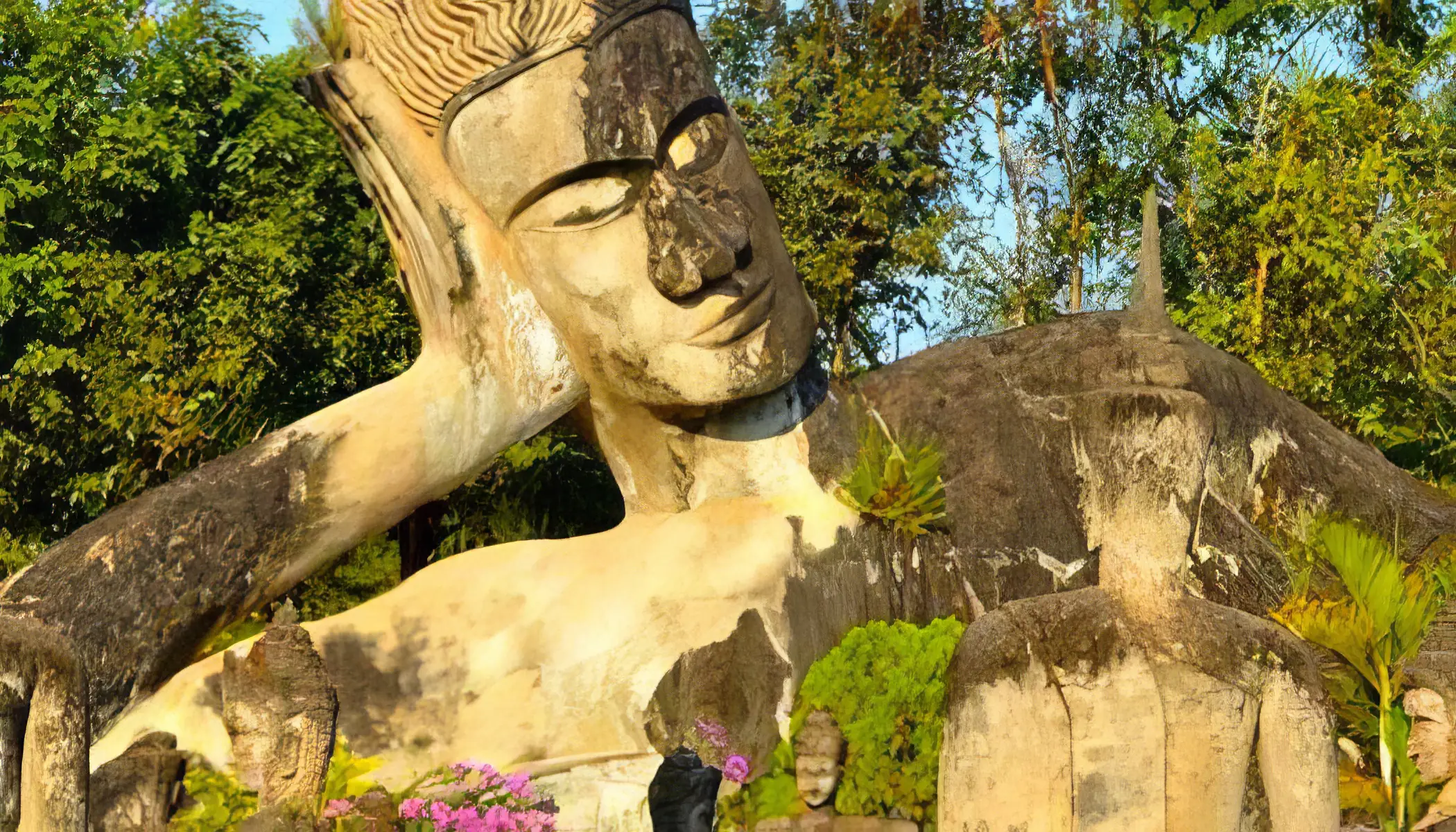
This city offers several interesting day-trip options within a short distance. Here are some suggestions:
– Buddha Park at 25 km: A sculpture park with over 200 religious statues, including a giant reclining Buddha.
– Nam Ngum Lake at 90 km: A large reservoir ideal for boat trips and scenic views.
– Phou Khao Khouay National Park at 50 km: A protected area with waterfalls, wildlife, and hiking trails.
– Ban Keun Hot Springs at 60 km: Natural hot springs perfect for relaxation and a swim.
– Tham Chang Cave at 140 km: A beautiful cave with sensational stalactites and stalagmites, accessible by a short hike.
Attraction
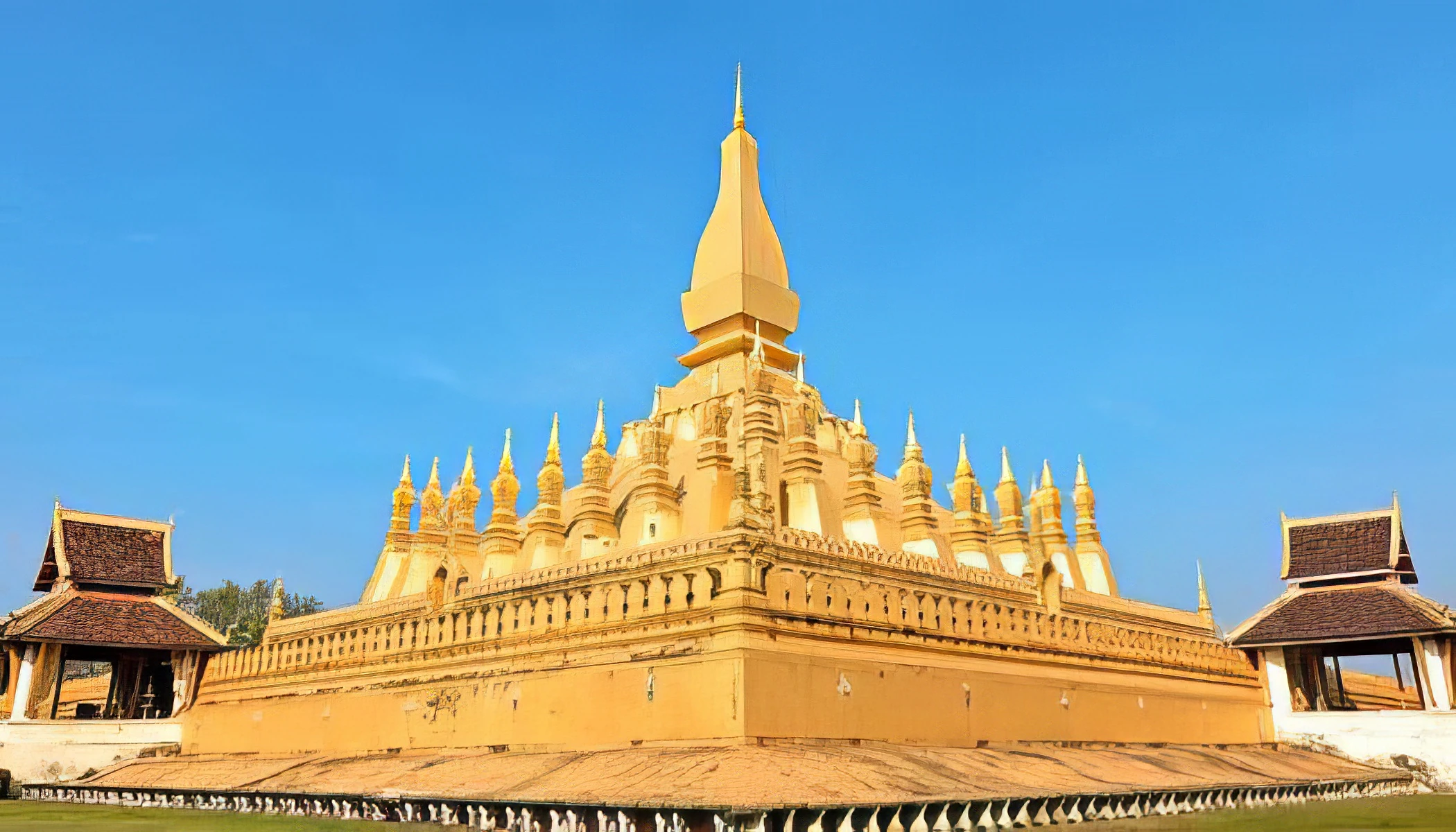
The city offers a mix of cultural landmarks, historical sites, and beautiful spots for tourists.
– Pha That Luang: A gold-covered Buddhist stupa and the most important national monument.
– Patuxai: A war monument resembling the Arc de Triomphe, offering panoramic city views.
– Wat Si Saket: The oldest temple, known for its thousands of Buddha statues.
– Buddha Park: An outdoor sculpture park featuring over 200 religious statues.
– COPE Visitor Centre: A museum highlighting the impact of unexploded ordnance and efforts to help victims.
– Mekong Riverside Park: A scenic spot for evening strolls and local food markets.
Activity
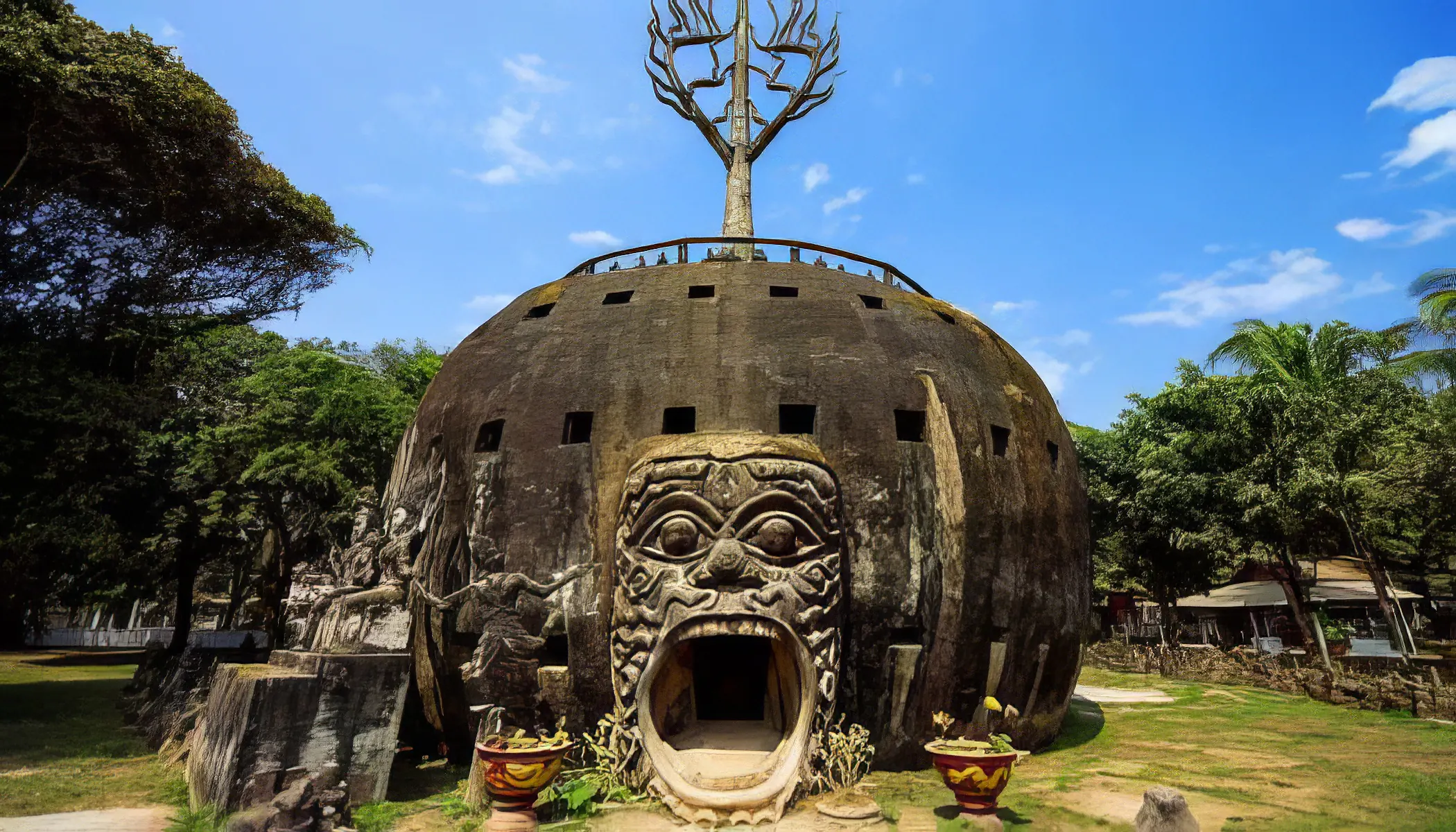
In Vientiane, travelers can explore Buddhist temples, enjoy Mekong River views, and experience local markets.
– Buddha Park: Visit a park filled with over 200 Buddhist and Hindu statues.
– Mekong Riverside: Relax by the Mekong River, enjoy sunset views, and try local street food.
– That Luang Stupa: Visit the national symbol of Laos, a golden Buddhist stupa.
– COPE Visitor Center: Learn about the impact of unexploded ordnance in Laos.
– Lao Textile Museum: Discover traditional Lao textiles and weaving techniques.
Cuisine
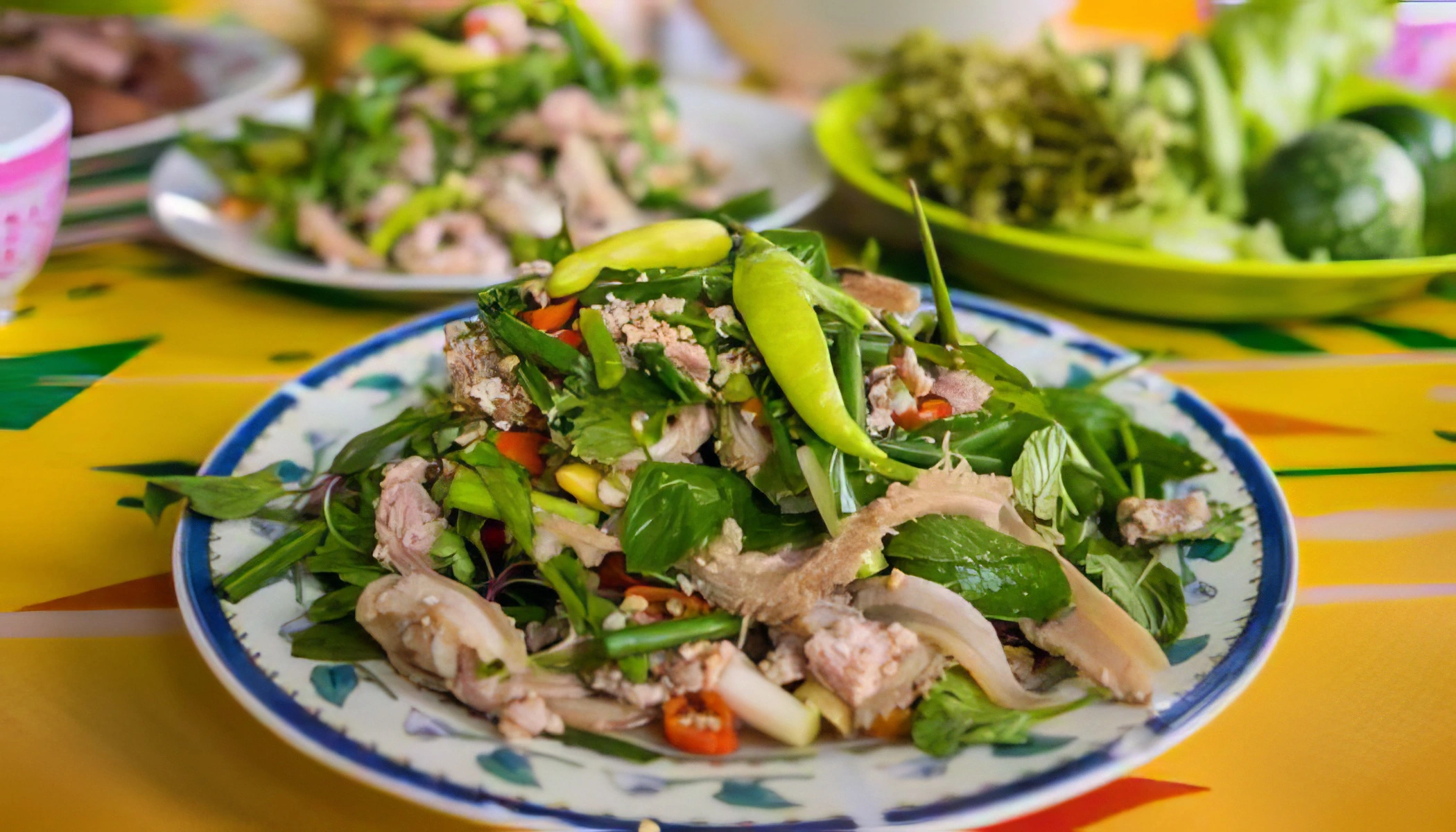
The city offers a blend of traditional Lao cuisine and French-inspired dishes, reflecting its colonial history. Street food and local markets are popular for experiencing authentic flavors.
– Laap: A traditional minced meat salad mixed with herbs, lime juice, and fish sauce.
– Khao Piak Sen: A comforting noodle soup with thick rice noodles, chicken or pork, and fresh herbs.
– Tam Mak Hoong: A spicy green papaya salad with tomatoes, lime, and chilies.
– Baguette Sandwich: A French-inspired sandwich filled with meats, vegetables, and pate.
– Or Lam: A hearty stew made with meat, eggplant, and local herbs.
– Khao Nom Kok: Coconut rice pancakes, crispy on the outside and soft inside.
Shopping
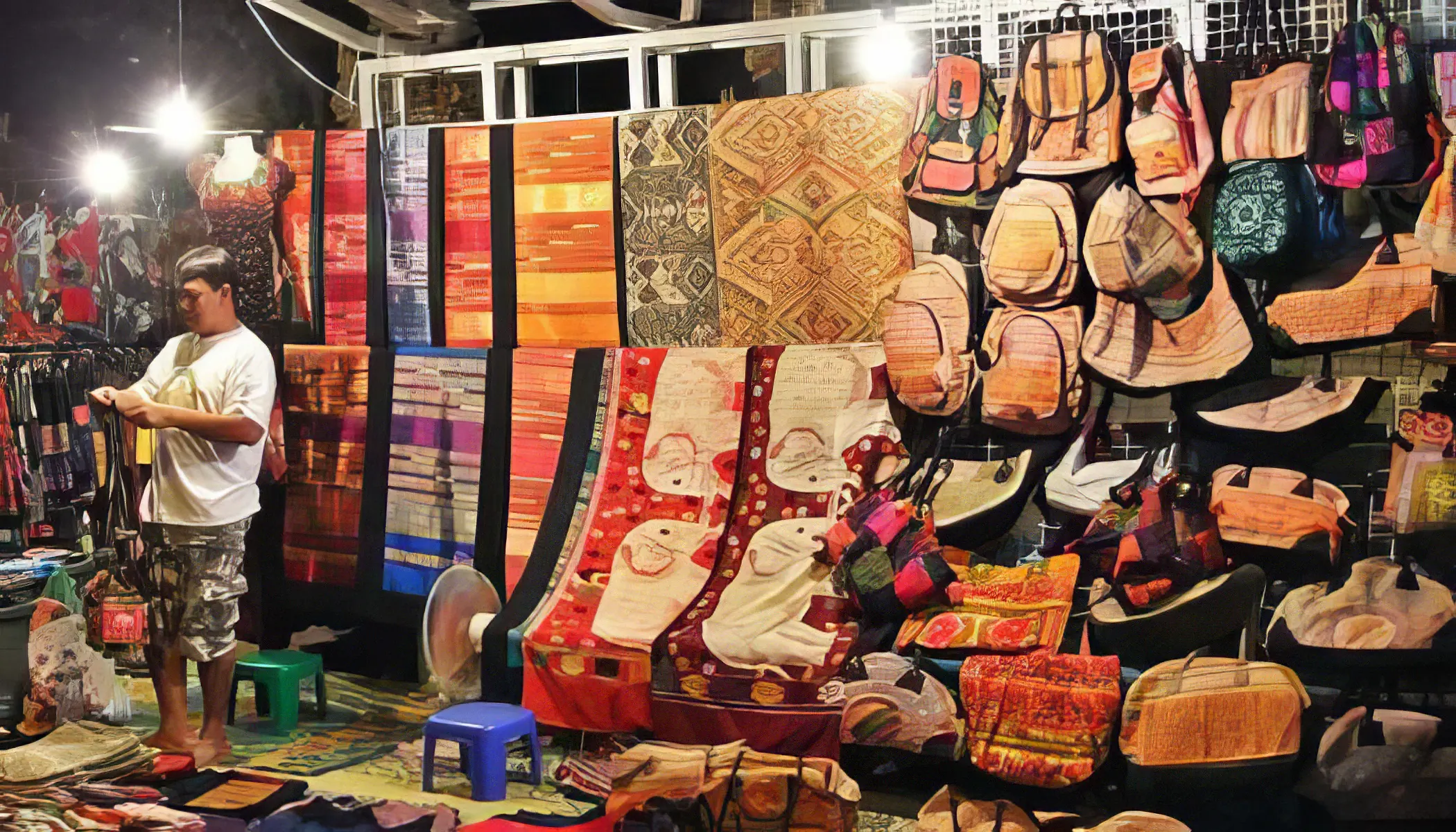
In the city, the Talat Sao (Morning Market) is a notable shopping destination where tourists can explore a variety of local crafts, textiles, and souvenirs. Traditional Lao silk and handmade textiles are highly recommended gifts, showcasing nice patterns and attractive colors. Another unique gift option is Lao coffee, known for its rich flavor, which can be found in various local shops. Silver jewelry and Buddha statues are also popular among tourists looking for authentic local items. These gifts not only serve as mementos but also support local artisans and businesses.
Arts & Culture
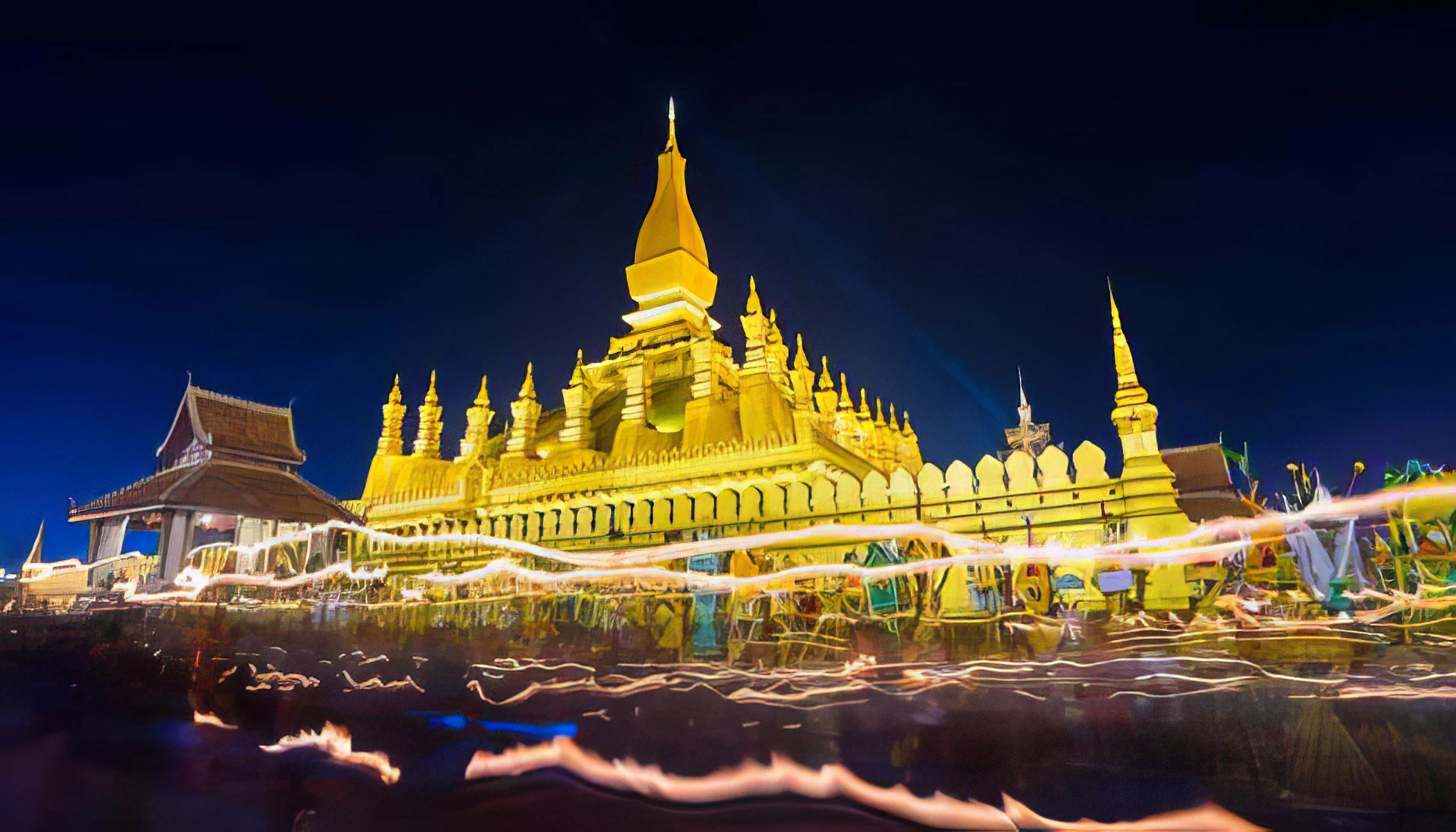
The city hosts the annual That Luang Festival, a significant Buddhist celebration featuring a grand stupa fair, religious ceremonies, and a animated procession. The Lao National Museum, housed in a colonial-era building, offers insights into the country's history and cultural heritage through its extensive collection of artifacts. Traditional Lao music and dance performances can be experienced at the National Culture Hall. Additionally, the city is a hub for contemporary Lao art, with numerous galleries showcasing the work of local artists.