

Sightseeing in Hanoi: Culture & Must‑See Spots
The capital city in the northern part of the country, known for its centuries-old architecture and a rich culture with Southeast Asian, Chinese, and French influences. Famous for its lakes, temples, and magnificient Old Quarter.
- Population
- 8.4 millions
- Size
- 3 300 square km
- Airport
- Noi Bai – Int'l
- Train Station
- Hanoi Station
- Subway
- Hanoi Metro.
- Est. Visit Days
- 3 days
Overview
Hanoi, the capital of Vietnam, is known for its centuries-old architecture and a rich culture with Southeast Asian, Chinese, and French influences. Among its attractions are the Old Quarter, the Hoàn Kiếm Lake, and the Ho Chi Minh Mausoleum. However, visitors might find the city's traffic overwhelming, with busy streets dominated by scooters and bicycles, which can be chaotic for those unaccustomed to it. Additionally, air pollution is a concern in Hanoi, particularly in the colder months. Despite these issues, Hanoi offers a compelling blend of historical and modern attractions, alongside nice street food culture.
Traffic & Transport
Navigating the animated streets can be an exhilarating experience, with motorbikes, cars, and buses weaving through traffic. For tourists, the most efficient way to explore the city is by motorbike or scooter, which allows for flexibility and access to narrower streets that are typical in the city. Alternatively, bicycles are a popular choice for those looking for a slower pace, providing a more intimate view of the cityscape. Public buses are available as well, offering an affordable way to reach various districts, though they can be crowded during peak hours. For reliable taxi services, companies like Mai Linh and Vinasun are well-regarded for their professionalism and availability. Additionally, ride-hailing apps such as Grab offer convenient options for booking both car rides and motorbike taxis, with the added benefit of fixed prices and route tracking.
History
Originally established as Thang Long in 1010 by Emperor Ly Thai To, the city served as the capital of Imperial Vietnam for much of its history. It was renamed several times, becoming known as Dong Kinh in the 15th century, from which the name "Tonkin" used by French colonists was derived. The city was occupied by the French in 1873 and later became the capital of French Indochina in 1887. During the Vietnam War, it was heavily bombed by the U.S. but remained the capital of North Vietnam until reunification in 1976. Today, it is a cultural hub, known for its centuries-old architecture and a rich history that reflects influences from Chinese, French, and Soviet rule.
Itinerary Sample
Here's a sample 3-day itinerary for exploring Hanoi, Vietnam:
– First day: Morning visit to Ho Chi Minh Mausoleum, afternoon stroll around the Old Quarter, evening at the Water Puppet Theatre.
– Second day: Morning at the Temple of Literature, afternoon at the Vietnam Museum of Ethnology, evening exploring the street food scene.
– Third day: Morning visit to West Lake, afternoon at the Hoa Lo Prison Museum, evening shopping at Dong Xuan Market.
Near Excursion
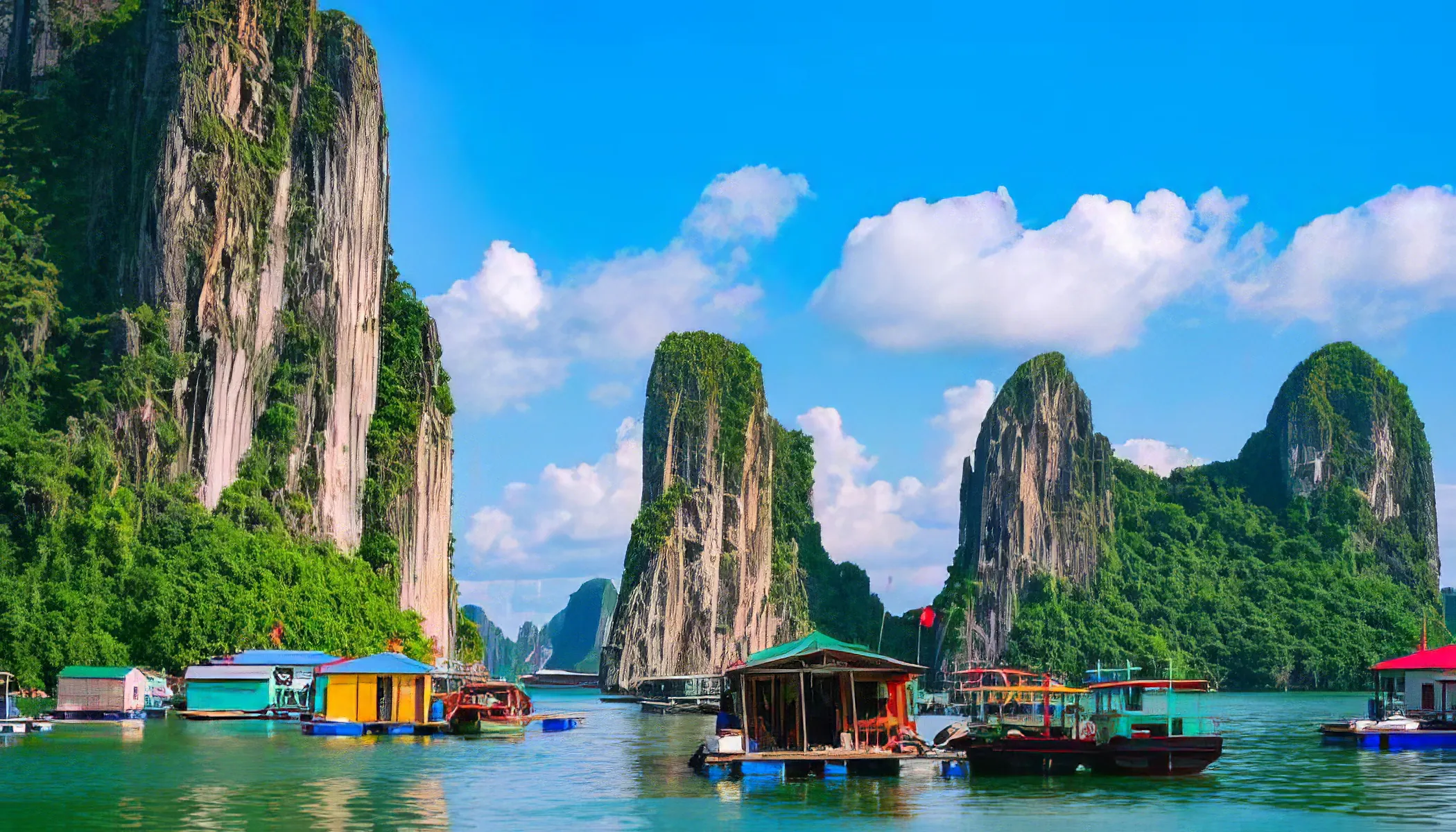
Explore the surroundings with these day trips, each offering a unique experience:
– Perfume Pagoda at 60 km: Scenic boat rides and historic Buddhist temples.
– Tam Coc at 90 km: Fascinating river landscapes, often called "Halong Bay on land."
– Bat Trang Ceramic Village at 15 km: Explore traditional pottery making in a historic village.
– Hoa Lu at 100 km: Visit ancient temples in Vietnam's former capital.
– Cuc Phuong National Park at 120 km: Ideal for hiking and wildlife observation in Vietnam's first national park.
Attraction
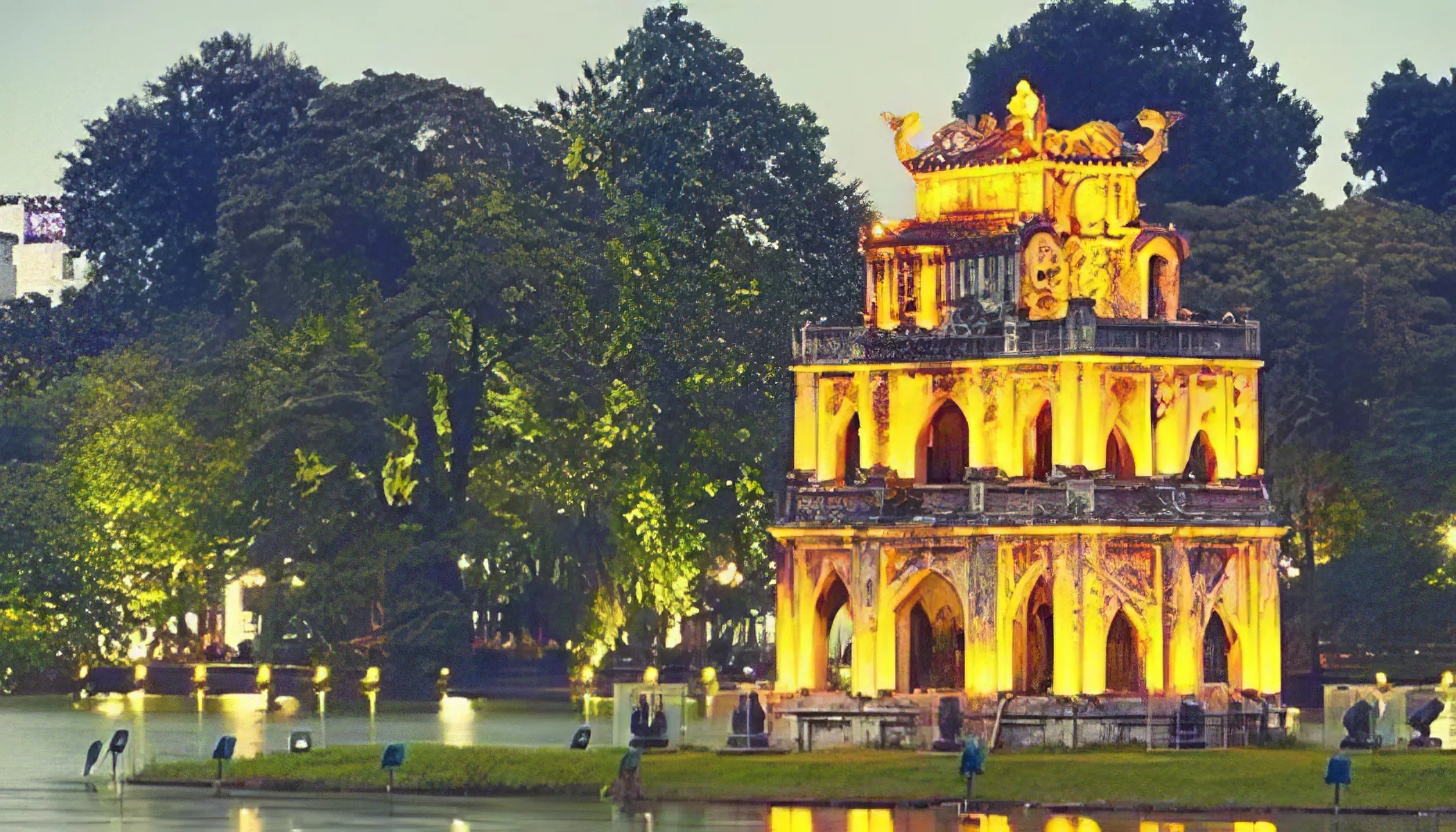
Hanoi is known for its centuries-old architecture and a rich culture with Southeast Asian, Chinese, and French influences.
– Old Quarter: Explore narrow streets lined with French colonial architecture, shops, and street food vendors.
– Hoan Kiem Lake: A peaceful city center lake with a temple sitting on a small island.
– Temple of Literature: A Confucian temple featuring gardens, ponds, and ancient scholarly artifacts.
– Ho Chi Minh Mausoleum: The resting place of the Vietnamese revolutionary leader.
– Imperial Citadel Of Thang Long: An unexpected UNESCO World Heritage site showing the city's ancient past.
– One Pillar Pagoda: A historic Buddhist temple with unique lotus-shaped architecture.
Activity
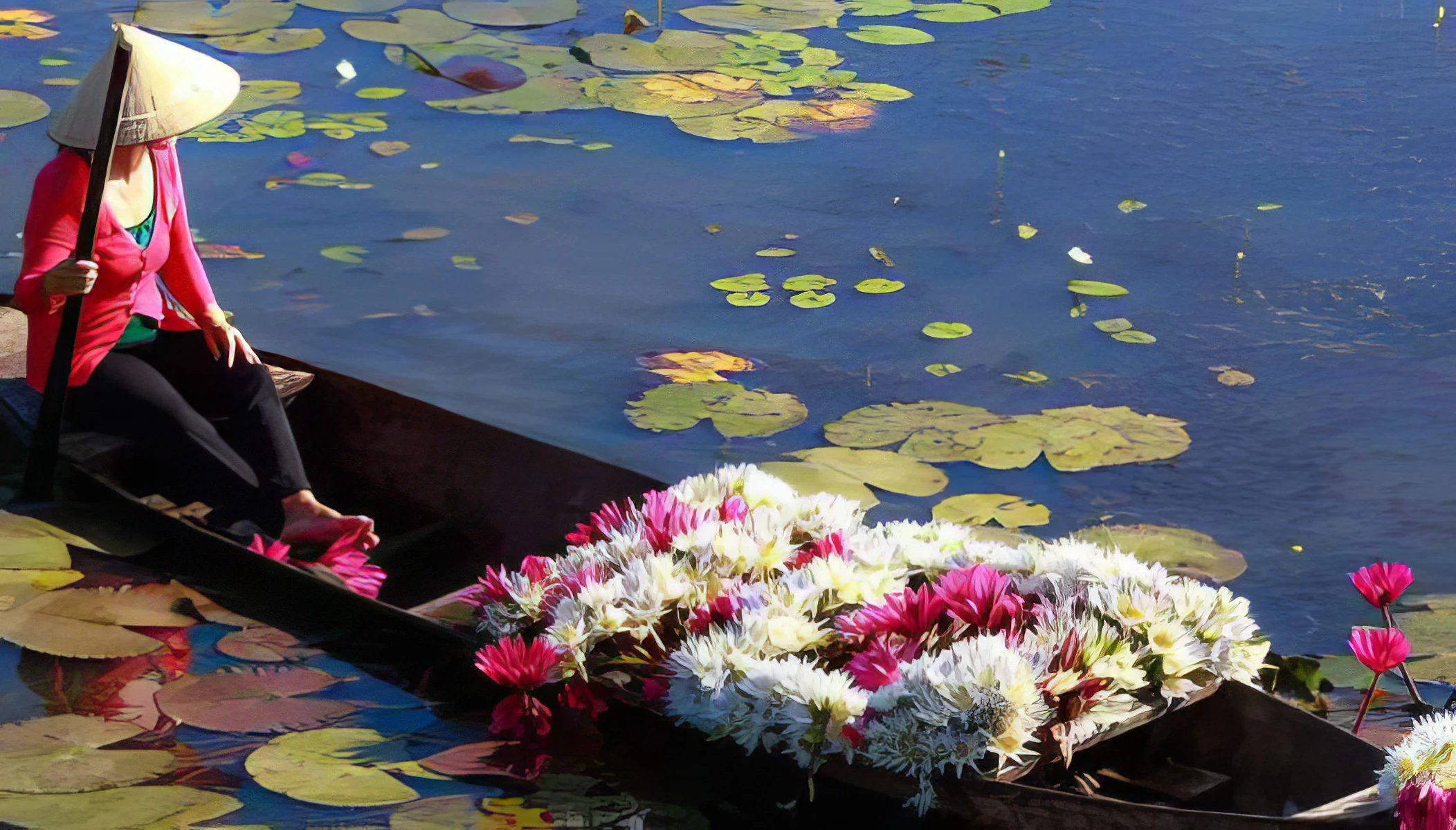
In Hanoi, travelers can enjoy cultural tours, street food experiences, and scenic outdoor activities.
– Street food tour: Explore local cuisine with a guided walking tour.
– Old Quarter walking tour: Discover historic sites and lively markets on foot.
– Cycling around West Lake: Enjoy a leisurely bike ride with scenic views.
– Thang Long Water Puppet Theatre: Watch traditional Vietnamese water puppetry.
– Cooking class: Learn to cook traditional Vietnamese dishes from local chefs.
Cuisine
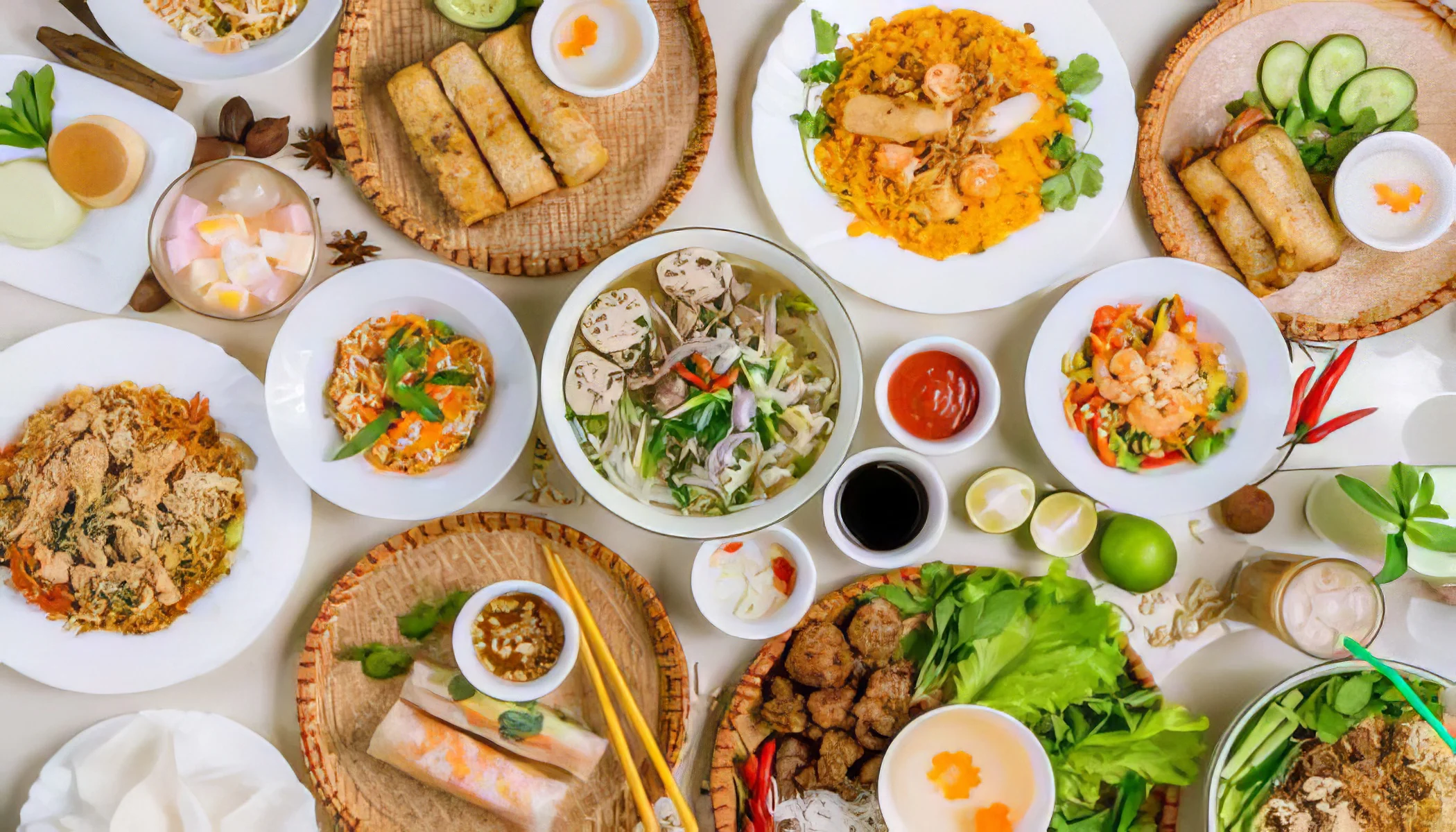
The city is celebrated for its lively street food scene, offering an eclectic mix of traditional Vietnamese dishes and unique local flavors. Here are some of the most famous dishes:
– Pho: Aromatic noodle soup with herbs, rice noodles, and meat, typically beef or chicken.
– Bun Cha: Charcoal-grilled pork over rice noodles, served with herbs and dipping sauce.
– Banh Mi: Crusty baguette filled with a variety of meats, vegetables, and condiments.
– Cha Ca: Seasoned fish fried with dill and turmeric, served with noodles and peanuts.
– Egg Coffee: Coffee combined with whipped egg yolks and sugar, creating a creamy topping.
– Banh Cuon: Steamed rice crepes filled with ground pork and mushrooms, topped with fried shallots.
Shopping
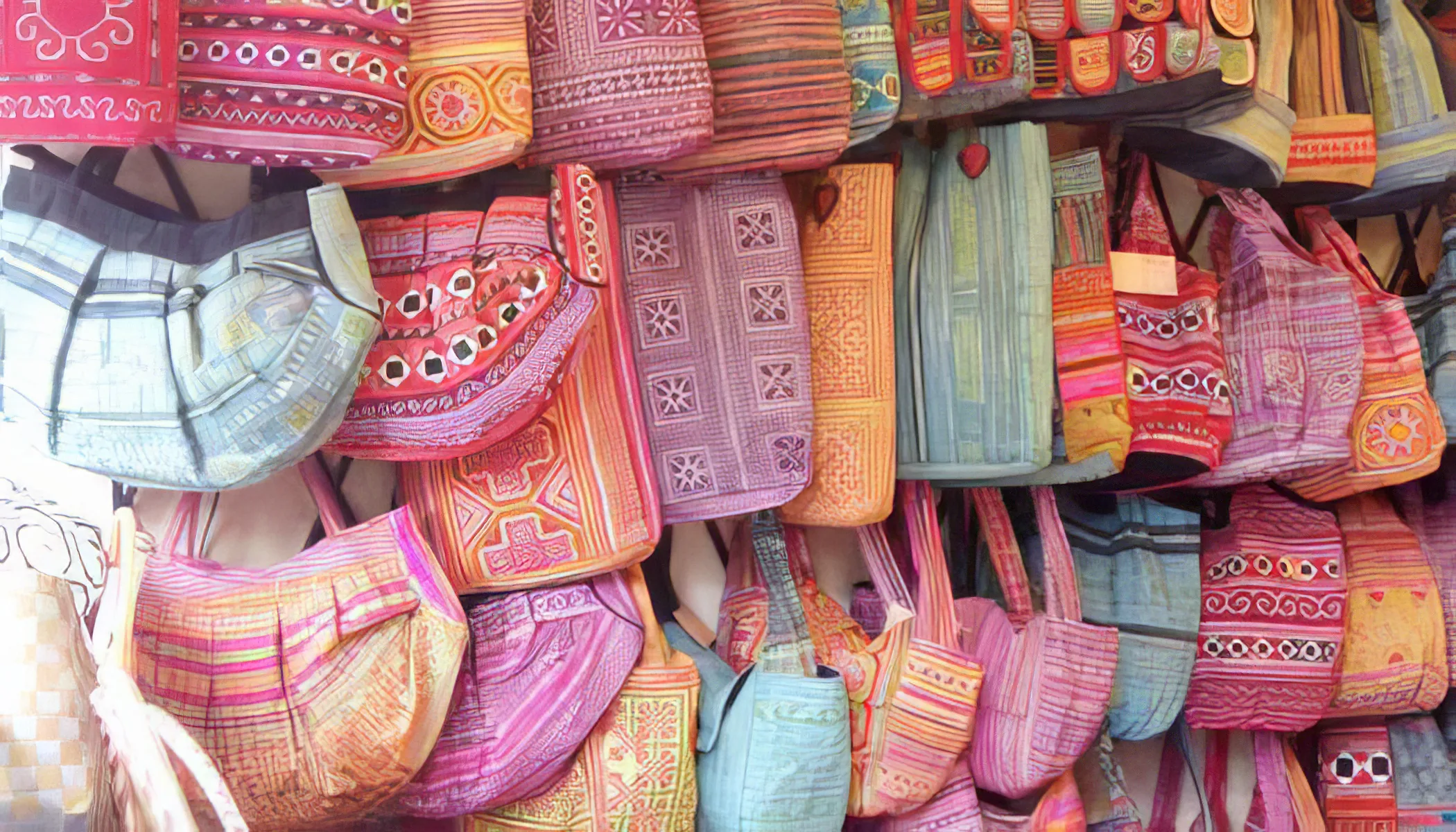
The Old Quarter is the best area for shopping, offering a magnificient atmosphere and a variety of goods. Silk products, such as scarves and clothing, are excellent gifts, showcasing local craftsmanship. Lacquerware, another great gift option, is available in numerous shops and markets. For a unique souvenir, consider buying hand-embroidered items. Coffee lovers would appreciate a package of Vietnamese coffee, a local specialty. These items reflect the rich culture and artisan skills of the region.
Arts & Culture
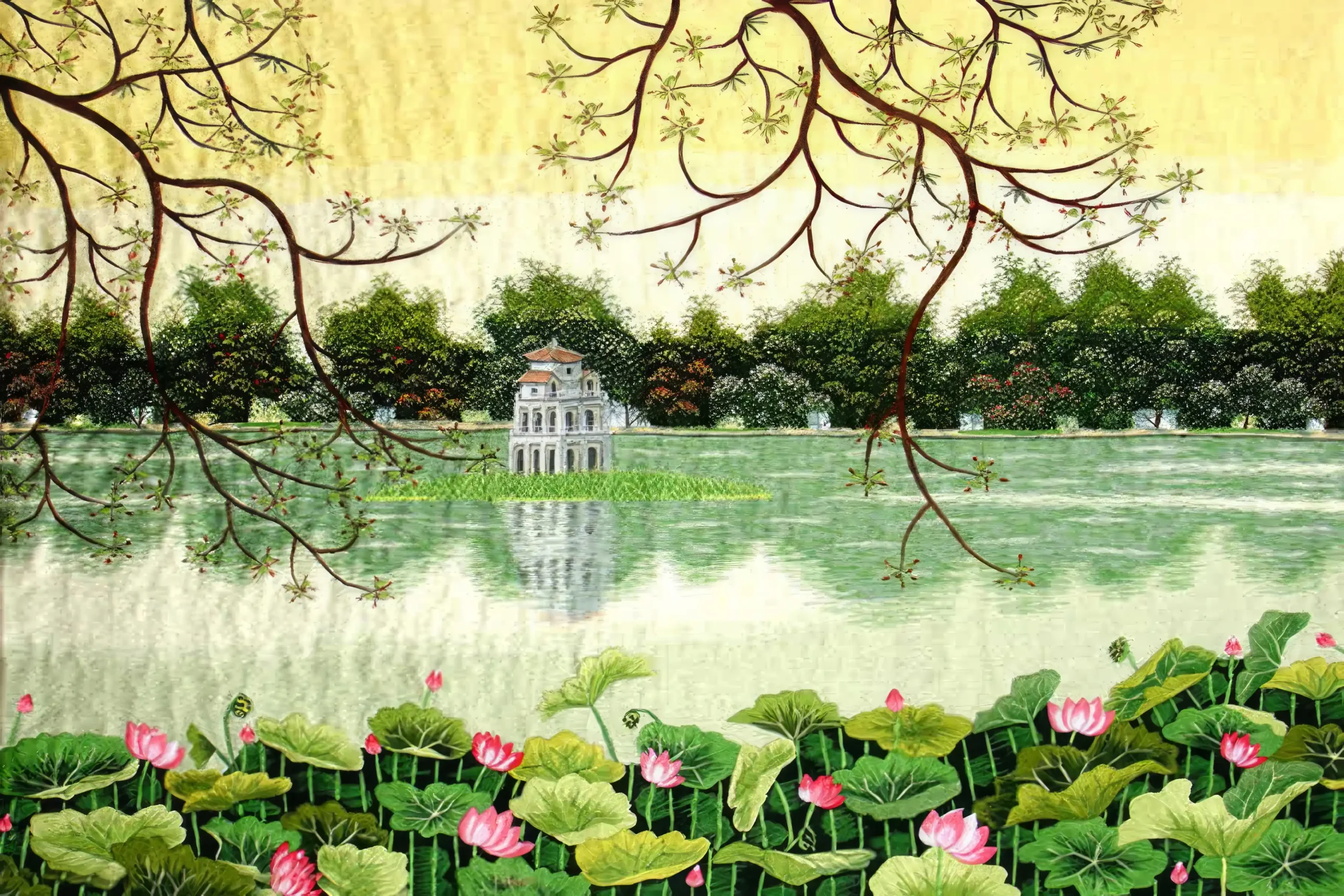
The city is renowned for its lively arts scene, particularly in traditional Vietnamese performing arts such as water puppetry, a unique art form originating from northern Vietnam. It hosts the annual Hanoi International Film Festival, which attracts filmmakers and cinema enthusiasts from around the world. The city is also home to numerous museums, including the Vietnam National Museum of Fine Arts, which showcases Vietnamese art from ancient times to the present. Additionally, the Old Quarter often features street performances and cultural festivals that highlight the rich heritage of the region.