

Sightseeing in Hue: Culture & Must‑See Spots
This city, once the capital from 1802 to 1945, is renowned for its historic monuments, including the vast 19th-century citadel, palaces, and royal tombs. Its rich heritage has earned it a place on the UNESCO World Heritage list.
- Size
- 71 square km
- Airport
- Phu Bai – domestic
- Train Station
- Hue Station
- Est. Visit Days
- 2 days
Overview
Hue, Vietnam, is a city rich in history, once the capital of the Nguyen dynasty, making it a treasure trove for those interested in the imperial past of Vietnam. The city is renowned for its historic monuments, including the UNESCO World Heritage-listed Imperial City, along with a variety of Royal Tombs and the famous Thien Mu Pagoda. However, visitors might find the weather a bit challenging, as Hue is known for its high humidity and significant rainfall, especially from October to March. Additionally, while the city offers a glimpse into the grandeur of Vietnam's history, some tourists may find the pace slower compared to more animated cities like Hanoi or Ho Chi Minh City. Despite this, Hue's unique blend of history and culture, coupled with its scenic landscapes along the Perfume River, makes it a worthwhile destination.
Traffic & Transport
The city's traffic is relatively moderate compared to larger urban centers, making it ideal for tourists to explore via various means of transport. The most popular and convenient options for navigating the city are bicycles, motorbikes, and cyclos (three-wheeled bicycle taxis), which offer a more immersive experience of the local atmosphere. For longer distances or traveling to surrounding attractions, renting a scooter or a car can be more practical. Public buses are also available, providing an economical way to reach different parts of the city and nearby areas. For reliable taxi services, tourists can rely on companies like Mai Linh and Vinasun, which are known for their professionalism and wide availability. Additionally, the Grab app is a popular choice for both taxis and motorbike taxis, offering easy booking through a user-friendly mobile application.
History
The city, once the capital of Vietnam from 1802 to 1945, was the political, cultural, and religious center under the Nguyen Dynasty. It played a significant role during the Vietnam War, notably during the Tet Offensive in 1968, when it was the site of a fierce battle. The city is renowned for its historic monuments, which have earned it a place as a UNESCO World Heritage Site. Its culture is reflected in its cuisine, architecture, and festivals, including the biennial Hue Festival, which showcases traditional music, performances, and crafts. The city's economy historically thrived on silk and handicrafts, which continue to be significant.
Itinerary Sample
Here's a two-day itinerary to explore Hue, Vietnam: – First day:
– Morning: Visit the Imperial City, a vast complex of palaces, gates, and temples.
– Afternoon: Explore the Thien Mu Pagoda, the oldest monastery in Hue.
– Evening: Enjoy a boat ride on the Perfume River. – Second day:
– Morning: Visit the Tomb Of Tu Duc, designed by the emperor himself.
– Afternoon: Explore the Tomb of Khai Dinh, showcasing a blend of Eastern and Western architecture.
– Evening: Stroll around Dong Ba Market to shop and try local foods.
Near Excursion
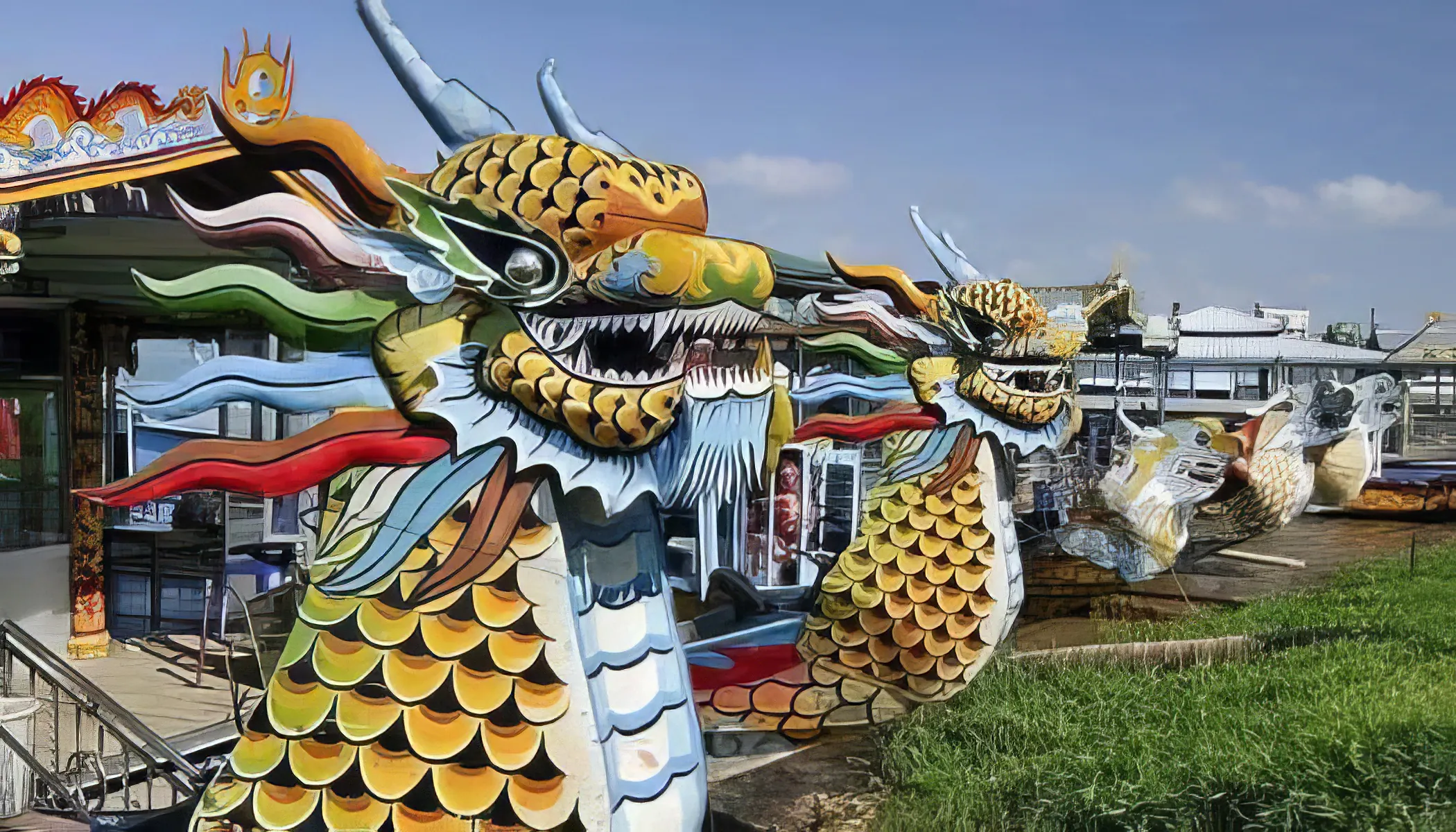
Explore the surrounding areas with these day trips, each offering a unique experience:
– Bach Ma National Park at 40 km: Luxurious landscapes and trails, ideal for nature lovers and hikers.
– Hoi An at 120 km: Well-preserved Ancient Town with distinctive architecture and animated night markets.
– My Son Sanctuary at 140 km: Ruins of ancient Hindu temples, a UNESCO World Heritage site.
– Lang Co Beach at 60 km: A scenic spot perfect for relaxation and water activities.
– Phong Nha Caves at 210 km: Home to some of the largest and most spectacular caves in the world.
Attraction
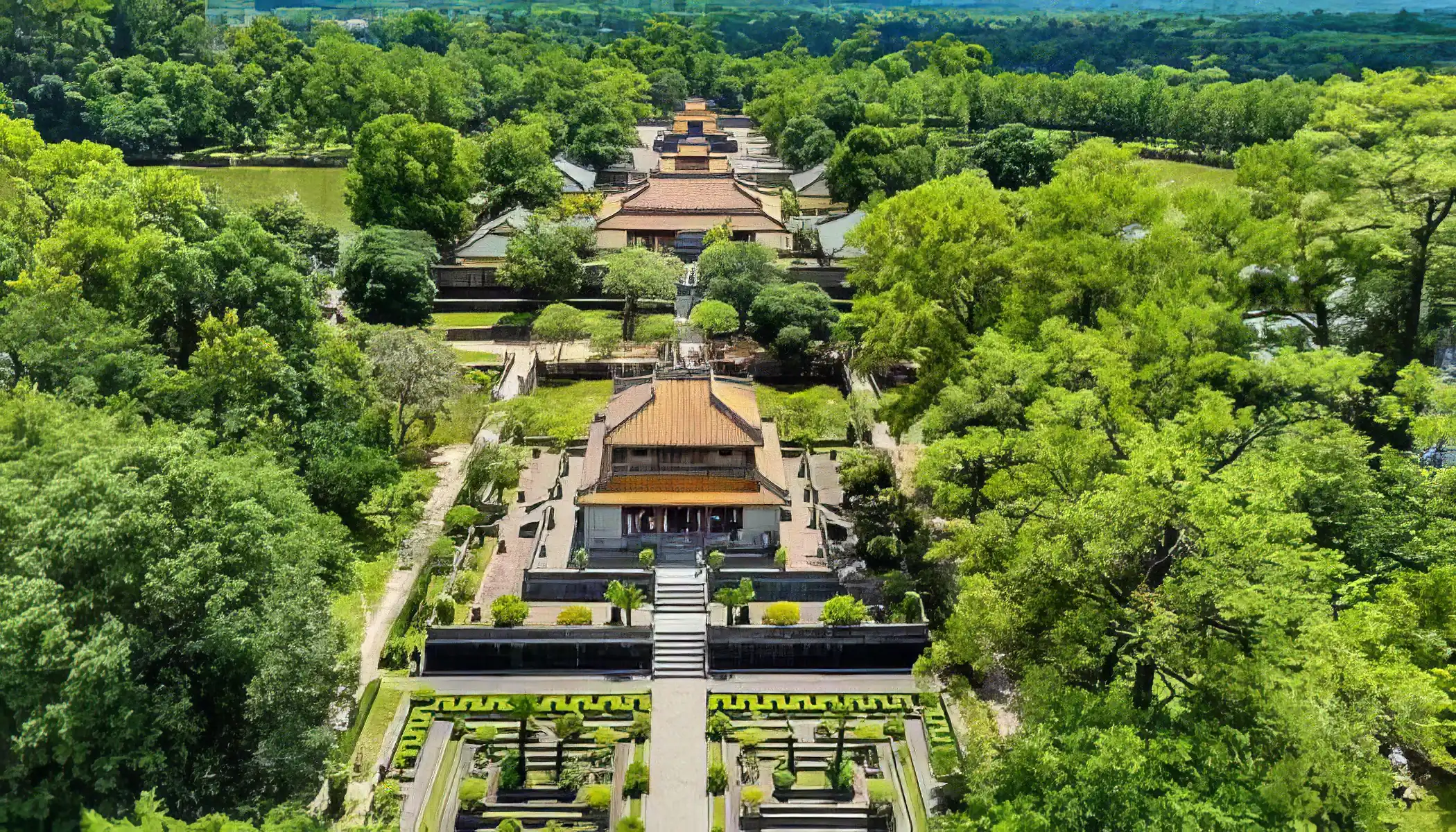
Hue is renowned for its rich history, royal architecture, and animated culture. Here are some top sites to explore: – Imperial City: Explore the walled palace of former emperors, a UNESCO World Heritage site. – Thien Mu Pagoda: Historic seven-story pagoda offering panoramic views of the Perfume River. – Khai Dinh Tomb: Sophisticated architecture blending Eastern and Western styles in a royal tomb. – Tu Duc Tomb: Peaceful resting place of Emperor Tu Duc, set amidst luxuriant gardens. – Dong Ba Market: Dynamic market perfect for experiencing local food and culture. – Hue Museum of Royal Fine Arts: Displays extensive collections of artifacts from Vietnam's royal past.
Activity
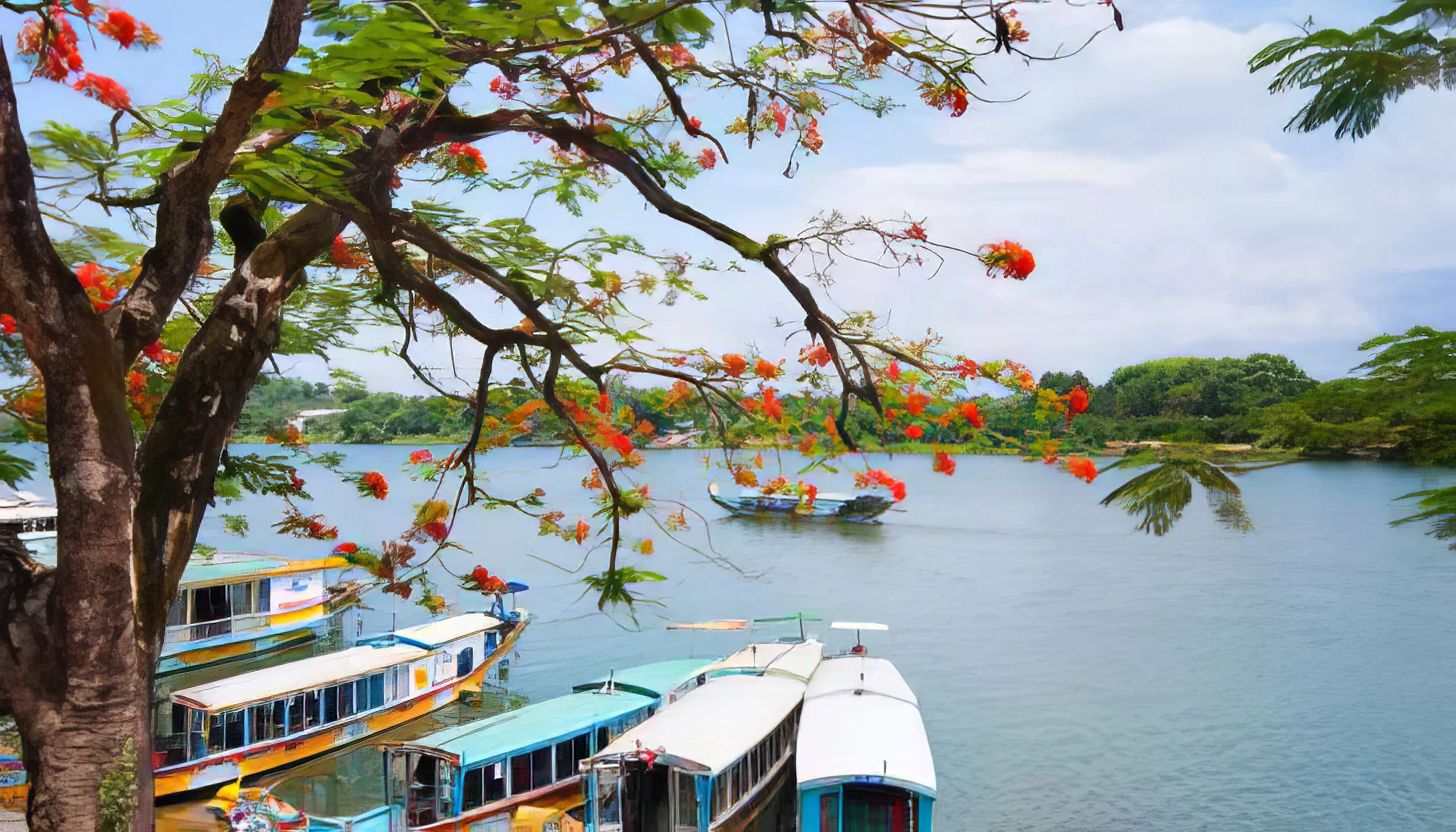
In Hue, Vietnam, travelers can explore historic sites, enjoy local cuisine, and participate in river activities.
– Imperial City tour: Explore the historic architecture and artifacts of ancient emperors.
– Perfume River boat cruise: Experience scenic views of Hue from a traditional boat.
– Countryside cycling: Ride through rural landscapes and visit local villages.
– Cooking class: Learn to prepare traditional Vietnamese dishes.
– Thanh Toan Bridge visit: See the iconic covered bridge and nearby market.
Cuisine
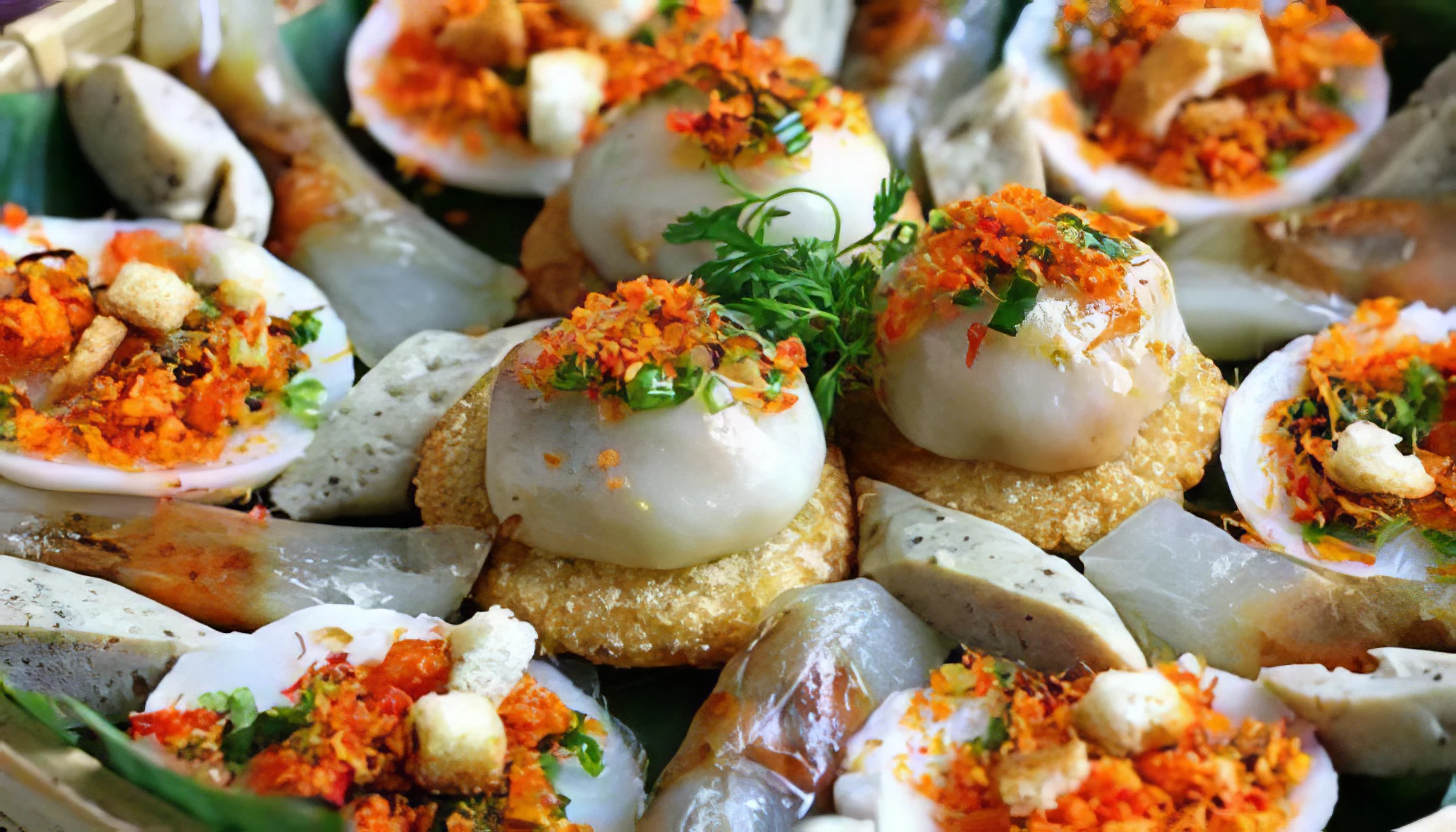
The city is celebrated for its royal culinary heritage, offering complex flavors and meticulous presentation in its traditional dishes. Here are some of the most famous dishes:
– Bun Bo: Spicy beef noodle soup with lemongrass, herbs, and chili oil.
– Banh Khoai: Crispy pancake filled with shrimp, pork, and bean sprouts.
– Banh Beo: Steamed rice cakes topped with shrimp, crispy pork skin, and scallion oil.
– Nem Lui: Lemongrass skewered grilled pork, often served with peanut sauce.
– Banh Bot Loc: Transparent dumplings with shrimp and pork, wrapped in banana leaves.
– Che Hat Sen: Sweet dessert soup made with lotus seeds, often served chilled.
Shopping
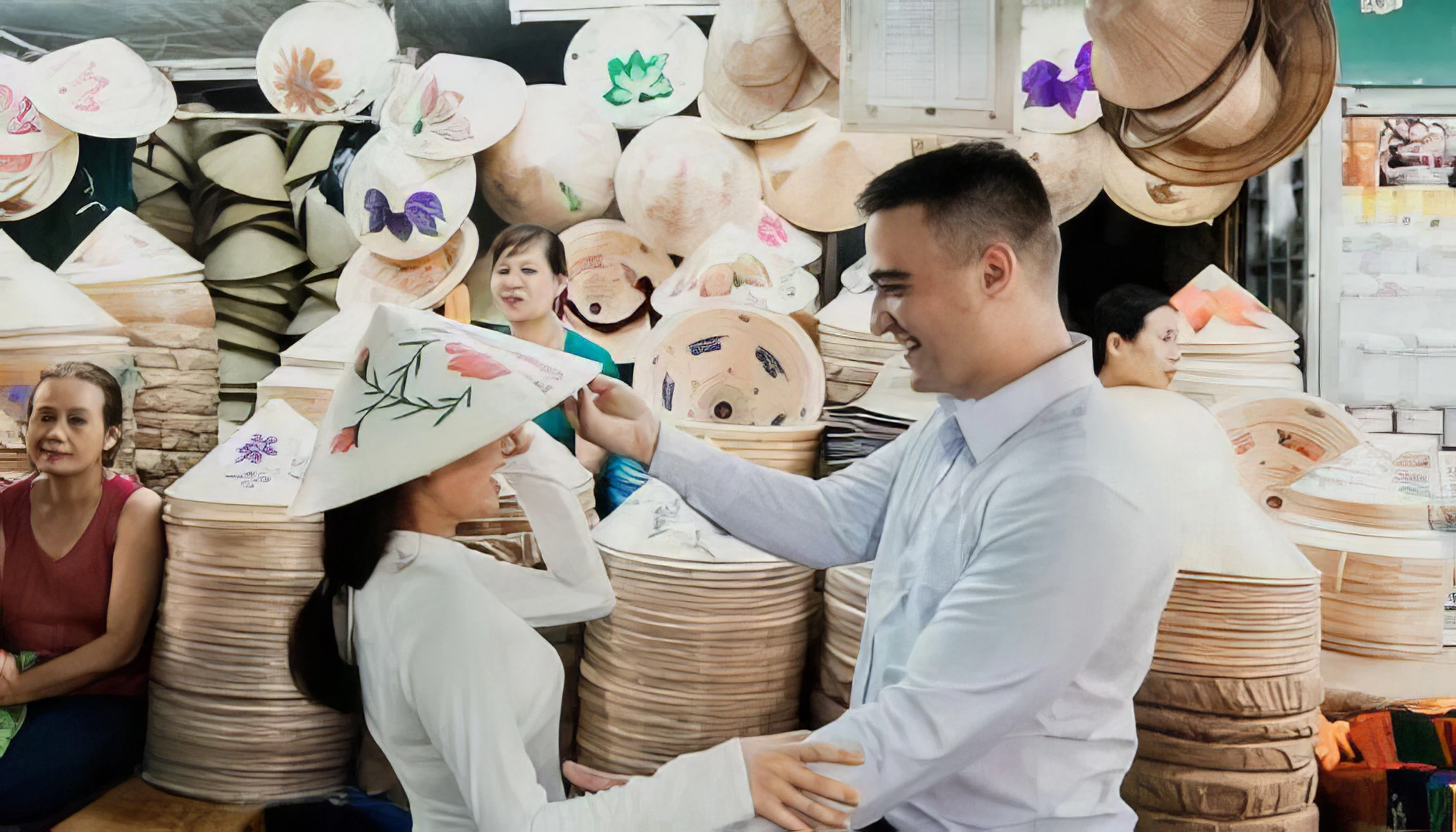
For a memorable shopping experience, visit Dong Ba Market, the largest in the city. Here, you can find a variety of local handicrafts, textiles, and art, perfect for gifts. Ao dai, the traditional Vietnamese dress, is a special purchase. Another unique gift is the locally made conical hat, known for its quality and design. Additionally, consider buying some of the region's renowned spices, like star anise and cinnamon, which are staples in Vietnamese cuisine. These items not only serve as great souvenirs but also offer a taste of local culture and tradition.
Arts & Culture
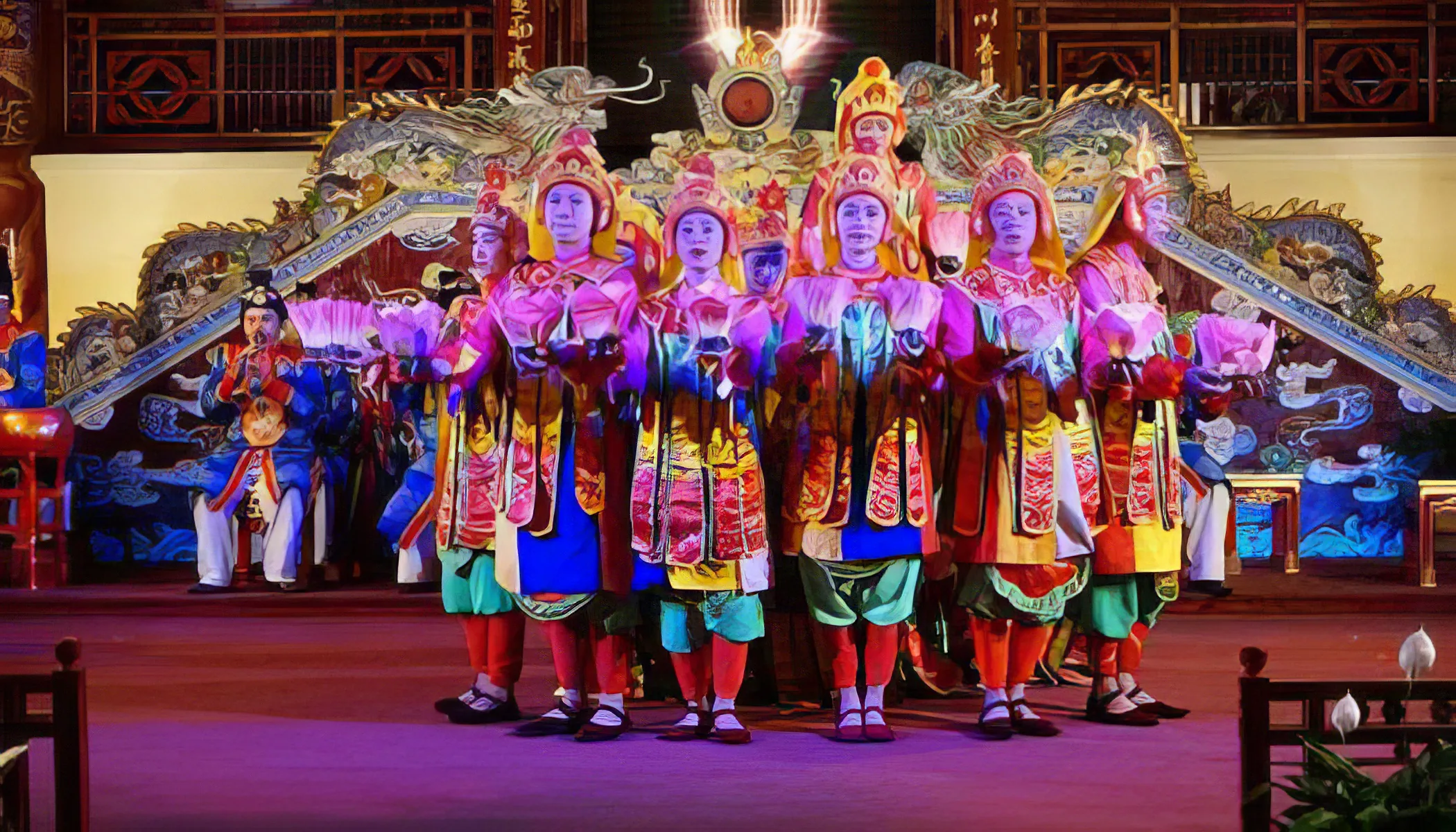
The city is renowned for its rich history as the former imperial capital, which is reflected in its architecture, including the vast, 19th-century Citadel and the opulent tombs of past emperors. It is also famous for the biennial Festival of Traditional Crafts, which showcases the skills of local artisans and traditional Vietnamese crafts. The Hue Festival, held every two years, is a major cultural event that features performances of traditional music, dance, and theater, as well as reenactments of royal ceremonies. Additionally, the city's art scene is vibrant, with numerous galleries and venues that display both contemporary and traditional Vietnamese art.