

Sightseeing in Sapa: Culture & Must‑See Spots
Nestled in the northern mountains, this town is known for its terraced rice fields, diverse ethnic cultures, and outdoor activities like trekking. It's also famous for its cool climate and scenic views of the Hoàng Liên Son range.
- Train Station
- Lao Cai Station at 34 km
- Est. Visit Days
- 3 days
Overview
Sapa, a town in the Hoàng Liên Son Mountains of northwestern Vietnam, is known for its terraced rice fields and ethnic minority communities, as well as its proximity to Fansipan, the highest peak in Indochina. The area offers great trekking opportunities and a chance to experience traditional hill-tribe culture. However, Sapa has become quite touristy in recent years, which can detract from the authenticity of the experience and lead to overcrowding, especially during peak seasons. The weather can be unpredictable, with fog and rain common, which might hinder outdoor activities. Despite these issues, Sapa remains a beautiful destination with gorgeous landscapes and unique cultural encounters.
Traffic & Transport
The city's compact size and hilly terrain make walking an excellent option for exploring the central areas, where most of the tourist attractions are located. For longer distances or to visit surrounding villages, motorbikes and bicycles are popular choices and can be easily rented from various shops in the town. Local buses are available for travel to nearby towns and villages, offering a budget-friendly way to experience the surrounding areas. For a more scenic journey, hiring a local driver with a car or a motorbike taxi is a convenient and flexible option. Reliable taxi services include Mai Linh and Vinasun, which are known for their professionalism and availability. Additionally, the Grab app is widely used for booking both car and motorbike rides, providing a convenient and transparent way to navigate the area.
History
Originally inhabited by the Hmong and Dao ethnic minority groups, the area that is now the city was established as a hill station by the French in 1922. This was during the colonial period when the French sought to escape the heat of the lowlands. The city's development was further spurred by the construction of a military base during the First Indochina War in the 1950s. The city became a significant market town, known for its traditional crafts and textiles, which have been central to the local culture for centuries. In recent decades, it has also become a popular tourist destination, attracting visitors for its handsome landscapes and cultural diversity.
Itinerary Sample
Explore Sapa over three days, experiencing its rich culture and beautiful landscapes. Here’s a suggested itinerary:
– First day: Arrive in Sapa, check into your hotel, and explore Sapa Market. Enjoy a light trek to Cat Cat Village to see the H'Mong people.
– Second day: Trek to Ta Van village, passing through Lao Chai. Experience diverse ethnic cultures and fascinating rice terraces.
– Third day: Visit Fansipan Peak by cable car for panoramic views. Depart Sapa in the afternoon.
Near Excursion
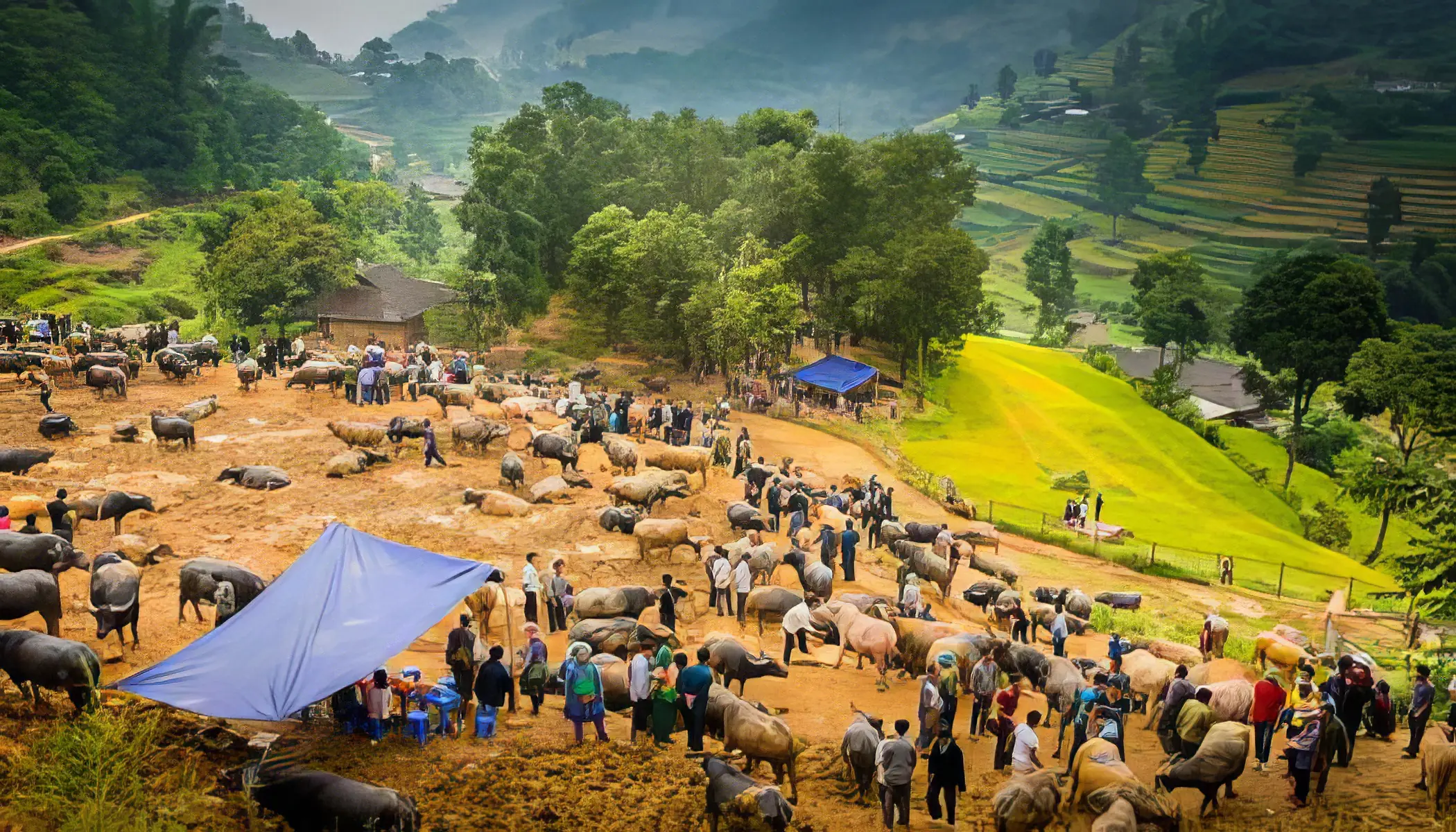
This town is an excellent base for exploring the surrounding region. Here are some day-trip suggestions:
– Bac Ha Market at 80 km: A beautiful market showcasing local ethnic minority cultures and goods.
– Muong Hoa Valley at 10 km: Famous for its remarkable terraced rice fields and traditional villages.
– Silver Waterfall at 12 km: A pleasant waterfall offering scenic views and a refreshing atmosphere.
– Ta Phin Village at 17 km: Known for its Red Dao ethnic minority and traditional handicrafts.
– Fansipan Mountain at 9 km: The highest peak in Indochina, accessible by cable car for nice views.
Attraction
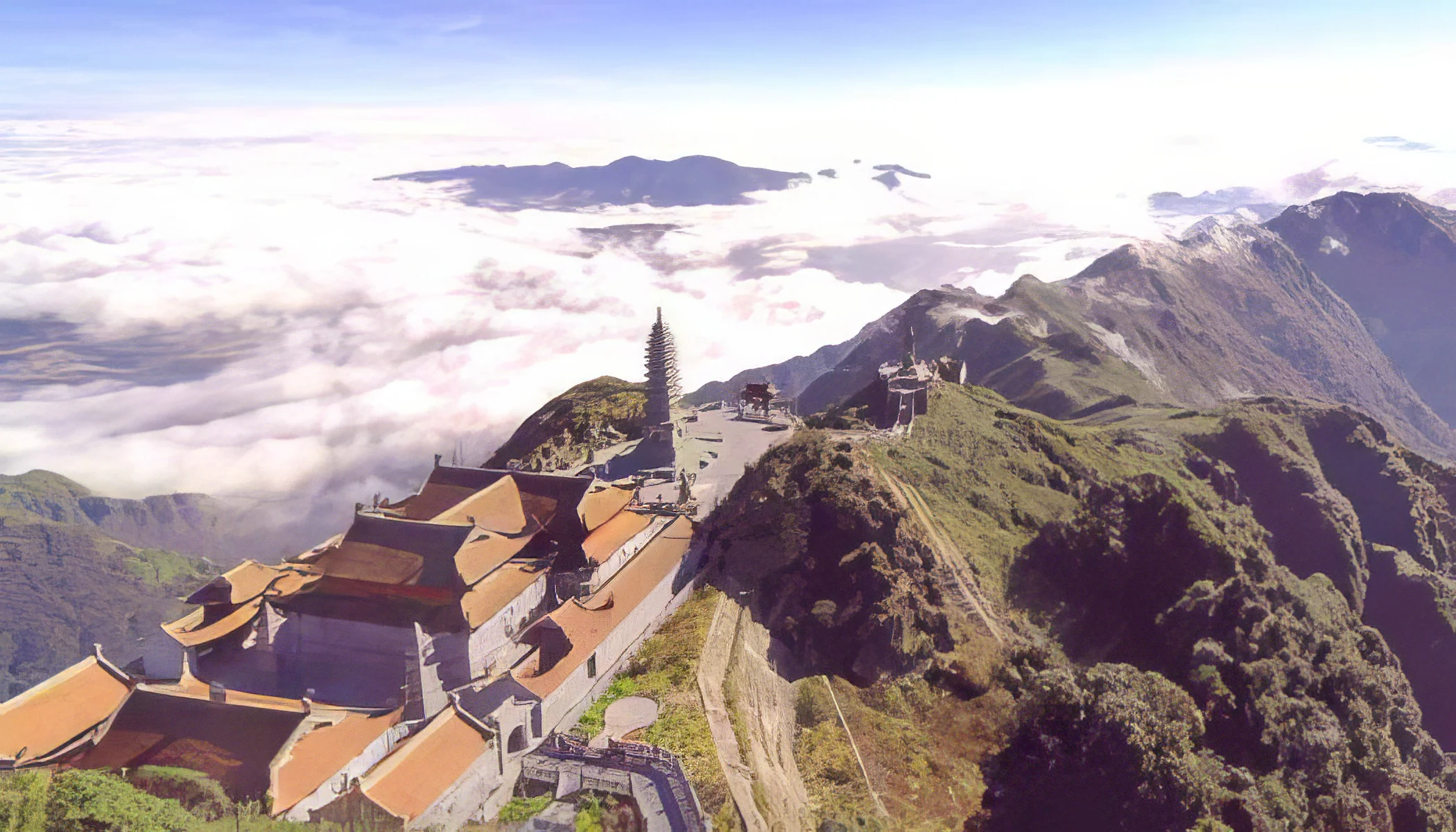
Known for its lovely terraced rice fields and ethnic minority cultures, this city offers a unique blend of natural beauty and cultural experiences.
– Fansipan Mountain: The highest peak in Indochina, accessible by cable car, offering panoramic views of the surrounding landscape.
– Cat Cat Village: A traditional Hmong village where you can experience local culture and handicrafts.
– Muong Hoa Valley: Famous for its terraced rice fields and scenic trekking routes.
– Silver Waterfall: A nice waterfall located about 12 kilometers from the city center.
– Ham Rong Mountain: A small mountain with gardens and viewpoints, perfect for a short hike.
– Bac Ha Market: A remarkable local market held on Sundays, showcasing local products and traditional crafts.
Activity
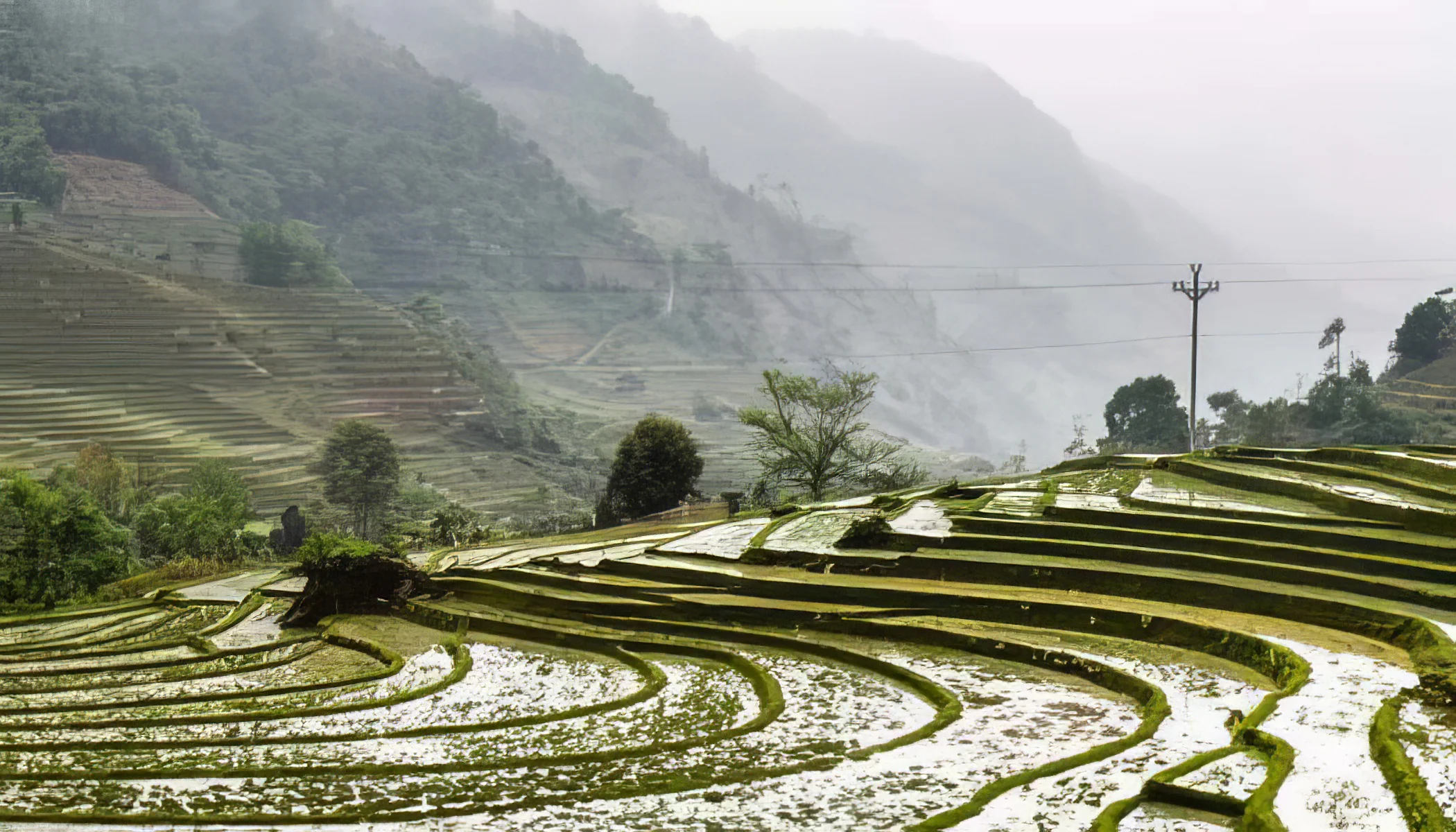
In Sapa, travelers can experience unique hill tribe cultures, handsome rice terraces, and challenging trekking adventures.
– Trekking in Hoang Lien National Park: Explore diverse flora and fauna, including the iconic Fansipan peak.
– Homestay with local tribes: Immerse in daily life and traditions of H'mong, Red Dao, and other ethnic groups.
– Bac Ha Market visit: Witness pleasant ethnic minority market with colorful traditional costumes and local products.
– Cable car ride to Fansipan: Enjoy panoramic views from the highest peak in Indochina.
– Love Waterfall hike: Trek to a scenic waterfall surrounded by rich forests.
Cuisine
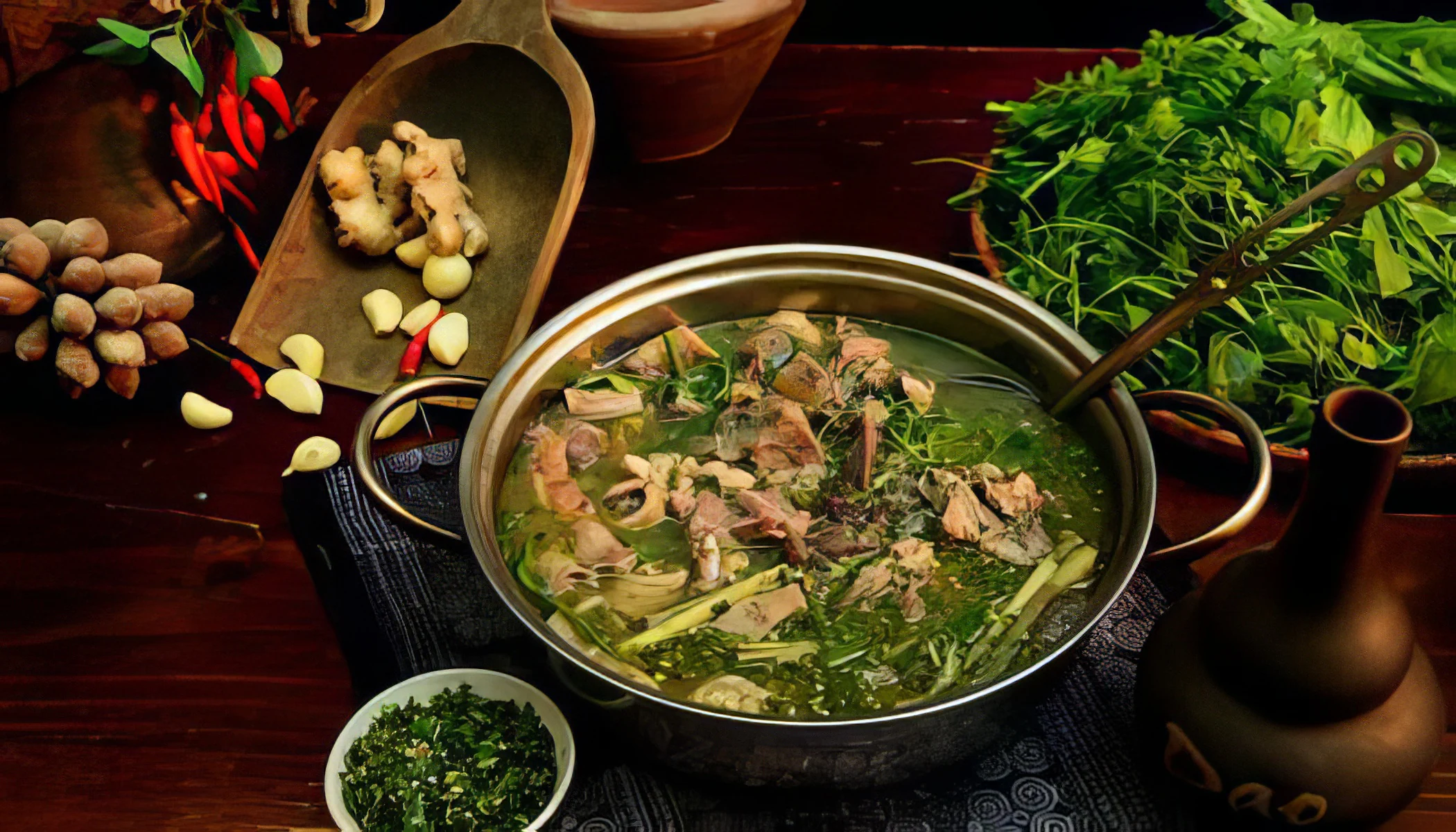
The city offers a unique culinary experience influenced by its ethnic diversity and mountainous terrain. Local markets and eateries serve traditional dishes that reflect the region's cultural heritage.
– Thang Co: A traditional Hmong stew made with horse meat, organs, and herbs.
– Com Lam: Sticky rice cooked in bamboo tubes, often served with grilled meats.
– Thit Trau Gac Bep: Smoked buffalo meat, a specialty of the ethnic minorities.
– Xoi Ngu Sac: Five-colored sticky rice, dyed with natural plant extracts.
– Men Men: Steamed ground corn, a staple food of the Hmong people.
– Tao Meo Wine: A local wine made from the fruits of the Tao Meo tree, known for its unique flavor.
Shopping
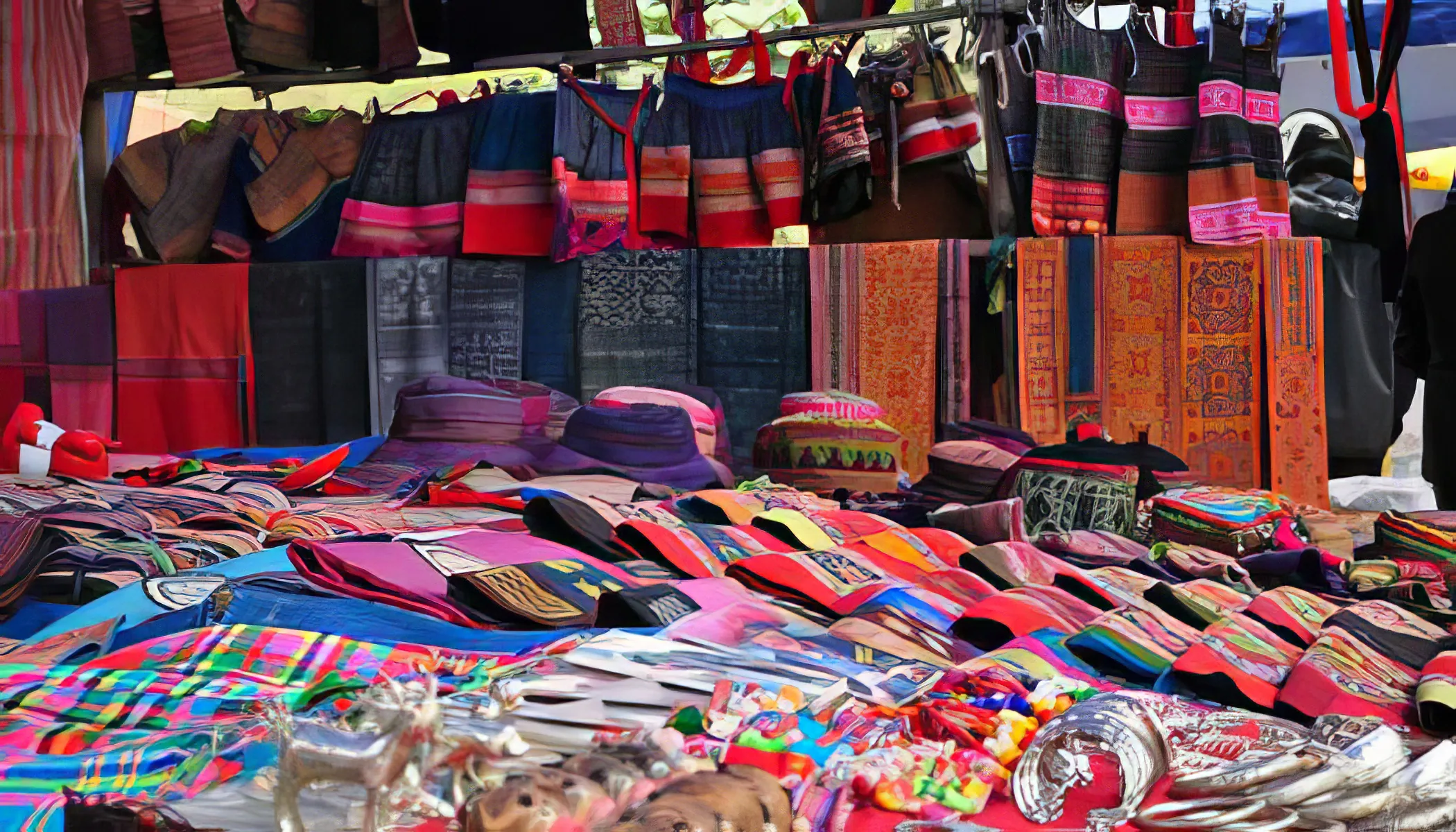
In the city, the best shopping experience is exploring the local markets, such as Bac Ha Market, where you can immerse yourself in nice cultural exchanges and find unique handmade goods. Ideal gifts to purchase include traditional hand-embroidered textiles, such as scarves or bags, crafted by the Hmong and Dao people. Silver jewelry is also a popular item, reflecting skilled local craftsmanship. Additionally, purchasing locally produced tea or coffee can be a delightful gift, offering a taste of the region's agricultural products.
Arts & Culture
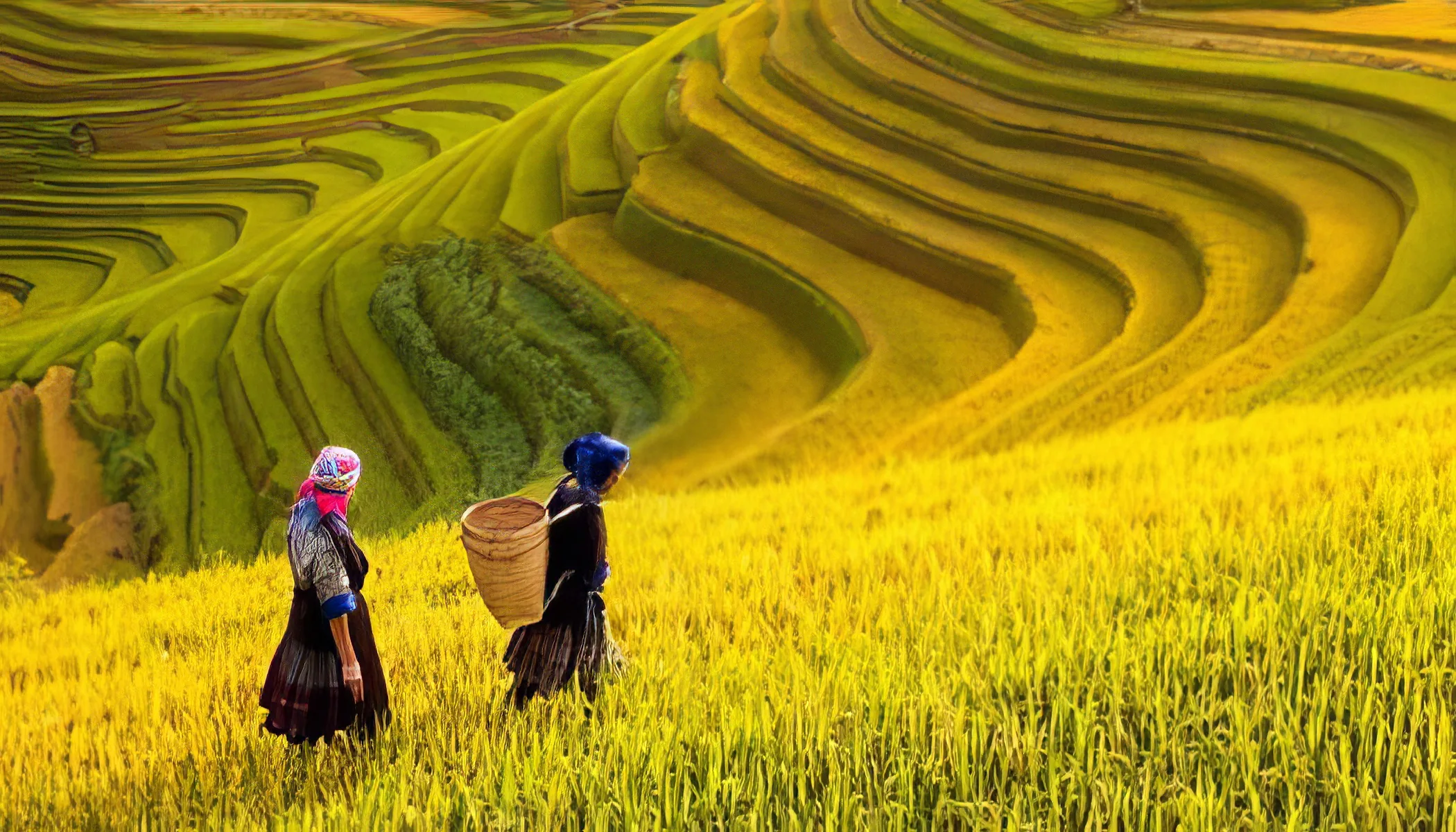
This city is renowned for its rich cultural diversity, prominently displayed through the various ethnic tribes such as the Hmong, Dao, and Tay. Traditional events like the colorful Bac Ha Market, where locals don traditional attire and sell handicrafts, are central to its cultural expression. The city also hosts the annual Love Market, a unique cultural event where ethnic youths meet to express their feelings through traditional songs and dances. Additionally, the handicrafts, including refined textiles and silver jewelry, are significant cultural artifacts that reflect the skilled craftsmanship of the local communities.