

Vigan: Best Things to Do & Top Attractions
This city is known for its well-preserved Spanish colonial architecture and cobblestone streets. It is a UNESCO World Heritage Site, offering a glimpse into the country's historical past through its buildings, culture, and local cuisine.
- Size
- 23 square km
- Airport
- Vigan at 4 km – domestic & 1 other
- Est. Visit Days
- 2 days
Overview
Vigan is a historic city in the Philippines known for its preserved Spanish colonial architecture. A major pro is its UNESCO World Heritage status, attracting many tourists interested in history and culture. The city offers unique attractions like Calle Crisologo and various local crafts. However, some cons include limited public transportation options and potential overcrowding during peak tourist seasons. Overall, Vigan provides a blend of cultural experiences but may require planning for visitors.
Traffic & Transport
The city features a compact layout that makes it ideal for walking, allowing visitors to explore its historical sites and attractions on foot. Bicycles are also popular, with rental options available for those who prefer a quicker way to navigate the area. For longer distances or if you need assistance, tricycles serve as a common mode of transport and can be hailed easily throughout the city. The streets may experience congestion during peak tourist seasons, but overall traffic remains manageable. For taxi services, local companies operate within the area, but there may not be widely recognized taxi-booking apps available. Visitors can rely on traditional taxis or inquire at their accommodations for recommended transport options.
History
This city was established during the Spanish colonial period in the 16th century, becoming a key trading port. It served as an important center for commerce between Spain and Asia, particularly for goods like textiles and pottery. The area saw conflicts during the Philippine Revolution against Spanish rule in the late 19th century. In 1901, it became part of the American colonial government after Spain ceded control. The city's architecture reflects its rich cultural heritage influenced by both Spanish and indigenous traditions.
Itinerary Sample
Explore Vigan, a UNESCO World Heritage site, with this 2-day itinerary.
– First day: Visit Calle Crisologo, explore Vigan Cathedral, enjoy the Bantay Bell Tower view, and dine at a local restaurant.
– Second day: Tour the Syquia Mansion, visit the pottery workshops, stroll through Plaza Salcedo, and shop for souvenirs.
Near Excursion
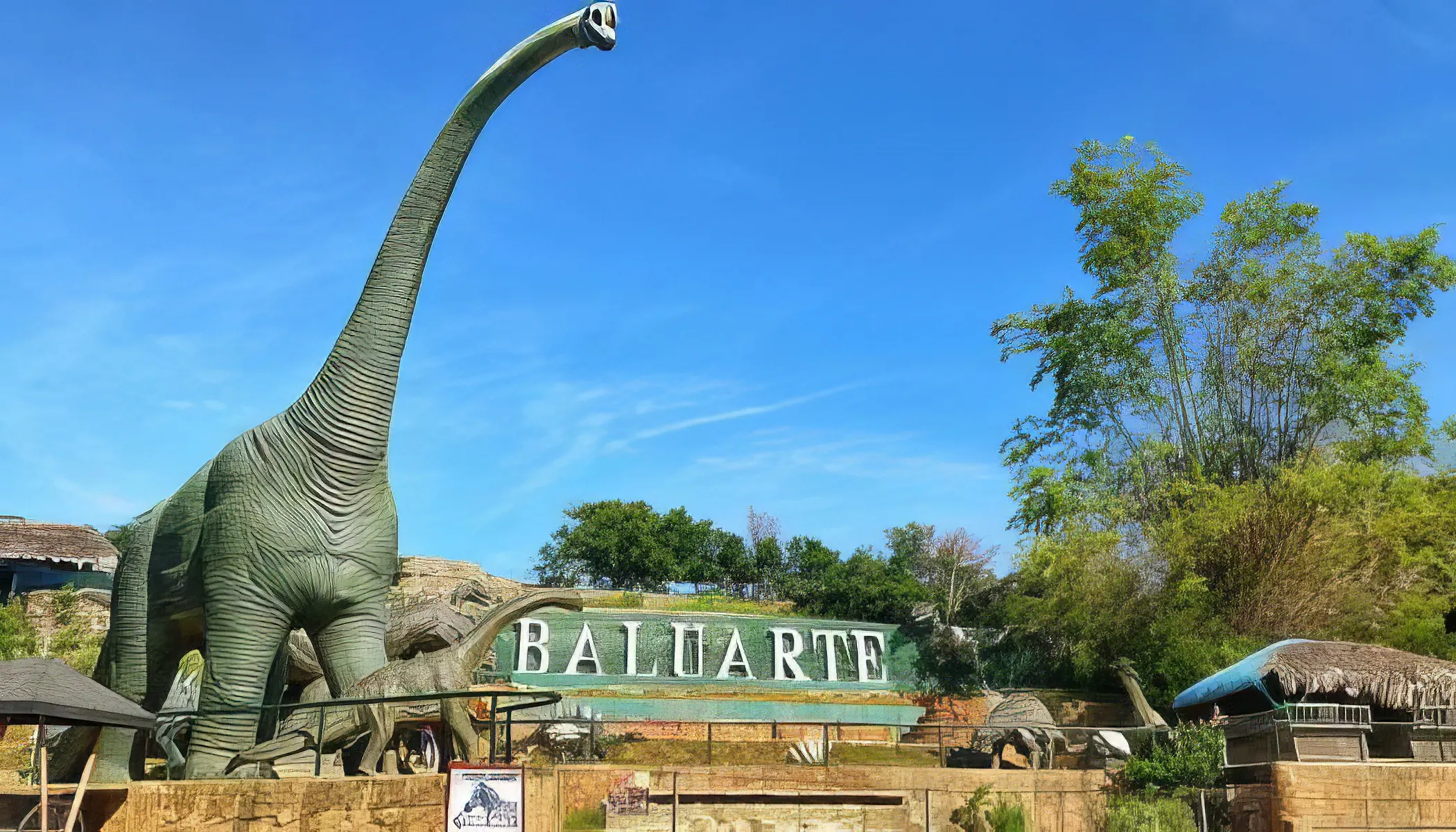
This city offers several interesting day-trip options within a reasonable distance. Here are some suggestions:
– Pagudpud at 140 km: A coastal town known for its white sandy beaches and clear blue waters.
– Laoag City at 80 km: Offers historical landmarks and the impressive Paoay Church, a UNESCO World Heritage Site.
– Baluarte Zoo at 10 km: A free-admission zoo featuring various animals and an interactive butterfly garden.
– Santa Maria Church at 40 km: An old Spanish-era church perched on a hill, also a UNESCO World Heritage Site.
– Abra River at 35 km: Ideal for picnics and enjoying nature with opportunities for swimming and bamboo rafting.
Attraction
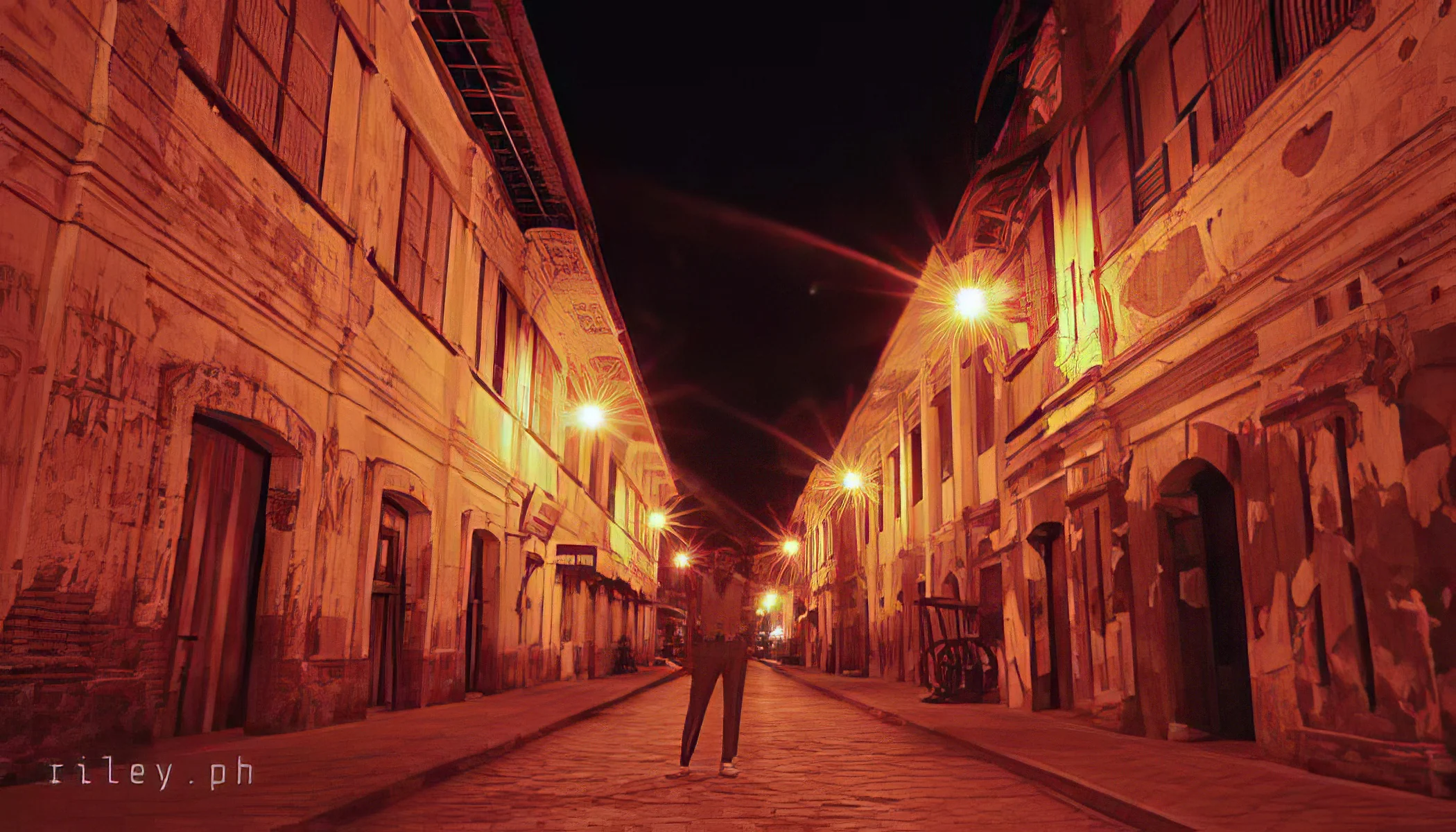
This city is known for its well-preserved Spanish colonial architecture and cultural heritage.
– Calle Crisologo: A famous street with cobblestone roads, lined with ancestral houses showcasing Spanish-era architecture.
– Bantay Church and Bell Tower: Offers a panoramic view of the city and has historical significance dating back to 1590.
– Syquia Mansion Museum: Displays antiques and memorabilia from the family of former President Elpidio Quirino.
– Plaza Salcedo: Features a fountain show at night and is surrounded by historical landmarks.
– Pagburnayan Jar Factory: Demonstrates traditional pottery-making techniques using clay, allowing visitors to try their hand at it.
– Crisologo Museum: Dedicated to the life of politician Floro S. Crisologo, exhibiting personal items and historical artifacts.
Activity
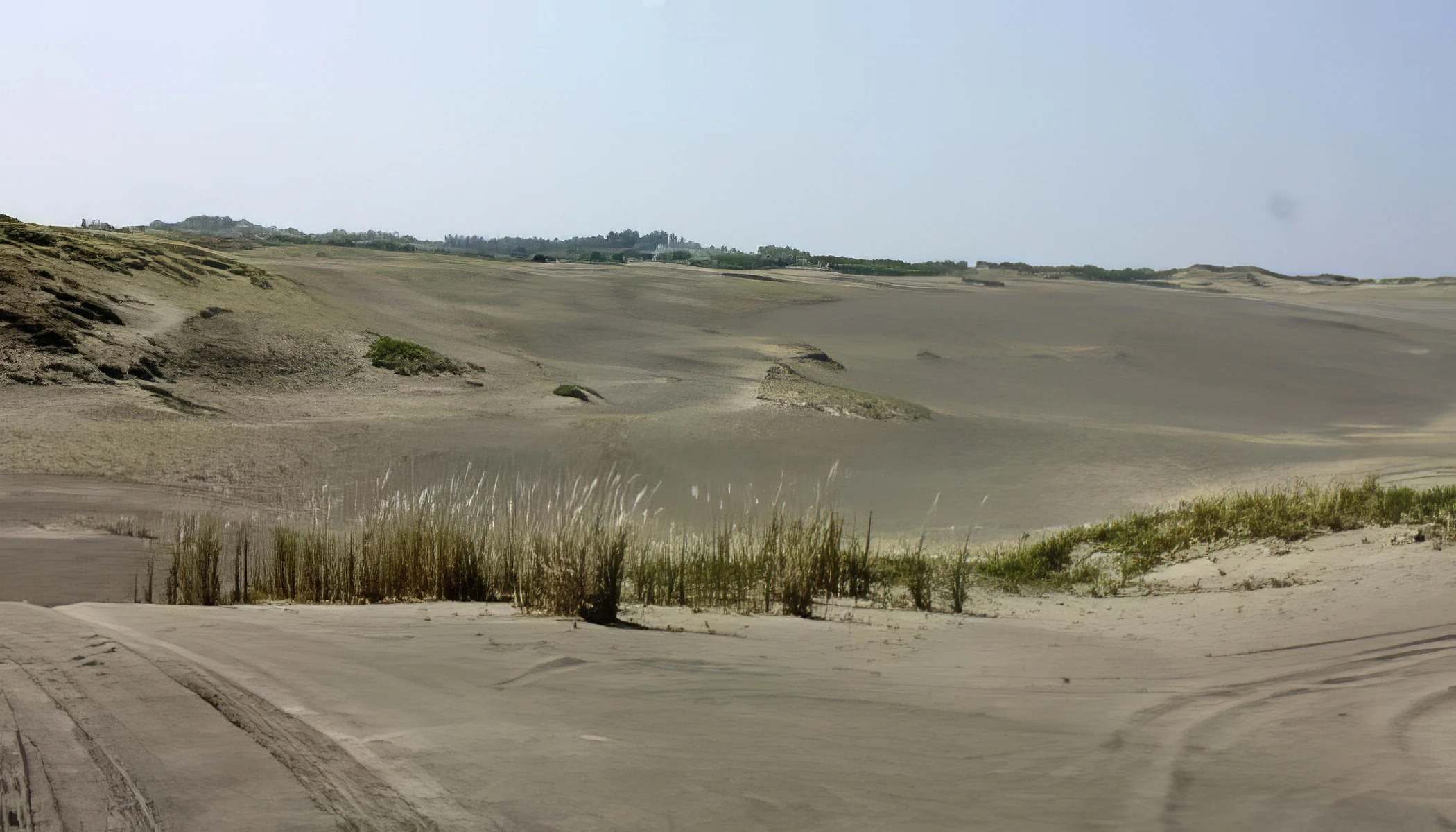
In Vigan, travelers can explore historical streets, local crafts, and traditional cuisine while experiencing the city's rich culture.
– Calle Crisologo: Walk along this cobblestone street lined with preserved Spanish colonial houses and shops selling local products.
– Vigan Heritage Village: Experience the unique architecture and beautiful atmosphere of this UNESCO World Heritage site.
– Calesa Ride: Enjoy a traditional horse-drawn carriage ride through the scenic streets of Vigan.
– Sand Dunes Adventure: Try sandboarding or 4×4 rides in nearby Paoay's expansive sand dunes for an adrenaline rush.
– Baluarte Zoo: Visit this free zoo featuring various animals, perfect for families and animal lovers.
Cuisine
The city is known for its Spanish-influenced cuisine with a mix of local flavors, offering unique dishes that reflect its rich cultural heritage. Some of the city's most famous dishes include:
– Vigan Longganisa: Garlic-flavored pork sausage, distinctively seasoned and often enjoyed at breakfast.
– Empanada: Deep-fried pastry filled with meat, vegetables, and egg, popular as street food.
– Bagnet: Crispy deep-fried pork belly, similar to chicharrón, served with dipping sauces.
– Sinanglao: Hearty beef or pork offal soup flavored with bile and vinegar.
– Royal Bibingka: Rice cake dessert made from glutinous rice flour, coconut milk, and sugar.
– Tinubong: Sweet sticky rice dessert cooked in bamboo tubes, flavored with coconut and sugar.
Shopping
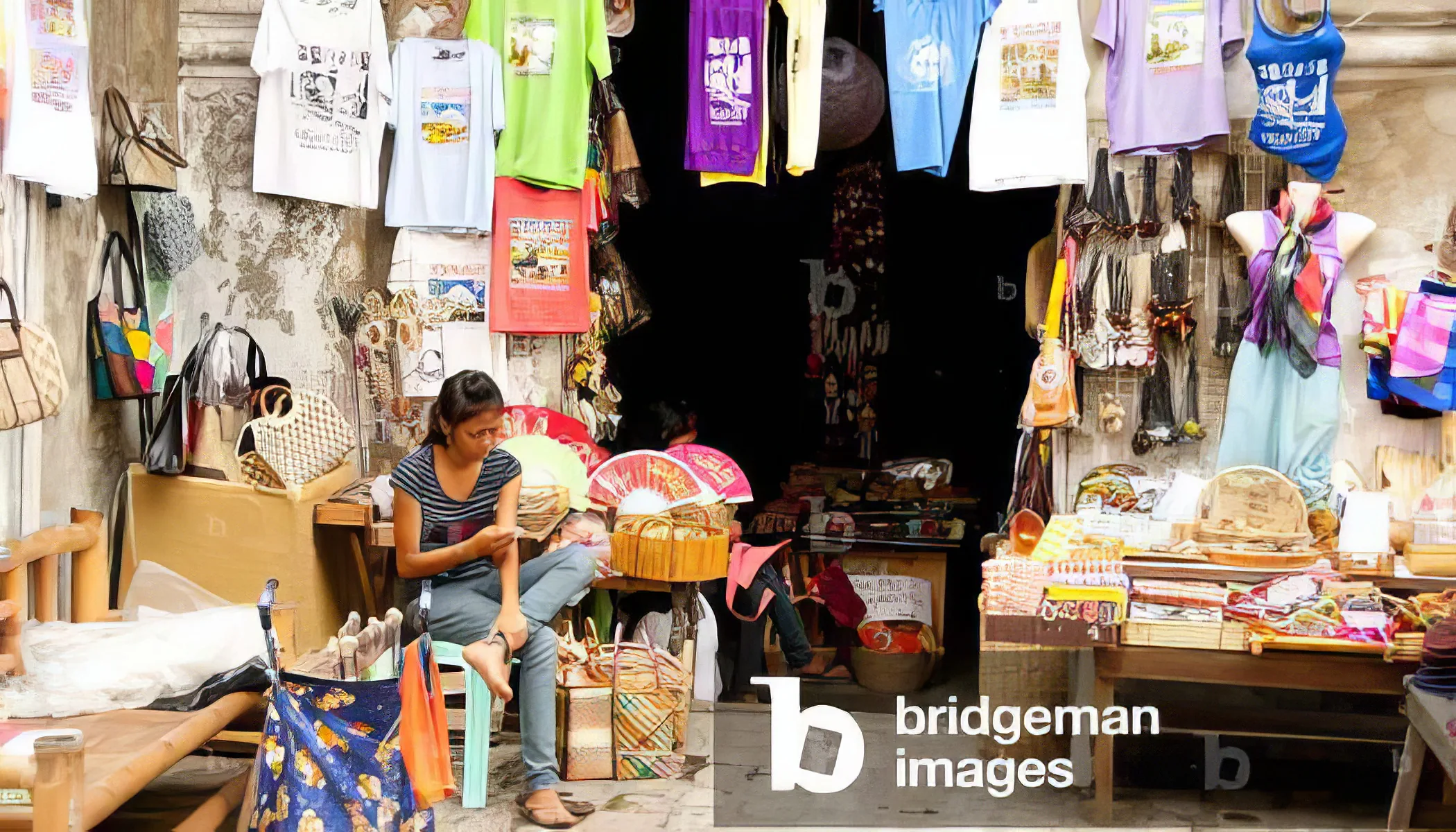
You can find unique handicrafts and souvenirs made by local artisans. Popular items include woven textiles, pottery, and wood carvings. A great gift option is the traditional “burnay” pottery, known for its quality and craftsmanship. You can also consider buying local food products like longganisa (sausage) or empanada. These items reflect the local culture and make memorable gifts. Shopping areas are usually found in heritage sites or markets in the area.
Arts & Culture
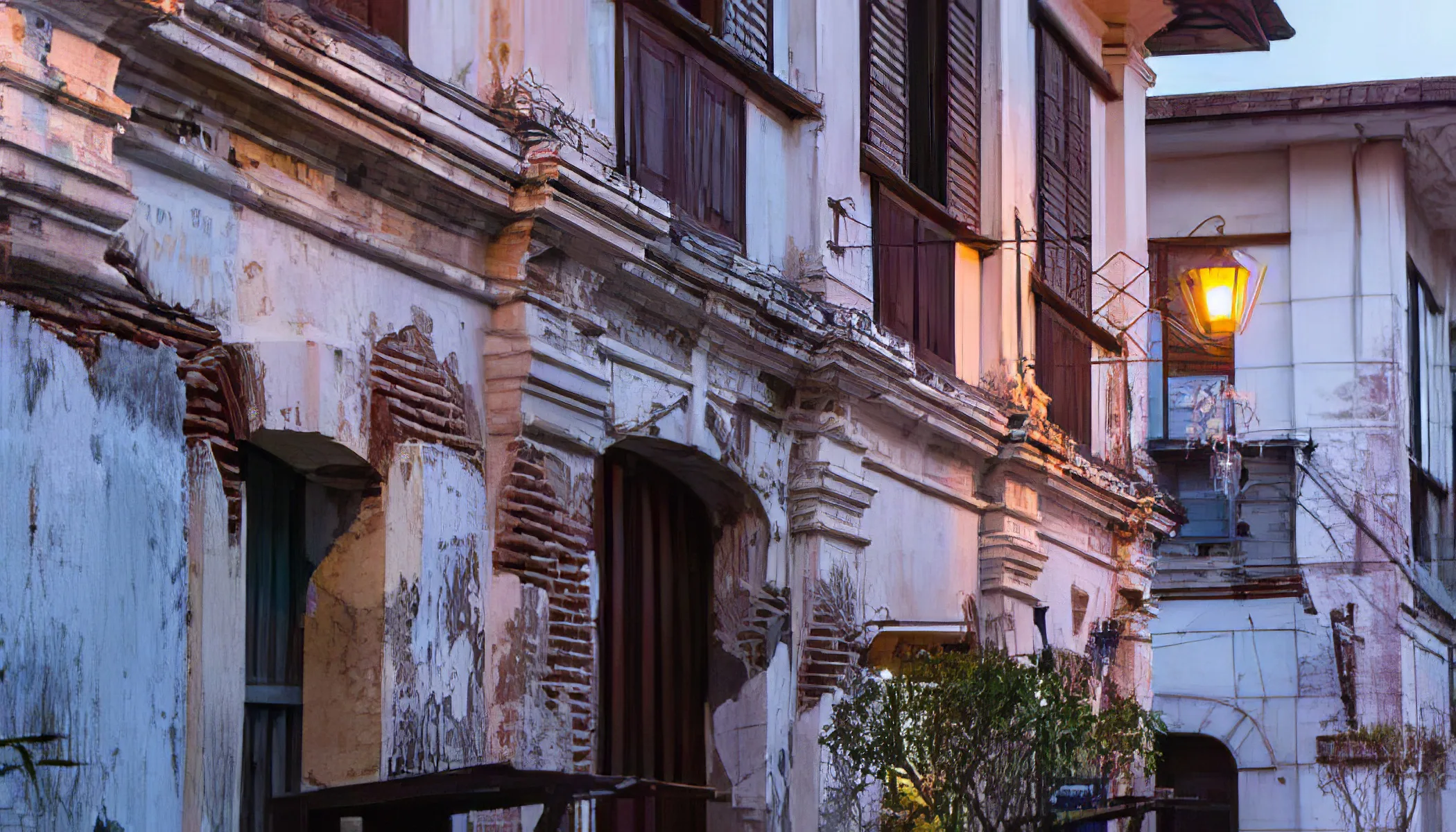
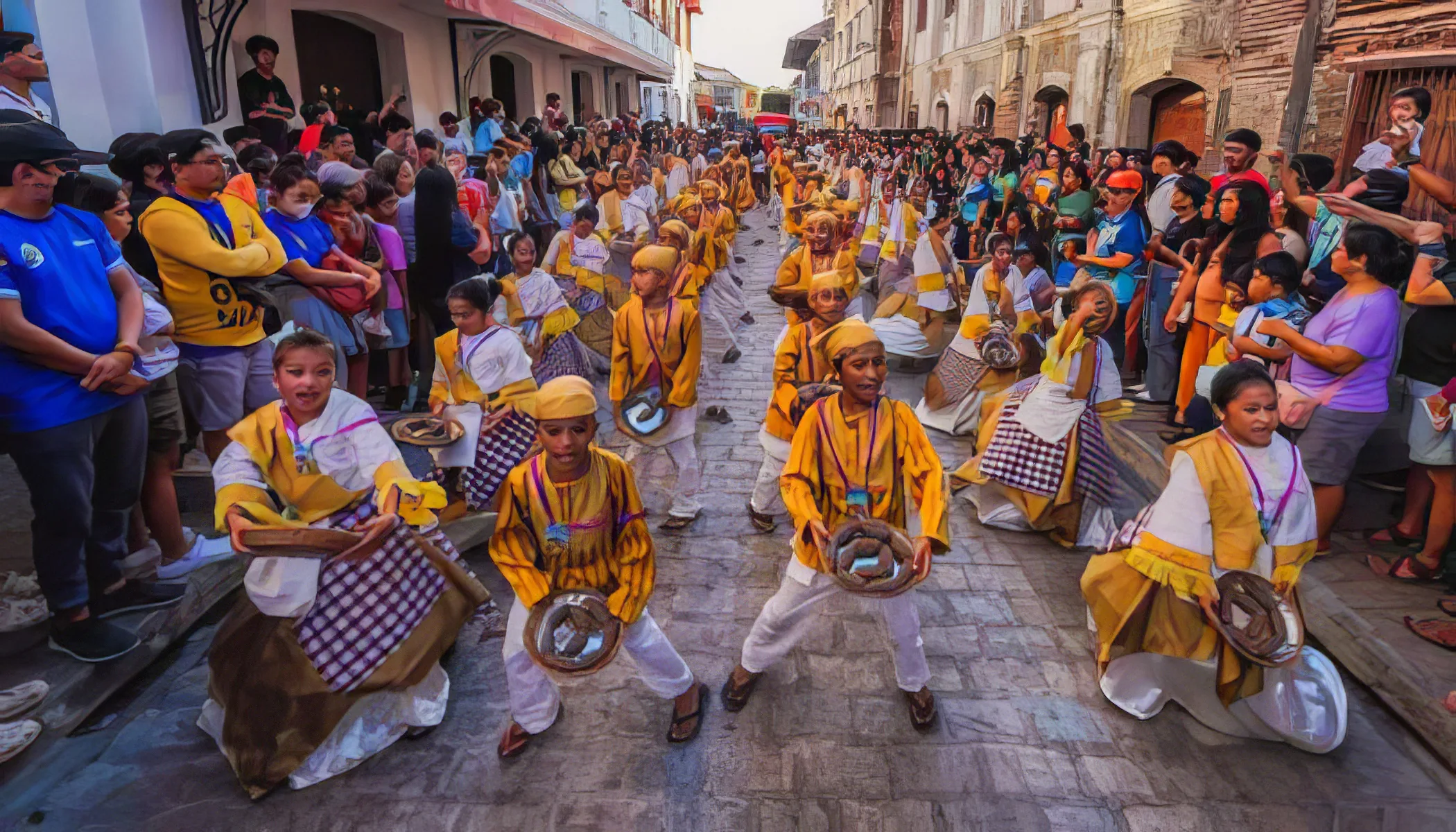
The city is known for its well-preserved Spanish colonial architecture, which reflects its rich history. The annual Vigan City Fiesta celebrates the feast of St. Paul with various cultural events, including street dancing and parades. The city also hosts the Vigan Longganisa Festival, showcasing local arts and crafts alongside traditional music and dance. Artisans in the area produce traditional handicrafts such as pottery and weaving, contributing to the local cultural scene.