

Weimar: Best Things to Do & Top Attractions
This city is known for its rich cultural heritage, including ties to Goethe and Schiller, and its role in classical music and architecture. It also played a significant part in the establishment of the Bauhaus movement.
- Population
- 65,000
- Airport
- Erfurt-Weimar at 42 km – Int'l.
- Train Station
- Weimar Hbf
- Est. Visit Days
- 2 days
Overview
Weimar, located in central Germany, is renowned for its rich cultural heritage, being a center of classical literature and the arts. The city was a key site of the German Enlightenment and the Weimar Republic, making it a significant historical hub. Visitors can explore attractions like the Bauhaus Museum, the Goethe National Museum, and the historic city center, all of which offer insights into the city's cultural and intellectual past. However, Weimar's relatively small size might limit the range of activities for longer stays, and its popularity can lead to crowds, especially during peak tourist seasons. Despite this, Weimar's cultural prestige and historical significance make it a compelling destination for those interested in German history and culture.
Traffic & Transport
The city's compact size and well-preserved historic center make it ideal for exploring on foot, which is often the best way to experience its cultural and architectural highlights. For longer distances or to reach sites outside the city center, bicycles are a popular and efficient option, with several rental shops available. Public buses also provide a convenient way to navigate the city and its surroundings, with routes covering most tourist attractions. For those preferring private transportation, car rentals are available, but it's important to note that parking in the city center can be limited. For taxi services, several reliable companies operate in the area, including Taxi Central and City Taxi. Additionally, the use of taxi-booking apps like MyTaxi provides a convenient option for securing a cab directly from your smartphone.
History
Historically, this city was a significant cultural center during the late 18th and early 19th centuries, known for its key role in the German Enlightenment. It was also the site where the Weimar Republic was established in 1919, marking a pivotal moment in German history after World War I. The city's cultural heritage is exemplified by its association with many notable figures, including Goethe and Schiller, who lived and worked here. It was a hub for the arts, literature, and music, often referred to as the "City of Poets and Thinkers." However, during World War II, it suffered significant damage, particularly in the 1945 air raids, which impacted its historical architecture and cultural institutions.
Itinerary Sample
Explore Weimar's rich cultural heritage with this 2-day itinerary:
– First day: Visit Goethe's House, Schiller's House, and the Bauhaus Museum. Enjoy a walk in the Park an der Ilm.
– Second day: Explore the Duchess Anna Amalia Library, Weimar City Castle, and the Buchenwald Memorial.
Near Excursion
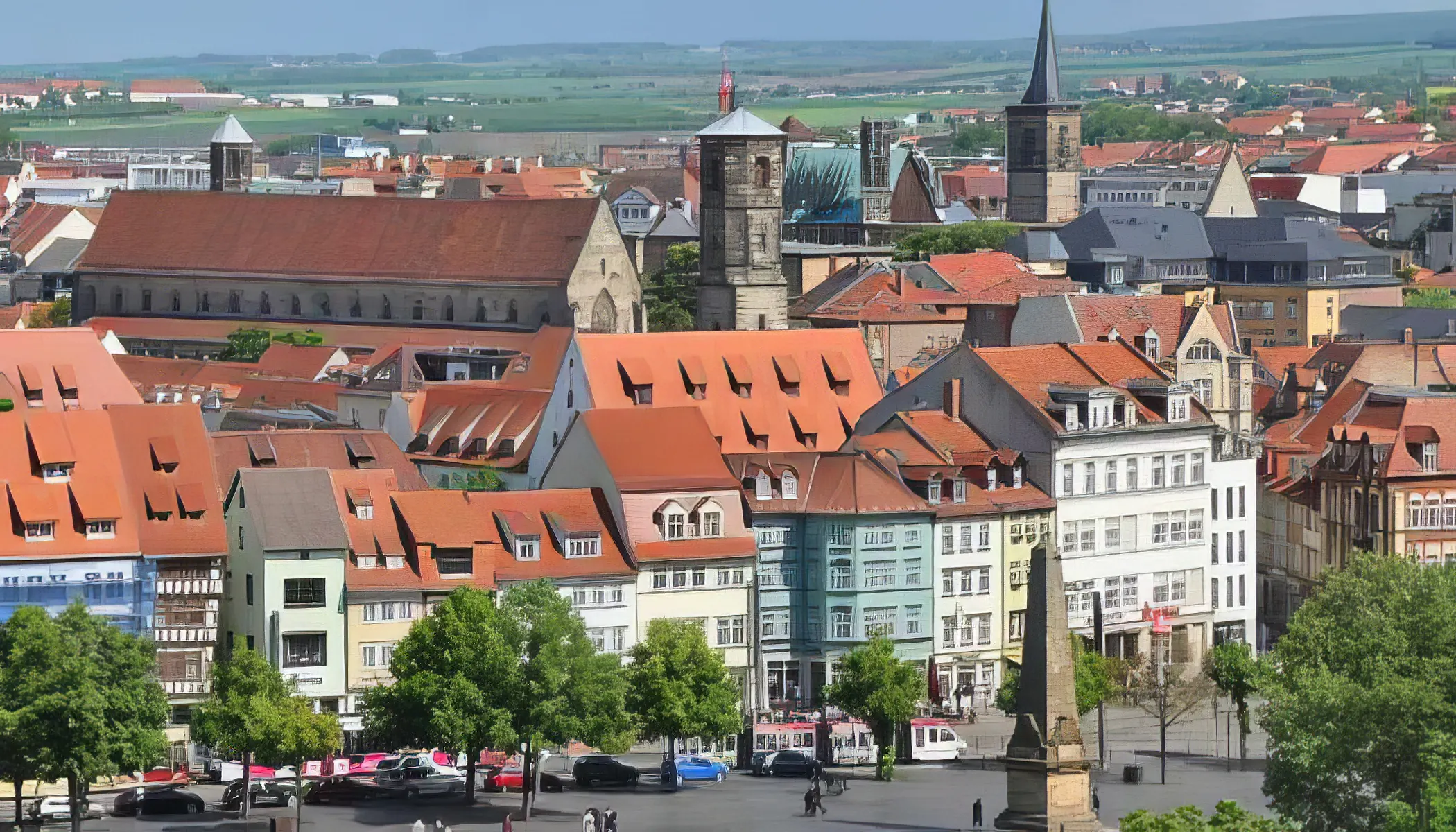
This city is a great starting point for several exciting day trips. Here are some suggestions:
– Erfurt at 25 km: Explore the medieval Old Town and the impressive Erfurt Cathedral.
– Jena at 22 km: Visit the Optical Museum and the historic university.
– Eisenach at 85 km: Discover Wartburg Castle, a UNESCO World Heritage site.
– Leipzig at 120 km: Enjoy the animated cultural scene and historic architecture.
– Saalfeld at 60 km: Tour the colorful Fairy Grottoes, a unique cave system.
Attraction
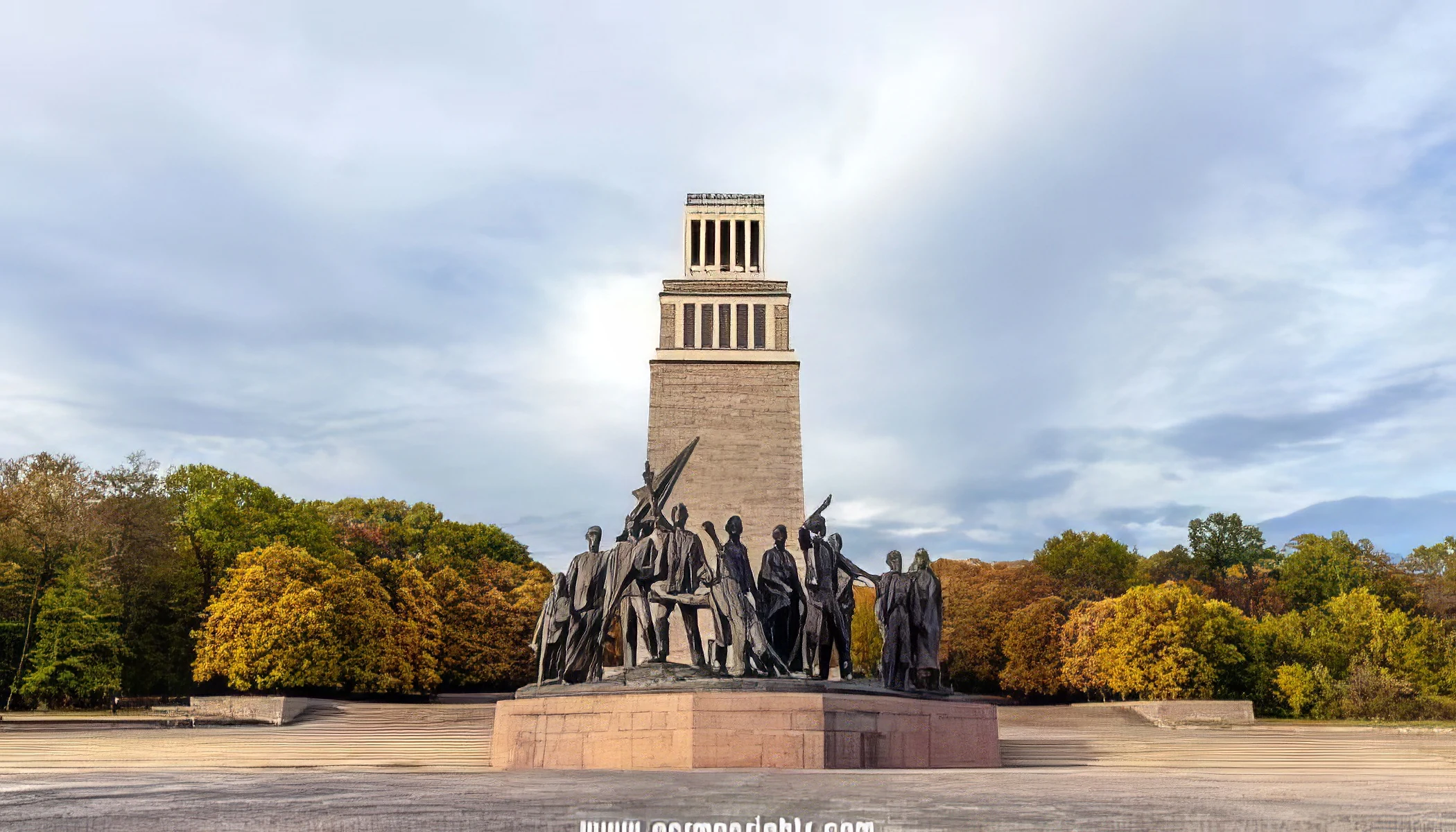
Known for its rich cultural heritage and historical significance, this city offers a variety of attractions for tourists.
– Goethe National Museum: Explore the life and works of the famous writer Johann Wolfgang von Goethe.
– Bauhaus Museum: Discover the history and impact of the Bauhaus art and design movement.
– Duchess Anna Amalia Library: Visit this UNESCO World Heritage site with its impressive Rococo Hall.
– Buchenwald Memorial: Reflect on the history of one of the largest concentration camps from World War II.
– Schiller Museum: Learn about the life and works of the playwright Friedrich Schiller.
– Belvedere Castle: Enjoy the baroque architecture and beautiful gardens of this historic castle.
Activity
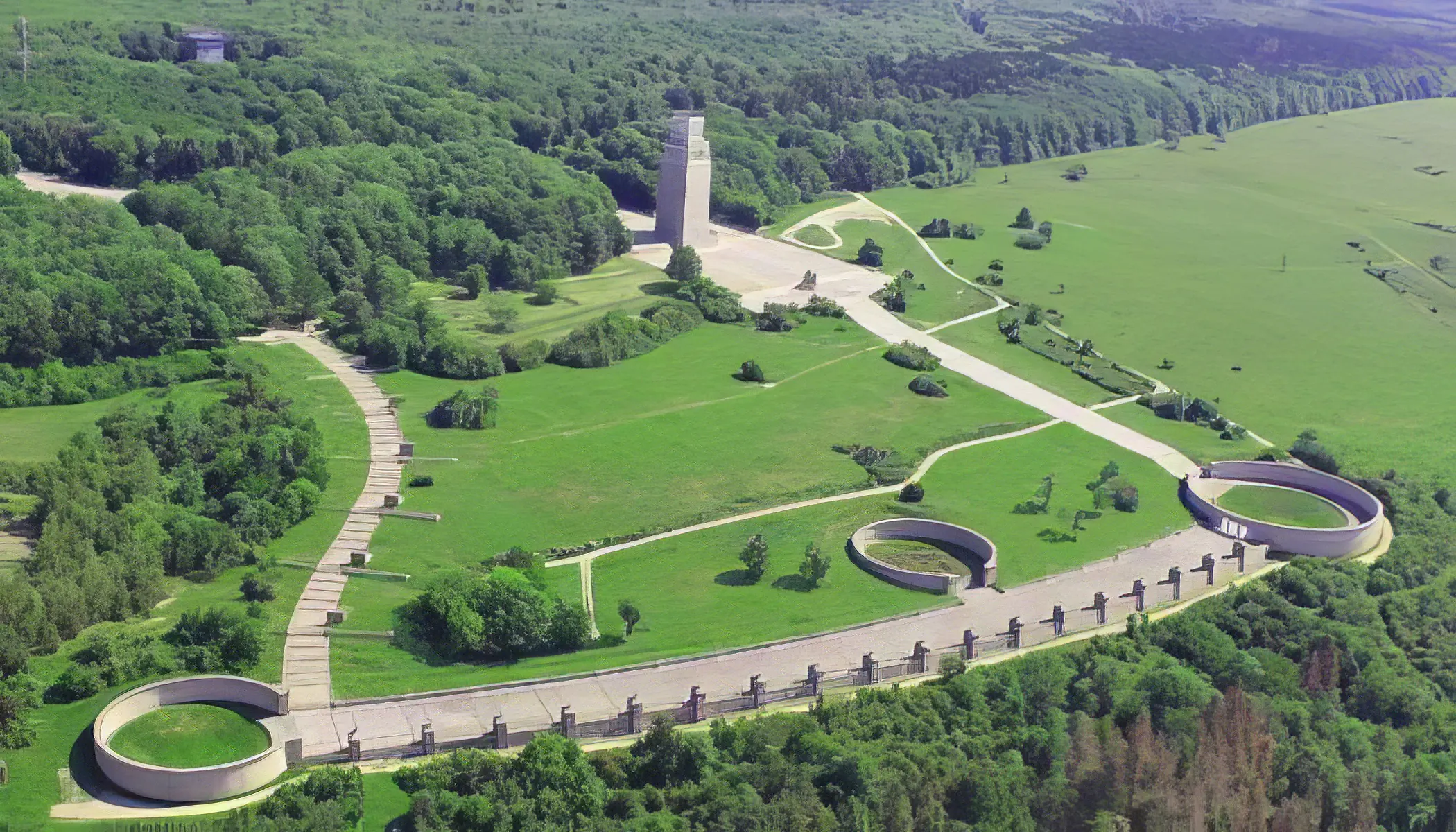
In Weimar, travelers can explore historical sites, enjoy nature walks, and attend cultural events.
– Buchenwald Memorial: Visit the former Nazi concentration camp for a sobering historical experience.
– Park an der Ilm: Stroll through this scenic park with historic buildings and peaceful river views.
– Weimar Market Square: Experience local life and architecture in the heart of the city.
– Belvedere Castle: Enjoy panoramic views and beautiful gardens at this historic hilltop castle.
– Goethe's Garden House: Explore the garden retreat of famous writer Johann Wolfgang von Goethe.
Shopping

In the city, tourists can enjoy a variety of shopping experiences, particularly in the area around Schillerstraße and Marktstraße, where local boutiques and shops offer unique items. A popular gift to purchase is Bauhaus-related art or design pieces, reflecting the city's rich cultural heritage linked to the Bauhaus movement. Additionally, traditional German crafts and Christmas ornaments from local artisans make for meaningful gifts. The city also hosts several bookshops with an extensive collection of literature on German classical literature and history, ideal for literary enthusiasts.
Arts & Culture
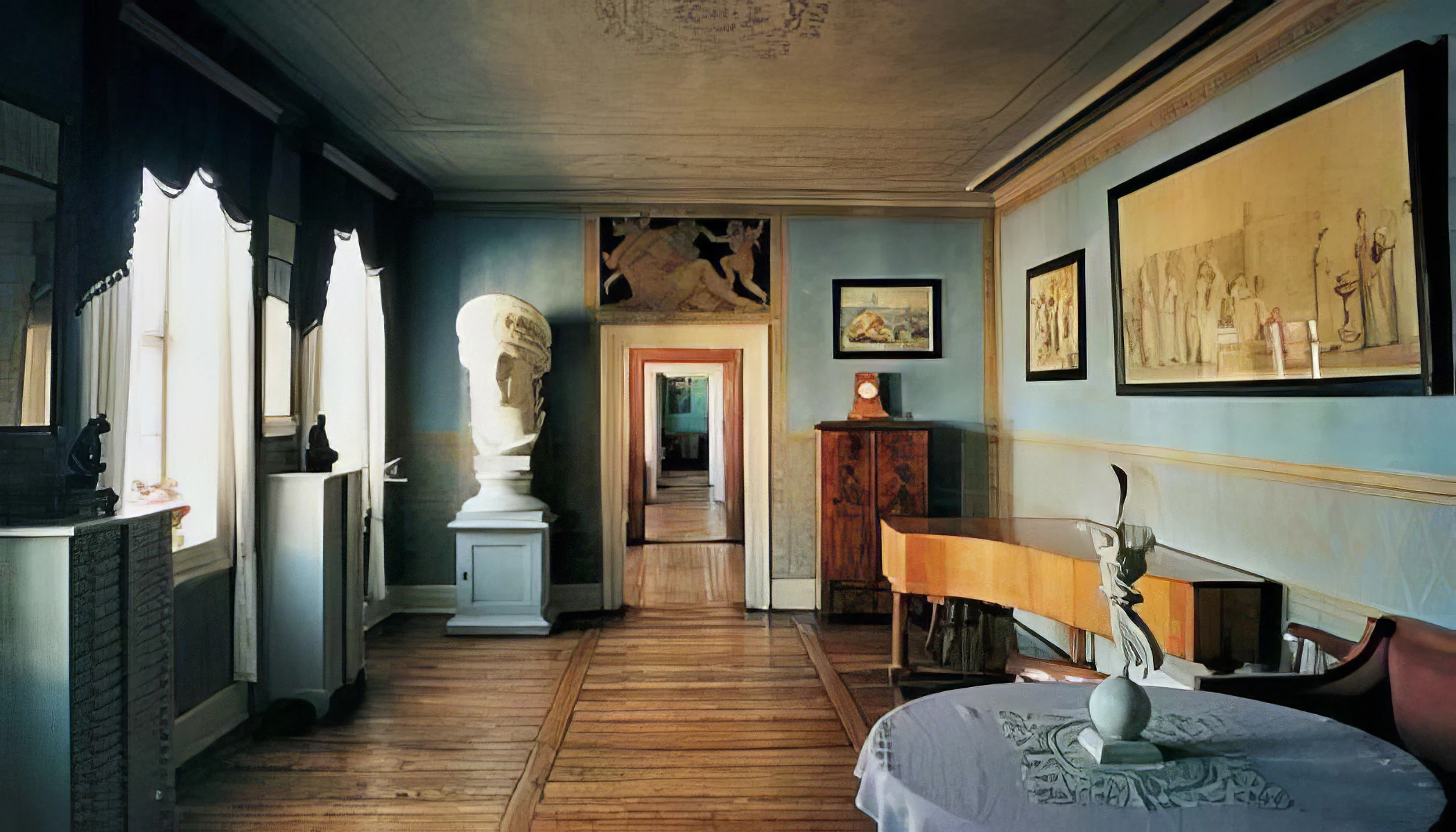
The city is renowned for its cultural heritage, particularly as a hub for German literature and music. It was home to Goethe and Schiller, whose residences are now museums. The annual Weimar Art Festival showcases contemporary arts, including performances, exhibitions, and lectures. Additionally, the Bauhaus Museum offers insights into the revolutionary Bauhaus school of art and design, which was founded there in 1919.