

Albania Attractions & Travel Advice – Plan Your Visit
Located in Southeast Europe, this country features a mix of mountains and coastline along the Adriatic and Ionian Seas. Known for its rich history and cultural heritage, it offers ancient ruins, dynamic cities, and scenic landscapes, attracting diverse travelers.
- Capital
- Tirana
- Population
- 3 millions
- Superficy
- 29000 sq.km
- Months to Visit
- May to Sept.
- Living Cost
- Economical
Overview
Albania is a small country located in Southeast Europe on the Balkan Peninsula. It features a diverse landscape with mountains, forests, and a coastline along the Adriatic and Ionian Seas. The capital, Tirana, is the cultural and economic hub, known for its colorful buildings and animated atmosphere. Albania has a rich history influenced by various civilizations, including the Romans and Ottomans. The country is gradually becoming a popular tourist destination, offering historical sites, such as ancient ruins and castles, as well as natural attractions like the Albanian Alps. Despite economic challenges, Albania is working towards development and integration with the European Union.
Pros & Cons
GOOD REASONS TO VISIT ALBANIA
– Beautiful Coastline: Albania's Riviera offers remarkable beaches, clear waters, and charming coastal towns like Saranda and Himara.
– Rich History: Explore ancient ruins, Ottoman architecture, and UNESCO sites like Berat and Gjirokastër.
– Affordable Travel: Albania is budget-friendly with low-cost accommodations, food, and attractions, ideal for economical travelers.
– Diverse Landscapes: Experience mountains, lakes, and forests, perfect for hiking, skiing, and nature exploration.
– Warm Hospitality: Albanians are known for their friendliness and welcoming nature, enhancing your travel experience. CHALLENGES WHEN VISITING ALBANIA
– Limited Infrastructure: Public transport and roads can be underdeveloped, making travel between regions challenging.
– Language Barrier: English is not widely spoken; learning basic Albanian phrases can be helpful.
– Unpredictable Weather: Weather can vary significantly; be prepared for sudden changes, especially in mountainous areas.
Before Departure
Before traveling to Albania, consider the following essential information:
– Passport: Ensure your passport is valid for at least three months beyond your intended stay.
– Visa: Many nationalities can enter visa-free for up to 90 days within 180 days. Check specific requirements based on your nationality.
– Currency: Albanian Lek (ALL); credit cards accepted in cities; cash preferred in rural areas; ATMs widely available.
– Internet access: WiFi is common in hotels and cafes; purchase a local SIM card for reliable data from Vodafone, Telekom, or ALBtelecom.
– Language barrier: Albanian is the official language; English is increasingly spoken, especially among younger people; Italian and Greek are also understood.
What to Pack
Albania offers diverse landscapes and cultural experiences, so packing appropriately will enhance your travel experience.
– Essentials: Passport, travel insurance, flight tickets, itinerary, accommodation confirmations, and any necessary visas.
– Clothing: Comfortable walking shoes, lightweight clothing for summer, warmer layers for evenings, swimwear for beaches, and a rain jacket.
– Health & Safety: Prescription medications, basic first aid kit, insect repellent, sunscreen, and personal hygiene products.
– Electronics: Travel adapter for European outlets, mobile phone, camera, and portable charger.
Weather
Albania experiences a Mediterranean climate with hot, dry summers and mild, wet winters.
– Winter (December to February): Mild temperatures along the coast, colder with snow in mountainous areas.
– Spring (March to May): Pleasant temperatures and blooming landscapes, with occasional rain showers.
– Summer (June to August): Hot and dry, especially along the coast, with temperatures often exceeding 30°C.
– Autumn (September to November): Mild temperatures with increasing rainfall, especially in the northern regions. The best time to visit Albania is from May to September.
– Pros: Ideal beach weather, beautiful festivals, and outdoor activities.
– Cons: Peak tourist season leads to crowded attractions and higher prices.
Travel Budget
Albania offers a budget-friendly travel experience with affordable prices for various services. Here are some average costs for tourists:
– Hotel: 30$ to 80$
– Lunch: 5$ to 15$
– Beverage (in bar/restaurant): 2$ to 5$
– Coffee: 1$ to 2$
– Transportation: (train 5$ to 20$), (bus 1$ to 5$), (taxi /10km 5$ to 10$)
– Mobile data (per GB): 1$ to 3$
Language
Albanian is the official language of Albania, and here are some useful phrases for tourists:
– Hello: Përshëndetje
– Thank you: Faleminderit
– Please: Ju lutem
– How much is this?: Sa kushton kjo?
– Excuse me: Më falni
– I don't understand: Nuk kuptoj
– Yes: Po
– No: Jo
– Goodbye: Mirupafshim
History
Its history includes periods of Roman and Byzantine rule before becoming part of the Ottoman Empire for several centuries. Independence was declared in 1912, but the country faced instability and foreign occupation during both World Wars. After World War II, it became a communist state under Enver Hoxha, who led a regime marked by isolation and strict control. The fall of communism in the early 1990s led to a transition towards democracy and a market economy, though the process was challenging and marked by economic difficulties. In the late 20th and early 21st centuries, Albania sought integration with Western institutions, joining NATO in 2009. The country continues to pursue European Union membership, reflecting its ongoing efforts to modernize and stabilize.
Geopolitics
Located in Southeast Europe on the Balkan Peninsula, Albania shares borders with Montenegro, Kosovo, North Macedonia, and Greece, and has a coastline along the Adriatic and Ionian Seas. It is a parliamentary republic with Tirana as its capital. Albania is a member of NATO and aspires to join the European Union, having been granted EU candidate status in 2014. The country maintains a foreign policy focused on Euro-Atlantic integration and regional cooperation. It has historically balanced relations with both Western countries and regional neighbors, navigating complex Balkan geopolitics. Albania's strategic location and EU aspirations influence its diplomatic and economic engagements in the region.
Sample Itinerary
This itinerary covers Albania's cultural heritage in Tirana, historical sites in Berat, natural beauty in the Albanian Riviera, and archaeological wonders in Butrint.
– 2 days in Tirana: Explore Skanderbeg Square, National History Museum, and Bunk'Art. Visit the colorful Blloku district and Dajti Mountain for city views.
– 1 day in Berat: Discover the UNESCO-listed Berat Castle, Onufri Museum, and the historic neighborhoods of Mangalem and Gorica.
– 2 days in Albanian Riviera: Relax on the beaches of Dhërmi and Himara. Visit the Llogara Pass for sensational coastal views.
– 1 day in Gjirokastër: Tour the UNESCO World Heritage Site with its Ottoman-era architecture, Gjirokastër Castle, and Ethnographic Museum.
– 1 day in Butrint: Explore the ancient ruins of Butrint, a UNESCO World Heritage Site, with its amphitheater, basilica, and city walls.
Popular cities
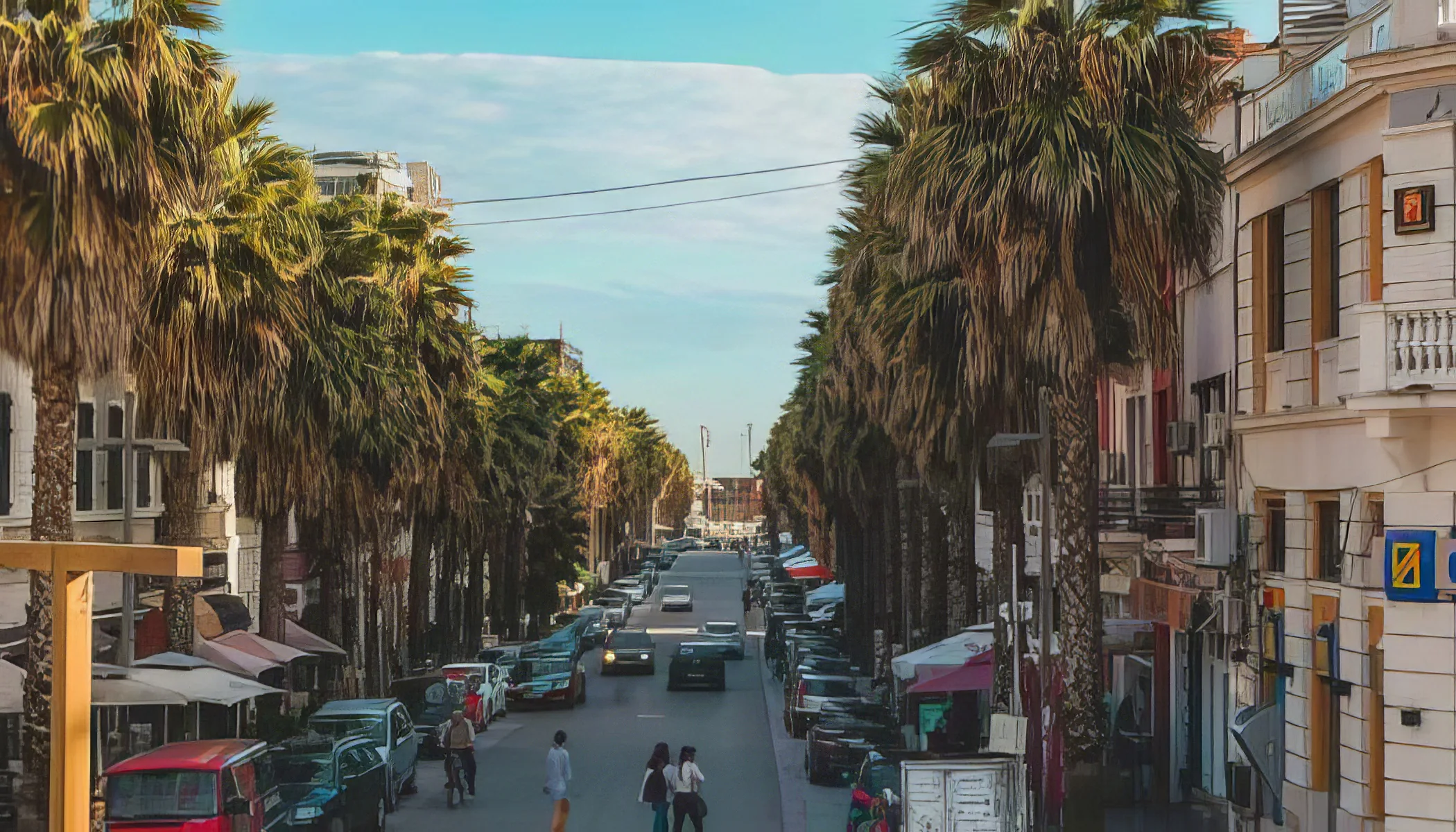
Explore Albania's diverse cities, each offering unique experiences and attractions:
– Tirana: The capital city is energetic with colorful buildings, museums, and a lively cultural scene.
– Berat: Known as the "City of a Thousand Windows," it features Ottoman-era architecture and a historic castle.
– Gjirokastër: A UNESCO World Heritage site, famous for its stone houses and the Gjirokastër Castle.
– Shkodër: Offers a mix of history and nature, with Rozafa Castle and nearby Lake Shkodër.
– Sarandë: A coastal city with beautiful beaches and close to the ancient ruins of Butrint.
– Durrës: Known for its Roman amphitheater and as a major port city with a lively promenade.
– Vlorë: A coastal city with historical significance and gateway to the Albanian Riviera.
Monuments
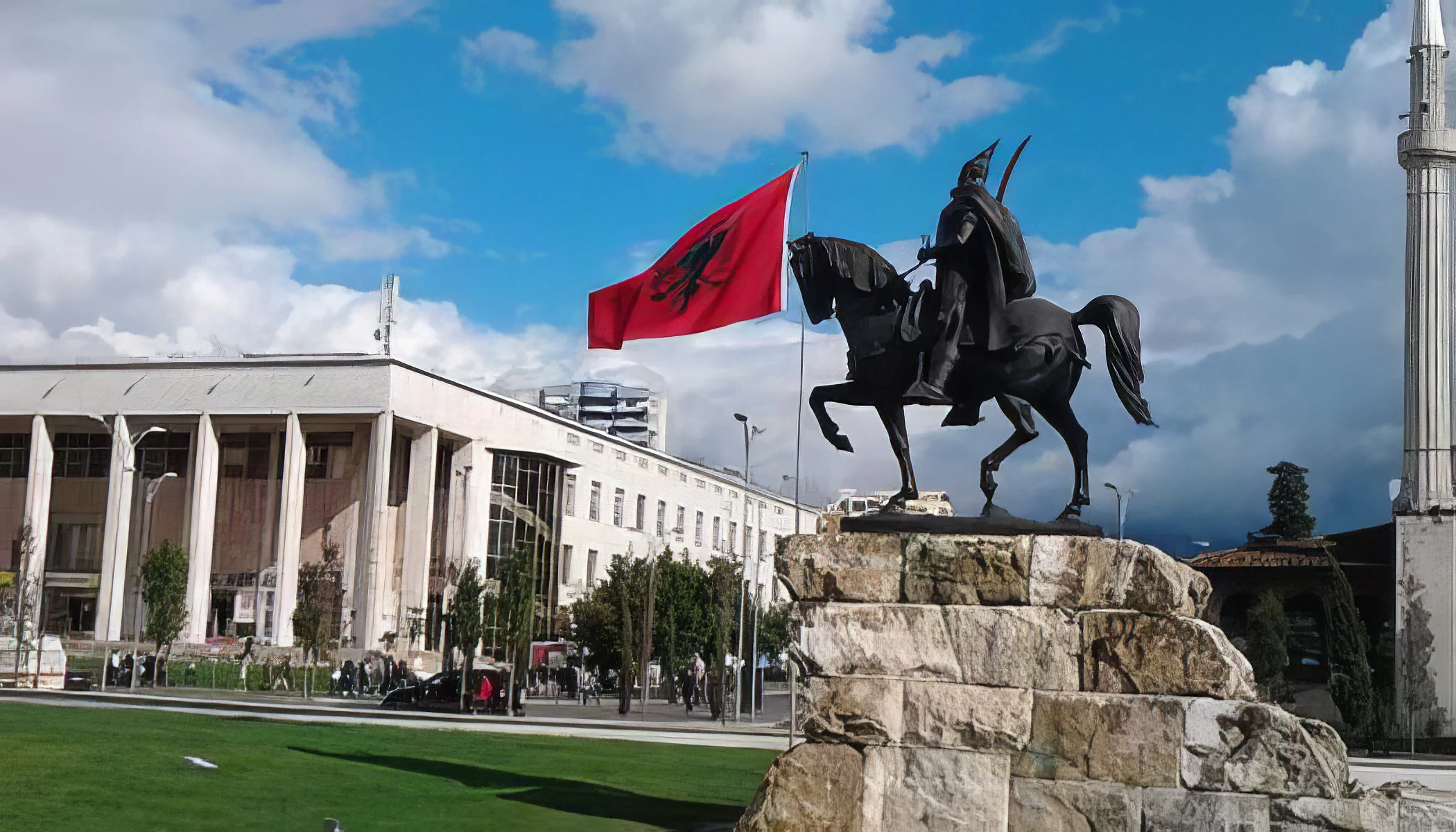
Albania offers a variety of historical and architectural monuments to explore:
– Butrint National Park: UNESCO site with ancient Greek, Roman, and Byzantine ruins.
– Berat Castle: Hilltop fortress with nice views and well-preserved Ottoman architecture.
– Gjirokastër Castle: Large fortress offering insights into Albania's military history and panoramic views.
– Apollonia: Ancient city with Greek and Roman ruins, including a well-preserved amphitheater.
– Rozafa Castle, Shkodër: Historic fortress with legends and views over three rivers.
– Krujë Castle: Historic site linked to national hero Skanderbeg, with a museum and bazaar.
– Durrës Amphitheatre: Large Roman amphitheater in the heart of Durrës city.
– Et'hem Bey Mosque, Tirana: Beautifully decorated mosque, significant in Albania's religious history.
Natural wonder
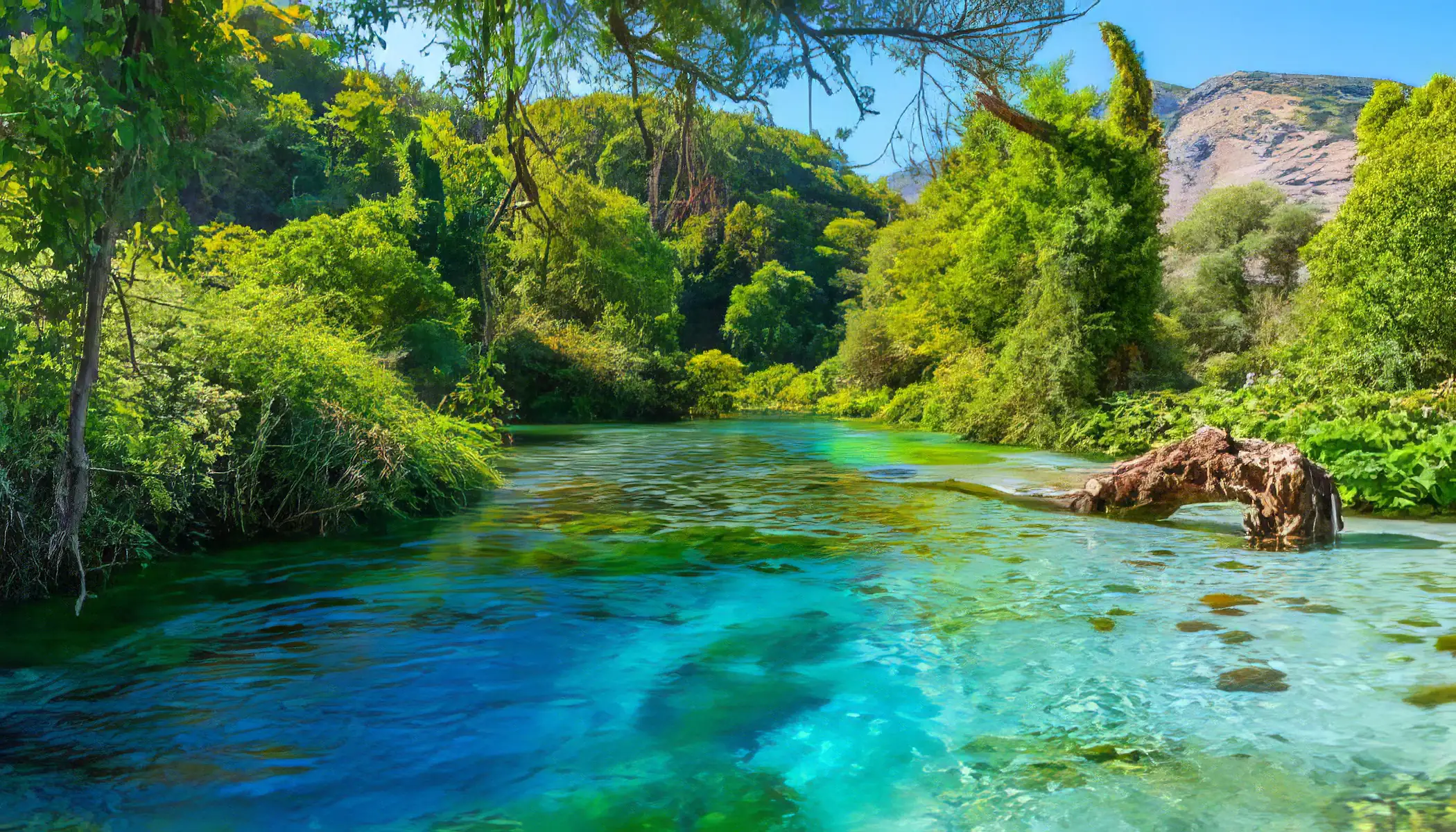
Explore Albania's diverse natural landscapes:
– Theth National Park: Known for its rugged mountains, waterfalls, and traditional alpine villages.
– Blue Eye (Syri i Kaltër): A nice natural spring with lively blue waters.
– Llogara Pass: Offers nice views of the Ionian Sea and surrounding mountains.
– Valbona Valley National Park: Features dramatic peaks, rich valleys, and hiking trails.
– Lake Ohrid: One of Europe's oldest and deepest lakes, shared with North Macedonia.
– Butrint National Park: Combines archaeological sites with diverse ecosystems and wetlands.
– Karaburun-Sazan Marine Park: Albania's only marine park, known for its underwater biodiversity.
– Gjipe Canyon: A secluded canyon with steep cliffs and a hidden beach.
– Prespa Lakes: Shared with Greece and North Macedonia, known for birdwatching and biodiversity.
– Tomorr Mountain: Sacred mountain offering panoramic views and hiking opportunities.
Beaches
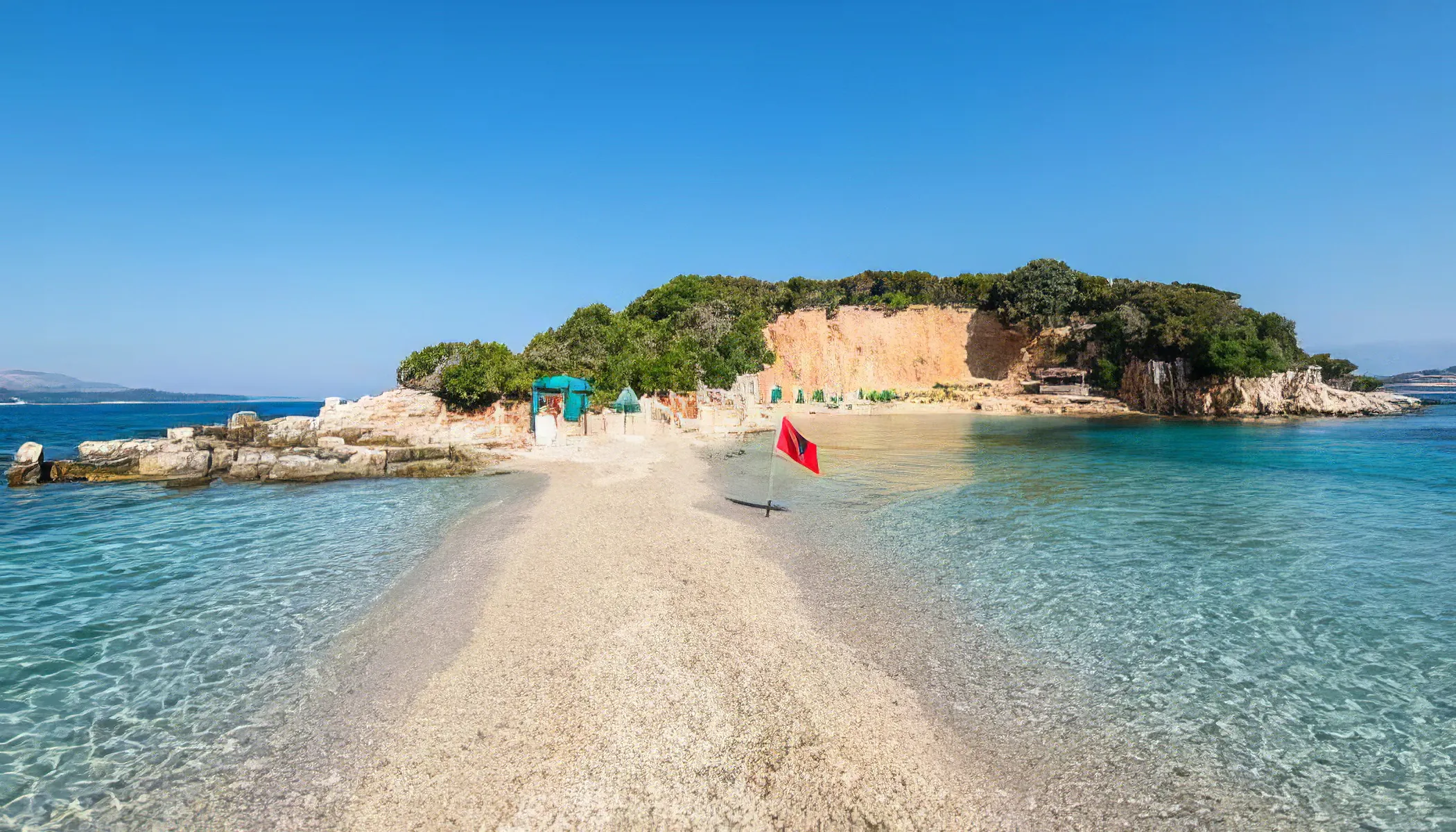
Albania offers beautiful beaches along its coastline.
– Ksamil Beach: Known for its turquoise waters and proximity to the Greek islands.
– Dhermi Beach: Features clear waters and is popular for its lively summer atmosphere.
– Jale Beach: A small, nice beach with a relaxed vibe and clear waters.
– Himara Beach: Offers a mix of sandy and pebbly shores with scenic views.
– Gjipe Beach: Accessible by hike or boat, known for its secluded and natural setting.
– Saranda Beach: A popular city beach with beautiful nightlife and nearby attractions.
– Borsh Beach: The longest beach in Albania, known for its olive groves and clear waters.
Outdoor activities
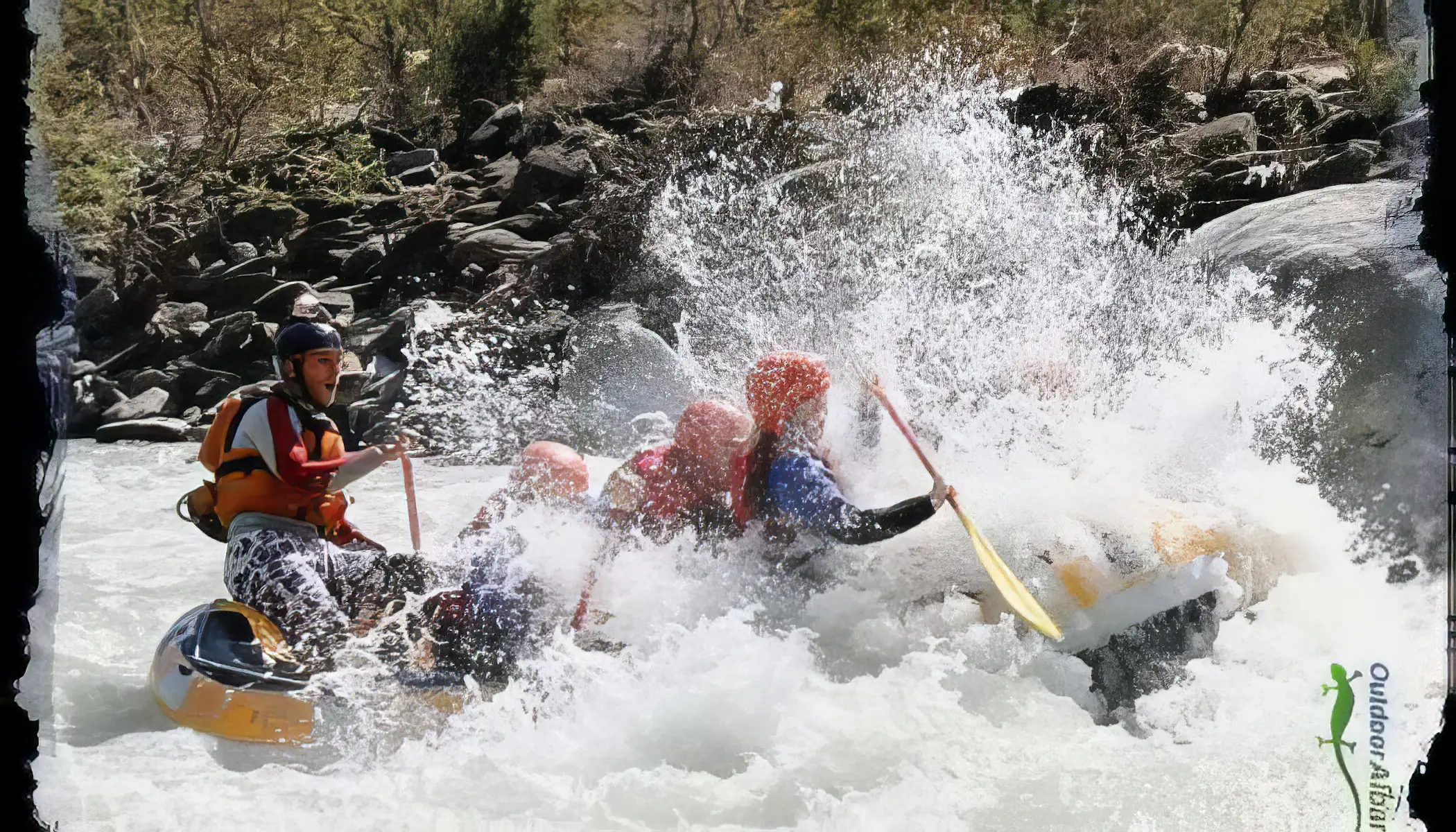
Albania offers a variety of outdoor activities for nature enthusiasts:
– Hiking in the Albanian Alps: Traverse rugged trails with sensational mountain views.
– Kayaking in Lake Koman: Paddle through narrow gorges and easygoing waters.
– Paragliding in Llogara Pass: Soar above the Ionian Sea with panoramic coastal views.
– Cycling in the Albanian Riviera: Ride along scenic coastal roads and charming villages.
– Rafting in the Vjosa River: Experience thrilling rapids in one of Europe's last wild rivers.
– Exploring Butrint National Park: Discover ancient ruins amidst luxurious landscapes.
– Caving in Pellumbas Cave: Venture into a prehistoric cave with impressive formations.
Kid Friendly
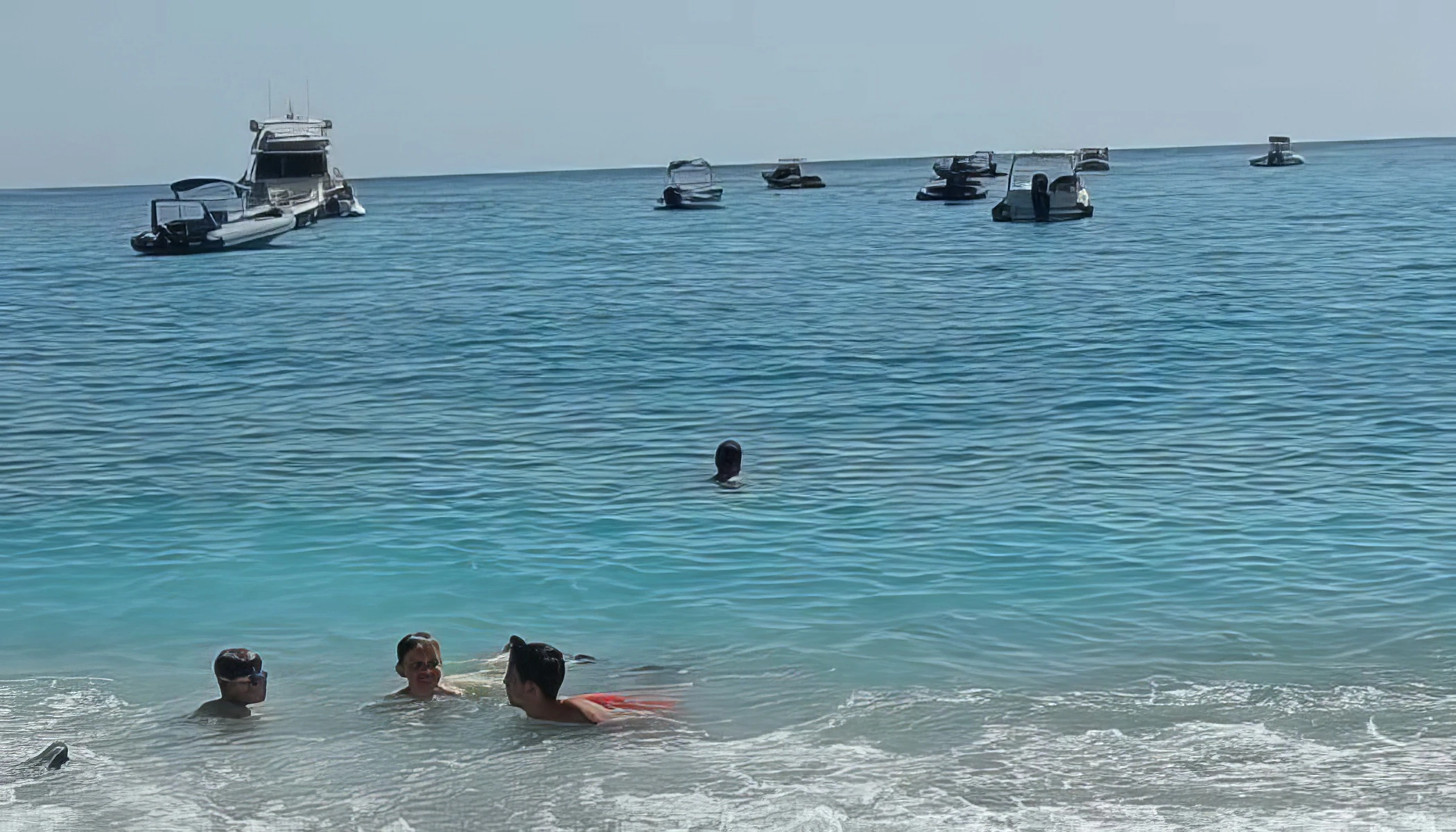
Albania offers a range of activities that are enjoyable for children.
– Butrint National Park: Explore ancient ruins and diverse wildlife in this UNESCO World Heritage site.
– Dajti Ekspres Cable Car: A scenic ride offering panoramic views of Tirana and surrounding mountains.
– Lake Skadar: Enjoy boat rides and bird watching in the largest lake in Southern Europe.
– Gjirokastër Castle: Discover history and legends in this well-preserved medieval fortress.
– Blue Eye Spring: A natural spring with crystal-clear waters, perfect for a family visit.
– Apollonia Archaeological Park: Wander through ancient ruins and learn about Albania's history.
– Llogara National Park: A great spot for hiking and picnics amidst beautiful mountain scenery.
– Adventure Park Albania: An outdoor park with zip lines and obstacle courses for active kids.
Cuisine
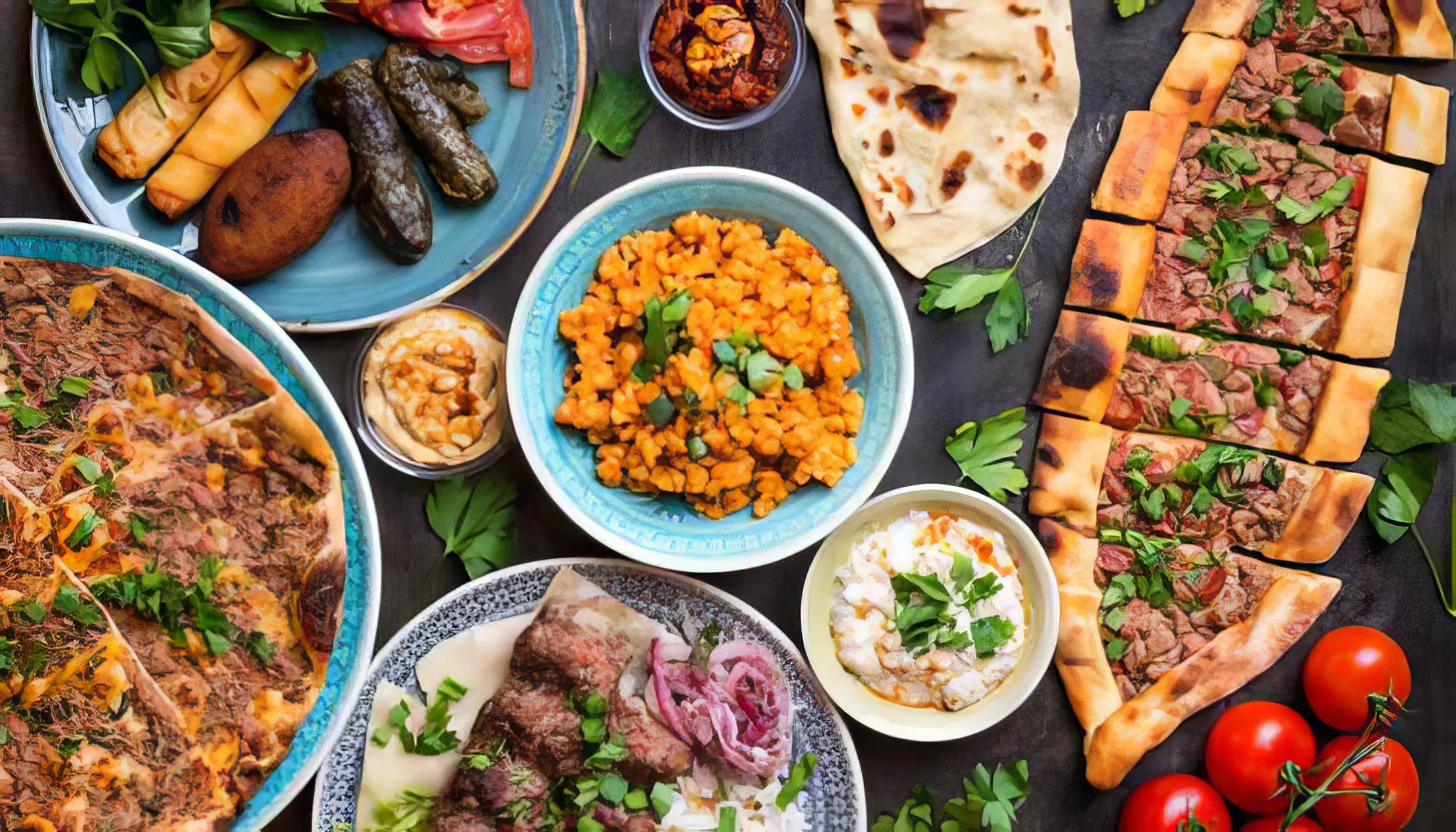
Albanian cuisine is a reflection of its Mediterranean climate and diverse cultural influences, featuring fresh produce, meats, and dairy. Traditional dishes often incorporate seasonal ingredients and are known for their simplicity and flavor. Most famous cuisine in Albania are:
– Byrek: Savory pastry filled with spinach, cheese, or meat, often enjoyed as a snack or meal.
– Tavë Kosi: Baked lamb and rice dish with yogurt and eggs, a national favorite.
– Fërgesë: Bell peppers, tomatoes, and cottage cheese baked together, typically served with bread.
– Qofte: Grilled or fried meatballs made from minced meat, herbs, and spices.
– Baklava: Sweet pastry with layers of filo, nuts, and honey syrup.
Souvenir
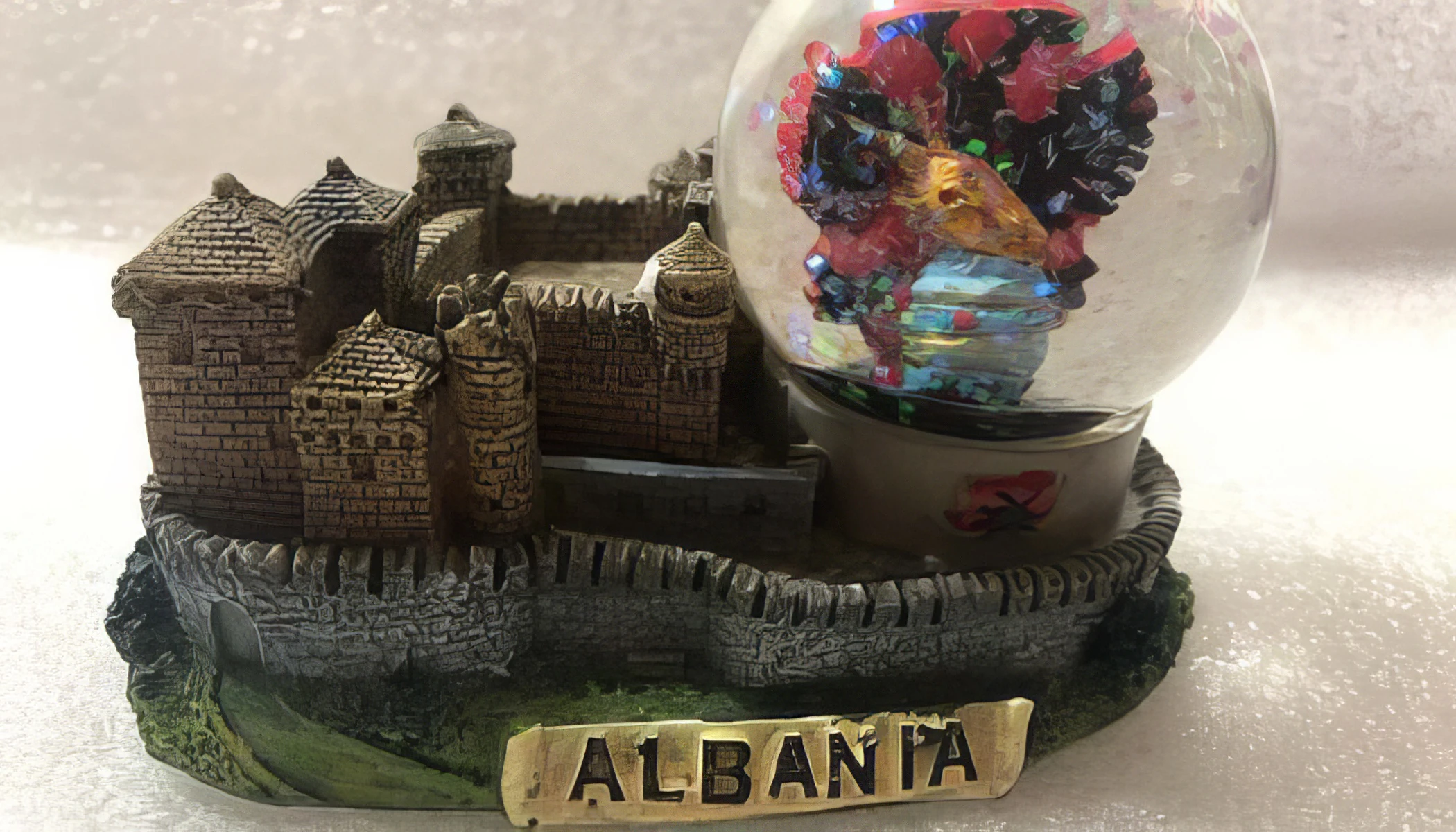
Albania offers a variety of unique souvenirs that reflect its rich culture and history. Here are some popular options:
– Skanderbeg Souvenirs: Items featuring the national hero, Skanderbeg, such as statues and keychains, are widely available.
– Olive Oil: Known for its quality, Albanian olive oil is a tasty and practical souvenir.
– Handmade Carpets: Traditional Albanian carpets are known for their sophisticated designs and craftsmanship.
– Filigree Jewelry: Delicate and detailed, Albanian filigree jewelry is a beautiful keepsake.
– Raki: This traditional Albanian spirit is a popular choice for those interested in local beverages.
– Traditional Costumes: Miniature versions of traditional Albanian costumes make for unique decorative items.
– Wood Carvings: Hand-carved wooden items, such as bowls and decorative pieces, showcase local craftsmanship.
Traditional Shows
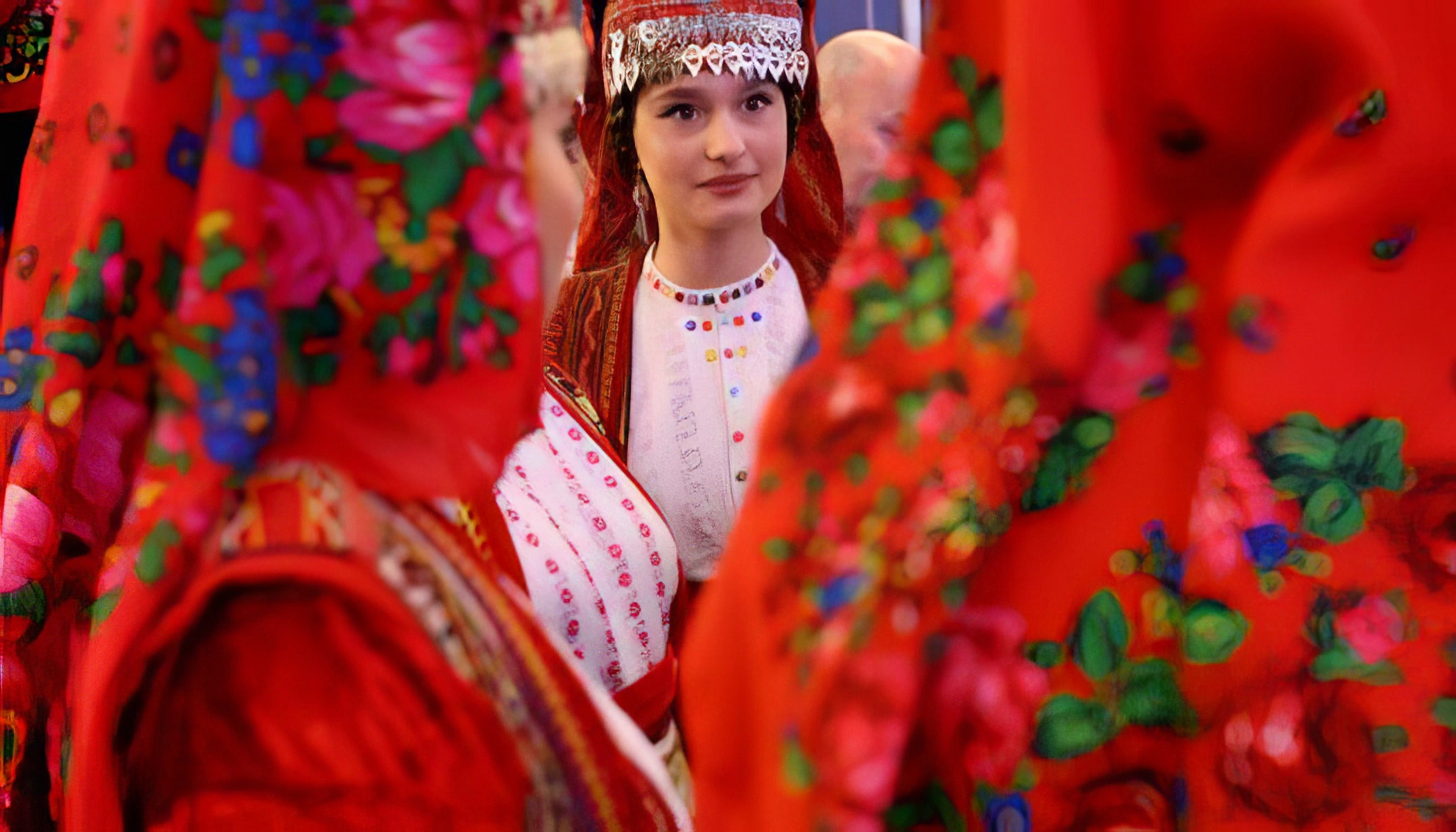
Albania offers unique traditional performances:
– Iso-Polyphony: Experience this UNESCO-recognized vocal tradition in southern Albania, featuring complex harmonies and ancient folk themes.
– Tirana Folk Festival: Held in Tirana, this festival showcases traditional Albanian music and dance, celebrating the country's rich cultural heritage.
– Gjirokastër National Folklore Festival: This event in Gjirokastër highlights diverse Albanian folk music and dance, held every five years in a historic castle.
– Shkodra Jazz Festival: Enjoy a blend of traditional and modern music in Shkodra, where local and international artists perform.
– Albanian Folk Dance: Witness lively traditional dances like the Valle, performed at cultural events and festivals across Albania.
Events & Festivals
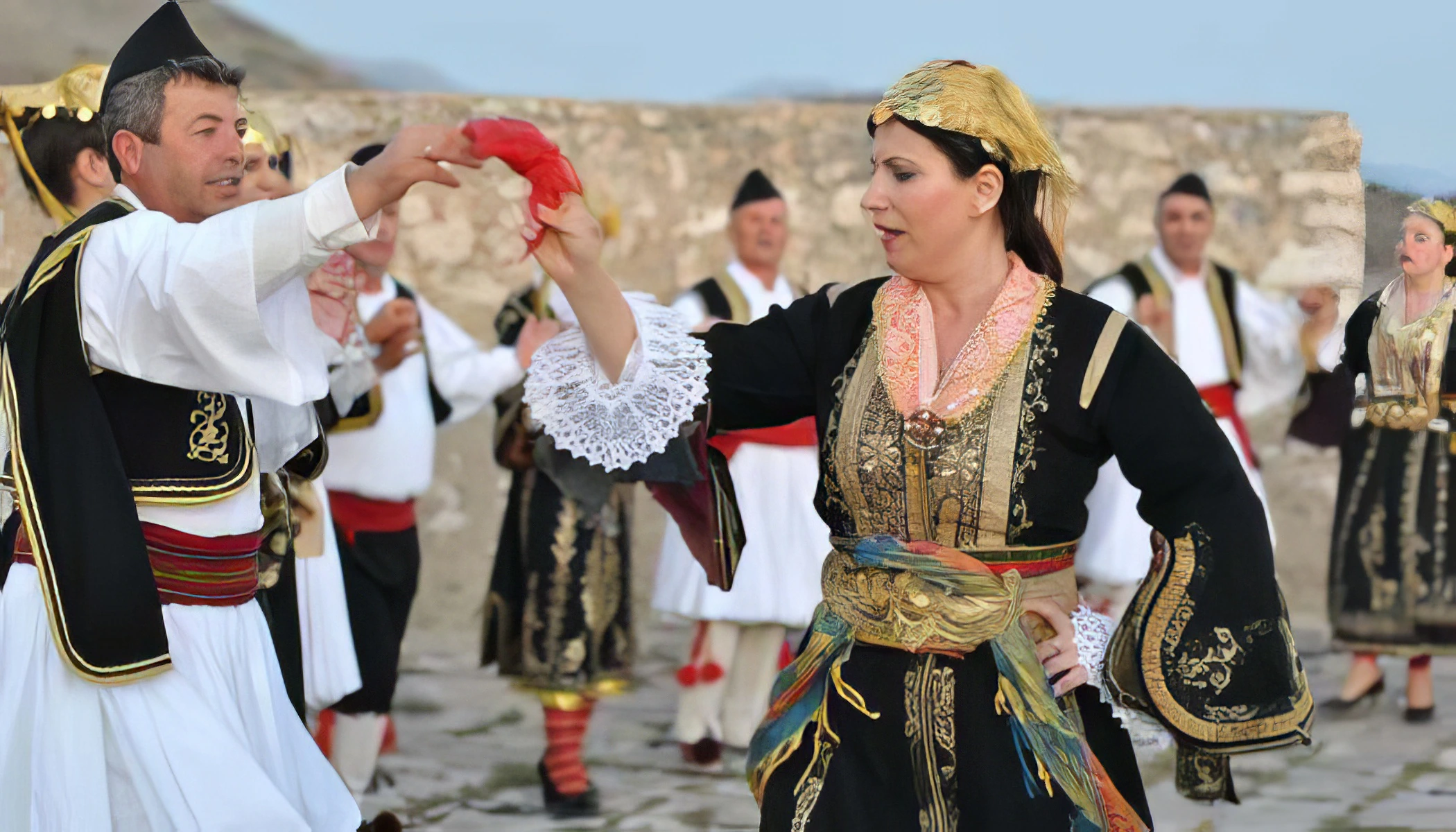
Albania hosts a variety of cultural events and festivals throughout the year, reflecting its rich traditions and history:
– Summer Day: Celebrated on March 14 in Elbasan, marking the end of winter with music and festivities.
– Independence Day: November 28 national holiday with parades and ceremonies celebrating Albania's independence from the Ottoman Empire.
– Tirana International Film Festival: Annual November event showcasing international and local films in the capital.
– Gjirokastër National Folklore Festival: Held every five years, featuring traditional music and dance performances.
– Korça Beer Festival: August event in Korça, offering local brews, music, and entertainment.
– Lake Shkodra Festival: July festival with boat races, music, and cultural activities by Lake Shkodra.
– DokuFest: August documentary and short film festival in Prizren, attracting filmmakers and audiences worldwide.
Famous People

Albania has a rich history of notable individuals who have made significant contributions to various fields.
– Mother Teresa (1910 to 1997, Skopje): Catholic nun and missionary, Nobel Peace Prize laureate for her humanitarian work.
– Ismail Kadare (born 1936, Gjirokastër): Renowned novelist and poet, known for works exploring Albanian history and identity.
– Skanderbeg (1405 to 1468, Dibër): National hero and military leader who resisted Ottoman Empire invasions in the 15th century.
– Enver Hoxha (1908 to 1985, Gjirokastër): Communist leader who ruled Albania for over four decades, establishing a strict regime.
– Dua Lipa (born 1995, London): International pop singer with Albanian roots, known for her chart-topping hits and awards.
Books
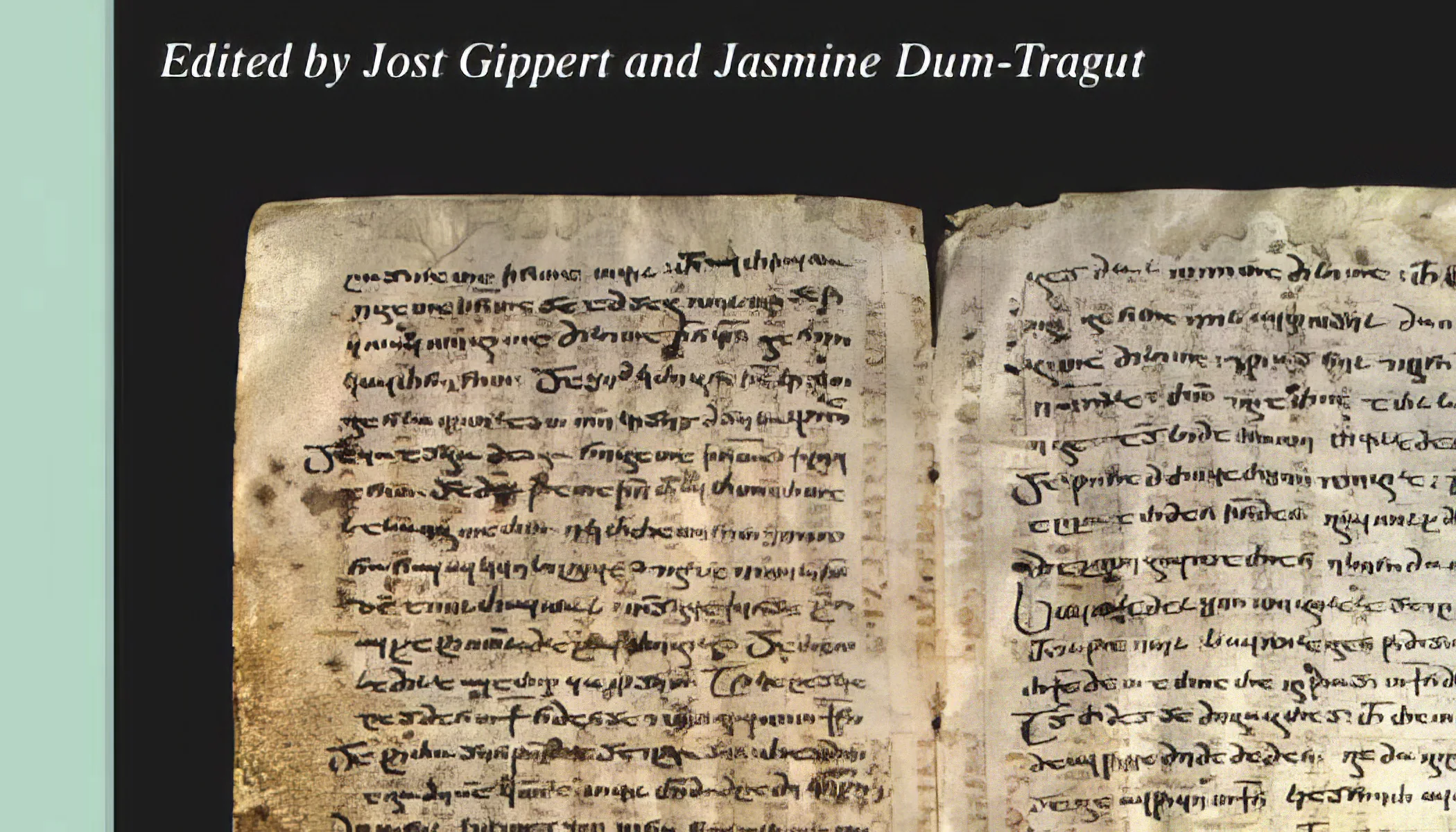
These books provide insights into Albania's history, culture, and the complexities of its society through various narratives and perspectives.
– "Chronicle in Stone" by Ismail Kadare: A child's perspective on war-torn Albania during World War II.
– "Broken April" by Ismail Kadare: Explores the Kanun, Albania's traditional code of law, and its impact on personal lives.
– "The General of the Dead Army" by Ismail Kadare: An Italian general's quest to recover soldiers' remains in post-war Albania.
– "Sworn Virgin" by Elvira Dones: A woman's journey from living as a man under Albanian tradition to rediscovering her identity.
– "Free: Coming of Age at the End of History" by Lea Ypi: A memoir of growing up in Albania during the fall of communism.
Songs
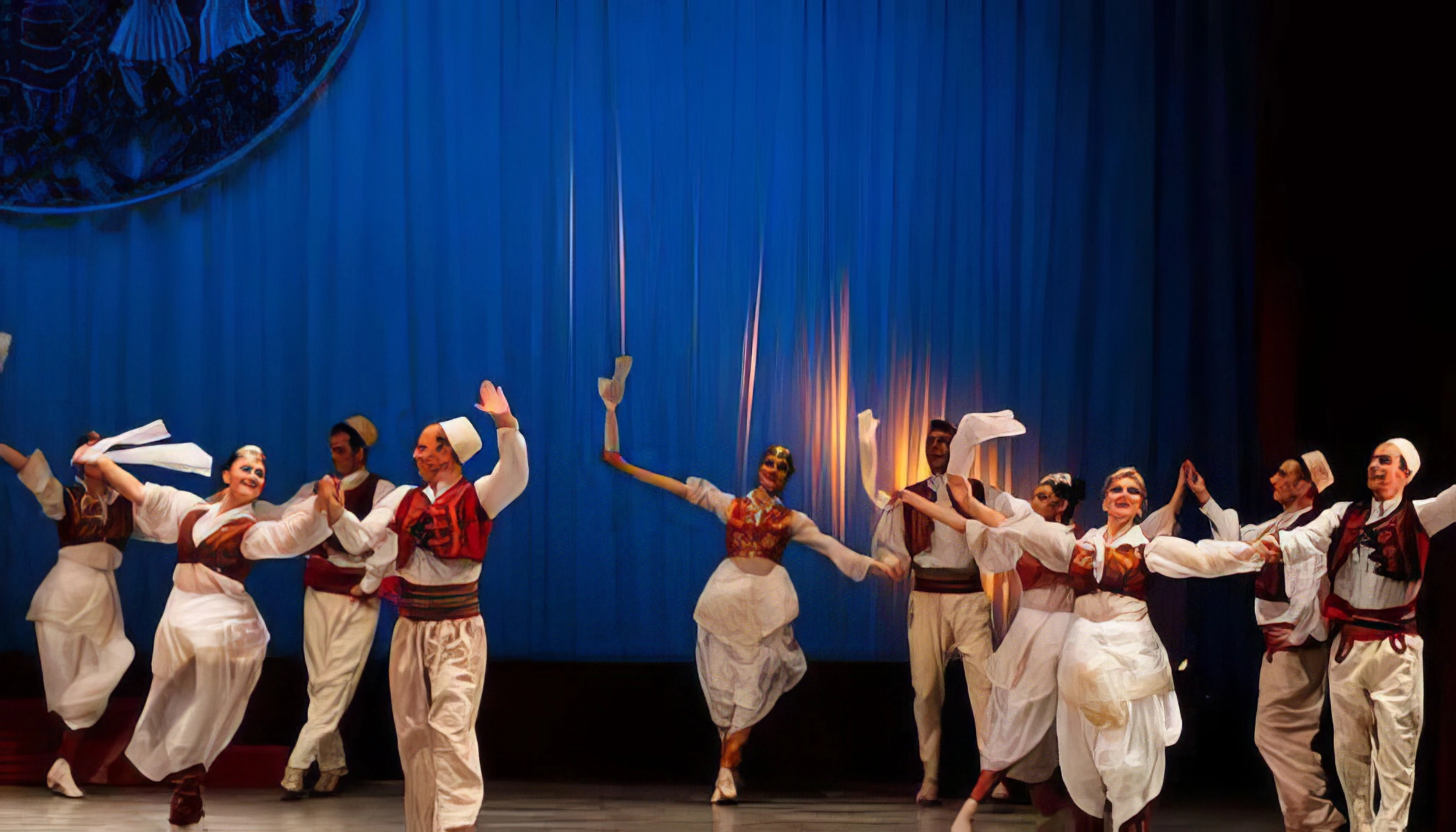
Albanian music is rich with traditional and modern influences, reflecting the country's cultural heritage and contemporary spirit.
– Xhamadanin: A patriotic song celebrating Albanian identity and pride.
– Dua Ta Shijoj: A popular modern hit by Albanian singer Elvana Gjata.
– Zemren E Lame Peng: A heartfelt ballad by Albanian artist Alban Skenderaj.
– Kenga e Rexhës: Traditional folk song often performed at cultural events.
– Ma Kthe: A contemporary pop song by Albanian singer Arilena Ara.
– Moj e Bukura More: A classic folk song expressing nostalgia for the Albanian homeland.
Films
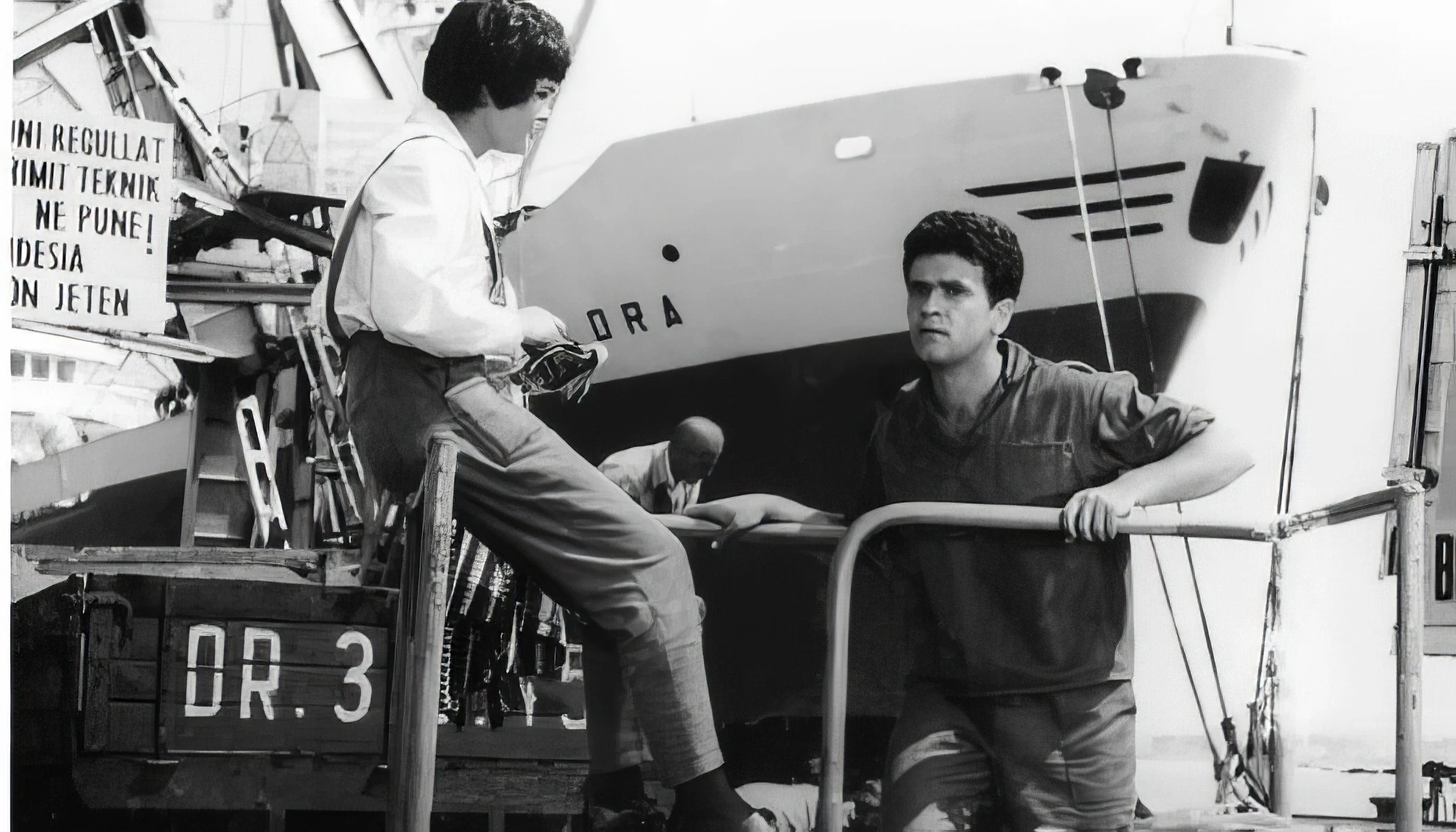
Explore the cinematic landscape of Albania through these notable films:
– "The Great Warrior Skanderbeg": A historical epic depicting the life of Albania's national hero, Skanderbeg, and his battles against the Ottoman Empire.
– "Bota": A contemporary drama set in a small Albanian village, exploring themes of isolation and the impact of the past.
– "Slogans": A satirical film about life under communist rule, focusing on a teacher's struggle with absurd political slogans.
– "The Forgiveness of Blood": A drama by Joshua Marston, examining the effects of a blood feud on a rural Albanian family.
– "Chronicle of an Exile": A documentary-style film that delves into the life of an Albanian family during the communist era.