

Travel Guide to Algeria: Top Things to Do & Tips
Located in North Africa, this country features vast Sahara Desert landscapes and a Mediterranean coastline. Rich in history, it boasts ancient Roman ruins and lively cities like Algiers. Its diverse culture reflects Arab, Berber, and French influences.
- Capital
- Algiers
- Population
- 34.6 millions
- Superficy
- 2382000 sq.km
- Months to Visit
- Mar. to May & Sept. to Nov.
- Living Cost
- Economical
Overview
Algeria, located in North Africa, is the largest country on the continent by land area. Its capital, Algiers, is a coastal city known for its Ottoman and French colonial architecture. The country features diverse landscapes, including part of the Sahara Desert, the Atlas Mountains, and a Mediterranean coastline. Algeria's economy is heavily reliant on oil and natural gas exports. The nation has a rich history influenced by various cultures, including Berber, Arab, and French. Despite its natural resources and cultural heritage, Algeria faces challenges such as political instability and economic diversification.
Pros & Cons
GOOD REASONS TO VISIT ALGERIA
– Rich History: Explore Roman ruins in Timgad and Djemila, showcasing Algeria's ancient past.
– Sahara Desert: Experience vast dunes, camel treks, and stunning sunsets in the world's largest desert.
– Diverse Landscapes: From Mediterranean coastlines to the Atlas Mountains, Algeria offers varied natural beauty.
– Cultural Heritage: Discover Berber traditions and energetic markets reflecting Algeria's diverse cultural tapestry.
– Unique Architecture: Visit Algiers' Casbah with its Ottoman-era buildings and narrow winding streets. CHALLENGES WHEN VISITING ALGERIA
– Safety Concerns: Some areas have travel advisories due to security issues; check government advice before visiting.
– Language Barrier: French and Arabic are predominant; English is not widely spoken outside major cities.
– Limited Tourism Infrastructure: Fewer tourist facilities compared to neighboring countries; plan accommodations and transport carefully.
Before Departure
Before traveling to Algeria, consider the following essential information:
– Passport: Ensure your passport is valid for at least six months from your entry date.
– Visa: Most tourists need a visa before arrival. Tourist visas are typically valid for 30 days; apply through Algerian consulates.
– Currency: Algerian Dinar (DZD); credit cards are not widely accepted; ATMs available in major cities.
– Internet access: WiFi is available in hotels and cafes in urban areas; consider purchasing a local SIM card for better connectivity.
– Language barrier: Arabic and Berber are official languages; French is widely spoken, but English is not commonly used.
What to Pack
Traveling to Algeria requires preparation for diverse climates and cultural considerations.
– Essentials: Passport and visa (if required), travel insurance, flight tickets, itinerary, accommodation confirmations, and local currency or credit card.
– Clothing: Modest clothing respecting local customs, comfortable walking shoes, lightweight layers for varying temperatures, hat and sunglasses for sun protection.
– Health & Safety: Prescription medications, basic first aid kit, insect repellent, sunscreen with high SPF, personal hygiene items.
– Electronics: Travel adapter for Algerian outlets, mobile phone with charger, camera with extra batteries or memory card.
Weather
Weather in Algeria varies significantly between coastal and inland regions:
– Winter (December to February): Coastal areas are mild and wet, while the Sahara is cold at night.
– Spring (March to May): Coastal regions are warm with occasional rain; the Sahara starts heating up.
– Summer (June to August): Coastal areas are hot and dry; the Sahara is extremely hot during the day.
– Autumn (September to November): Coastal regions cool down with some rain; the Sahara remains warm. April to June and September to November are ideal for visiting Algeria.
– Pros: Pleasant temperatures, fewer tourists, and charming landscapes.
– Cons: Some attractions may have limited access due to off-peak season operations.
Travel Budget
Algeria offers a range of budget-friendly options for travelers. Here are some average prices for common expenses:
– Hotel: 30$ to 120$
– Lunch: 3$ to 10$
– Beverage (in bar/restaurant): 1$ to 4$
– Coffee: 0.5$ to 2$
– Transportation: (train 5$ to 20$), (bus 0.2$ to 1.5$), (taxi /10km 3$ to 8$)
– Mobile data (per GB): 1.5$ to 4$
Language
In Algeria, Arabic is the official language, and here are some useful phrases for tourists:
– Hello: مرحبا (Marhaban)
– Thank you: شكرا (Shukran)
– Please: من فضلك (Min fadlak/fadlik) [male/female]
– How much is this?: بكم هذا؟ (Bikam hatha?)
– Excuse me: عفوا (Afwan)
– I don't understand: لا أفهم (La afham)
– Yes: نعم (Na'am)
– No: لا (La)
– Goodbye: مع السلامة (Ma'a as-salama)
History
Its history includes periods of Berber kingdoms, Roman rule, and Arab conquest in the 7th century, which introduced Islam. The region later became part of the Ottoman Empire in the 16th century. French colonization began in 1830, lasting over a century and leading to significant cultural and social changes. The struggle for independence culminated in the Algerian War from 1954 to 1962, resulting in Algeria gaining independence from France. Post-independence, the country faced political instability and economic challenges, including a civil war during the 1990s. Today, Algeria is a republic with a rich cultural heritage influenced by its diverse historical roots.
Geopolitics
Located in North Africa, Algeria is the largest country on the continent, sharing borders with Tunisia, Libya, Niger, Mali, Mauritania, Western Sahara, and Morocco. It has a significant coastline along the Mediterranean Sea. The country is a major player in the African Union and the Arab League and maintains strong ties with both Western and non-Western countries. Algeria's economy heavily relies on its oil and natural gas exports, making it influential in global energy markets. It has historically maintained a policy of non-interference but is involved in regional security issues due to instability in neighboring countries like Libya and Mali. Tensions with Morocco over Western Sahara remain a key geopolitical issue.
Sample Itinerary
This itinerary covers Algeria's rich history, diverse landscapes, and cultural heritage from Algiers to the Sahara Desert.
– 2 days in Algiers: Explore the Casbah, visit the Martyrs' Memorial, and tour the Bardo National Museum. Stroll along the waterfront promenade.
– 1 day in Tipaza: Visit Roman ruins including the amphitheater and basilica. Enjoy views of the Mediterranean Sea.
– 1 day in Constantine: Discover the city's dramatic bridges, explore the ancient Kasbah, and visit the Palace of Ahmed Bey.
– 2 days in Ghardaia: Experience M'zab Valley's unique architecture and culture. Visit local markets and traditional houses.
– 2 days in Tamanrasset: Explore Hoggar Mountains' landscapes. Visit Assekrem for sunrise or sunset views over the desert.
– 1 day in Djanet: Discover Tassili n'Ajjer National Park's prehistoric rock art and beautiful desert scenery.
Popular cities
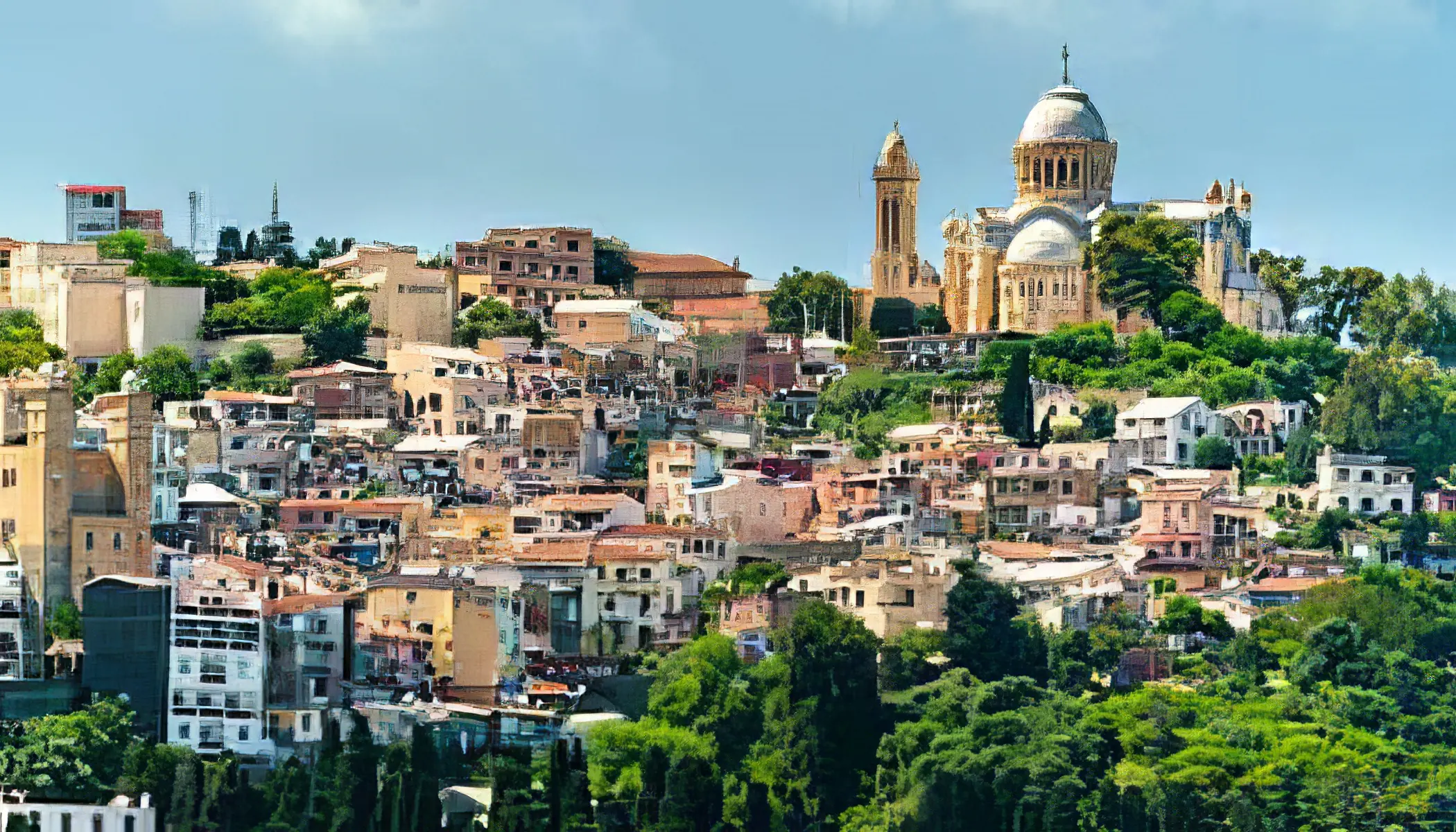
Explore Algeria's diverse cities, each offering unique cultural and historical experiences:
– Algiers: The capital city features Ottoman architecture, the Casbah, and dynamic street life.
– Oran: Known for its lively music scene, colonial architecture, and coastal views.
– Constantine: Famous for its dramatic bridges and ancient history as the "City of Bridges."
– Tlemcen: Offers a rich history with Islamic architecture and beautiful gardens.
– Annaba: A coastal city known for its beaches and the ancient ruins of Hippo Regius.
– Ghardaïa: Part of the M'zab Valley, known for its unique desert architecture and UNESCO status.
– Timimoun: A desert oasis town with beautiful red sand dunes and traditional Saharan culture.
Monuments
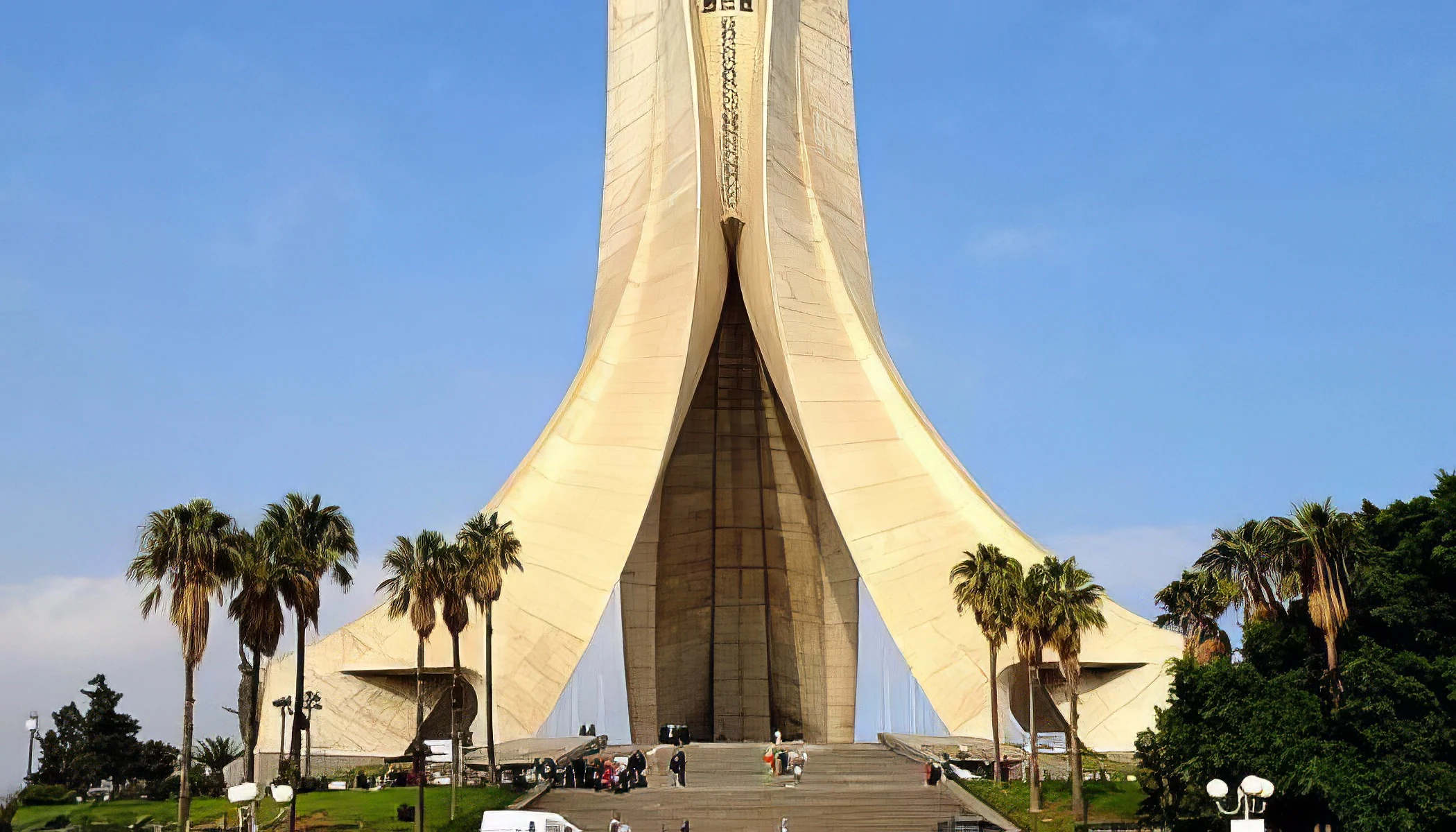
Algeria is home to several notable monuments worth visiting:
– Casbah of Algiers: UNESCO site, historic medina with narrow alleys and Ottoman-era architecture.
– Tassili n'Ajjer: Vast plateau with prehistoric rock art and nice sandstone formations.
– M'zab Valley: Unique desert architecture in a cluster of fortified towns, a UNESCO World Heritage site.
– Timgad: Well-preserved Roman ruins showcasing ancient city planning and architecture.
– Notre Dame d'Afrique, Algiers: Prominent basilica offering panoramic views of the city and sea.
– Djémila: Roman archaeological site known for its temples, basilicas, and triumphal arches.
– Ketchaoua Mosque, Algiers: Historic mosque blending Moorish and Byzantine architectural styles.
– Fort Santa Cruz, Oran: 16th-century Spanish fort providing views over Oran and the Mediterranean Sea.
Natural wonder
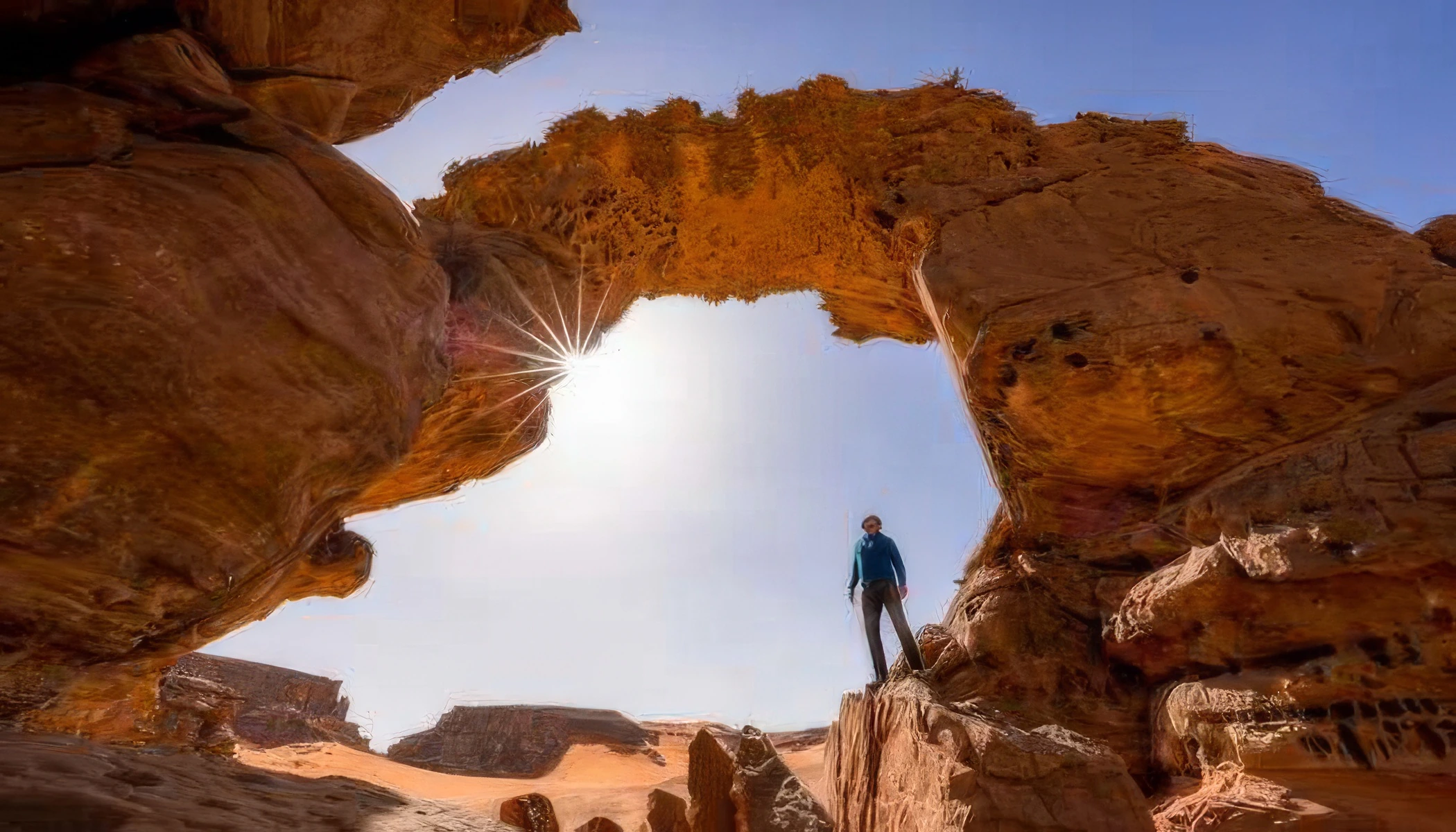
Explore Algeria's diverse landscapes and natural wonders:
– Tassili n'Ajjer: Vast plateau with prehistoric rock art and unique sandstone formations.
– Hoggar Mountains: Rugged mountain range offering dramatic landscapes and ancient volcanic peaks.
– M'zab Valley: Oasis valley known for its unique architecture and palm groves.
– Chrea National Park: Offers diverse flora, fauna, and scenic views of the Atlas Mountains.
– Tadrart Rouge: Sensational desert region with red sand dunes and striking rock formations.
– Gouraya National Park: Coastal park featuring cliffs, beaches, and rich biodiversity.
– Ahaggar National Park: Known for its volcanic landscapes and the iconic Assekrem peak.
– Djurdjura National Park: Mountainous area with dense forests, wildlife, and hiking trails.
– El Kala National Park: Wetland reserve home to diverse ecosystems and bird species.
– Belezma National Park: Offers mountainous terrain with rich flora and fauna diversity.
Beaches
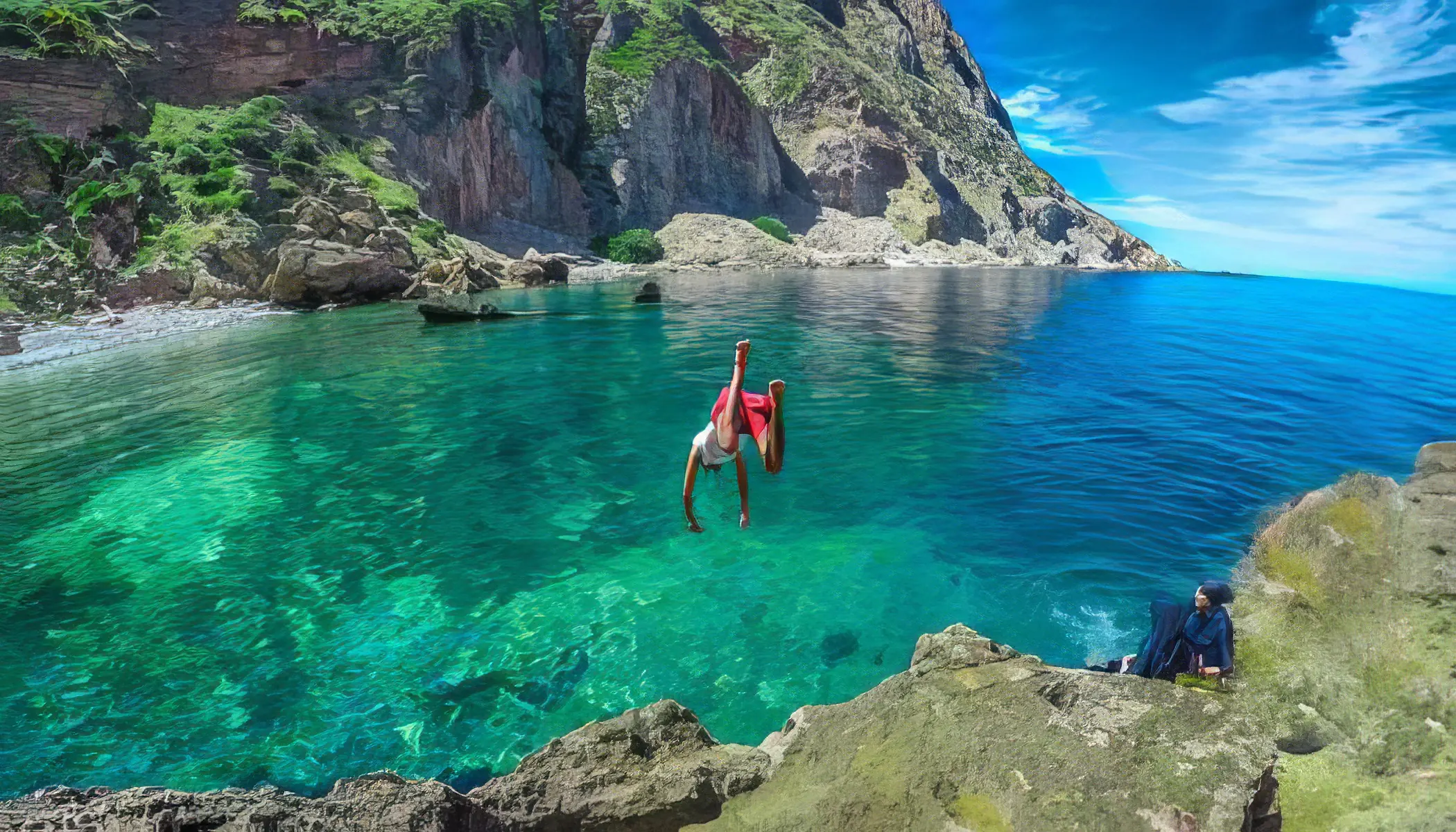
Algeria has a Mediterranean coastline with several notable beaches.
– Sidi Fredj Beach: Known for its historical port and family-friendly atmosphere near Algiers.
– Ain Taya Beach: Popular for its sandy shores and proximity to Algiers.
– Bejaia Beach: Offers scenic views and is close to the city of Bejaia.
– Oran Beach: Features lively surroundings and is located near the city of Oran.
– Mostaganem Beaches: Known for clear waters and a variety of beach options in Mostaganem.
– Jijel Beaches: Offers natural beauty with rocky cliffs and sandy stretches in Jijel province.
– Tipaza Beach: Famous for Roman ruins nearby and clear waters.
Outdoor activities
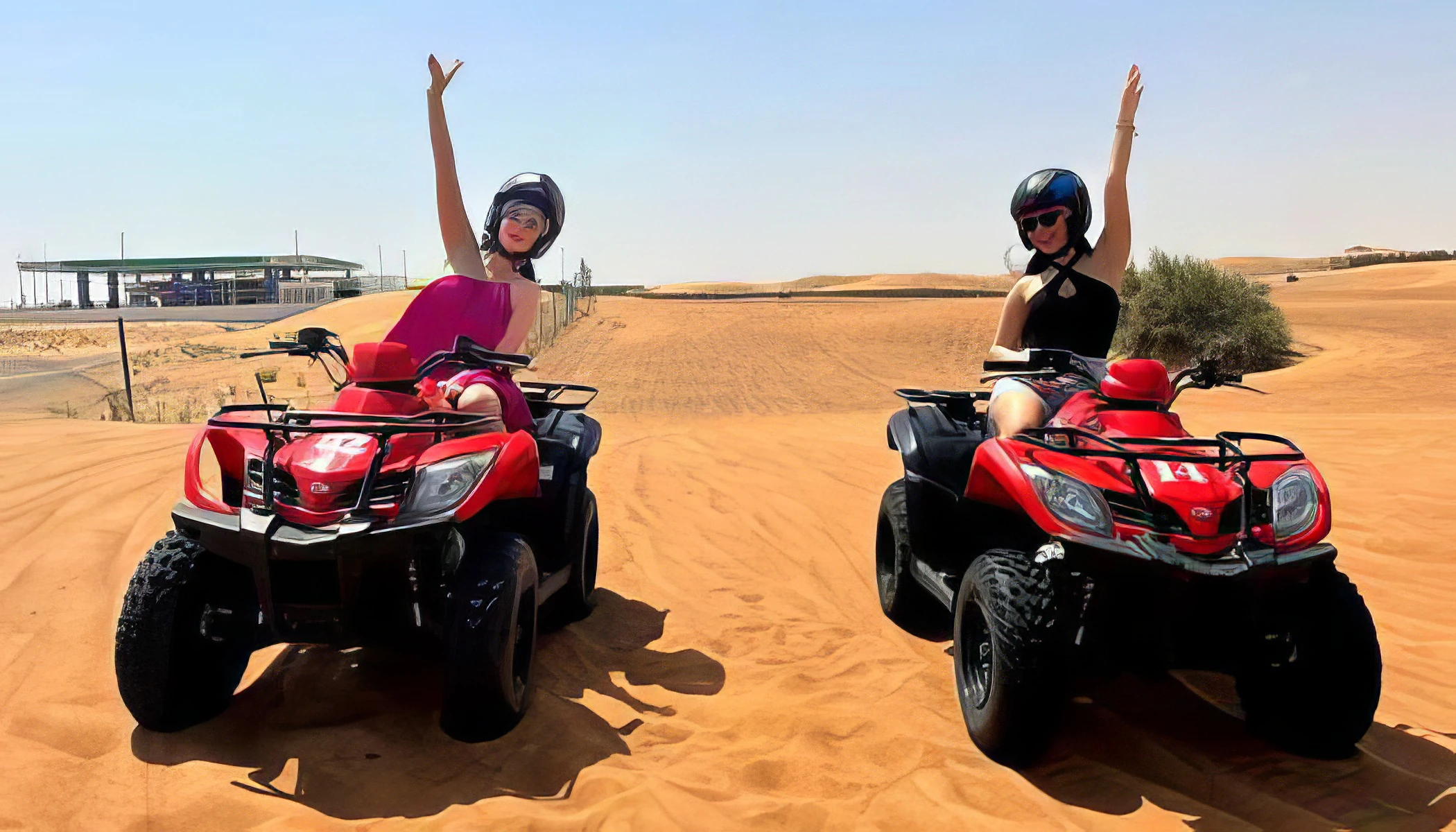
Algeria offers a variety of outdoor activities for nature and adventure enthusiasts:
– Hiking in the Hoggar Mountains: Explore rugged landscapes and ancient rock formations.
– Camel Trekking in the Sahara Desert: Experience vast dunes and starry nights on a traditional camel ride.
– Rock Climbing in Tassili n'Ajjer: Scale unique sandstone formations with stunning views.
– Bird Watching in El Kala National Park: Observe diverse bird species in sumptuous wetlands.
– Sandboarding in the Grand Erg Occidental: Glide down some of the largest sand dunes in the world.
– Exploring Timgad Ruins: Walk through well-preserved Roman ruins amidst scenic surroundings.
– Diving in Algiers Bay: Discover underwater marine life along Algeria's Mediterranean coast.
Kid Friendly
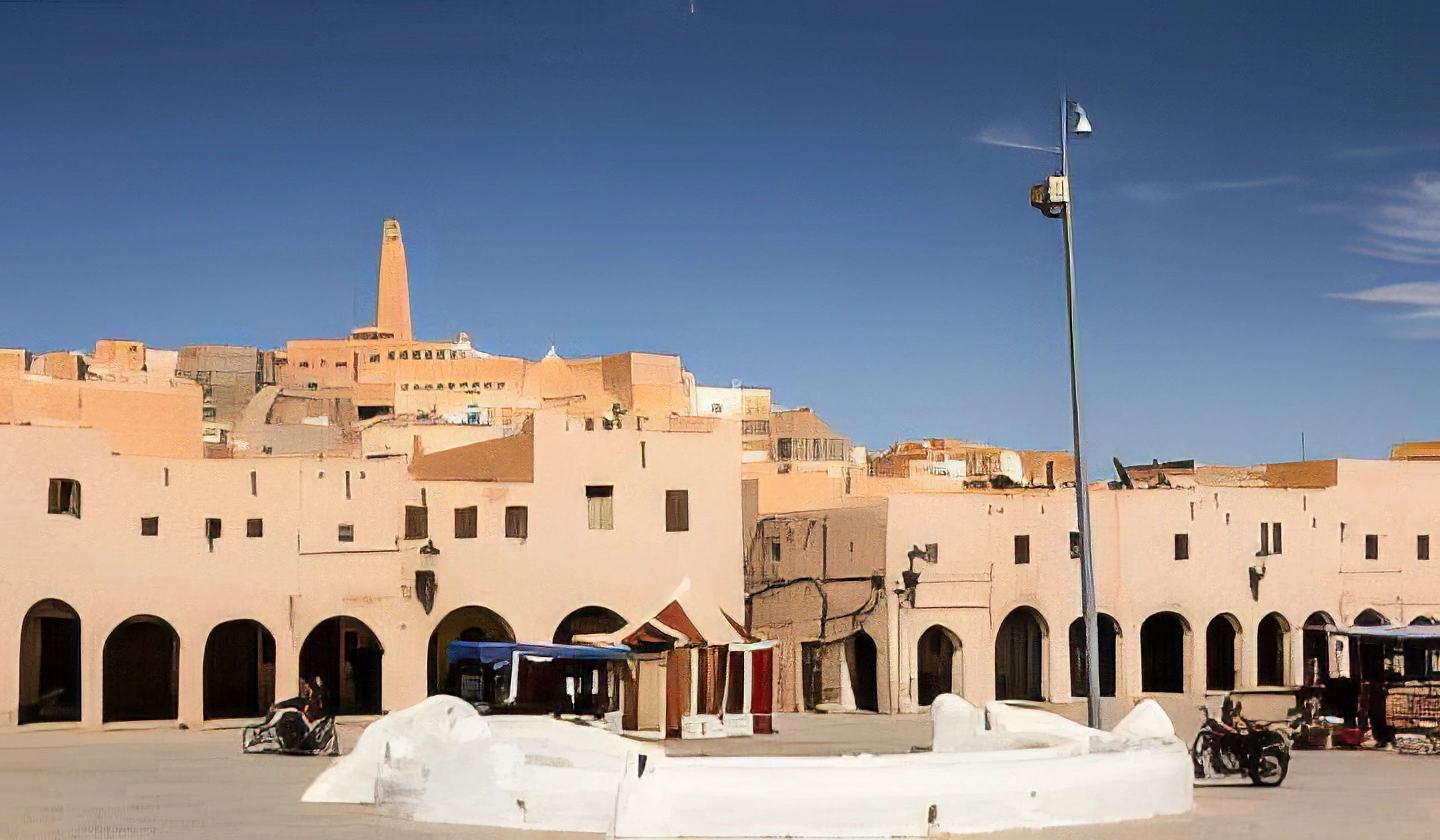
Algeria offers several engaging activities for children to enjoy.
– Tassili n'Ajjer: Explore ancient rock art and unique sandstone formations in this UNESCO World Heritage site.
– Algiers Zoo: A small zoo with a variety of animals, perfect for a family outing.
– Timgad Ruins: Discover the well-preserved Roman ruins that offer a glimpse into ancient history.
– Bardo National Museum: A museum with fascinating exhibits on Algeria's history and culture, suitable for curious kids.
– Djemila: Visit this ancient Roman city with impressive ruins and mosaics that children can explore.
– Botanical Garden Hamma: A peaceful garden in Algiers with diverse plant species and open spaces for kids to play.
– Bejaia Beaches: Enjoy family-friendly beaches with opportunities for swimming and sandcastle building.
– Ghardaia Market: Experience local culture at this beautiful market, where families can explore traditional crafts and foods.
Cuisine
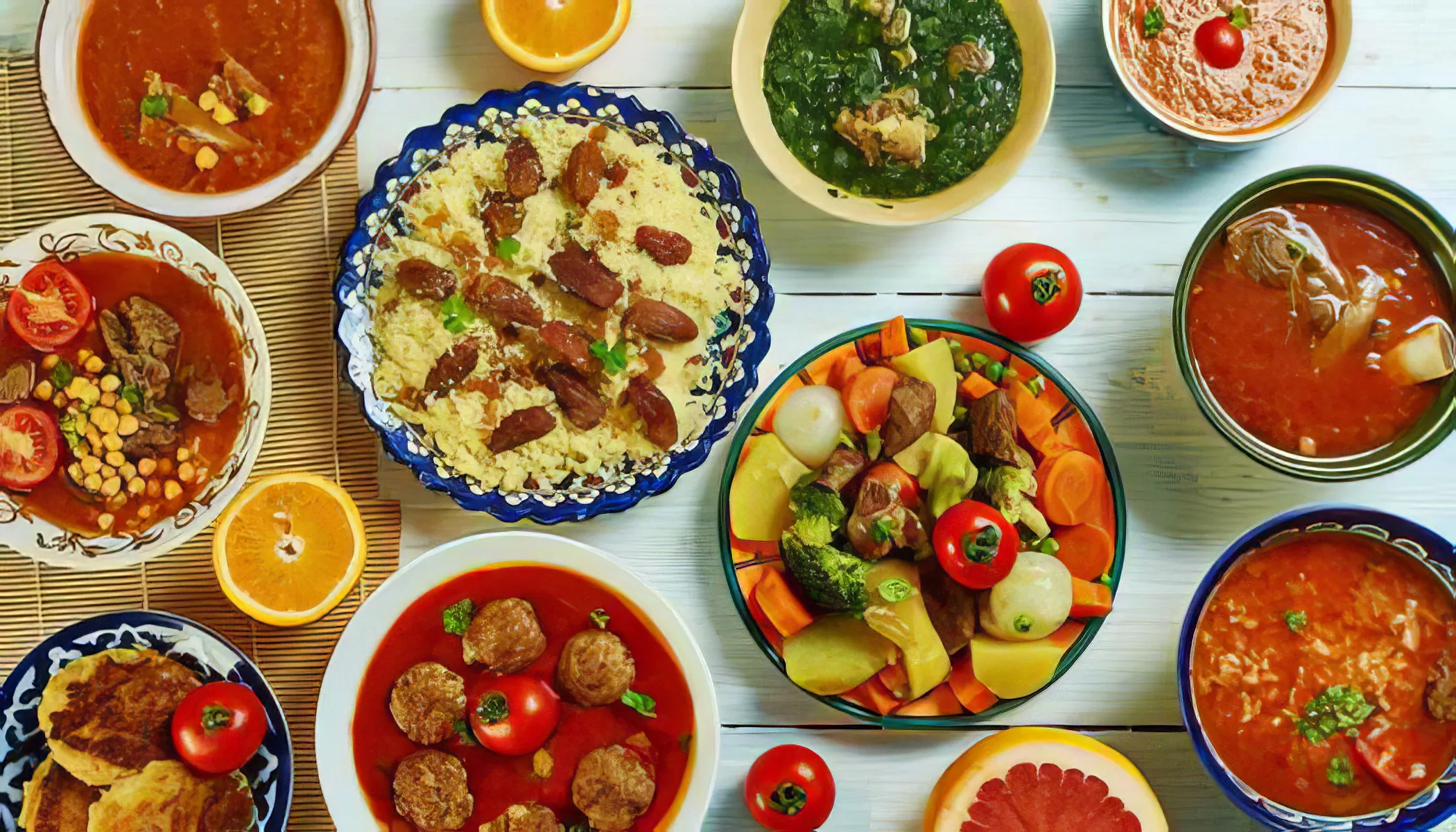
Algerian cuisine is a rich blend of Mediterranean, Berber, and Arab influences, featuring hearty and flavorful dishes. It often includes spices, grains, and meats, reflecting the country's diverse cultural heritage. Traditional meals are commonly shared with family and friends.
– Couscous: Steamed semolina grains served with meat, vegetables, and a spicy sauce.
– Tajine: Slow-cooked stew with meat or fish, vegetables, and aromatic spices.
– Chorba: Hearty soup made with lamb or chicken, vegetables, and spices.
– Merguez: Spicy lamb or beef sausage seasoned with cumin and chili.
– Makroud: Semolina pastry filled with dates or almonds, often soaked in honey.
Souvenir
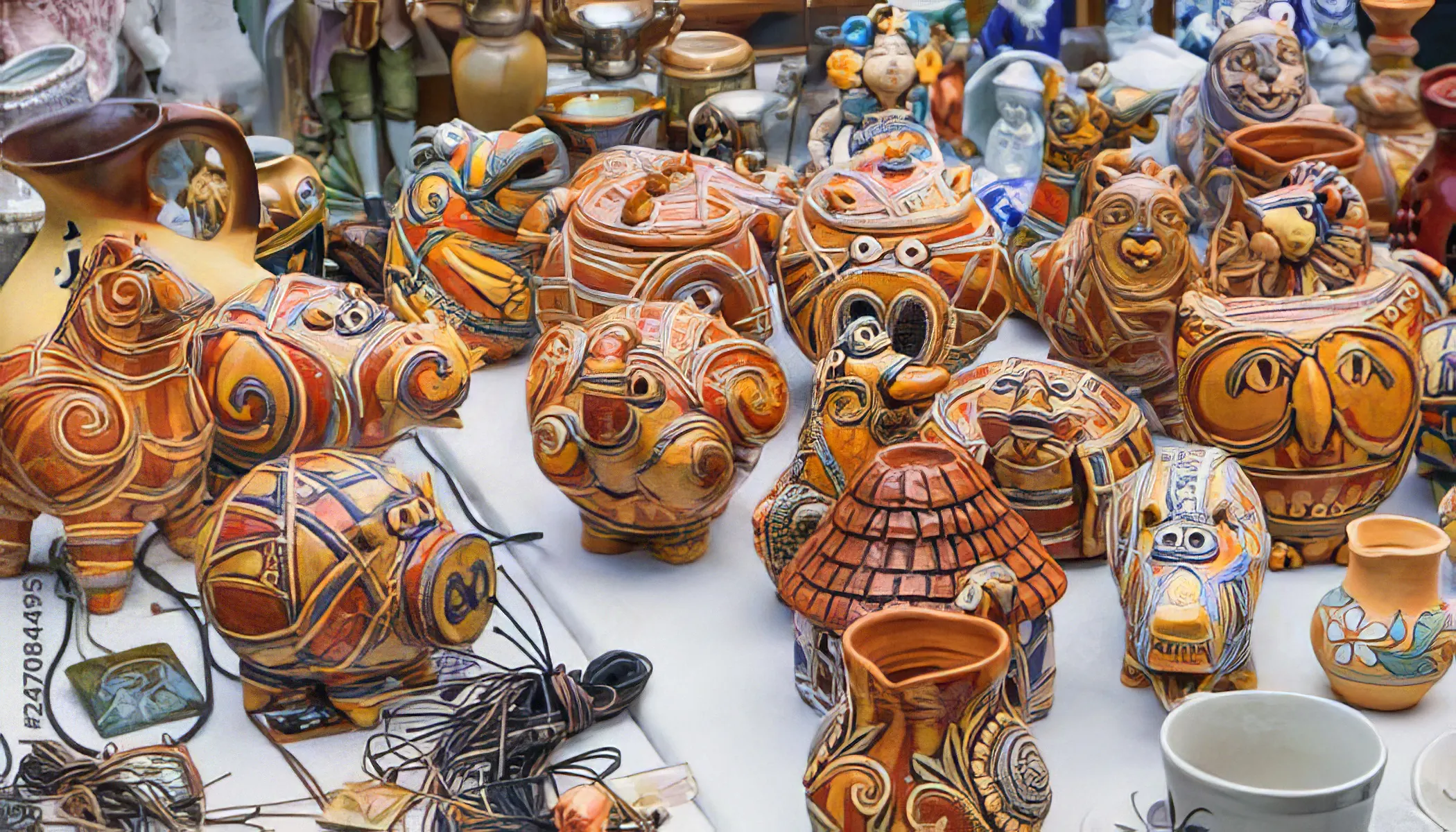
Algeria offers a variety of unique souvenirs that reflect its rich culture and history. Here are some popular options:
– Berber Carpets: Handwoven carpets with traditional Berber designs, known for their beautiful colors and patterns.
– Pottery: Traditional Algerian pottery features beautiful designs and is often used for decorative purposes.
– Leather Goods: High-quality leather bags, shoes, and belts crafted by skilled artisans.
– Dates: Algeria is famous for its delicious dates, particularly the Deglet Nour variety.
– Silver Jewelry: Berber-style silver jewelry is popular, often featuring complex designs and semi-precious stones.
– Traditional Clothing: Garments like the Gandoura or Burnous are traditional Algerian clothing items worth considering.
– Spices: A variety of local spices can be found in markets, perfect for adding flavor to your cooking.
Traditional Shows
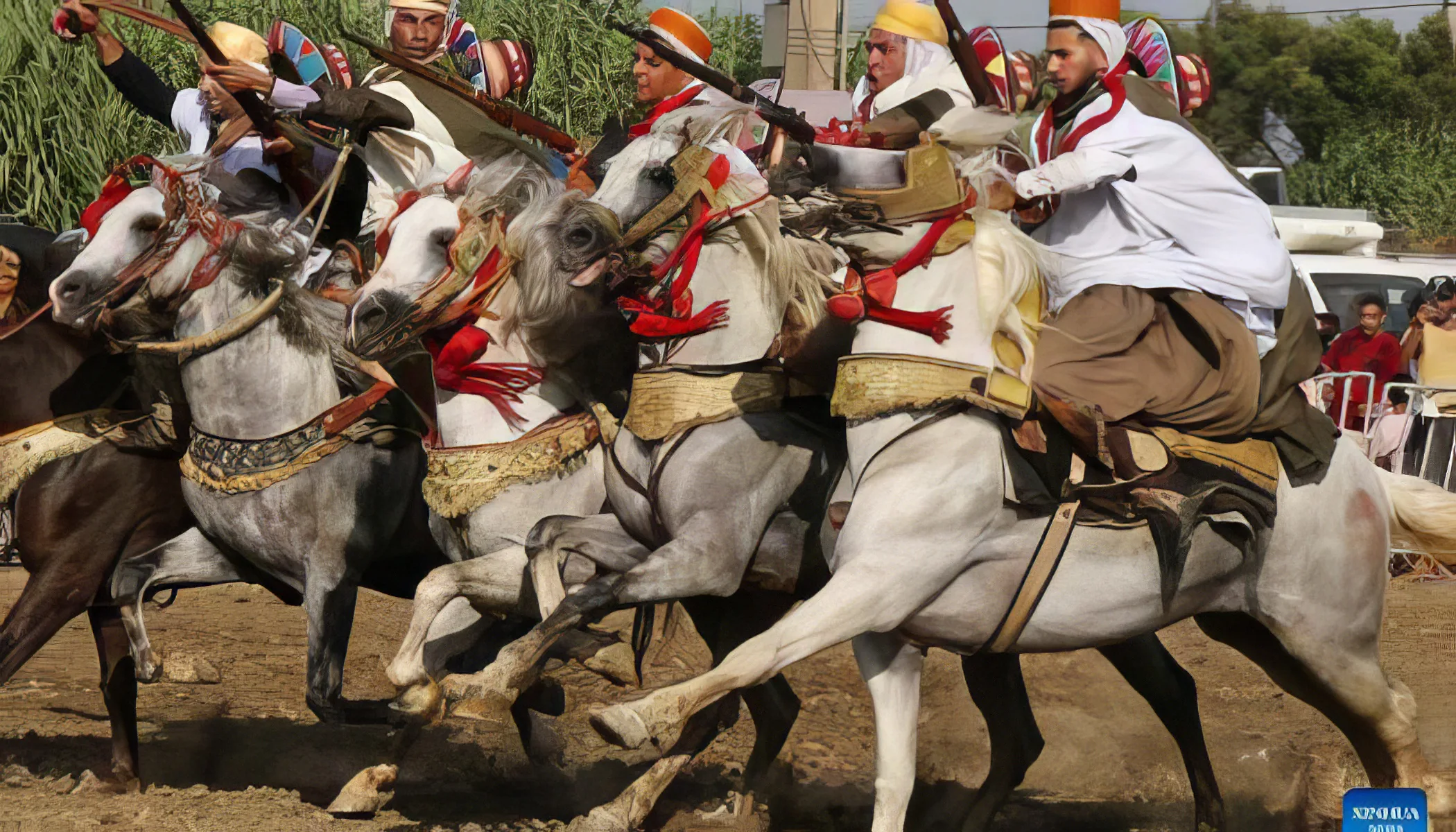
Algeria offers a variety of traditional music and art performances:
– Rai Music: Originating from Oran, this popular genre blends traditional Algerian folk music with modern sounds, often addressing social issues.
– Chaabi Music: Experience this urban folk music in Algiers, known for its poetic lyrics and Andalusian influences, reflecting the city's cultural diversity.
– Kabyle Music: Discover the rich Berber heritage through Kabyle songs, featuring traditional instruments and performed in the Kabylie region.
– Gnawa Music: Enjoy spiritual and rhythmic performances in cities like Algiers or Tamanrasset, combining African, Berber, and Arabic musical traditions.
– Ahellil of Gourara: Witness this UNESCO-listed performance in Timimoun, where poetry, dance, and music celebrate the cultural identity of the Gourara region.
Events & Festivals
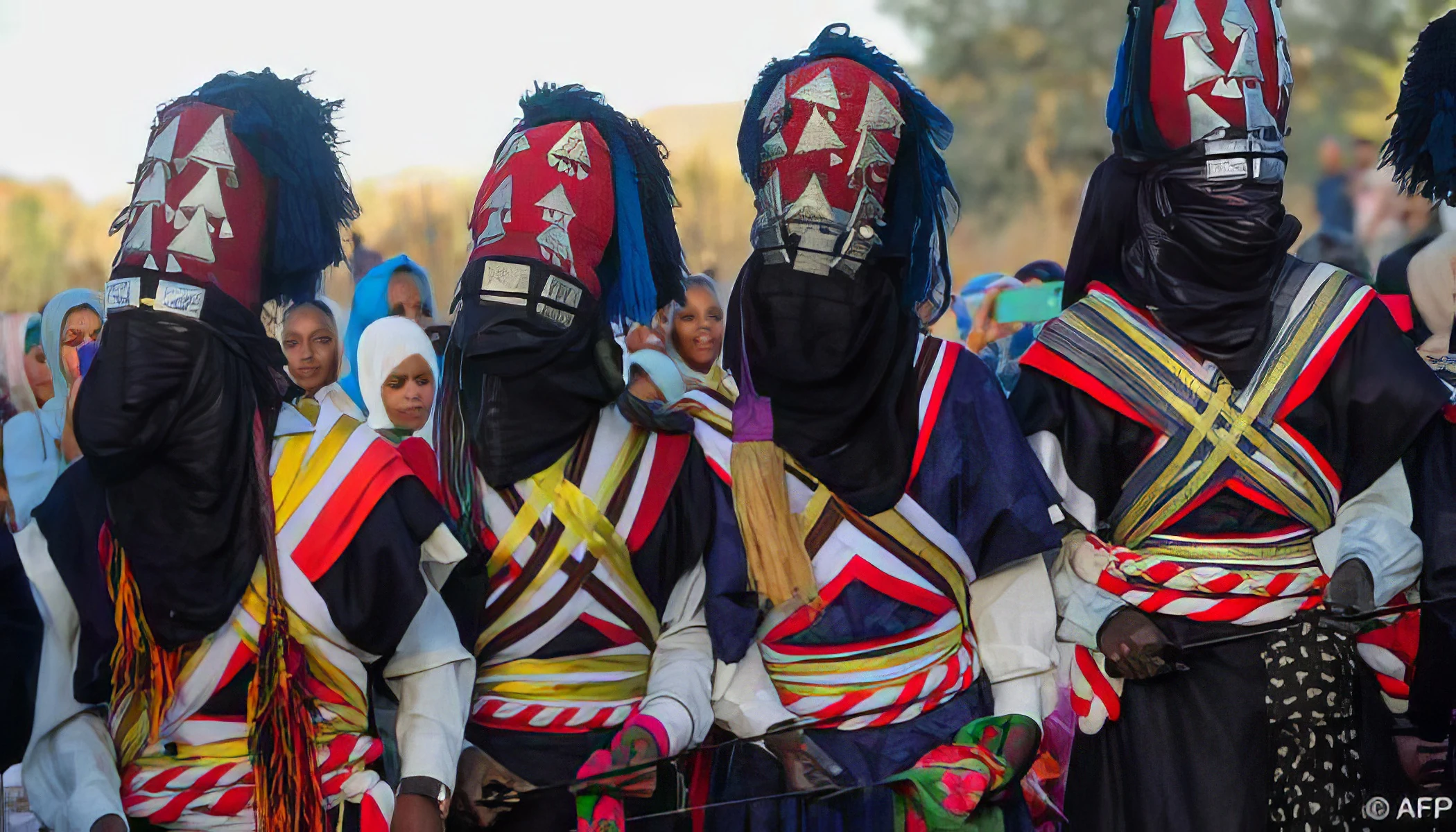
Algeria hosts a variety of cultural and traditional events throughout the year:
– Yennayer: Celebrated in January, marking the Amazigh New Year with traditional food and music.
– Timgad International Festival: Held in July, featuring music and performances at the ancient Roman city of Timgad.
– DimaJazz Festival: Annual jazz festival in Constantine, attracting international and local artists.
– National Date Festival: October event in Biskra celebrating the date harvest with exhibitions and tastings.
– Sahara International Film Festival: November festival showcasing films in Tindouf, focusing on Sahrawi culture.
– Eid al-Fitr: Marks the end of Ramadan with prayers, feasts, and family gatherings.
– Eid al-Adha: Celebrated with communal prayers and sacrifices to honor Abraham's willingness to sacrifice his son.
Famous People

Algeria has a rich history of influential figures in politics, arts, and sports.
– Abdelaziz Bouteflika (1937 to 2021, Oujda): Long-serving president who led Algeria from 1999 to 2019.
– Albert Camus (1913 to 1960, Mondovi): Nobel Prize-winning author and philosopher known for works like "The Stranger."
– Houari Boumediene (1932 to 1978, Guelma): Revolutionary leader and president who played a key role in Algeria's post-independence era.
– Zinedine Zidane (born 1972, Marseille): Legendary footballer and manager with Algerian roots, celebrated for his achievements in international soccer.
– Assia Djebar (1936 to 2015, Cherchell): Renowned author and filmmaker who explored themes of identity and feminism in her work.
Books
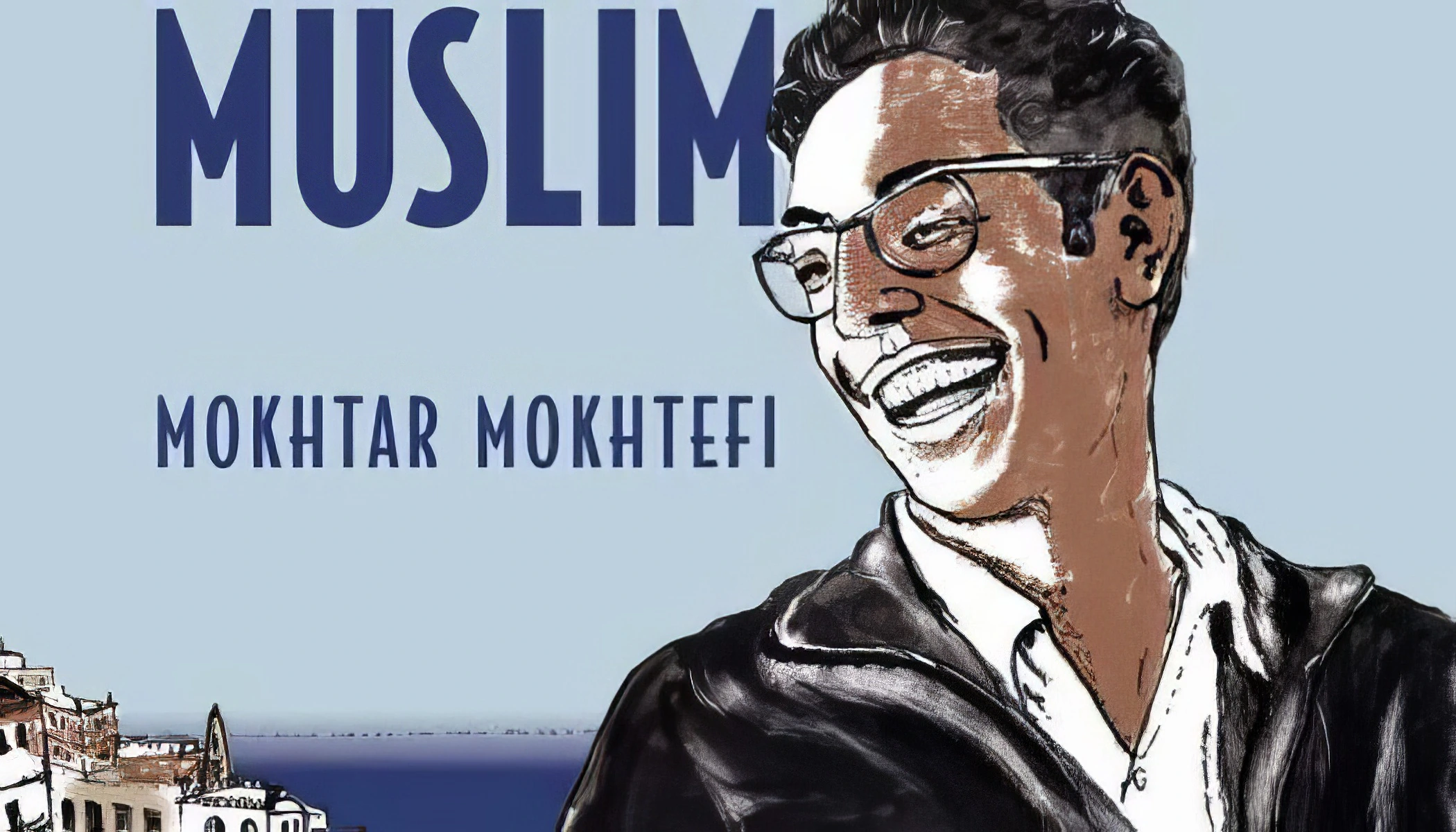
These books provide insights into Algeria's history, culture, and the complexities of its colonial and post-colonial experiences.
– "The Stranger" by Albert Camus: Explores existential themes set against the backdrop of French-colonial Algeria.
– "The Plague" by Albert Camus: Allegorical tale of a plague in Oran, reflecting on human resilience.
– "Fantasia: An Algerian Cavalcade" by Assia Djebar: Interweaves personal and historical narratives of Algerian women during the war for independence.
– "What the Day Owes the Night" by Yasmina Khadra: Follows a young boy's life in colonial Algeria amidst cultural tensions.
– "Nedjma" by Kateb Yacine: A complex narrative symbolizing Algeria's struggle for identity and independence.
Songs
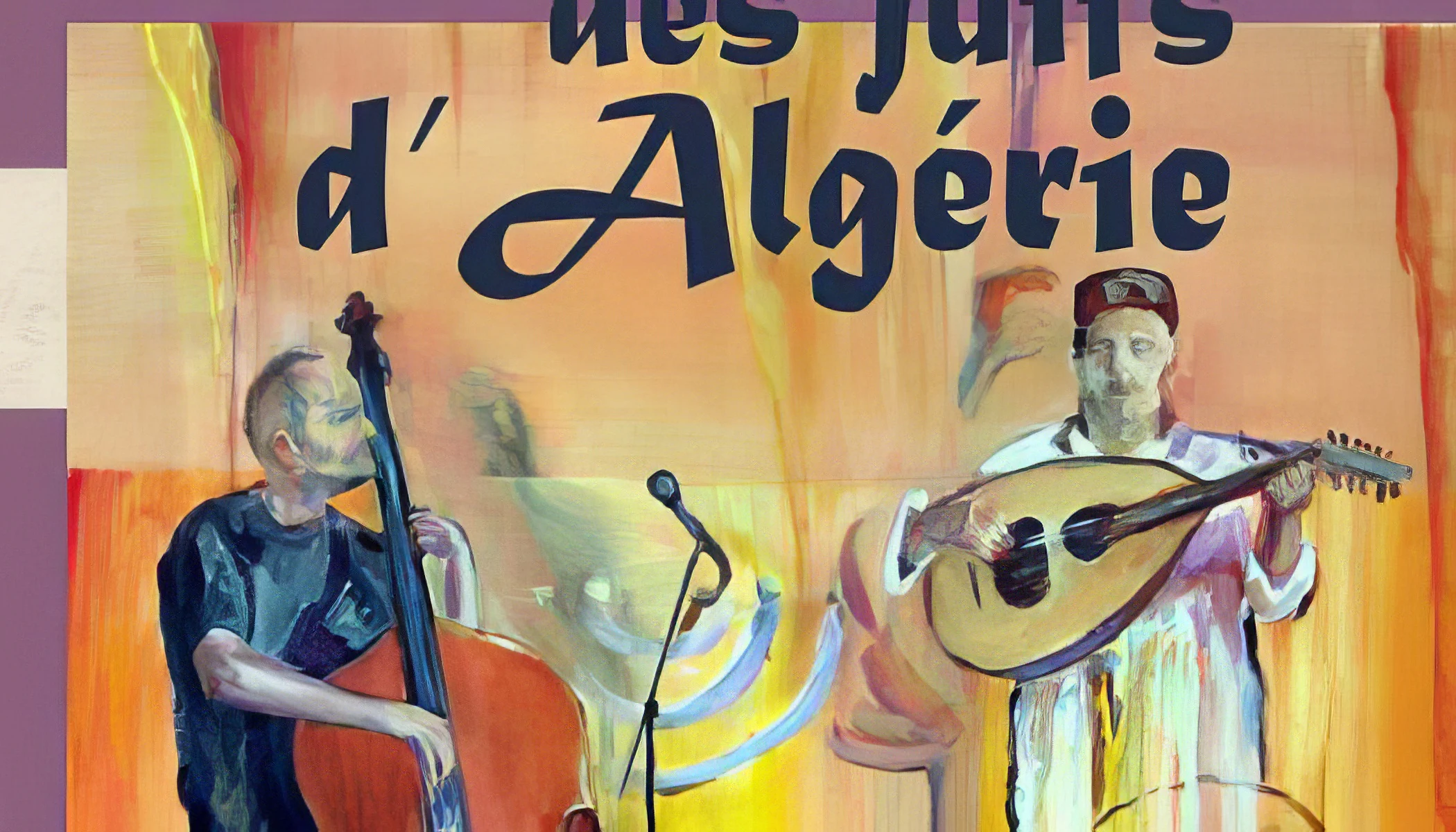
Algerian music is rich and diverse, reflecting the country's cultural heritage and history.
– A Vava Inouva: Idir's iconic song blending Kabyle folk with universal themes.
– Ya Rayah: Dahmane El Harrachi's classic about migration and longing for home.
– Wahrane Wahrane: Cheb Khaled's tribute to the city of Oran, a Rai music hub.
– Didi: International hit by Cheb Khaled, popularizing Rai music globally.
– Zina: Babylone's modern hit celebrating love and beauty in Algeria.
– Abdel Kader: Collaborative Rai anthem by Khaled, Rachid Taha, and Faudel.
Films
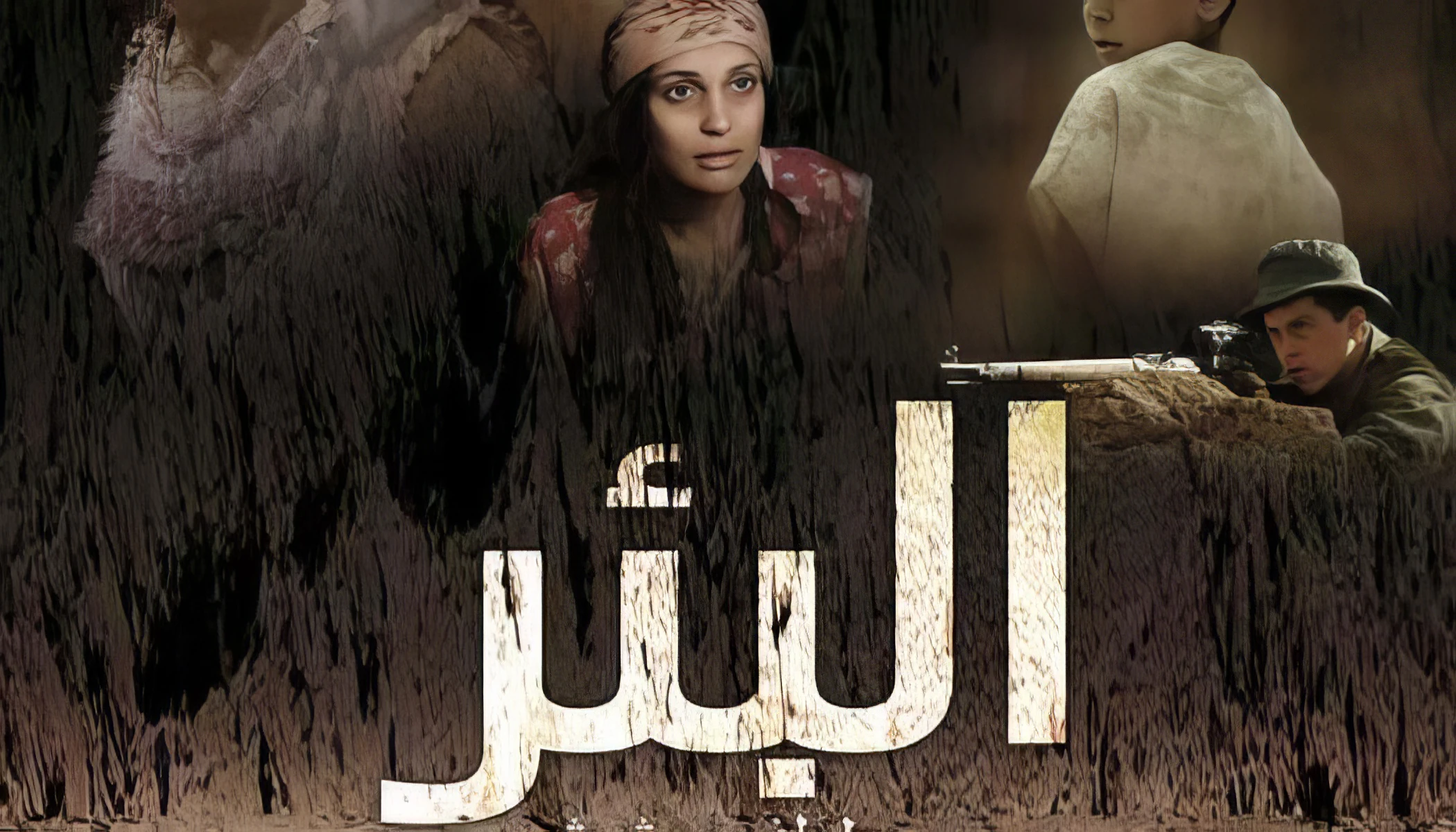
A selection of films that delve into Algeria's rich history and culture includes:
– "The Battle of Algiers": Gillo Pontecorvo's classic depicts the Algerian struggle for independence from French colonial rule.
– "Chronicle of the Years of Fire": Mohammed Lakhdar-Hamina's epic portrays Algeria's fight for independence, winning the Palme d'Or at Cannes.
– "Outside the Law": Rachid Bouchareb's film follows three brothers during Algeria's post-WWII independence movement.
– "Z": Costa-Gavras' political thriller, though set in Greece, is inspired by events in Algeria and won two Oscars.
– "Days of Glory": Rachid Bouchareb highlights North African soldiers' contributions to France during WWII, focusing on Algerian troops.