

Angola Attractions & Travel Advice – Plan Your Visit
Located in Southern Africa, this country is known for its rich natural resources and varied landscapes, from Atlantic coastlines to savannas. Its history includes Portuguese colonial influence and a lengthy civil war. Today, it is working towards economic development and stability.
- Capital
- Luanda
- Population
- 13.1 millions
- Superficy
- 1247000 sq.km
- Months to Visit
- May to Oct.
- Living Cost
- Expensive
Overview
Angola is located on the southwest coast of Africa, bordered by Namibia, the Democratic Republic of the Congo, and Zambia. The capital city, Luanda, is a major port and economic hub. Angola is rich in natural resources, particularly oil and diamonds, which are central to its economy. The country has diverse landscapes, including tropical Atlantic beaches, rivers, and sub-Saharan desert regions. Angola's history includes a long period of Portuguese colonization followed by a protracted civil war that ended in 2002. Despite economic growth in recent years, Angola faces challenges such as poverty and infrastructure development.
Pros & Cons
GOOD REASONS TO VISIT ANGOLA
– Natural Beauty: Angola offers gorgeous landscapes, including waterfalls, deserts, and diverse wildlife in national parks.
– Rich Culture: Experience traditional music, dance, and lively festivals reflecting Angola's diverse ethnic heritage.
– Unique Cuisine: Enjoy Angolan dishes like muamba de galinha and funge, showcasing African and Portuguese influences.
– Untouched Beaches: Discover pristine beaches along the Atlantic coast, ideal for relaxation and water activities.
– Historical Sites: Explore colonial architecture in Luanda and historical landmarks like the Fortress of São Miguel. CHALLENGES WHEN VISITING ANGOLA
– High Costs: Angola can be expensive for tourists due to high prices for accommodation and services.
– Infrastructure Issues: Limited public transport and road conditions can make travel challenging outside major cities.
– Safety Concerns: Be aware of crime rates in urban areas; take precautions to ensure personal safety.
Before Departure
Before traveling to Angola, it's important to be informed about several key aspects:
– Passport: Ensure your passport is valid for at least six months beyond your intended stay.
– Visa: Tourists need a visa before arrival; typically valid for 30 days. Apply through Angolan consulates or online e-visa system.
– Currency: Angolan Kwanza (AOA); credit cards accepted in major cities; ATMs available but not widespread.
– Internet access: WiFi is limited; consider purchasing a local SIM card from Unitel or Movicel for better connectivity.
– Language barrier: Portuguese is the official language; English and French are not widely spoken, so basic Portuguese can be helpful.
What to Pack
Traveling to Angola requires preparation for its diverse climate and cultural experiences.
– Essentials: Passport with visa, travel insurance, flight tickets, itinerary, and accommodation confirmations.
– Clothing: Lightweight clothing for warm weather, sturdy shoes for uneven terrain, swimwear for beaches, hat and sunglasses for sun protection.
– Health & Safety: Prescription medications, basic first aid kit, insect repellent with DEET, sunscreen with high SPF.
– Electronics: Travel adapter for Type C outlets, mobile phone with charger, camera for capturing landscapes.
Weather
Weather in Angola is characterized by a tropical climate with distinct wet and dry seasons:
– Summer (October to April): Hot and rainy, with heavy rainfall peaking between November and March.
– Winter (May to September): Cooler and dry, with temperatures dropping slightly, especially in the central highlands. The best time to visit Angola is during the dry season from May to September:
– Ideal for wildlife viewing and outdoor activities due to less rain.
– Cooler temperatures make travel more comfortable. Note that some areas may be dusty, and certain roads can be challenging due to previous rains.
Travel Budget
Angola can be relatively expensive for travelers due to high import costs. Here are some average prices for common expenses:
– Hotel: 50$ to 200$
– Lunch: 10$ to 30$
– Beverage (in bar/restaurant): 2$ to 8$
– Coffee: 2$ to 5$
– Transportation: (train not widely available), (bus 1$ to 3$), (taxi /10km 10$ to 20$)
– Mobile data (per GB): 5$ to 10$
Language
In Angola, Portuguese is the official language and widely spoken. Here are some useful phrases for tourists:
– Hello: Olá
– Thank you: Obrigado (if you're male) / Obrigada (if you're female)
– Please: Por favor
– How much is this?: Quanto custa isto?
– Excuse me: Com licença
– I don't understand: Eu não entendo
– Yes: Sim
– No: Não
– Goodbye: Adeus
History
The region was inhabited by various ethnic groups before becoming a Portuguese colony in the late 16th century. Over centuries, it was a major source of slaves for the transatlantic slave trade. Angola gained independence from Portugal in 1975, but immediately plunged into a protracted civil war involving rival factions, which lasted until 2002. The conflict was fueled by Cold War dynamics and regional interests, causing significant human and economic losses. After the war ended, Angola began rebuilding and exploiting its vast oil and diamond resources to drive economic growth. Despite progress, the country continues to face challenges such as poverty and political corruption.
Geopolitics
Located in Southern Africa, Angola is bordered by Namibia to the south, the Democratic Republic of the Congo to the north, Zambia to the east, and the Atlantic Ocean to the west. It is a member of several regional and international organizations, including the African Union and OPEC. The country has significant oil reserves, making it one of Africa's largest oil producers, which heavily influences its geopolitical relationships. Angola has sought to diversify its economy beyond oil and improve infrastructure through foreign investment, particularly from China. Its history of civil war has shaped its current political landscape, with ongoing efforts towards national reconciliation and development. Angola's strategic location and natural resources continue to play a crucial role in its interactions with both regional neighbors and global powers.
Sample Itinerary
This itinerary covers Angola's beautiful capital, natural wonders, and cultural heritage sites.
– 2 days in Luanda: Explore the National Museum of Anthropology, Fortaleza de São Miguel, and enjoy the Marginal promenade. Visit local markets and taste Angolan cuisine.
– 1 day in Kalandula Falls: Witness one of Africa's largest waterfalls. Enjoy the surrounding abundant scenery and take photos of this natural wonder.
– 1 day in Malanje: Discover Pedras Negras rock formations. Learn about local history and culture in this unique landscape.
– 2 days in Benguela: Relax on beautiful beaches like Baía Azul. Visit the historic city center and enjoy fresh seafood.
– 1 day in Lubango: See Tundavala Gap for sensational views. Explore Christ the King statue and nearby landscapes.
Popular cities
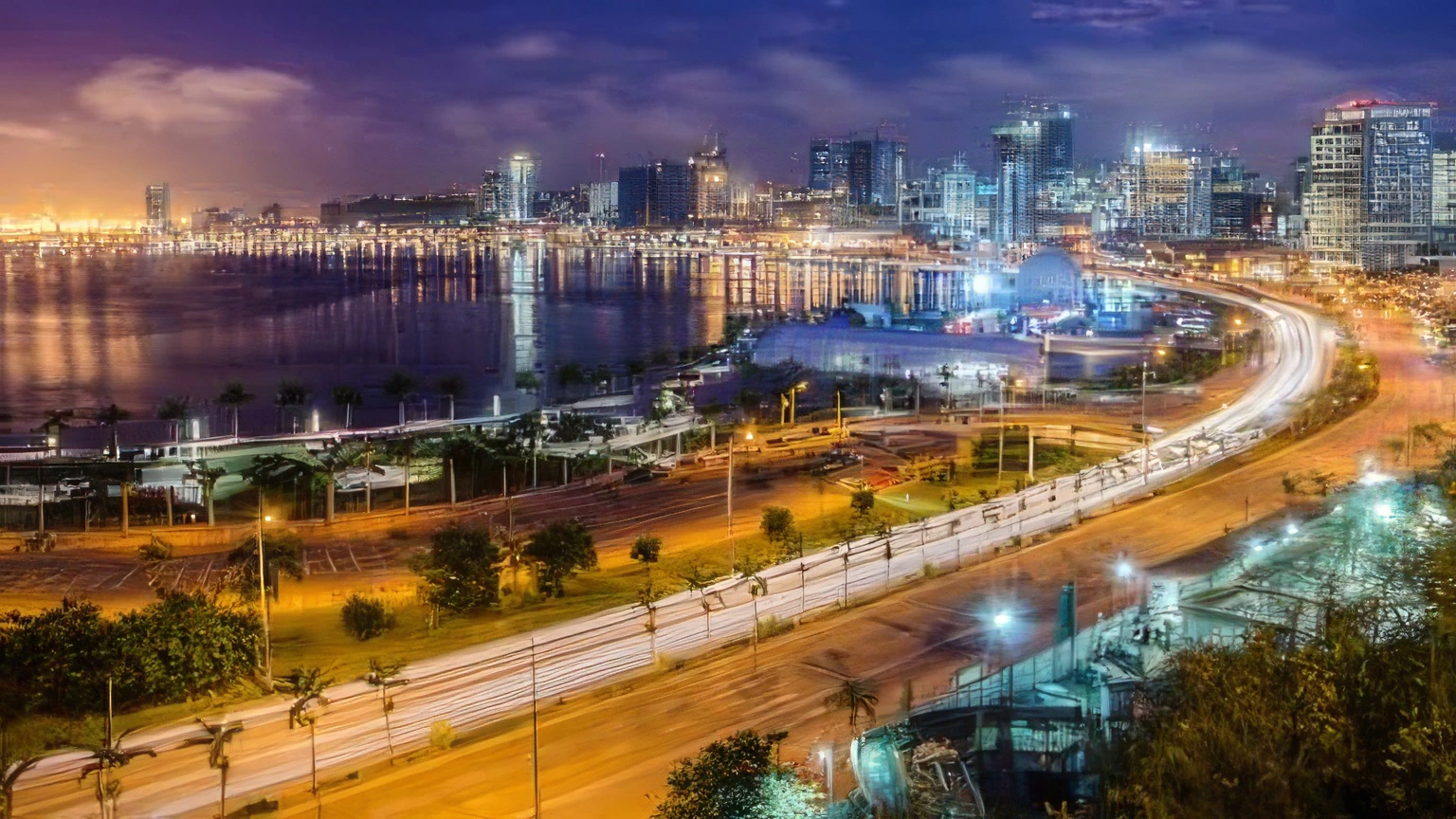
Discover Angola's diverse cities, each offering unique experiences for travelers:
– Luanda: The capital city is known for its lively culture, bustling port, and historic sites.
– Benguela: A coastal city famous for its beautiful beaches and colonial architecture.
– Lubango: Provides nice landscapes, including the Tundavala Gap and Serra da Leba pass.
– Namibe: Known for its desert landscapes and proximity to the Namib Desert.
– Huambo: A highland city with a pleasant climate and botanical gardens.
– Kuito: Supplies a glimpse into Angola's history with its colonial buildings and war memorials.
– Malanje: Known for the impressive Kalandula Falls and natural beauty in the surrounding area.
Monuments
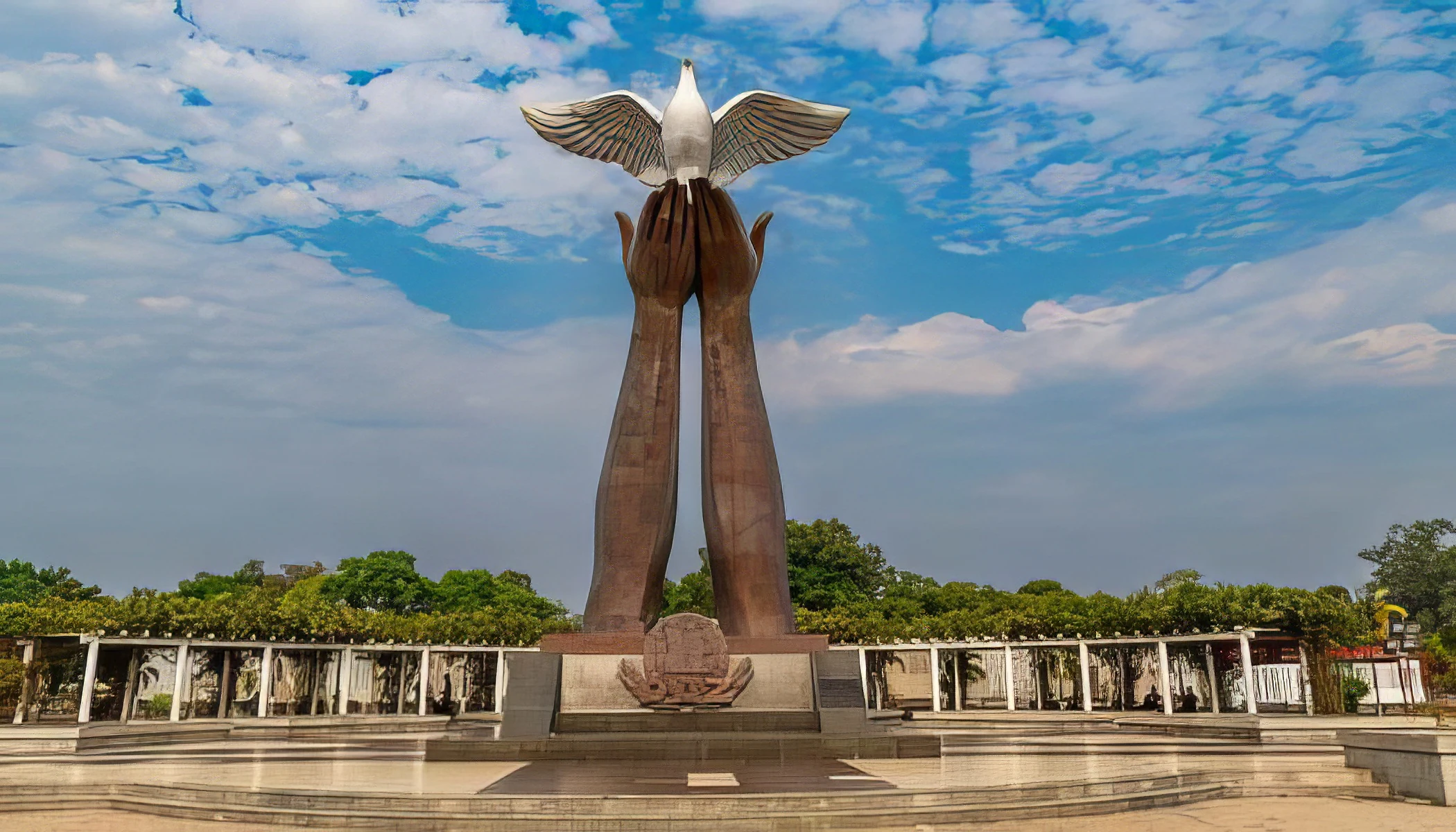
Angola offers several notable monuments to explore:
– Fortress of São Miguel, Luanda: Built in 1576, it served as a defense and administrative center.
– National Museum of Slavery, Luanda: Highlights Angola's role in the transatlantic slave trade.
– Mausoleum of Agostinho Neto, Luanda: Memorial for Angola's first president with a striking modern design.
– Igreja de Nossa Senhora dos Remédios, Benguela: Historic church known for its colonial architecture.
– Tundavala Gap, Lubango: Natural monument offering beautiful views from a dramatic escarpment.
– Kalandula Falls, Malanje Province: One of Africa's largest waterfalls with impressive natural beauty.
– Ruins of M'banza Kongo: UNESCO site reflecting the ancient capital of the Kingdom of Kongo.
– Fortress of Pungo Andongo, Malanje Province: Known for its rock formations and historical significance in local resistance.
Natural wonder
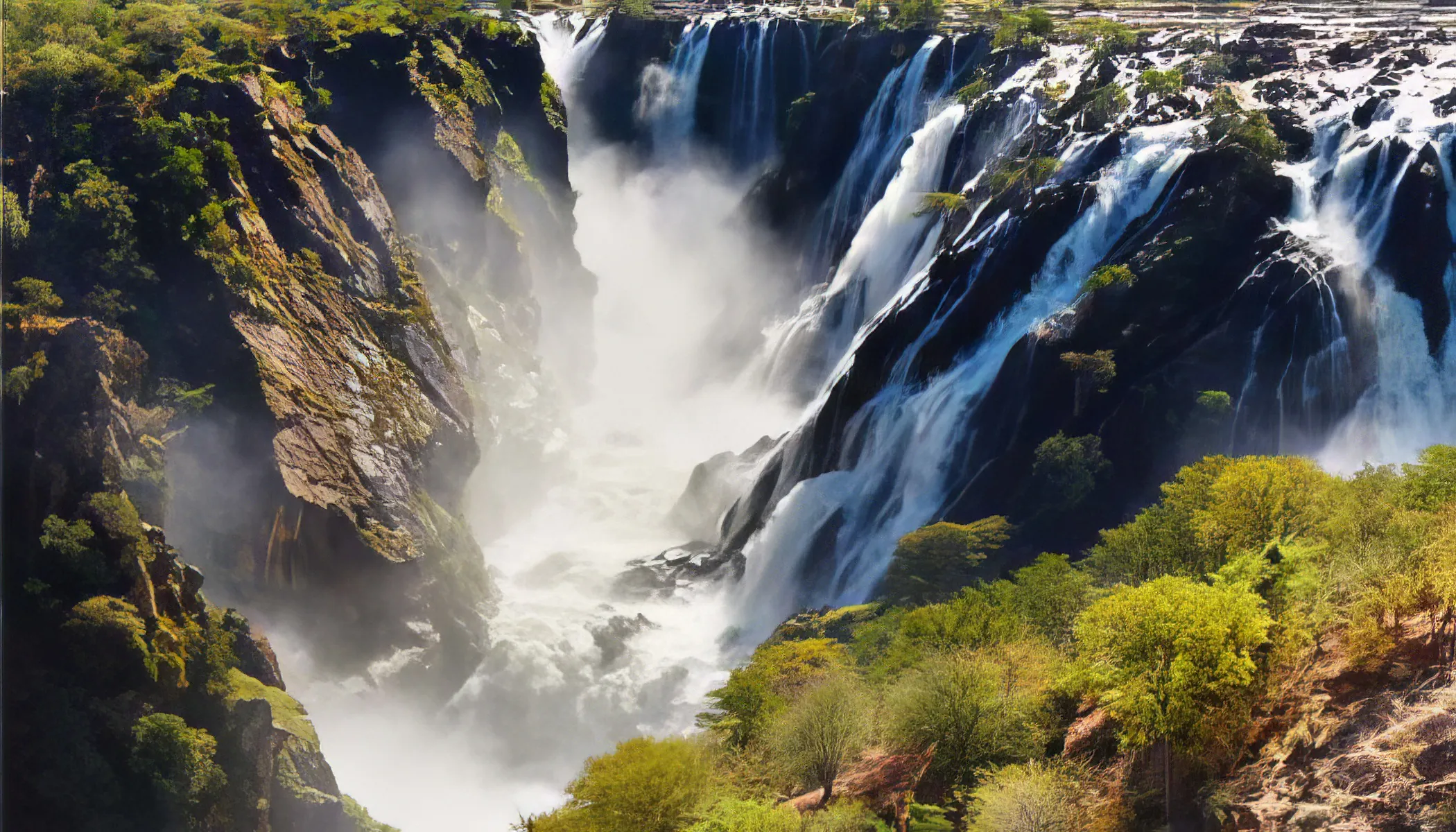
Explore Angola's diverse and lovely natural landscapes:
– Kalandula Falls: One of Africa's largest waterfalls, surrounded by beautiful vegetation.
– Tundavala Gap: Offers beautiful views from a dramatic escarpment in the Serra da Leba mountain range.
– Iona National Park: Angola's largest national park, known for its desert landscapes and unique wildlife.
– Miradouro da Lua: Lunar-like landscape with eroded cliffs and colorful formations near Luanda.
– Namibe Desert: Features vast sand dunes and unique flora adapted to arid conditions.
– Pedras Negras de Pungo Andongo: Mysterious black rock formations with historical significance near Malanje.
– Quiçama National Park: Known for its diverse ecosystems, including savannas, forests, and rich wildlife.
– Cangandala National Park: Home to the rare giant sable antelope, Angola's national symbol.
– Fenda da Tundavala: A dramatic gorge offering panoramic views of the surrounding landscape.
– Lagoa do Arco: A pleasant lagoon surrounded by dense greenery and birdlife in Benguela province.
Beaches
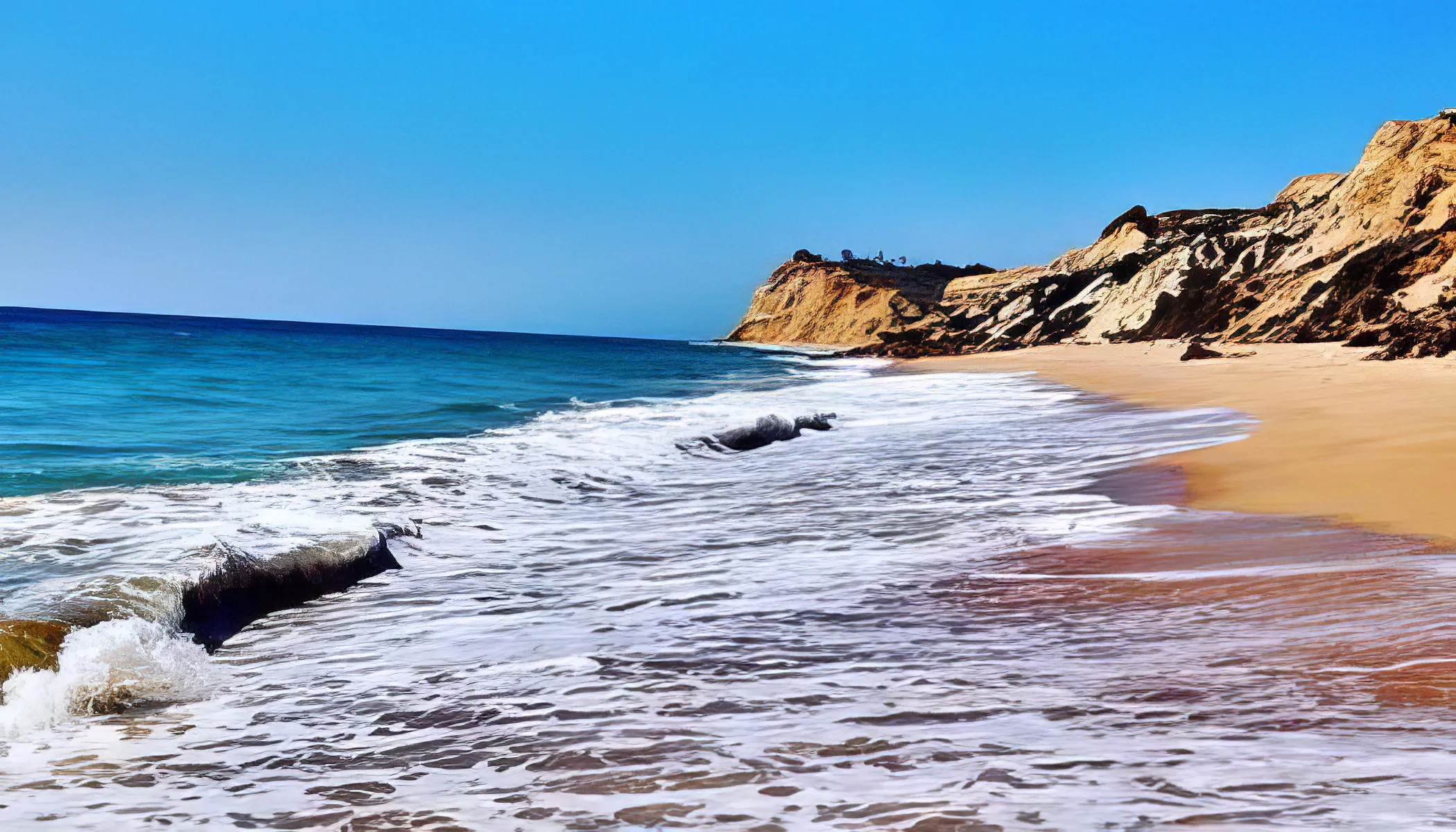
Angola supplies several beautiful beaches along its Atlantic coastline:
– Ilha do Mussulo: Known for calm waters and popular weekend getaway near Luanda.
– Sangano Beach: Supplies clear waters and scenic views, ideal for relaxation.
– Cabo Ledo: Famous for surfing and remarkable sunsets, located south of Luanda.
– Baía Azul: Features turquoise waters and is a favorite in Benguela province.
– Praia da Caotinha: Small beach with clear waters, located near Lobito.
– Palmeirinhas Beach: Remote beach known for its natural beauty south of Luanda.
– Praia Morena: Popular urban beach in Benguela with nearby amenities.
Outdoor activities
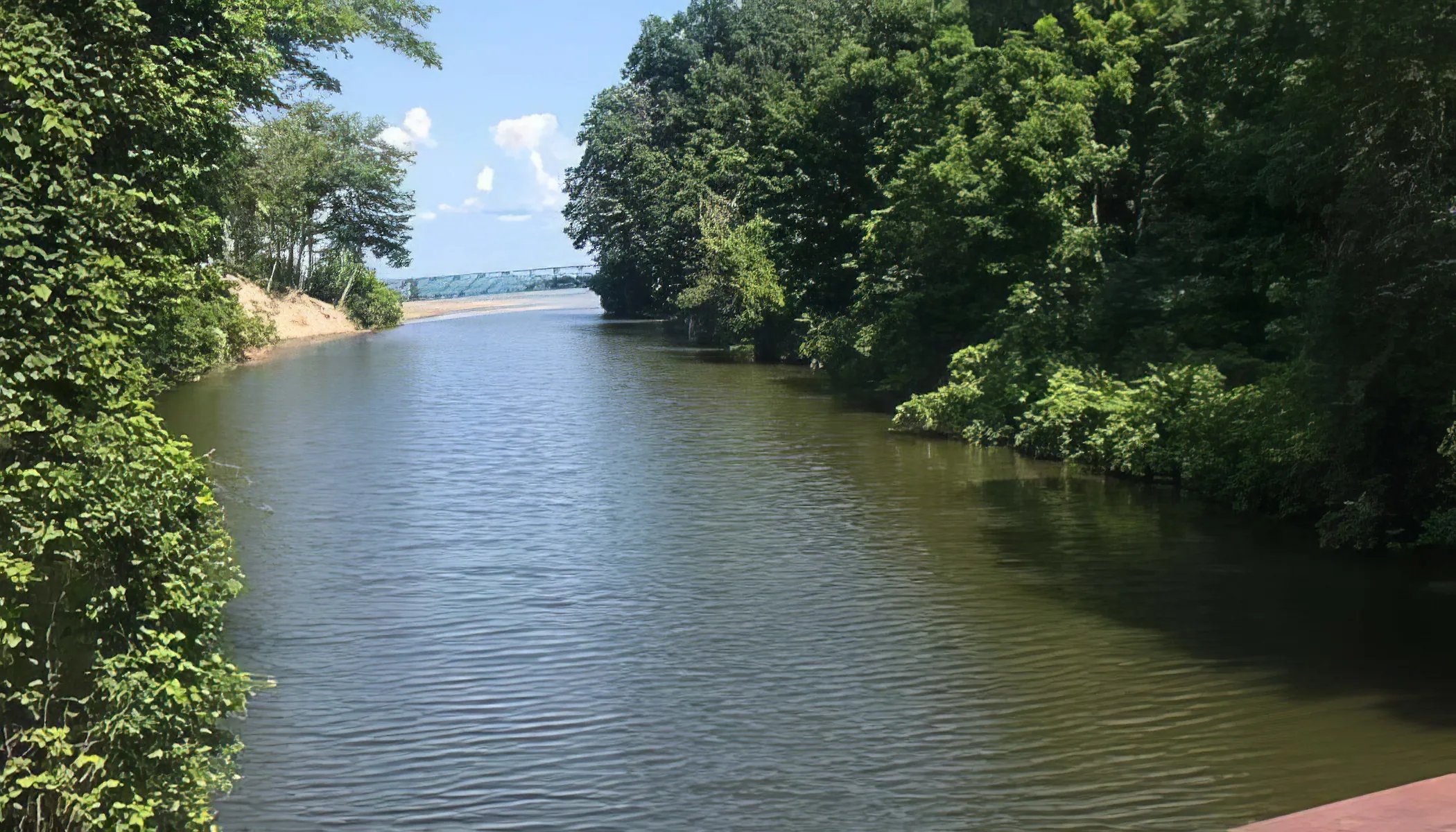
Angola provides a variety of outdoor activities for nature and adventure enthusiasts:
– Hiking in Tundavala Gap: Enjoy panoramic views from this dramatic escarpment.
– Safari in Kissama National Park: Spot elephants, giraffes, and other wildlife on guided tours.
– Exploring Kalandula Falls: Witness one of Africa's largest waterfalls surrounded by abundant scenery.
– Birdwatching in Iona National Park: Discover diverse bird species in Angola's oldest national park.
– Fishing in the Kwanza River: Try your luck with freshwater fishing in a scenic setting.
– Surfing at Cabo Ledo: Ride the waves at one of Angola's best surf spots.
– Rock Climbing in Pedras Negras de Pungo Andongo: Challenge yourself on unique rock formations.
Kid Friendly
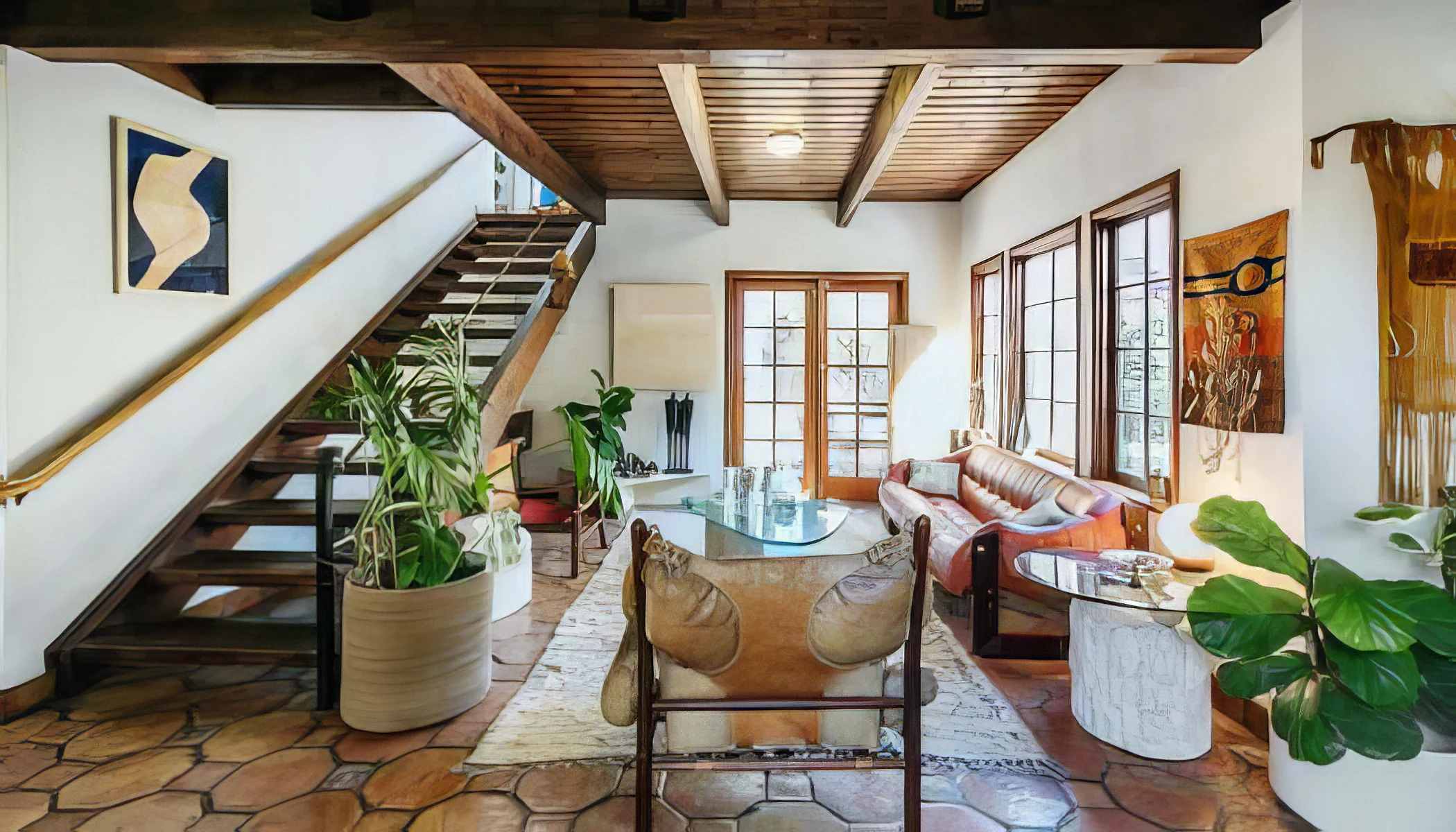
Angola supplies several engaging activities for children to enjoy.
– Kissama National Park: A wildlife park where kids can see elephants, giraffes, and other animals on a safari.
– Miradouro da Lua: A unique lunar-like landscape that is fascinating for children to explore and photograph.
– Shipwreck Beach: A beach with old shipwrecks that spark curiosity and adventure for young explorers.
– Tundavala Gap: A remarkable viewpoint offering wonderful views of the landscape, ideal for family picnics.
– Benfica Market: A beautiful market where kids can experience local culture and see colorful crafts.
– Ilha do Mussulo: A peaceful island with calm waters perfect for swimming and building sandcastles.
– National Museum of Slavery: An educational visit that provides insight into Angola's history in a kid-friendly way.
– Kalandula Falls: One of Africa's largest waterfalls, offering a spectacular view and picnic spots.
Cuisine
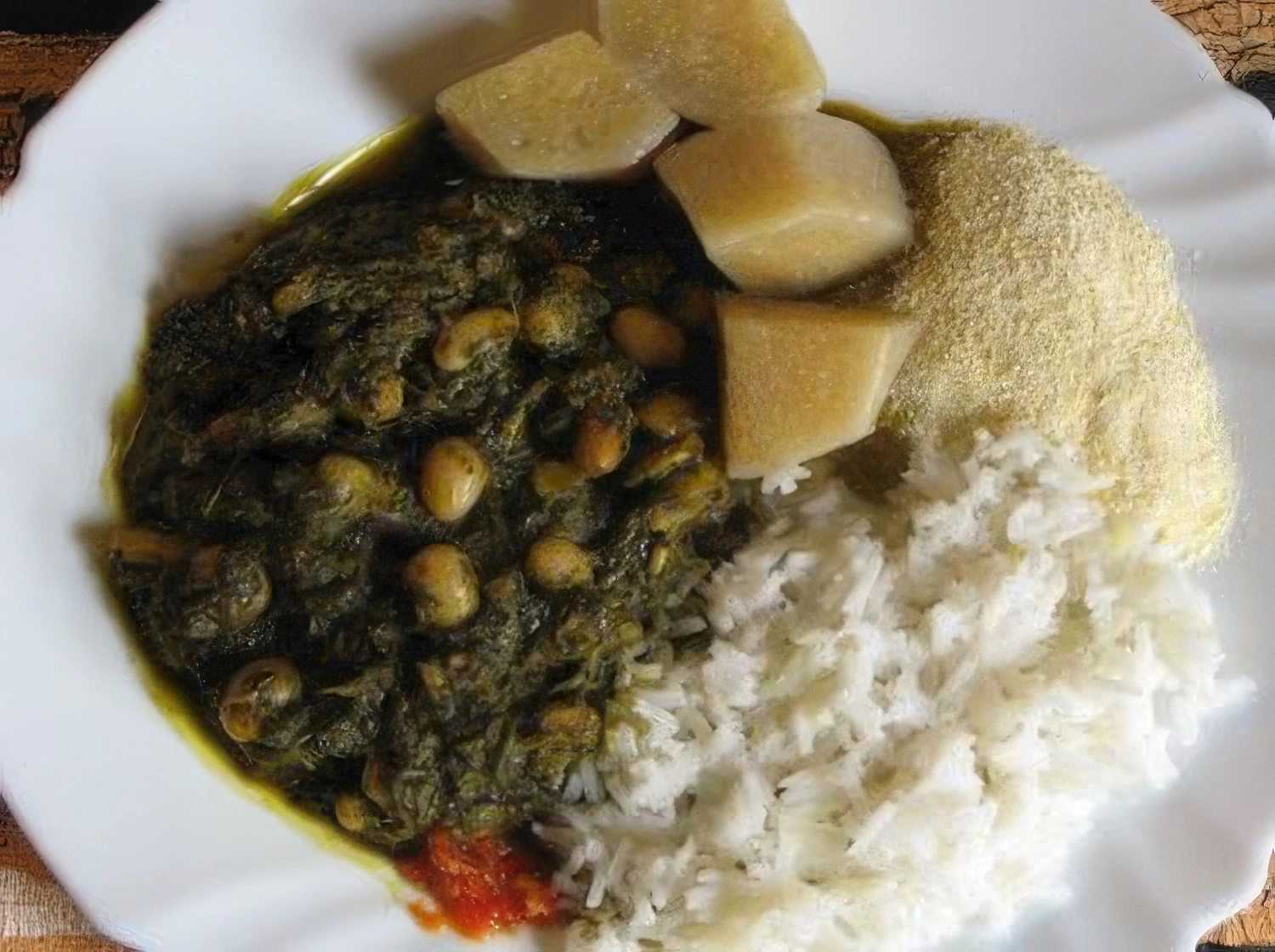
Angolan cuisine is a rich blend of African, Portuguese, and Brazilian influences, featuring hearty stews and grilled meats. Ingredients like cassava, beans, and fish are staples. Street food and home-cooked meals highlight the country's diverse culinary traditions. Most famous cuisine in Angola are:
– Moamba de Galinha: Chicken stew with palm oil, okra, and spices.
– Calulu: Fish or meat stew with vegetables, often served with funge.
– Funge: Staple porridge made from cassava or corn flour.
– Chikuanga: Fermented cassava bread wrapped in banana leaves.
– Cocada Amarela: Yellow coconut pudding made with eggs and sugar.
Souvenir
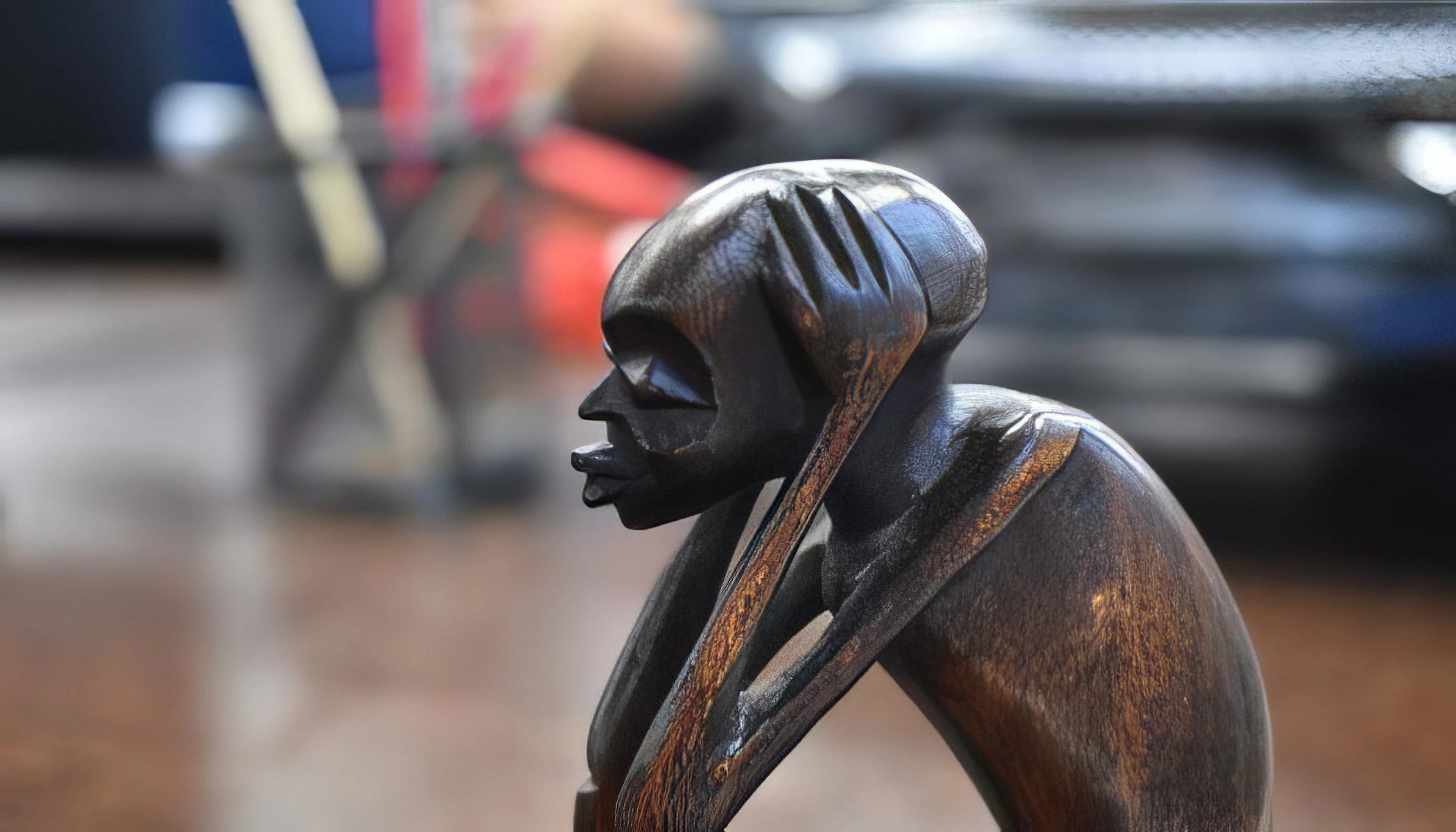
Angola provides a variety of unique souvenirs that reflect its rich culture and traditions. Here are some popular options:
– Handcrafted Masks: Traditional Angolan masks are often used in cultural ceremonies and make for striking decorative pieces.
– Batik Fabrics: Colorful batik fabrics are commonly used in clothing and can be purchased as fabric or ready-made garments.
– Wood Carvings: Intricately carved wooden sculptures depicting animals or people are popular among tourists.
– Basketry: Handmade baskets crafted from natural materials showcase the skill of local artisans.
– Coffee: Angola produces high-quality coffee beans, making it a great gift for coffee enthusiasts.
– Jewelry: Locally made jewelry often features natural materials like seeds, stones, and metals.
– Pottery: Traditional pottery items, such as bowls and vases, highlight the craftsmanship of Angolan potters.
Traditional Shows
Angola offers a rich tapestry of traditional music and art performances:
– Semba Dance: Originating in Luanda, this lively dance combines rhythm and storytelling, reflecting Angolan culture and history.
– Kizomba Music: Known for its smooth melodies, Kizomba is a popular genre in Angola, often performed at festivals and dance events.
– Rebita Dance: A traditional group dance from Luanda, Rebita features beautiful movements and is often performed at celebrations.
– Tchianda Dance: This traditional dance from the Chokwe people involves complex footwork and is performed during cultural ceremonies.
– Ngoma Drumming: Experience the powerful rhythms of Ngoma drumming, a key element in Angolan music, often accompanying dances and rituals.
Events & Festivals
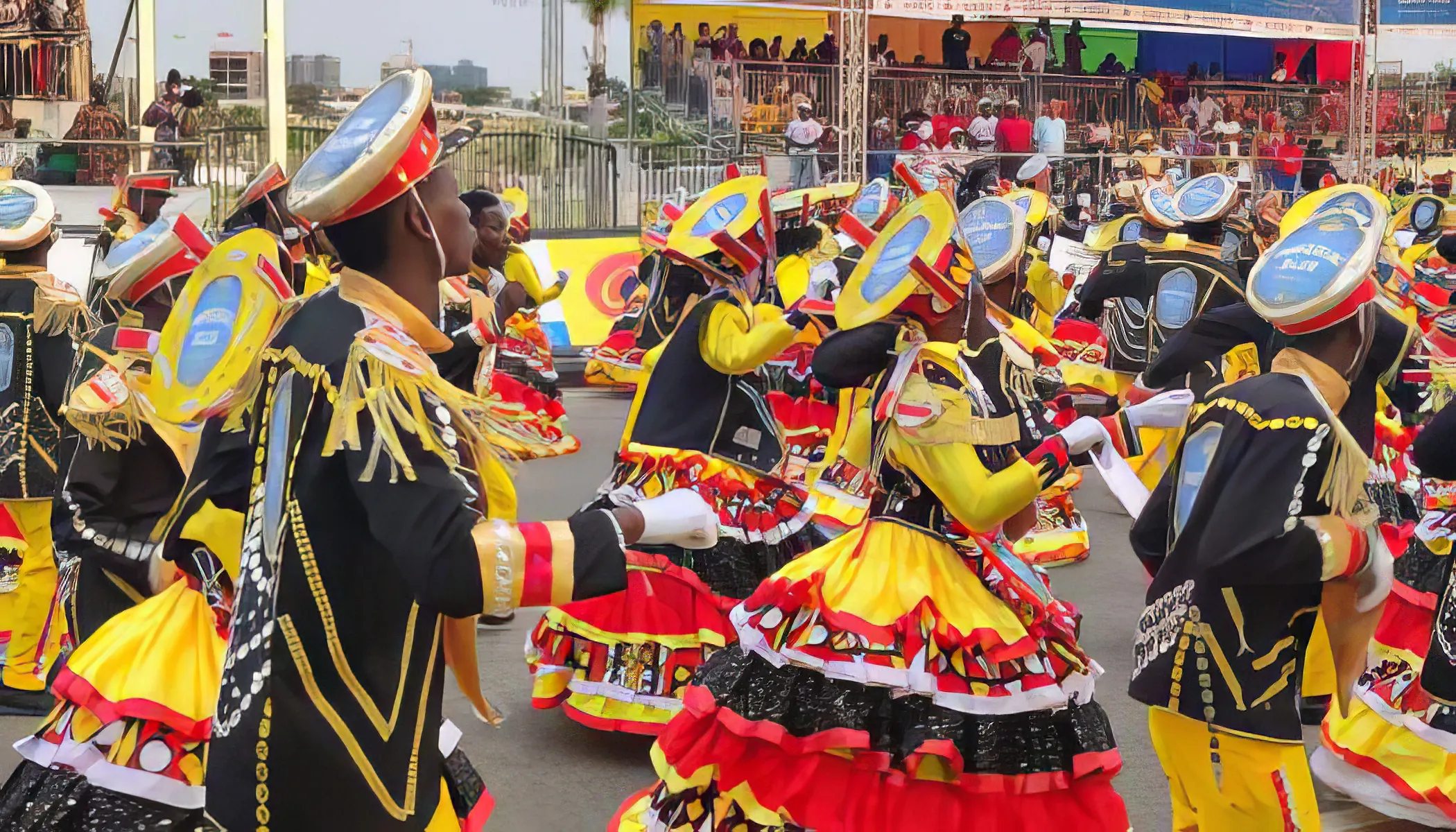
Angola hosts a variety of cultural events and festivals throughout the year, reflecting its rich heritage:
– Carnival of Luanda: February event with parades, music, and dance in Angola's capital.
– Festas da Nossa Senhora da Muxima: August pilgrimage to Muxima, attracting thousands for religious ceremonies.
– National Heroes Day: September 17 celebration honoring Angola's independence fighters with ceremonies and events.
– Luanda International Jazz Festival: Annual October festival featuring local and international jazz artists.
– Sumbe Music Festival: October event showcasing diverse Angolan music genres in Sumbe city.
– FestiSumbe: Cultural festival in November with music, dance, and traditional performances in Sumbe.
– Independence Day: Celebrated on November 11 with parades and national pride activities.
Famous People

Angola has a rich history of influential figures who have shaped its culture and politics.
– Agostinho Neto (1922 to 1979, Icolo e Bengo): First President of Angola and a key figure in the country's independence movement.
– José Eduardo dos Santos (1942 to 2022, Luanda): Long-serving President known for his role in post-independence reconstruction and economic reforms.
– Pepetela (born 1941, Benguela): Acclaimed novelist and winner of the Camões Prize, known for works exploring Angolan identity.
– Paulo Flores (born 1972, Luanda): Renowned musician celebrated for his contributions to Angolan music genres like semba.
– Ana Paula dos Santos (born 1963, Luanda): Former First Lady known for her influence in social programs and public health initiatives.
Books
These books provide insights into Angola's history, culture, and the impact of its civil war through various narratives and perspectives.
– "The Book of Chameleons" by José Eduardo Agualusa: A magical realism tale about identity and transformation in Angola.
– "Good Morning Comrades" by Ondjaki: A child's perspective on life during Angola's socialist period.
– "Another Day of Life" by Ryszard Kapuściński: A journalist's account of the Angolan Civil War's early days.
– "A General Theory of Oblivion" by José Eduardo Agualusa: Chronicles a woman's isolation during Angola's independence struggle.
– "Nzingha: Warrior Queen of Matamba, Angola, Africa, 1595" by Patricia C. McKissack: Fictionalized diary of a legendary Angolan queen.
Songs
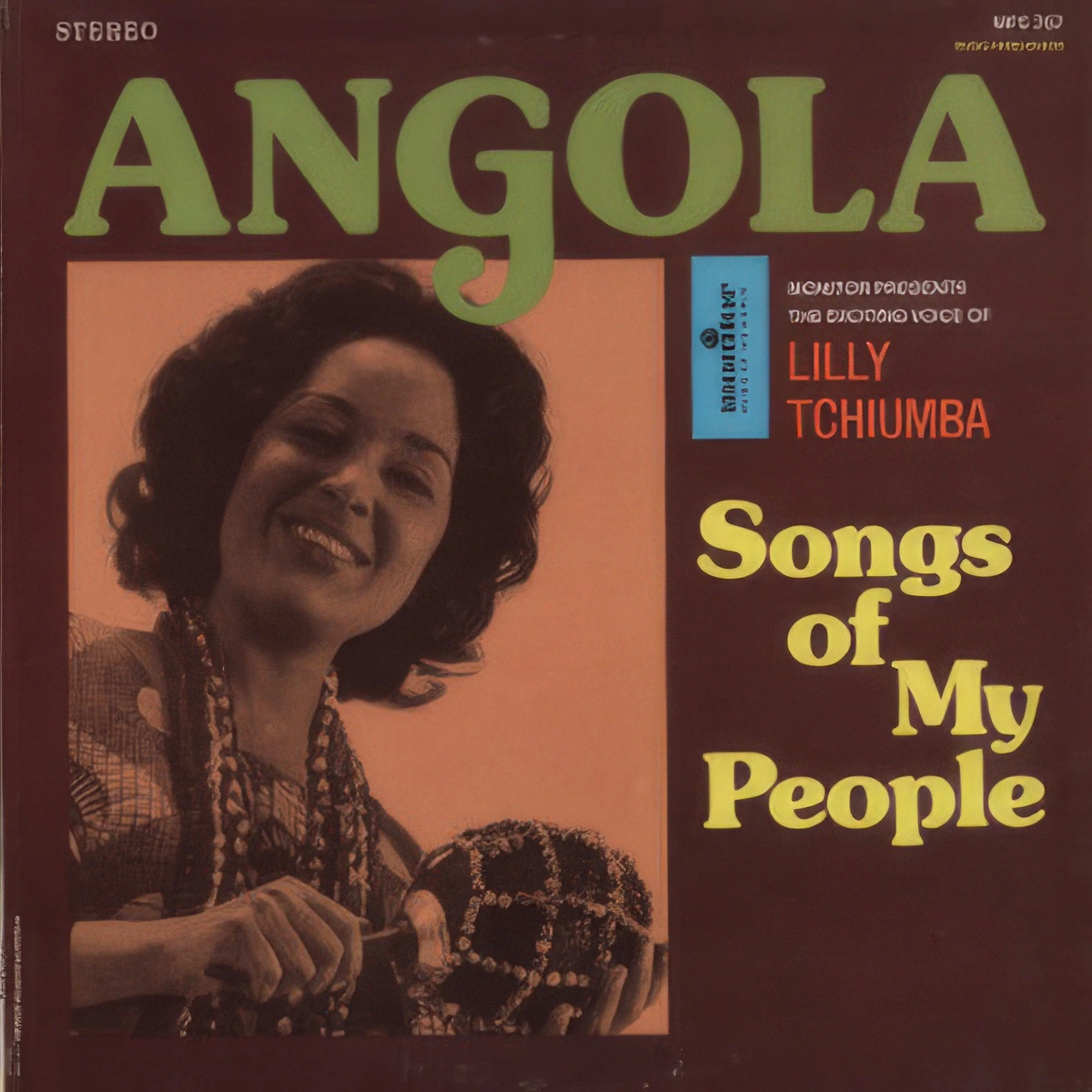
Angolan music is rich with rhythms like kizomba and semba, reflecting the country's animated culture and history.
– Agre Gosto: Paulo Flores' song captures the essence of Angolan life and emotions.
– Mamã Kiébi: Bonga's classic track highlights Angola's traditional sounds and storytelling.
– Kizomba: Eduardo Paim's hit popularized the kizomba genre worldwide.
– Comboio: Waldemar Bastos' song blends Angolan rhythms with global influences.
– Monami: Yuri da Cunha's track is a modern semba favorite in Angola.
– Nzambi: Filipe Mukenga's song reflects spiritual themes with Angolan musical roots.
Films

Explore the cinematic landscape of Angola through these notable films:
– "Sambizanga": Directed by Sarah Maldoror, it depicts the Angolan struggle for independence through a woman's search for her imprisoned husband.
– "Na Cidade Vazia" (Hollow City): Maria João Ganga's film follows an orphaned boy navigating life in post-war Luanda.
– "O Herói" (The Hero): Zezé Gamboa's award-winning film tells the story of a war veteran adjusting to civilian life in Luanda.
– "Comboio de Sal e Açúcar" (The Train of Salt and Sugar): Licínio Azevedo's film is set during the civil war, focusing on a perilous train journey.
– "A Ilha dos Cães" (Island of Dogs): Jorge António directs this crime drama exploring themes of power and corruption in Angola.