

Travel Guide to Antarctica: Top Things to Do & Tips
This southernmost continent, largely uninhabited, is a vast, icy wilderness. Known for its penguins and seals, it's a hub for scientific research. Extreme temperatures and unpredictable weather make it a challenging but unique destination for adventurous travelers.
- Population
- 4 thousand
- Superficy
- 14000000 sq.km
- Months to Visit
- Dec. to Feb. (Antarctic Summer)
- Living Cost
- Expensive
Overview
Antarctica is the southernmost continent on Earth, largely covered by ice and known for its extreme cold. It is the fifth largest continent and nearly twice the size of Australia. It is uninhabited permanently, with only temporary research stations housing scientists from various countries. The continent is governed internationally through the Antarctic Treaty system. Antarctica is home to diverse wildlife, including penguins, seals, and various bird species. Despite its harsh conditions, it attracts adventurous tourists, primarily through sea voyages.
Pros & Cons
GOOD REASONS TO VISIT ANTARCTICA
– Unique Wildlife: Encounter penguins, seals, and whales in their natural habitat.
– Immaculate Wilderness: Experience untouched, vast landscapes of ice and snow.
– Adventure Opportunities: Enjoy activities like kayaking, hiking, and camping in the Antarctic wilderness.
– Scientific Interest: Visit research stations to learn about climate change and polar science.
– Stunning Icebergs: Witness the beauty of massive, sculptural ice formations. CHALLENGES WHEN VISITING ANTARCTICA
– High Cost: Traveling to Antarctica is expensive due to the remote location and specialized equipment required.
– Limited Accessibility: Access is primarily by boat, with rough seas potentially causing seasickness.
– Extreme Weather: Harsh cold, strong winds, and unpredictable weather can pose risks and discomfort.
Before Departure
Before embarking on your journey to Antarctica, there are several key factors to consider:
– Passport: Ensure your passport is valid for at least six months beyond your departure date.
– Visa: Antarctica doesn't require a visa, but the countries you transit through may. Check their requirements.
– Currency: There's no official currency; transactions, if any, are typically in the currency of the tour operator.
– Internet access: Internet is limited and expensive. Some cruise ships may offer satellite internet, but it's not guaranteed.
– Language barrier: There's no official language in Antarctica. Communication is typically in the language of the tour operator. English is commonly used.
What to Pack
Packing for a trip to Antarctica requires careful planning due to the extreme weather conditions and remote location.
– Essentials: Passport, travel insurance details, flight and cruise tickets, accommodation details (if applicable).
– Clothing: Thermal underwear, insulated waterproof outerwear, warm gloves, woolen hat, high-quality sunglasses, sturdy waterproof boots.
– Health & Safety: Prescription medications, basic first aid kit, high SPF sunscreen, lip balm, personal hygiene items.
– Electronics: Camera with extra batteries, binoculars, travel adapter (if staying in research stations), satellite phone for emergencies.
Weather
Antarctica's weather is extremely cold and harsh, with only two main seasons.
– Summer (November to March): Temperatures range from -2°C to 8°C. Days are long and wildlife is abundant.
– Winter (April to October): Extremely cold with temperatures dropping below -20°C. 24 hours of darkness and sea ice extends around the continent. The best time to visit Antarctica is during the summer months, from November to March.
– Pros: This is when temperatures are most bearable, wildlife is active, and sea passages are navigable.
– Cons: It's the only time tourists are allowed, so it can be crowded and prices are at their highest.
Travel Budget
Antarctica is one of the most expensive places to visit due to its remote location and harsh environment. Here are some average costs for tourists:
– Trip: Antarctica cruises range from S5,000 to S15,000.
– Gear: Specialized clothing and gear can cost from S1,000 to S5,000.
– Travel insurance: Required by most tour operators, it can range from S500 to S1,000.
– Flights to departure points: Depending on the location, it can range from S1,000 to S2,500.
– Additional expenses: Such as gratuities, drinks, and souvenirs can add up to S500 to S1,000. Please note that there are no hotels, restaurants, or transportation services in Antarctica as it is not a traditional tourist destination. All needs are typically included in the price of the tour package.
Language
Antarctica is a continent primarily populated by scientists from around the world and does not have its own language. Therefore, there are no specific phrases to learn for traveling in Antarctica.
History
Antarctica is not a country, but a continent, and it has no permanent residents or native population. It was first sighted in 1820 by a Russian expedition, and the first confirmed landing occurred in 1895. Various nations claimed parts of the continent in the early 20th century, but these claims are not universally recognized. The Antarctic Treaty, signed in 1959 and currently ratified by 54 countries, prohibits military activity, mineral mining, nuclear testing, and nuclear waste disposal. It also supports scientific research and protects the continent's ecozone. Today, numerous countries maintain research stations on Antarctica.
Geopolitics
Antarctica is not a country, but a continent, and it is unique in that it does not have a native human population or a government. It is governed internationally through the Antarctic Treaty System, which prohibits military activity, mineral mining, nuclear testing, and nuclear waste disposal. The treaty also supports scientific research and protects the continent's ecozone. Seven countries (Argentina, Australia, Chile, France, New Zealand, Norway, and the United Kingdom) have territorial claims in Antarctica, but these are not universally recognized and are set aside by the Antarctic Treaty. Other countries, including the United States and Russia, maintain research stations on the continent but do not make territorial claims. The geopolitical significance of Antarctica lies in its scientific value, potential natural resources, and environmental importance.
Sample Itinerary
This itinerary offers a journey through the Antarctic Peninsula, with wildlife encounters, iceberg sightings, and exploration of historic sites.
– 2 days in Drake Passage: Cross the passage with opportunities to spot seabirds and whales. Attend onboard lectures about Antarctica's wildlife and history.
– 3 days in South Shetland Islands: Visit penguin rookeries, research stations, and witness icebergs. Zodiac excursions provide close encounters with wildlife.
– 4 days in Antarctic Peninsula: Explore the White Continent with daily landings. Witness seals, penguins, and whales in their natural habitat.
– 2 days in Drake Passage: Return journey with time for reflection, photo editing, and wildlife spotting. Attend final lectures and farewell dinner.
– 1 day in Ushuaia: Disembark in Ushuaia, the southernmost city in the world. Depart for home or continue travels in South America.
Popular cities
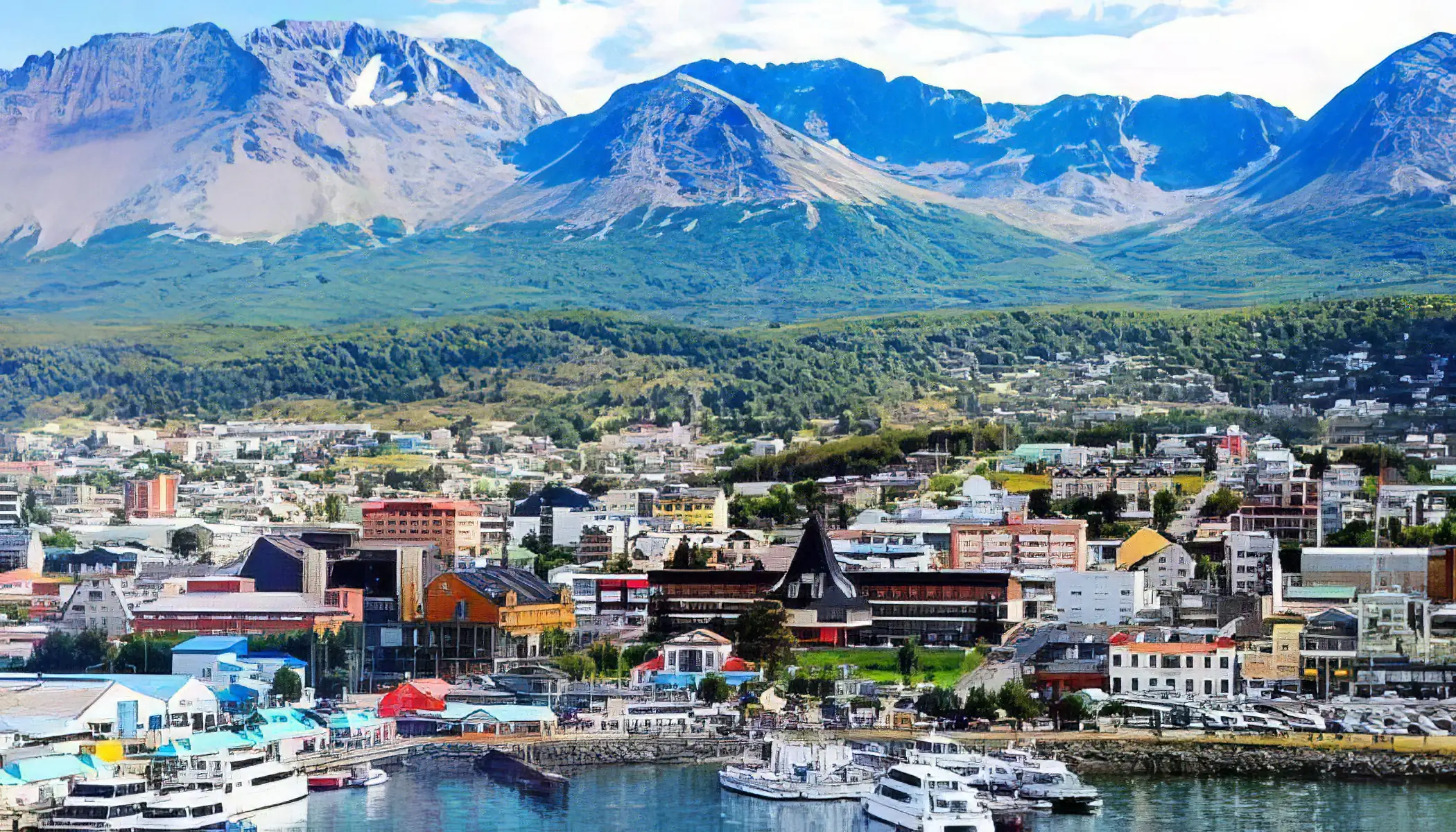
Antarctica is a unique destination, but it doesn't have cities in the traditional sense. It's primarily a destination for scientific research stations. Here are some notable locations:
– McMurdo Station: The largest research station in Antarctica, operated by the United States.
– Amundsen-Scott South Pole Station: Located at the South Pole, it's a U.S. scientific research site.
– Palmer Station: A small U.S. research station with a focus on marine biology.
– Rothera Research Station: The British Antarctic Survey's largest base.
– Esperanza Base: An Argentine research station, one of only two civilian settlements on Antarctica.
– Villa Las Estrellas: A Chilean civilian settlement and research station.
– Port Lockroy: A British historic site and museum, it's one of the most visited sites in Antarctica.
Monuments
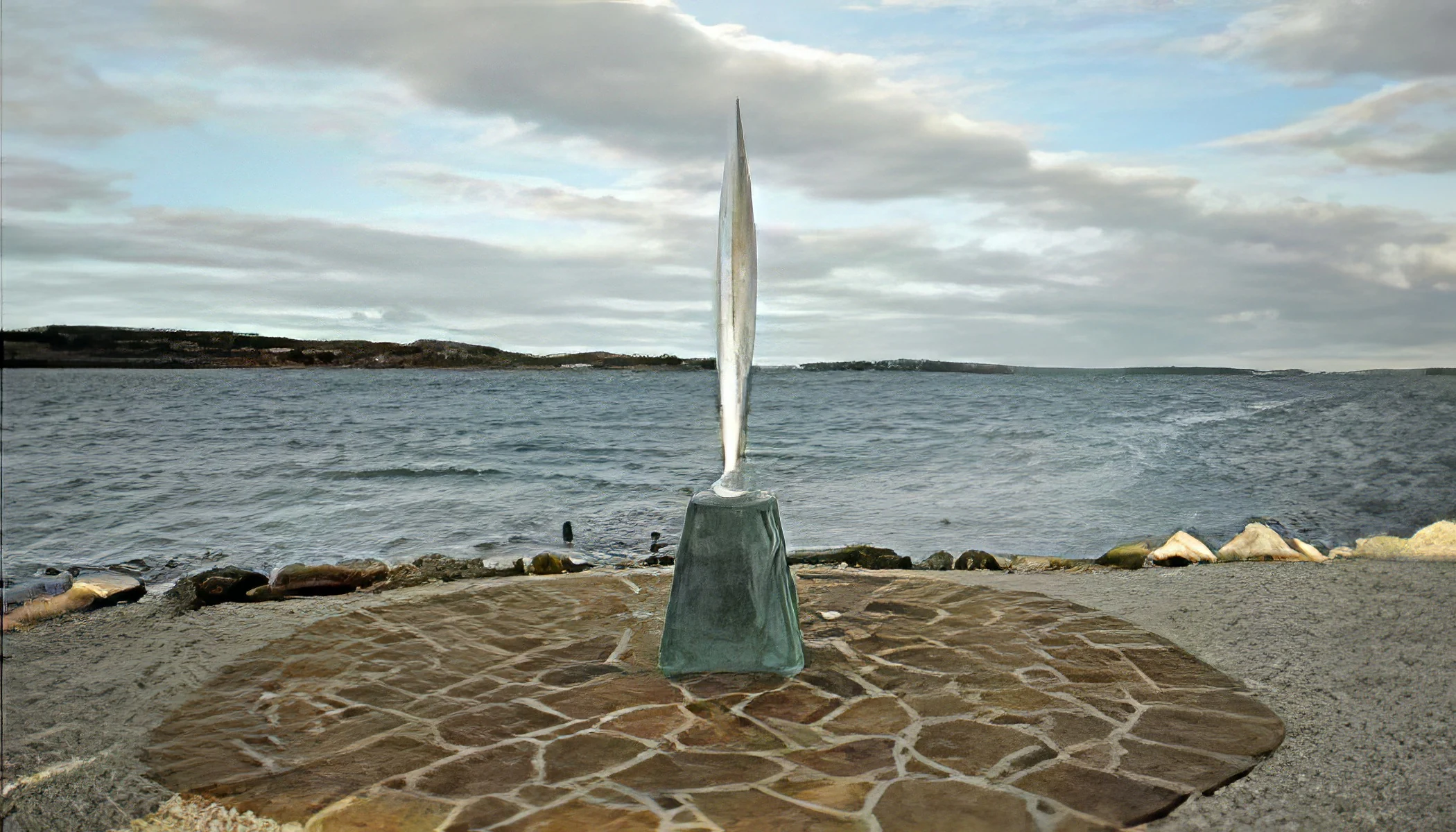
Antarctica, while not known for traditional monuments, has several significant sites:
– McMurdo Station: The largest research station in Antarctica, operated by the United States.
– Scott's Hut: A preserved wooden hut from Robert Falcon Scott's ill-fated Terra Nova Expedition.
– Port Lockroy: A historic British base, now a museum and post office.
– Deception Island: An active volcano with remains of a former whaling station.
– Argentine Islands: Home to the historic Wordie House, a former British research station.
– Amundsen-Scott South Pole Station: A U.S. scientific research station at the geographic South Pole.
– Shackleton's Hut: A preserved hut from Ernest Shackleton's Nimrod Expedition.
– Peter I Island: A rarely visited volcanic island with a Norwegian hut.
Natural wonder
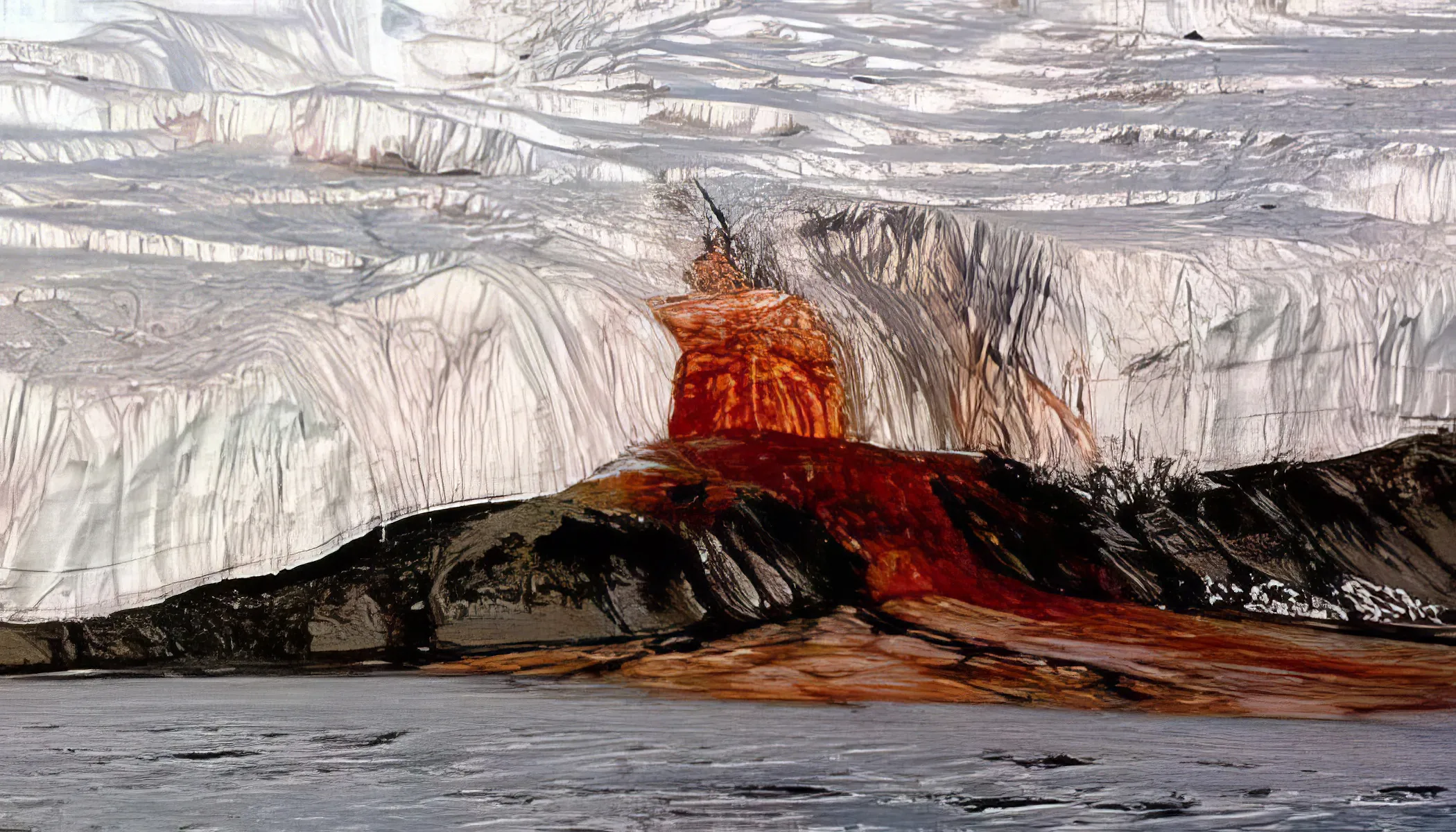
Explore the untouched beauty of Antarctica:
– Antarctic Peninsula: Known for its towering icebergs and glaciers.
– Deception Island: A unique, horse-shoe shaped island with a flooded caldera.
– Lemaire Channel: A scenic strait known for its steep cliffs and icebergs.
– Ross Ice Shelf: The world's largest ice shelf.
– Mount Erebus: An active volcano with a persistent lava lake.
– Dry Valleys: One of the driest places on Earth, devoid of snow and ice.
– South Pole: The southernmost point on the planet.
– Weddell Sea: Known for its massive tabular icebergs.
– Paradise Harbor: A fascinating bay with calm waters and ice sculptures.
– Elephant Island: A desolate island known for its colony of elephant seals.
Outdoor activities
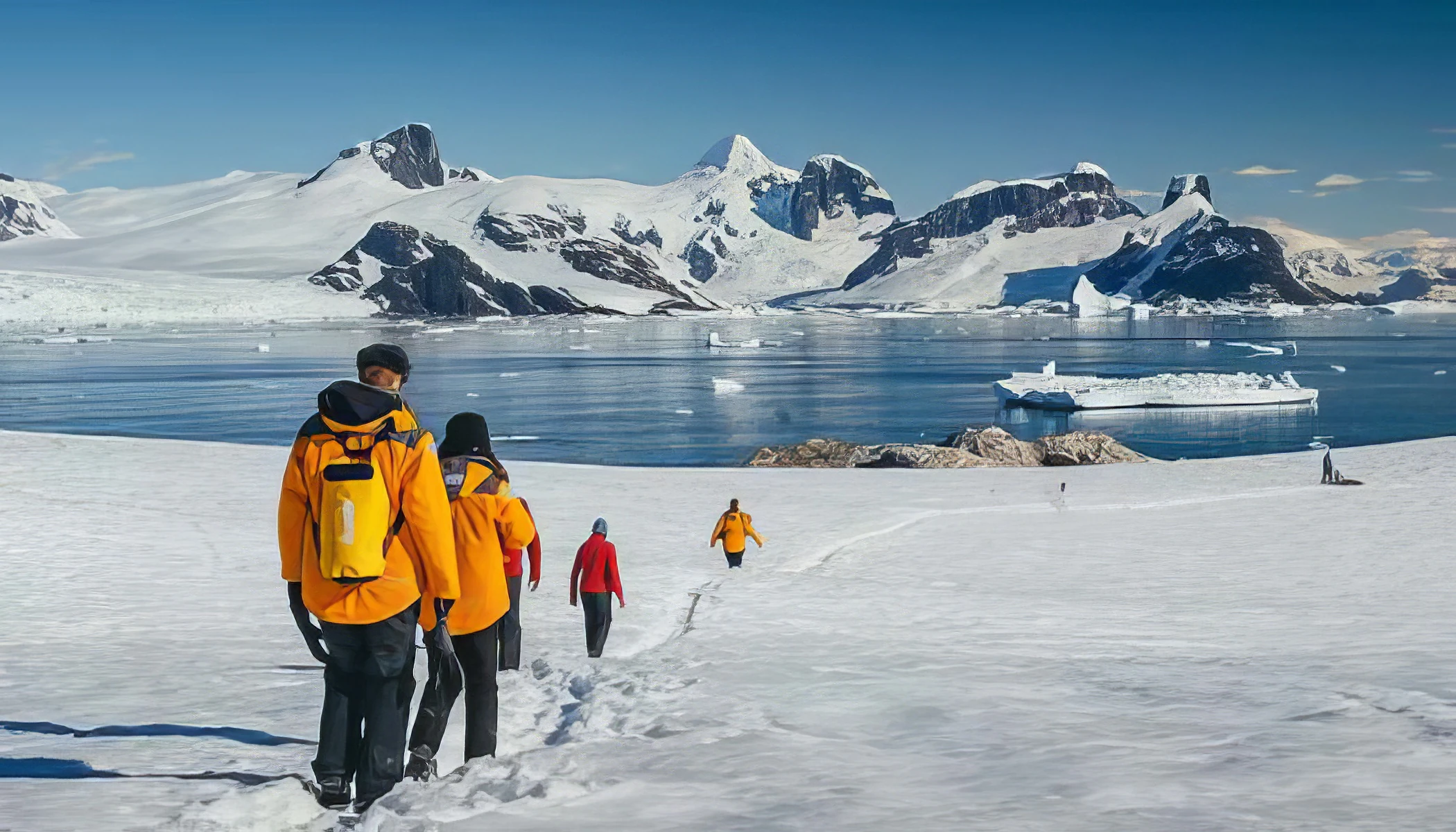
Antarctica offers unique and unforgettable outdoor experiences for the adventurous traveler:
– Iceberg Cruise: Navigate through towering ice formations on a zodiac boat.
– Penguin Watching: Observe colonies of penguins in their natural habitat.
– Kayaking: Paddle through icy waters, surrounded by remarkable Antarctic scenery.
– Camping: Spend a night on the Antarctic ice under the midnight sun.
– Mountaineering: Climb Antarctica's challenging peaks for handsome panoramic views.
– Cross-Country Skiing: Traverse the untouched snowscape on skis.
– Polar Plunge: Dive into the icy Antarctic waters for an exhilarating experience.
Kid Friendly
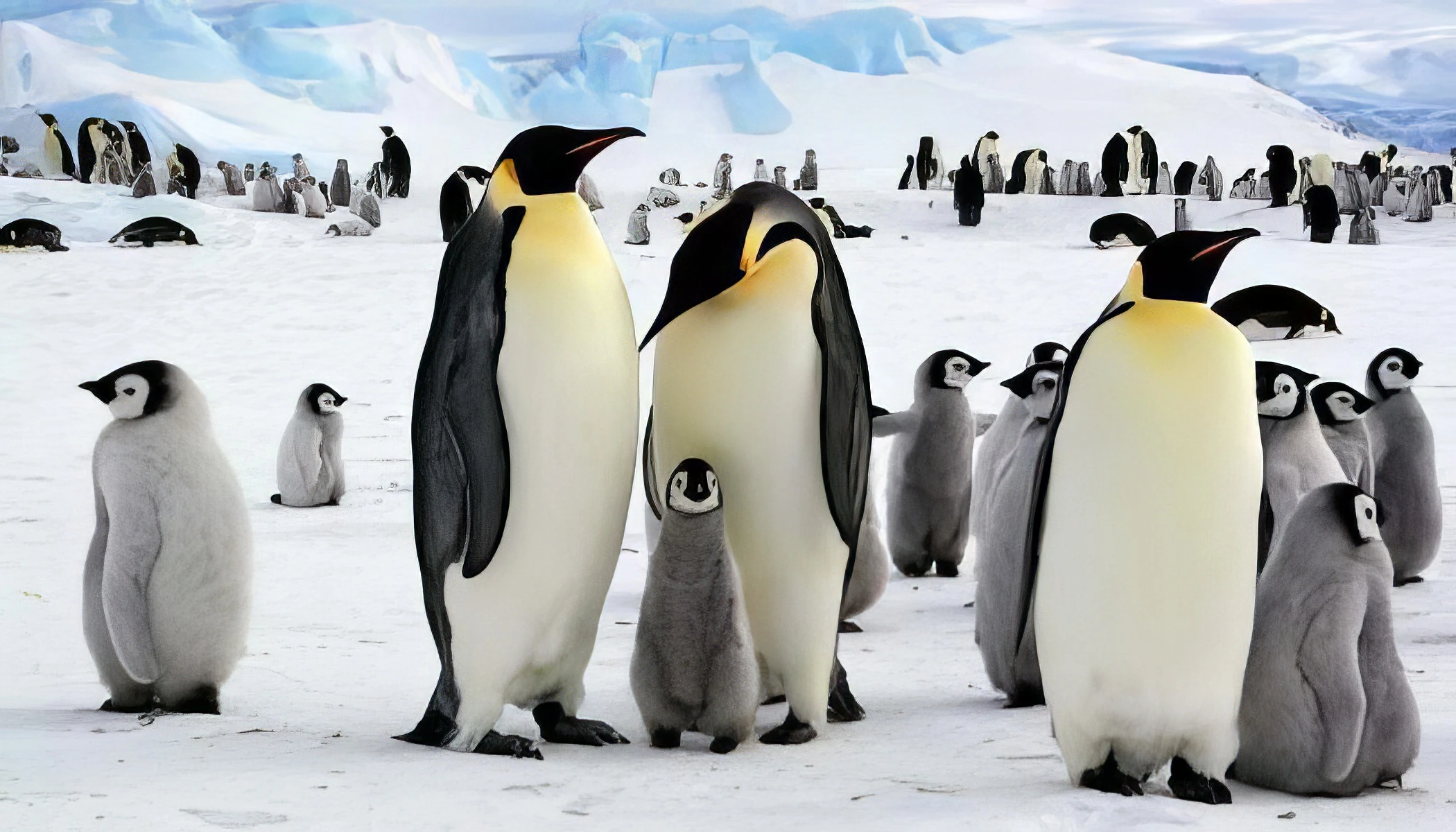
Antarctica, the southernmost continent, offers unique experiences for adventurous families:
– Penguin Watching: Observe different species of penguins in their natural habitat.
– Iceberg Cruises: Take a boat ride to see towering icebergs and lovely icy landscapes.
– Whale Watching: Spot different species of whales during the summer months.
– Visit Research Stations: Learn about scientific research in this extreme environment.
– Zodiac Excursions: Small inflatable boats allow close encounters with wildlife.
– Sea Kayaking: Paddle among icebergs and wildlife, suitable for older kids.
– Ice Hiking: Walk on glaciers and ice fields, a truly unique experience.
– Photography Lessons: Capture the unique beauty of Antarctica under expert guidance.
Cuisine

Antarctica is not a traditional food destination due to its harsh, uninhabited environment. The food scene is primarily driven by research stations, where meals are often simple and hearty. Fresh produce is scarce, and most food is imported or frozen. However, there are no specific dishes or desserts that are unique to Antarctica. The diet of the people living there mainly consists of imported canned or frozen food due to the extreme weather conditions.
Souvenir

Antarctica, being a unique and remote destination, offers a limited but interesting range of souvenirs. Here are some items you might consider:
– Antarctic Stamps: Stamps from the various research stations in Antarctica are a unique and lightweight souvenir.
– Antarctic Coins: Coins minted specifically for Antarctica are a popular collectible.
– Expedition Clothing: Branded clothing from your expedition ship can be a practical and memorable souvenir.
– Books about Antarctica: There are many fascinating books about the history and wildlife of Antarctica.
– Postcards: Postcards featuring Antarctic landscapes and wildlife are a classic souvenir.
– Photographs: Taking your own photographs is perhaps the best way to remember your trip.
– Antarctic Map: A map of Antarctica can be a great memento of your journey.
Events & Festivals
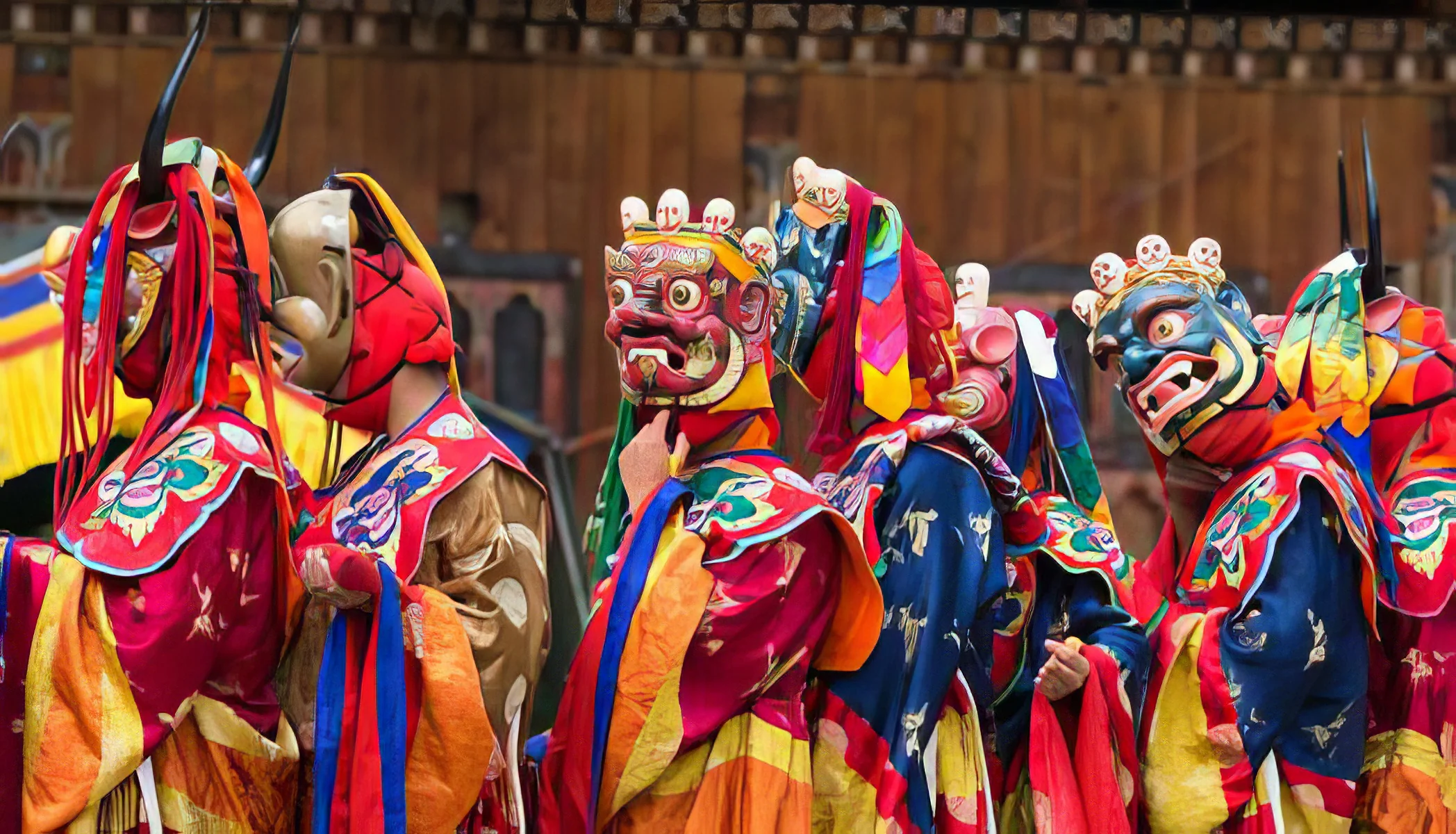
Antarctica, the icy continent, hosts a few unique events despite its harsh conditions:
– Icestock: An outdoor music festival held on New Year's Eve by the residents of McMurdo Station.
– Midwinter Day: Celebrated on June 21, it marks the middle of winter in Antarctica with feasts and gifts.
– Race Around the World: An annual running event at the South Pole Station on December 31.
– The Antarctic Ice Marathon: A unique marathon event held in November/December, attracting athletes from around the world.
– The Polar Plunge: A tradition where residents and visitors jump into the icy waters, usually in summer.
– Summer Solstice: Celebrated in December, marking the longest day of the year.
– Winter Solstice: Celebrated in June, marking the shortest day of the year.
Famous People
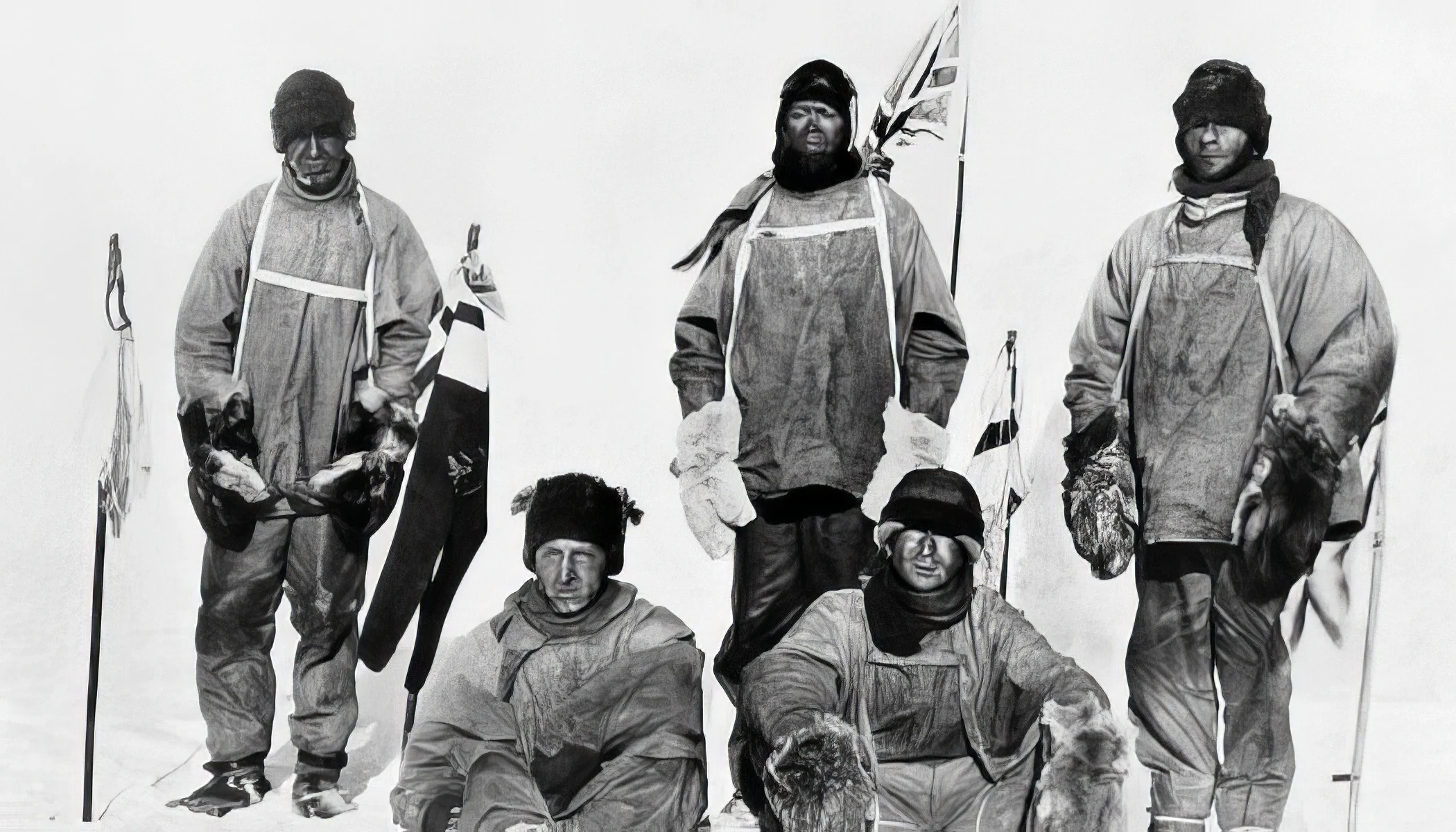
Antarctica, being uninhabited, has no native famous people, but it has been significantly explored by renowned individuals.
– Roald Amundsen (1872 to 1928, Borge, Norway): First person to reach the South Pole in December 1911.
– Robert Falcon Scott (1868 to 1912, Plymouth, UK): Led the ill-fated Terra Nova Expedition to the South Pole.
– Ernest Shackleton (1874 to 1922, Kilkea, Ireland): Led the Endurance Expedition, known for his leadership during its failure.
– Richard E. Byrd (1888 to 1957, Winchester, USA): American aviator, polar explorer, and organizer of polar logistics.
– Edmund Hillary (1919 to 2008, Auckland, New Zealand): Part of the Commonwealth Trans-Antarctic Expedition, first to reach the South Pole overland since Amundsen.
Books
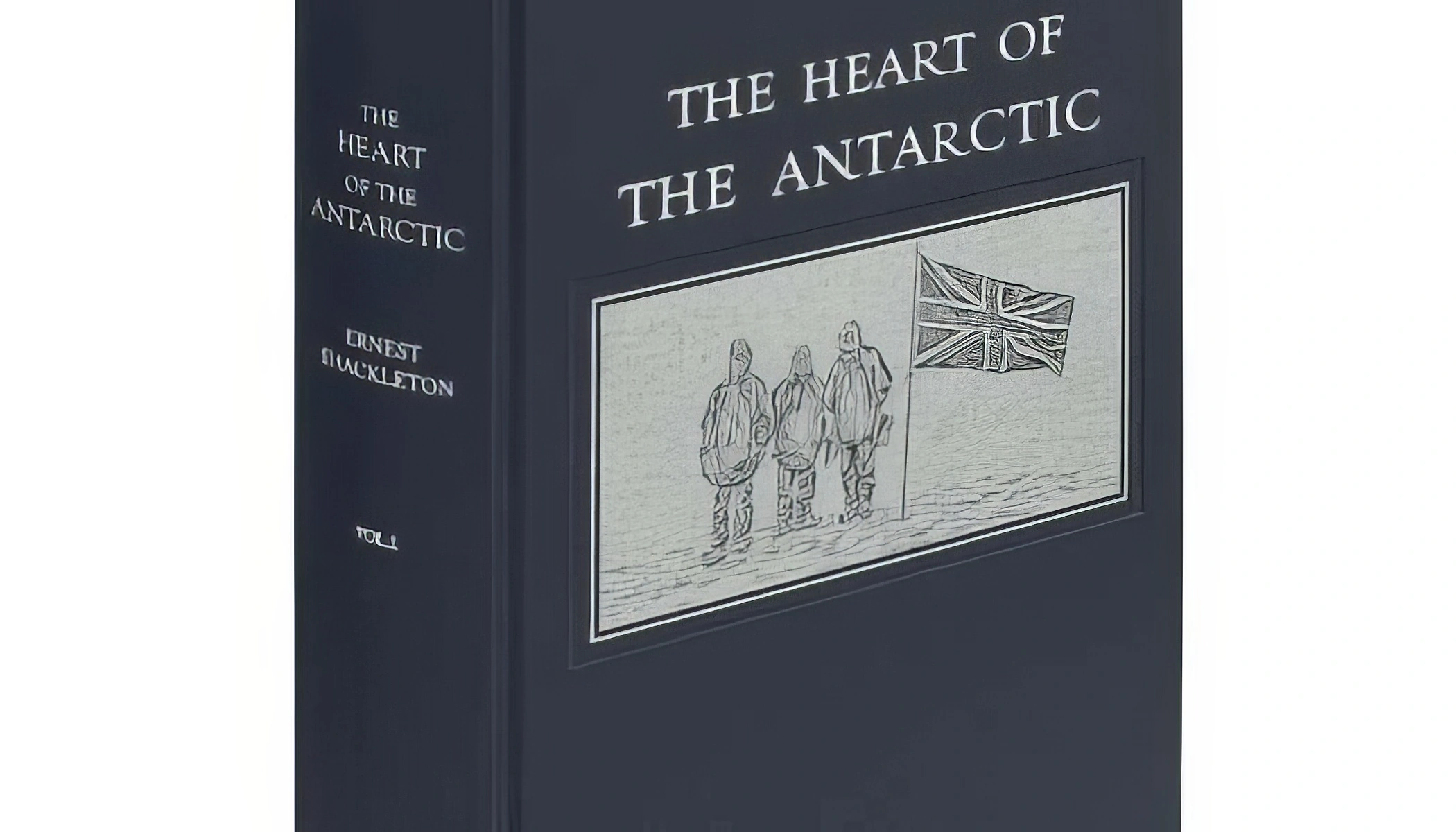
These books provide a fascinating insight into the harsh, icy wilderness of Antarctica, its exploration, and the life that persists there.
– "Endurance: Shackleton's Incredible Voyage" by Alfred Lansing: A true story of survival in the Antarctic wilderness.
– "The Worst Journey in the World" by Apsley Cherry-Garrard: A memoir of the 1910-1913 British Antarctic Expedition.
– "Antarctica" by Kim Stanley Robinson: A science fiction novel set in the near future in Antarctica.
– "Terra Incognita: Travels in Antarctica" by Sara Wheeler: A modern travelogue of life and history in Antarctica.
– "The White Darkness" by David Grann: A true story of obsession in the Antarctic.
Songs

While there are no known songs from Antarctica-based singers due to its uninhabited nature, several songs have been inspired by the continent's unique landscape and environment.
– Antarctica: The Last Wilderness: A song by Vangelis, inspired by the untouched beauty of Antarctica.
– Antarctica Echoes: A track by Vangelis, part of the soundtrack for the film "Antarctica."
– Antarctica Starts Here: A song by John Cale, reflecting the isolation of the continent.
– Antarctica (My Beloved Home): A song by The Weepies, expressing longing for the icy wilderness.
– Song of the Sun: Mike Oldfield's track, inspired by the Antarctic summer.
– Ice Station Zebra: A song by Jack White, named after a research station in Antarctica.
Films

Antarctica's harsh yet beautiful landscapes have been the backdrop for several notable films:
– "March of the Penguins": An Oscar-winning documentary about the annual journey of Emperor penguins.
– "Happy Feet": An animated film about a tap-dancing penguin, set in the Antarctic.
– "The Thing": John Carpenter's horror classic set in an isolated Antarctic research station.
– "Eight Below": A survival drama about sled dogs left behind in Antarctica.
– "Encounters at the End of the World": Werner Herzog's documentary exploring human life in Antarctica.