

Travel Guide to Argentina: Top Things to Do & Tips
Located in South America, this country is known for its diverse landscapes, from the Andes mountains to the Pampas grasslands. It's famous for tango dance, beef, and wine. Buenos Aires, its capital, is a lively city with a rich cultural scene.
- Capital
- Buenos Aires
- Population
- 41.4 millions
- Superficy
- 2767000 sq.km
- Months to Visit
- Sept. to Nov. & Mar. to May.
- Living Cost
- Moderate
Overview
Argentina is a large South American country known for its diverse geography, which includes the Andes mountains, Pampas grasslands, and extensive coastlines. Buenos Aires, its capital, is famous for its nice culture, tango dance, and historic architecture. The country is also renowned for its beef, with asado (barbecue) being a popular culinary tradition. Argentina's Patagonia region offers beautiful natural landscapes, including glaciers, forests, and wildlife. The country has a rich history, marked by periods of political instability and economic challenges. Despite these, Argentina remains a popular destination for its cultural richness, natural beauty, and warm hospitality.
Pros & Cons
GOOD REASONS TO VISIT ARGENTINA
– Diverse Landscapes: From Andes mountains to Iguazu Falls and Patagonia's glaciers, Argentina offers varied, magnificent natural beauty.
– Pretty Culture: Experience tango, football passion, and traditional gaucho culture.
– Excellent Wine: Mendoza and Salta regions are renowned for their world-class Malbec wines.
– Delicious Cuisine: Enjoy asado (barbecue), empanadas, and dulce de leche; Argentina is a food lover's paradise.
– Wildlife Encounters: See penguins in Patagonia, whales in Peninsula Valdes, and capybaras in Ibera Wetlands. CHALLENGES WHEN VISITING ARGENTINA
– Economic Instability: Fluctuating exchange rates and inflation can affect travel costs.
– Long Distances: Traveling between attractions can be time-consuming due to Argentina's large size.
– Safety Concerns: Petty crime like pickpocketing and bag snatching can occur in crowded areas; stay vigilant.
Before Departure
Before setting off on your adventure to Argentina, there are several key points to consider:
– Passport: Ensure your passport is valid for at least six months beyond your planned departure date.
– Visa: Most tourists do not require a visa for stays up to 90 days, but always check Argentina's visa policy based on your nationality.
– Currency: Argentine Peso (ARS) is the local currency; credit cards are widely accepted; ATMs are common but may have withdrawal limits.
– Internet access: WiFi is widely available in urban areas and many hotels; consider purchasing a local SIM card for mobile data.
– Language barrier: Spanish is the official language; English is not widely spoken outside of major cities and tourist areas, so learning basic Spanish phrases can be beneficial.
What to Pack
Argentina offers a diverse range of climates and activities, so packing will depend on your planned itinerary and the time of year.
– Essentials: Passport and visa (if required), travel insurance details, flight tickets and itinerary, accommodation reservations.
– Clothing: Comfortable walking shoes, lightweight clothing for summer, warm layers for winter, rain jacket, swimwear (if visiting coastal areas), sunglasses and hat.
– Health & Safety: Prescription medications and a basic first aid kit, sunscreen with high SPF, personal hygiene items, water purification tablets (if venturing into remote areas).
– Electronics: Travel adapter for Argentine outlets, mobile phone, camera, portable charger.
Weather
Argentina's weather varies greatly from region to region:
– Summer (December to February): Hot and humid in the north, warm and dry in central regions, and mild in the south.
– Autumn (March to May): Mild temperatures across the country with less rainfall.
– Winter (June to August): Cold and dry in the north and central regions, while the south experiences freezing temperatures and snow.
– Spring (September to November): Pleasant temperatures countrywide with occasional rainfall. The best time to visit Argentina is during the spring (September to November).
– The weather is comfortable and landscapes are in full bloom.
– It's less crowded as it's off-peak tourist season. However, it's also the windy season which might affect some outdoor activities.
Travel Budget
Argentina is a country with a wide range of prices. Here are some average costs for tourists:
– Hotel: 30S to 150S
– Lunch: 10S to 30S
– Beverage (in bar/restaurant): 3S to 10S
– Coffee: 2S to 5S
– Transportation: (train 1S to 5S), (bus 1S to 3S), (taxi /10km 10S to 20S)
– Mobile data (per GB): 3S to 10S
Language
Argentina's official language is Spanish, and here are some useful phrases for tourists:
– Hello: Hola
– Thank you: Gracias
– Please: Por favor
– How much is this?: ¿Cuánto cuesta esto?
– Excuse me: Perdón
– I don't understand: No entiendo
– Yes: Sí
– No: No
– Goodbye: Adiós
History
Argentina's history begins with the arrival of indigenous peoples thousands of years ago. The Spanish colonized the region in the 16th century, with Buenos Aires established in 1580. Argentina declared independence from Spain in 1816. The late 19th and early 20th centuries saw significant economic growth, making Argentina one of the wealthiest countries in the world. However, the mid-20th century was marked by political instability, military dictatorships, and economic crises. Democracy was restored in 1983, and despite economic challenges, Argentina remains one of South America's leading economies.
Geopolitics
Argentina is a federal republic located in the southern part of South America, bordering Chile to the west, Bolivia and Paraguay to the north, Brazil and Uruguay to the northeast, and the Atlantic Ocean to the east. Its capital and largest city is Buenos Aires. Argentina has had historical territorial disputes with Chile, but most have been resolved. The country is a member of several international organizations, including the United Nations and the Organization of American States. Argentina's foreign policy has traditionally been influenced by its relationships with the United States, Brazil, and European countries. Economically, Argentina has a mixed economy with abundant natural resources, but it has faced recurring economic crises.
Sample Itinerary
This itinerary offers a blend of urban exploration in Buenos Aires, natural wonders in Iguazu Falls and Patagonia, and wine tasting in Mendoza.
– 2 days in Buenos Aires: Visit the Plaza de Mayo, Recoleta Cemetery, and enjoy tango shows. Explore the colorful neighborhood of La Boca.
– 2 days in Iguazu Falls: Experience the grandeur of the falls from both the Argentine and Brazilian sides. Take a boat tour for a closer look.
– 2 days in Mendoza: Visit vineyards for wine tasting and enjoy the Andean landscapes. Explore the city's parks and plazas.
– 3 days in Patagonia: In El Calafate, visit the Perito Moreno Glacier. In Ushuaia, explore the Tierra del Fuego National Park and Beagle Channel.
– 1 day in Buenos Aires: Return for last-minute shopping or sightseeing before departure.
Popular cities
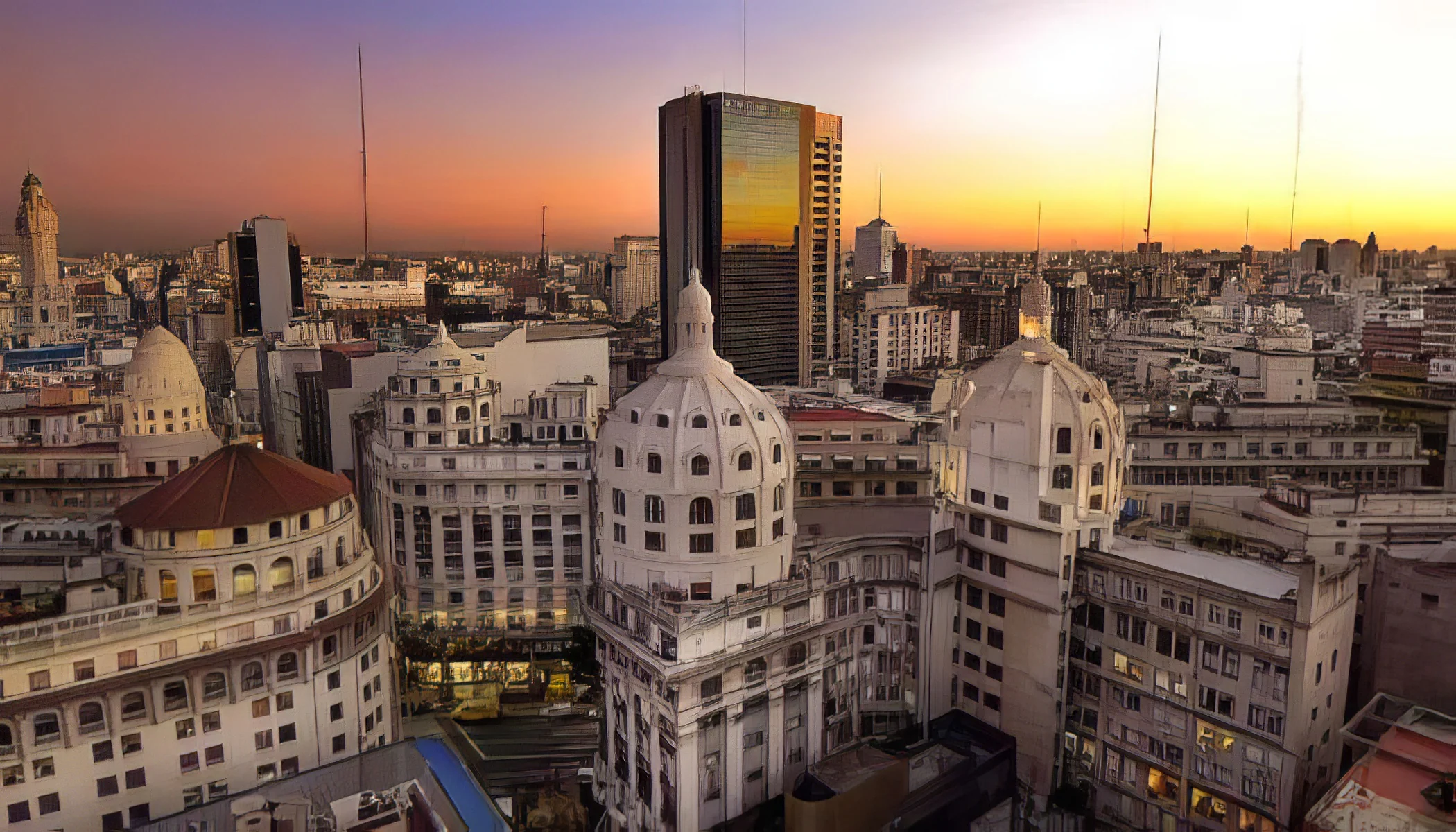
Argentina offers a variety of cities, each with its unique charm and attractions:
– Buenos Aires: The capital city, known for its vibrant nightlife, tango dance, and European-style architecture.
– Cordoba: Home to colonial architecture, Jesuit ruins, and a lively student population.
– Mendoza: Famous for its wineries, Andean landscapes, and outdoor activities.
– Bariloche: Known for its Swiss-style architecture, chocolate shops, and remarkable lake views.
– Ushuaia: The southernmost city in the world, gateway to Antarctica, with beautiful natural landscapes.
– Rosario: Birthplace of Che Guevara, it offers neoclassical architecture and the Paraná River.
– Salta: Known for its Spanish colonial architecture, Andean heritage, and empanadas.
Monuments
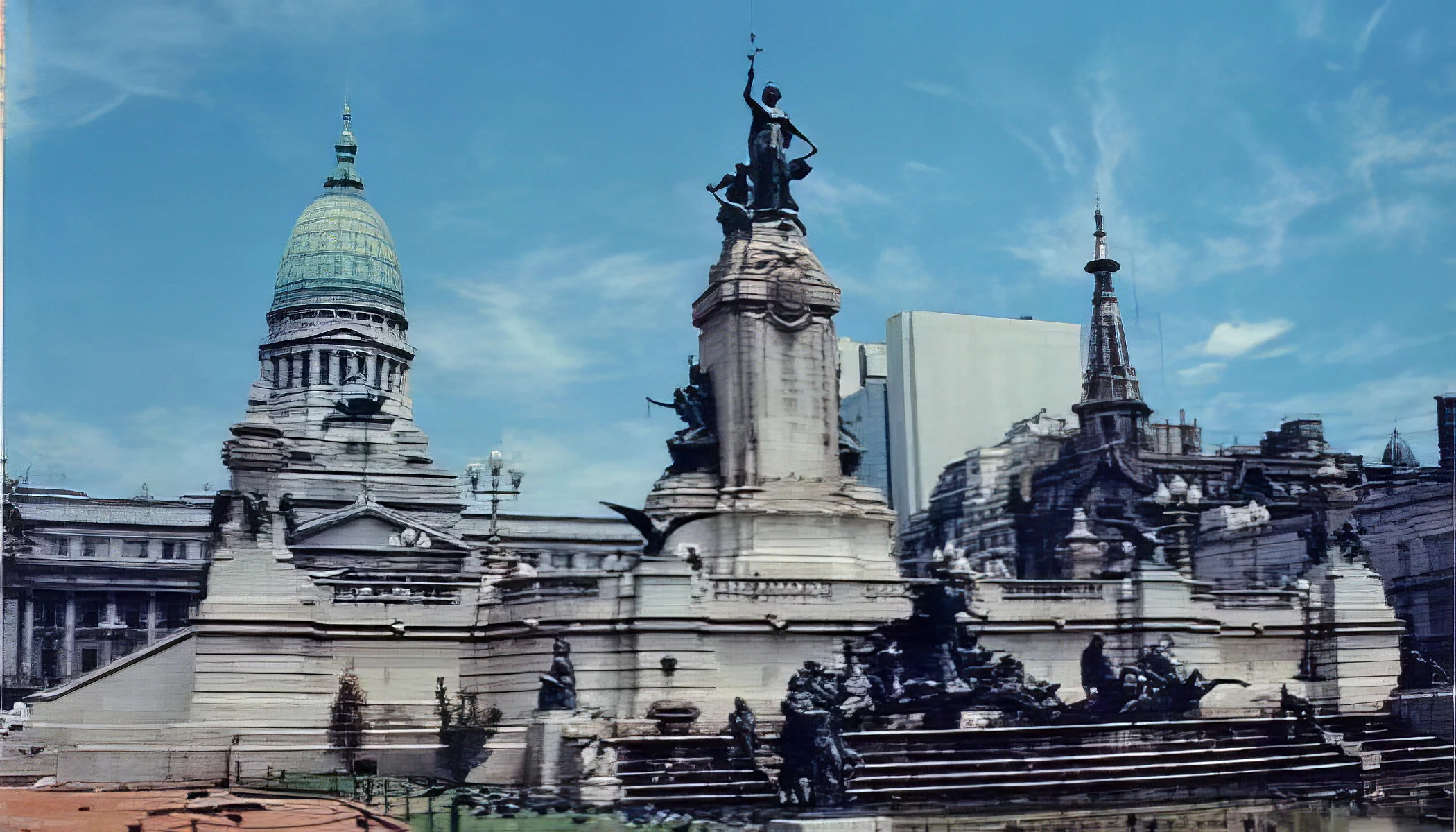
Argentina is home to a variety of historical and architectural landmarks:
– Obelisco, Buenos Aires: Iconic monument commemorating the city's foundation.
– Casa Rosada, Buenos Aires: Presidential palace known for its distinctive pink hue.
– Teatro Colon, Buenos Aires: Renowned opera house with sensational architecture.
– Recoleta Cemetery, Buenos Aires: Historic cemetery housing ornate mausoleums of notable Argentinians.
– San Ignacio Mini, Misiones: Ruins of a 17th-century Jesuit mission.
– Cathedral of Cordoba: A mix of architectural styles, dating back to the 16th century.
– Palacio Barolo, Buenos Aires: Early 20th-century building inspired by Dante's Divine Comedy.
– Parque Nacional Los Glaciares: Home to lovely natural monuments like the Perito Moreno Glacier.
Natural wonder
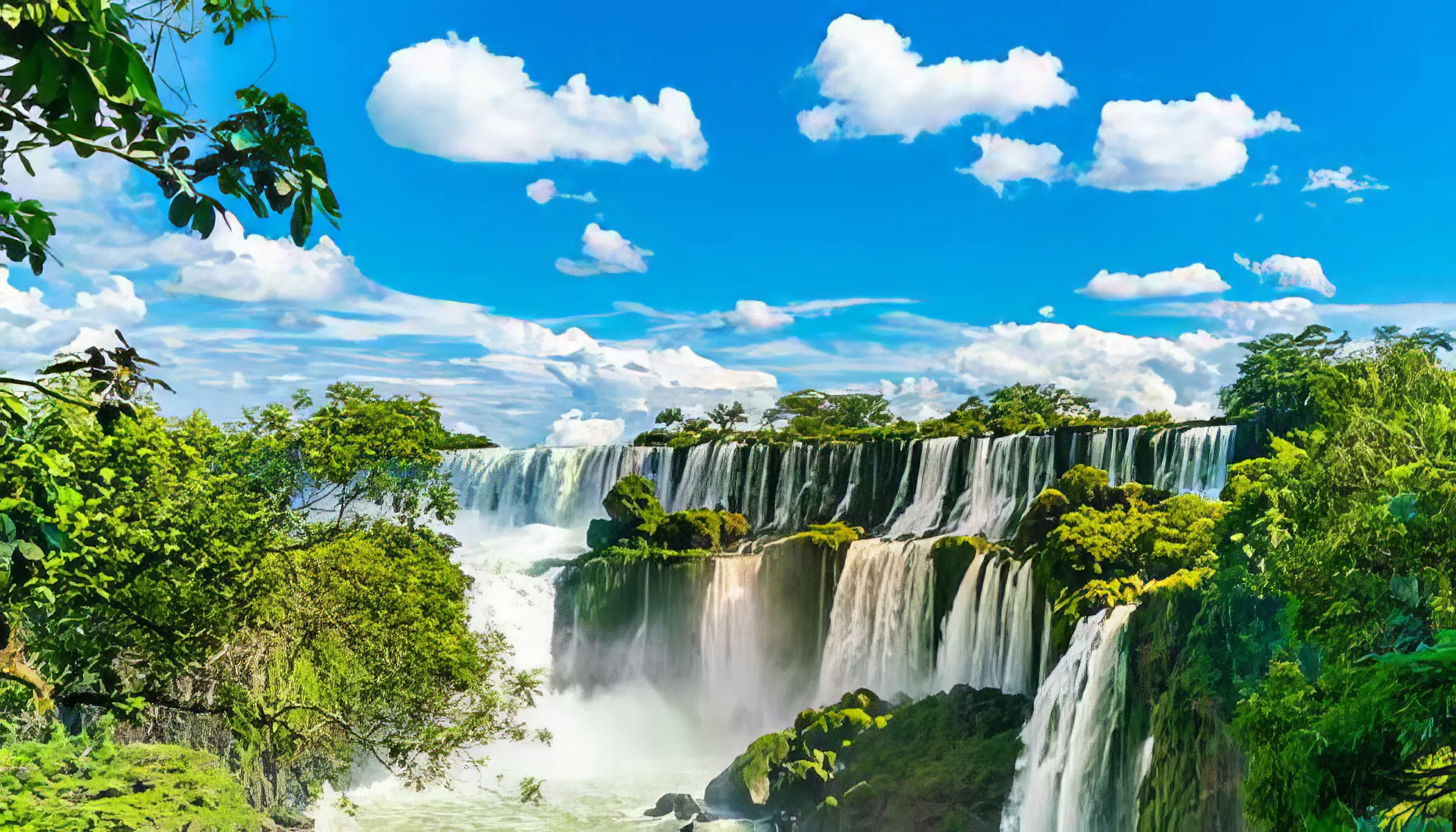
Explore the diverse natural wonders of Argentina:
– Iguazu Falls: One of the world's largest and most spectacular waterfalls.
– Perito Moreno Glacier: A massive, advancing glacier in Patagonia.
– Mount Fitz Roy: A challenging peak for climbers, located in Patagonia.
– Valdes Peninsula: A wildlife sanctuary with whales, penguins, and sea lions.
– Quebrada de Humahuaca: A mountainous region with colorful rock formations.
– Talampaya National Park: Known for its red sandstone cliffs and dinosaur fossils.
– Los Glaciares National Park: Home to numerous glaciers and the famous Mount Fitz Roy.
– Nahuel Huapi National Park: Offers diverse landscapes from mountains to forests and lakes.
– Pampas Grasslands: Vast plains known for cattle ranches and gaucho culture.
– Esteros del Ibera: One of the world's largest wetlands, rich in wildlife.
Beaches
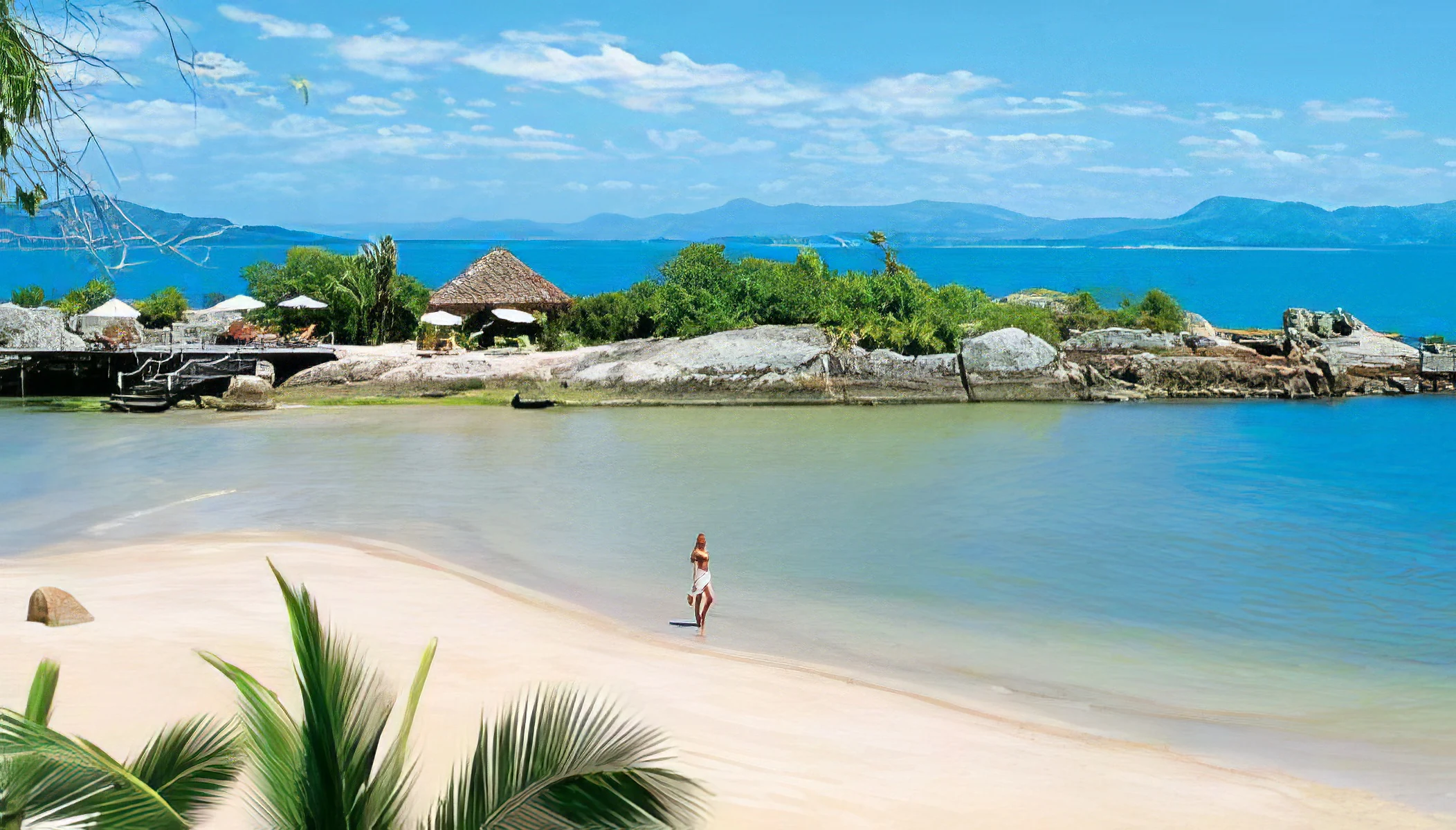
Here are some of the most visited beaches in Argentina:
– Mar del Plata: The most popular beach, known for its lively atmosphere and nightlife.
– Pinamar: A high-end beach resort with dunes and pine forests.
– Carilo: Known for its tranquil setting and upscale accommodations.
– Villa Gesell: A family-friendly beach with a variety of activities.
– Las Grutas: Famous for its warm waters and unique cliff formations.
– Necochea: Offers a wide beach, dunes, and a lush park.
– Monte Hermoso: Known for its calm waters and sunsets over the sea.
Outdoor activities
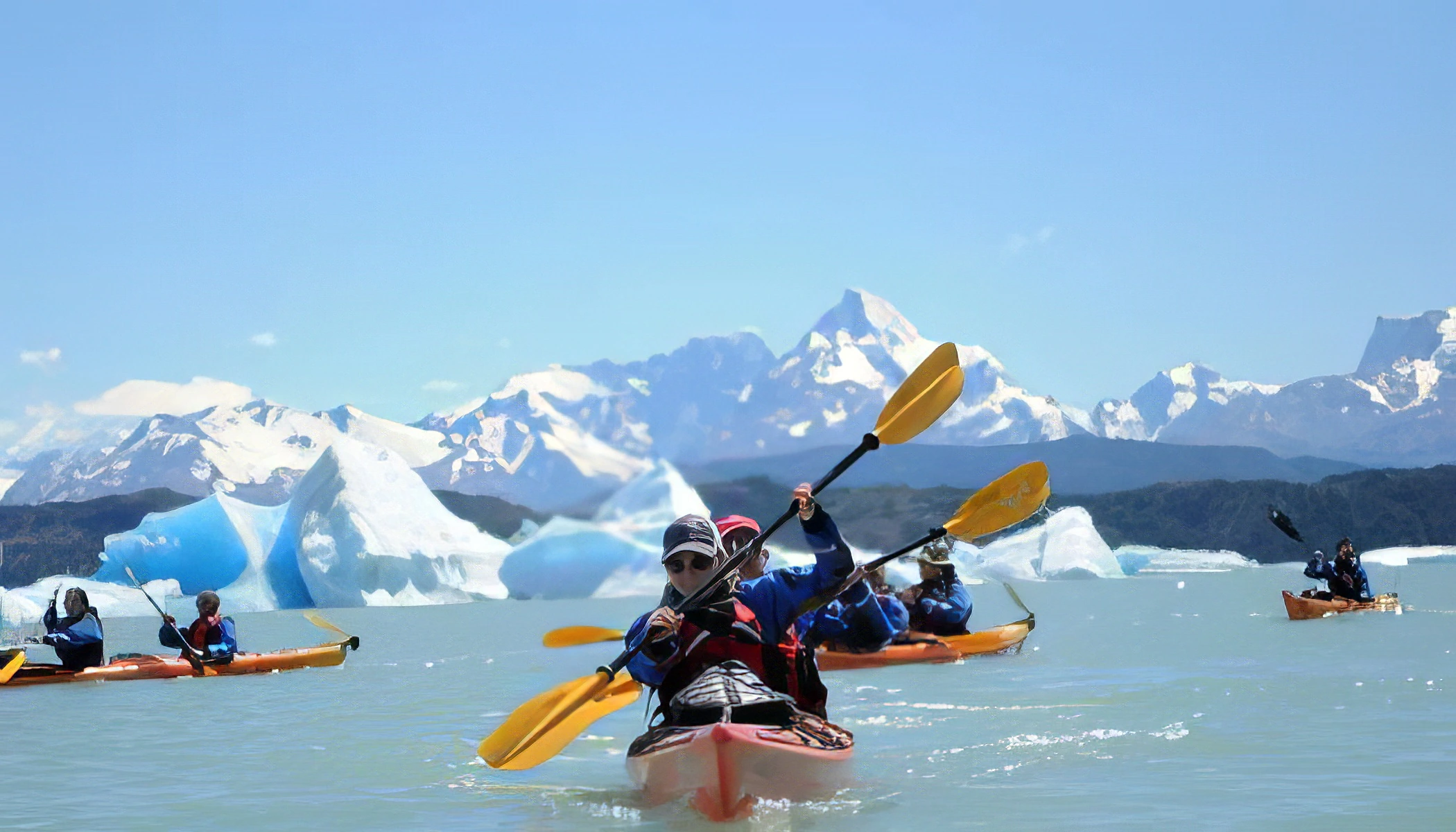
Argentina offers a variety of outdoor experiences, from mountainous adventures to wildlife encounters:
– Trekking in Patagonia: Traverse the rugged landscapes of the Andes.
– Whale Watching in Peninsula Valdes: Observe Southern Right Whales in their natural habitat.
– Horseback Riding in the Pampas: Experience traditional gaucho life in the Argentine plains.
– Kayaking in the Beagle Channel: Paddle amidst glaciers and marine wildlife.
– Wine Tasting in Mendoza: Explore vineyards set against the backdrop of the Andes.
– Bird Watching in Ibera Wetlands: Spot diverse bird species in one of the world's largest wetlands.
– Glacier Hiking on Perito Moreno: Walk on one of the world's few advancing glaciers.
Kid Friendly
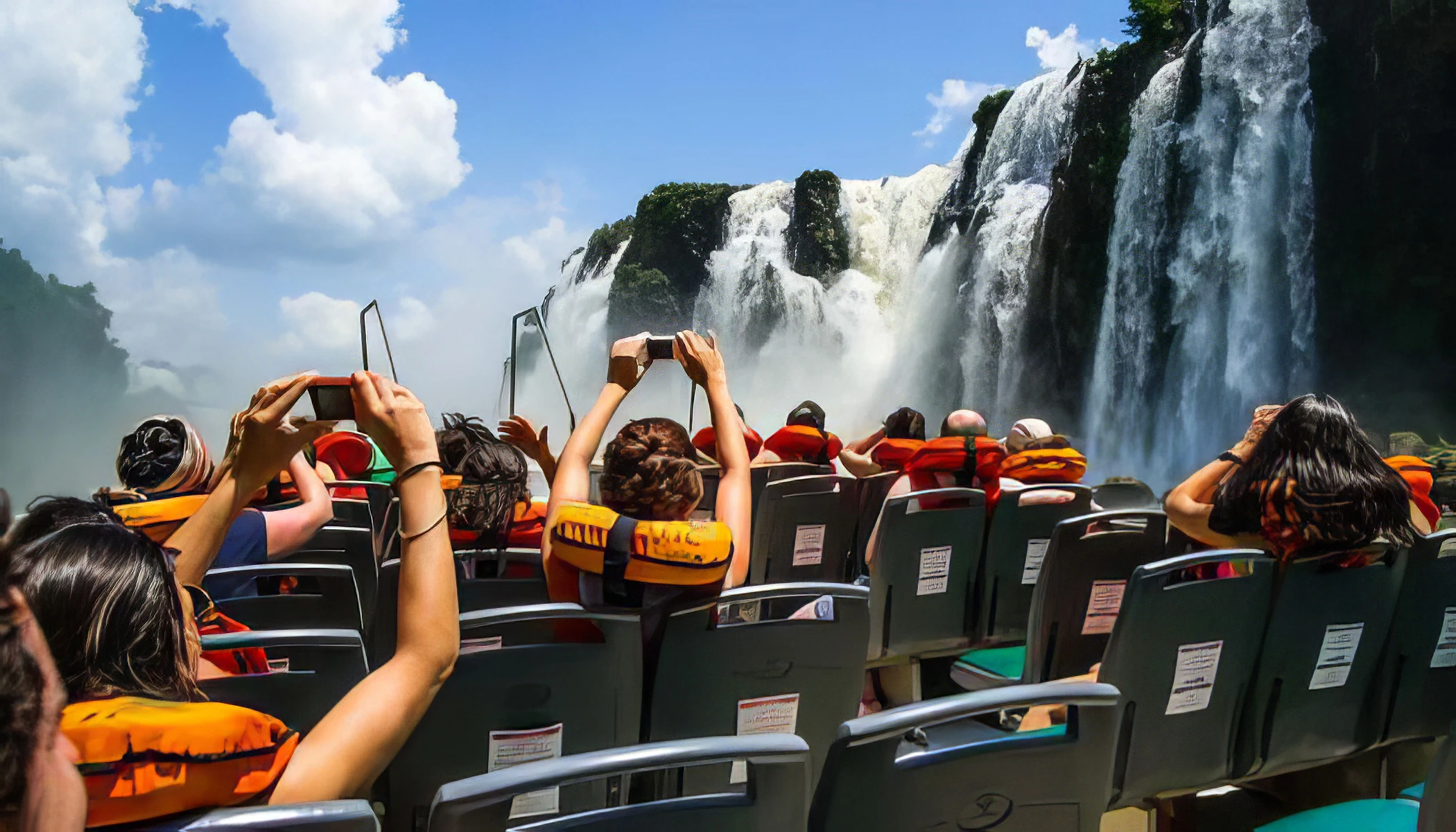
Argentina offers a variety of activities that are perfect for families with children:
– Temaiken Biopark: A large zoo with a variety of animals and interactive exhibits.
– Iguazu Falls: A nice natural wonder with walkways for safe viewing.
– Parque de la Costa: An amusement park with rides suitable for all ages.
– Galileo Galilei Planetarium: An educational experience with astronomy shows and exhibits.
– Tierra Santa: A religious theme park depicting biblical scenes.
– Buenos Aires Zoo: A city zoo with a variety of animals and interactive exhibits.
– El Ateneo Grand Splendid: A beautiful bookstore with a children's section.
– Museo de los Niños: An interactive children's museum with hands-on exhibits.
Cuisine
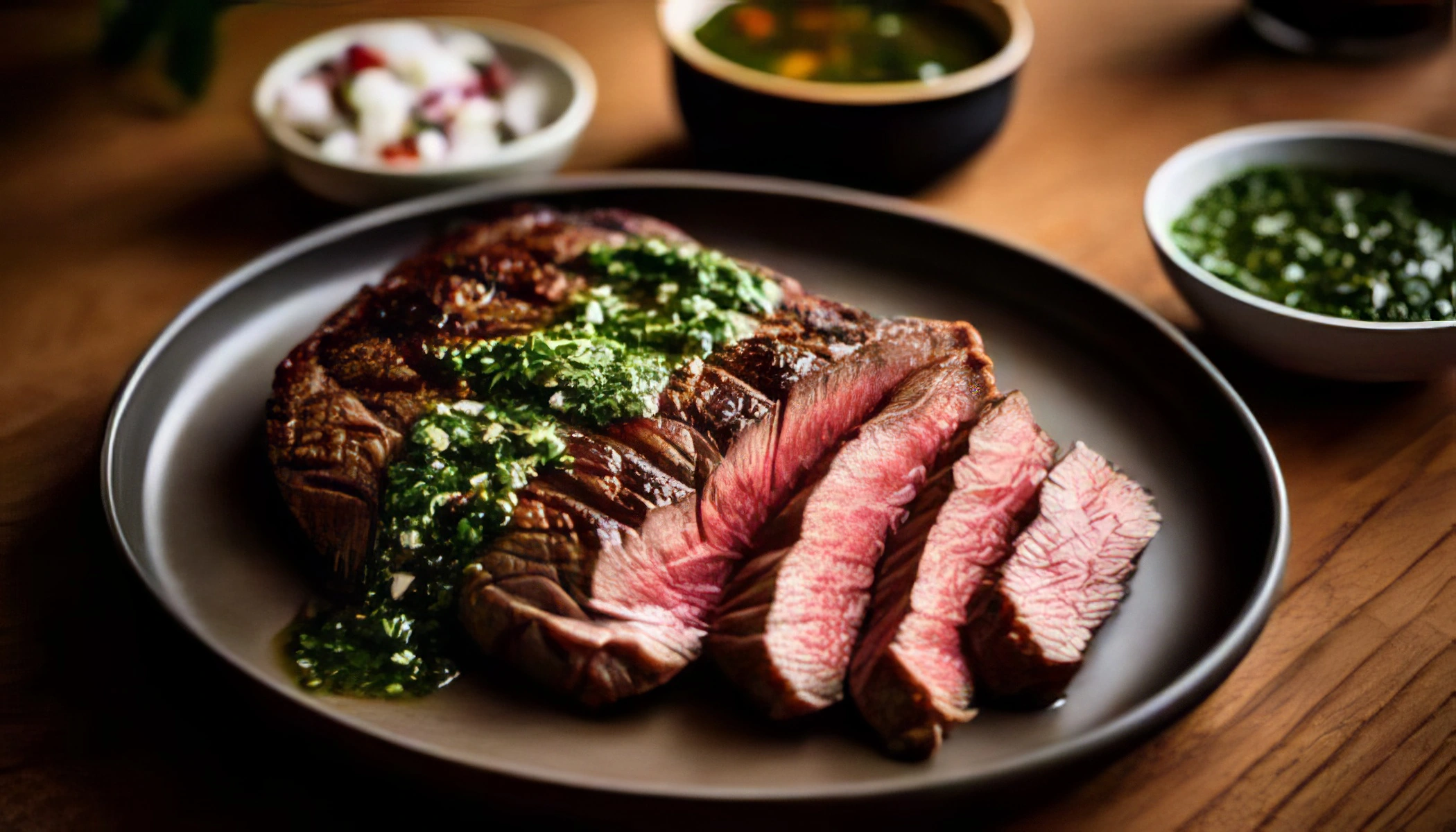
Argentina's food scene is heavily influenced by its European heritage, particularly Italian and Spanish. The country is renowned for its beef, with asado (barbecue) being a national pastime. Empanadas and dulce de leche desserts are also popular.
– Asado: Barbecued beef ribs, often served with chimichurri sauce.
– Empanadas: Baked or fried pastries filled with meat, cheese, or vegetables.
– Milanesa: Breaded and fried meat cutlet, similar to a schnitzel.
– Choripan: Sausage sandwich, typically served with chimichurri sauce.
– Dulce de Leche: Sweet caramel-like sauce, used in many desserts.
– Alfajores: Shortbread cookies filled with dulce de leche.
Souvenir
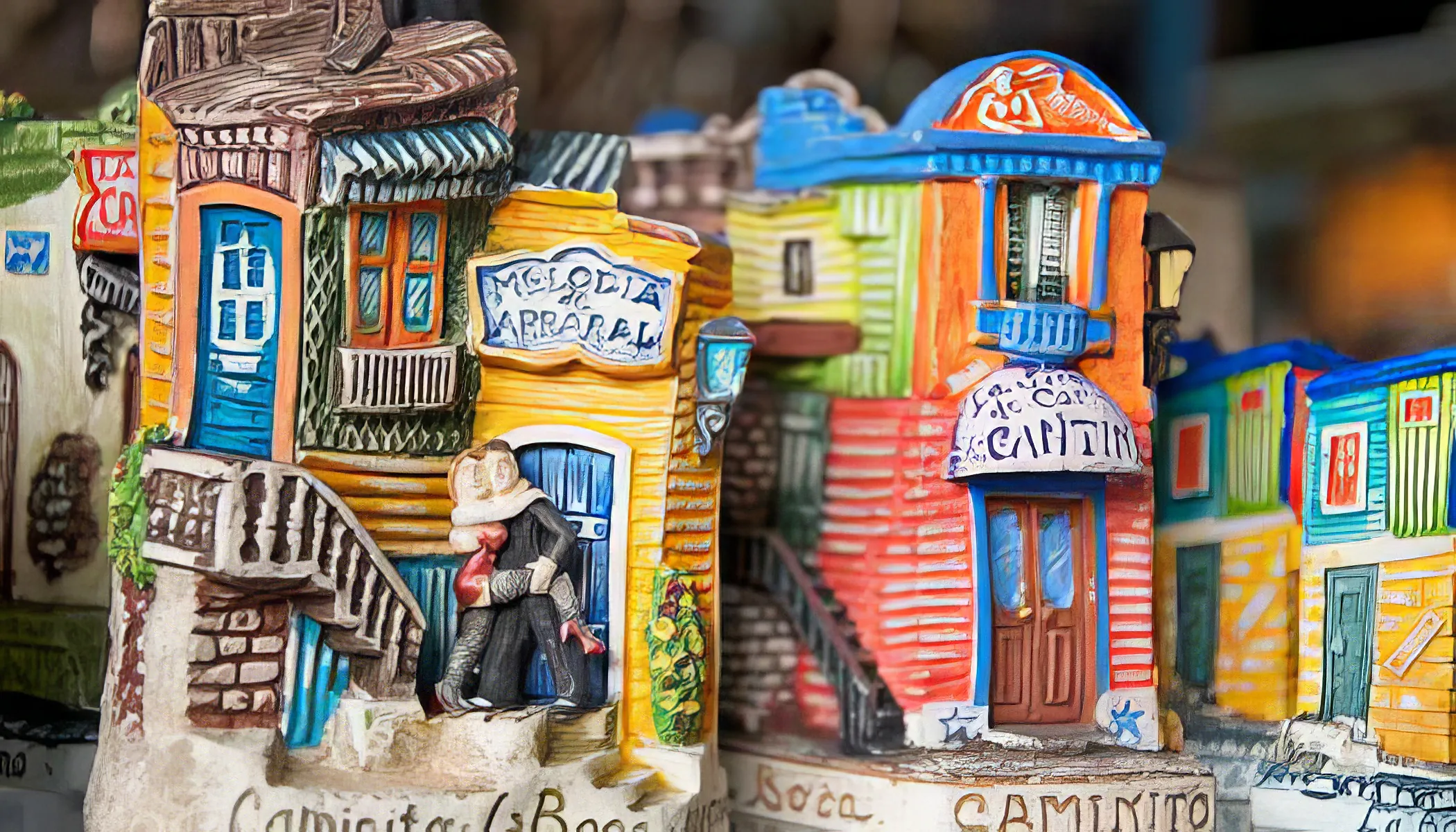
Argentina is a country with a rich cultural heritage and a animated arts scene, which is reflected in its souvenirs. Here are some items you might want to consider:
– Leather Goods: Argentina is famous for its high-quality leather products, including bags, belts, and jackets.
– Mate Cups and Bombillas: Mate is a traditional Argentine drink, and the cups and straws used to drink it make unique souvenirs.
– Wine: Argentina is one of the world's top wine producers, particularly known for its Malbec.
– Silver Jewelry: Argentina has a long history of silver mining, and silver jewelry is a popular souvenir.
– Alpargatas: These traditional Argentine shoes are comfortable and stylish.
– Dulce de Leche: This sweet caramel-like spread is a staple in Argentine cuisine and a tasty souvenir.
– Tango Music: CDs or records of traditional Argentine tango music can be a great reminder of your trip.
Traditional Shows
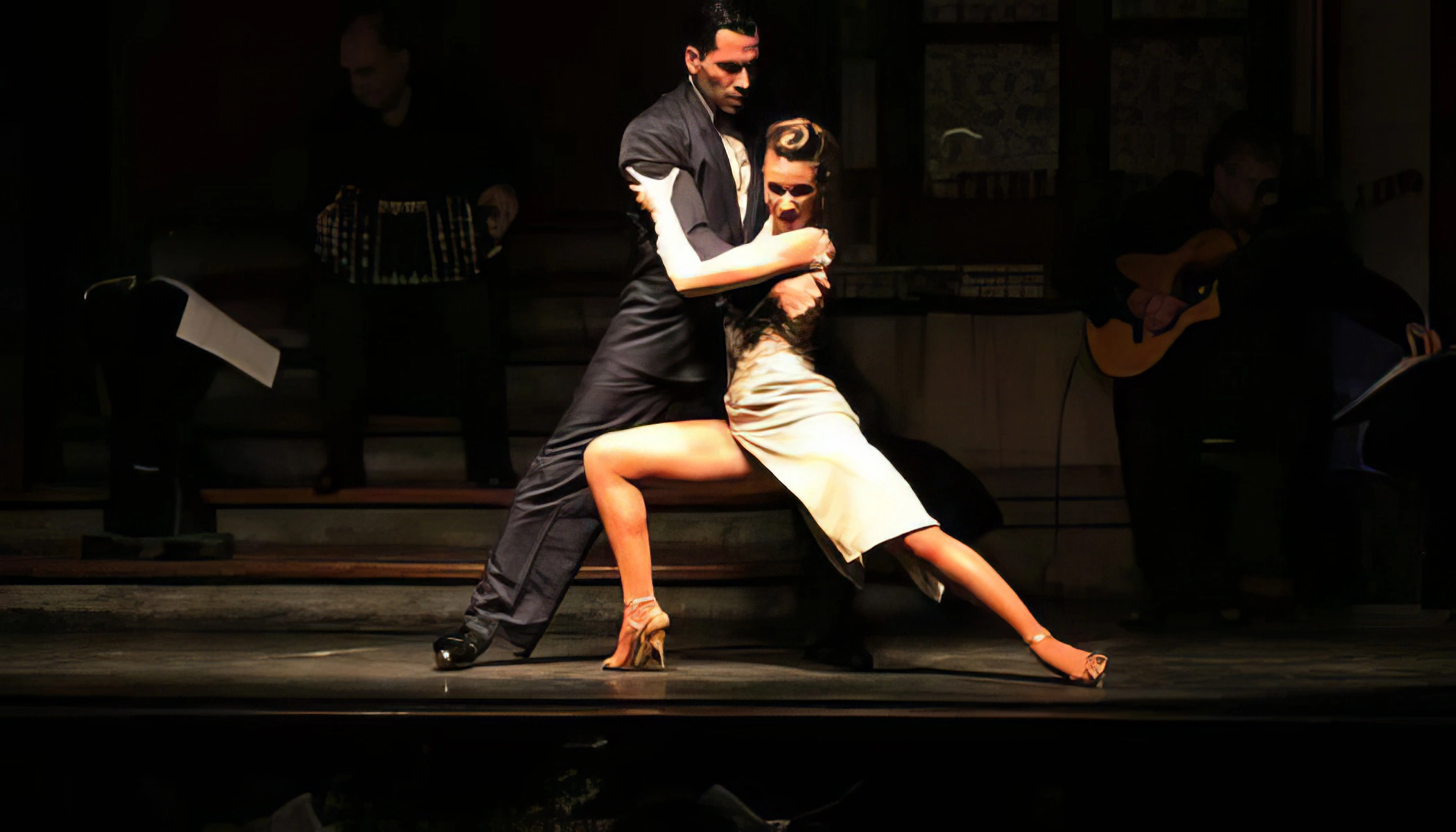
Argentina is renowned for its animated and diverse performing arts scene:
– Tango Shows: Witness the passionate dance of Argentina at a traditional tango show in Buenos Aires.
– Folklore Shows: Experience the rich cultural heritage of Argentina through traditional music and dance performances in Salta.
– Teatro Colon: Visit Buenos Aires' iconic opera house for a world-class ballet or opera performance.
– Mendoza Wine and Art: Enjoy local wines while exploring contemporary art exhibitions in Mendoza.
– Street Art Tours: Discover Argentina's remarkable street art scene on a guided tour in Buenos Aires.
Events & Festivals
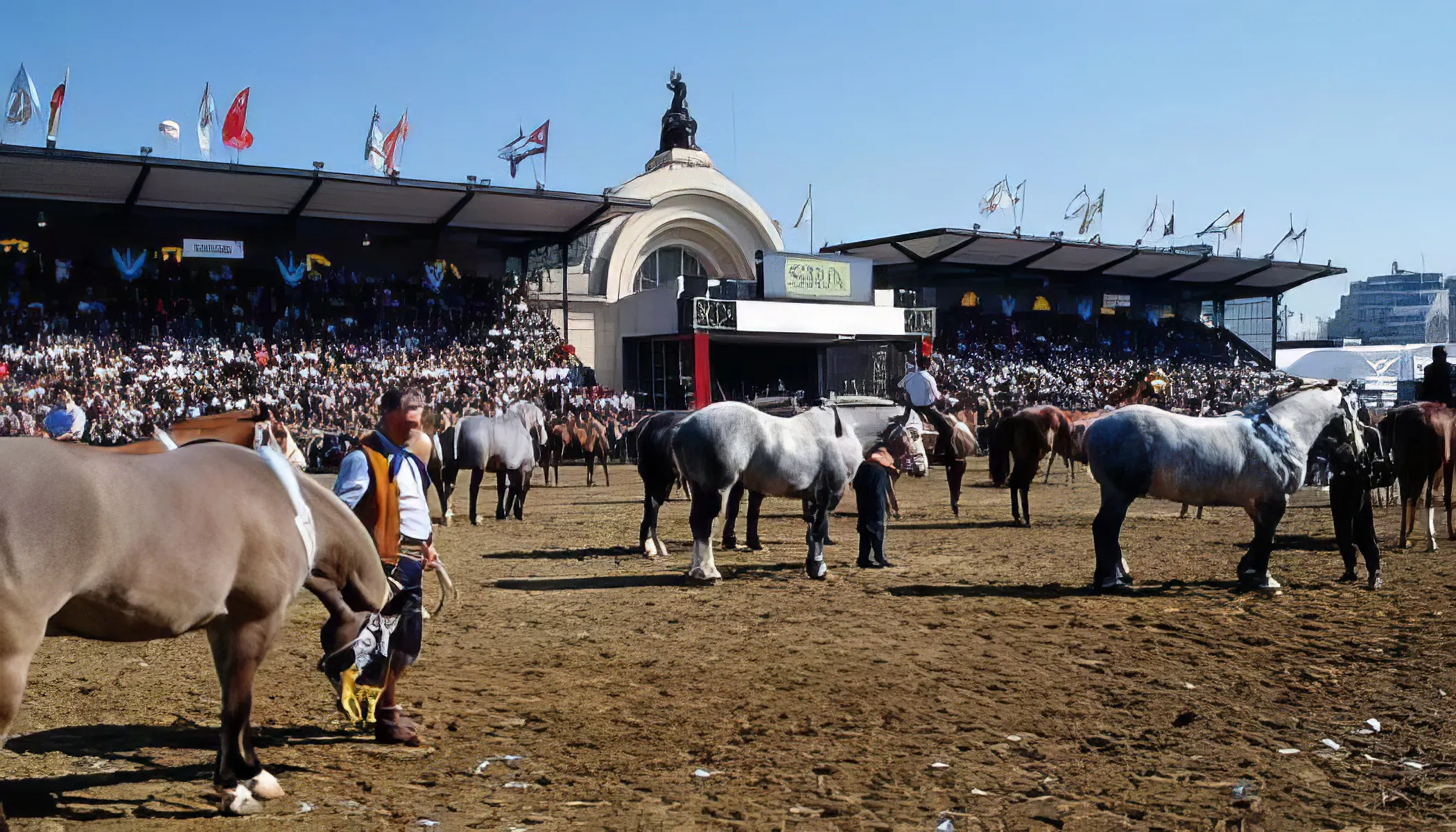
Argentina is a vibrant country with a rich cultural heritage, reflected in its numerous annual events and festivals:
– Carnival: A nationwide event in February, featuring parades, music, and dance.
– Buenos Aires Tango Festival: A two-week event in March, celebrating Argentina's famous dance with performances and competitions.
– Vendimia: A March festival in Mendoza, celebrating the grape harvest with parades and wine tasting.
– Malbec World Day: Celebrated on April 17, it honors Argentina's flagship grape with wine tastings and events.
– Buenos Aires International Book Fair: A major literary event in April/May, attracting authors and readers from around the world.
– Bariloche Snow Festival: A July event in Bariloche, featuring snow sports, music, and food.
– Buenos Aires Jazz Festival: A November event, showcasing local and international jazz artists.
Famous People

Argentina is renowned for its influential figures in politics, sports, and arts who have gained global recognition.
– Lionel Messi (born 1987, Rosario): Considered one of the greatest footballers of all time, currently playing for Paris Saint-Germain.
– Jorge Luis Borges (1899 to 1986, Buenos Aires): One of the most significant literary figures of the 20th century.
– Eva Perón (1919 to 1952, Los Toldos): First Lady of Argentina from 1946 to 1952, she championed labor rights and women's suffrage.
– Che Guevara (1928 to 1967, Rosario): Marxist revolutionary who played a key role in the Cuban Revolution.
– Pope Francis (born 1936, Buenos Aires): The first Pope from the Americas and the Southern Hemisphere.
Books
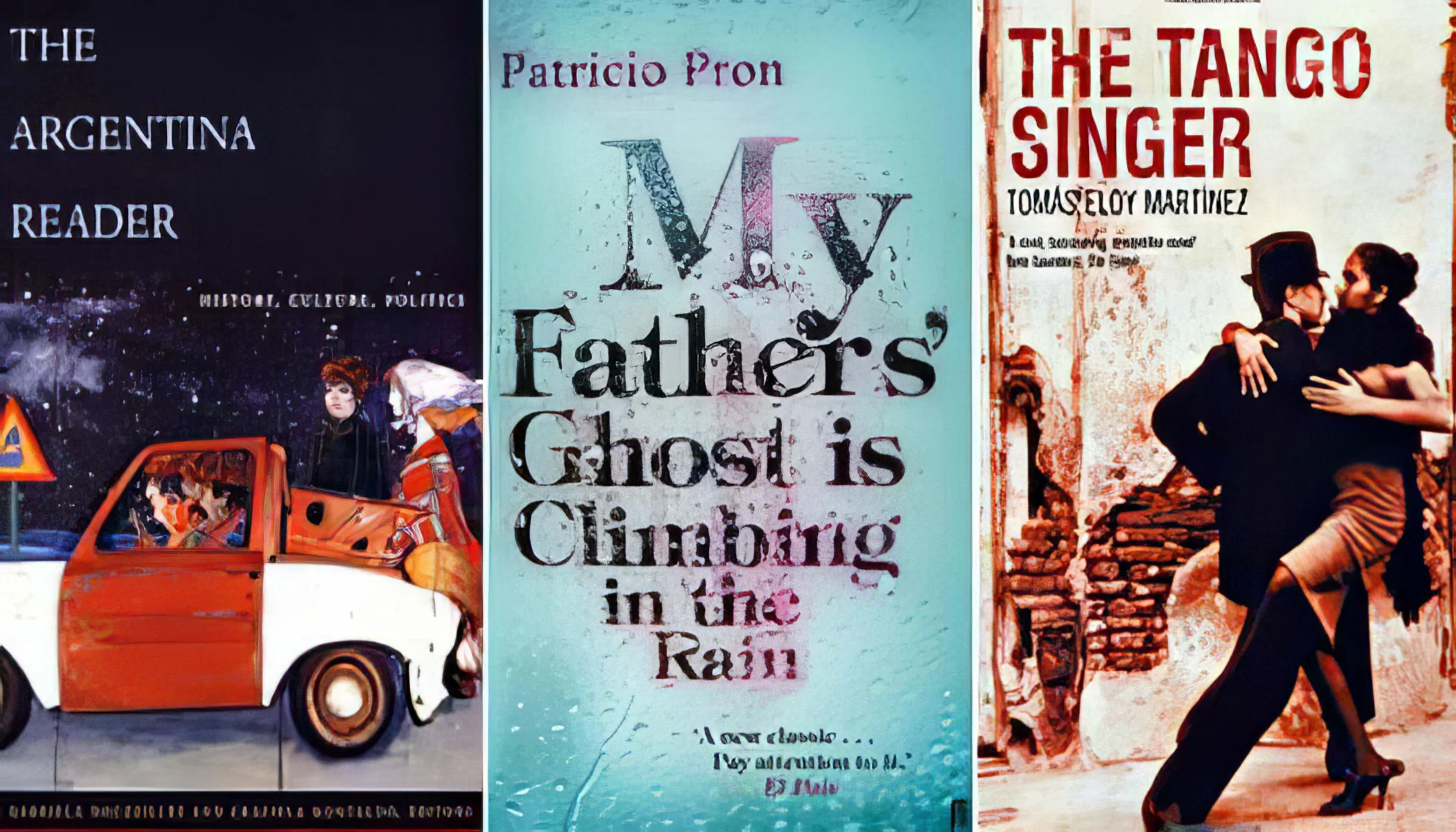
These books provide a rich exploration of Argentina's history, culture, and society through various lenses.
– "Ficciones" by Jorge Luis Borges: A collection of short stories exploring philosophical and literary themes.
– "The Aleph" by Jorge Luis Borges: Another collection of Borges' stories, filled with complex themes and metaphysical ideas.
– "Santa Evita" by Tomás Eloy Martínez: A fictionalized account of the life of Eva Perón, Argentina's iconic First Lady.
– "The Secret in Their Eyes" by Eduardo Sacheri: A crime novel exploring Argentina's political history.
– "In Patagonia" by Bruce Chatwin: A travelogue detailing the author's journey through Patagonia.
Songs

Argentina's music scene is rich and diverse, with genres ranging from tango to rock nacional. Here are some of the most famous songs from Argentina:
– La Cumparsita: Often associated with Argentina, this is one of the most famous tango songs.
– Adios Nonino: A touching tango composed by Astor Piazzolla, dedicated to his father.
– Mi Buenos Aires Querido: A classic tango by Carlos Gardel, expressing love for Buenos Aires.
– De Música Ligera: One of the most popular songs by rock band Soda Stereo.
– Matador: A famous rock song by Los Fabulosos Cadillacs, known for its political undertones.
– La Balsa: Considered the founding anthem of Argentine rock, by Los Gatos.
Films

Here are some of the most renowned films that beautifully depict the culture and history of Argentina:
– "The Secret in Their Eyes": An Oscar-winning thriller by Juan José Campanella about a retired legal counselor.
– "Wild Tales": Directed by Damián Szifron, a dark comedy anthology of six standalone shorts.
– "Nine Queens": Fabián Bielinsky's crime drama about two con artists trying to sell a sheet of counterfeit stamps.
– "Man Facing Southeast": Eliseo Subiela's film about a psychiatric patient claiming to be an alien.
– "The Official Story": Luis Puenzo's Oscar-winning drama about a woman questioning her adopted child's origins.