

Travel Guide to Armenia: Top Things to Do & Tips
Located in the South Caucasus, this country is known for its rich history and ancient monasteries. It boasts rugged mountains and scenic landscapes. The capital, Yerevan, blends Soviet-era architecture with modern life. It was the first nation to adopt Christianity as a state religion.
- Capital
- Yerevan
- Population
- 3 millions
- Superficy
- 30000 sq.km
- Months to Visit
- May to June & Sept. to Oct.
- Living Cost
- Economical
Overview
Armenia is a landlocked country in the South Caucasus region, bordered by Turkey, Georgia, Azerbaijan, and Iran. It is known for its mountainous terrain and ancient history, being one of the earliest Christian civilizations with numerous historic churches and monasteries. The capital city, Yerevan, provides a mix of Soviet-era architecture and modern developments. Armenia's cultural heritage includes traditional music, dance, and cuisine featuring dishes like khorovats and dolma. The country faces economic challenges but has a growing tech industry. Lake Sevan and Mount Ararat are notable natural landmarks that attract visitors seeking both cultural and outdoor experiences.
Pros & Cons
GOOD REASONS TO VISIT ARMENIA
– Rich History: Explore ancient monasteries, churches, and historical sites like Geghard and Garni Temple.
– Scenic Landscapes: Enjoy nice views of Mount Ararat, Lake Sevan, and attractive green valleys.
– Unique Cuisine: Taste traditional dishes like khorovats (barbecue) and dolma, offering rich flavors.
– Warm Hospitality: Armenians are known for their friendliness and welcoming nature towards visitors.
– Cultural Heritage: Experience nice festivals, traditional music, and dance reflecting Armenia's deep-rooted culture. CHALLENGES WHEN VISITING ARMENIA
– Limited Public Transport: Public transportation options are limited; renting a car is often necessary for travel.
– Language Barrier: English is not widely spoken; basic Armenian or Russian phrases can be helpful.
– Infrastructure Issues: Some rural areas have underdeveloped roads and facilities; plan accordingly.
Before Departure
Before traveling to Armenia, consider the following essential information:
– Passport: Ensure your passport is valid for at least six months beyond your planned departure date.
– Visa: Many nationalities can enter visa-free or obtain an e-visa; check specific requirements based on nationality.
– Currency: Armenian Dram (AMD); credit cards accepted in cities; cash preferred in rural areas; ATMs widely available.
– Internet access: WiFi is common in hotels and cafes; local SIM cards with data plans are affordable and available.
– Language barrier: Armenian is the official language; Russian is widely spoken. English is increasingly common, especially among younger people.
What to Pack
Exploring Armenia requires preparation for its diverse climate and rich cultural heritage.
– Essentials: Passport and visa (if required), travel insurance, flight tickets, itinerary, accommodation confirmations, local currency or credit card.
– Clothing: Layered clothing for varying temperatures, comfortable walking shoes, modest attire for religious sites, hat and sunglasses for sun protection.
– Health & Safety: Prescription medications, basic first aid kit, sunscreen with high SPF, insect repellent for outdoor activities.
– Electronics: Travel adapter for European outlets, mobile phone with charger, camera for capturing landscapes and historical sites.
Weather
Weather in Armenia varies significantly across seasons, with distinct temperature changes:
– Winter (December to February): Cold and snowy, especially in mountainous regions; temperatures can drop below freezing.
– Spring (March to May): Mild temperatures with occasional rain; landscapes become sumptuous and green.
– Summer (June to August): Hot and dry, particularly in lowland areas; temperatures can exceed 30°C (86°F).
– Autumn (September to November): Mild and pleasant with colorful foliage; rainfall is moderate. The best time to visit Armenia is from May to October:
– Enjoyable weather for outdoor activities and sightseeing.
– Festivals and cultural events are abundant. Note that summer months can be hot, especially in Yerevan, while spring and autumn offer more comfortable conditions.
Travel Budget
Armenia provides a budget-friendly travel experience with affordable prices for various services. Here are some average costs for tourists:
– Hotel: 30$ to 80$
– Lunch: 3$ to 10$
– Beverage (in bar/restaurant): 2$ to 5$
– Coffee: 1$ to 3$
– Transportation: (train 5$ to 20$), (bus 0.2$ to 1$), (taxi /10km 3$ to 7$)
– Mobile data (per GB): 1.5$ to 3.5$
Language
Armenian is an Indo-European language with its own unique script, making it distinct and interesting for travelers.
– Hello: Բարեւ (Barev)
– Thank you: Շնորհակալություն (Shnorhakalutyun)
– Please: Խնդրում եմ (Khndrum em)
– How much is this?: Ի՞նչ արժե սա (Inch arje sa?)
– Excuse me: Ներեցեք (Nerets'ek')
– I don't understand: Չեմ հասկանում (Chem haskanum)
– Yes: Այո (Ayo)
– No: Ոչ (Voch)
– Goodbye: Ցտեսություն (Tstesutyun)
History
Its history dates back to ancient times, with the establishment of the Kingdom of Urartu in the 9th century BCE. The region became one of the earliest Christian civilizations, adopting Christianity as a state religion in 301 CE. Throughout its history, it faced invasions and rule by various empires, including Persian, Byzantine, Arab, and Ottoman. In the early 20th century, Armenians suffered a genocide under the Ottoman Empire during World War I. Following brief independence from 1918 to 1920, it became part of the Soviet Union until gaining independence again in 1991. Modern Armenia has faced challenges such as economic transition and conflict over Nagorno-Karabakh with neighboring Azerbaijan.
Geopolitics
Armenia is a landlocked country in the South Caucasus, bordered by Turkey to the west, Georgia to the north, Azerbaijan to the east, and Iran to the south. It has a complex geopolitical situation due to its historical and ongoing conflict with Azerbaijan over the Nagorno-Karabakh region. The country maintains strong ties with Russia, which provides military support and is a key ally in regional security matters. Armenia is a member of several international organizations, including the Eurasian Economic Union (EAEU) and the Collective Security Treaty Organization (CSTO). Its relations with Turkey are strained due to historical issues, particularly the recognition of the Armenian Genocide. Balancing its alliances while seeking economic development and regional stability remains a central challenge for Armenia's foreign policy.
Sample Itinerary
This itinerary covers Armenia's rich history, sensational landscapes, and cultural heritage through visits to Yerevan, Geghard, Lake Sevan, and Dilijan.
– 2 days in Yerevan: Explore Republic Square, Cascade Complex, and Matenadaran. Visit the Armenian Genocide Memorial and enjoy local cuisine.
– 1 day in Geghard: Tour the UNESCO-listed Geghard Monastery and nearby Garni Temple. Enjoy views of the Azat River Gorge.
– 1 day at Lake Sevan: Relax by the largest lake in Armenia. Visit Sevanavank Monastery on the peninsula for panoramic views.
– 1 day in Dilijan: Discover "Little Switzerland" with its dense forests. Visit Haghartsin Monastery and explore Old Dilijan Complex.
– 1 day in Khor Virap: Visit this historic monastery with views of Mount Ararat. Learn about its significance in Armenian history.
Popular cities
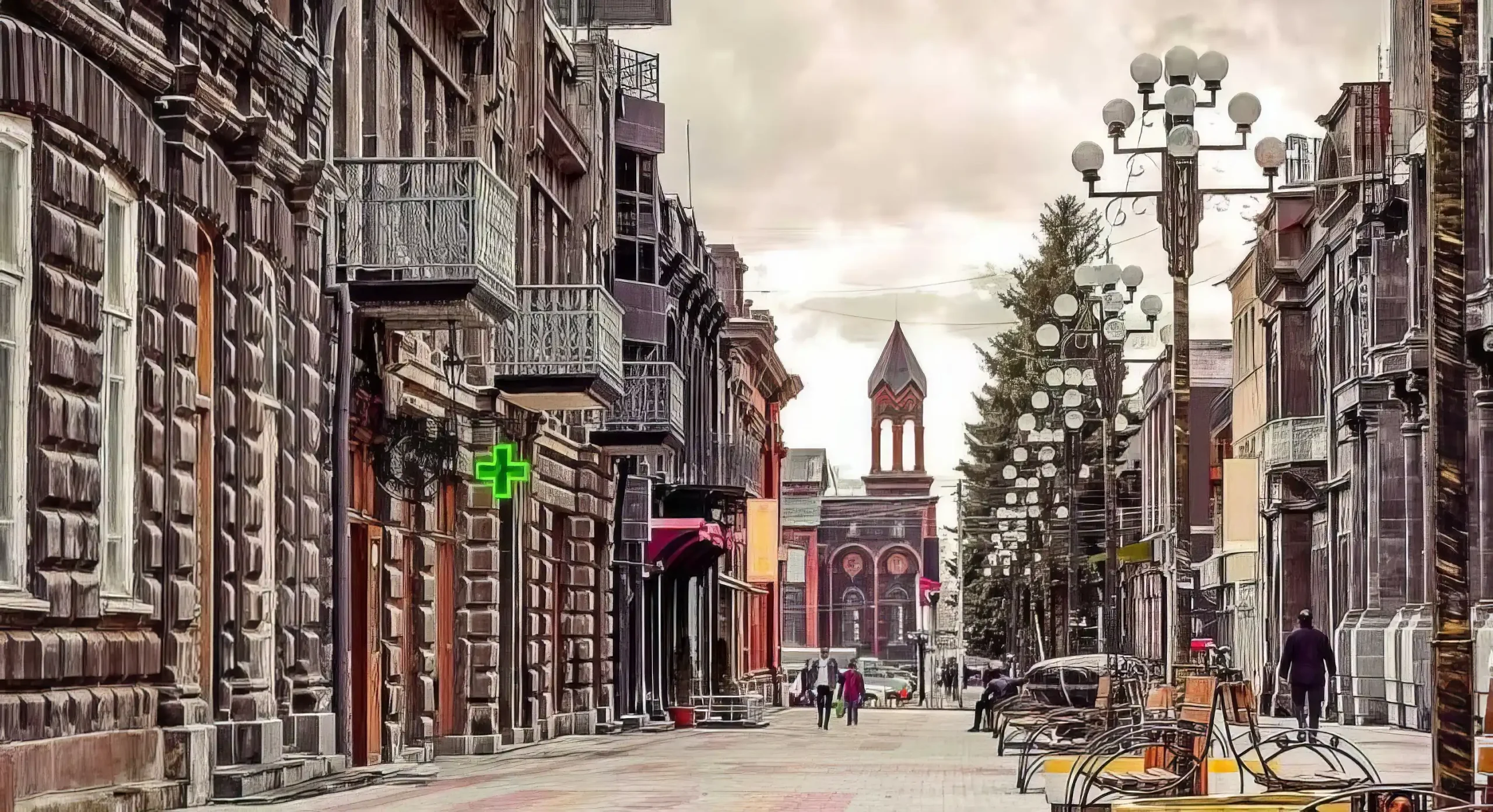
Explore Armenia's rich history and lovely landscapes through its key cities:
– Yerevan: The capital city provides a mix of Soviet-era architecture, museums, and magnificient street life.
– Gyumri: Known for its historic buildings, cultural heritage, and the Kumayri Historic District.
– Dilijan: Often called "Little Switzerland," it's famous for its sumptuous forests and traditional crafts.
– Vanadzor: Provides beautiful natural surroundings and is a gateway to the Lori region's attractions.
– Goris: Known for its unique rock formations and proximity to the ancient Tatev Monastery.
– Kapan: A city surrounded by mountains, offering hiking opportunities and historical sites.
– Sevan: Located near Lake Sevan, it's ideal for water activities and enjoying scenic views.
Monuments
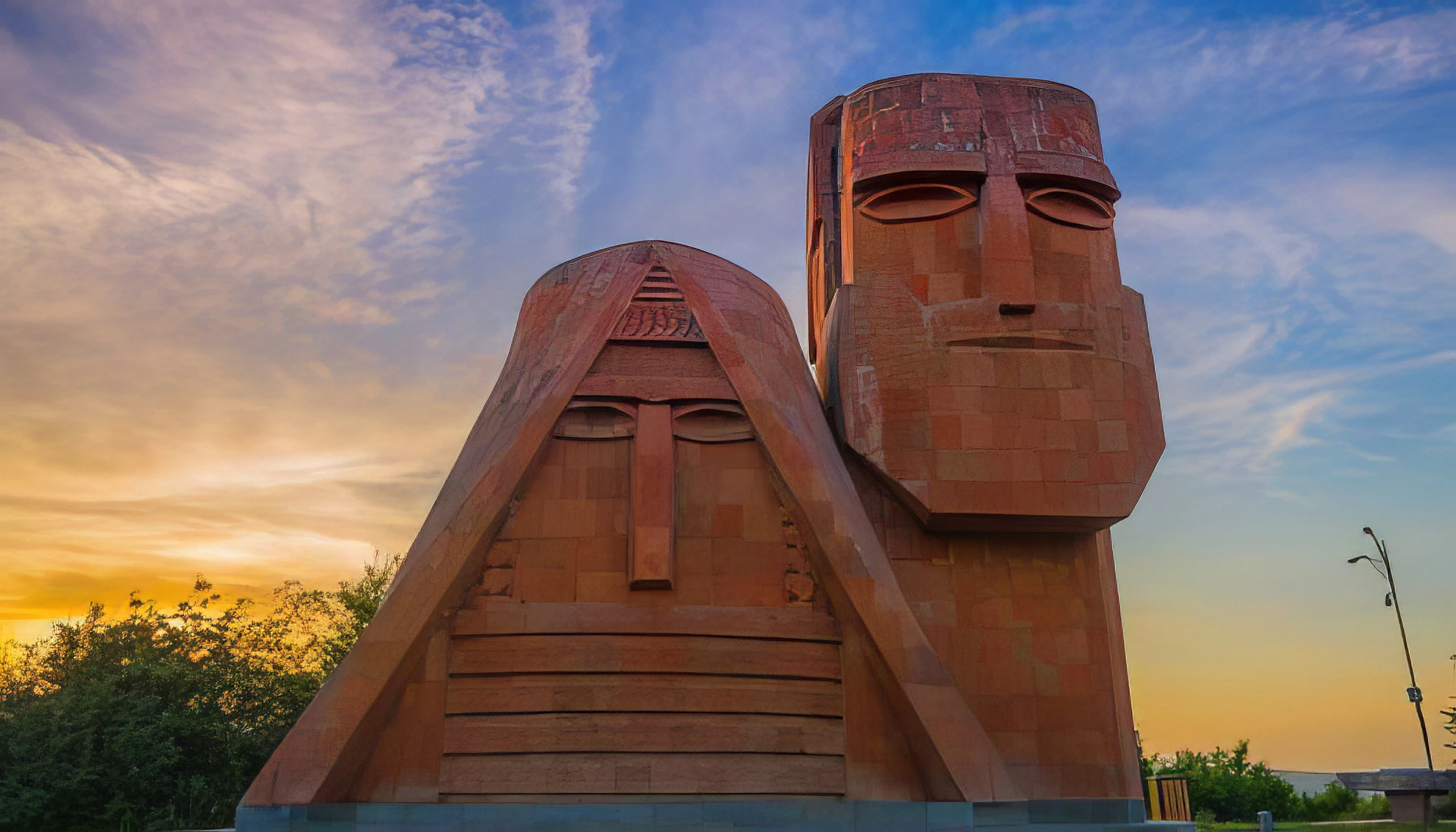
Armenia is home to several notable historical monuments and architectures:
– Geghard Monastery: UNESCO site, partially carved into a mountain, known for its rock-cut architecture.
– Garni Temple: Pagan temple from the 1st century AD, dedicated to the sun god Mihr.
– Khor Virap Monastery: Provides gorgeous views of Mount Ararat, significant in Armenian Christianity.
– Etchmiadzin Cathedral: Oldest cathedral in the world, spiritual center of Armenian Apostolic Church.
– Noravank Monastery: Surrounded by red cliffs, famous for its nice stone carvings.
– Zvartnots Cathedral Ruins: UNESCO site with unique circular design from the 7th century.
– Tatev Monastery: Located on a cliff edge, accessible by the world's longest reversible cable car.
– Amberd Fortress: Medieval fortress with panoramic views of Mount Aragats and surrounding landscapes.
Natural wonder
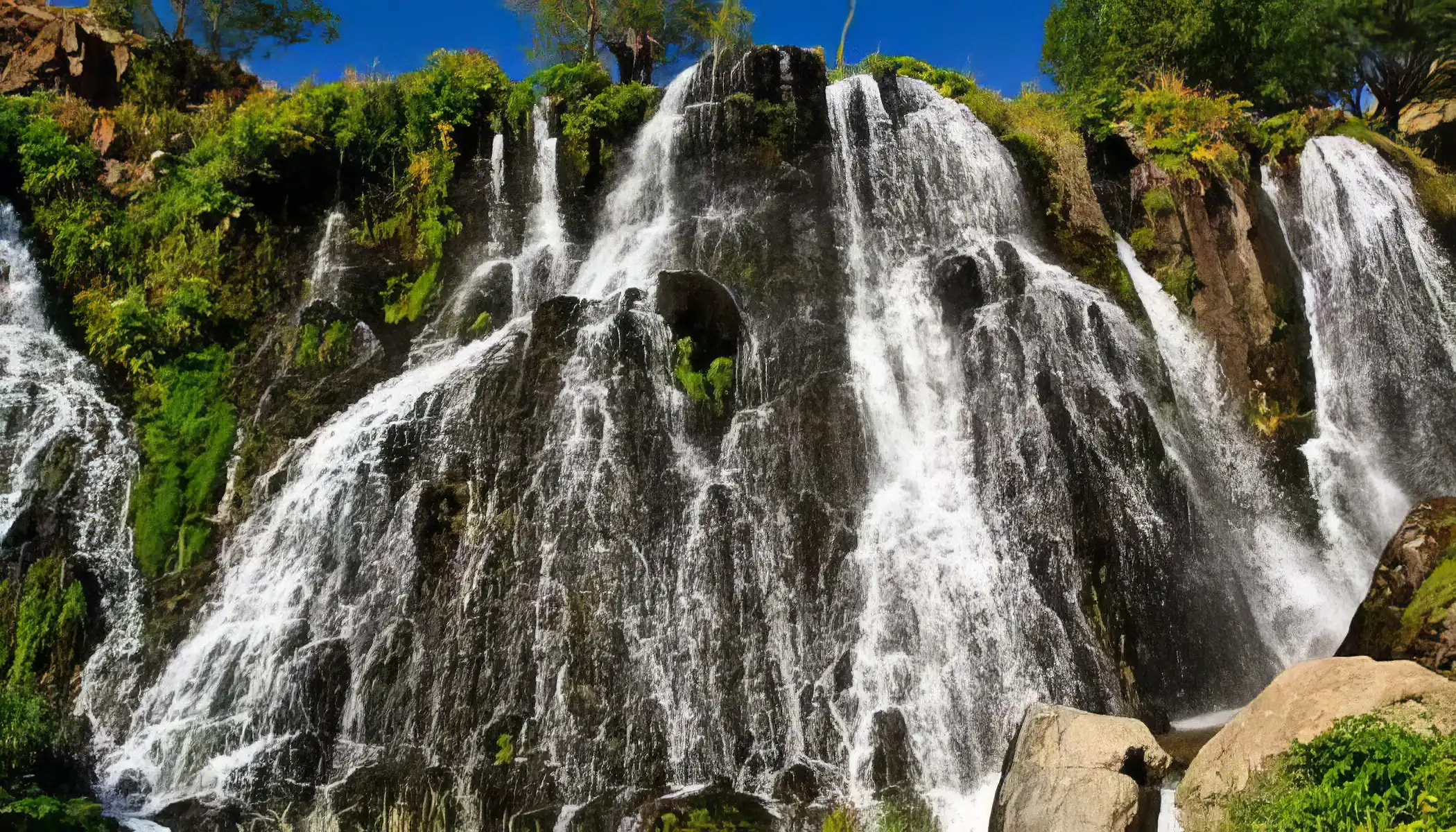
Explore Armenia's diverse natural landscapes:
– Lake Sevan: One of the largest freshwater high-altitude lakes in the world.
– Mount Ararat: Iconic dormant volcano and national symbol, visible from Yerevan.
– Dilijan National Park: Known for its abundant forests, diverse flora, and fauna.
– Garni Gorge: Features basalt column formations known as the "Symphony of Stones."
– Khosrov Forest State Reserve: Ancient forest reserve with rich biodiversity and historical sites.
– Jermuk Waterfall: A charming waterfall located in a popular spa town.
– Shikahogh State Reserve: Home to rare plant species and diverse wildlife.
– Noravank Canyon: Red rock canyon with nice views and historic monasteries.
– Debed Canyon: Offers dramatic landscapes and cultural heritage sites along the river.
– Arpi Lake National Park: Known for its wetlands, birdlife, and scenic beauty.
Beaches
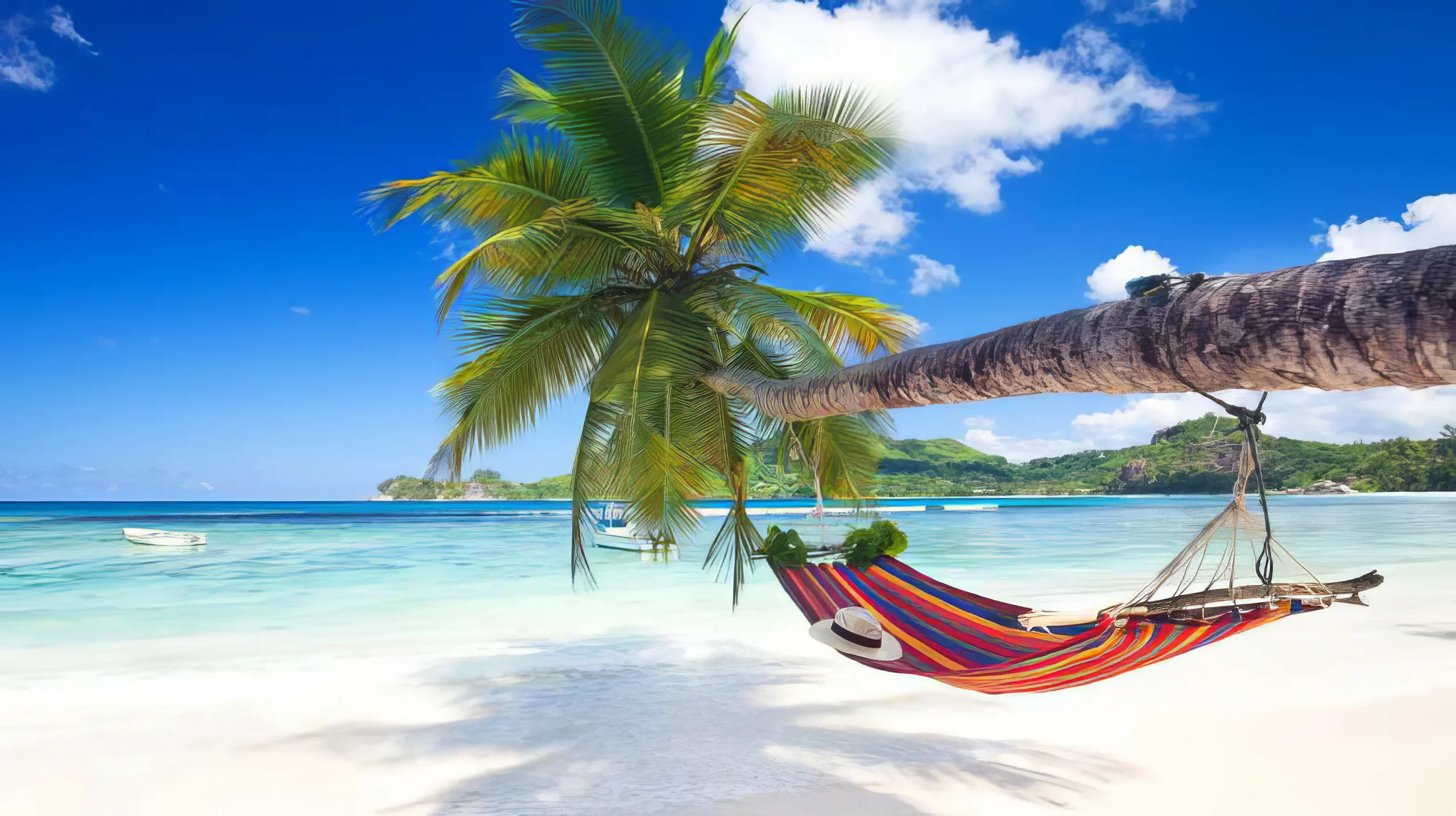
No.
Outdoor activities
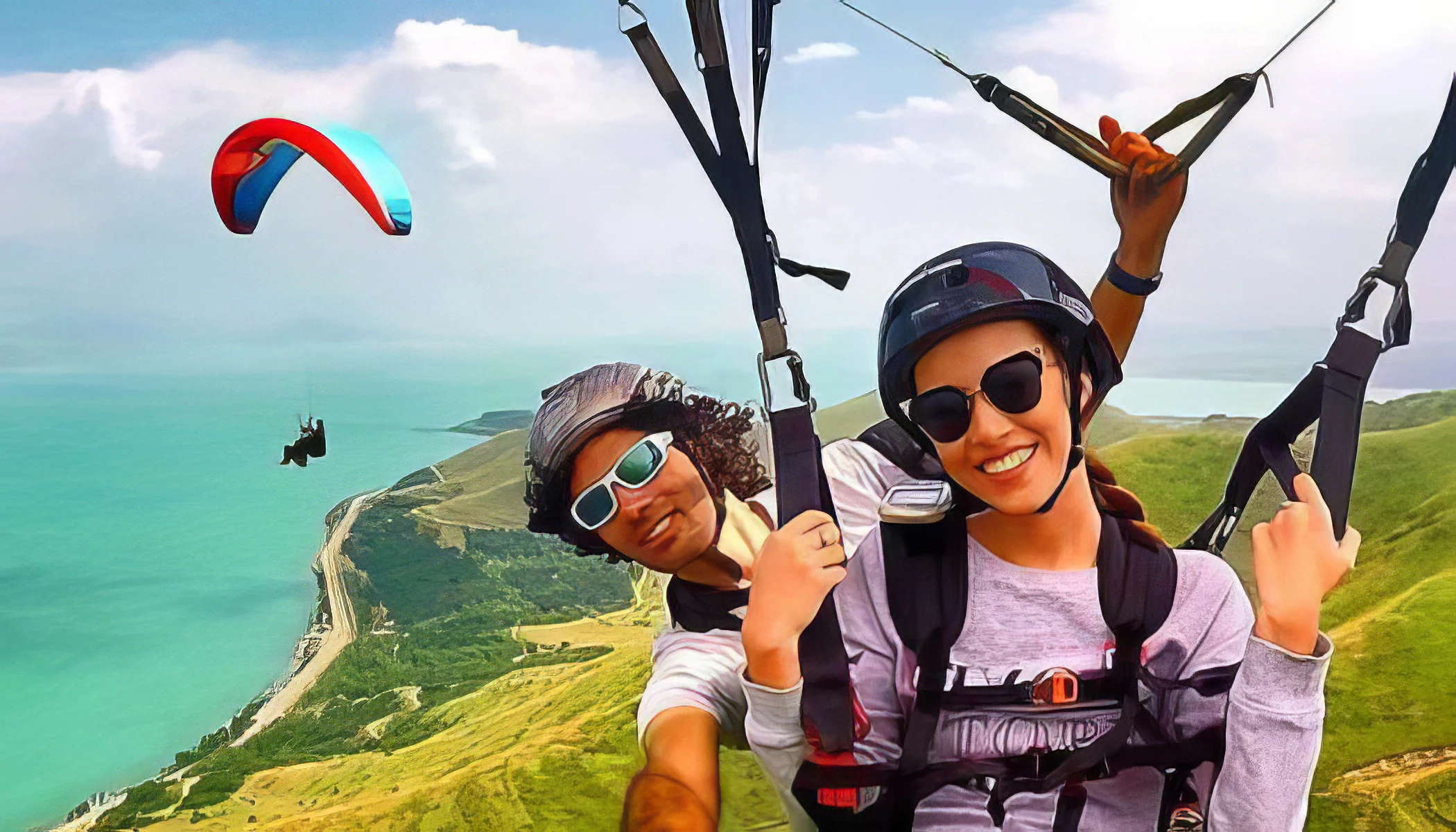
Outdoor enthusiasts will find a variety of activities to enjoy in Armenia's diverse landscapes:
– Hiking in Dilijan National Park: Traverse lush forests and scenic trails in the "Armenian Switzerland."
– Paragliding over Lake Sevan: Soar above Armenia's largest lake for panoramic views.
– Rock Climbing in Noravank Canyon: Challenge yourself on unique red rock formations.
– Skiing at Tsaghkadzor: Enjoy winter sports at one of Armenia's top ski resorts.
– Horseback Riding in Lori Province: Explore charming valleys and ancient monasteries on horseback.
– Caving in Lastiver: Discover hidden caves and waterfalls in a remote forest area.
– Birdwatching at Lake Arpi: Spot diverse bird species in this tranquil national park.
Kid Friendly
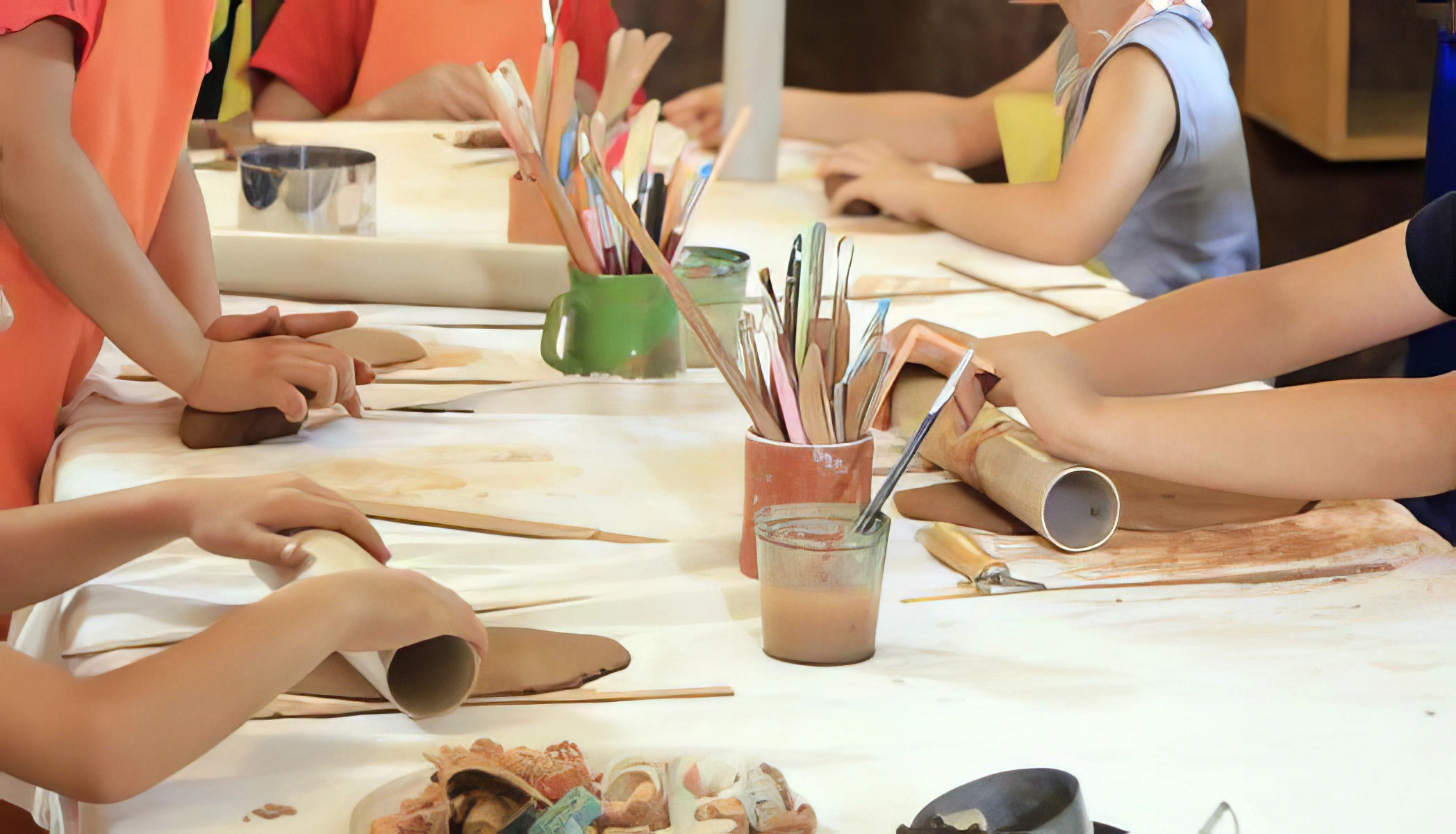
Armenia offers several engaging activities for children to enjoy.
– Yerevan Zoo: Home to a variety of animals, providing an educational and fun experience for kids.
– Yerevan Water World: A water park with slides and pools, perfect for a family day out.
– Victory Park: Features amusement rides and a large Ferris wheel with views of Yerevan.
– Children's Railway: A miniature railway in Yerevan offering scenic rides through the city.
– Dilijan National Park: Supplies hiking trails and nature exploration suitable for families.
– Parajanov Museum: Showcases unique art pieces that can intrigue older children interested in creativity.
– Lake Sevan: Ideal for swimming, picnicking, and enjoying the natural beauty with family.
– Tsaghkadzor Ski Resort: Offers skiing and snowboarding activities suitable for children during winter.
Cuisine
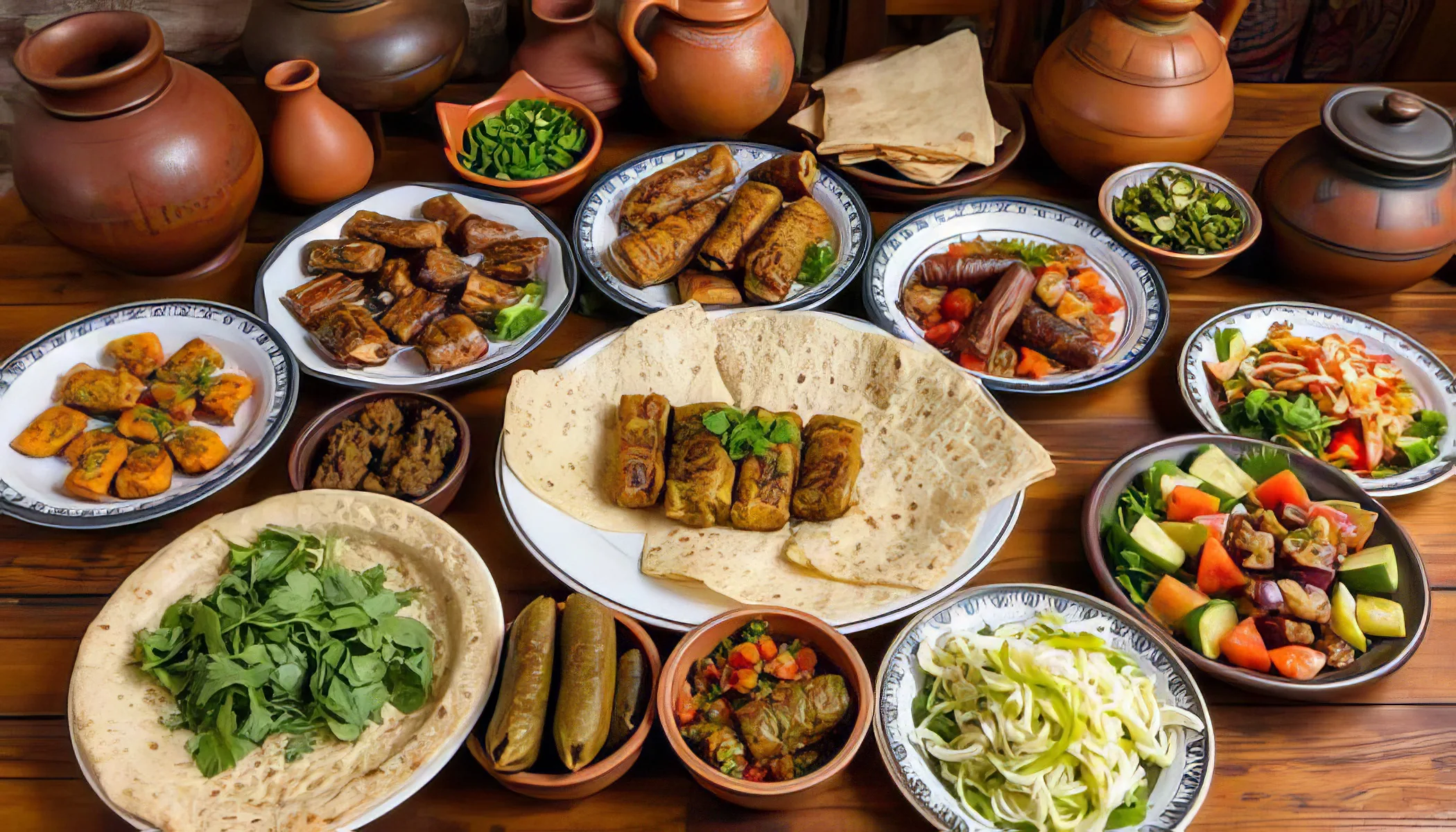
Armenian cuisine is rich in flavors, combining fresh ingredients with traditional cooking methods, influenced by Middle Eastern and Mediterranean cultures. Meals often feature grilled meats, fresh herbs, and hearty stews. Most famous Armenian dishes and desserts include:
– Khorovats: Grilled skewered meats seasoned with spices and herbs.
– Dolma: Grape leaves stuffed with rice, meat, and spices.
– Lavash: Traditional soft flatbread often used to wrap meats or cheese.
– Harissa: Slow-cooked porridge made from wheat and chicken or lamb.
– Gata: Sweet pastry filled with a mixture of butter, flour, and sugar.
Souvenir
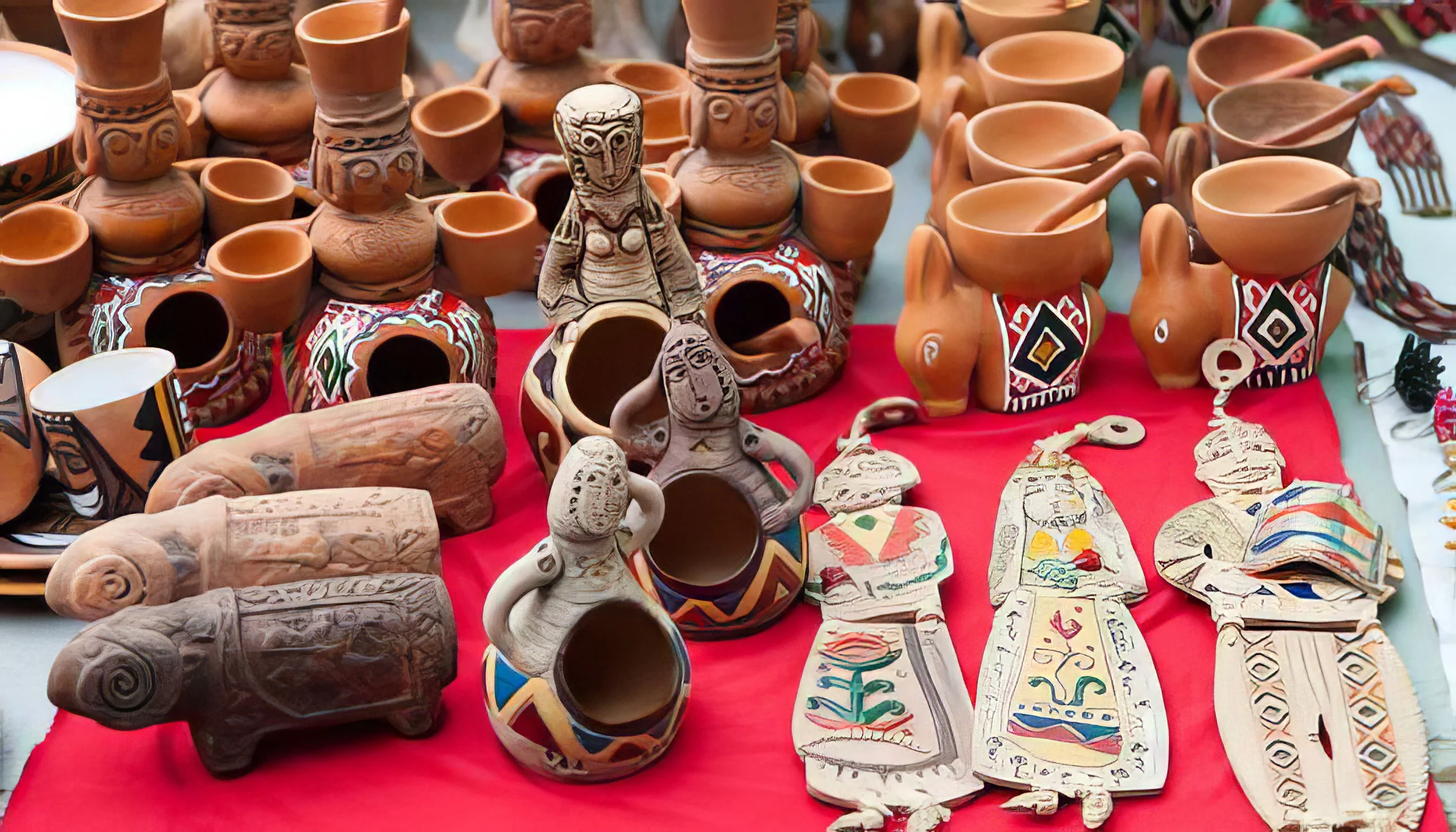
Armenia offers a variety of unique souvenirs that reflect its rich culture and history. Here are some popular options:
– Armenian Brandy: Known for its quality, Armenian brandy is a celebrated drink with a long tradition.
– Duduk: A traditional woodwind instrument made from apricot wood, known for its distinctive sound.
– Lavash Bread: This traditional flatbread is a staple in Armenian cuisine and can be found in various forms.
– Pomegranate-themed Items: The pomegranate is a national symbol, often featured in jewelry and decorative items.
– Carpets and Rugs: Handwoven Armenian carpets are known for their sophisticated designs and craftsmanship.
– Silver Jewelry: Armenia is famous for its handcrafted silver jewelry, often featuring traditional motifs.
– Khachkar Replicas: Miniature stone crosses that represent Armenia's rich Christian heritage.
Traditional Shows
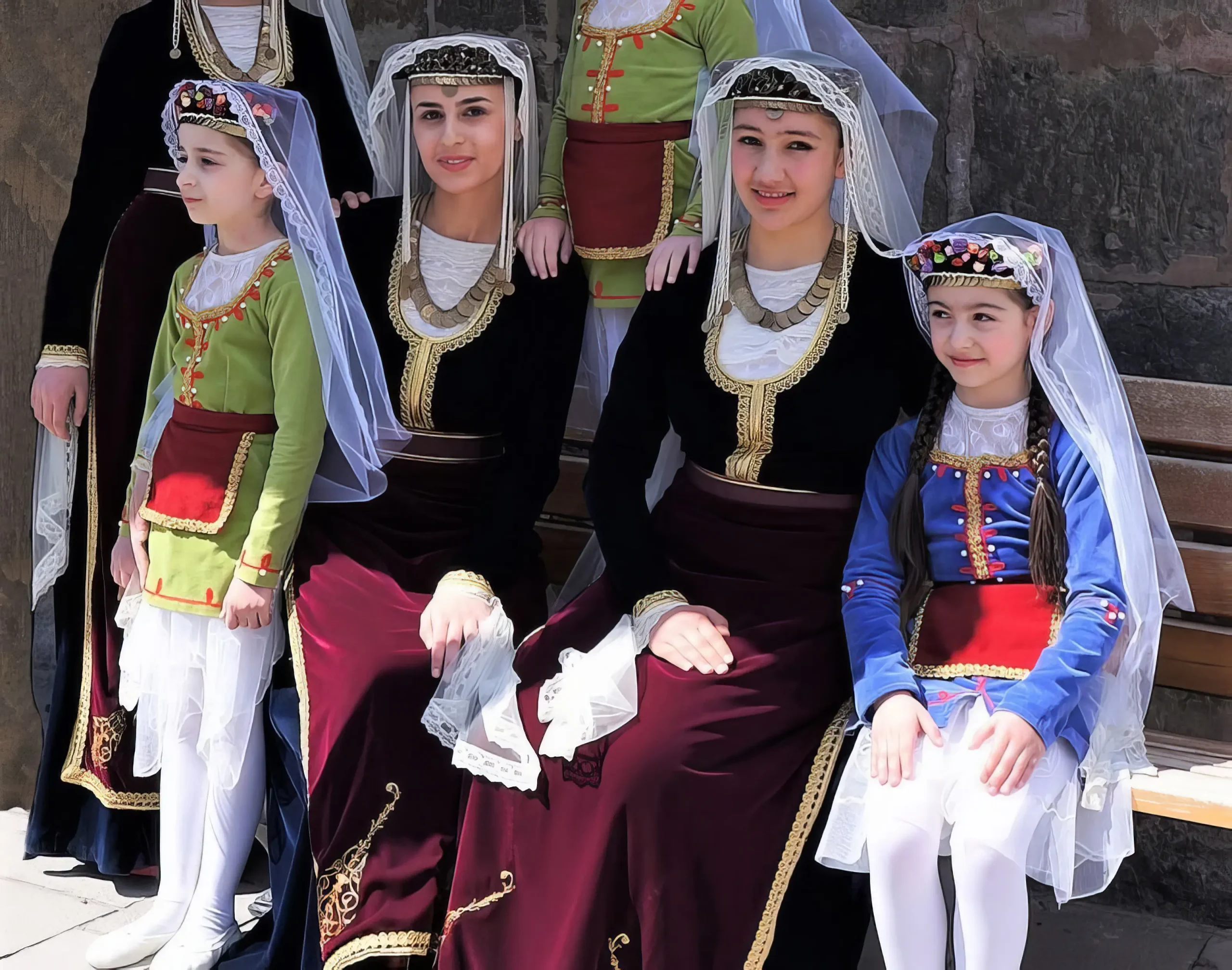
Armenia provides a rich tapestry of traditional performances:
– Duduk Music: Experience the soulful sounds of the duduk, a UNESCO-recognized instrument, often played in Yerevan's cultural venues.
– Armenian Folk Dance: Witness energetic and colorful folk dances that reflect Armenia's history and traditions, commonly performed at festivals and events.
– Sharakans: Listen to ancient Armenian liturgical chants in churches across Armenia, showcasing the country's spiritual musical heritage.
– Komitas Ensemble Performances: Enjoy concerts by this ensemble in Yerevan, dedicated to preserving and performing Armenian folk and classical music.
– Lavash Baking Rituals: Observe this UNESCO-listed cultural performance where traditional bread-making is accompanied by songs and stories in rural areas.
Events & Festivals
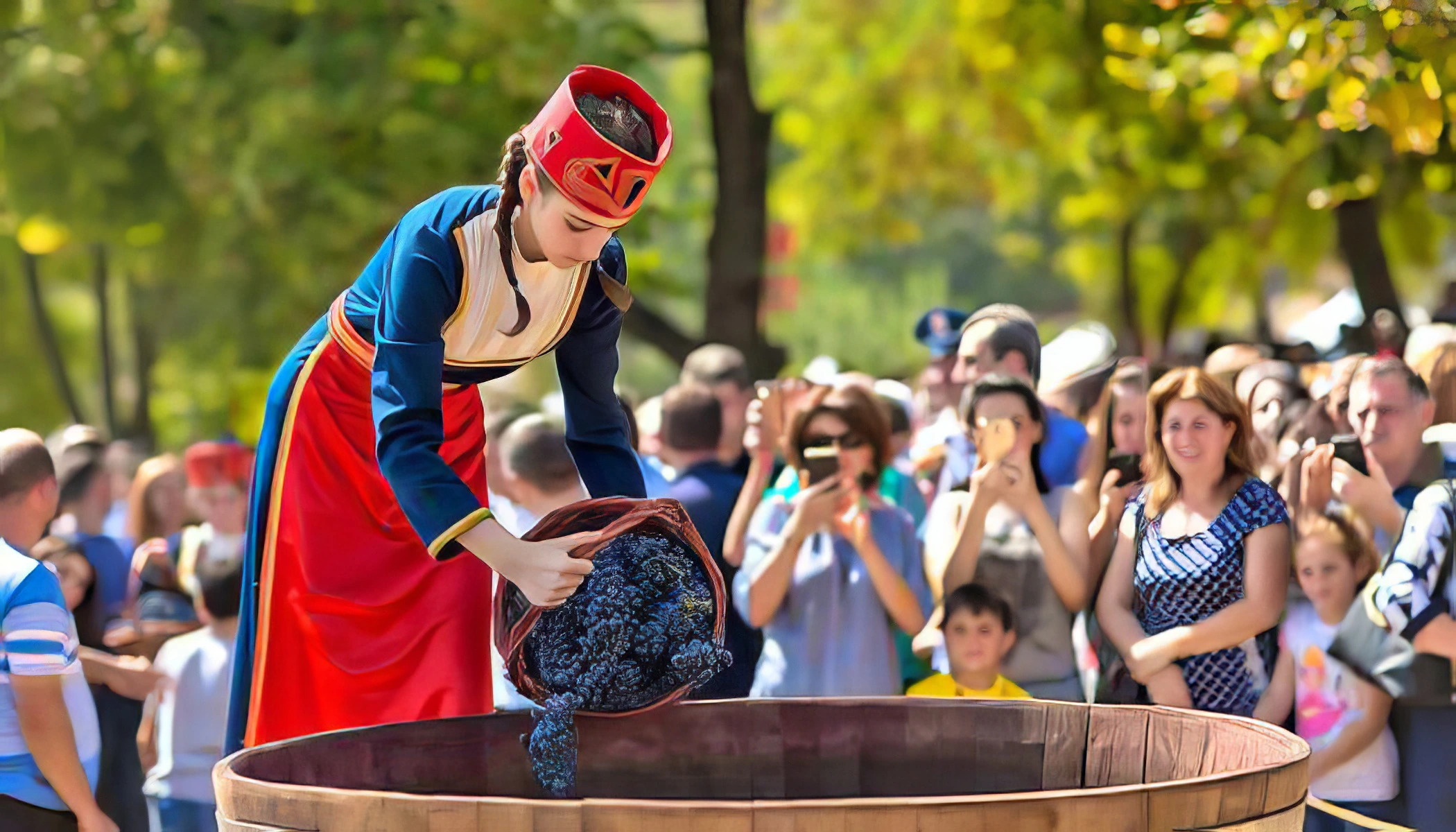
Armenia hosts a variety of cultural and traditional events throughout the year, reflecting its rich heritage:
– Vardavar: July festival where people splash water on each other, rooted in pagan traditions.
– Yerevan Wine Days: May event in Yerevan featuring local wines, food, and music.
– Dolma Festival: May celebration in Armavir region showcasing Armenia's traditional stuffed grape leaves dish.
– Golden Apricot Film Festival: July film festival in Yerevan highlighting international and Armenian cinema.
– Independence Day: Celebrated on September 21 with parades and concerts marking Armenia's independence from the Soviet Union.
– Areni Wine Festival: October event in Areni village offering wine tastings and cultural performances.
– Christmas: Celebrated on January 6 with church services and family gatherings, following the Armenian Apostolic Church tradition.
Famous People

Armenia has a rich history of influential figures who have made significant contributions to culture, politics, and science.
– Tigran the Great (140 BC to 55 BC, Artashat): King of Armenia who expanded the kingdom to its greatest territorial extent.
– Mesrop Mashtots (circa 360 to 440, Hatsekats): Inventor of the Armenian alphabet and key figure in Armenian cultural development.
– Sergei Parajanov (1924 to 1990, Tbilisi): Renowned filmmaker known for his visually innovative films like "The Color of Pomegranates."
– Hovhannes Shiraz (1915 to 1984, Gyumri): Celebrated poet famous for his passionate and patriotic works in Armenian literature.
– Charles Aznavour (1924 to 2018, Paris): Iconic singer-songwriter and actor with a global career spanning over seven decades.
Books
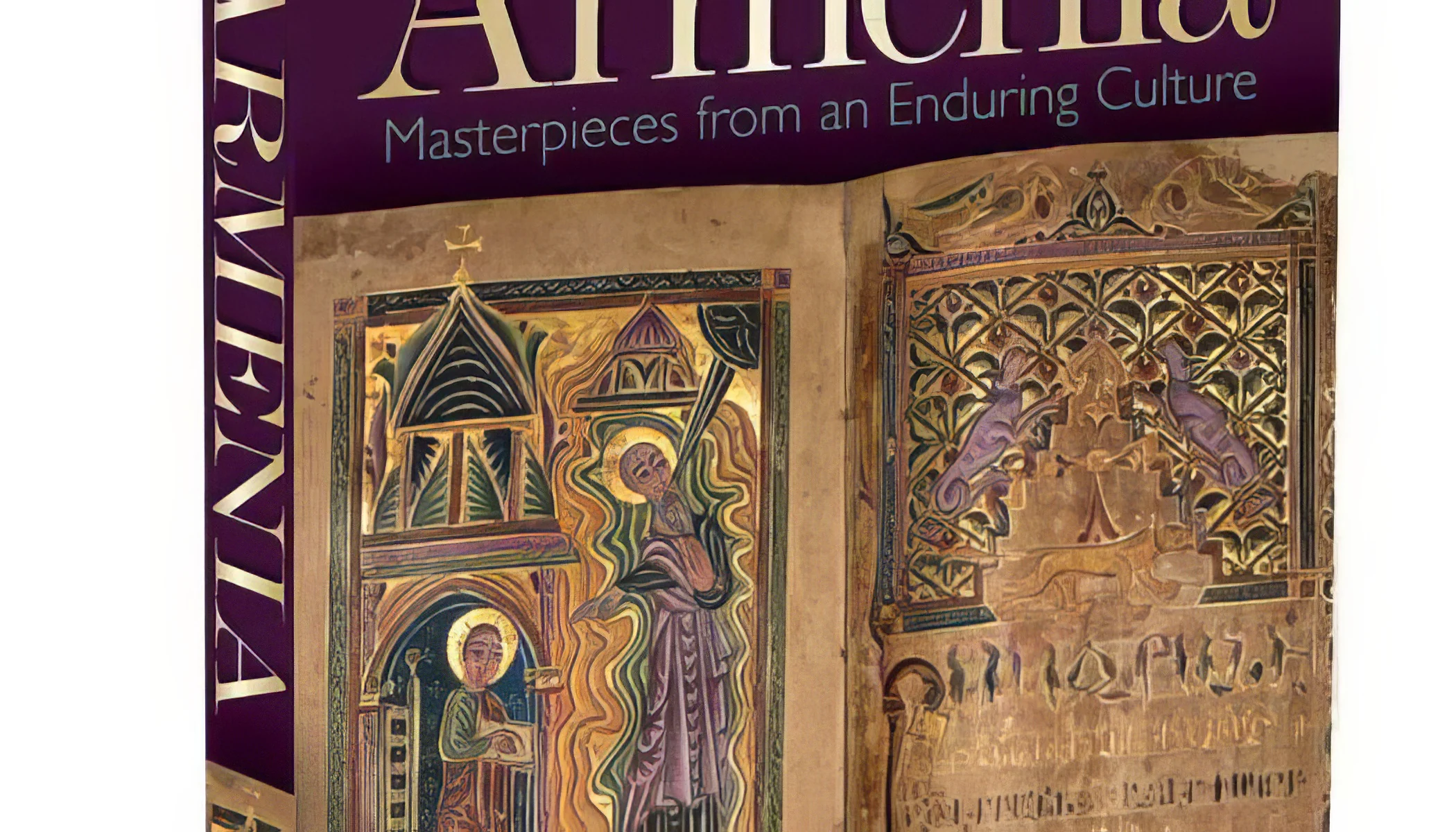
These books delve into the rich history, culture, and experiences of Armenia and its people.
– "The Forty Days of Musa Dagh" by Franz Werfel: Dramatizes Armenian resistance during the 1915 genocide.
– "Black Dog of Fate" by Peter Balakian: Memoir uncovering family history amid the Armenian Genocide.
– "My Name Is Aram" by William Saroyan: Collection of stories about an Armenian-American boy's life in California.
– "The Sandcastle Girls" by Chris Bohjalian: Historical novel intertwining love and tragedy during the Armenian Genocide.
– "An Armenian Sketchbook" by Vasily Grossman: Soviet writer's reflections on post-war Armenia's landscapes and people.
Songs
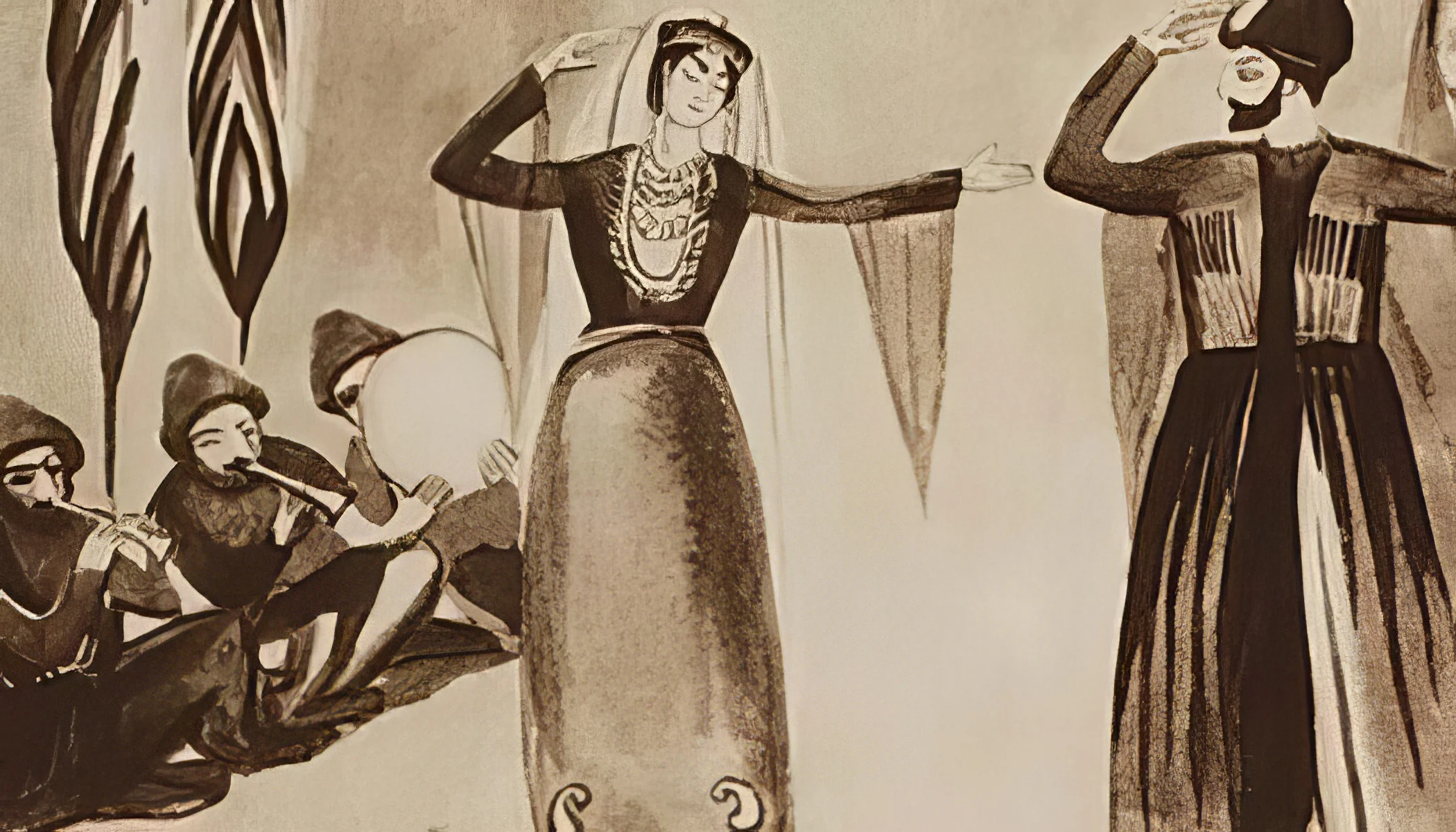
These songs highlight the rich cultural heritage and emotional depth of Armenian music, often reflecting themes of love, history, and national identity.
– Sari Gelin: Traditional folk song symbolizing Armenian-Turkish shared cultural heritage.
– Dle Yaman: Heartfelt Armenian folk song expressing deep sorrow and longing.
– Kilikia: Patriotic song celebrating the historical region of Cilicia in Armenia.
– Artsakh: Song dedicated to the spirit and resilience of the people of Artsakh.
– Hayastan Jan: Popular modern song expressing love for Armenia.
– Yerevan Erebuni: Celebrates the ancient city of Yerevan with historical pride.
Films
Explore the cinematic landscape of Armenia through these notable films:
– "The Color of Pomegranates": Sergei Parajanov's visually nice film about the life of Armenian poet Sayat-Nova.
– "Earthquake": A gripping drama by Sarik Andreasyan, depicting the devastating 1988 Armenian earthquake.
– "Vodka Lemon": Hiner Saleem's tragicomedy set in a remote Armenian village, exploring love and survival.
– "The Lark Farm": Directed by Paolo and Vittorio Taviani, it addresses the Armenian Genocide through a family's story.
– "Ararat": Atom Egoyan's film delves into the impact of the Armenian Genocide on modern identity and memory.