

Australia Attractions & Travel Advice – Plan Your Visit
This large country in the Southern Hemisphere is known for its diverse landscapes, from vast deserts to beautiful beaches. It boasts beautiful cities like Sydney and Melbourne, unique wildlife, and the world's largest coral reef system, the Great Barrier Reef.
- Capital
- Canberra
- Population
- 21.6 millions
- Superficy
- 7687000 sq.km
- Months to Visit
- Sept. to Nov. & Mar. to May
- Living Cost
- Expensive
Overview
Australia is a vast country located in the Southern Hemisphere, known for its unique wildlife and diverse landscapes. It features a wide range of environments, from arid deserts and tropical rainforests to busy cities and beautiful coastlines. Sydney, its largest city, is famous for the Sydney Opera House and Harbour Bridge. Australia is also home to the Great Barrier Reef, the world's largest coral reef system. The country's culture is a blend of Indigenous heritage and influences from its British colonial past. Australia's economy is robust, with key sectors including mining, agriculture, and tourism.
Pros & Cons
GOOD REASONS TO VISIT AUSTRALIA
– Diverse Landscapes: From Sydney's beaches to the Outback's desert, Australia offers a variety of natural beauty.
– Unique Wildlife: Encounter kangaroos, koalas, and other species that can't be found anywhere else in the world.
– Charming Cities: Sydney's Opera House, Melbourne's arts scene, and Brisbane's outdoor lifestyle offer diverse urban experiences.
– Indigenous Culture: Learn about Aboriginal and Torres Strait Islander peoples' rich history and traditions.
– Outdoor Activities: Surfing, hiking, diving in the Great Barrier Reef, and more for adventure seekers. CHALLENGES WHEN VISITING AUSTRALIA
– Long Distances: Australia's vast size means long travel times between cities and attractions.
– High Costs: Compared to other destinations, Australia can be expensive, particularly in major cities.
– Extreme Weather: Australia's weather can be unpredictable, with intense heat in summer and bushfire risks.
Before Departure
Before setting off on your adventure to Australia, there are several key points to consider:
– Passport: Ensure your passport is valid for at least six months beyond your planned departure date.
– Visa: All non-Australian citizens need a visa to enter Australia. Apply online for a visitor visa (subclass 600), eVisitor (subclass 651), or Electronic Travel Authority (subclass 601).
– Currency: The local currency is Australian Dollar (AUD). Credit cards are widely accepted and ATMs are readily available.
– Internet access: WiFi is widely available in cities and many public places. Prepaid SIM cards for data are easily accessible.
– Language barrier: English is the official language of Australia. While most Australians speak English, translation services are available for non-English speakers.
What to Pack
Planning a trip to Australia requires packing for diverse weather conditions, outdoor activities, and respecting the country's strict biosecurity laws.
– Essentials: Passport and visa (if required), travel insurance details, flight tickets and itinerary, accommodation reservations.
– Clothing: Lightweight clothing for summer, warm clothing for winter, swimwear, comfortable walking shoes, hat and sunglasses for sun protection.
– Health & Safety: Prescription medications and a basic first aid kit, sunscreen with high SPF, insect repellent, personal hygiene items.
– Electronics: Travel adapter for Australian outlets, mobile phone, camera, portable charger.
Weather
Australia's weather varies greatly across its regions:
– Summer (December to February): Hot and dry across most of the country, with wet season in the tropical north.
– Autumn (March to May): Mild and dry in most regions, with cooler temperatures in the south.
– Winter (June to August): Cool and dry in the south, warm and dry in the north.
– Spring (September to November): Increasing temperatures and rainfall across the country. The best time to visit Australia is during Spring (September to November) and Autumn (March to May).
– These periods offer moderate temperatures and lower rainfall.
– Wildlife is abundant and active. However, these are also popular times for tourists, so expect higher prices and more crowded attractions.
Travel Budget
Australia is a relatively expensive country to visit. Here are some average costs for reference:
– Hotel: 100$ to 200$
– Lunch: 10$ to 20$
– Beverage (in bar/restaurant): 5$ to 10$
– Coffee: 3$ to 5$
– Transportation: (train 15$ to 50$), (bus 3$ to 10$), (taxi /10km 15$ to 25$)
– Mobile data (per GB): 10$ to 20$
Language
Australia's primary language is English, but they have unique slang and phrases. Here are some common phrases you might hear:
– G'day: Hello
– No worries: It's okay
– How ya goin'?: How are you?
– Good on ya: Good job
– Fair dinkum: Really? For real?
– Arvo: Afternoon
– Barbie: Barbecue
– Bikkie: Biscuit
– Brekkie: Breakfast
– Cuppa: Cup of tea or coffee
– Thongs: Flip flops
– Sunnies: Sunglasses
– Ta: Thank you
– Servo: Service Station or Gas Station
– Bottle-O: Liquor Store
– Footy: Australian Rules Football.
History
Australia's history begins with the indigenous peoples, who arrived over 60,000 years ago. The first European contact was with the Dutch in the 17th century, but it was the British who, in 1788, established a penal colony in what is now Sydney. Throughout the 19th century, more colonies were established, each governed separately. In 1901, these colonies federated to form the Commonwealth of Australia. The country participated in both World Wars and gradually gained legislative independence from the UK throughout the 20th century. Today, Australia is a prosperous developed nation with a diverse multicultural society.
Geopolitics
Australia is a democratic country located in the Southern Hemisphere, with the Indian Ocean to its west and the South Pacific Ocean to its east. It maintains strong ties with the United States, the United Kingdom, and New Zealand, while also fostering relationships with Asian countries, particularly China, Japan, and South Korea. Australia is a member of several international organizations, including the United Nations, G20, and the Commonwealth of Nations. It has been involved in numerous peacekeeping missions globally. Australia's geopolitical position is influenced by its status as a major exporter of natural resources, its strategic location in the Asia-Pacific region, and its commitment to maintaining regional security and stability.
Sample Itinerary
This tour includes the lively city life of Sydney, the natural beauty of the Great Barrier Reef, the cultural richness of Melbourne, and the wilderness of Tasmania.
– 2 days in Sydney: Visit the iconic Sydney Opera House, Harbour Bridge, and Bondi Beach. Explore the Rocks district and enjoy a ferry ride.
– 2 days in Cairns: Experience snorkeling or diving in the Great Barrier Reef. Visit the Daintree Rainforest and enjoy the local wildlife.
– 2 days in Melbourne: Explore the city's laneways, visit the Royal Botanic Gardens, and enjoy the local coffee culture. Visit the Melbourne Cricket Ground.
– 2 days in Tasmania: Visit the historic Port Arthur site, hike in Cradle Mountain National Park, and explore the capital, Hobart.
– 1 day in Adelaide: Visit the Art Gallery Of South Australia, Adelaide Botanic Garden, and enjoy local wine in the Barossa Valley. Depart from Adelaide.
Popular cities
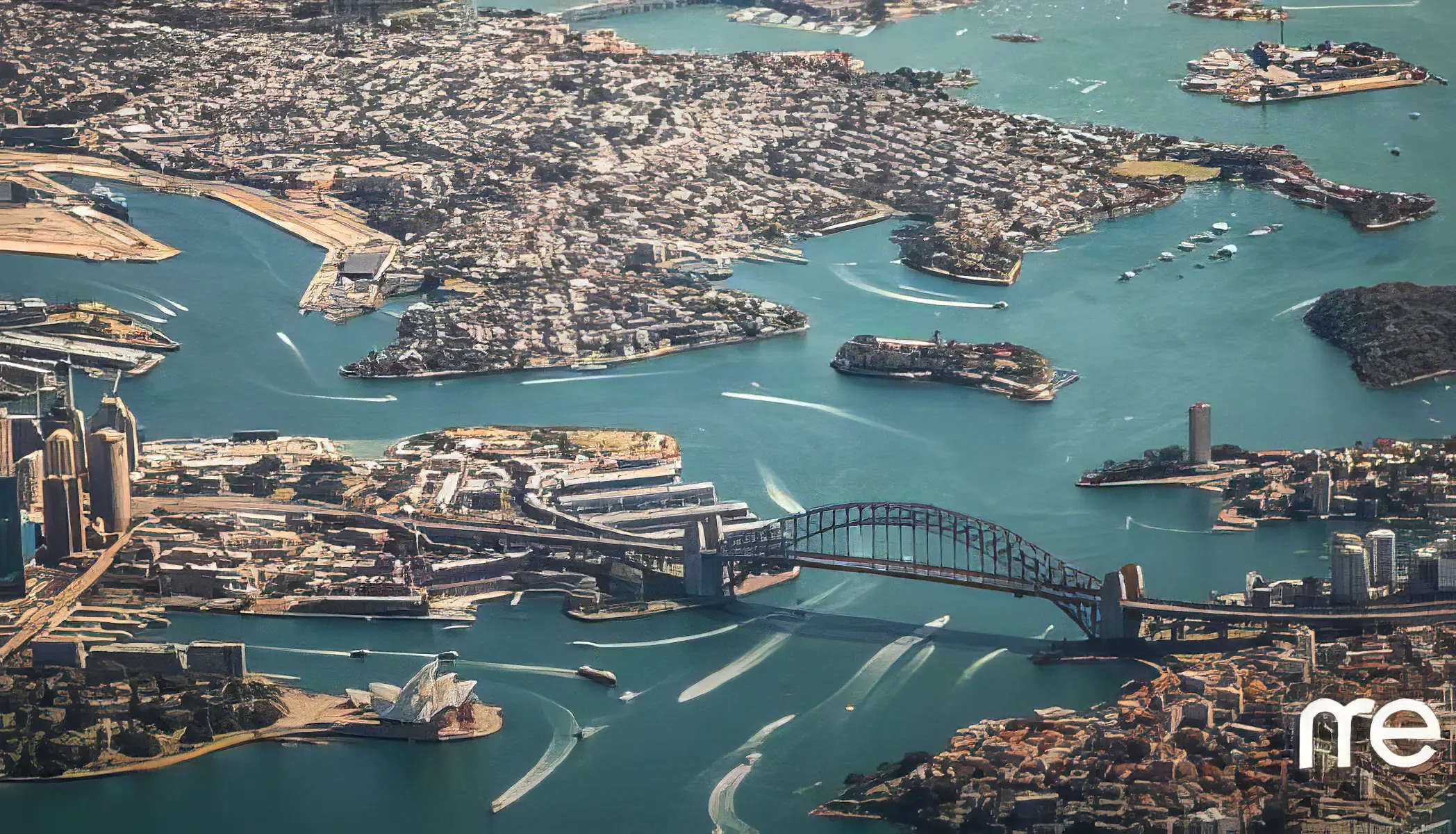
Australia offers a diverse range of cities, each with its unique charm and attractions:
– Sydney: Known for its iconic Opera House, Harbour Bridge, and beautiful beaches.
– Melbourne: Famous for its beautiful arts scene, coffee culture, and sports events.
– Brisbane: A modern city with a sunny climate, it's close to beautiful beaches and the Gold Coast.
– Adelaide: Known for its food and wine, historic buildings, and the nearby Barossa Valley.
– Perth: Offers beautiful beaches, a thriving food scene, and proximity to wine regions.
– Hobart: Tasmania's capital is known for its well-preserved colonial architecture and the Museum of Old and New Art.
– Darwin: Known for its outdoor lifestyle, multicultural community, and proximity to national parks.
Monuments
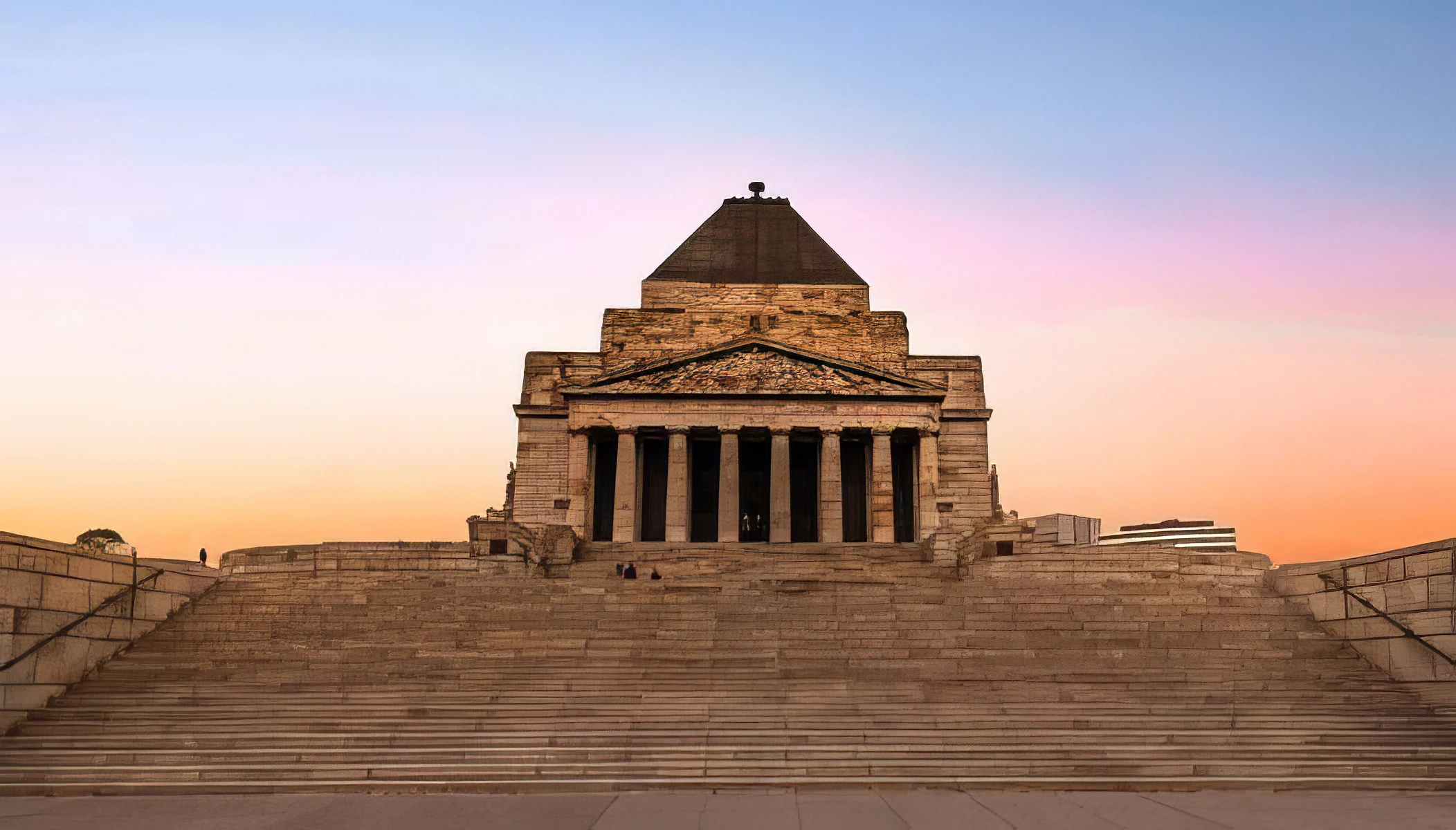
Australia is home to a variety of significant monuments and architectural wonders:
– Sydney Opera House, Sydney: Iconic performing arts center with distinctive sail-like design.
– Sydney Harbour Bridge, Sydney: Massive steel arch bridge, offers panoramic views of Sydney.
– Port Arthur Historic Site, Tasmania: Former convict settlement, now an open-air museum.
– Shrine Of Remembrance, Melbourne: Monument dedicated to Australians who served in war.
– Parliament House, Canberra: Australia's seat of parliament, known for its modern architecture.
– Fremantle Prison, Western Australia: UNESCO site, former prison offering guided tours.
– Q1 Tower, Gold Coast: Australia's tallest building with observation deck.
– The Twelve Apostles, Victoria: Natural shiny formations off The Great Ocean Road.
Natural wonder
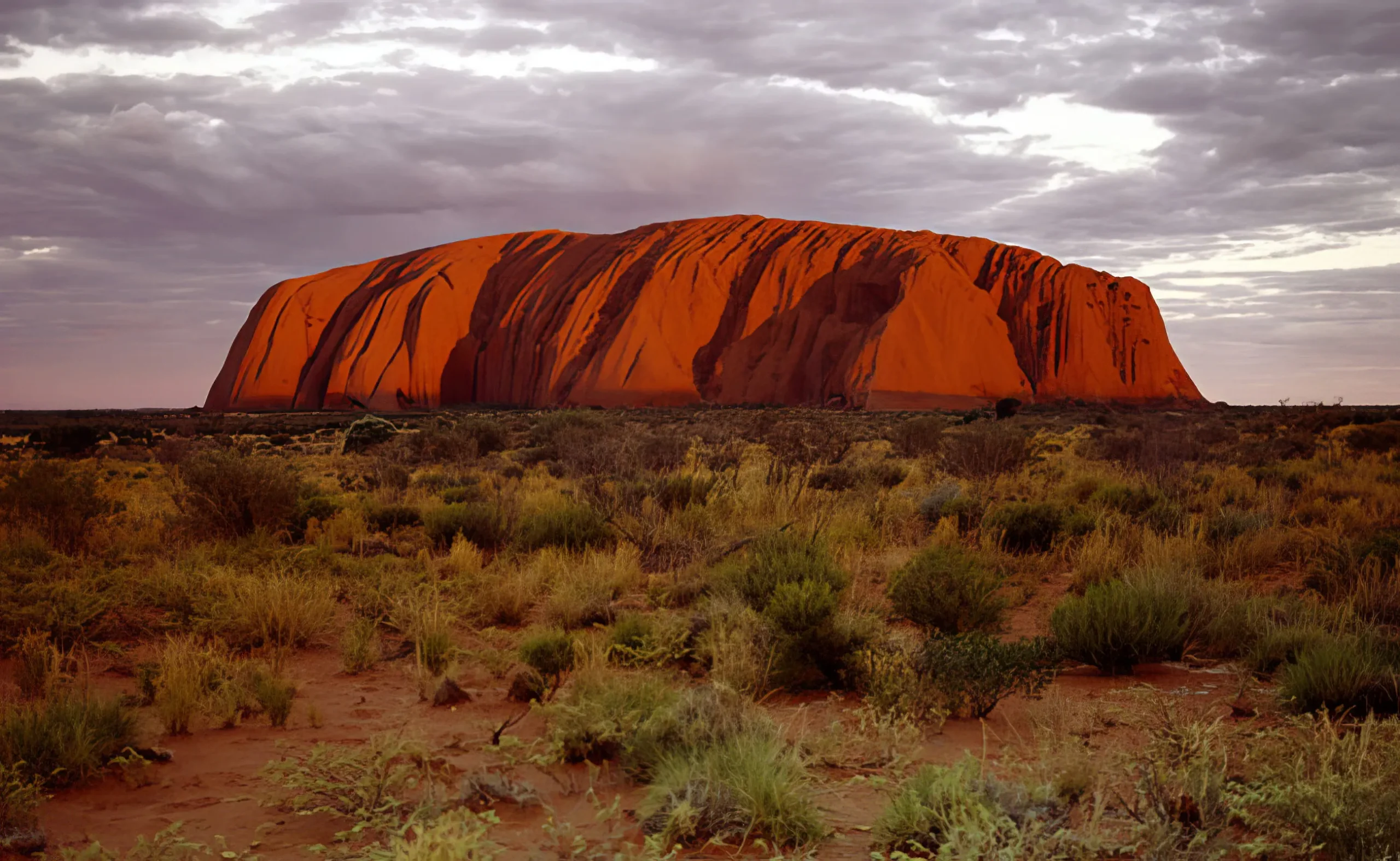
Explore the diverse natural wonders of Australia:
– Great Barrier Reef: The world's largest coral reef system, home to diverse marine life.
– Uluru: A massive sandstone monolith in the heart of the Northern Territory's arid "Red Centre".
– Blue Mountains: Known for dramatic scenery, it encompasses steep cliffs, eucalyptus forests, and waterfalls.
– Kakadu National Park: Features diverse habitats, abundant wildlife, and ancient rock art.
– The Pinnacles: Thousands of nice pillars rise from the shifting yellow sands in Nambung National Park.
– Fraser Island: The world's largest sand island, known for its freshwater lakes.
– The Twelve Apostles: Beautiful stacks off the shore of the Port Campbell National Park.
– Daintree Rainforest: The oldest tropical rainforest in the world, home to unique wildlife.
– Katherine Gorge: A series of sandstone gorges in the Northern Territory.
– Lake Hillier: A pink-colored lake on Middle Island, due to the presence of a specific type of algae.
Beaches
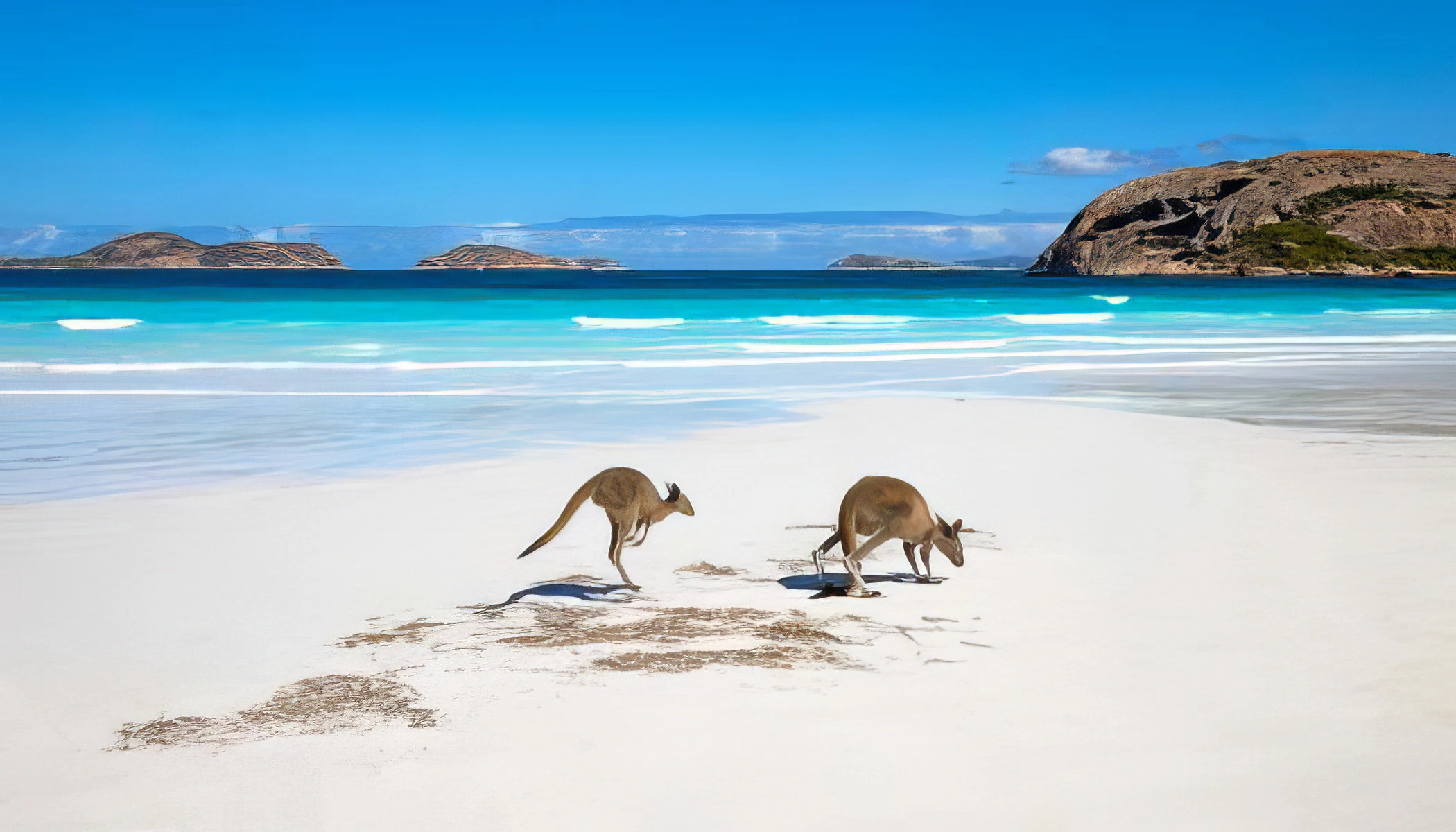
Australia is renowned for its nice beaches. Here are seven of the most popular:
– Bondi Beach: Sydney's iconic beach known for its surf, sand, and lively atmosphere.
– Whitehaven Beach: Famous for its pure white silica sand and clear waters in the Whitsundays.
– Surfers Paradise Beach: A Gold Coast hotspot for surfing and high-rise backdrop.
– Noosa Main Beach: A family-friendly beach with gentle waves in Sunshine Coast.
– Cable Beach: Known for its 22 kilometers of pure white sand and camel rides in Broome.
– Turquoise Bay: Offers excellent snorkeling opportunities in Western Australia.
– Bells Beach: Renowned for its world-class surf breaks in Victoria.
Outdoor activities
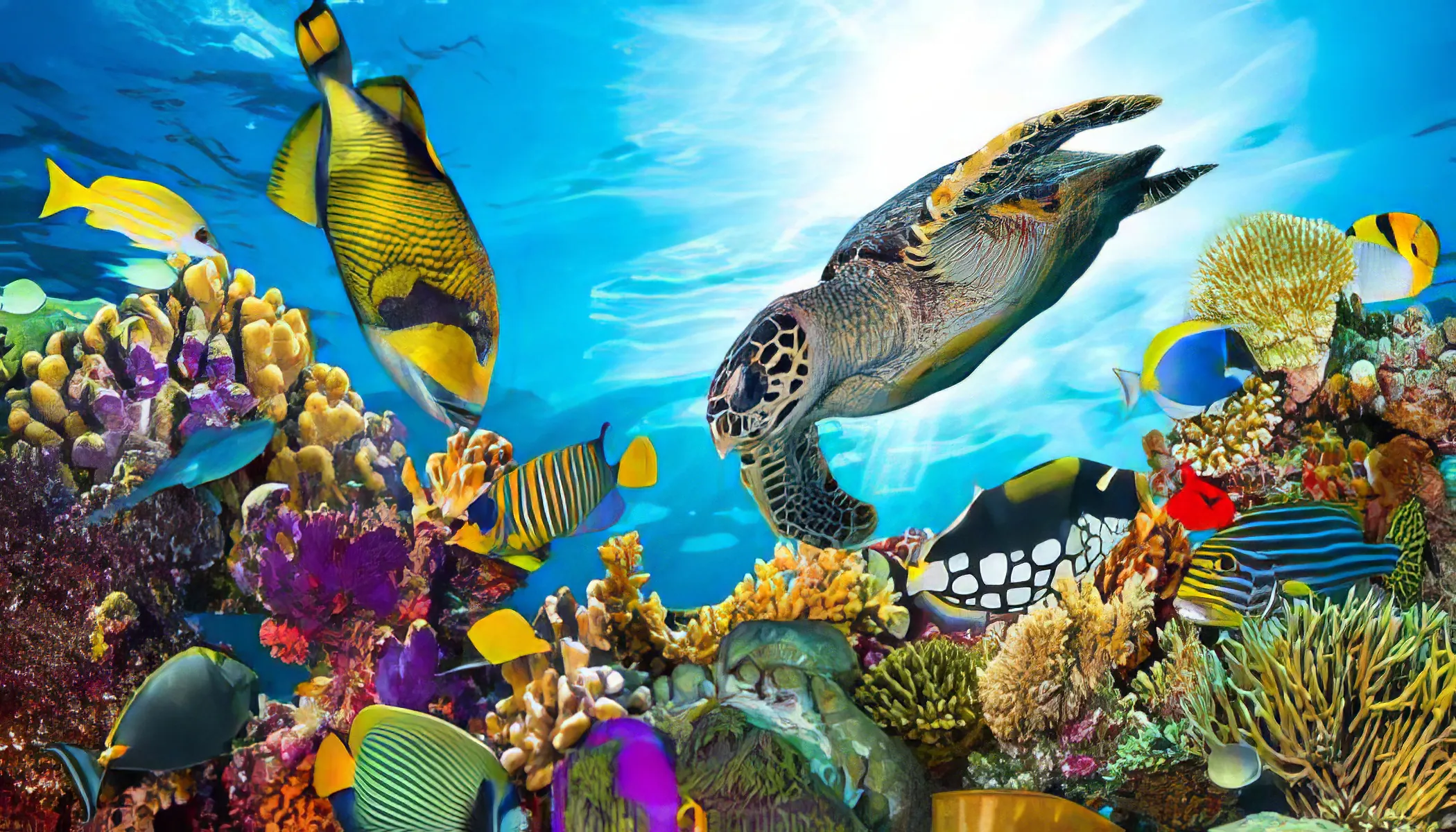
Australia offers a wide array of outdoor experiences, from its nice landscapes to its unique wildlife:
– Snorkeling in the Great Barrier Reef: Explore the world's largest coral reef system.
– Hiking in the Blue Mountains: Enjoy panoramic views and diverse flora and fauna.
– Surfing in Bondi Beach: Ride the waves in one of Australia's most iconic beaches.
– Wildlife Watching on Kangaroo Island: Encounter kangaroos, koalas, and other native species.
– Exploring the Outback: Experience the vast, rugged landscapes of central Australia.
– Sailing in the Whitsundays: Navigate through turquoise waters and preserved islands.
– Wine Tasting in Barossa Valley: Sample world-class wines in charming vineyards.
Kid Friendly
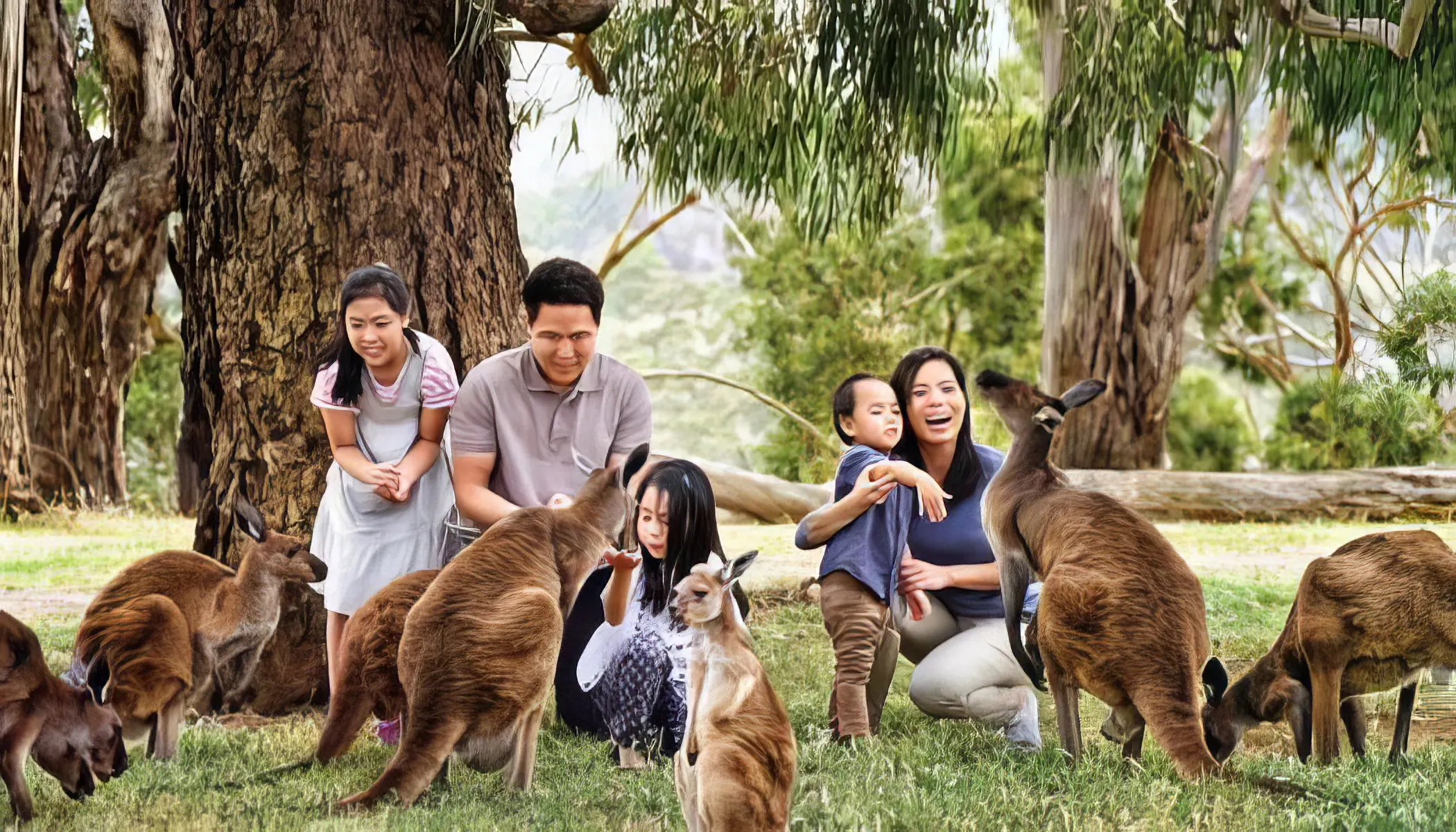
Australia offers a variety of activities that are perfect for children:
– Taronga Zoo: A large zoo in Sydney with a variety of animals from around the world.
– Great Barrier Reef: A world-renowned coral reef system offering snorkeling and diving experiences.
– Gold Coast Theme Parks: A collection of amusement parks with thrilling rides and shows.
– Healesville Sanctuary: A bushland haven where kids can see native Australian wildlife.
– Puffing Billy Railway: A century-old steam train that offers scenic rides through the Dandenong Ranges.
– Sydney Observatory: A place to learn about astronomy and see the stars through telescopes.
– Australian Museum: A leading cultural history museum in Sydney with interactive exhibits for kids.
– Kangaroo Island: A wildlife sanctuary where kids can see kangaroos, koalas, and other native animals.
Cuisine

Australia's food scene is a fusion of multicultural influences, local produce, and traditional bush foods. It's known for its fresh seafood, quality meats, and unique native ingredients. The country's vast landscapes and climates contribute to its diverse culinary offerings. Most famous cuisine in Australia are:
– Vegemite on Toast: A spread made from yeast extract, typically served on toast.
– Meat Pie: A hand-sized pastry filled with minced meat and gravy.
– Fish and Chips: Freshly fried fish served with crispy chips.
– Lamingtons: Sponge cake coated in chocolate and desiccated coconut.
– Pavlova: Meringue-based dessert topped with whipped cream and fresh fruits.
Souvenir
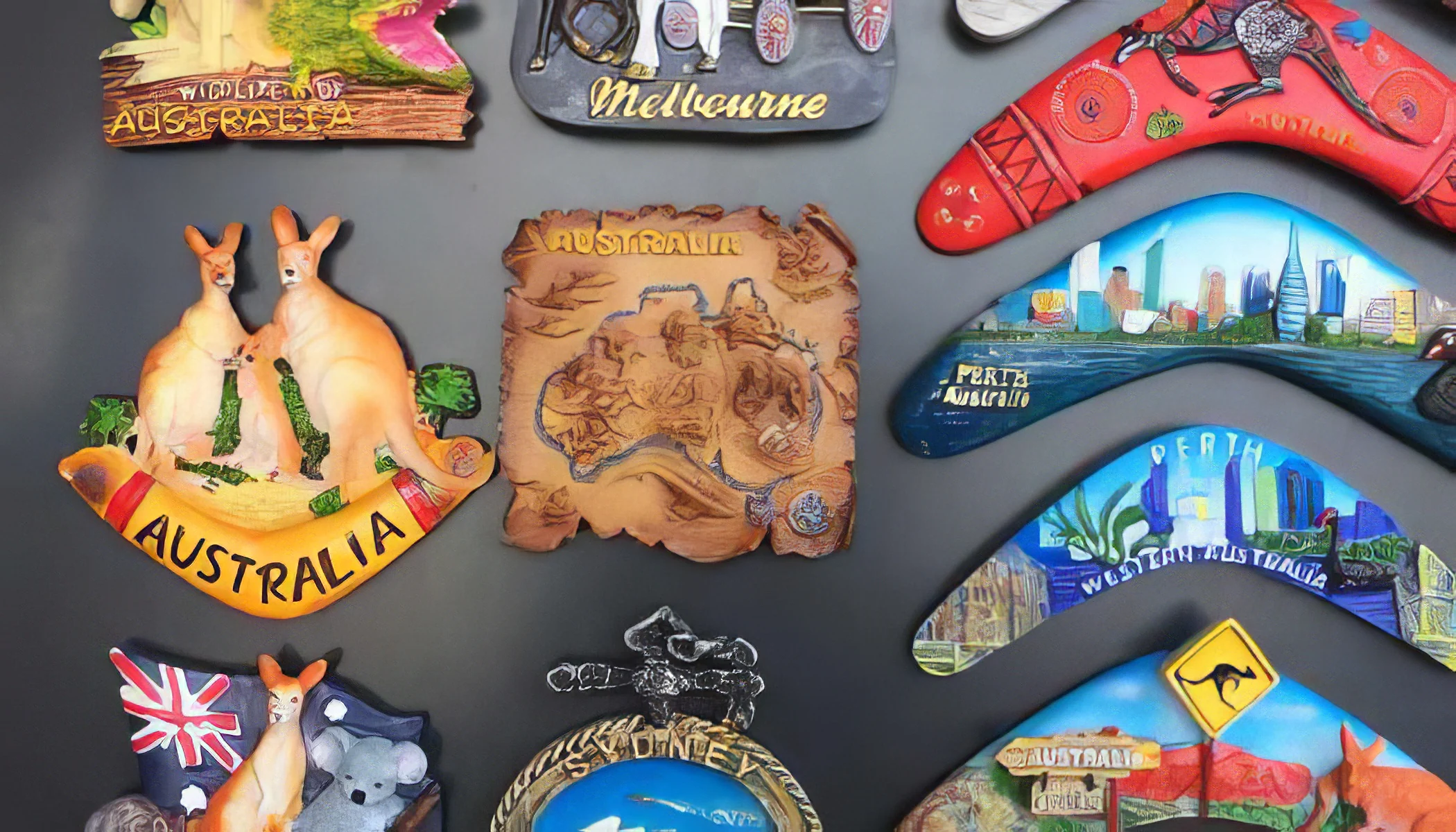
Australia is a country rich in unique culture and wildlife, which is reflected in its souvenirs. Here are some popular items to consider:
– Aboriginal Art: Indigenous Australian art is unique and carries deep cultural significance.
– Opal Jewelry: Australia produces 95% of the world's opals, making opal jewelry a special souvenir.
– Vegemite: This iconic Australian spread is a must-try for any visitor.
– Australian Wine: Australia is known for its excellent wines, particularly Shiraz and Chardonnay.
– Akubra Hat: These traditional Australian hats are both practical and stylish.
– Australian Wool Products: Australia is famous for its wool, and woolen products like sweaters and blankets are popular souvenirs.
– Kangaroo Leather Products: Kangaroo leather is strong and durable, making it ideal for wallets, belts, and other accessories.
Traditional Shows
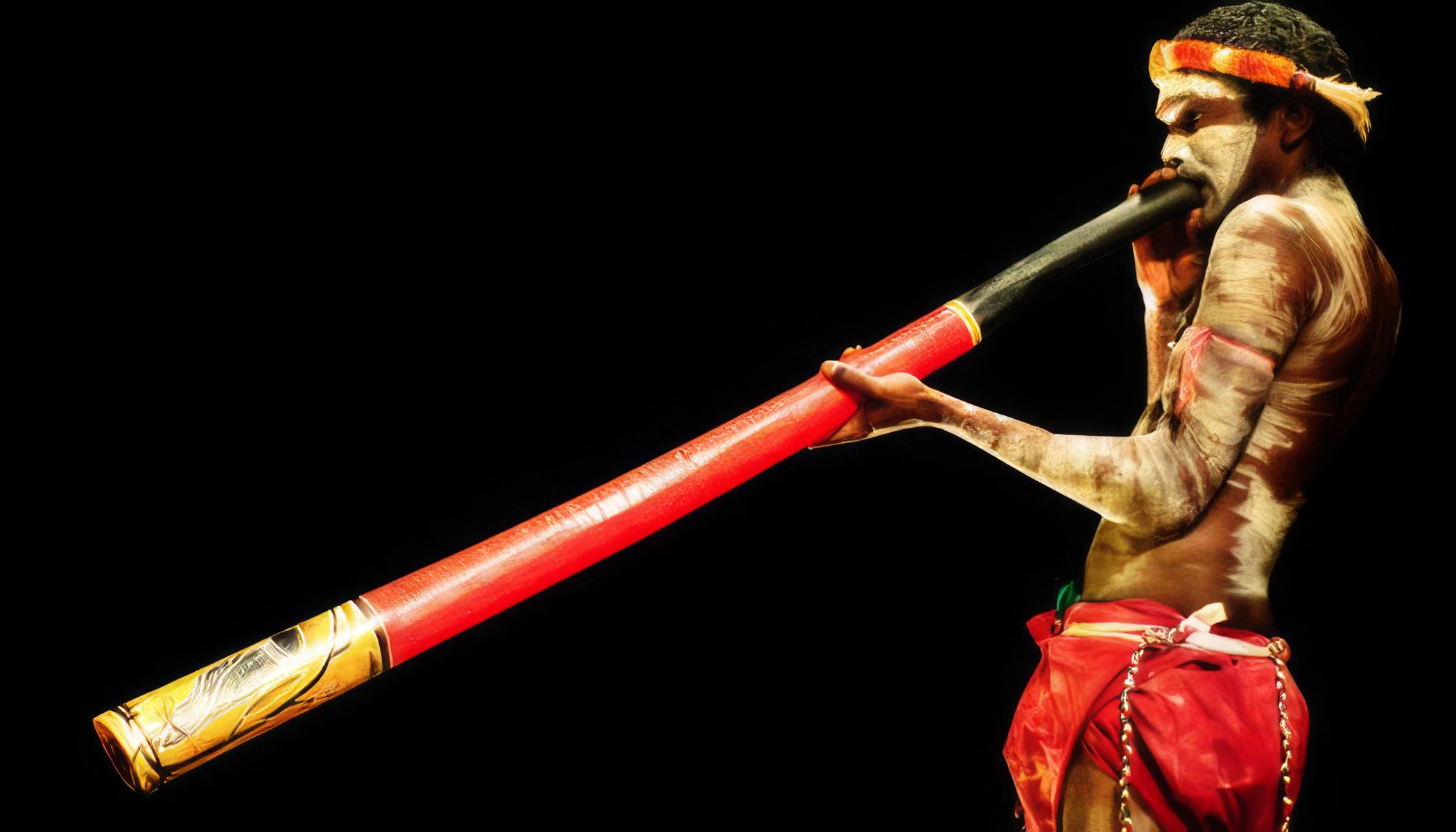
Australia is known for its unique blend of traditional and contemporary performances:
– Didgeridoo Shows: Experience the ancient Aboriginal instrument's tempting sound in cultural centers across the Northern Territory.
– Bangarra Dance Theatre: This Sydney-based company combines Aboriginal and Torres Strait Islander culture with contemporary dance.
– Sydney Opera House Performances: Enjoy world-class opera, ballet, and classical music performances in this iconic Sydney venue.
– Melbourne Symphony Orchestra: Listen to classical and contemporary music performed by one of Australia's leading orchestras in Melbourne.
– Tjapukai Aboriginal Cultural Park: Witness traditional Aboriginal music, dance, and storytelling in this cultural park located in Cairns.
Events & Festivals
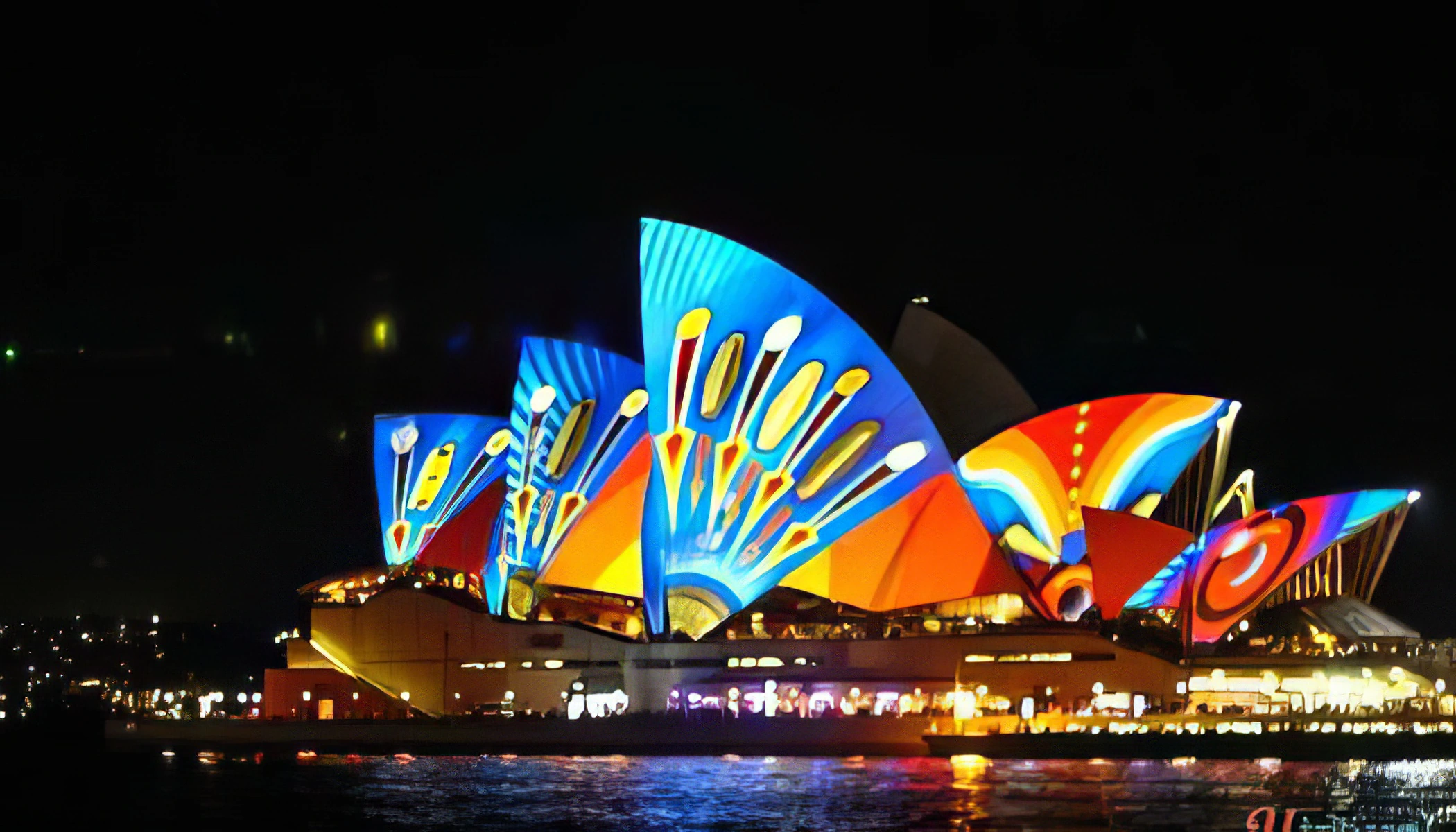
Australia hosts a variety of events and festivals throughout the year, showcasing its diverse culture and heritage:
– Sydney Festival: A January arts festival featuring theater, dance, and music performances.
– Australia Day: Celebrated on January 26, marking the arrival of the First Fleet in Sydney in 1788.
– Adelaide Fringe: The world's second-largest annual arts festival, held in February/March.
– Melbourne International Comedy Festival: A comedy festival in March/April, attracting international performers.
– Vivid Sydney: A May/June festival of light, music, and ideas in Sydney.
– Melbourne Cup: A prestigious horse race held on the first Tuesday in November.
– Woodford Folk Festival: A six-day cultural festival in late December/early January, featuring music, dance, and theater.
Famous People

Australia is renowned for its influential figures in politics, entertainment, and sports.
– Steve Irwin (1962 to 2006, Melbourne): Known as "The Crocodile Hunter," he was a famous wildlife expert and conservationist.
– Hugh Jackman (born 1968, Sydney): Internationally acclaimed actor, famous for his role as Wolverine in the X-Men series.
– Sir Donald Bradman (1908 to 2001, Cootamundra): Widely regarded as the greatest batsman in the history of cricket.
– Dame Joan Sutherland (1926 to 2010, Sydney): One of the most remarkable female opera singers of the 20th century.
– Julia Gillard (born 1961, Barry, Wales but grew up in Adelaide): The first female Prime Minister of Australia.
Books
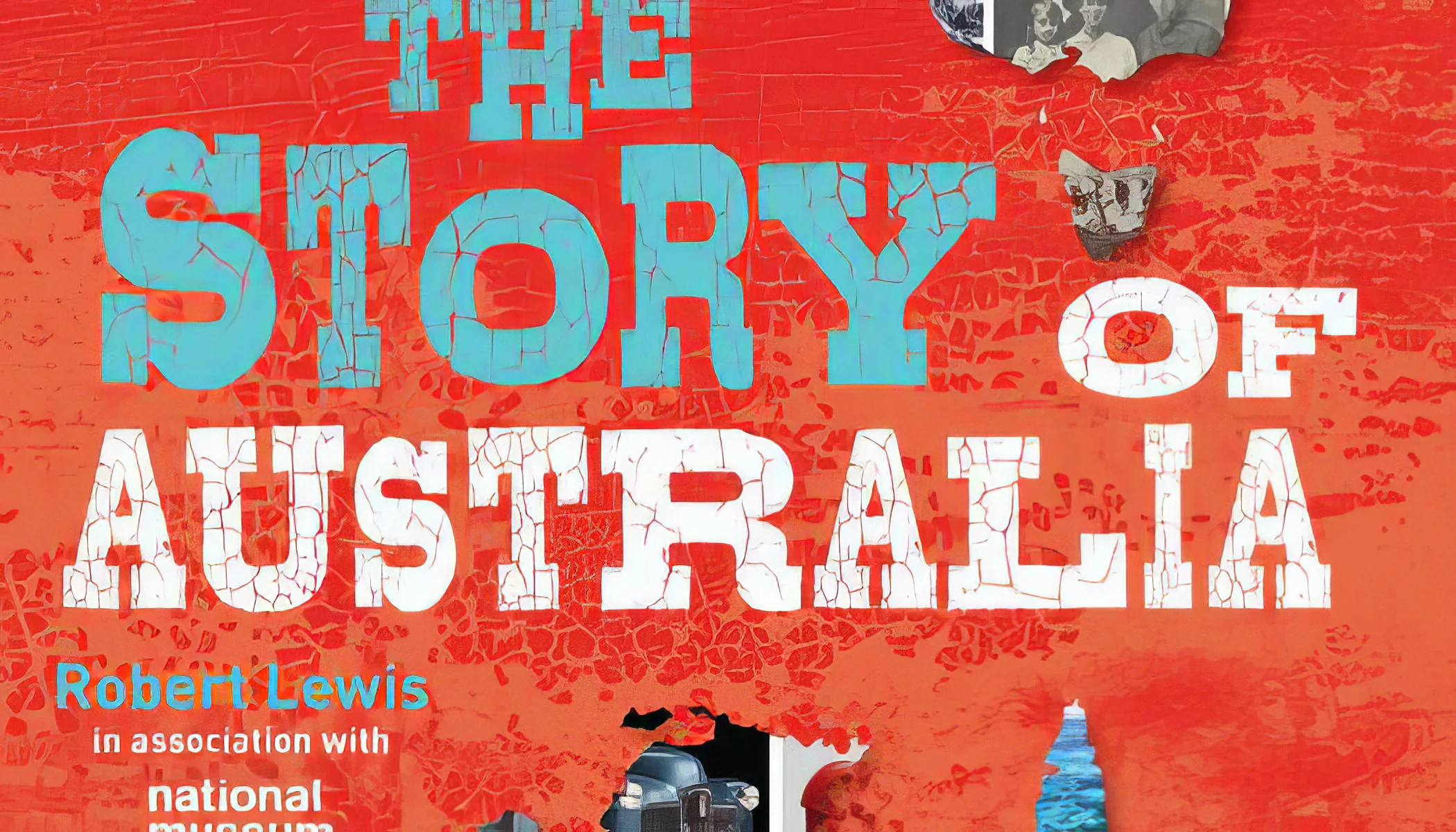
These books provide a rich exploration of Australia's unique landscapes, history, and culture.
– "The Thorn Birds" by Colleen McCullough: A sweeping family saga set in the Australian outback.
– "Cloudstreet" by Tim Winton: Chronicles the lives of two working-class Australian families in post-WWII Perth.
– "A Town Like Alice" by Nevil Shute: A love story set in the harsh Australian outback after WWII.
– "The Secret River" by Kate Grenville: Explores the conflict between early British settlers and Aboriginal people.
– "Picnic at Hanging Rock" by Joan Lindsay: A haunting mystery about a group of schoolgirls who disappear in rural Australia.
Songs
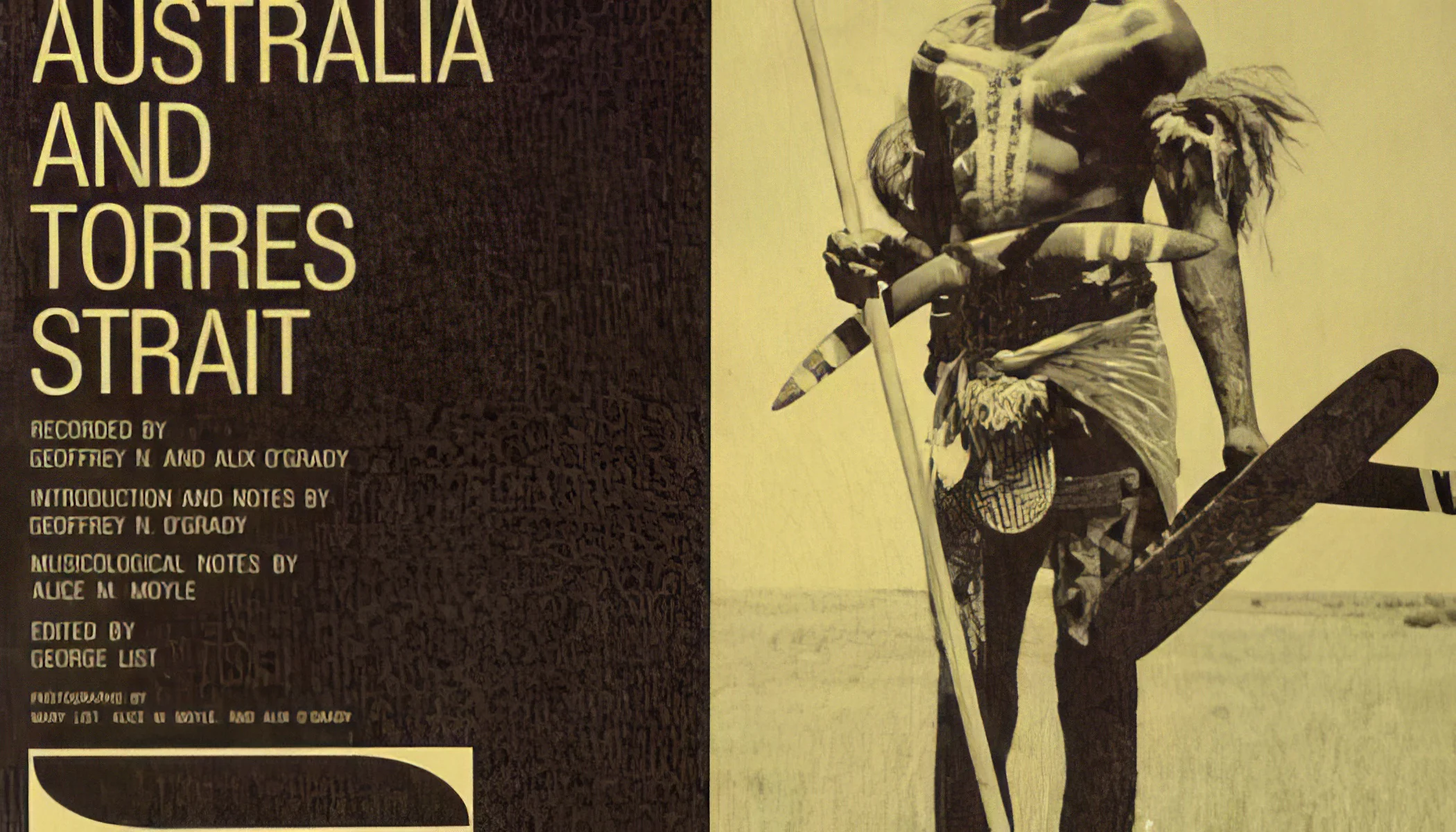
Australia has produced many iconic songs that capture the spirit of the country and its people.
– Down Under: A patriotic song by Men at Work, celebrating Australian culture.
– Waltzing Matilda: Australia's most widely known bush ballad.
– You're the Voice: John Farnham's powerful anthem about making a difference.
– Beds are Burning: Midnight Oil's song addressing indigenous rights.
– I Still Call Australia Home: Peter Allen's song expressing love for Australia.
– Truly Madly Deeply: Global hit by Australian duo Savage Garden.
Films
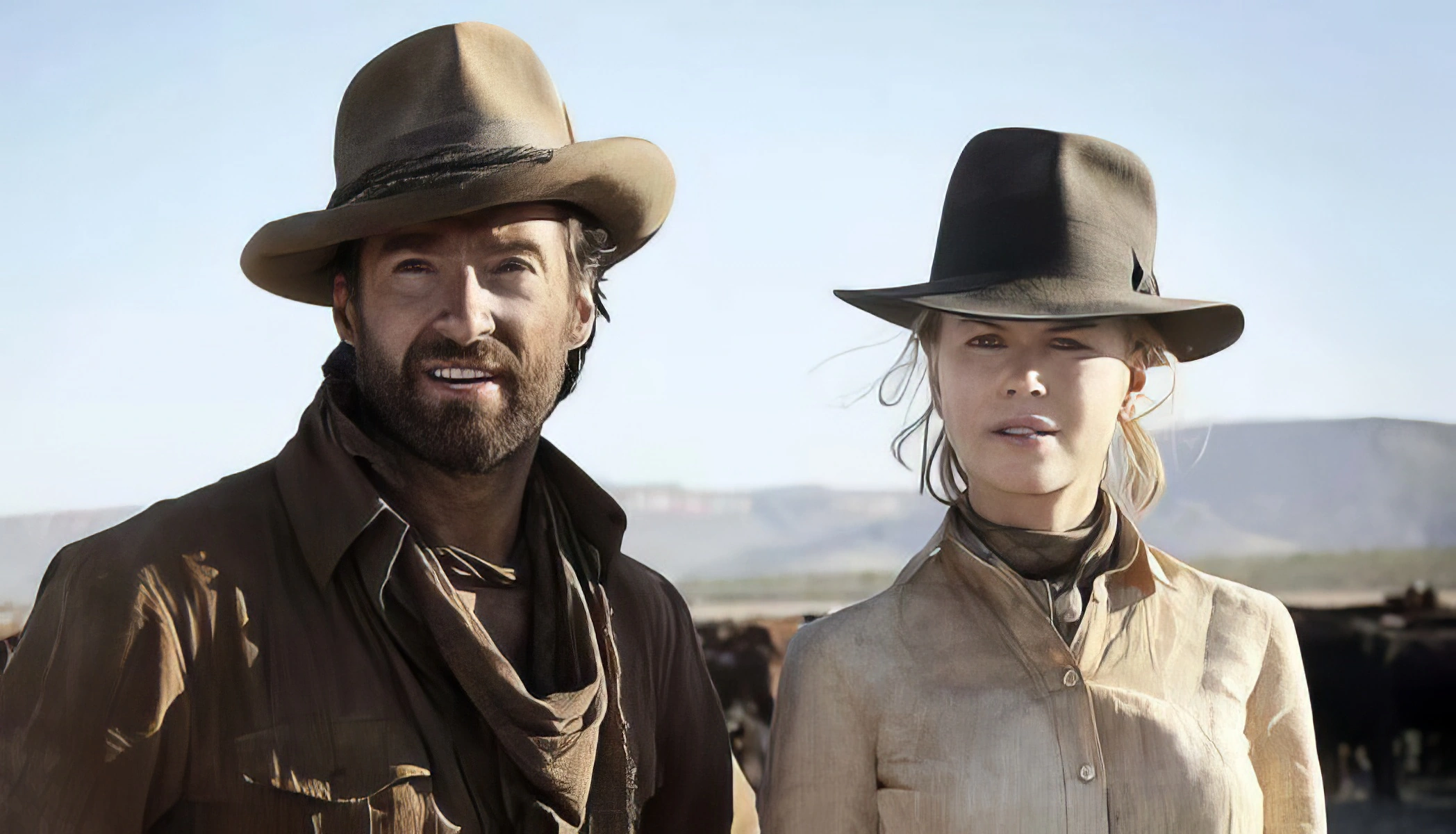
Australia's film industry has produced some iconic movies that beautifully capture the country's unique landscapes and culture:
– "Mad Max: Fury Road": George Miller's post-apocalyptic action film set in the Australian desert.
– "Crocodile Dundee": A comedy about an Australian outback adventurer in New York City.
– "The Adventures of Priscilla, Queen of the Desert": A heartwarming film about drag queens traveling across the Australian desert.
– "Gallipoli": Peter Weir's war film about the tragic World War I campaign in Turkey.
– "Muriel's Wedding": A comedy-drama about a socially awkward woman's quest for love and acceptance.