

Azerbaijan Attractions & Travel Advice – Plan Your Visit
Located at the crossroads of Eastern Europe and Western Asia, this country is known for its rich cultural heritage and diverse landscapes. The capital, Baku, blends modern architecture with ancient sites. The Caspian Sea and Caucasus Mountains offer natural beauty.
- Capital
- Baku
- Population
- 8.4 millions
- Superficy
- 87000 sq.km
- Months to Visit
- April to June & Sept. to Oct.
- Living Cost
- Moderate
Overview
Azerbaijan, located at the crossroads of Eastern Europe and Western Asia, is known for its rich cultural heritage and diverse landscapes. The capital city, Baku, features a mix of modern architecture and historic sites like the medieval Old City. The country is home to natural wonders such as the Caspian Sea coastline and the Caucasus Mountains. Azerbaijan has a strong tradition in music and arts, with mugham being a notable musical genre. The economy is largely driven by oil and gas exports. Visitors can experience a blend of Eastern and Western influences in its cuisine, traditions, and architecture.
Pros & Cons
GOOD REASONS TO VISIT AZERBAIJAN
– Diverse Landscapes: Experience the Caspian Sea, Caucasus Mountains, and Gobustan's mud volcanoes in one country.
– Rich Cultural Heritage: Explore ancient cities like Baku, Sheki, and Ganja with unique architecture and history.
– Unique Cuisine: Enjoy dishes like plov, dolma, and kebabs; a blend of Eastern European and Middle Eastern flavors.
– Modern Architecture: Baku features striking buildings like the Flame Towers and Heydar Aliyev Center.
– Affordable Travel: Reasonable prices for accommodations, food, and transport make Azerbaijan accessible for budget travelers. CHALLENGES WHEN VISITING AZERBAIJAN
– Language Barrier: Azerbaijani is the primary language; English is less common outside major tourist areas.
– Limited Public Transport: Public transportation options are limited outside Baku; renting a car may be necessary.
– Visa Requirements: Some nationalities need visas; check requirements before planning your trip to avoid complications.
Before Departure
Before traveling to Azerbaijan, consider the following essential information:
– Passport: Ensure your passport is valid for at least three months beyond your intended departure date.
– Visa: Many nationalities require an e-visa, valid for 30 days. Apply online through the official ASAN Visa website.
– Currency: Azerbaijani Manat (AZN); credit cards accepted in cities; cash preferred in rural areas; ATMs widely available.
– Internet access: WiFi is common in hotels and cafes in urban areas. Purchase a local SIM card for reliable mobile data.
– Language barrier: Azerbaijani is the official language; Russian is widely spoken. English is less common but used in tourist areas.
What to Pack
Azerbaijan provides a mix of modern cities and historical sites, with varying climates across regions.
– Essentials: Passport and visa (if required), travel insurance details, flight tickets and itinerary, accommodation confirmations.
– Clothing: Modest clothing for cultural sites, comfortable walking shoes, layers for varying temperatures, swimwear for the Caspian Sea.
– Health & Safety: Prescription medications, basic first aid kit, sunscreen, insect repellent for rural areas.
– Electronics: Travel adapter for European outlets, mobile phone with charger, camera for capturing scenic views.
Weather
Weather in Azerbaijan varies significantly across its regions due to diverse geography:
– Winter (December to February): Cold and snowy in the mountains, mild and wet in lowlands.
– Spring (March to May): Mild temperatures with blooming landscapes, occasional rain showers.
– Summer (June to August): Hot and dry in lowlands, cooler in mountainous areas.
– Autumn (September to November): Mild temperatures with colorful foliage, decreasing rainfall. April to June and September to October are the best months to visit Azerbaijan. Pros: Pleasant weather for outdoor activities and sightseeing. Cons: Popular tourist sites may be crowded during these peak seasons.
Travel Budget
Azerbaijan provides a range of budget-friendly options for travelers. Here are some average prices for common expenses:
– Hotel: 30$ to 150$
– Lunch: 5$ to 20$
– Beverage (in bar/restaurant): 2$ to 7$
– Coffee: 1.5$ to 4$
– Transportation: (train 5$ to 20$), (bus 0.2$ to 1.5$), (taxi /10km 3$ to 8$)
– Mobile data (per GB): 1.5$ to 3.5$
Language
Azerbaijani, also known as Azeri, is the official language of Azerbaijan and uses the Latin script. Here are some useful phrases for tourists:
– Hello: Salam
– Thank you: Təşəkkür edirəm
– Please: Zəhmət olmasa
– How much is this?: Bu nə qədərdir?
– Excuse me: Bağışlayın
– I don't understand: Başa düşmürəm
– Yes: Bəli
– No: Xeyr
– Goodbye: Sağ olun
History
Its history includes ancient civilizations such as the Caucasian Albanians and later Persian and Islamic influences. The region was part of various empires, including the Safavid, Ottoman, and Russian Empires. In 1918, it briefly became the Azerbaijan Democratic Republic before being incorporated into the Soviet Union in 1920. Gaining independence in 1991 after the Soviet Union's collapse, Azerbaijan faced conflict with Armenia over Nagorno-Karabakh, a dispute that remains unresolved. The country has since focused on developing its oil and gas resources to boost its economy. Throughout its history, Azerbaijan has been a crossroads of cultures and empires, shaping its diverse cultural heritage.
Geopolitics
Located at the crossroads of Eastern Europe and Western Asia, Azerbaijan shares borders with Russia, Georgia, Armenia, Iran, and the Caspian Sea. It is a secular republic with a predominantly Muslim population and has significant oil and gas reserves that play a crucial role in its economy and international relations. The country is part of the Commonwealth of Independent States (CIS) and has sought to balance its foreign policy between Russia, Turkey, and Western countries. A long-standing conflict with Armenia over the Nagorno-Karabakh region has been central to its geopolitical challenges. Azerbaijan is also involved in energy projects like the Southern Gas Corridor, which aims to reduce Europe's dependency on Russian gas. Its strategic location and energy resources make it an important player in regional geopolitics.
Sample Itinerary
This itinerary covers Azerbaijan's blend of modern architecture, historical sites, and natural landscapes.
– 2 days in Baku: Explore the Old City, Maiden Tower, and Shirvanshah's Palace. Visit Flame Towers and stroll along the Caspian Sea Boulevard.
– 1 day in Gobustan: Discover ancient rock carvings at Gobustan National Park and see mud volcanoes nearby.
– 1 day in Sheki: Visit Sheki Khan's Palace with its sophisticated stained glass. Explore the historic caravanserai and local crafts.
– 1 day in Gabala: Enjoy the scenic beauty of Tufandag Mountain Resort. Visit Nohur Lake for a peaceful retreat.
– 1 day in Ganja: See Nizami Mausoleum and explore Ganja's parks. Visit Bottle House, a unique architectural site.
Popular cities
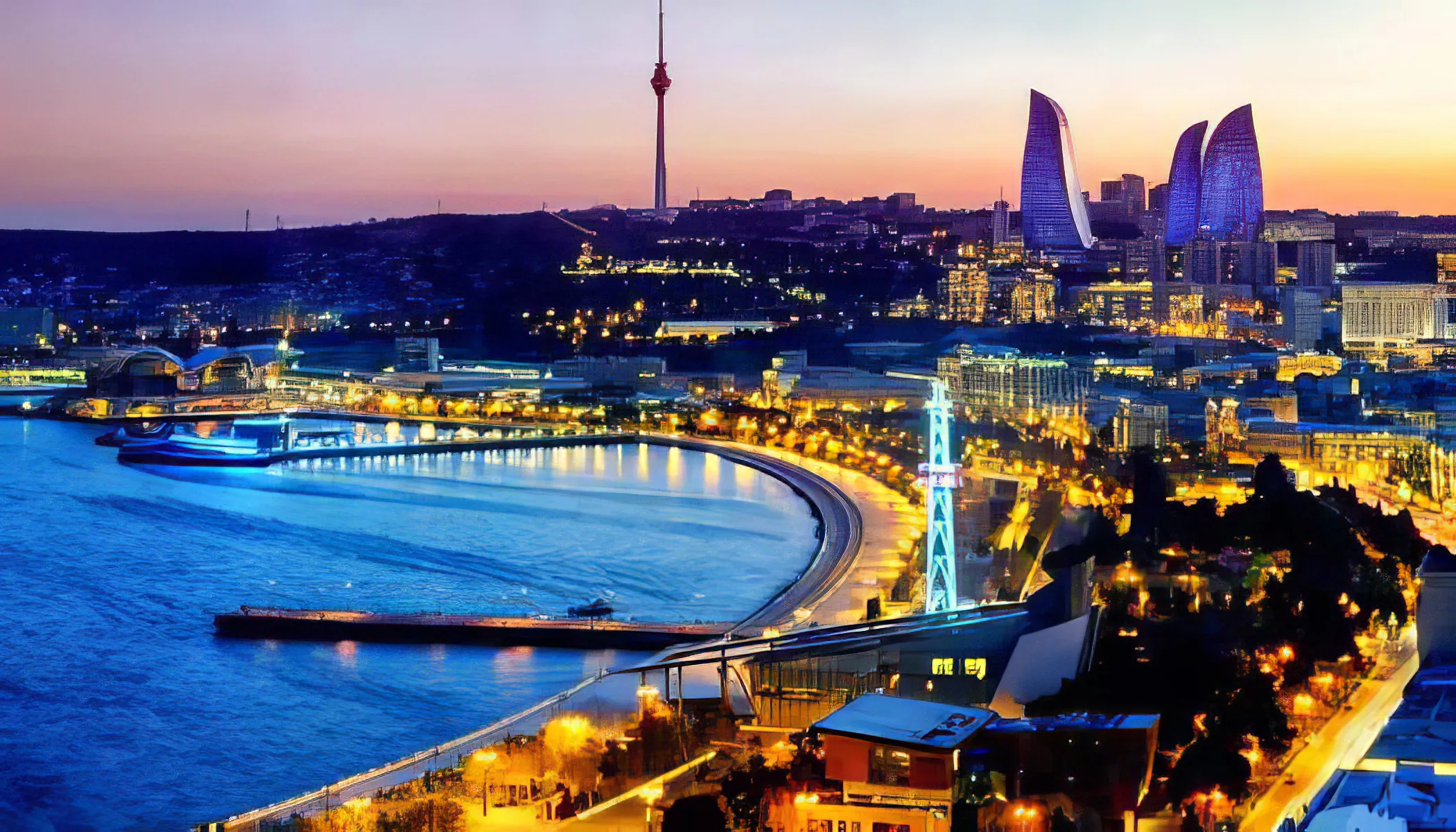
Explore Azerbaijan's diverse cities, each offering unique cultural and historical experiences:
– Baku: The capital city blends modern architecture with ancient sites like the Old City and Flame Towers.
– Ganja: Known for its historical landmarks, including the Nizami Mausoleum and Javad Khan Street.
– Sheki: Provides a glimpse into traditional Azerbaijani culture with its historic Sheki Khan's Palace.
– Gabala: A scenic city surrounded by mountains, known for outdoor activities and cultural festivals.
– Lankaran: A coastal city famous for its tea plantations, hot springs, and historic Lankaran Fortress.
– Quba: Known for its apple orchards, mountain scenery, and the nearby Khinalug village.
– Shamakhi: Offers historical sites like the Juma Mosque and beautiful landscapes in the surrounding region.
Monuments
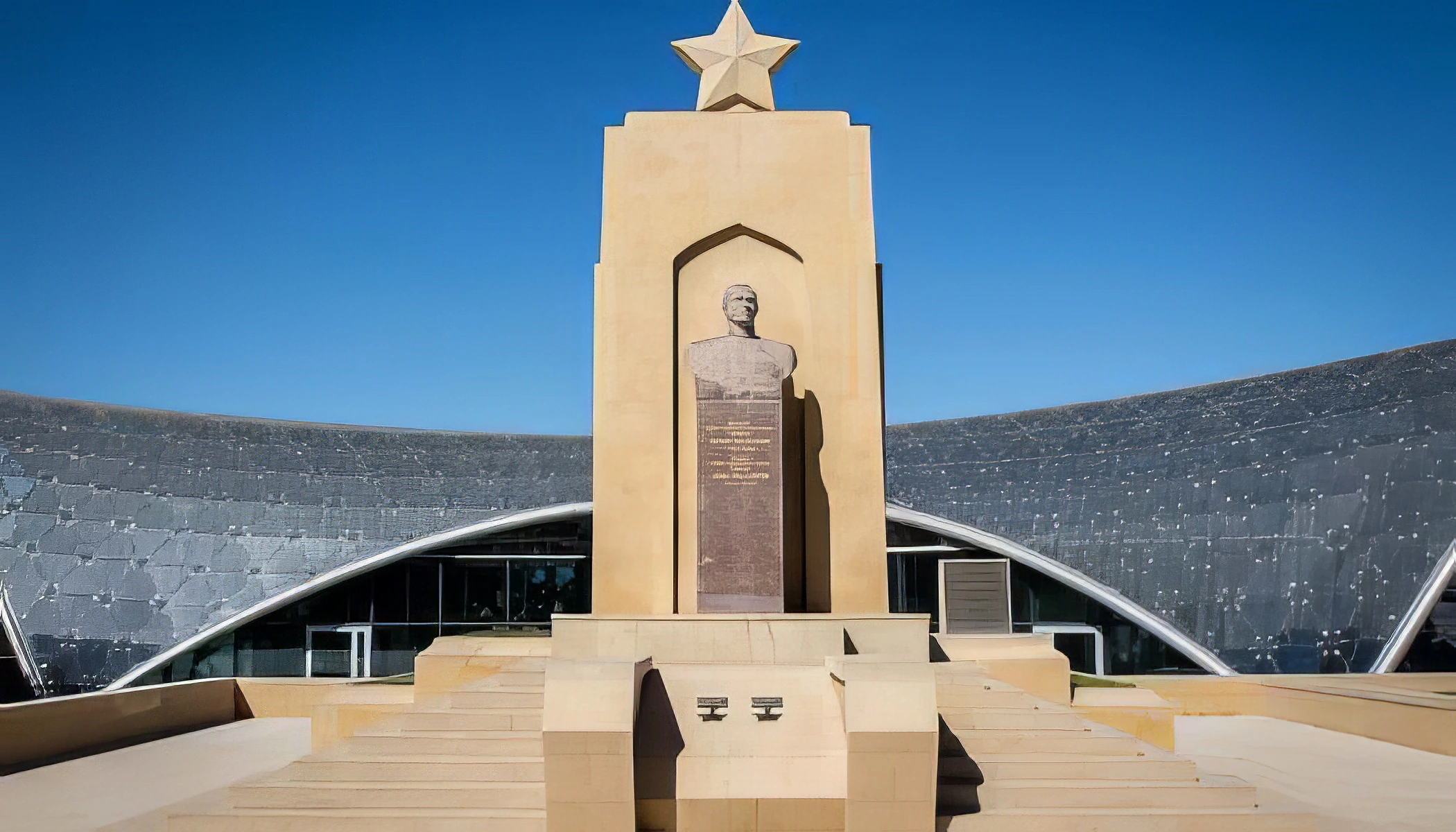
Azerbaijan supplies a variety of notable monuments to explore:
– Maiden Tower, Baku: Iconic 12th-century structure with panoramic views of the city and Caspian Sea.
– Palace of the Shirvanshahs, Baku: 15th-century royal complex showcasing medieval Islamic architecture.
– Gobustan Rock Art Cultural Landscape: UNESCO site with ancient petroglyphs and mud volcanoes.
– Ateshgah Fire Temple, Surakhani: Historic temple reflecting Zoroastrian and Hindu influences with eternal flames.
– Sheki Khan's Palace, Sheki: Ornate summer residence of Khans with sophisticated stained glass and frescoes.
– Heydar Aliyev Center, Baku: Modern architectural marvel designed by Zaha Hadid with flowing curves.
– Juma Mosque, Shamakhi: One of the oldest mosques in the Caucasus, dating back to the 8th century.
– Nizami Mausoleum, Ganja: Monument dedicated to famous Persian poet Nizami Ganjavi with striking architecture.
Natural wonder
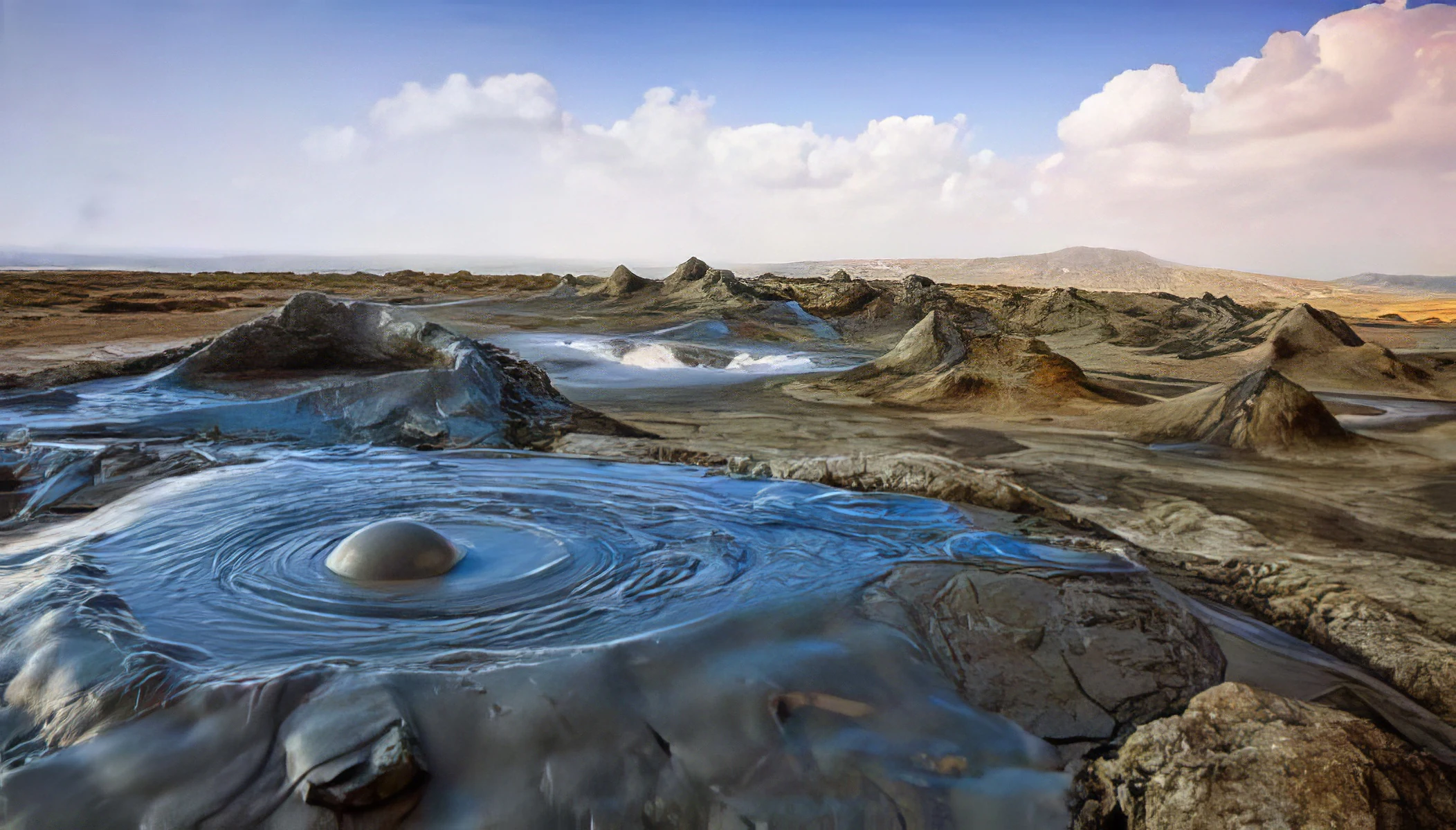
Explore Azerbaijan's diverse natural landscapes:
– Gobustan National Park: Known for ancient rock carvings and mud volcanoes.
– Caspian Sea: World's largest inland body of water, offering unique coastal views.
– Goygol Lake: A picturesque mountain lake surrounded by dense forests.
– Shahdag Mountain Resort: Supplies lovely mountain scenery and winter sports activities.
– Yanar Dag: A continuously burning natural gas fire on a hillside.
– Hirkan National Park: Home to dense forests and diverse wildlife in the Talysh Mountains.
– Absheron National Park: Features semi-desert landscapes and Caspian seals.
– Tufandag Mountain Resort: Known for its scenic cable car rides and alpine views.
– Ilisu Waterfall: A beautiful waterfall located in the Greater Caucasus range.
– Guba's Red Village: Surrounded by mountains, known for its unique Jewish community and culture.
Beaches
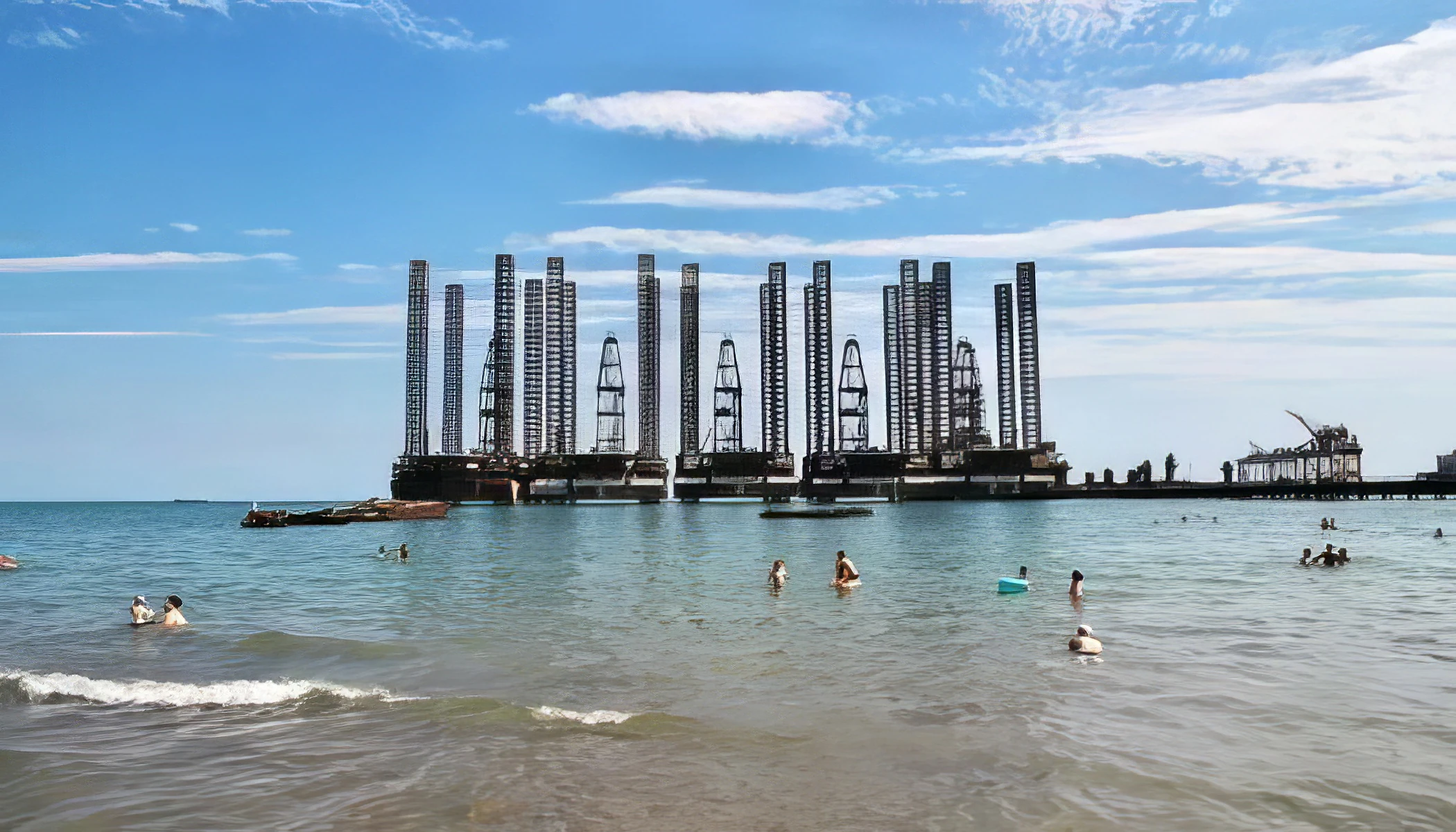
Azerbaijan has a coastline along the Caspian Sea with several beaches.
– Bilgah Beach: Popular for its sandy shores and proximity to Baku.
– Shikhov Beach: Known for its accessibility and facilities near Baku.
– Nabran Beach: Supplies a mix of forested areas and beach resorts in the north.
– Lankaran Beach: Features black sand beaches and subtropical climate in the south.
– Mardakan Beach: A family-friendly beach with calm waters near Baku.
– Novkhani Beach: Popular for its lively atmosphere and beachside cafes.
– Khazar Golden Beach: Offers golden sands and clear waters, ideal for relaxation.
Outdoor activities
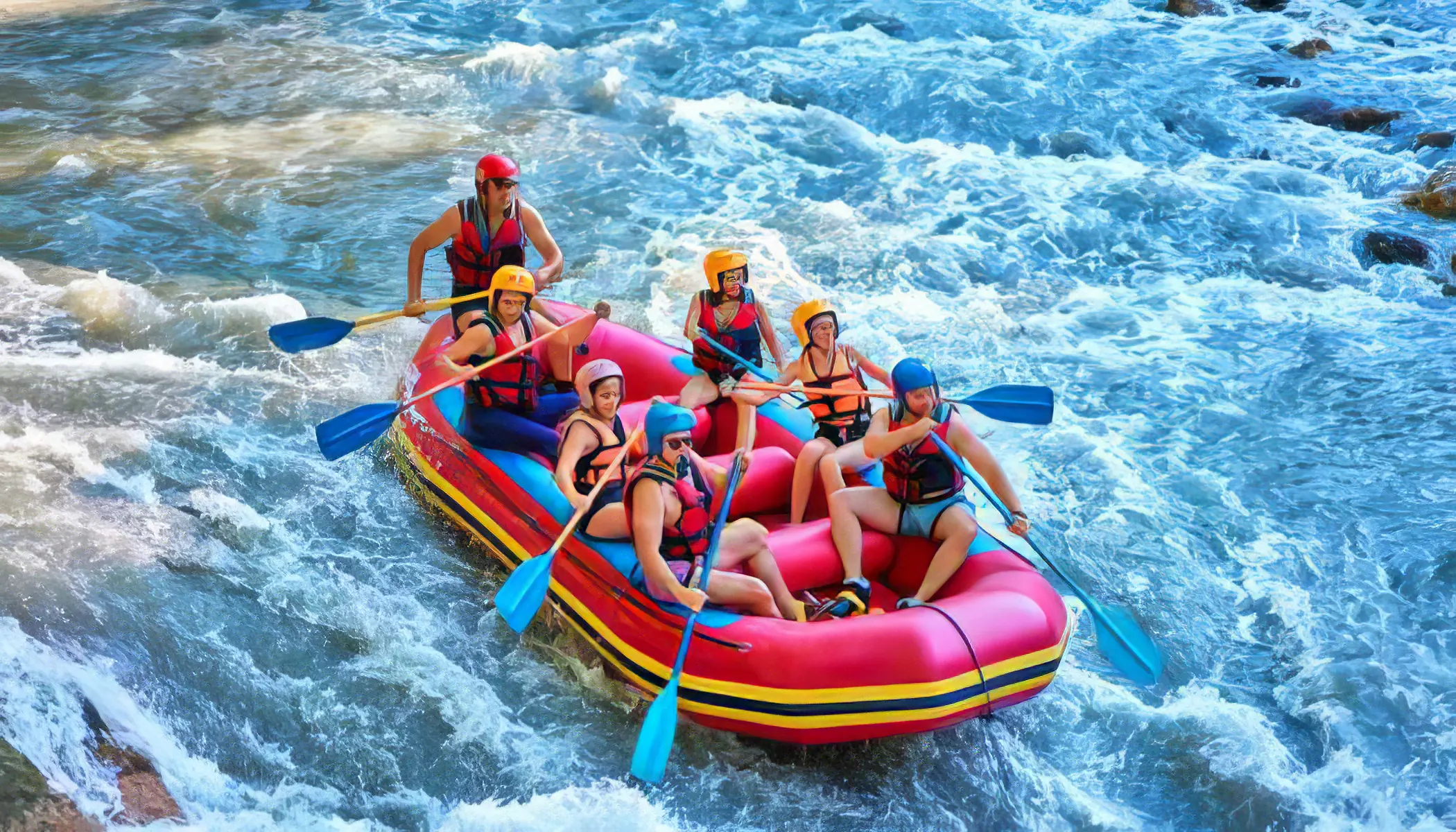
Azerbaijan provides a variety of outdoor activities for nature and adventure enthusiasts:
– Hiking in the Greater Caucasus: Traverse scenic trails with panoramic mountain views.
– Paragliding in Shahdag: Soar above charming landscapes and valleys.
– Skiing in Tufandag: Enjoy winter sports on well-groomed slopes.
– Birdwatching at Shirvan National Park: Observe diverse bird species in their natural habitat.
– Caving in Gobustan: Explore ancient caves with prehistoric rock carvings.
– Rafting on the Kura River: Experience thrilling rapids and beautiful surroundings.
– Horseback Riding in Guba: Ride through luxuriant forests and charming villages.
Kid Friendly
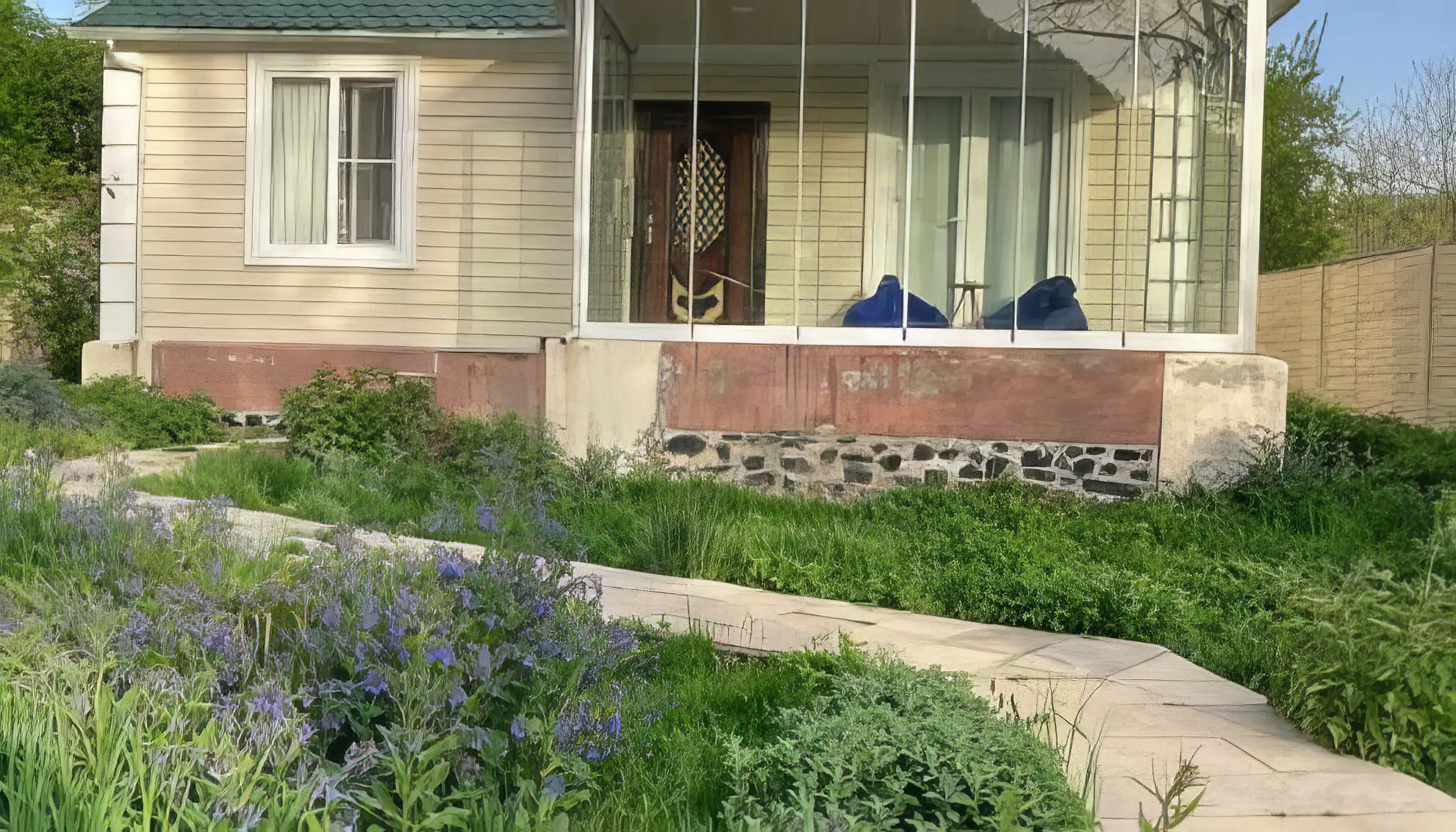
Azerbaijan offers a variety of activities that are enjoyable for children.
– Gabaland: An amusement park in Gabala with rides and attractions suitable for all ages.
– Baku Zoo: A small zoo in Baku featuring a range of animals from around the world.
– Little Venice: A charming area in Baku with canals and gondola rides that kids will enjoy.
– Gobustan National Park: Known for its ancient rock carvings and mud volcanoes, offering an educational experience.
– Azerbaijan Carpet Museum: Interactive exhibits where children can learn about traditional carpet weaving.
– Heydar Aliyev Center: Offers family-friendly exhibitions and architectural tours that captivate young minds.
– Yanar Dag: A natural gas fire that continuously burns on a hillside, fascinating for children to see.
– Ganja City Park: A large park with playgrounds, walking paths, and picnic areas perfect for families.
Cuisine
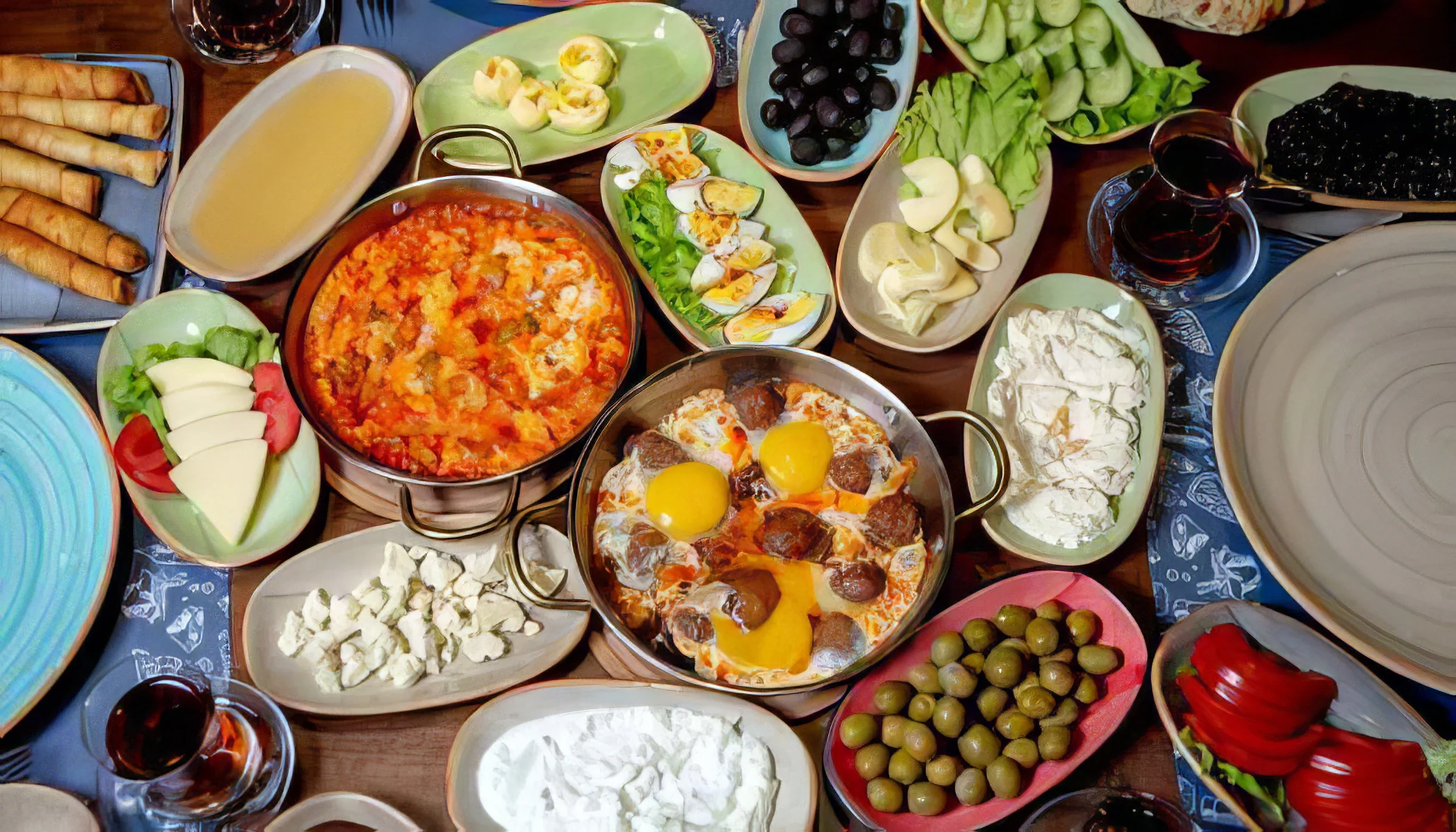
Azerbaijani cuisine is a rich tapestry of flavors influenced by Middle Eastern, Turkish, and Russian culinary traditions. It features hearty dishes with aromatic spices and fresh herbs. Meals often include rice, meats, and vegetables, showcasing the country's agricultural diversity.
– Plov: Saffron-infused rice with meat, vegetables, and dried fruits.
– Dolma: Grape leaves stuffed with minced meat, rice, and herbs.
– Kebab: Skewered and grilled meats seasoned with spices.
– Dushbara: Small dumplings filled with minced meat in a savory broth.
– Lavangi: Stuffed chicken or fish with walnuts and onions.
Souvenir
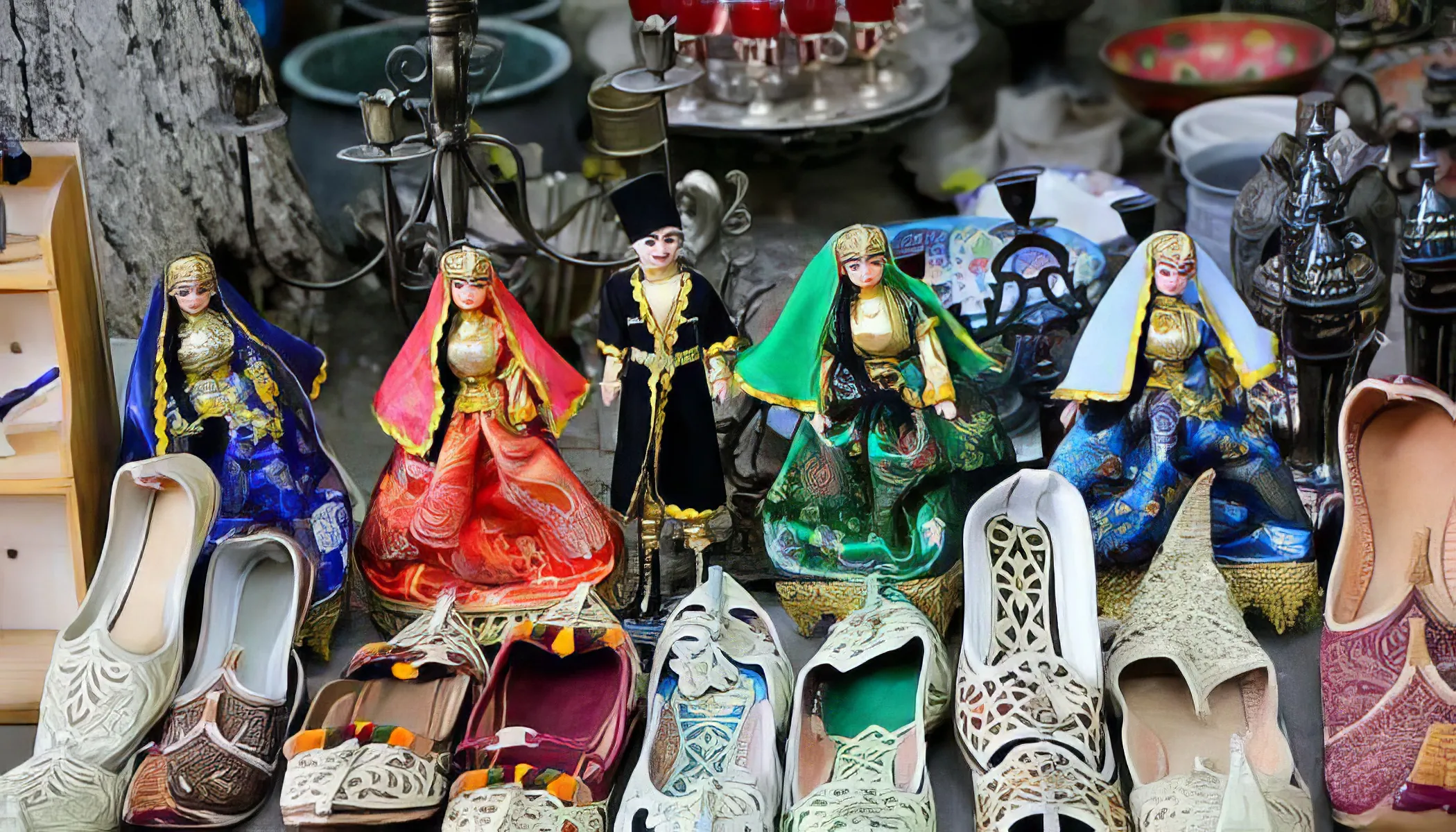
Azerbaijan provides a variety of unique souvenirs that reflect its rich culture and traditions. Here are some popular options:
– Carpets and Rugs: Known for refined designs, Azerbaijani carpets are a UNESCO-recognized cultural heritage.
– Pomegranate Products: Symbolic in Azerbaijan, you can find pomegranate wine, juice, and sauces.
– Copperware: Handcrafted copper items like trays and teapots showcase traditional Azerbaijani craftsmanship.
– Sheki Halva: A sweet pastry from Sheki, made with nuts and spices, is a tasty souvenir.
– Ceramics: Colorful ceramics featuring traditional patterns make for decorative keepsakes.
– Armudu Glasses: These pear-shaped tea glasses are essential for enjoying Azerbaijani tea culture.
– Traditional Instruments: Instruments like the tar or saz offer a musical piece of Azerbaijani heritage.
Traditional Shows
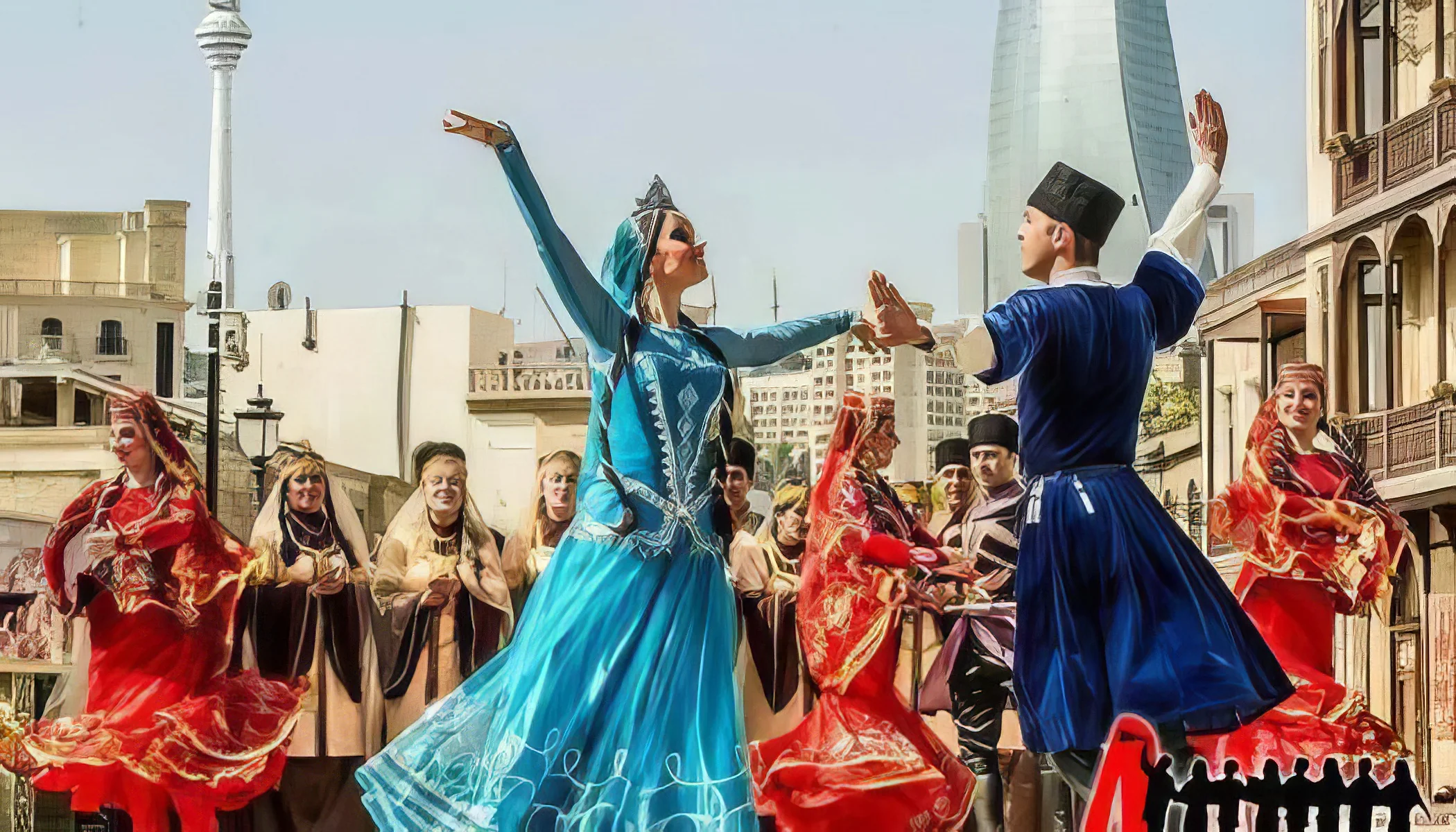
Azerbaijan offers a rich tapestry of traditional performances:
– Mugham Music: Experience this UNESCO-recognized genre in Baku, blending poetry and complex musical improvisation, reflecting Azerbaijan's cultural depth.
– Ashiq Performances: Enjoy storytelling through music and poetry by Ashiq bards, a tradition deeply rooted in Azerbaijani folklore.
– Yalli Dance: Witness this energetic group dance at cultural festivals, showcasing unity and rhythm in Azerbaijani communities.
– Tar Concerts: Listen to the tar, a traditional string instrument, played in concerts across Azerbaijan, highlighting the country's musical heritage.
– Novruz Celebrations: Participate in these animated spring festivities featuring traditional music, dance, and cultural rituals throughout Azerbaijan.
Events & Festivals
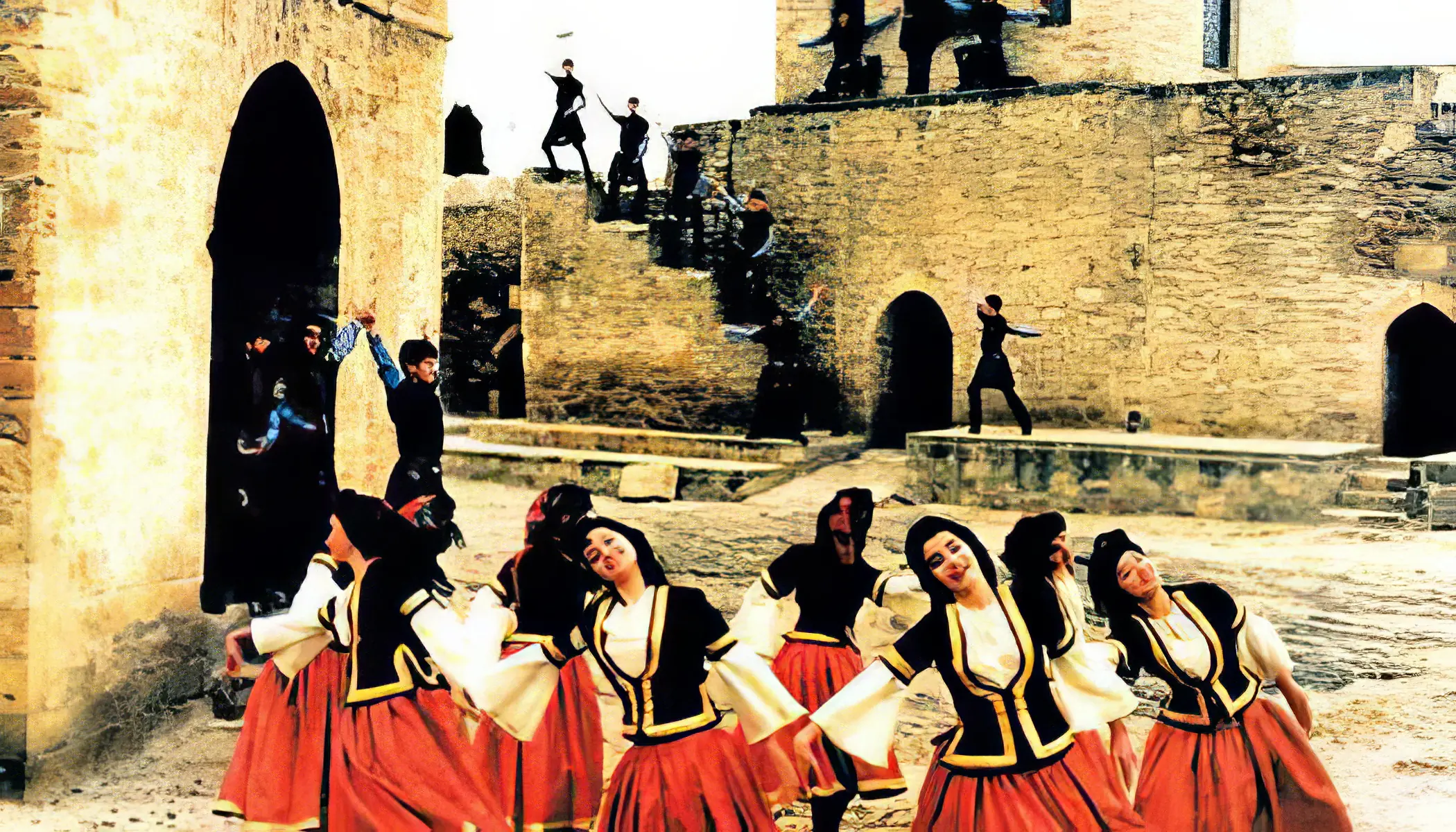
Azerbaijan hosts a variety of cultural and traditional events throughout the year, reflecting its rich heritage:
– Novruz Bayram: March celebration marking the Persian New Year with family gatherings and traditional foods.
– Goychay Pomegranate Festival: November event celebrating pomegranates with tastings, music, and dance.
– Baku Jazz Festival: Annual October festival featuring international jazz artists and local talent.
– Gabala International Music Festival: Summer event in Gabala showcasing classical music performances by global artists.
– Baku International Film Festival: Biennial event in October promoting Azerbaijani cinema and international films.
– Caspian Sea Cup: August sailing competition attracting participants from around the world to Baku's shores.
– Gurban Bayram (Eid al-Adha): Islamic festival involving animal sacrifices, charity, and family gatherings.
Famous People

Azerbaijan has a rich history of influential figures in politics, literature, and the arts.
– Heydar Aliyev (1923 to 2003, Nakhchivan): Former president who played a key role in Azerbaijan's post-Soviet development.
– Nizami Ganjavi (1141 to 1209, Ganja): Renowned poet known for his epic works and contributions to Persian literature.
– Uzeyir Hajibeyov (1885 to 1948, Agjabadi): Composer who created the first opera in the Islamic world, "Leyli and Majnun."
– Mstislav Rostropovich (1927 to 2007, Baku): World-famous cellist and conductor celebrated for his musical virtuosity.
– Garry Kasparov (born 1963, Baku): Chess grandmaster and former world champion known for his strategic brilliance.
Books

These books provide insights into Azerbaijan's rich culture, history, and social dynamics through various narratives and perspectives.
– "Ali and Nino" by Kurban Said: A love story set against the backdrop of Azerbaijan's cultural crossroads.
– "The Orientalist" by Tom Reiss: Chronicles the life of Lev Nussimbaum, exploring Azerbaijan's early 20th-century history.
– "The Dead Lake" by Hamid Ismailov: Explores Soviet-era impacts on Central Asia, including parts of Azerbaijan.
– "Sweet Snow" by Alexander J. Motyl: A journey through post-Soviet landscapes, touching on Azerbaijani themes.
– "My Name is Red" by Orhan Pamuk: While primarily set in Istanbul, it reflects cultural exchanges involving Azerbaijan.
Songs

Azerbaijani music is rich with traditional and modern influences, reflecting the country's cultural heritage and contemporary spirit.
– Sari Gelin: A beloved folk song symbolizing love and longing in Azerbaijani culture.
– Ay Laçın: A popular folk tune expressing nostalgia for the town of Lachin.
– Dilberim: An iconic song by Muslim Magomayev, celebrating beauty and romance.
– Qal, Sene Qurban: Rashid Behbudov's classic piece highlighting themes of devotion and sacrifice.
– Bayati Shiraz: A traditional mugham composition showcasing Azerbaijan's classical music roots.
– Yalli: A lively dance song that embodies Azerbaijani communal spirit and joy.
Films
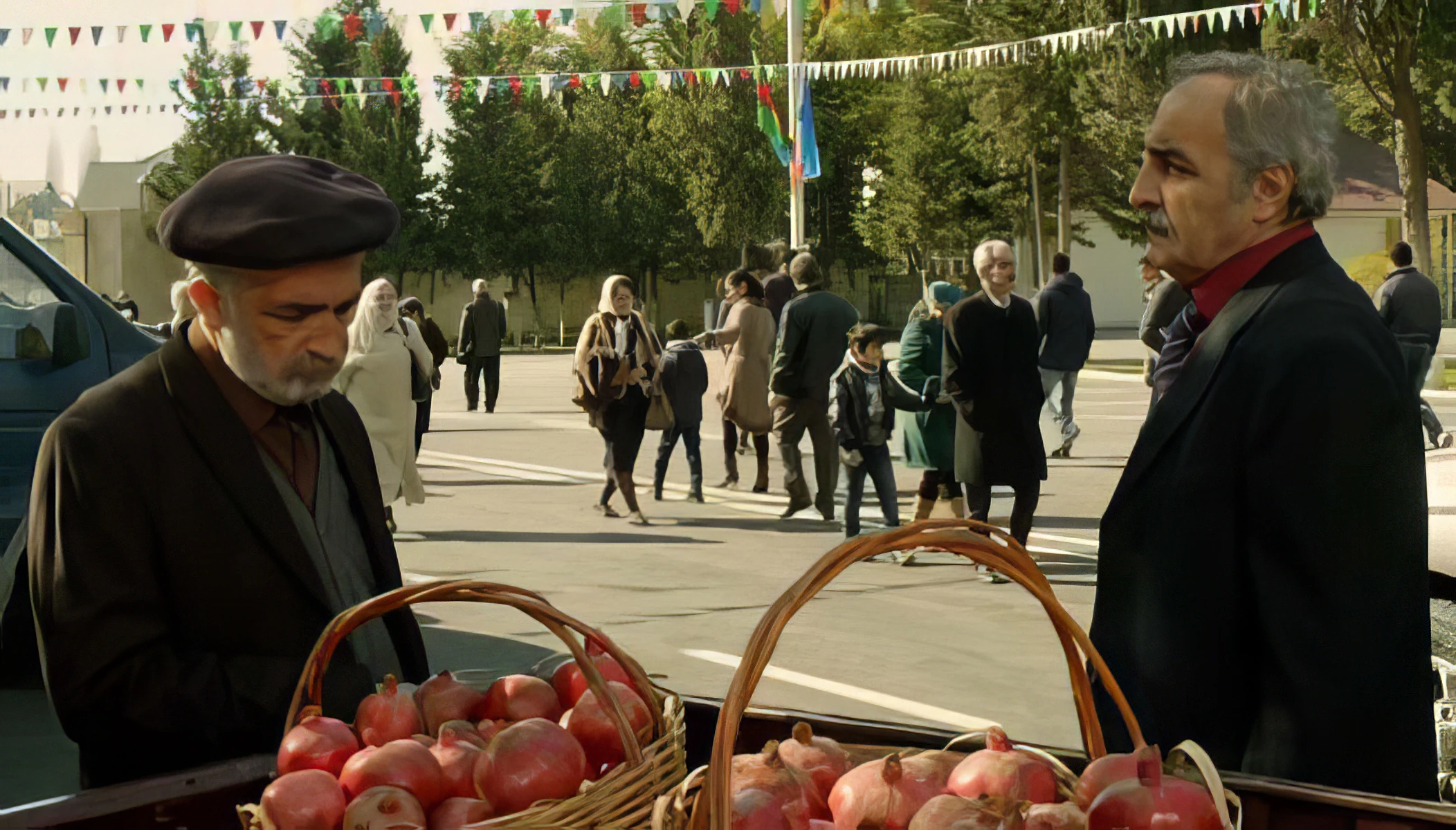
Azerbaijani cinema supplies a glimpse into the country's rich culture and history through its films:
– "Arshin Mal Alan": A 1945 musical comedy about a cloth peddler's quest for love, based on Uzeyir Hajibeyov's operetta.
– "The Cloth Peddler": A 1917 silent film adaptation of the same operetta, significant in Azerbaijani cinematic history.
– "Nabat": Elchin Musaoglu's poignant drama about an elderly woman's resilience during the Nagorno-Karabakh conflict.
– "The Precinct": Ilgar Safat's psychological drama exploring themes of memory and identity in a remote police station.
– "Buta": Ilgar Najaf's coming-of-age story set in a charismatic village, highlighting tradition and childhood innocence.