

Travel Guide to Bangladesh: Top Things to Do & Tips
Located in South Asia, this country is known for its rich cultural heritage and energetic traditions. The Sundarbans mangrove forest and lively cities like Dhaka highlight its diverse landscape. It faces challenges like flooding but remains resilient and resourceful.
- Capital
- Dhaka
- Population
- 156.2 millions
- Superficy
- 144000 sq.km
- Months to Visit
- Nov. to Feb.
- Living Cost
- Economical
Overview
Bangladesh is located in South Asia, bordered by India, Myanmar, and the Bay of Bengal. The capital city, Dhaka, is known for its beautiful culture and active markets. The country features diverse landscapes, including the world's largest river delta formed by the Ganges and Brahmaputra rivers. Bangladesh is home to the Sundarbans, a UNESCO World Heritage site and the largest mangrove forest in the world. Agriculture plays a significant role in its economy, with rice and jute as major crops. Despite challenges like population density and climate vulnerability, Bangladesh has made notable progress in areas such as education and healthcare.
Pros & Cons
GOOD REASONS TO VISIT BANGLADESH
– Sundarbans Mangrove Forest: Home to the Bengal tiger, it's the largest mangrove forest in the world.
– Rich Cultural Heritage: Explore ancient ruins, mosques, and temples reflecting Bangladesh's diverse history and traditions.
– Beautiful Festivals: Experience colorful celebrations like Pohela Boishakh and Durga Puja showcasing local culture and community spirit.
– Warm Hospitality: Locals are known for their friendliness and welcoming nature towards visitors.
– Affordable Travel: Bangladesh provides budget-friendly accommodations, food, and transport for cost-effective travel experiences.
CHALLENGES WHEN VISITING BANGLADESH
– Infrastructure Issues: Roads and public transport can be underdeveloped, causing travel delays and discomfort.
– Language Barrier: English is not widely spoken outside major cities; basic Bengali phrases can be helpful.
– Weather Extremes: Monsoon season brings heavy rains; summers can be hot and humid.
Before Departure
Before traveling to Bangladesh, consider the following essential information:
– Passport: Ensure your passport is valid for at least six months from your entry date.
– Visa: Most tourists need a visa; options include e-visa or visa on arrival. Tourist visas typically last 30 days.
– Currency: Bangladeshi Taka (BDT); credit cards accepted in cities; cash preferred in rural areas; ATMs widely available in urban centers.
– Internet access: WiFi is common in hotels and cafes in cities. Purchase a local SIM card from Grameenphone, Robi, or Banglalink for data plans.
– Language barrier: Bengali is the official language; English is widely understood in urban areas and tourist locations. Other foreign languages are not commonly spoken.
What to Pack
Traveling to Bangladesh requires preparation for its diverse climate and cultural considerations.
– Essentials: Passport with visa, travel insurance, flight tickets, itinerary, accommodation confirmations, and local currency or credit card.
– Clothing: Modest clothing respecting local customs, lightweight fabrics for hot weather, comfortable walking shoes, raincoat or umbrella for monsoon season.
– Health & Safety: Prescription medications, basic first aid kit, insect repellent with DEET, sunscreen with high SPF, water purification tablets.
– Electronics: Travel adapter for Type C/D plugs, mobile phone with charger, power bank, camera for capturing scenic views.
Weather
Weather in Bangladesh is tropical with three distinct seasons:
– Winter (November to February): Cool and dry with temperatures ranging from 10°C to 25°C.
– Summer (March to June): Hot and humid, temperatures can reach up to 40°C, with occasional thunderstorms.
– Monsoon (June to October): Heavy rainfall and high humidity, especially in July and August. The best time to visit Bangladesh is from November to February:
– Pleasant weather with cooler temperatures and minimal rainfall.
– Ideal for exploring cultural sites and natural attractions.
– However, it is the peak tourist season, leading to higher prices and more crowds.
Travel Budget
Bangladesh is known for being a budget-friendly destination for travelers. Here are some average prices for common expenses:
– Hotel: 15$ to 80$
– Lunch: 1$ to 5$
– Beverage (in bar/restaurant): 1$ to 3$
– Coffee: 0.5$ to 2$
– Transportation: (train 5$ to 20$), (bus 0.2$ to 2$), (taxi /10km 3$ to 6$)
– Mobile data (per GB): 0.5$ to 2$
Language
Bengali, the official language of Bangladesh, is spoken by the majority of the population. Here are some useful phrases for tourists:
– Hello: হ্যালো (Hyālō)
– Thank you: ধন্যবাদ (Dhonnobad)
– Please: অনুগ্রহ করে (Onugroho kore)
– How much is this?: এটা কত দাম? (Eta koto dam?)
– Excuse me: আমাকে ক্ষমা করবেন (Amake khoma korben)
– I don't understand: আমি বুঝতে পারছি না (Ami bujhte parchi na)
– Yes: হ্যাঁ (Hā̃)
– No: না (Na)
– Goodbye: বিদায় (Biday)
History
The region was part of several ancient kingdoms and empires, including the Maurya and Gupta Empires. It later became a significant center of trade and culture under the Bengal Sultanate and the Mughal Empire. In the 18th century, it fell under British colonial rule as part of British India. Following the partition of India in 1947, it became East Pakistan, separated from West Pakistan by over a thousand miles. Tensions between East and West Pakistan led to the Bangladesh Liberation War in 1971, resulting in independence for Bangladesh. The new nation faced challenges such as political instability and natural disasters but has made progress in economic development and social indicators over time. Its history is marked by resilience and a strong cultural identity despite numerous challenges.
Geopolitics
Located in South Asia, Bangladesh shares borders with India to the west, north, and east, Myanmar to the southeast, and the Bay of Bengal to the south. It is a parliamentary democracy with Dhaka as its capital. The country has strategic importance due to its proximity to major regional powers like India and China. Bangladesh is a member of several international organizations, including SAARC (South Asian Association for Regional Cooperation) and BIMSTEC (Bay of Bengal Initiative for Multi-Sectoral Technical and Economic Cooperation). Its geopolitical strategy often involves balancing relations between India and China while fostering economic ties with both. Additionally, Bangladesh faces challenges related to climate change impacts on its low-lying geography, which have implications for regional stability and international cooperation on environmental issues.
Sample Itinerary
This itinerary covers the cultural heritage of Dhaka, natural beauty of Sundarbans, historical sites in Bagerhat, and the carefree beaches of Cox's Bazar.
– 2 days in Dhaka: Visit Lalbagh Fort, Ahsan Manzil, and Liberation War Museum. Explore Sadarghat and enjoy a boat ride on Buriganga River.
– 3 days in Sundarbans: Embark on a guided tour to spot Bengal tigers, crocodiles, and diverse wildlife. Cruise through mangrove forests and visit local villages.
– 1 day in Bagerhat: Explore the Sixty Dome Mosque and other UNESCO World Heritage Sites. Learn about the history of Khan Jahan Ali.
– 2 days in Cox's Bazar: Relax on the world's longest natural sea beach. Visit Himchari National Park and enjoy local seafood delicacies.
Popular cities
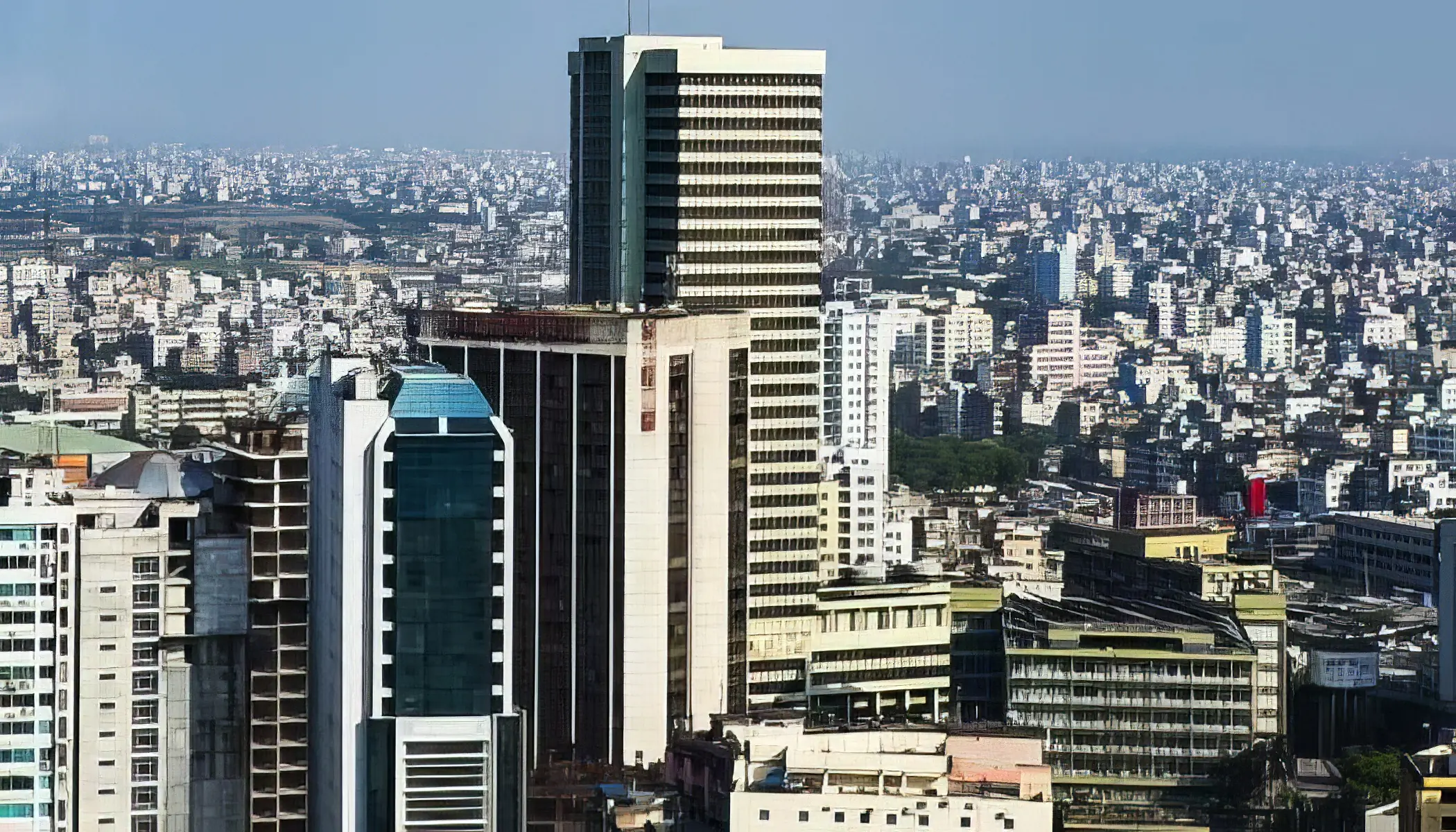
Explore Bangladesh's diverse culture and history through its magnificient cities:
– Dhaka: The capital city is turbulent with markets, historic sites, and the famous Lalbagh Fort.
– Chittagong: A major port city known for its hill tracts, beaches, and ship-breaking yards.
– Sylhet: Famous for its tea gardens, rich landscapes, and the shrine of Hazrat Shah Jalal.
– Khulna: Gateway to the Sundarbans, home to the Royal Bengal Tiger and mangrove forests.
– Rajshahi: Known for its silk industry and ancient archaeological sites like Paharpur.
– Cox's Bazar: Supplies the world's longest natural sea beach and charming local culture.
– Barisal: Known for its rivers, floating markets, and traditional boat races.
Monuments
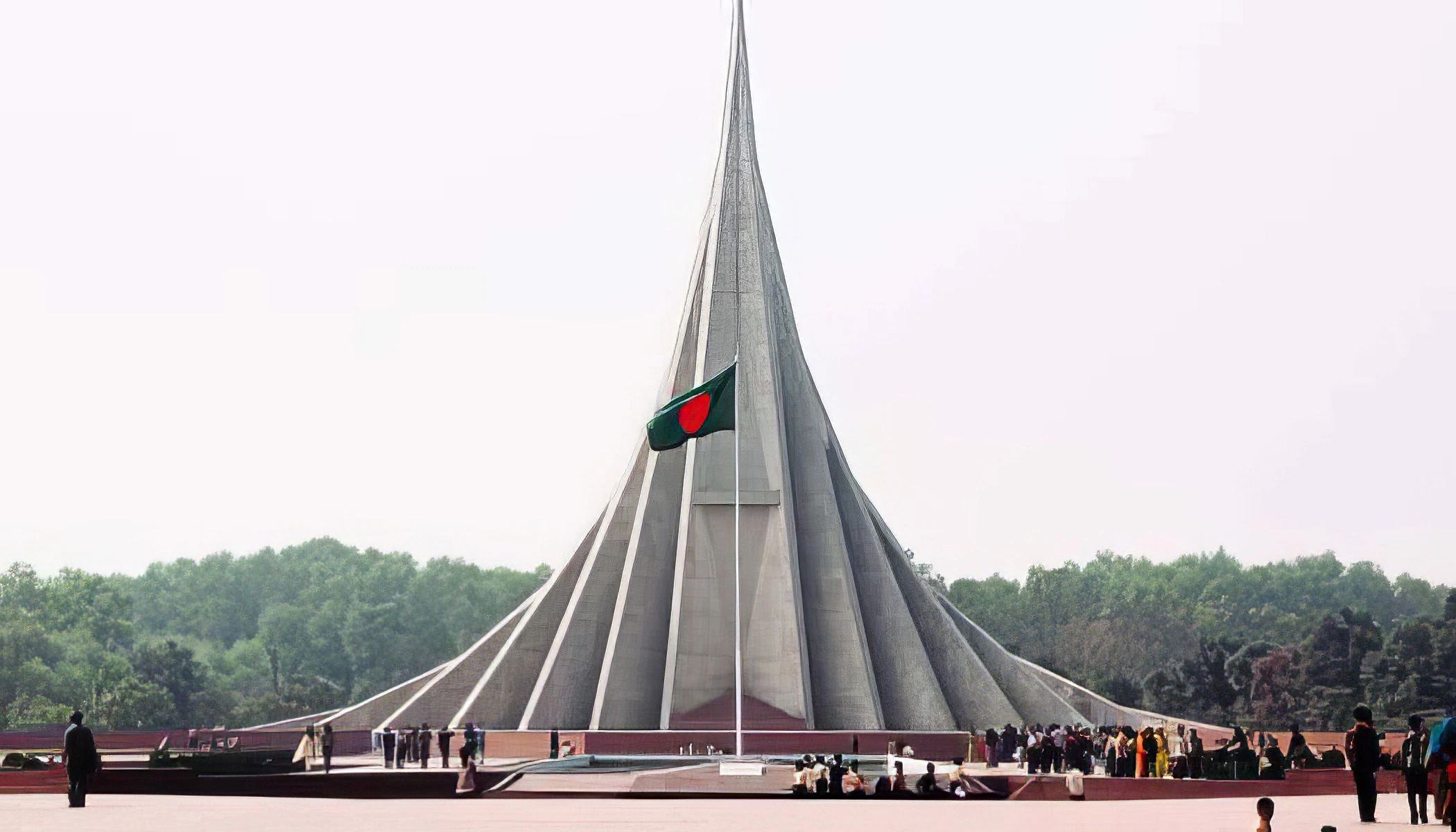
Bangladesh provides a variety of historical and architectural monuments to explore:
– Lalbagh Fort, Dhaka: 17th-century Mughal fort with gardens, mosque, and tomb.
– Ahsan Manzil, Dhaka: Pink palace museum showcasing Nawab family history and artifacts.
– Sixty Dome Mosque, Bagerhat: UNESCO site with unique Tughlaq architecture from the 15th century.
– Somapura Mahavihara, Paharpur: Ancient Buddhist monastery ruins and UNESCO World Heritage Site.
– Mainamati Ruins, Comilla: Archaeological site with ancient Buddhist relics and structures.
– Kantaji Temple, Dinajpur: Terracotta Hindu temple known for sophisticated carvings from the 18th century.
– Star Mosque, Dhaka: Beautiful mosque adorned with star motifs and mosaic tiles.
– Mahasthangarh, Bogra: Ancient city ruins dating back to at least the 3rd century BC.
Natural wonder
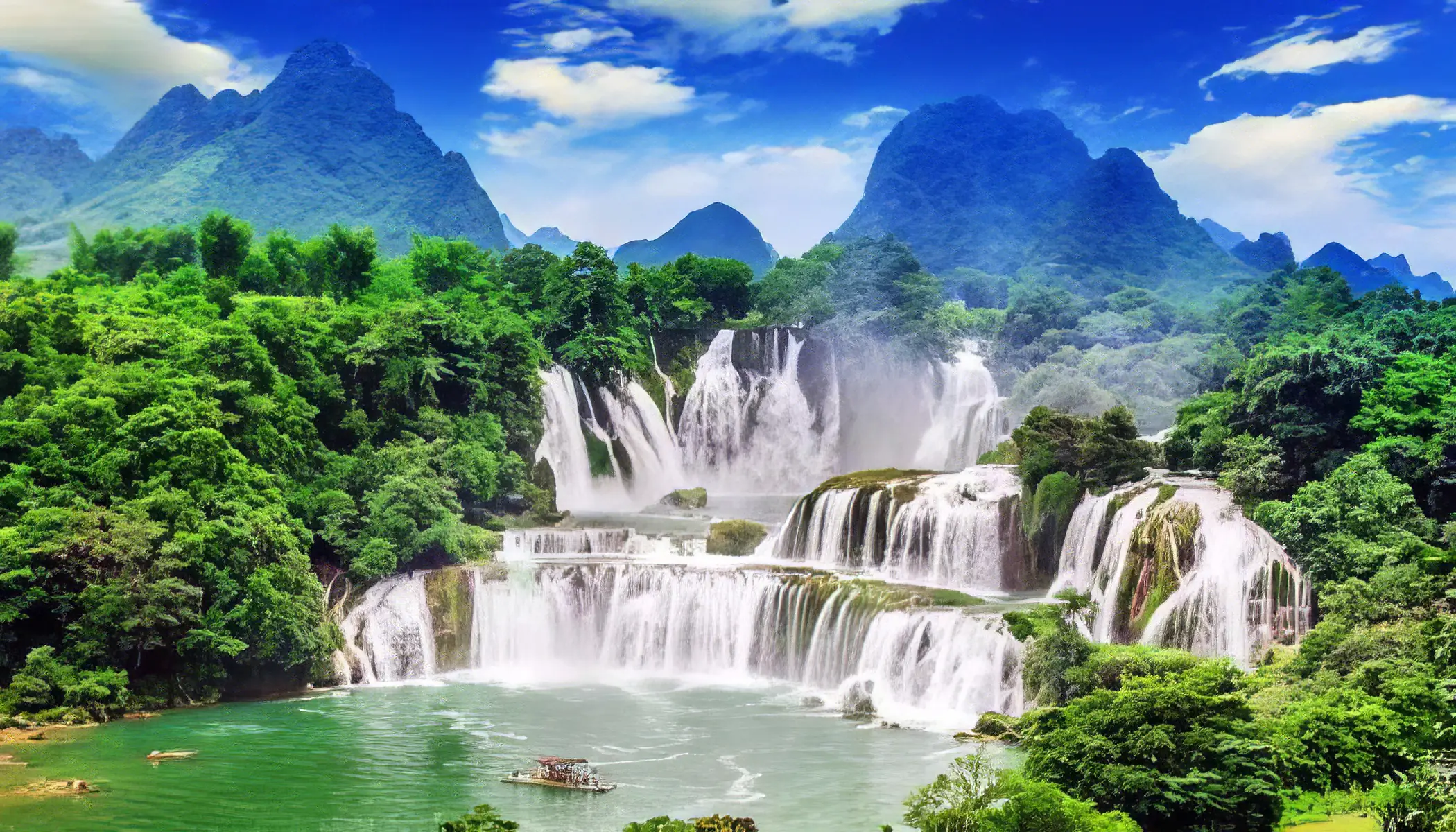
Explore the diverse natural wonders of Bangladesh:
– Sundarbans Mangrove Forest: Largest mangrove forest, home to the Bengal tiger and rich biodiversity.
– Cox's Bazar: World's longest natural sea beach with rolling hills and scenic views.
– Ratargul Swamp Forest: Freshwater swamp forest known for its unique ecosystem and boat tours.
– Sajek Valley: Hill tract area offering panoramic views and animated tribal culture.
– Saint Martin's Island: Coral island known for clear waters and marine life.
– Lawachara National Park: Evergreen forest with diverse wildlife, including gibbons and birds.
– Kuakata Sea Beach: Provides both sunrise and sunset views over the Bay of Bengal.
– Jaflong: Known for tea gardens, stone collection activities, and Khasi tribal culture.
– Paharpur Archaeological Site: UNESCO site with ancient ruins amidst a rural setting.
– Tanguar Haor: Wetland ecosystem supporting numerous bird species, especially during winter migration.
Beaches
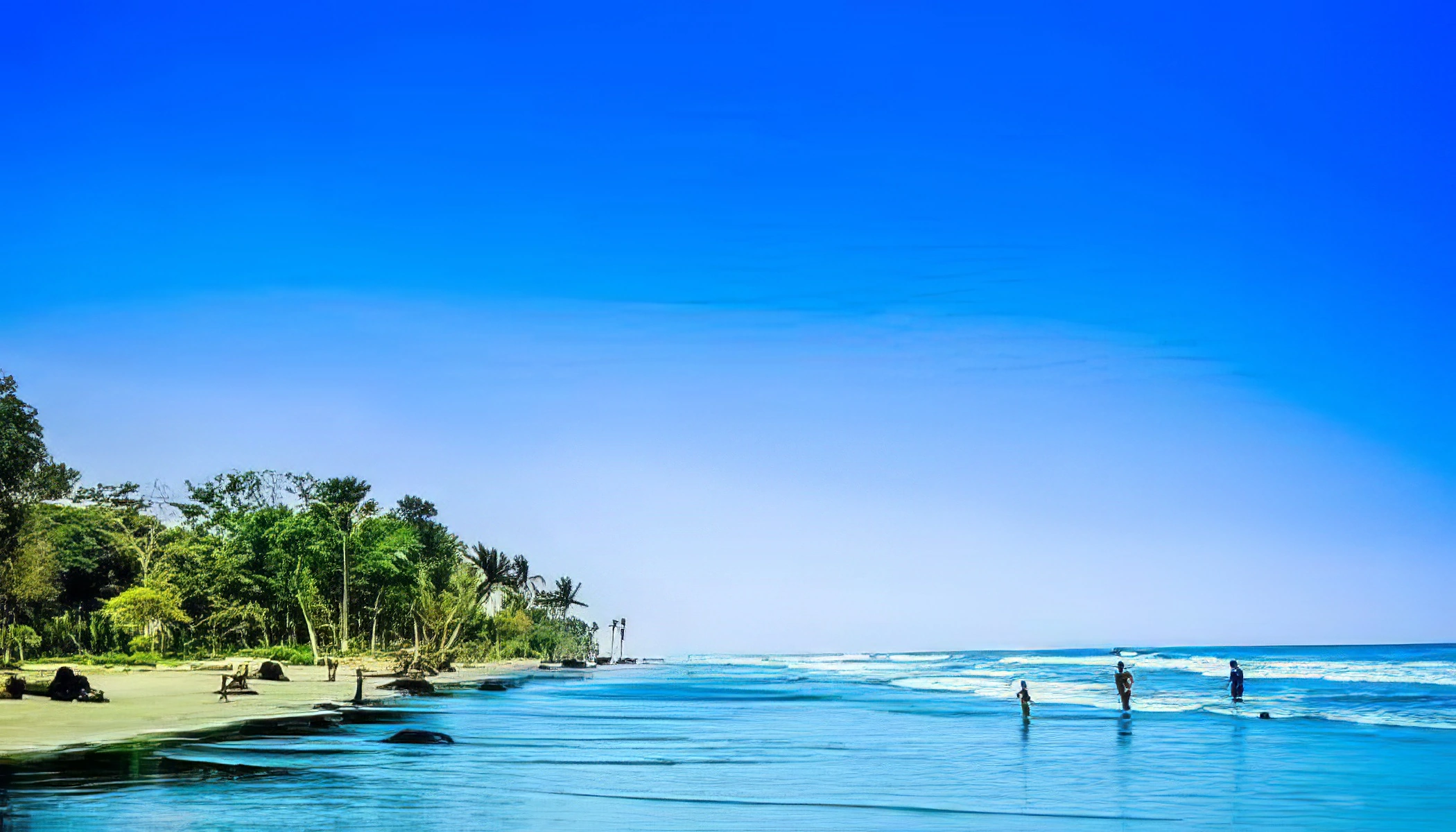
Bangladesh has a few notable beaches along its coastline.
– Cox's Bazar Beach: The world's longest natural sandy beach, stretching over 120 kilometers.
– Kuakata Beach: Known as the "Daughter of the Sea," famous for sunrise and sunset views.
– St. Martin's Island Beach: Provides coral reefs and clear blue waters on a small island.
– Patenga Beach: A popular spot near Chittagong with scenic views and local food stalls.
– Inani Beach: Features golden sands and rock formations, located near Cox's Bazar.
– Nijhum Dwip Beach: A harmonious beach on an island known for its wildlife sanctuary.
– Parki Beach: Located in Anwara, supplies a peaceful environment with rich greenery.
Outdoor activities
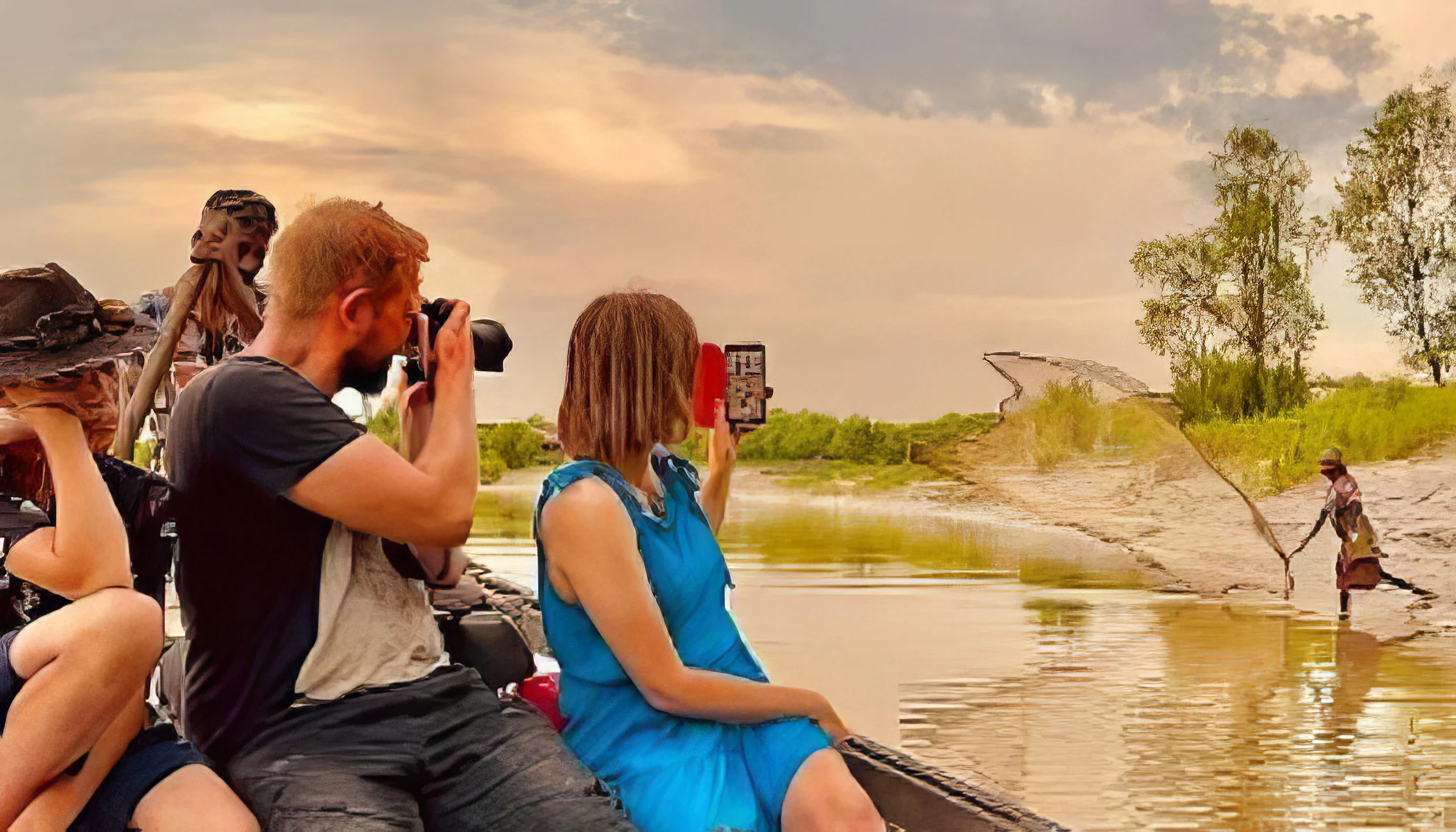
There are several outdoor activities to enjoy in Bangladesh's diverse landscapes:
– Sundarbans Boat Safari: Explore the world's largest mangrove forest and spot the Bengal tiger.
– Trekking in Bandarban: Hike through sumptuous hills and visit indigenous tribal villages.
– Cox's Bazar Beach Walk: Stroll along the world's longest natural sandy sea beach.
– River Cruise on the Padma: Experience local life and scenic views on a traditional boat.
– Cycling in Srimangal: Ride through tea gardens and dense green countryside.
– Birdwatching in Tanguar Haor: Observe diverse bird species in this wetland sanctuary.
– Hiking at Ratargul Swamp Forest: Discover a unique freshwater swamp forest by foot or boat.
Kid Friendly
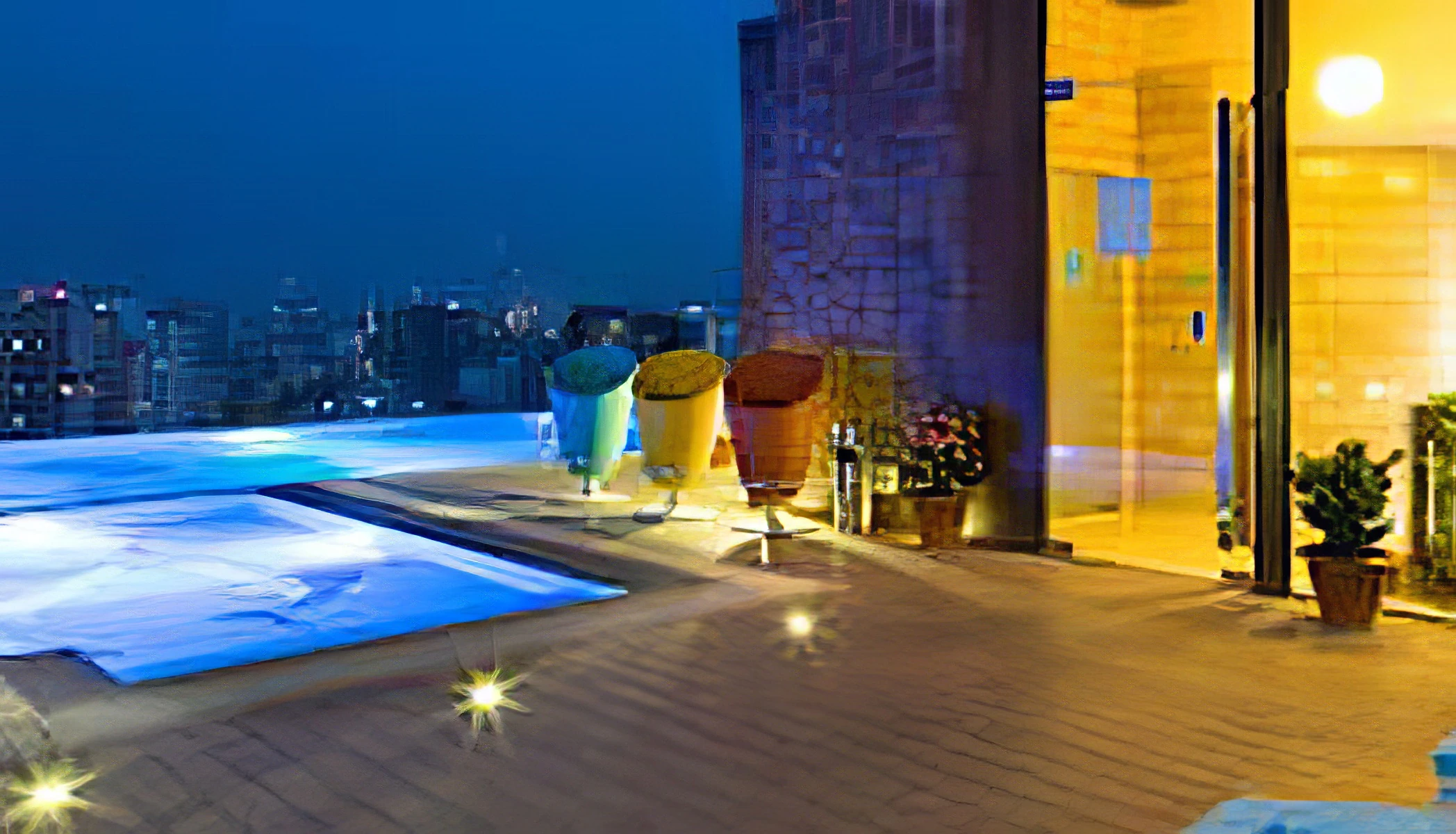
Bangladesh provides several engaging activities for children to enjoy.
– Lalbagh Fort: A historic Mughal fort with gardens and open spaces for kids to explore.
– Bangladesh National Zoo: Home to a variety of animals, providing an educational experience for children.
– Fantasy Kingdom: An amusement park with rides and attractions suitable for all ages.
– Liberation War Museum: Supplies interactive exhibits about Bangladesh's history that can engage older kids.
– Cox's Bazar Beach: The world's longest natural sea beach, perfect for family outings and sand play.
– Ahsan Manzil Museum: A pink palace museum showcasing artifacts that can intrigue young minds.
– Ratargul Swamp Forest: A freshwater swamp forest where families can enjoy boat rides amidst nature.
– Dhaka Planetarium: Provides educational shows about space and astronomy that are interesting for kids.
Cuisine

Bangladeshi cuisine is rich in flavors, heavily influenced by regional spices, and centered around rice and fish. It features a variety of curries, lentils, and street foods. The food scene is vibrant, offering both traditional dishes and modern interpretations.
– Biryani: Spiced rice dish with marinated meat, often chicken or mutton, cooked with aromatic spices.
– Hilsa Curry: National fish cooked in mustard oil with turmeric and green chilies.
– Bhuna Khichuri: Spiced rice and lentil dish often served with meat or vegetables.
– Panta Bhat: Fermented rice soaked in water, typically eaten with fried hilsa or pickles.
– Fuchka: Crispy shells filled with spiced potatoes and tamarind water. Desserts:
– Mishti Doi: Sweetened yogurt made from milk and sugar, often flavored with cardamom.
– Roshogolla: Soft cheese balls soaked in light sugar syrup.
– Sandesh: Sweet made from paneer mixed with sugar or jaggery.
Souvenir
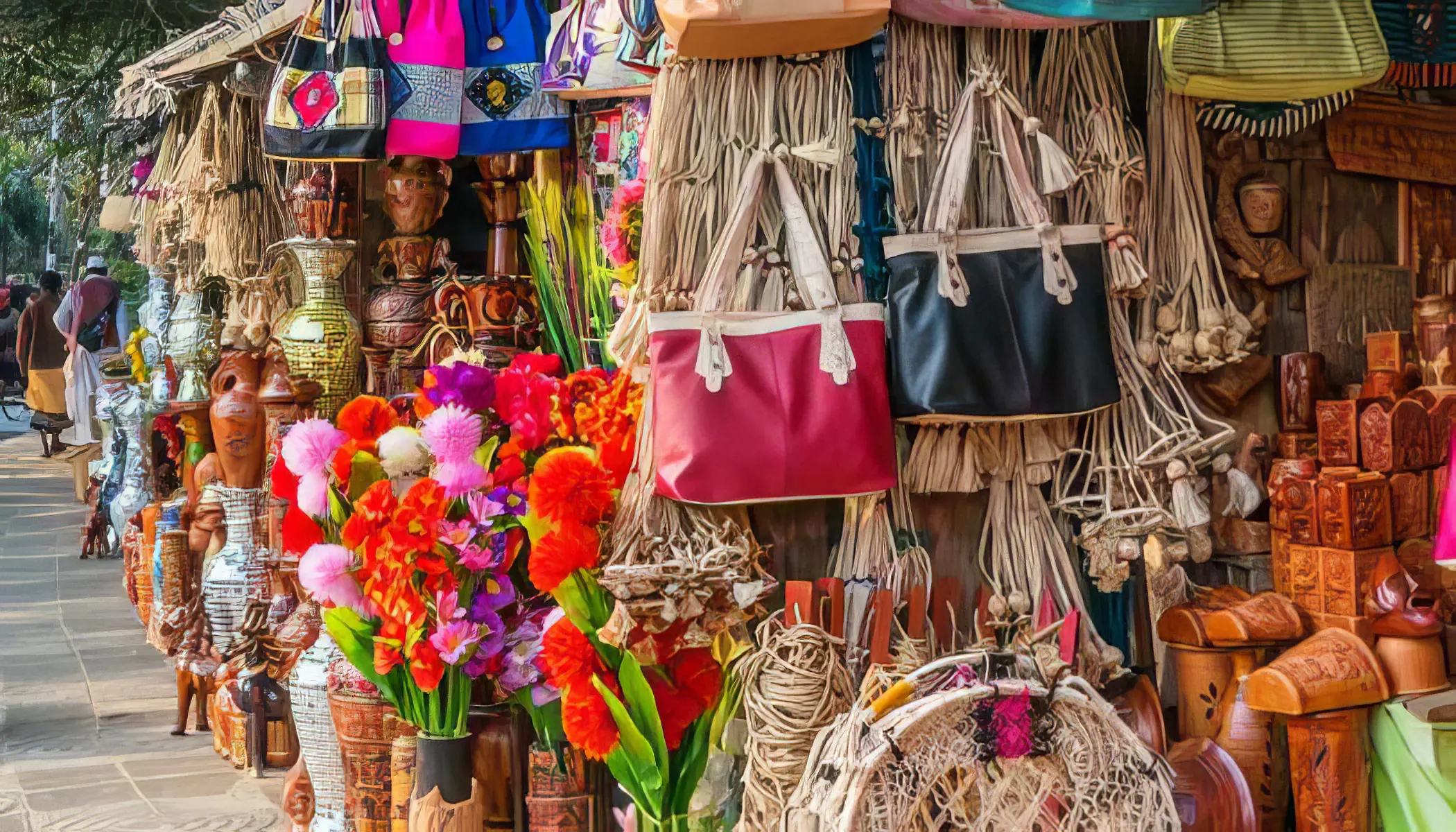
Known for its rich culture and craftsmanship, Bangladesh provides a variety of unique souvenirs. Here are some popular options:
– Jamdani Sarees: These handwoven sarees are famous for their sophisticated patterns and fine craftsmanship.
– Nakshi Kantha: Traditional embroidered quilts that showcase the artistic skills of rural Bangladeshi women.
– Terracotta Handicrafts: Beautifully crafted terracotta items, including figurines and pottery, are widely available.
– Jute Products: Eco-friendly jute bags, rugs, and accessories are popular due to Bangladesh's large jute industry.
– Bamboo and Cane Items: Handcrafted bamboo and cane products include baskets, furniture, and decorative pieces.
– Rickshaw Art: Colorful paintings on tin or canvas inspired by the energetic rickshaw art found in Bangladesh.
– Brass and Copper Ware: Traditional brass and copper items like utensils and decorative pieces reflect local craftsmanship.
Traditional Shows
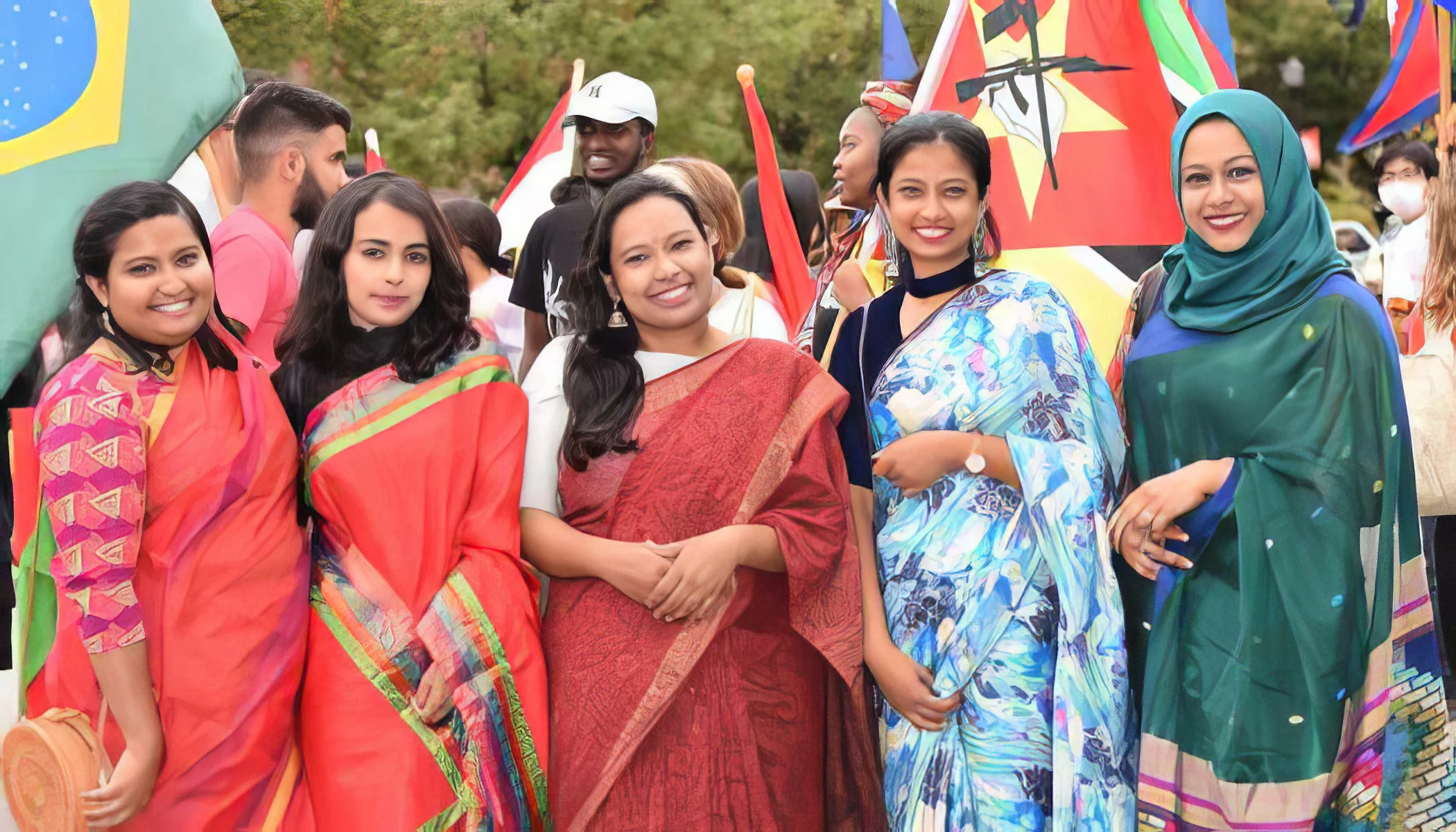
Bangladesh supplies a variety of traditional performances:
– Baul Music: Experience the spiritual and mystical folk music of the Bauls, often performed in rural areas and cultural festivals across Bangladesh.
– Jatra: Enjoy this traditional Bengali theater form, combining music, dance, and drama, commonly performed in open-air settings throughout the country.
– Lathi Khela: Witness this traditional martial art performance featuring stick fighting techniques, often showcased during local fairs and festivals.
– Puthi Path: Listen to recitations of ancient Bengali manuscripts accompanied by musical instruments, a storytelling tradition found in rural communities.
– Gambhira Dance: Observe this folk dance from Chapai Nawabganj that uses humor and satire to address social issues through song and movement.
Events & Festivals
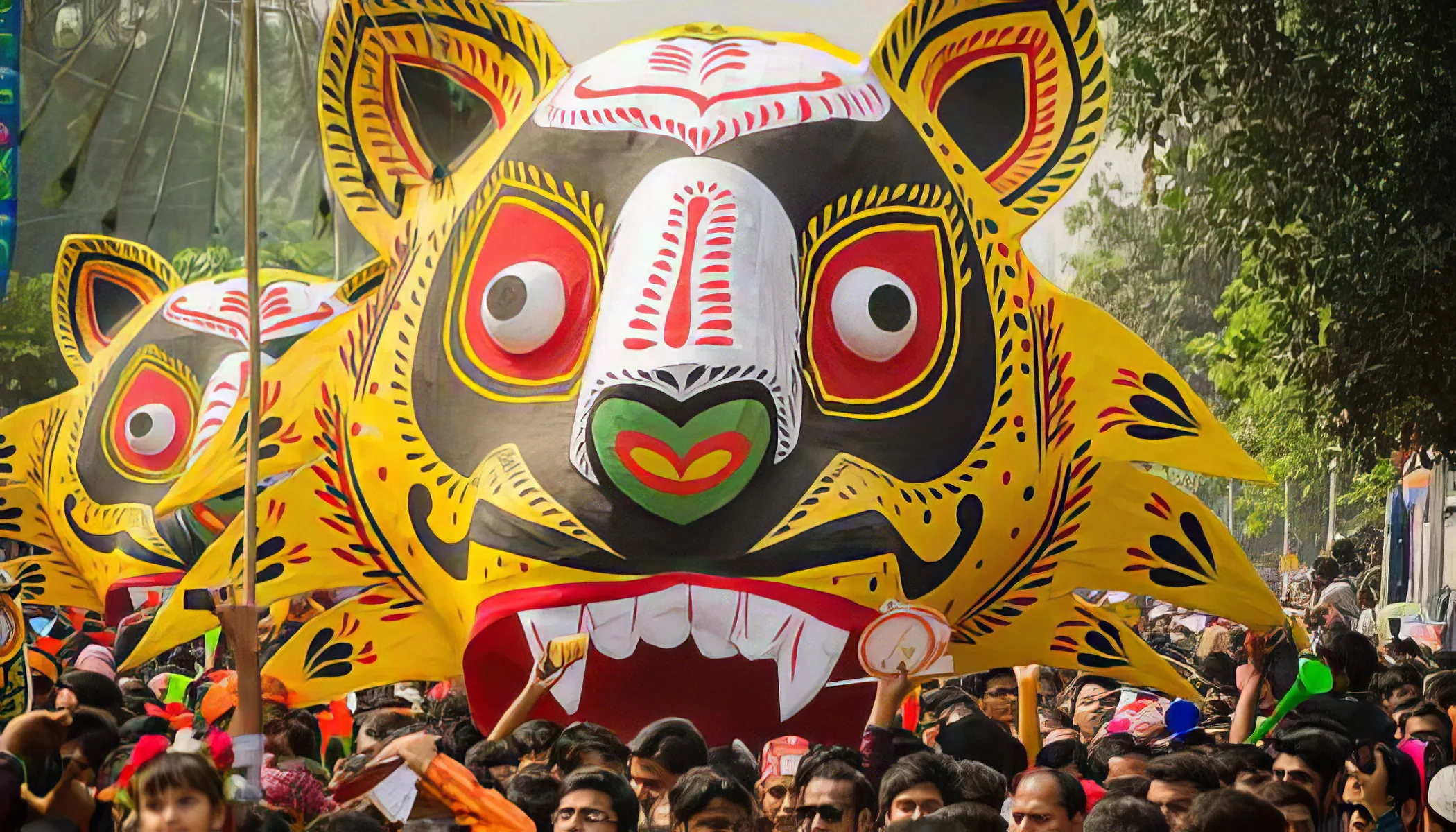
Throughout the year, Bangladesh hosts several beautiful events and festivals reflecting its rich culture:
– Pohela Boishakh: Celebrated on April 14, marking the Bengali New Year with parades, music, and traditional foods.
– Durga Puja: October festival honoring goddess Durga with elaborate decorations and rituals.
– Eid al-Fitr: Marks the end of Ramadan with prayers, feasting, and family gatherings.
– Eid al-Adha: Commemorates Abraham's sacrifice with prayers and animal offerings in July/August.
– Independence Day: March 26 celebration of Bangladesh's independence with parades and cultural programs.
– Victory Day: December 16 event marking victory in the Liberation War with parades and tributes.
– Language Movement Day: February 21 observance honoring those who fought for Bengali language recognition.
Famous People

Bangladesh has a rich history of influential figures who have made significant contributions to politics, culture, and the arts.
– Sheikh Mujibur Rahman (1920 to 1975, Tungipara): Founding leader of Bangladesh and its first president, known as the "Father of the Nation."
– Rabindranath Tagore (1861 to 1941, Kolkata): Nobel laureate poet and writer whose works are celebrated in both Bangladesh and India.
– Kazi Nazrul Islam (1899 to 1976, Churulia): National poet of Bangladesh known for his revolutionary writings and songs.
– Muhammad Yunus (born 1940, Chittagong): Economist awarded the Nobel Peace Prize for founding Grameen Bank and pioneering microcredit.
– Ziaur Rahman (1936 to 1981, Bogra): Military leader who became president and played a key role in Bangladesh's independence war.
Books
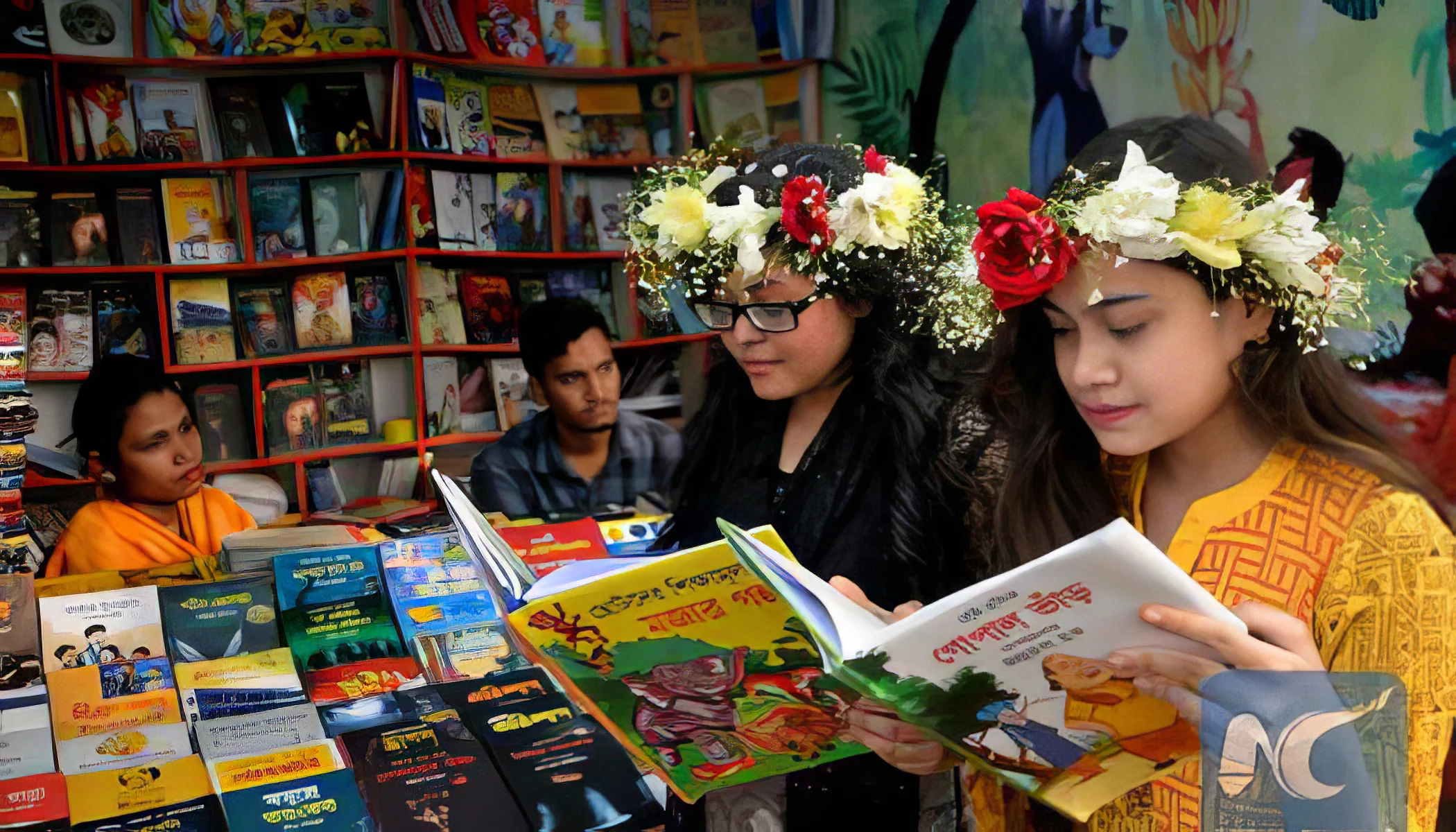
These books provide insights into the cultural, historical, and social aspects of Bangladesh through various narratives and perspectives.
– "A Golden Age" by Tahmima Anam: Chronicles a family's struggles during Bangladesh's 1971 War of Independence.
– "Brick Lane" by Monica Ali: Follows a Bangladeshi woman's immigrant experience in London, reflecting on her homeland.
– "The Good Muslim" by Tahmima Anam: Explores post-war Bangladesh through the lives of a brother and sister.
– "The Shadow Lines" by Amitav Ghosh: Interweaves personal and political histories across India, Bangladesh, and England.
– "Lajja" by Taslima Nasrin: Examines religious tensions in Bangladesh following the Babri Masjid demolition in India.
Songs
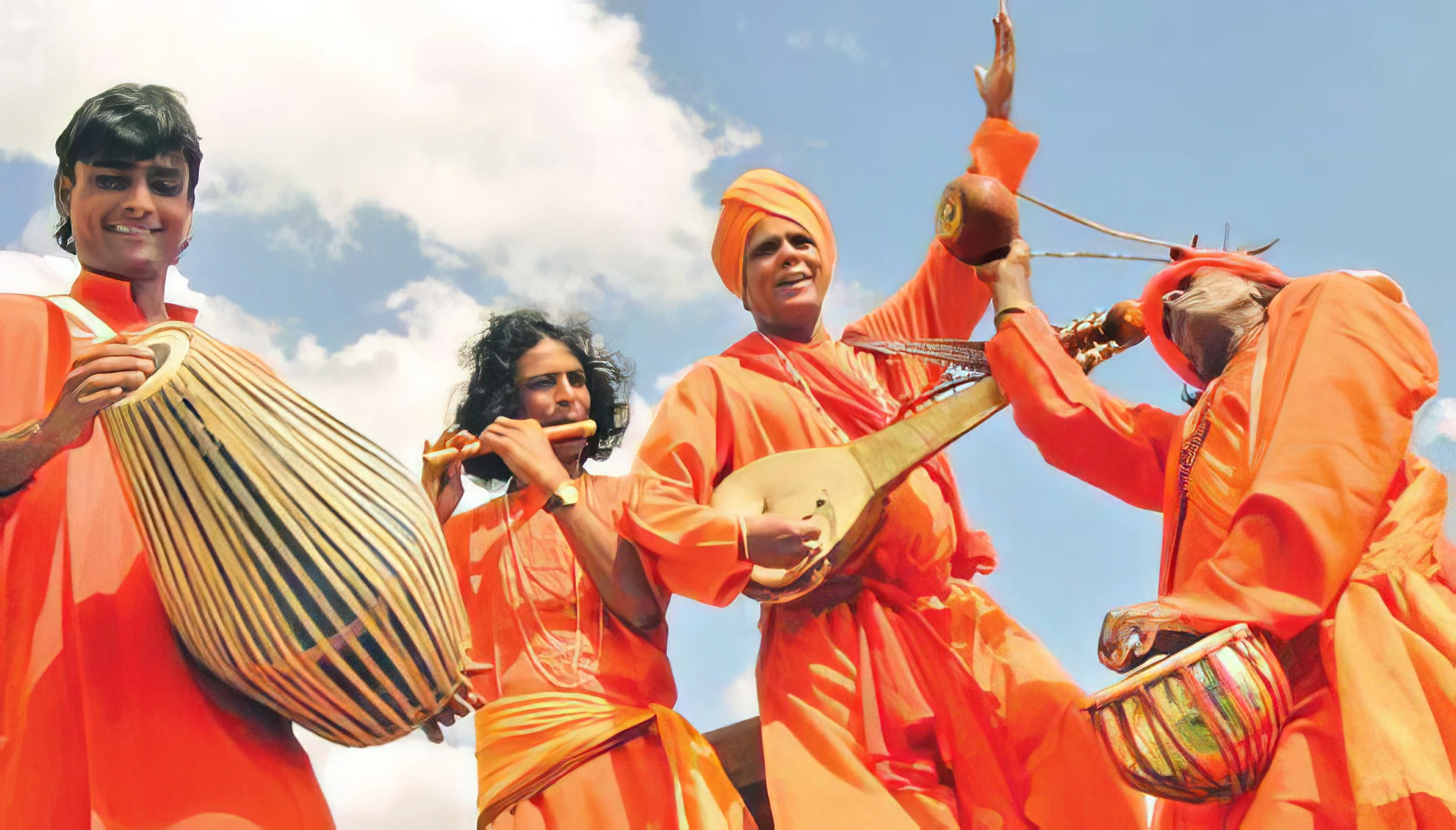
These songs highlight the rich cultural and musical heritage of Bangladesh, reflecting themes of love, patriotism, and social issues.
– Amar Shonar Bangla: National anthem by Rabindranath Tagore celebrating the beauty of Bangladesh.
– Ekusher Gaan: Iconic song by Abdul Gaffar Choudhury commemorating the Language Movement martyrs.
– Bhindeshi Tara: Lalon Fakir's timeless folk song exploring spiritual themes.
– Tumi Ki Dekhechho Kobhu: A classic romantic song by Manna Dey, beloved across generations.
– Chokher Jol: Emotional ballad by James, addressing personal and societal struggles.
– Shadhin Bangla Betar Kendra Gaan: Patriotic songs broadcast during the Liberation War to inspire freedom fighters.
Films
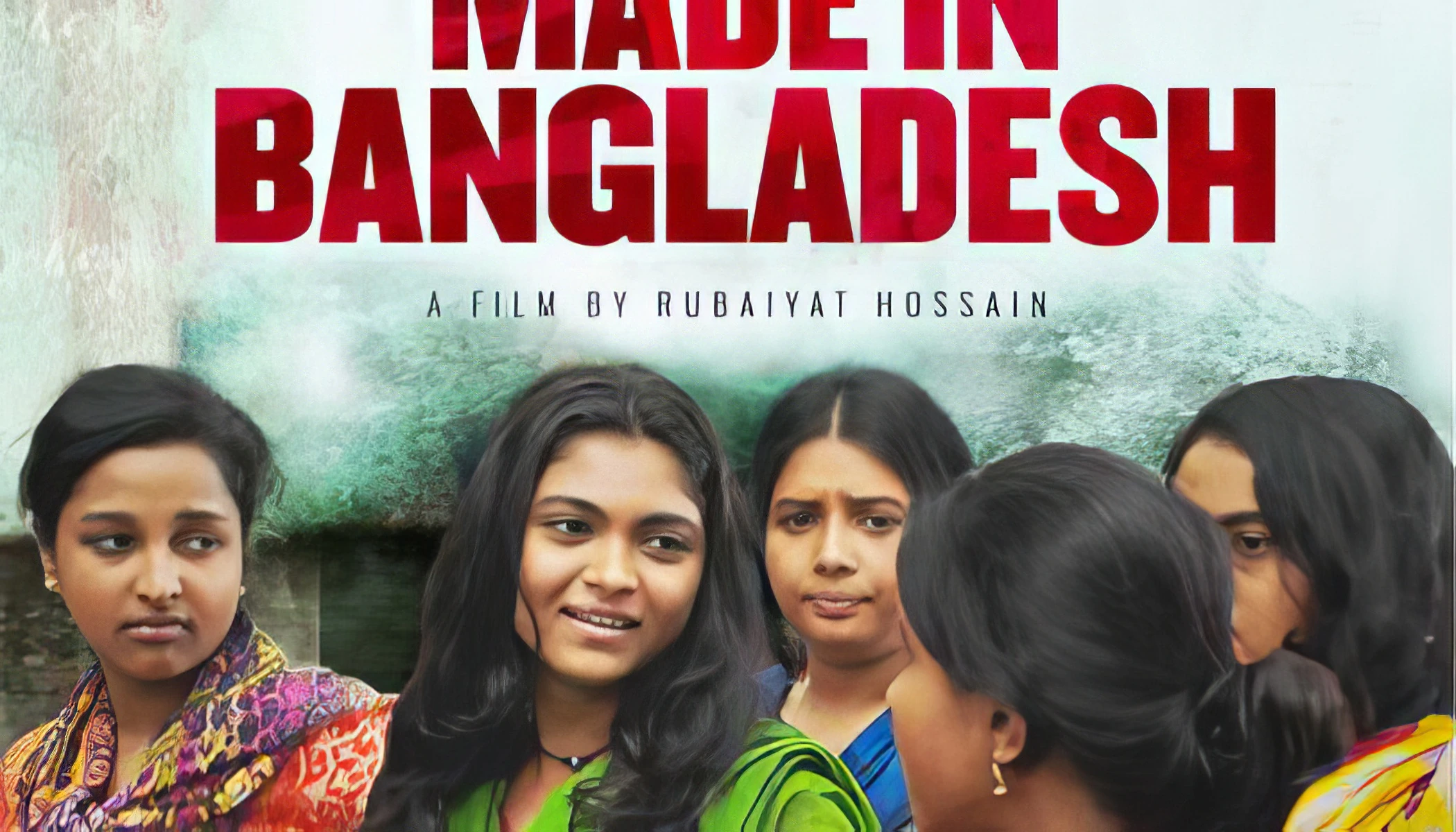
A selection of films that provide insight into the culture and history of Bangladesh:
– "The Clay Bird": Tareque Masud's film explores religious tensions in 1960s East Pakistan, winning international acclaim.
– "My Bicycle": Aung Rakhine's film is the first feature in the Chakma language, highlighting indigenous life in Bangladesh.
– "Matir Moina": Directed by Tareque Masud, it delves into a young boy's experiences during the rise of Islamic fundamentalism.
– "Television": Mostofa Sarwar Farooki's satirical drama examines rural resistance to modernity and technology.
– "Jibon Theke Neya": Zahir Raihan's classic portrays political oppression through a family drama set against the backdrop of 1970s Bangladesh.