

Travel Guide to Belarus: Top Things to Do & Tips
Located in Eastern Europe, this landlocked country is known for its Soviet-era architecture and vast forests. It features a mix of historical sites and natural reserves. The capital, Minsk, serves as the cultural and political hub with museums and theaters.
- Capital
- Minsk
- Population
- 9.7 millions
- Superficy
- 208000 sq.km
- Months to Visit
- May to Sept.
- Living Cost
- Economical
Overview
Belarus is a landlocked country in Eastern Europe, bordered by Russia, Ukraine, Poland, Lithuania, and Latvia. Its capital, Minsk, is known for its Soviet-era architecture and lovely cultural scene. The country is characterized by flat terrain with extensive forests and numerous lakes. Belarus has a mixed economy with significant state control and industries like manufacturing and agriculture playing key roles. The political landscape is marked by long-standing leadership under President Alexander Lukashenko. Belarus maintains close ties with Russia and has faced international scrutiny over its human rights record.
Pros & Cons
GOOD REASONS TO VISIT BELARUS
– Rich History: Explore castles, fortresses, and UNESCO sites like Mir Castle and Nesvizh Palace.
– Natural Beauty: Enjoy national parks, dense forests, and nice lakes like Braslav Lakes.
– Soviet Architecture: Minsk supplies well-preserved Soviet-era buildings and monuments for history enthusiasts.
– Cultural Festivals: Experience traditional music, dance, and crafts at events like Slavianski Bazaar.
– Warm Hospitality: Belarusians are known for their friendliness and welcoming nature towards visitors. CHALLENGES WHEN VISITING BELARUS
– Language Barrier: Russian is widely spoken; English is less common outside major cities.
– Limited Infrastructure: Public transport can be less developed compared to Western Europe; plan travel accordingly.
– Political Climate: Be aware of current political situations which may affect travel plans.
Before Departure
Before traveling to Belarus, consider the following essential information:
– Passport: Ensure your passport is valid for at least three months beyond your planned departure date.
– Visa: Many nationalities require a visa; however, a 30-day visa-free entry is available via Minsk Airport for eligible countries.
– Currency: Belarusian Ruble (BYN); credit cards accepted in cities; ATMs widely available in urban areas.
– Internet access: WiFi is accessible in hotels and cafes; local SIM cards offer affordable data plans from providers like A1, MTS, and life:).
– Language barrier: Belarusian and Russian are official languages; English is not widely spoken outside major tourist areas.
What to Pack
Visiting Belarus requires preparation for its distinct seasons and cultural experiences.
– Essentials: Passport and visa (if required), travel insurance details, flight tickets and itinerary, accommodation confirmations, local currency or credit card.
– Clothing: Seasonal clothing (warm layers for winter, light clothes for summer), comfortable walking shoes, raincoat or umbrella, hat and gloves for colder months.
– Health & Safety: Prescription medications, basic first aid kit, insect repellent in summer months, sunscreen with adequate SPF.
– Electronics: Travel adapter for European outlets (Type C/F), mobile phone with charger, camera with extra batteries or memory card.
Weather
Belarus experiences a temperate continental climate with distinct seasons:
– Winter (December to February): Cold and snowy, with temperatures often dropping below freezing.
– Spring (March to May): Mild temperatures with increasing sunshine and occasional rain showers.
– Summer (June to August): Warm and humid, with temperatures ranging from 20°C to 25°C.
– Autumn (September to November): Cool and wet, with colorful foliage and decreasing temperatures. The best time to visit Belarus is from May to September:
– Pleasant weather for outdoor activities and sightseeing.
– Longer daylight hours enhance travel experiences.
Note that summer can be crowded in popular tourist areas.
Travel Budget
Belarus supplies a cost-effective travel experience with generally lower prices compared to Western Europe. Here are some average prices for tourists:
– Hotel: 30$ to 80$
– Lunch: 5$ to 15$
– Beverage (in bar/restaurant): 2$ to 6$
– Coffee: 1.5$ to 3$
– Transportation: (train 5$ to 20$), (bus 0.3$ to 1.5$), (taxi /10km 4$ to 8$)
– Mobile data (per GB): 1.5$ to 3.5$
Language
Belarusian is an East Slavic language spoken primarily in Belarus.
– Hello: Добры дзень (Dobry dzień)
– Thank you: Дзякуй (Dziakuj)
– Please: Калі ласка (Kali laska)
– How much is this?: Колькі гэта каштуе? (Kol'ki heta kashtue?)
– Excuse me: Прабачце (Prabachce)
– I don't understand: Я не разумею (Ja nie razumieju)
– Yes: Так (Tak)
– No: Не (Nie)
– Goodbye: Да пабачэння (Da pabačennia)
History
Its territory was part of several states, including Kievan Rus' and the Grand Duchy of Lithuania, before becoming part of the Polish-Lithuanian Commonwealth. In the late 18th century, it was annexed by the Russian Empire during the partitions of Poland. After World War I, it briefly gained independence but soon became a Soviet Socialist Republic in 1919. During World War II, it suffered significant devastation under Nazi occupation. Post-war, it remained a Soviet republic until gaining independence with the dissolution of the Soviet Union in 1991. Since then, Belarus has been an independent nation with a government that has maintained close ties to Russia while facing international scrutiny over its political system.
Geopolitics
Located in Eastern Europe, Belarus shares borders with Russia, Ukraine, Poland, Lithuania, and Latvia. It has a close political and economic relationship with Russia, often aligning with Moscow on international issues. The country is a member of the Eurasian Economic Union and the Collective Security Treaty Organization, both led by Russia. Domestically, it is governed by an authoritarian regime under President Alexander Lukashenko since 1994. Belarus has faced international criticism and sanctions due to its human rights record and lack of democratic processes. Its geopolitical stance is heavily influenced by its reliance on Russian support while facing pressure from Western countries advocating for political reform.
Sample Itinerary
This itinerary covers the cultural, historical, and natural highlights of Belarus, including Minsk, Brest, and Mir Castle.
– 2 days in Minsk: Explore Independence Square, Victory Square, and the National Opera. Visit the Great Patriotic War Museum and stroll through Gorky Park.
– 1 day in Mir: Tour the UNESCO-listed Mir Castle Complex with its Gothic architecture. Learn about its history and enjoy the surrounding gardens.
– 1 day in Brest: Visit Brest Hero-Fortress Memorial Complex. Walk along Sovetskaya Street and explore Belovezhskaya Pushcha National Park nearby.
– 1 day in Grodno: Discover Kalozha Church of Sts. Boris and Gleb. Explore Old Grodno Castle and enjoy views of the Neman River.
– 1 day in Nesvizh: Visit Nesvizh Castle, another UNESCO World Heritage site. Explore its beautiful parklands and learn about Radziwiłł family history.
Popular cities
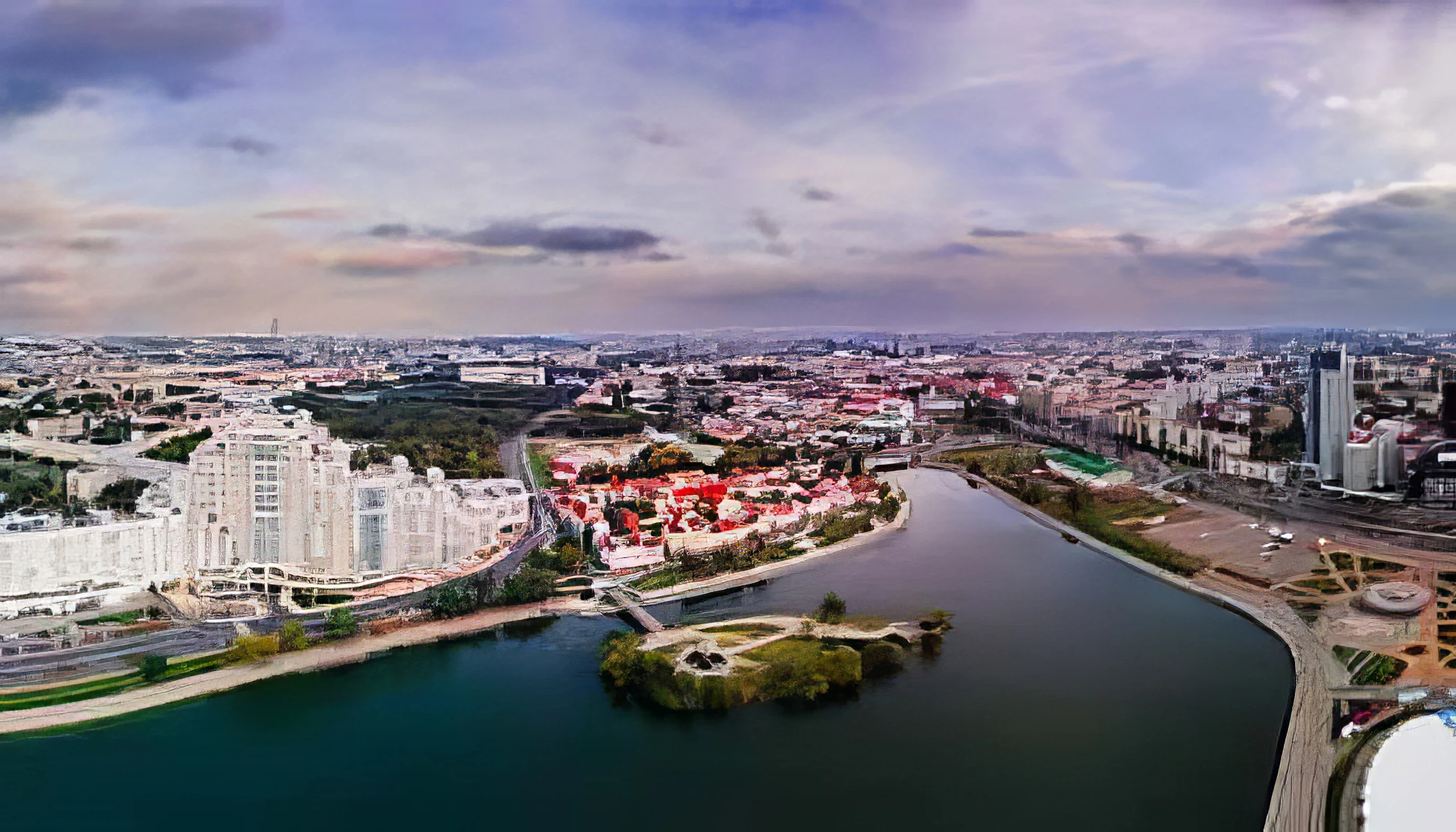
Explore Belarus through its cities, each offering unique cultural and historical experiences:
– Minsk: The capital city features Soviet architecture, museums, and lively cultural life.
– Brest: Known for the historic Brest Fortress and its role in World War II.
– Grodno: Provides a mix of architectural styles and a well-preserved old town.
– Vitebsk: Famous for its art scene and as the birthplace of artist Marc Chagall.
– Gomel: Home to beautiful parks, palaces, and the Sozh River.
– Mogilev: Known for its historical sites and the impressive St. Stanislaus Cathedral.
– Polotsk: One of the oldest cities in Belarus with significant religious landmarks.
Monuments
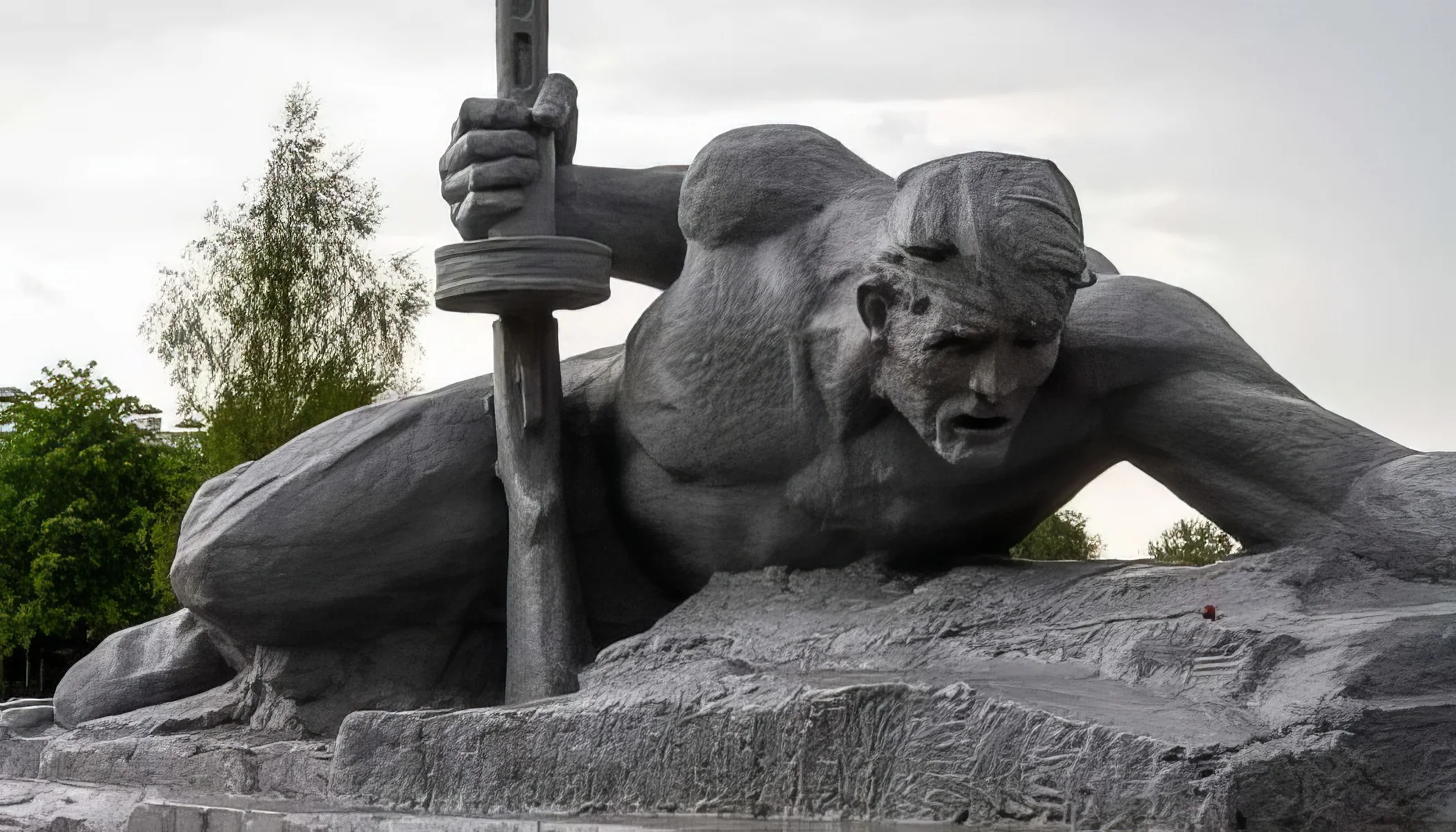
Belarus offers several notable monuments to explore:
– Brest Hero-Fortress: WWII memorial complex symbolizing Soviet resistance during the Nazi invasion.
– Mir Castle Complex: UNESCO-listed medieval castle with Gothic, Renaissance, and Baroque architecture.
– Nesvizh Castle: Historic residence of the Radziwiłł family, featuring a blend of architectural styles.
– Khatyn Memorial: Tribute to villages destroyed in WWII, representing Belarusian suffering and resilience.
– National Library of Belarus, Minsk: Modern architectural landmark with a unique rhombicuboctahedron shape.
– Church of Saints Simon and Helena, Minsk: Known as the Red Church, a prominent Roman Catholic church in Minsk.
– St. Sophia Cathedral, Polotsk: One of Eastern Europe's oldest churches with Baroque architecture influences.
– Belovezhskaya Pushcha National Park: UNESCO site with ancient forest and historic hunting lodge museum.
Natural wonder
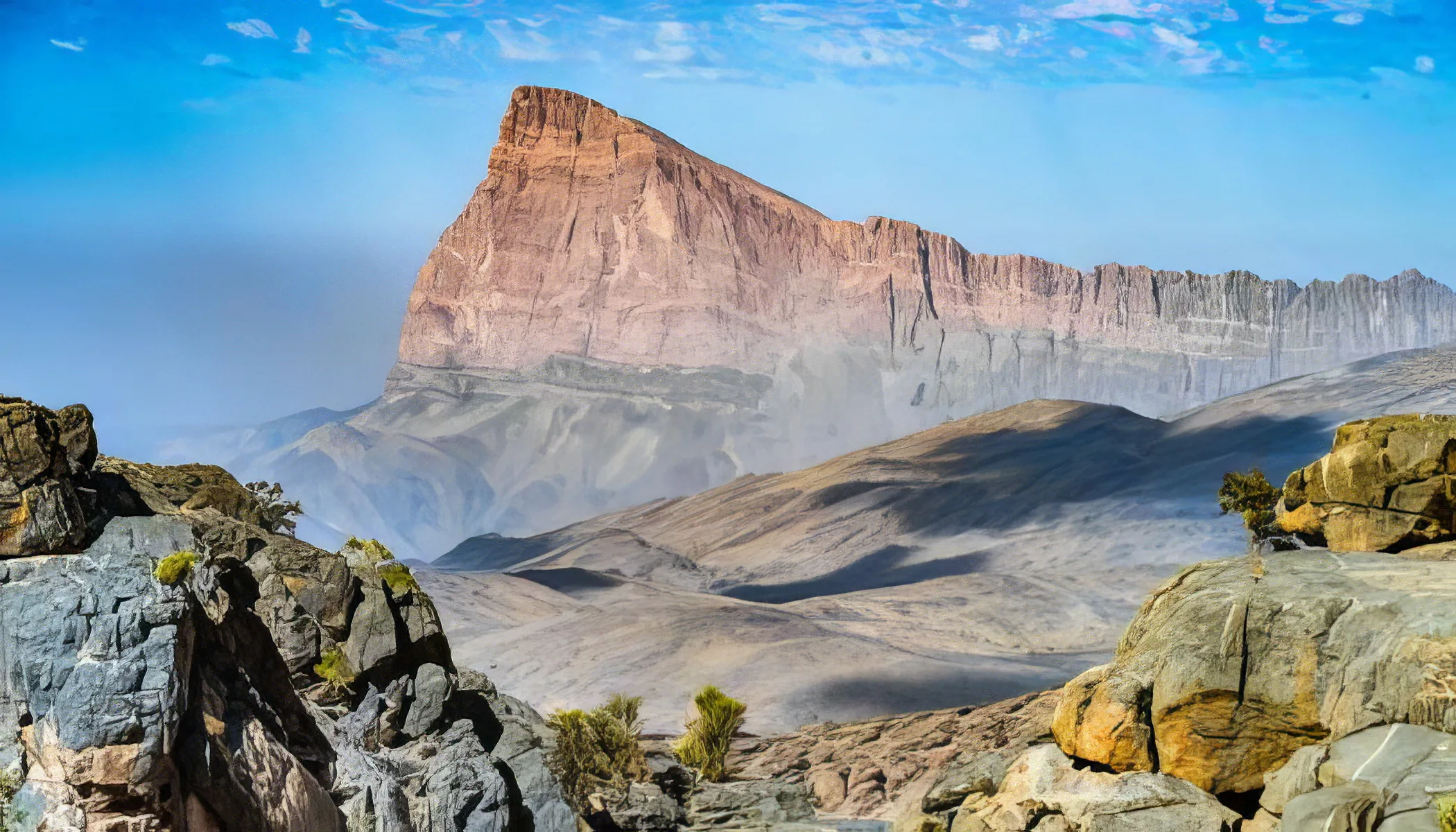
Explore the natural beauty of Belarus:
– Belovezhskaya Pushcha National Park: Ancient forest home to European bison and diverse wildlife.
– Braslav Lakes: Picturesque lakes offering opportunities for boating, fishing, and birdwatching.
– Pripyatsky National Park: Known for its wetlands, rich biodiversity, and bird migration routes.
– Narachanski National Park: Features Lake Narach, Belarus's largest lake, surrounded by forests.
– Berezinsky Biosphere Reserve: Protected area with diverse ecosystems and rare species.
– Blue Lakes: A group of clear blue lakes set in a scenic forested area.
– Yelnya Swamp: One of Europe's largest raised bogs with unique flora and fauna.
– White Lake (Beloe Lake): Known for its clear waters and recreational activities.
– Vitebsk Region Hills: Rolling hills offering panoramic views and hiking opportunities.
– Polesie State Radioecological Reserve: Unique landscape formed after the Chernobyl disaster, now a haven for wildlife.
Beaches
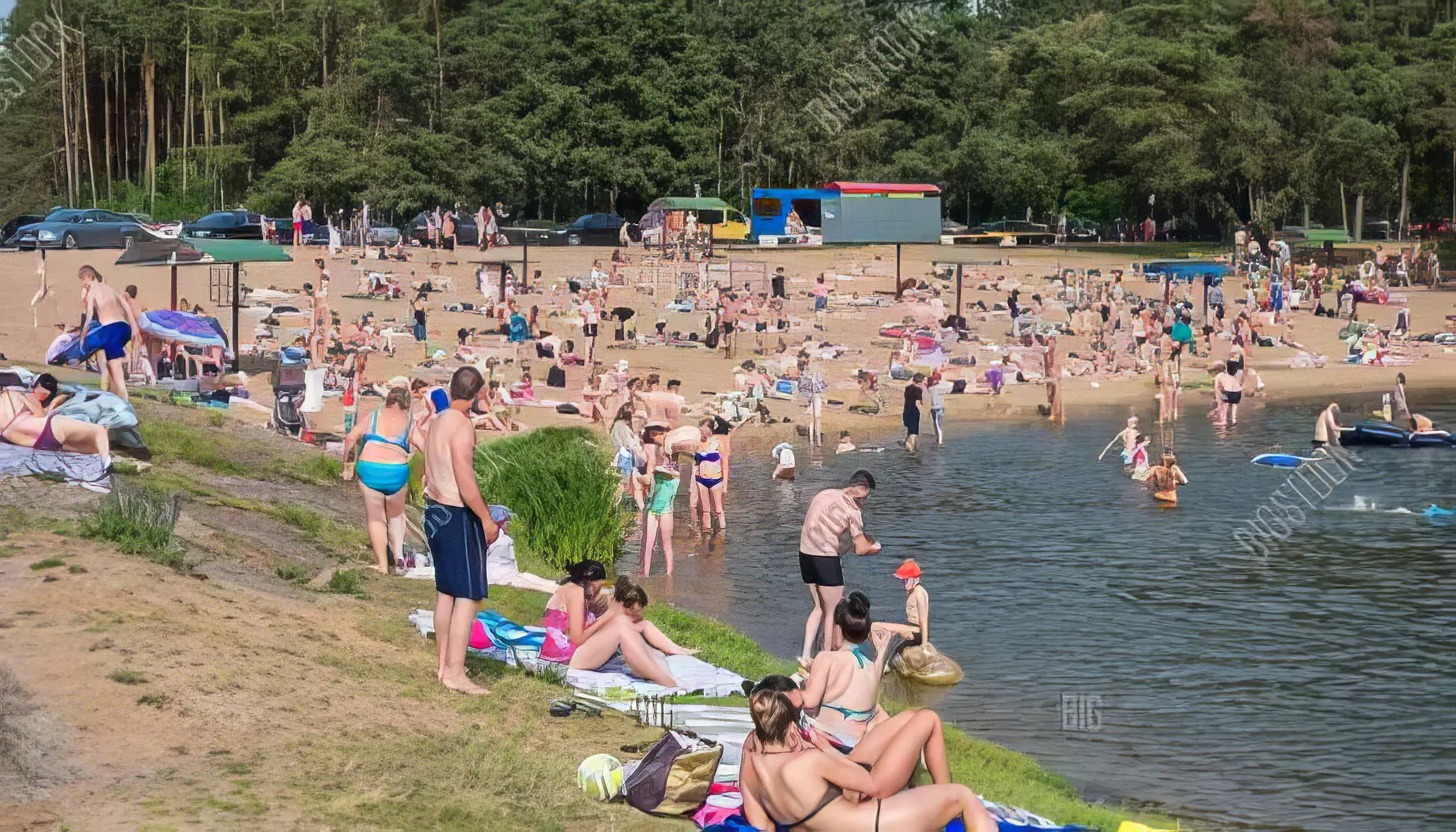
Belarus is a landlocked country with no sea beaches.
Outdoor activities
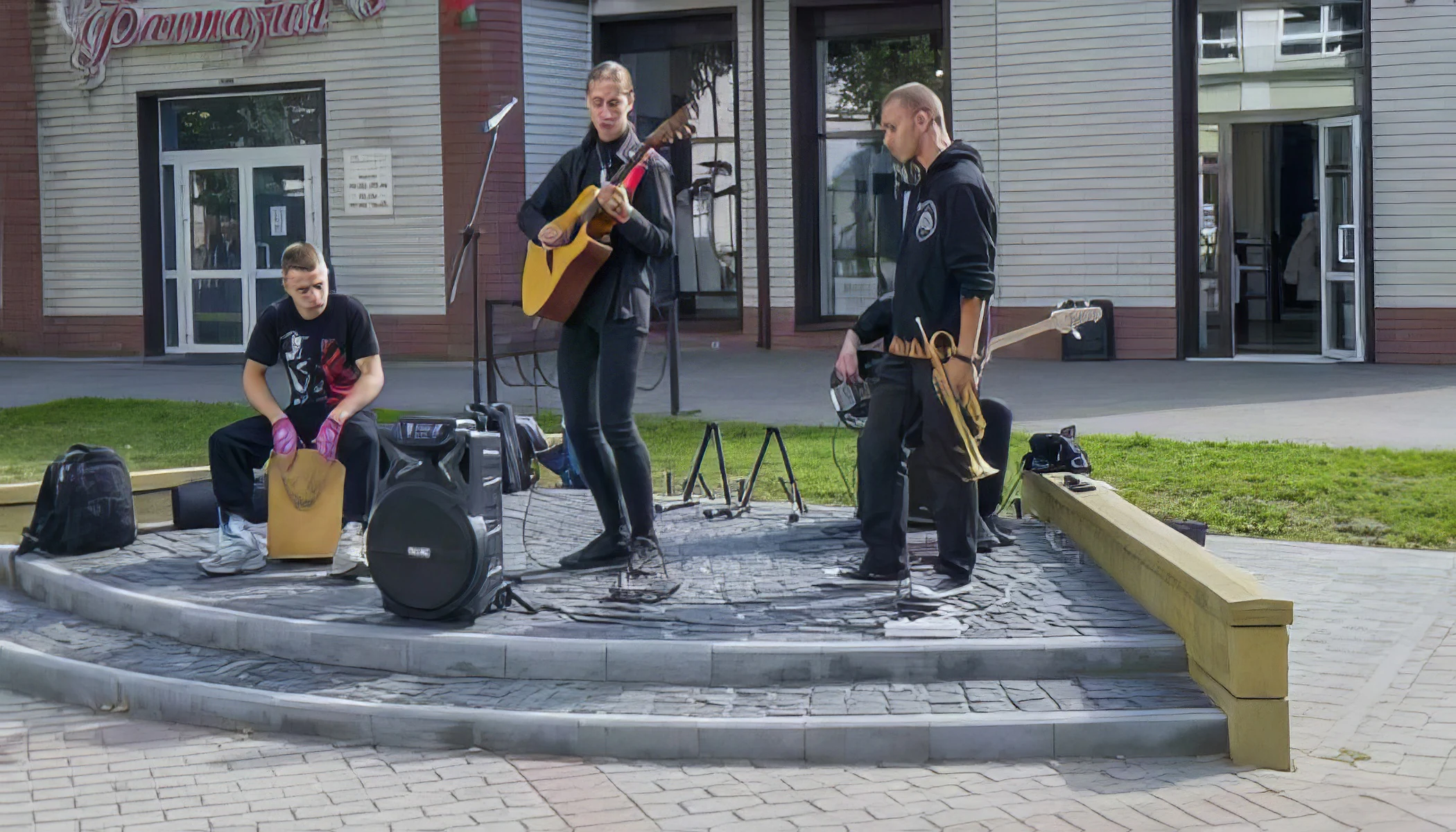
Belarus offers a variety of outdoor activities for nature enthusiasts:
– Hiking in Belovezhskaya Pushcha National Park: Walk through ancient forests home to European bison.
– Kayaking on the Neman River: Paddle along scenic routes with diverse wildlife.
– Cycling in Braslav Lakes National Park: Explore elegant landscapes and numerous lakes.
– Birdwatching in Pripyatsky National Park: Observe diverse bird species in their natural wetland habitat.
– Fishing in Narach Lake: Enjoy peaceful fishing in Belarus's largest lake.
– Horseback Riding near Minsk: Experience the countryside on guided equestrian trails.
– Cross-country Skiing in Logoisk: Glide through snowy trails during winter months.
Kid Friendly
Belarus supplies several engaging activities for children to enjoy.
– Minsk Zoo: A family-friendly zoo with a variety of animals and a small amusement park.
– Gorky Park: A central park in Minsk featuring rides, a planetarium, and an ice rink in winter.
– Belarusian State Circus: Supplies entertaining performances that captivate both kids and adults.
– Belovezhskaya Pushcha National Park: Home to European bison, this park supplies nature trails and a museum.
– Children's Railway in Minsk: A miniature railway operated by children under adult supervision, offering scenic rides.
– Dudutki Museum Complex: An open-air museum showcasing traditional crafts with interactive workshops for kids.
– Brest Hero-Fortress Complex: A historical site with museums and monuments that provide educational insights for families.
– Narachanski National Park: Provides outdoor activities like hiking and boating in a charming setting.
Cuisine
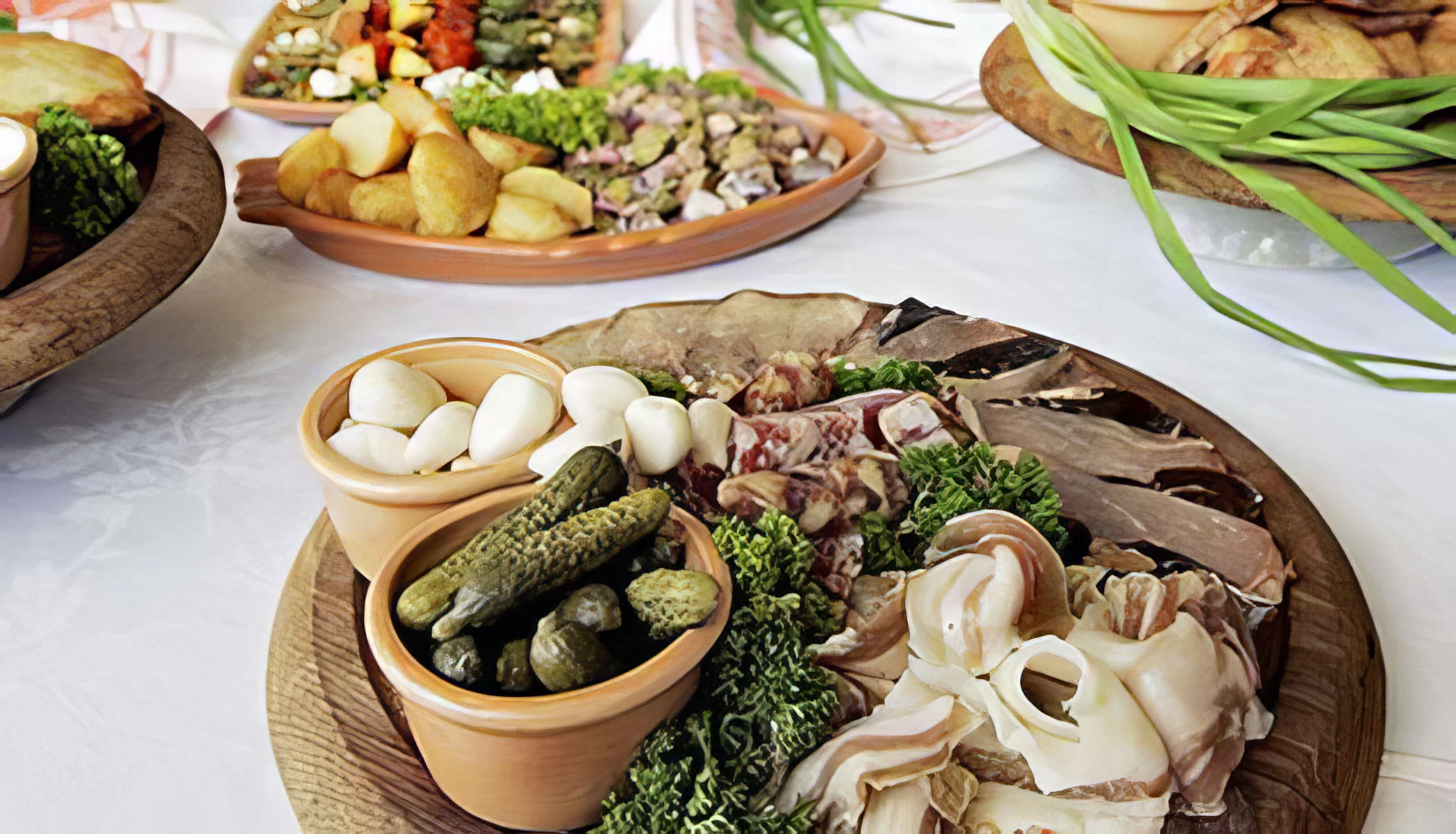
Belarusian cuisine is hearty and rustic, heavily featuring potatoes, meats, and dairy products. It reflects the country's agricultural roots and Slavic influences. Traditional dishes are simple yet flavorful, often using local ingredients.
– Draniki: Potato pancakes typically served with sour cream or mushroom sauce.
– Machanka: Pork stew with thick gravy, often eaten with pancakes or bread.
– Kolduny: Dumplings filled with meat or mushrooms, served in broth or fried.
– Borscht: Beetroot soup with vegetables and sometimes meat, topped with sour cream.
– Smazhenka: Fried pork cutlet often served with potatoes and vegetables.
Souvenir
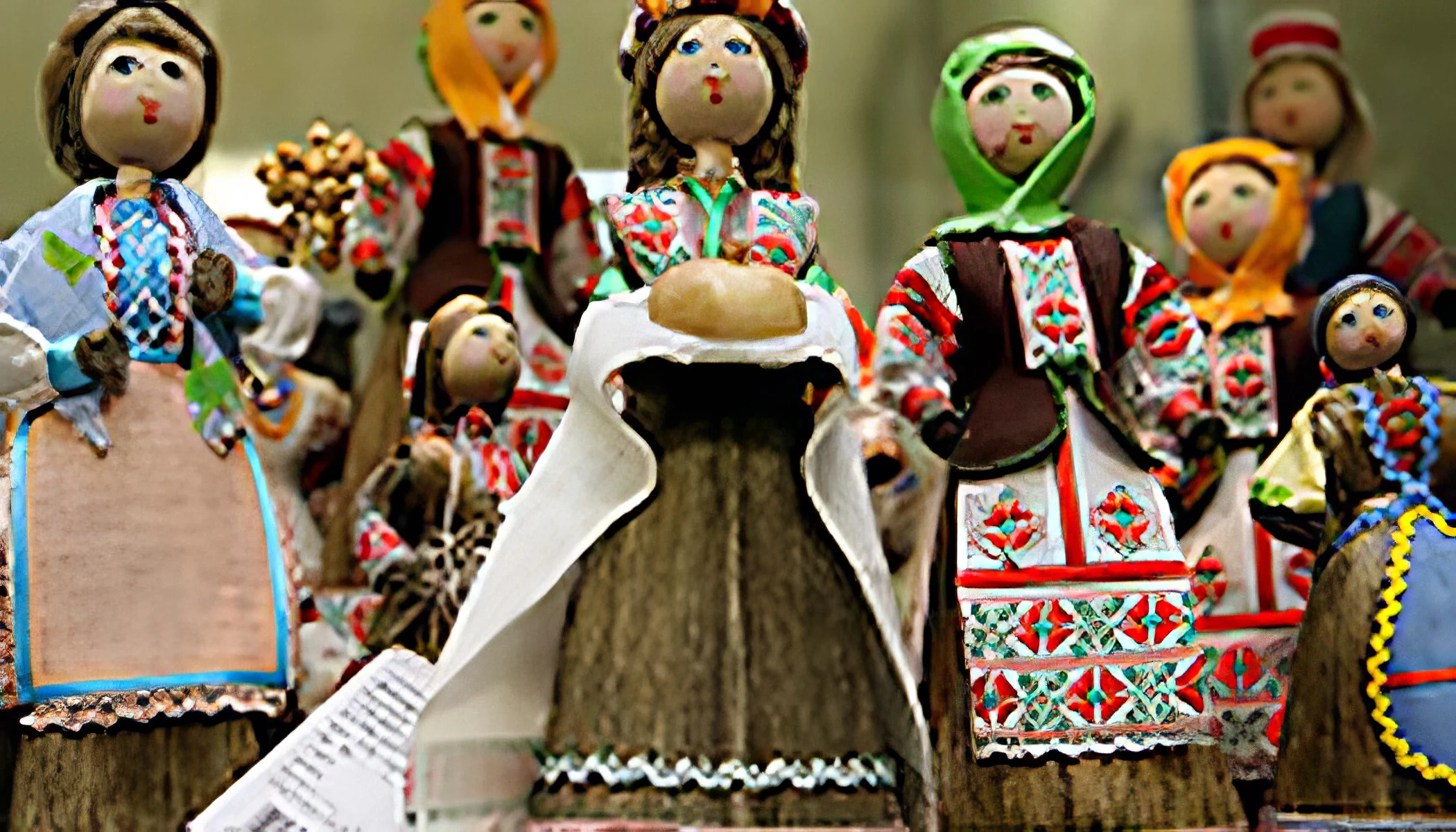
Belarus supplies a variety of traditional crafts and products that make for memorable souvenirs. Here are some popular options:
– Linen Products: Belarus is known for its high-quality linen, including tablecloths, clothing, and home textiles.
– Straw Crafts: Intricately woven straw items like dolls and decorations are traditional Belarusian crafts.
– Ceramics: Handcrafted ceramics featuring traditional designs are widely available in Belarus.
– Wood Carvings: Skilled artisans create beautiful wood carvings, often depicting local folklore and nature.
– Glassware: Belarusian glassware is known for its quality and artistic designs.
– Honey: Known for its purity, Belarusian honey is a sweet souvenir to take home.
– Vodka: Belarus produces a variety of vodkas, often infused with local herbs and flavors.
Traditional Shows
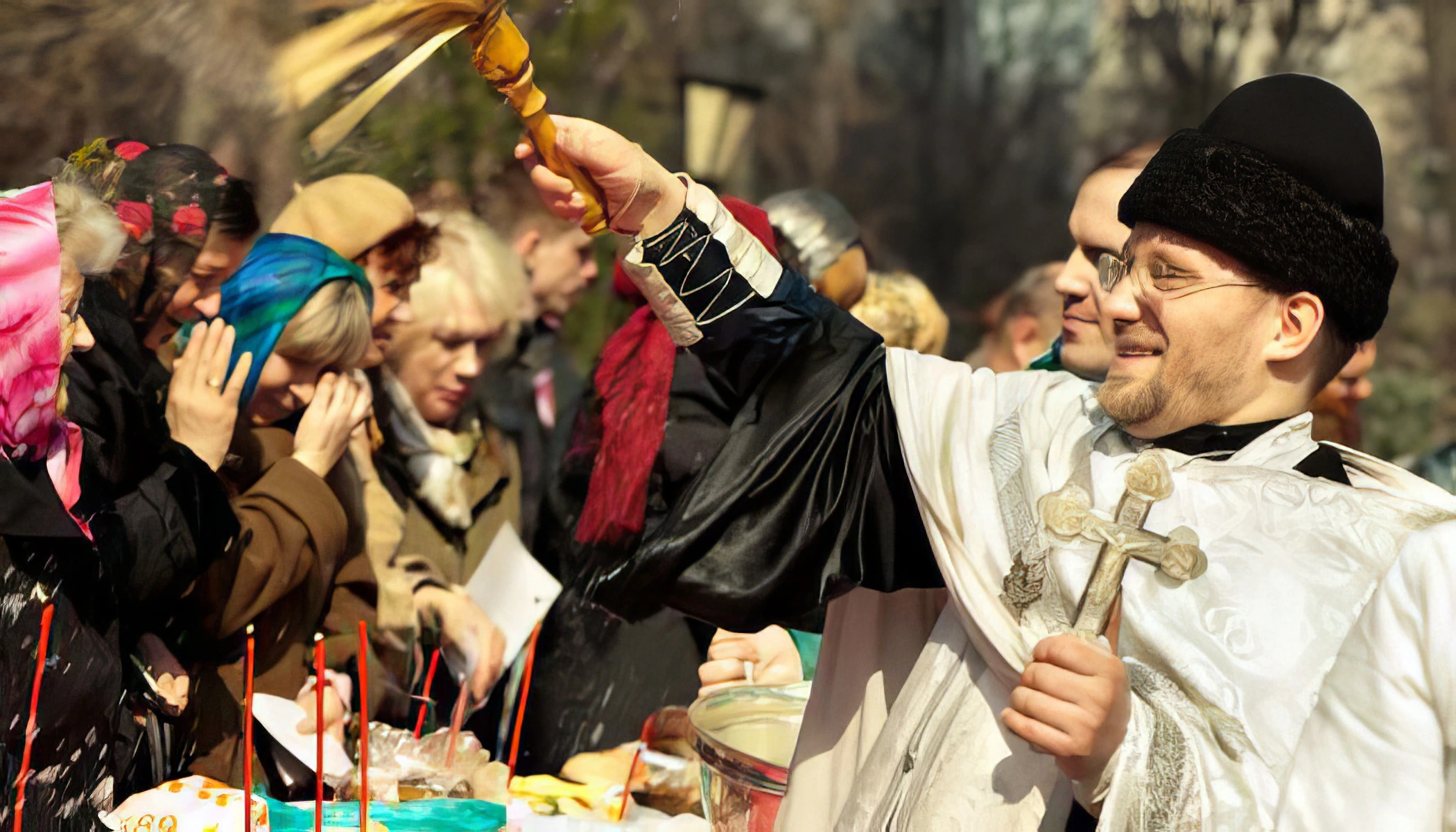
Belarus offers a variety of traditional performances:
– Kupalle Festival: Celebrate summer solstice with folk music, dance, and rituals in Minsk, showcasing Belarusian cultural traditions.
– Belarusian Folk Dance: Experience energetic and colorful folk dances performed by local ensembles across the country, reflecting rural life and customs.
– Dudaryki Choir: Enjoy traditional choral music performed by this renowned children's choir in Minsk, highlighting Belarusian vocal traditions.
– Kupalinka Song Ensemble: Listen to traditional Belarusian songs performed by this ensemble, known for preserving and promoting national musical heritage.
– Slavianski Bazaar: Attend this international arts festival in Vitebsk featuring diverse performances from Belarus and other Slavic countries.
Events & Festivals
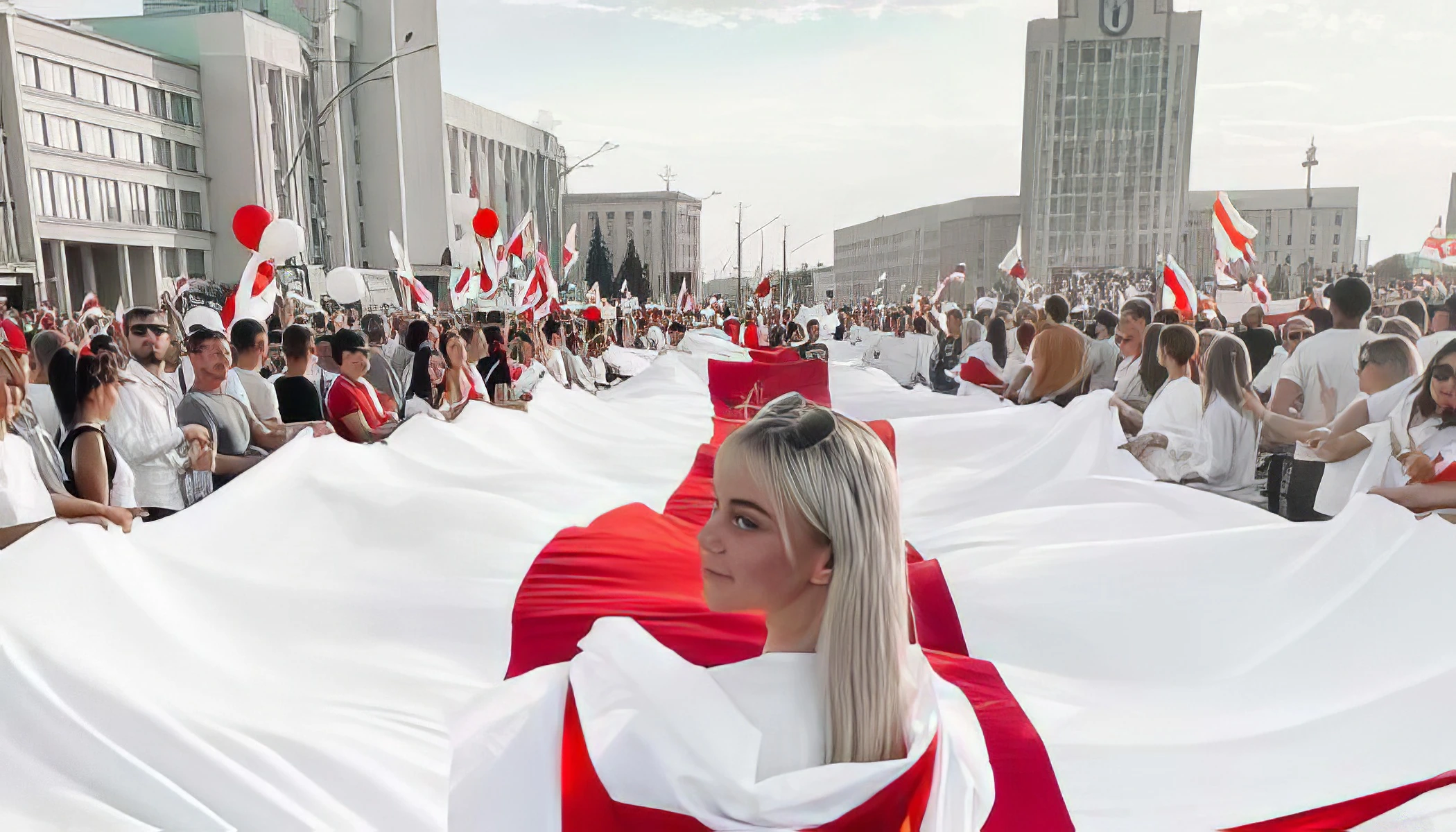
Belarus hosts a variety of cultural and traditional events throughout the year, reflecting its rich heritage:
– Maslenitsa: February/March festival marking the end of winter with pancakes, games, and bonfires.
– Victory Day: Celebrated on May 9 with parades and ceremonies honoring World War II veterans.
– Kupala Night: June celebration featuring bonfires, singing, and traditional rituals for the summer solstice.
– Independence Day: July 3 event with military parades and fireworks in Minsk.
– Slavianski Bazaar: July international arts festival in Vitebsk showcasing music, dance, and theater.
– Minsk City Day: September celebration with concerts, fairs, and fireworks in the capital city.
– Dozhinki Festival: Autumn harvest festival celebrating agricultural achievements with fairs and performances.
Famous People
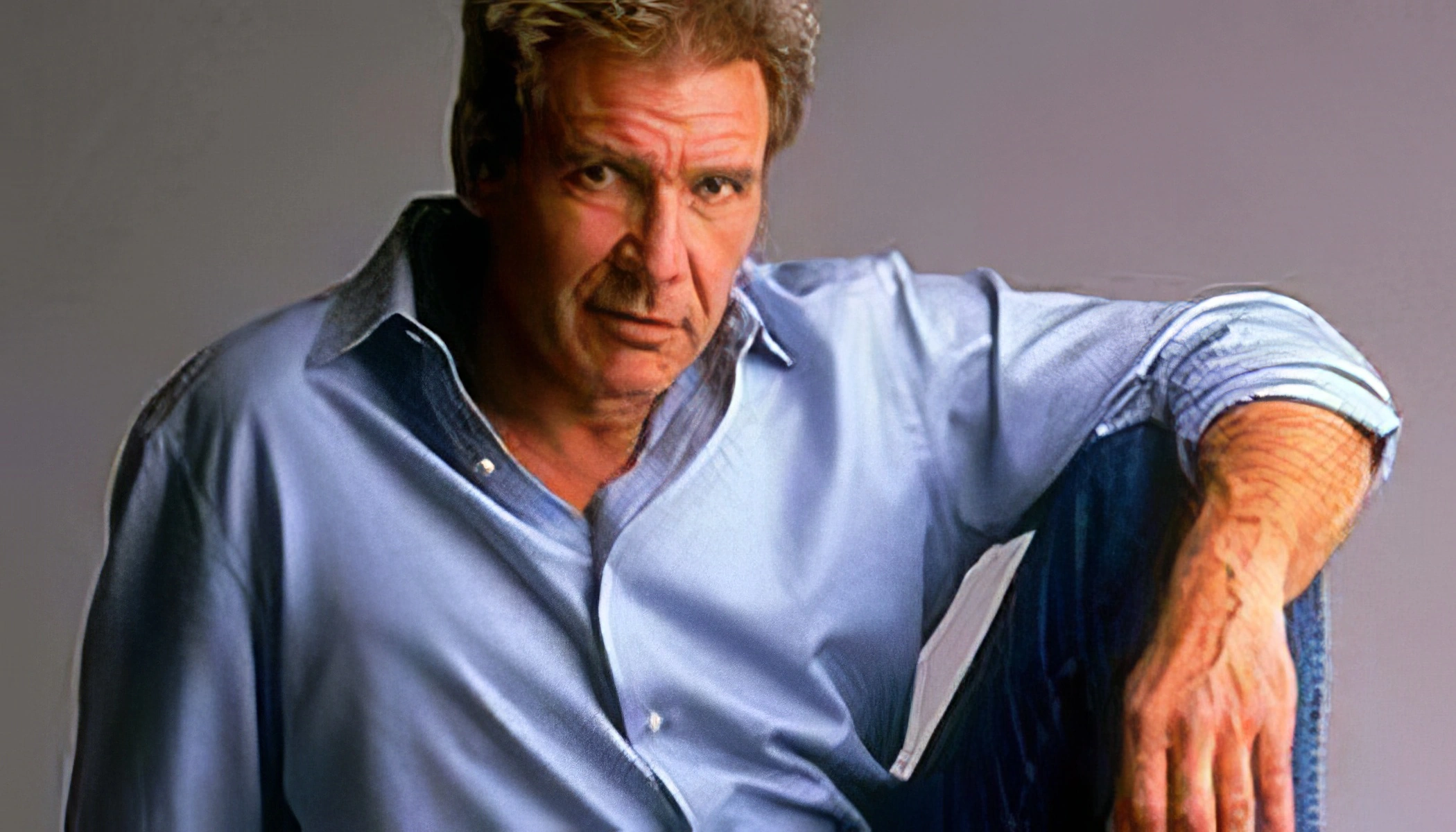
Belarus has been home to many notable figures who have made significant contributions in various fields.
– Francysk Skaryna (c. 1486 to c. 1540, Polotsk): Early printer and humanist, known for translating the Bible into Belarusian.
– Marc Chagall (1887 to 1985, Vitebsk): Renowned painter and pioneer of modernism, famous for his colorful and dreamlike works.
– Svetlana Alexievich (born 1948, Stanislav): Nobel Prize-winning author known for her oral history books on Soviet and post-Soviet life.
– Alexander Lukashenko (born 1954, Kopys): Politician serving as the President of Belarus since 1994.
– Maxim Bogdanovich (1891 to 1917, Minsk): Influential poet celebrated for his contributions to Belarusian literature and national identity.
Books
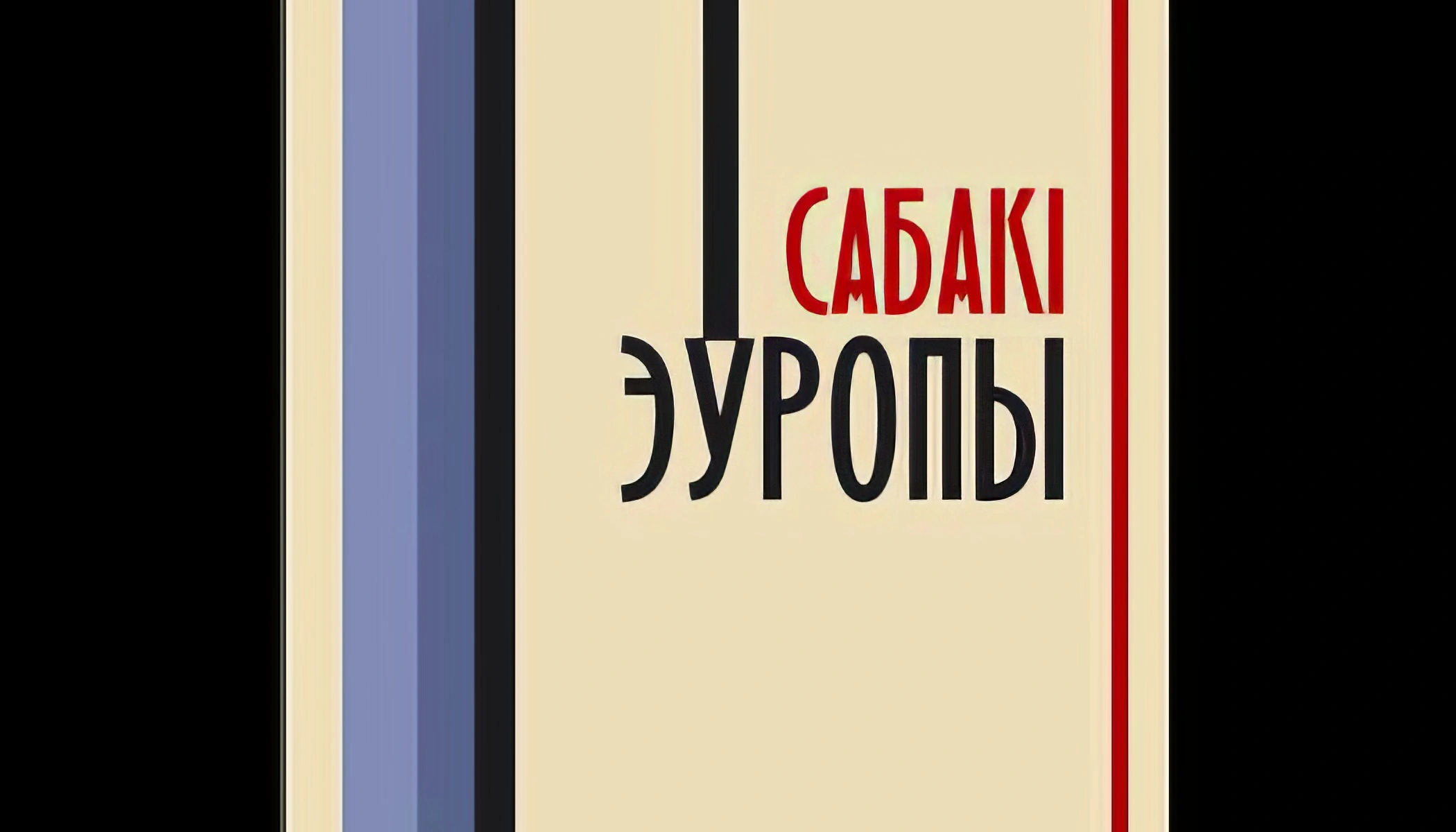
These books provide insights into Belarusian history, culture, and the impact of significant events on its people.
– "Voices from Chernobyl" by Svetlana Alexievich: Oral history of the Chernobyl disaster's effects on Belarusian lives.
– "The Unwomanly Face of War" by Svetlana Alexievich: Chronicles Soviet women's experiences during World War II, including those from Belarus.
– "The Last Territory" by Yuri Breshin: Explores post-Soviet life and identity in Belarus.
– "Alindarka's Children" by Alhierd Bacharevic: A novel about language and identity in a dystopian Belarus.
– "Minsk: Poems" by Valzhyna Mort: Poetry collection reflecting on life and culture in the Belarusian capital.
Songs
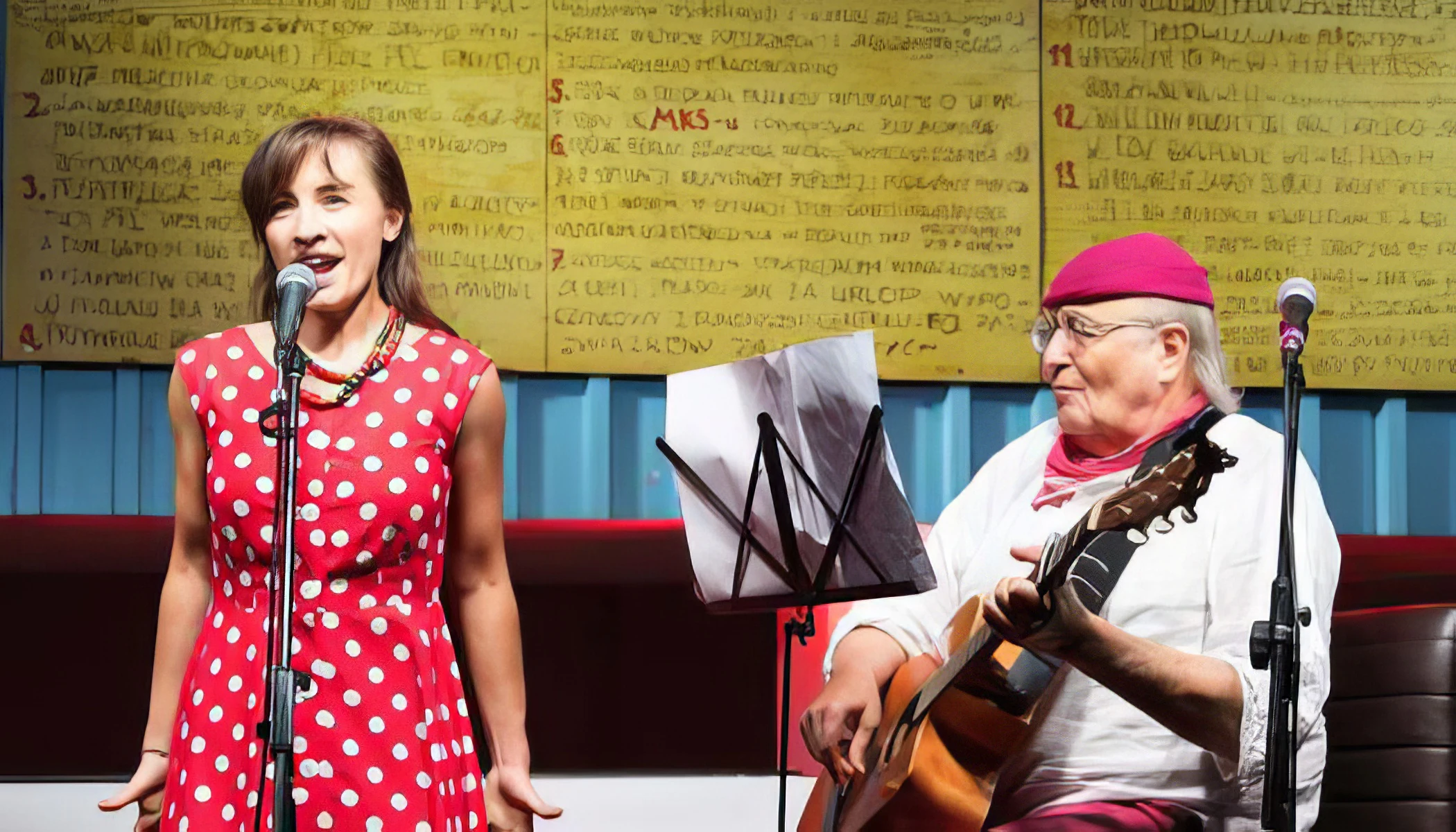
These songs highlight the rich cultural heritage and modern musical landscape of Belarus, reflecting themes of love, nature, and national identity.
– Kupalinka: Traditional Belarusian folk song symbolizing the beauty of nature and folklore.
– Pesnyary's "Belovezhskaya Pushcha": Celebrated song about the ancient forest, a UNESCO World Heritage site.
– Alesya: Popular romantic ballad by Pesnyary, beloved across generations.
– Malinovka: Classic tune by Syabry, evoking nostalgia and rural life.
– Vologda: Energetic hit by Verasy, known for its catchy melody and lyrics.
– Zorka Venera: N.R.M.'s rock anthem reflecting Belarusian spirit and resilience.
Films
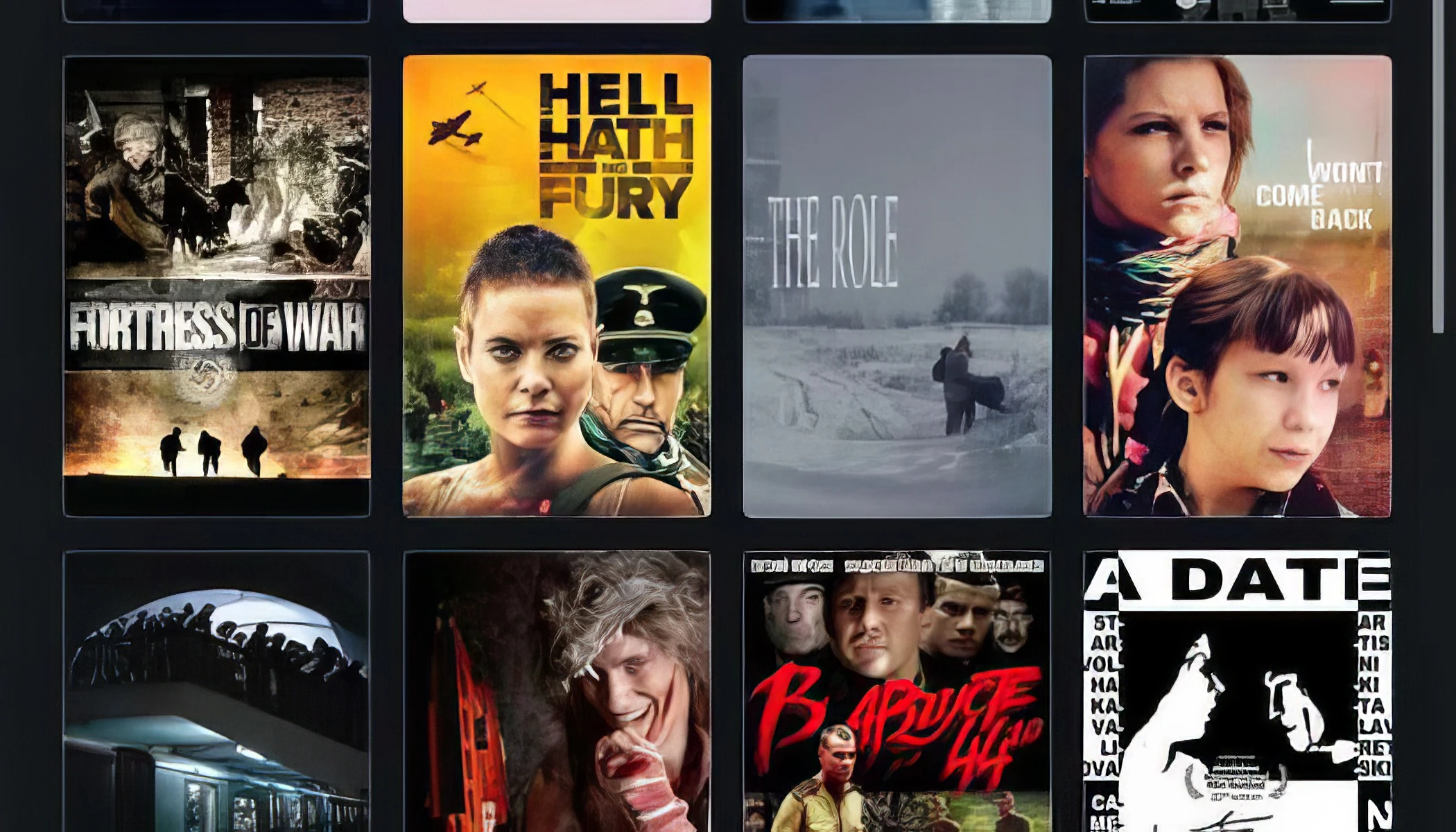
A selection of films provides insight into Belarusian history and culture:
– "Come and See": Elem Klimov's harrowing World War II film depicts a young boy's traumatic experiences in Nazi-occupied Belarus.
– "In the Fog": Sergei Loznitsa's drama explores moral dilemmas faced by a suspected collaborator during the German occupation.
– "Fortress of War": A film by Alexander Kott about the heroic defense of Brest Fortress against Nazi forces in 1941.
– "The Brest Fortress": Directed by Alexander Kott, it recounts the first days of Operation Barbarossa and the Soviet resistance.
– "Masakra": Andrei Kudinenko's film delves into a dark, surreal tale set against a backdrop of historical events in Belarus.